Supply vents are smaller registers with adjustable louvers that blow conditioned air into your rooms. Return vents are larger grilles - usually without louvers - that pull air back to the air handler for reconditioning. Both must stay unblocked for your HVAC system to circulate air properly. Blocking return vents is one of the most common causes of uneven temperatures and high energy bills in Austin homes. Call (512) 601-4451 if your system is not cooling evenly.
How to Tell Supply Vents from Return Vents
Supply vents and return vents look different, and once you know what to look for, identifying them takes a few seconds. Supply vents are the smaller registers mounted on walls, ceilings, or floors in each room. They typically have adjustable louvers or fins that let you direct airflow. When your system is running, hold a tissue near a supply vent and it will blow away from the vent - that is conditioned air being pushed into the room.
Return vents are larger grilles, usually mounted on walls or ceilings in hallways, living areas, or central locations. Most return vents do not have adjustable louvers - they are flat grilles or have fixed slats. Hold a tissue near a return vent while the system runs and it will be pulled toward the vent, because return vents pull air out of your living space and send it back to the air handler.
A quick way to remember: supply vents supply air to your rooms (blow out), and return vents return air to the system (pull in). Most Austin homes have one supply vent per room and one to three return vents for the entire house, though newer construction may have more returns for better air balance.
What Does a Return Vent Look Like
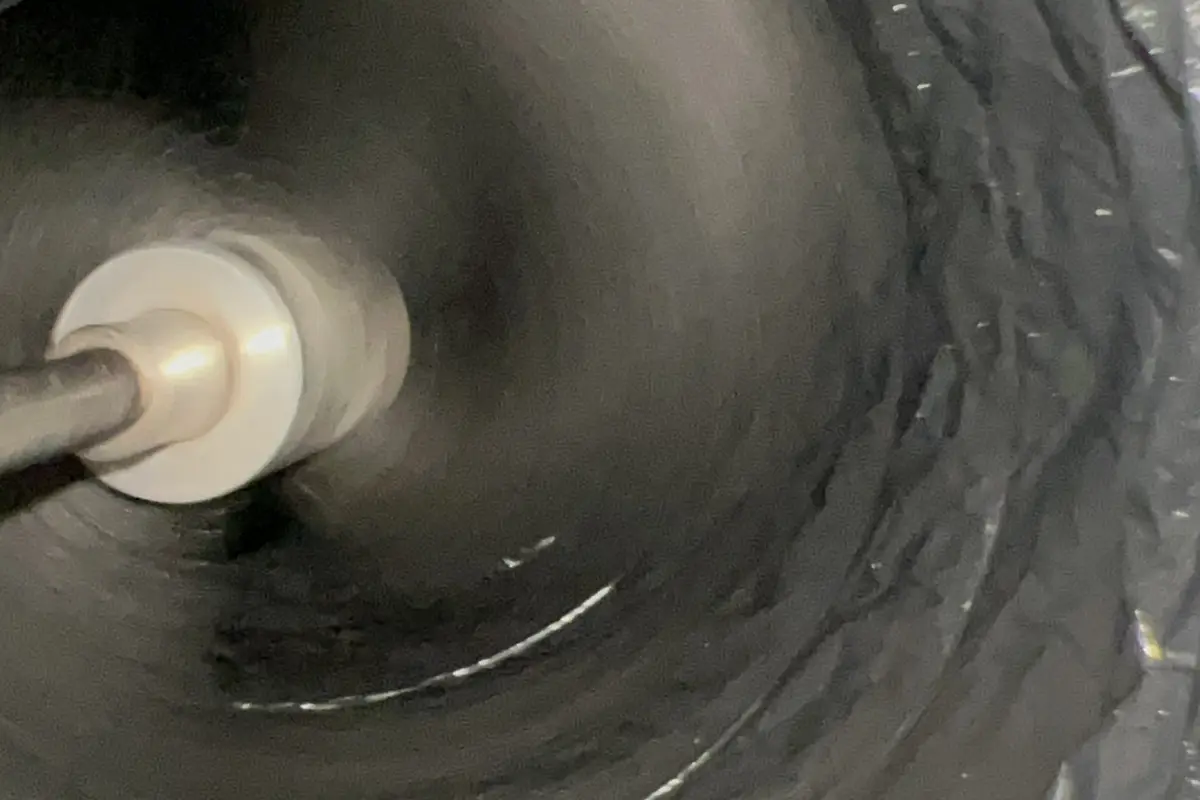
Return vents are typically much larger than supply vents. While a supply register might be 4x10 inches or 6x12 inches, return vents are commonly 16x20 inches, 20x20 inches, or even 20x25 inches. They are designed to handle a large volume of air flowing back to the system.
Most return vents have a flat grille with fixed louvers or a simple stamped pattern. They do not have adjustable fins because there is no need to direct the airflow - air simply needs to flow through them and back into the return duct. Some return vents have a filter behind them (filter-back return grilles), which you can check by removing the grille and looking inside.
In Austin homes, return vents are most often located in hallways, near the thermostat, or in central living areas. Older Austin homes (built before 2000) frequently have only one or two return vents for the entire house - a common design limitation that causes air balance problems we see on nearly every job.
Why Both Vent Types Matter for Your HVAC System
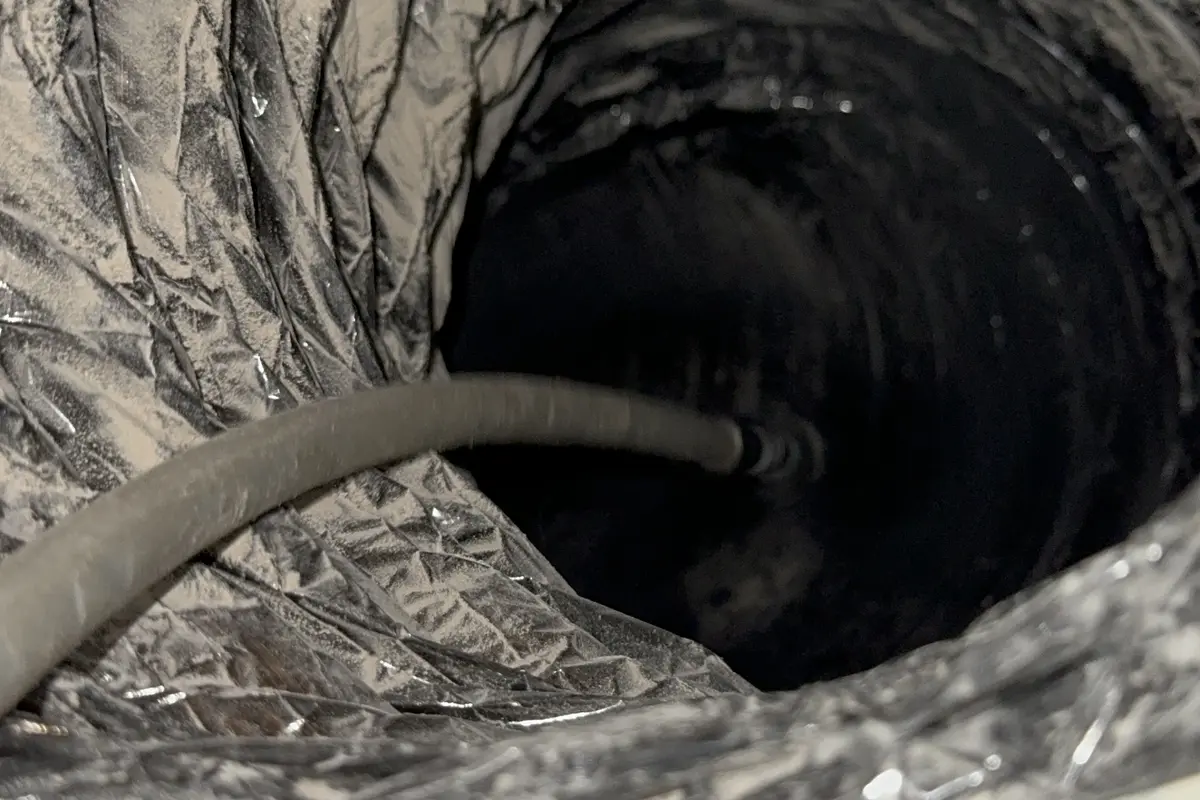
Your HVAC system is a closed loop. The air handler pulls air through the return vents, conditions it (heating or cooling), and pushes it out through the supply vents. If either side of this loop is restricted, the entire system suffers.
Think of it like breathing: supply vents are the exhale (air going out to rooms), and return vents are the inhale (air coming back in). If you block the inhale, the system starves for air and cannot circulate properly. If you block the exhale, conditioned air cannot reach the rooms that need it.
When the system is balanced - meaning supply airflow and return airflow are roughly equal - every room gets the right amount of conditioned air, and the air handler operates at its designed efficiency. When the system is unbalanced, you get hot spots, cold spots, higher energy bills, and premature equipment wear.
What Happens When Return Vents Are Blocked
Blocking return vents is one of the most common HVAC mistakes Austin homeowners make, usually without realizing it. Furniture placed against return vents, curtains hanging over them, or even closing doors to rooms without dedicated returns all restrict the air coming back to the system.
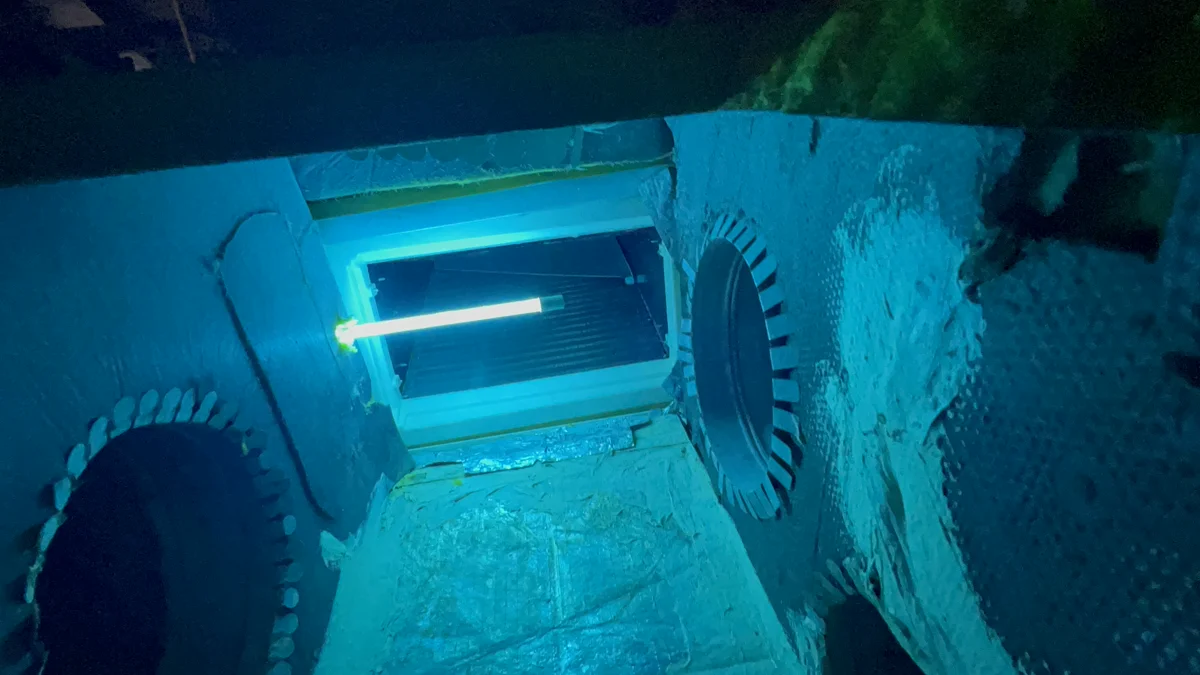
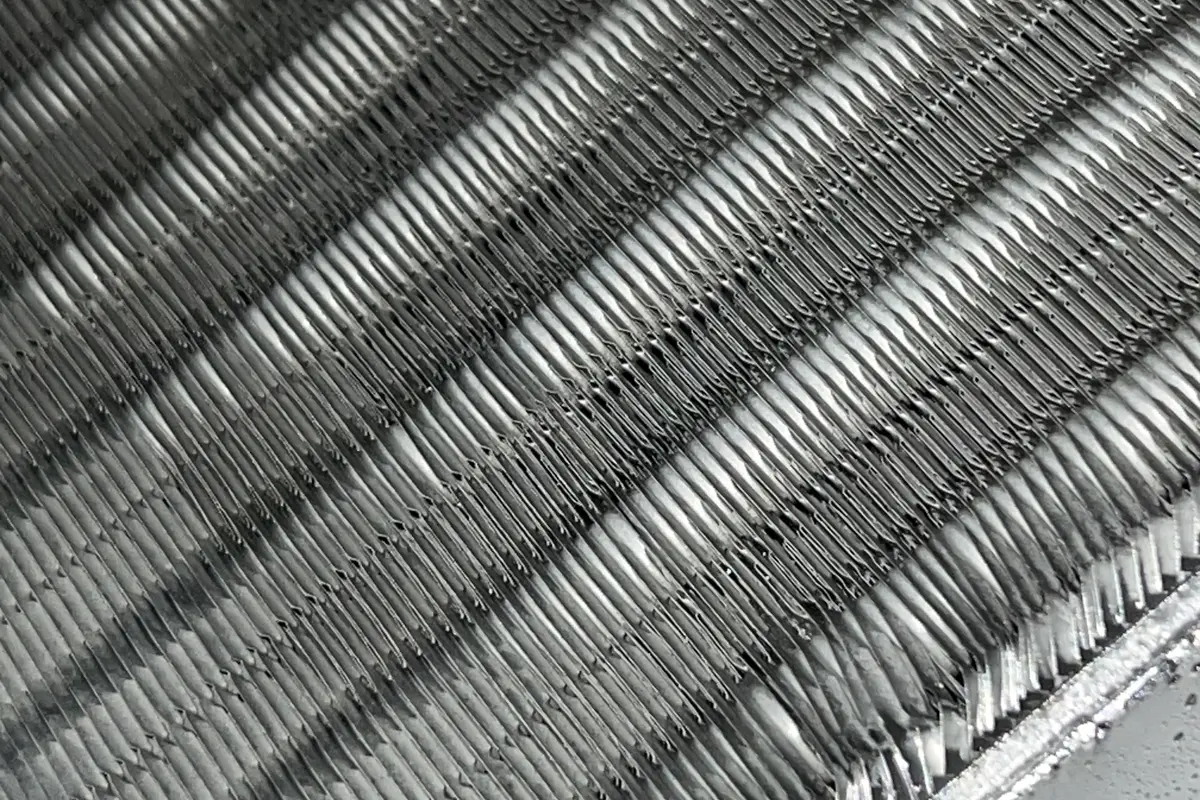
When return airflow is restricted, the air handler cannot pull enough air to condition. The blower motor works harder, energy consumption goes up, and the evaporator coil can get too cold because there is not enough warm air flowing across it. In cooling mode, this can cause the coil to freeze - literally forming ice that blocks airflow entirely and can damage the compressor.
In Austin's summer heat, a frozen evaporator coil from blocked returns is a service call we see regularly. The homeowner notices the system running nonstop without cooling the house, checks the air handler, and finds ice covering the coil. The fix starts with unblocking the returns and letting the ice melt, but the root cause is almost always inadequate return air.
Pressure imbalance from blocked returns also pulls unconditioned air into the house through gaps around doors, windows, and electrical outlets. Your home is slightly depressurized when returns are blocked, and hot attic air or humid outdoor air seeps in to equalize the pressure. This makes your system work even harder to maintain temperature.
Cleaning Supply Vents vs Return Vent Covers
Both supply and return vent covers should be cleaned quarterly as part of basic home maintenance. Remove the covers, soak them in warm soapy water, scrub off dust and grime, and let them dry before reinstalling. Use a vacuum with a brush attachment to clean as far into the duct opening as you can reach - typically 2 to 3 feet.
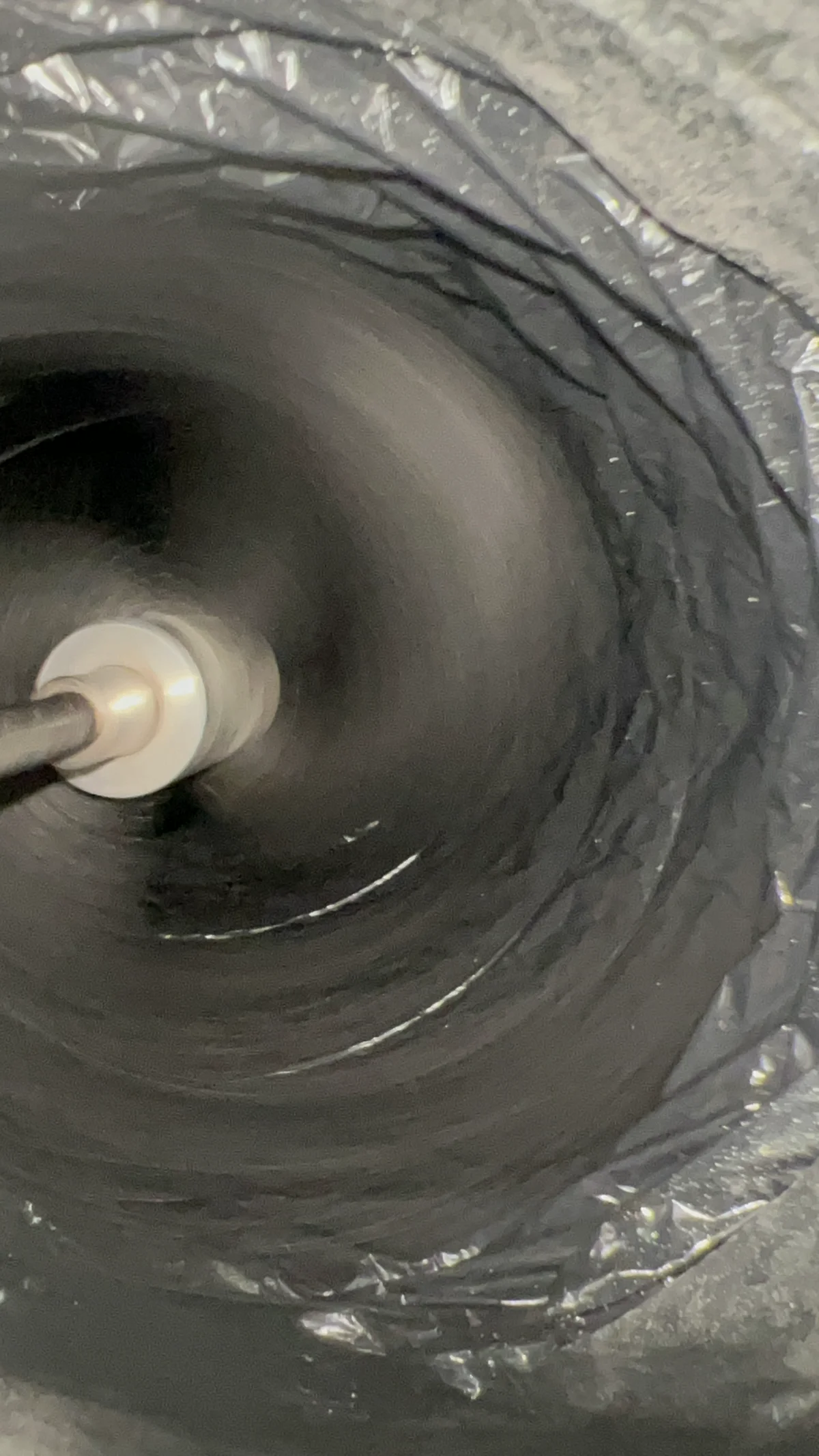
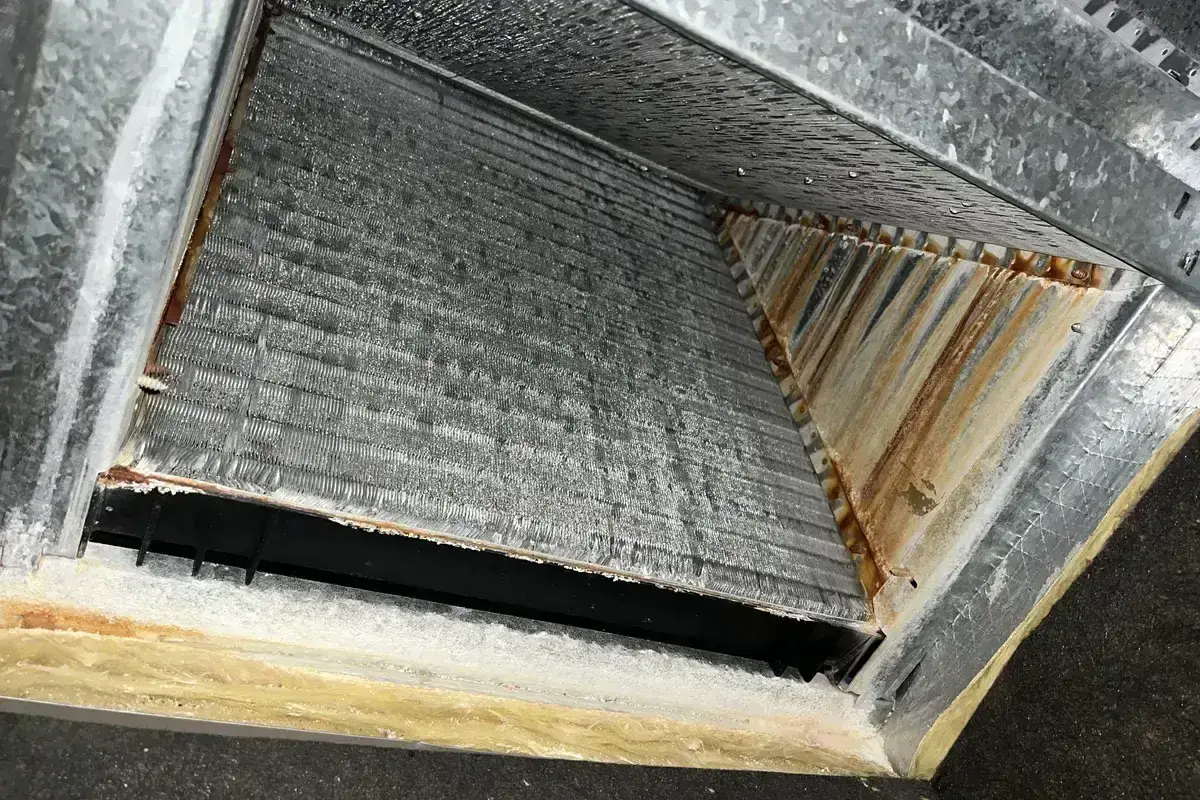
Supply vent covers tend to collect less visible dust because air blows outward through them. However, the duct runs behind supply vents accumulate dust, pollen, pet dander, and debris that a household vacuum cannot reach. Professional duct cleaning addresses the entire supply duct run from the plenum to the register.
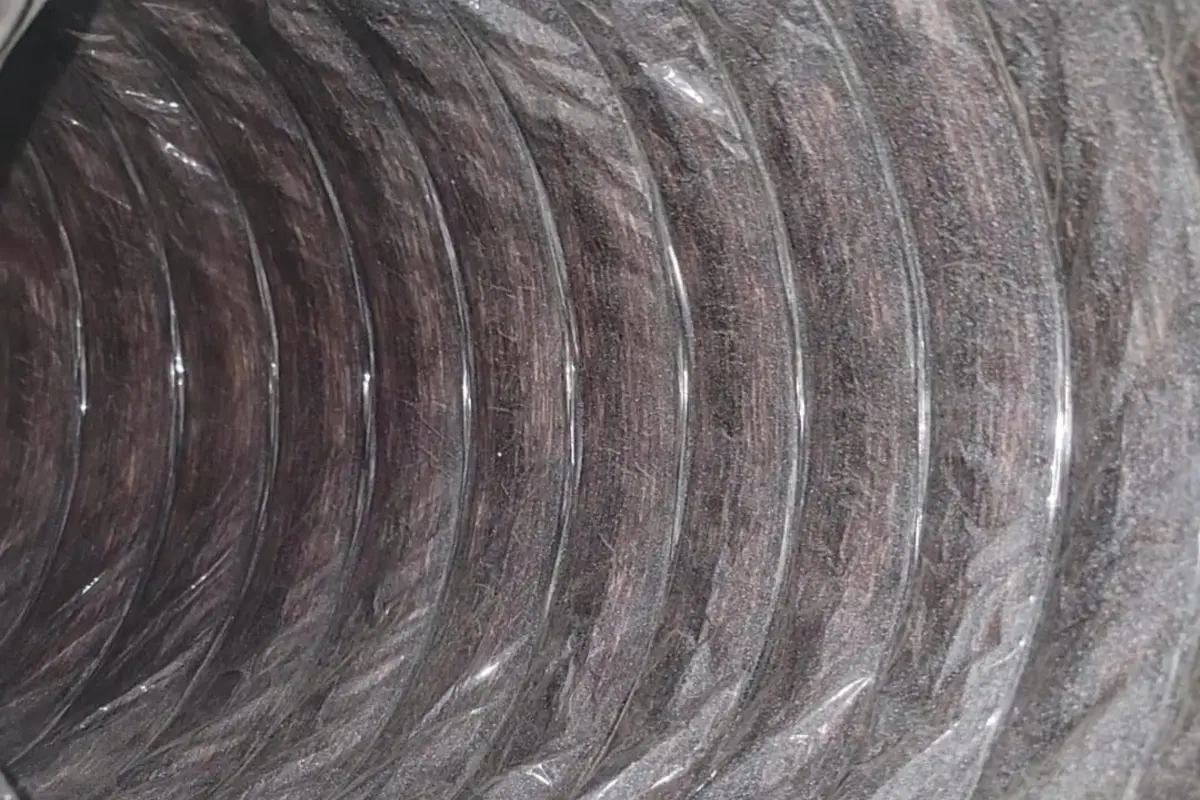
Return vent covers collect more visible dust because they pull air (and airborne particles) toward them. You will often see dust buildup on the grille slats and along the edges. The return duct behind the grille - which runs back to the air handler - also collects debris, and since all air passes through the return side before reaching the filter, anything that settles in the return ducts gets pushed against (or through) the filter with every cycle.
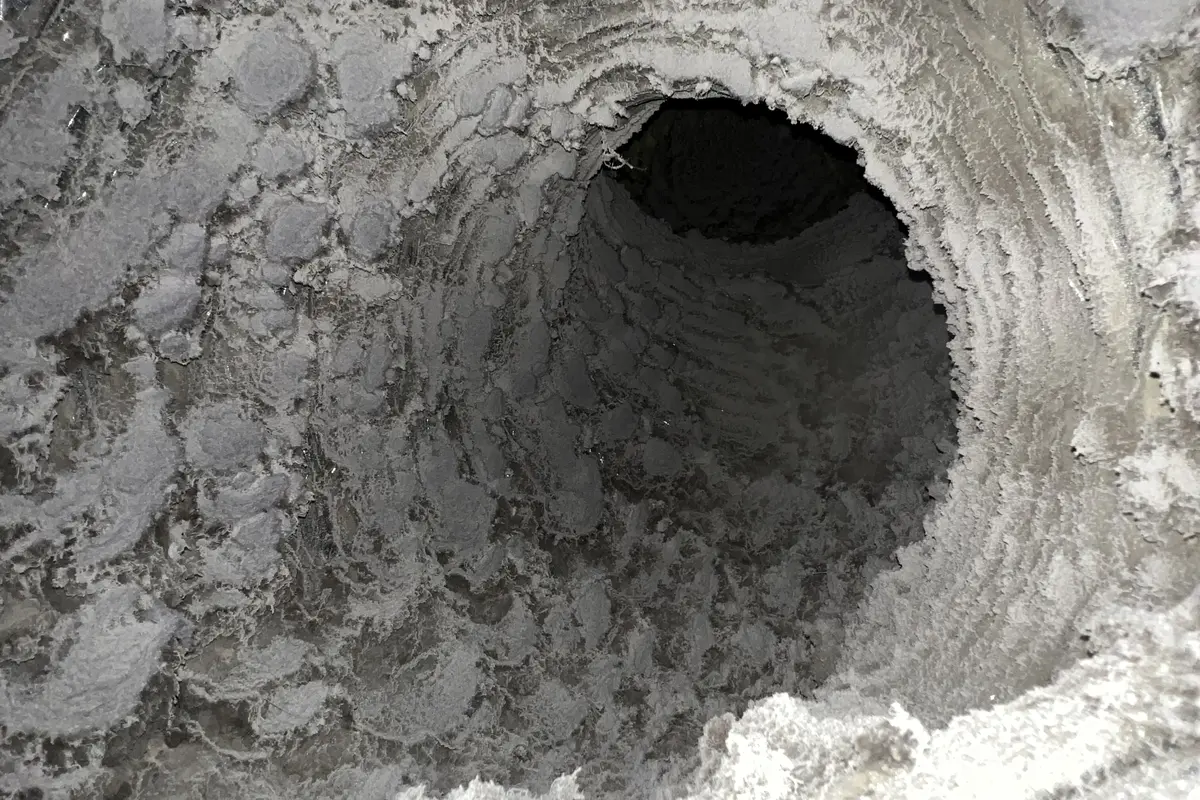
If your vent covers are visibly dusty or you notice reduced airflow from supply registers, your ductwork likely needs professional attention beyond surface cleaning. Call (512) 601-4451 for an HD camera inspection that shows exactly what is inside your ducts.
Just Moved In? Start Here.
We help new Austin homeowners understand their HVAC system with honest assessments and straightforward recommendations.
Call (512) 601-4451Rate your home's indoor air quality in 2 minutes
Austin Homes and the Not-Enough-Returns Problem
Many Austin homes built in the 1970s through 1990s were designed with minimal return vents - sometimes just one large central return for the entire house. Building codes at the time did not require returns in every room, and builders minimized them to reduce cost. The result is thousands of Austin homes with inadequate return air paths.
The symptoms of insufficient returns include rooms that are always too hot or too cold despite the system running, doors that slam shut on their own when the system turns on (due to pressure imbalance), whistling sounds from under doors, and higher-than-expected energy bills because the system runs longer to compensate for poor air circulation.
Modern HVAC design calls for return air paths in every room or at least transfer grilles (vents in walls or above doors) that allow air to flow back to the central return even when bedroom doors are closed. If your Austin home has these issues, a qualified HVAC contractor can add return ducts or install transfer grilles to improve air balance.
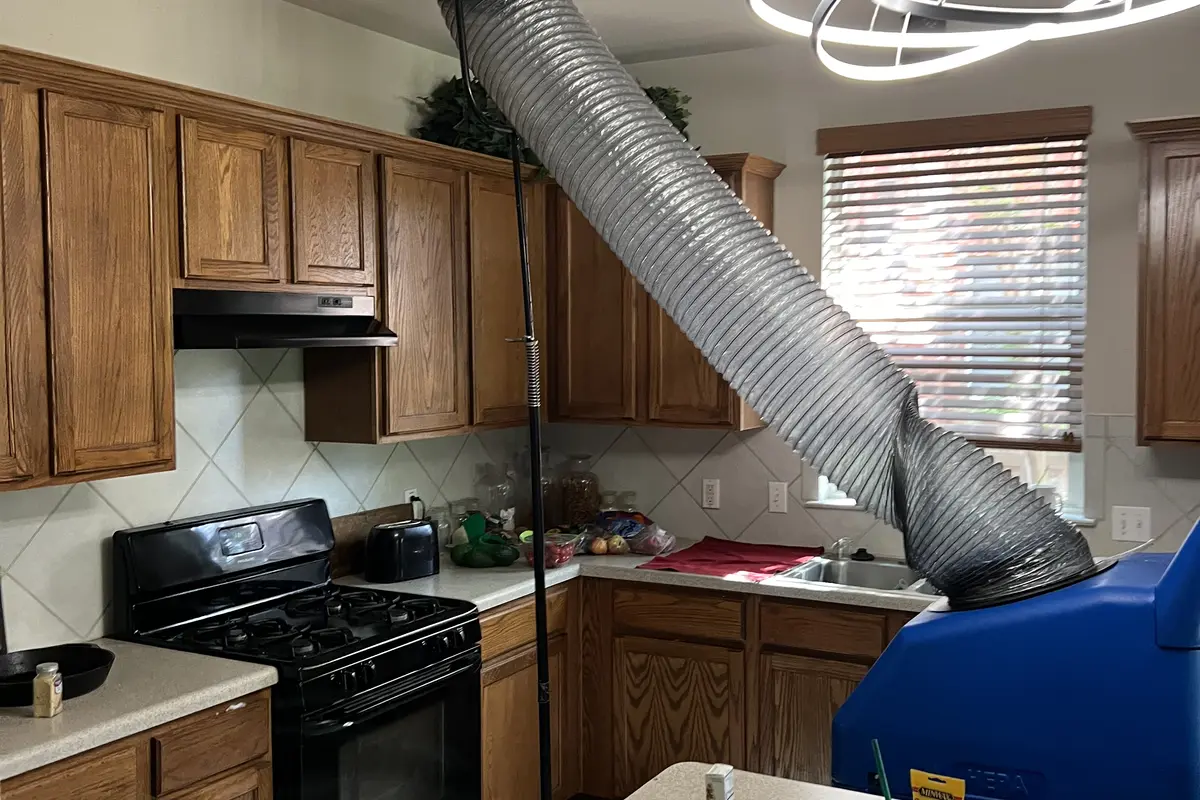
Whether your home has two returns or ten, keeping them clean and unobstructed is essential. Air Central cleans both supply and return ductwork using commercial-grade HEPA vacuum equipment and HD camera inspection. Call (512) 601-4451 for a professional estimate.
Return Vent Covers: Styles, Sizes, and Cleaning Tips
Return vent covers come in several styles, and the right choice depends on your home's aesthetics, airflow needs, and budget. Stamped steel covers are the most common type in Austin homes - they are inexpensive, durable, and available at every hardware store. Decorative wood covers add a custom look that blends with trim and cabinetry, making them popular in renovated bungalows in Hyde Park and Travis Heights. Magnetic covers attach without screws and are easy to remove for filter changes or cleaning, though they only work on steel duct boots. Custom covers in materials like wrought iron or laser-cut metal are available through specialty suppliers for homeowners who want a design statement.
Standard return vent cover sizes match common duct openings: 14x20 inches, 16x20 inches, 20x20 inches, 20x25 inches, and 20x30 inches. Measure the duct opening (not the old cover's outer dimensions) before purchasing a replacement. If your opening is a non-standard size - common in older Austin homes where original ductwork was custom-fabricated - you may need a made-to-order cover or a universal adjustable grille that trims to fit.
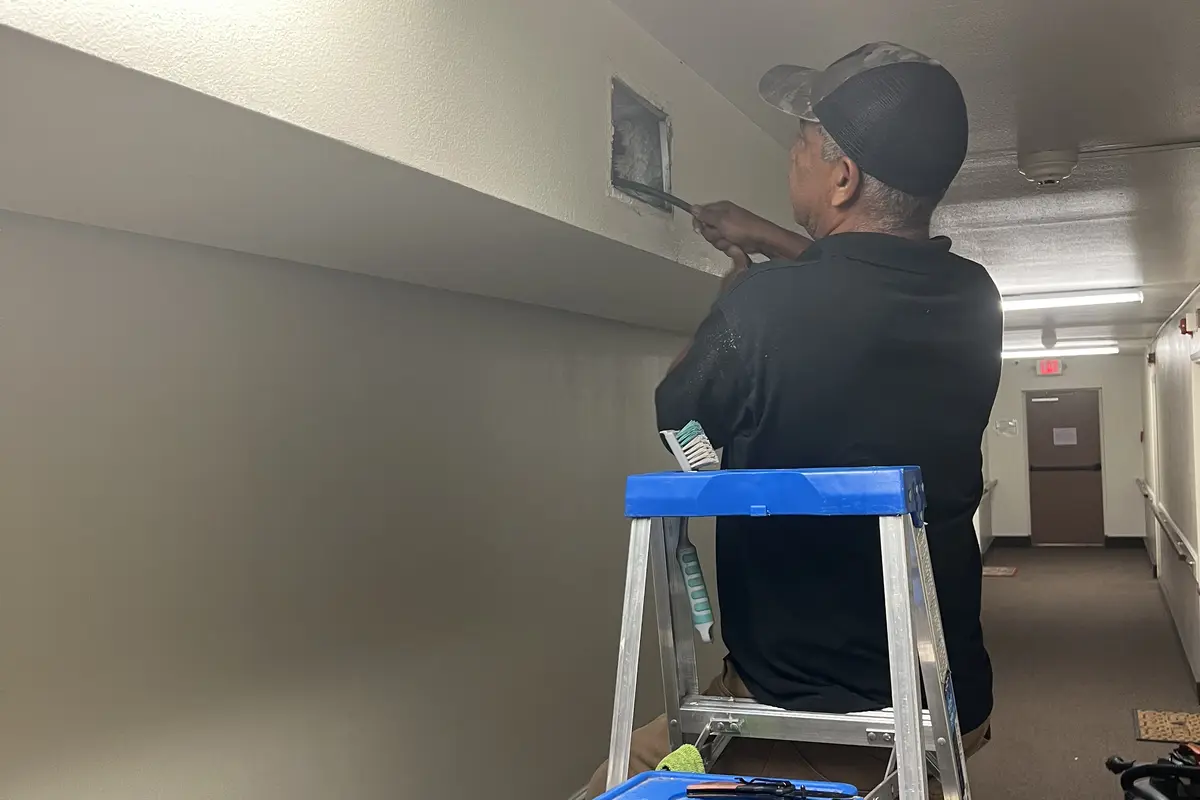
Cleaning return vent covers takes about five minutes per cover and should be done every three months. Remove the cover by unscrewing the fasteners or pulling it from its clips. Soak it in warm water with a few drops of dish soap for 10 minutes, then scrub both sides with a soft brush to remove caked dust. Rinse, dry completely, and reinstall. While the cover is off, vacuum as far into the return duct as your hose reaches - you will pull out surprising amounts of dust, pet hair, and debris.
Replace return vent covers when they are bent, rusted, or have broken louver fins that restrict airflow. In many older Austin homes, the original covers have been painted over multiple times, and each paint layer reduces the open area between louver slots. A cover with five coats of paint can lose 15-20% of its airflow capacity. If your return covers look like they have been painted shut, replacing them with new covers is an easy airflow improvement that costs $10-$30 per cover.
Return Vent Filters: When They Help and When They Hurt
No, return vents do not need separate filters in most homes because your main HVAC filter at the air handler already handles filtration for the entire system. Every cubic foot of air pulled through the return vents passes through that central filter before reaching the blower and evaporator coil. Adding filters at individual return vents creates a second layer of filtration that is usually unnecessary and can cause problems.
Some homeowners install return vent filters (also called filter-back grilles) as an extra layer of protection, and there are situations where they make sense. Homes with pets that shed heavily may benefit from a coarse pre-filter at the main return to catch large hair and dander before it reaches the central filter. Homes with a return vent near the floor in a dusty area - like a hallway that gets heavy foot traffic - may trap extra debris with a return filter. In these cases, use a low-restriction filter (MERV 4-6 at most) to avoid choking airflow.
The downside of return vent filters is significant: they restrict airflow, and most homeowners forget to change them. A dirty return vent filter starves the system of air just like blocking the return with furniture. The blower works harder, energy consumption rises, and the evaporator coil can freeze from insufficient airflow. If you install return vent filters, commit to checking them monthly and replacing them when they look loaded.
A better approach for most Austin homes is a quality MERV 11-13 filter at the air handler, changed every 60-90 days. This single filter captures dust, pollen, pet dander, and fine particles without the airflow restriction and maintenance headaches of multiple return vent filters. If you are unsure whether your filter setup is adequate, call (512) 601-4451 for a professional assessment of your system's filtration and airflow.
Related Services
Learn more about our professional services related to this topic:
- Air Duct Cleaning - Remove dust, allergens, and debris from your entire HVAC system for cleaner indoor air.
- Air Duct Inspection - Diagnose leaks, blockages, and efficiency issues with HD camera inspection.
- Dryer Vent Cleaning - Clear lint buildup to prevent fires and cut drying time in half.
- Chimney Sweep & Repair - Professional cleaning and 21-point safety inspection for your fireplace.
- Solar Fan Installation - Solar-powered attic ventilation that cuts cooling costs naturally.
Want the full picture?
Read our complete guide: First-Time Homeowner's Complete HVAC Guide for Austin (2026) →Have questions about homeowner education? Our team is available 7 days a week. Call us at (512) 601-4451 or visit our contact page.