Wildfire smoke enters your home through HVAC fresh air intakes, gaps in the building envelope, and even through walls. During smoke events, switch your HVAC to recirculation mode, upgrade to a MERV 13 filter, seal gaps around doors and windows, and avoid opening doors unnecessarily. After a prolonged smoke event, schedule professional duct cleaning to remove particulate that settled in the ductwork. Call (512) 601-4451 for post-smoke duct cleaning.
How Wildfire Smoke Reaches Austin
Austin does not sit in a traditional wildfire zone, but smoke from Texas wildfires regularly drifts into the metro area. The 2024 Smokehouse Creek Fire in the Texas Panhandle - the largest in state history at over 1 million acres - sent smoke plumes that reached Central Texas within 48 hours. Wildfires in the Hill Country west of Austin, including Bastrop County fires, can send smoke directly over the city within hours depending on wind direction.
Beyond Texas fires, smoke from Oklahoma, New Mexico, and even California wildfires reaches Austin during certain weather patterns. Upper-level wind currents carry fine particulate thousands of miles, and Austin has experienced multiple Air Quality Index (AQI) spikes above 100 from distant fires. During these events, the outdoor air turns hazy and the AQI shifts from Green (Good) to Yellow (Moderate) or Orange (Unhealthy for Sensitive Groups).
Climate data shows Texas wildfire frequency and intensity increasing. The combination of prolonged droughts, record heat, and expanding wildland-urban interface means Austin homeowners should expect smoke events to become more common, not less. Preparing your HVAC system to handle smoke is no longer optional - it is part of responsible home maintenance in Central Texas.
How Smoke Enters Your Home Through HVAC
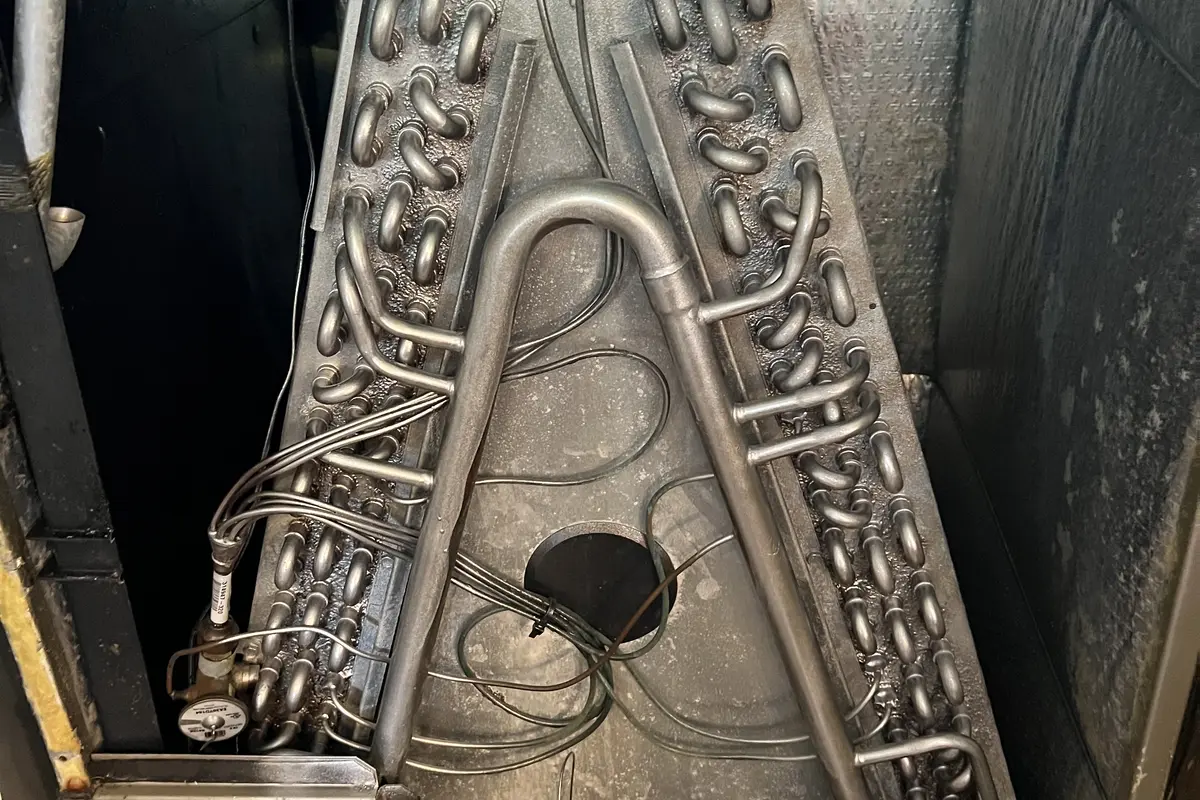
Your HVAC system is the largest opening in your building envelope. The return air intake pulls hundreds of cubic feet of air per minute, and if any of that air comes from outdoors - through a fresh air intake, leaky ductwork in the attic, or gaps around duct connections - it brings smoke particles directly into your home and distributes them to every room.
Many Austin HVAC systems have a dedicated fresh air intake that brings in outdoor air to maintain positive pressure and ventilation. During normal conditions, this is good practice. During a smoke event, this intake becomes a direct pipeline for smoke into your home. If your system has a manual damper on the fresh air intake, close it during smoke events. If it does not have a damper, covering the intake temporarily with plastic sheeting and tape prevents smoke entry.
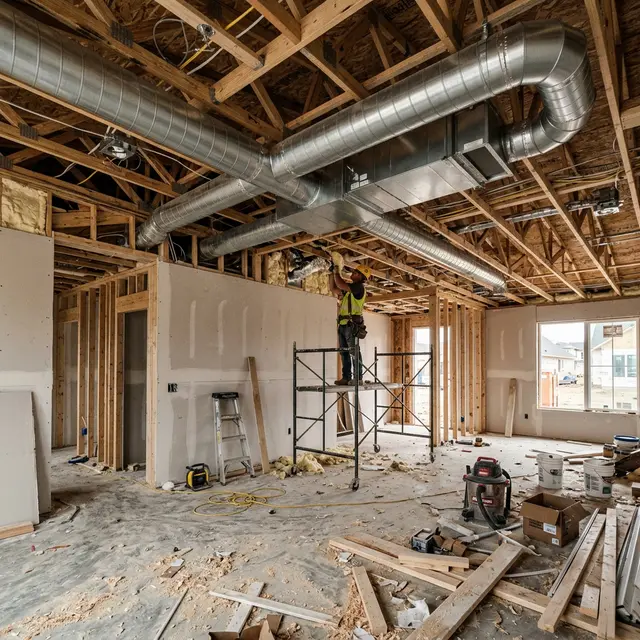
Leaky ductwork in unconditioned attic spaces is another major entry point. If your attic ducts have gaps at connections, torn flex duct, or unsealed boot-to-duct joints, the system pulls attic air (which contains outdoor smoke) into the conditioned air stream. The Department of Energy estimates the average home loses 20-30% of conditioned air through duct leaks - and during smoke events, those same leaks let smoke in.
Even with a sealed HVAC system, smoke particles are small enough (PM2.5, meaning less than 2.5 microns) to penetrate through gaps around doors, windows, electrical outlets, and the building envelope itself. Your HVAC system then circulates these particles throughout the home. Running the system in recirculation mode with a high-quality filter is your best defense.
Immediate Steps During a Smoke Event
Monitor the AQI at airnow.gov or through the AirNow app. Austin's AQI typically stays below 50 (Good), but during smoke events it can spike to 100-200. At AQI 101 or above (Unhealthy for Sensitive Groups), take action to protect your indoor air. At AQI 151 or above (Unhealthy), everyone - not just sensitive individuals - should minimize exposure.
Upgrade your HVAC filter to MERV 13 if your system can handle it. Standard MERV 8 filters capture less than 50% of PM2.5 particles - the very particles that make wildfire smoke dangerous. A MERV 13 filter captures over 85% of PM2.5. If you cannot find MERV 13, MERV 11 is a significant improvement over MERV 8. Keep a spare MERV 13 filter on hand before fire season so you can swap quickly when smoke arrives.
Close the fresh air intake damper on your HVAC system. Run the system in recirculation mode only - this means it filters and recirculates indoor air without pulling in smoky outdoor air. Set the fan to 'on' rather than 'auto' so the blower runs continuously, pushing air through the filter even when the system is not actively heating or cooling. This maximizes the number of times your indoor air passes through the filter each hour.
Seal gaps around exterior doors with weather stripping or towels. Close fireplace dampers completely. Avoid running kitchen and bathroom exhaust fans during heavy smoke - these fans create negative pressure that pulls smoky outdoor air in through every crack in the building. If you must cook, use a recirculating range hood (one that filters air and blows it back into the kitchen) rather than a vented hood.
Concerned About Your Home's Air?
We provide professional air quality assessments for Austin homes. See what is in your ducts before deciding.
Call (512) 601-4451Rate your home's indoor air quality in 2 minutes
Post-Smoke Recovery for Your HVAC System
After a smoke event lasting more than 2-3 days, your HVAC filter will be heavily loaded with fine particulate. Replace it immediately, even if you just installed it. A filter saturated with smoke particles provides minimal filtration and restricts airflow, forcing your system to work harder.
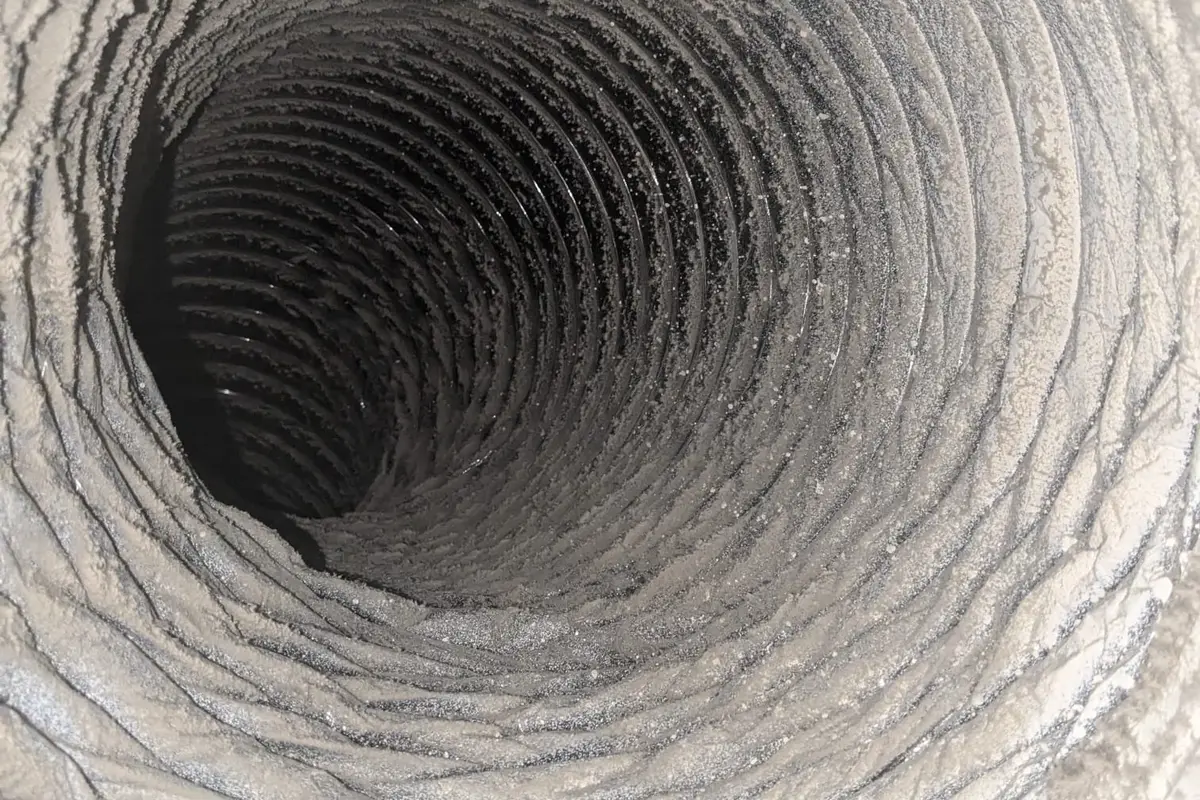
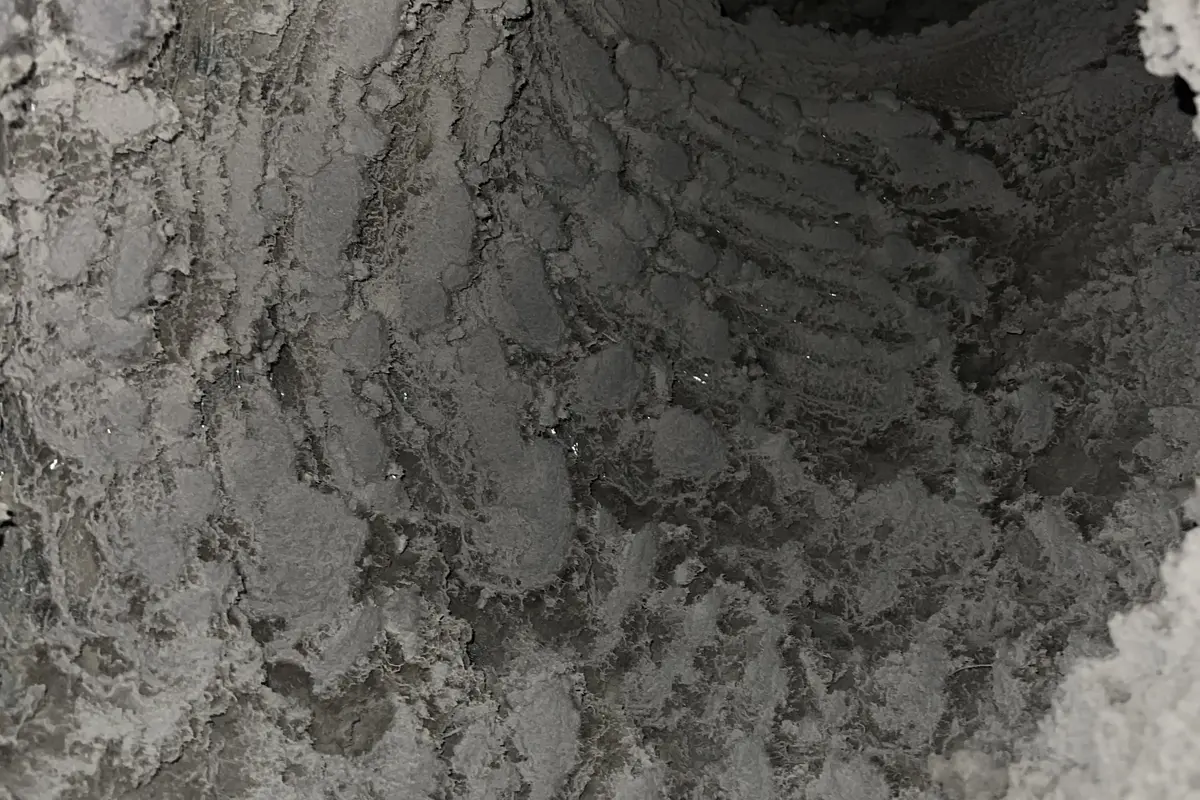
Smoke particulate settles on every surface inside your ductwork during a prolonged event. Even with a good filter, PM2.5 particles are small enough that some pass through and deposit on duct walls, at joints, and in the blower housing. This residue can continue to affect air quality for weeks or months after the smoke clears, releasing particles back into your airstream each time the system cycles.
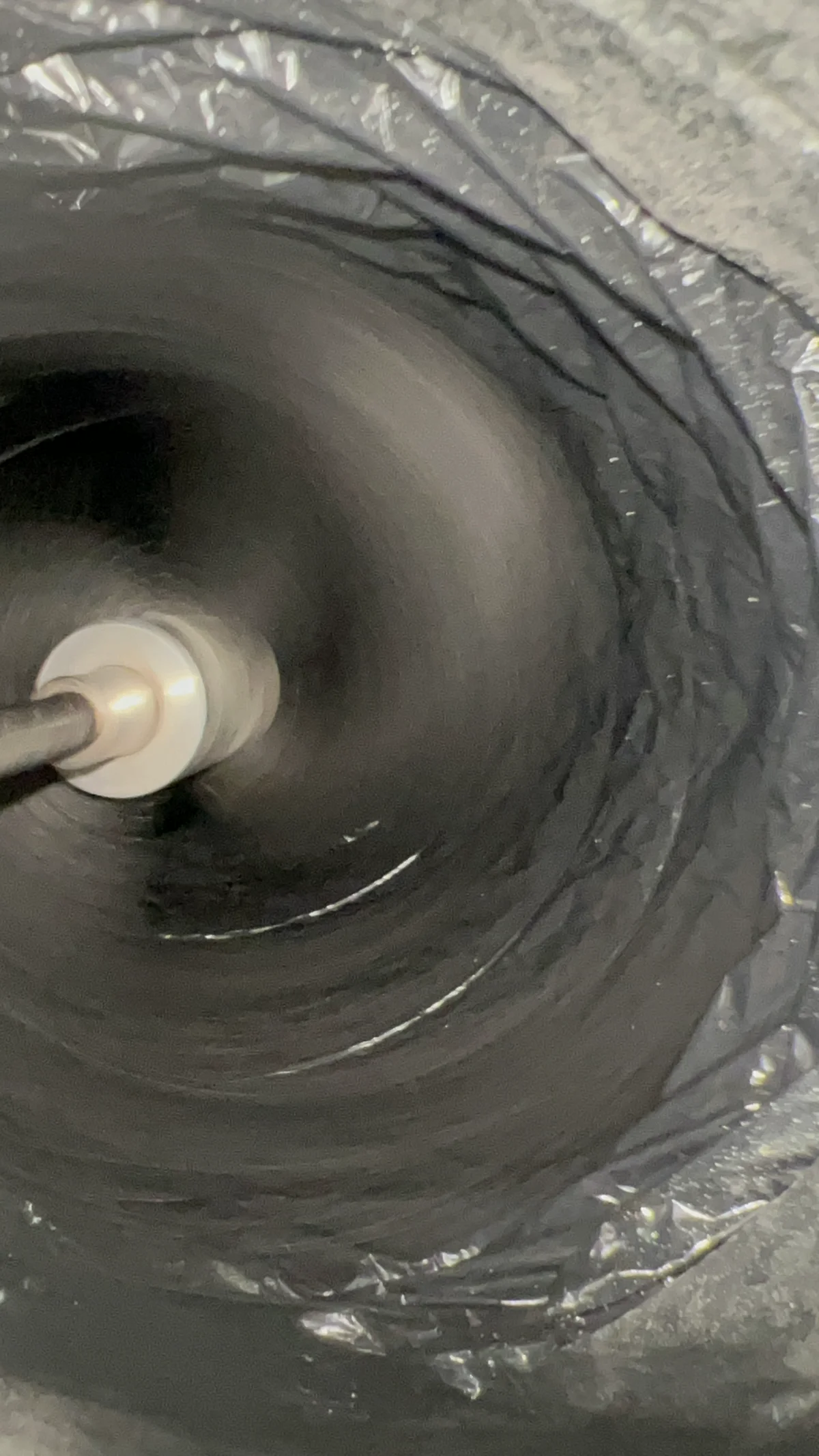
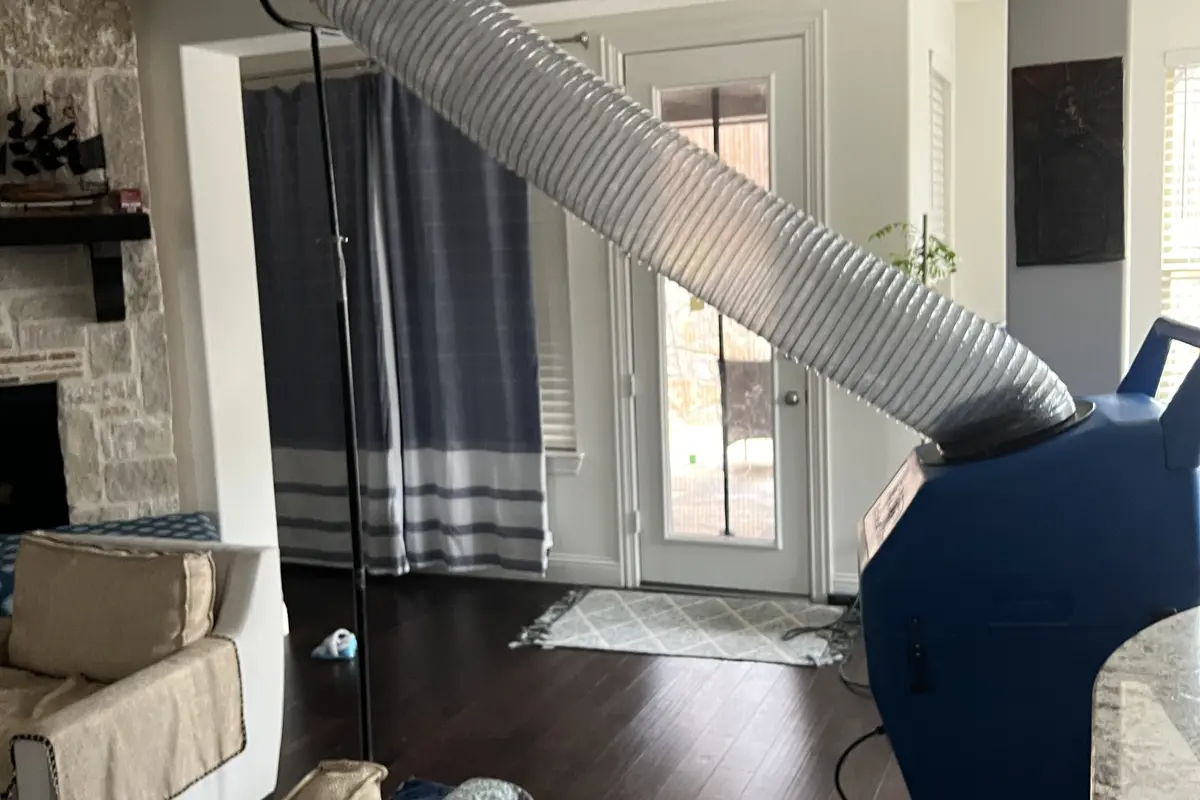
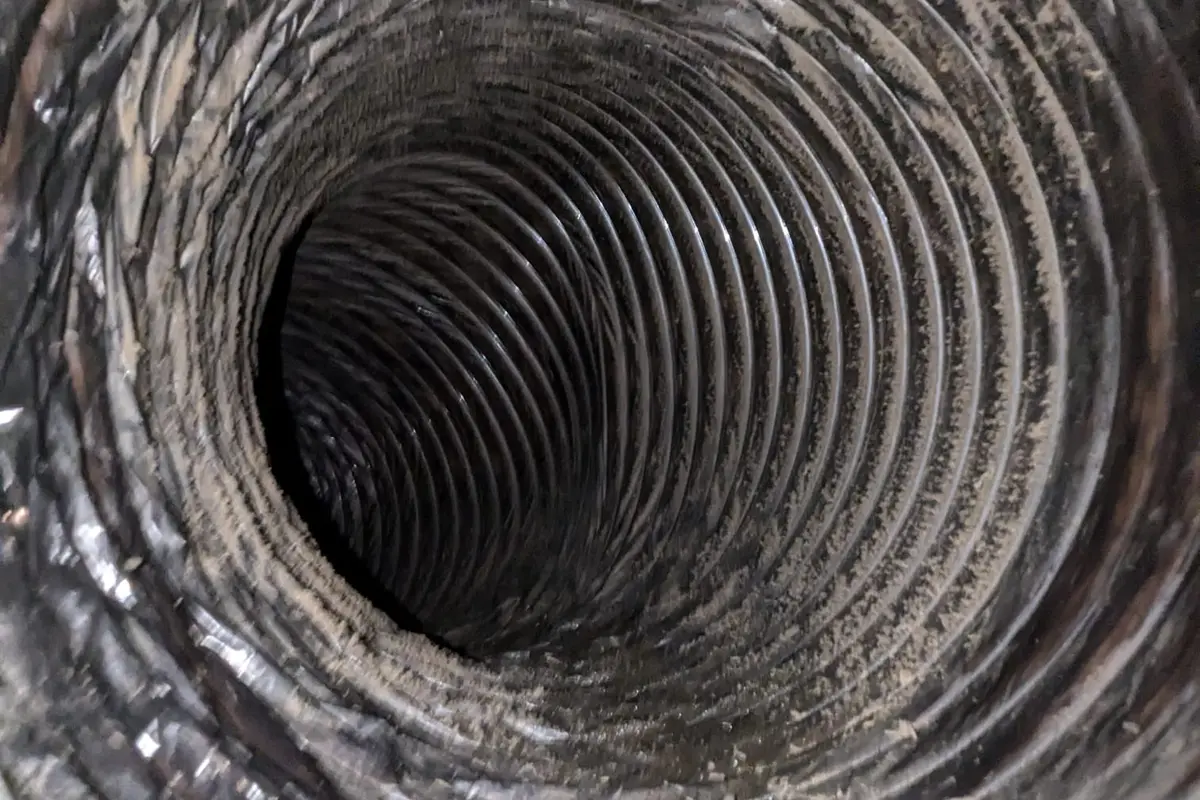
Professional duct cleaning after a significant smoke event removes this settled particulate from the entire air distribution system. The process uses commercial-grade HEPA vacuum equipment and compressed air tools to dislodge and capture smoke residue from duct walls, trunk lines, register boots, and the blower compartment. An HD camera inspection before and after documents the removal.
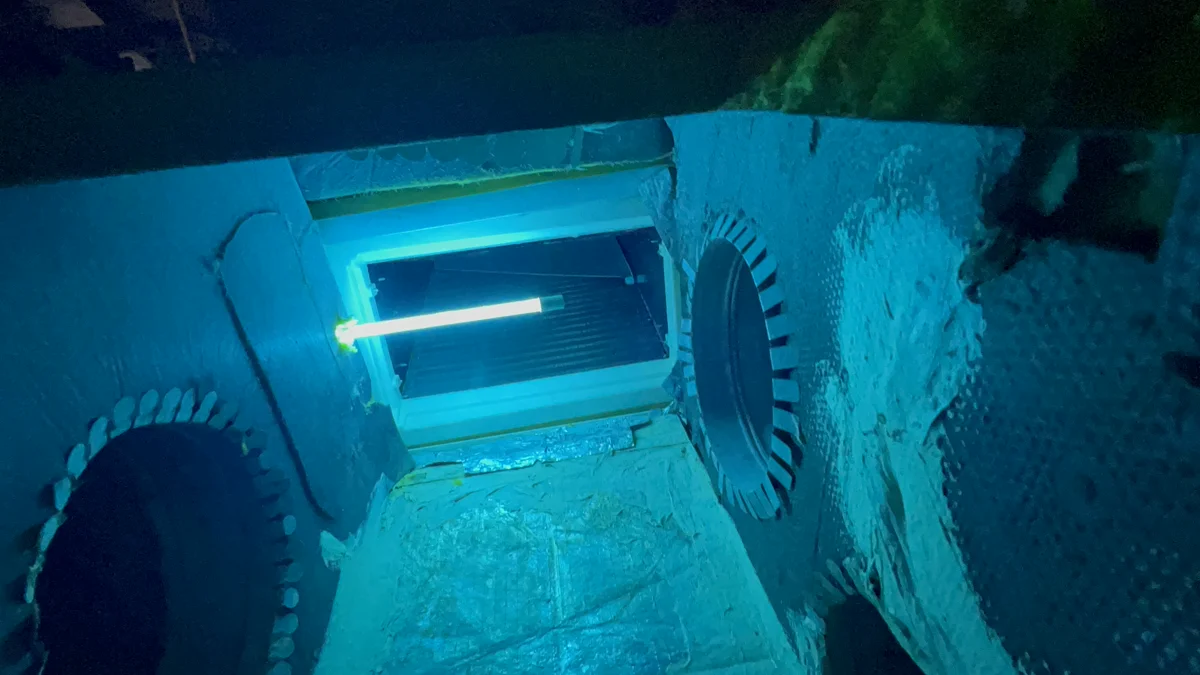
UV-C germicidal lights installed in your air handler provide an additional layer of protection. While UV-C does not directly remove smoke particles, it breaks down volatile organic compounds (VOCs) that wildfire smoke carries. These VOCs - including formaldehyde, acrolein, and benzene - can linger in ductwork and off-gas long after visible smoke clears. UV-C photolysis degrades these compounds over time.
Long-Term Smoke Preparedness for Austin Homes
Build a smoke preparedness kit for your HVAC system. Keep two spare MERV 13 filters on hand, along with painter's tape and plastic sheeting for sealing the fresh air intake. A portable AQI monitor (devices from brands like PurpleAir or IQAir cost $100-$300) gives you real-time indoor readings so you know whether your efforts are working.
Seal your ductwork before the next smoke event. Professional duct sealing closes the gaps and joints that let attic air (and smoke) into your conditioned air stream. This improvement pays for itself through energy savings even without considering smoke protection - sealed ducts reduce energy waste by 20-30% year-round. During smoke events, sealed ducts are dramatically more effective at keeping smoke out of your living space.
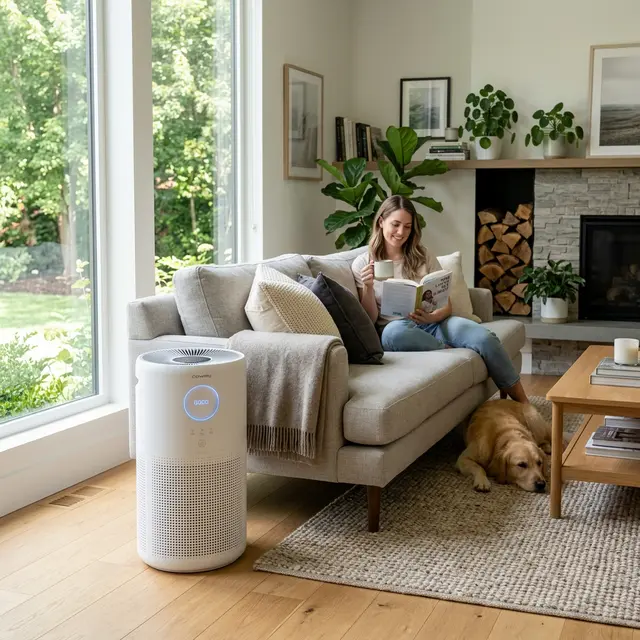
Consider a portable HEPA air purifier for bedrooms. Even with an upgraded HVAC filter and sealed ducts, a standalone HEPA purifier in the bedroom provides an extra layer of protection during sleep, when you are breathing the same air for 7-8 hours. Models sized for a bedroom (200-400 sq ft) cost $100-$250 and filter the room's air multiple times per hour.
Air Central provides professional duct cleaning, duct sealing, and UV-C light installation for Austin homes. If you have been through a smoke event and want to clear the residue from your ductwork, or if you want to prepare your system for future smoke, call (512) 601-4451 to schedule a professional assessment.
Related Services
Learn more about our professional services related to this topic:
- Air Duct Cleaning - Remove dust, allergens, and debris from your entire HVAC system for cleaner indoor air.
- Air Duct Inspection - Diagnose leaks, blockages, and efficiency issues with HD camera inspection.
- UV Lighting System - Eliminate bacteria and allergens inside your HVAC with UV-C light technology.
Want the full picture?
Read our complete guide: Indoor Air Quality in Austin: The Complete Guide (2026) →Have questions about indoor air quality? Our team is available 7 days a week. Call us at (512) 601-4451 or visit our contact page.