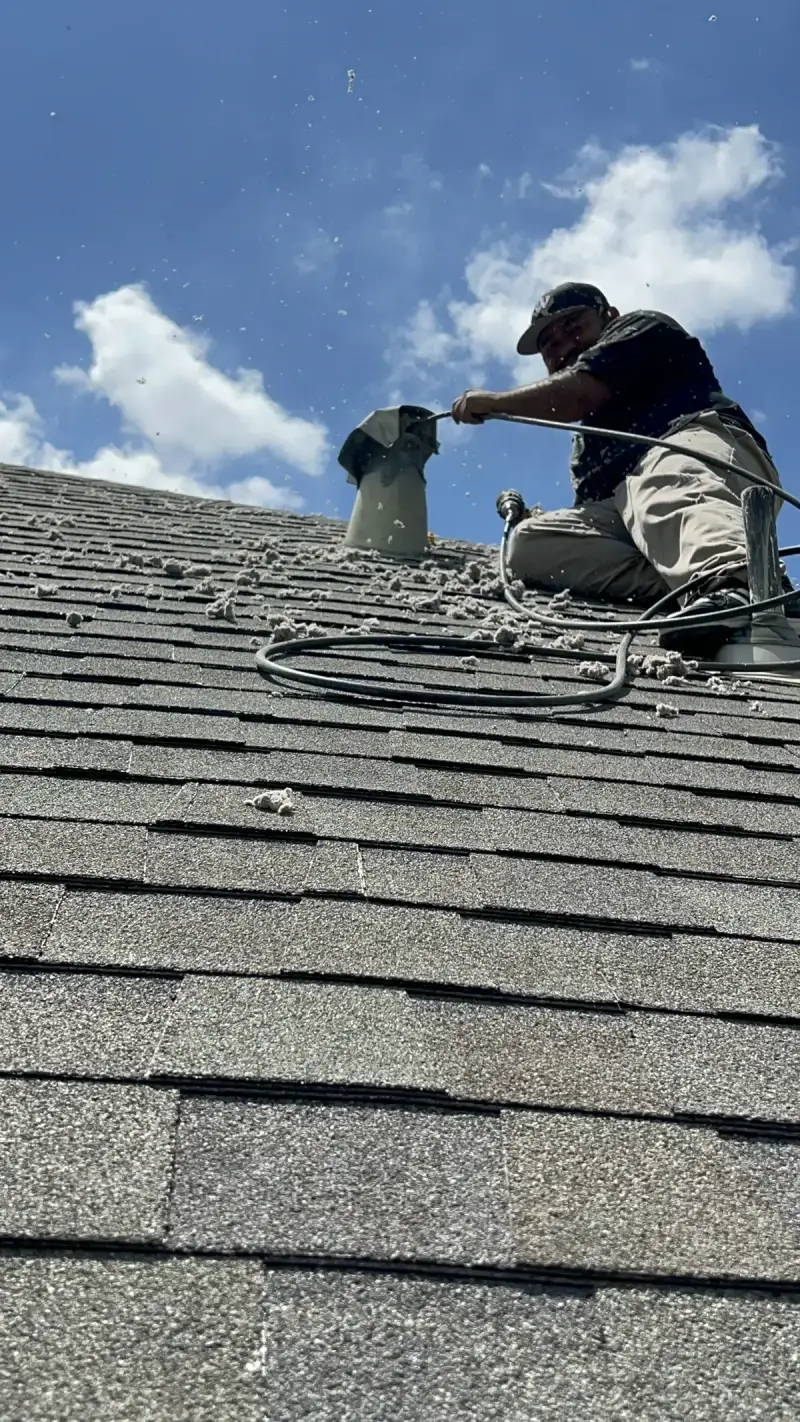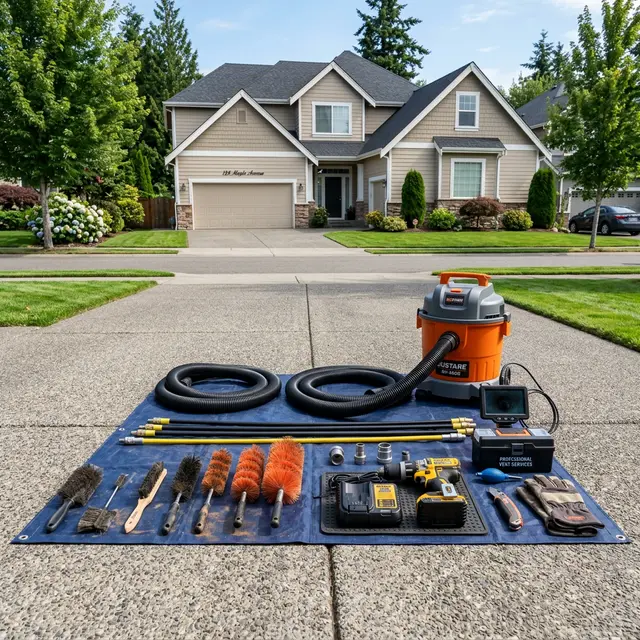
Texas follows the International Residential Code: dryer vents must be 4-inch rigid metal duct, maximum 35 feet (minus 5 feet per 90-degree turn), exhausting to the outdoors - never into an attic, crawl space, or garage.
Key Code Requirements
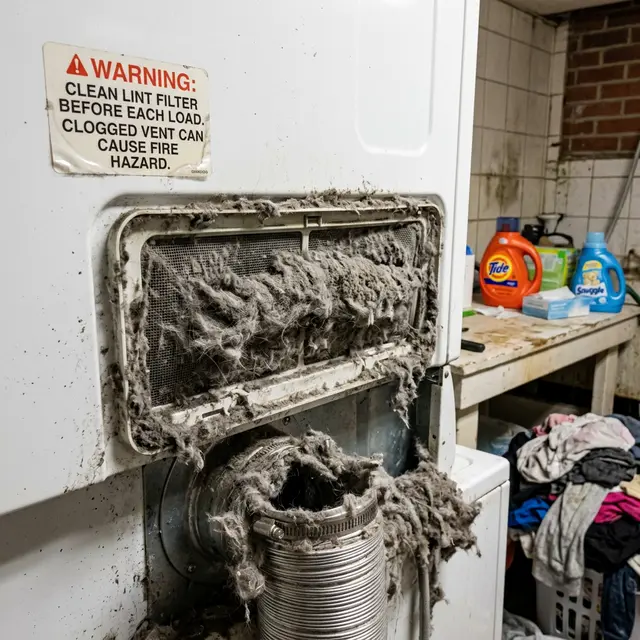
Duct material: 4-inch diameter rigid metal duct is required for the entire run from behind the dryer to the exterior exit. Flexible plastic or vinyl duct is not code-compliant and is a fire hazard - it collects lint in its corrugated ridges and can collapse under heat, creating a complete blockage. Semi-rigid aluminum flex duct is acceptable only for the short transition piece directly behind the dryer (typically 1-4 feet), where rigid duct is impractical because the dryer needs to be pulled out for maintenance.
Maximum length: 35 feet from the dryer exhaust connection to the exterior exit. Each 90-degree turn reduces the maximum by 5 feet, and each 45-degree turn reduces it by 2.5 feet. Example: a vent with two 90-degree turns has a maximum allowed length of 25 feet. A vent with three 90-degree turns is limited to 20 feet. Exceeding these maximums creates dangerous airflow restriction regardless of how clean the vent is.
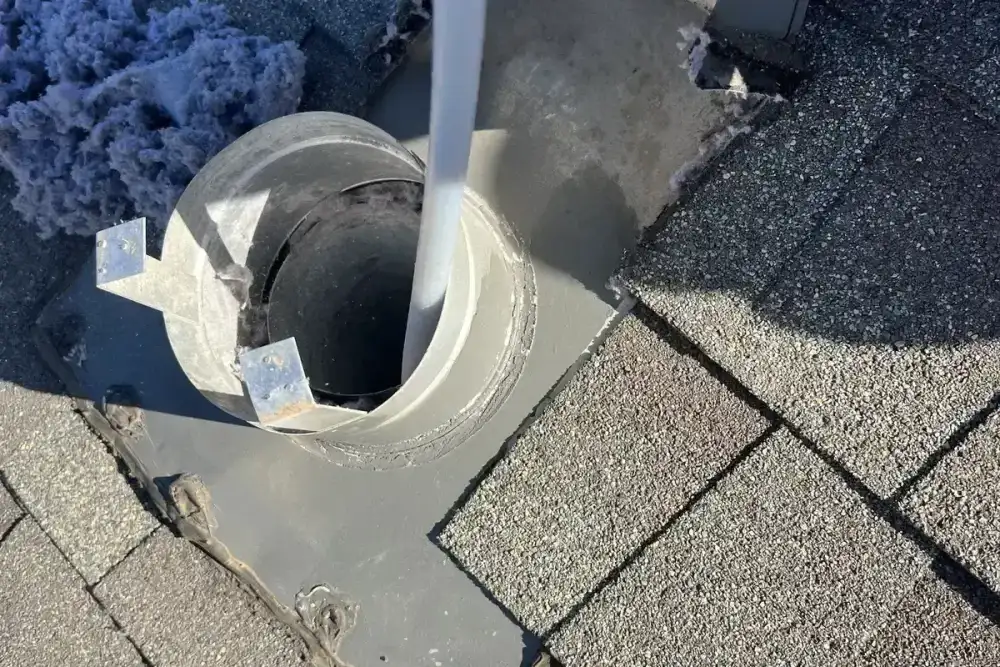
Exhaust location: must terminate outdoors with a backdraft damper. Never into an attic, crawl space, wall cavity, or garage. The termination point must be at least 3 feet from any window, door, or air intake to prevent moist, lint-laden air from re-entering the home. The exhaust opening must be covered by a damper that opens under airflow and closes when the dryer is off to prevent pest intrusion and cold air backdraft.
Joints: all connections must be secured with metal tape (foil tape) or clamps. Never use sheet metal screws inside the duct - the screw tips protrude into the airstream and catch lint fibers, creating buildup points that accelerate clogging. This is one of the most common code violations we see in Austin homes, often done by well-meaning homeowners who think screws make a more secure connection.
Common Violations in Austin Homes
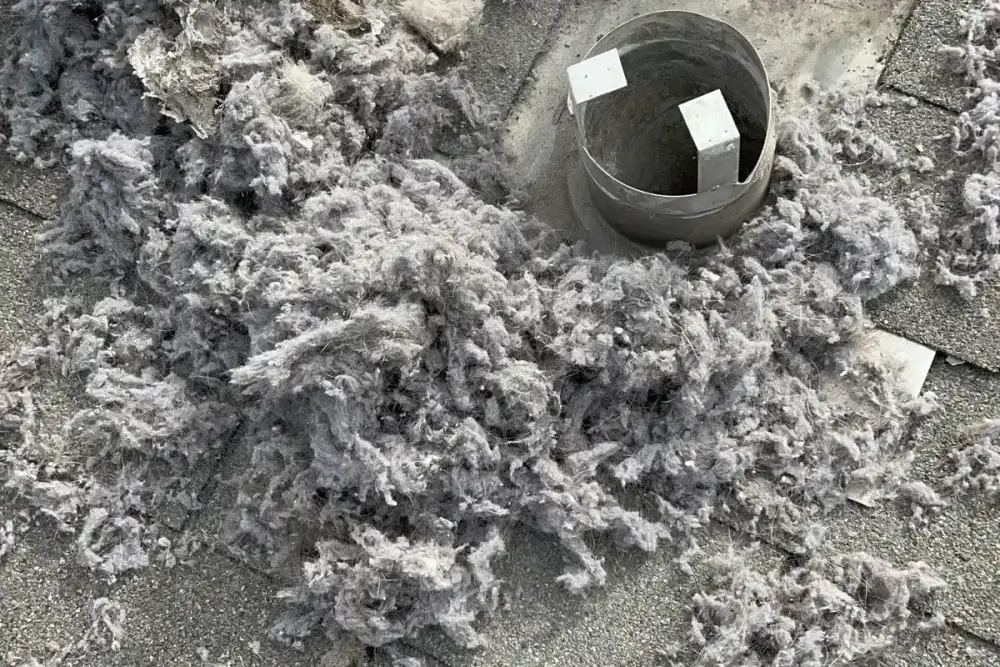
Flexible foil or plastic vent hose used for the full run - this is the violation we see most often, especially in homes where the dryer was installed by the homeowner or a general handyman rather than a licensed installer. The corrugated interior of flex duct traps lint 3-5 times faster than smooth rigid duct, and vinyl flex duct can melt under the dryer's exhaust temperature.
Vent exhausting into the attic - common in older Austin homes and some poorly built newer homes. This is a serious fire hazard (hot, lint-laden air in an attic full of insulation) and a moisture hazard (each dryer load exhausts half a gallon of water that soaks into attic insulation and framing). We find this violation in roughly 1 out of every 15 homes we service.
Excessive vent length with too many turns - homes with interior laundry rooms often have vent runs that exceed the 35-foot maximum or have too many turns. Each additional turn and each extra foot of duct reduces exhaust airflow, causing the dryer to work harder, run longer, and accumulate lint faster. If your vent exceeds code length, a booster fan can help, but reducing the run length is the better solution when possible.
Crushed or kinked vent hose behind the dryer - caused by pushing the dryer too close to the wall. The transition duct behind the dryer needs at least 4 inches of clearance to avoid kinking. A periscope-style dryer vent adapter ($20-$40 at hardware stores) allows the dryer to sit closer to the wall while maintaining an unkinked airflow path.
Missing or stuck backdraft damper at the exterior exit - the damper prevents outdoor air, rain, and pests from entering the vent when the dryer is off. We see broken, rusted, or paint-sealed dampers regularly. A replacement exterior vent cover with a functional damper costs $10-$25 for the part.
The Inspection Process
City of Austin building inspectors check dryer vent compliance during new construction and major renovation permits. The inspector verifies duct material, length, termination location, and proper connections. Existing homes are not subject to routine code inspection, but violations discovered during a home sale inspection can become negotiation points or required repairs.
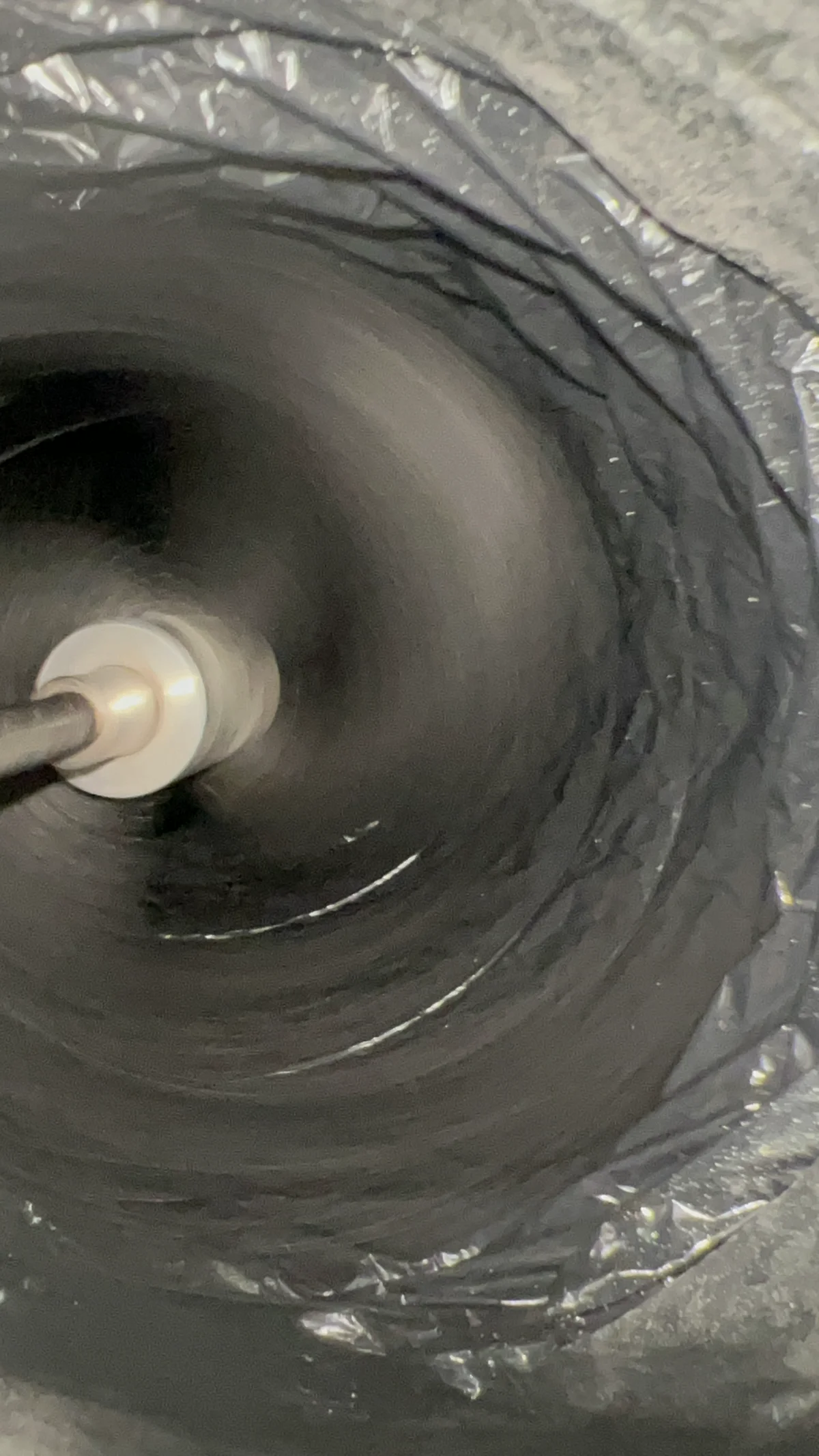
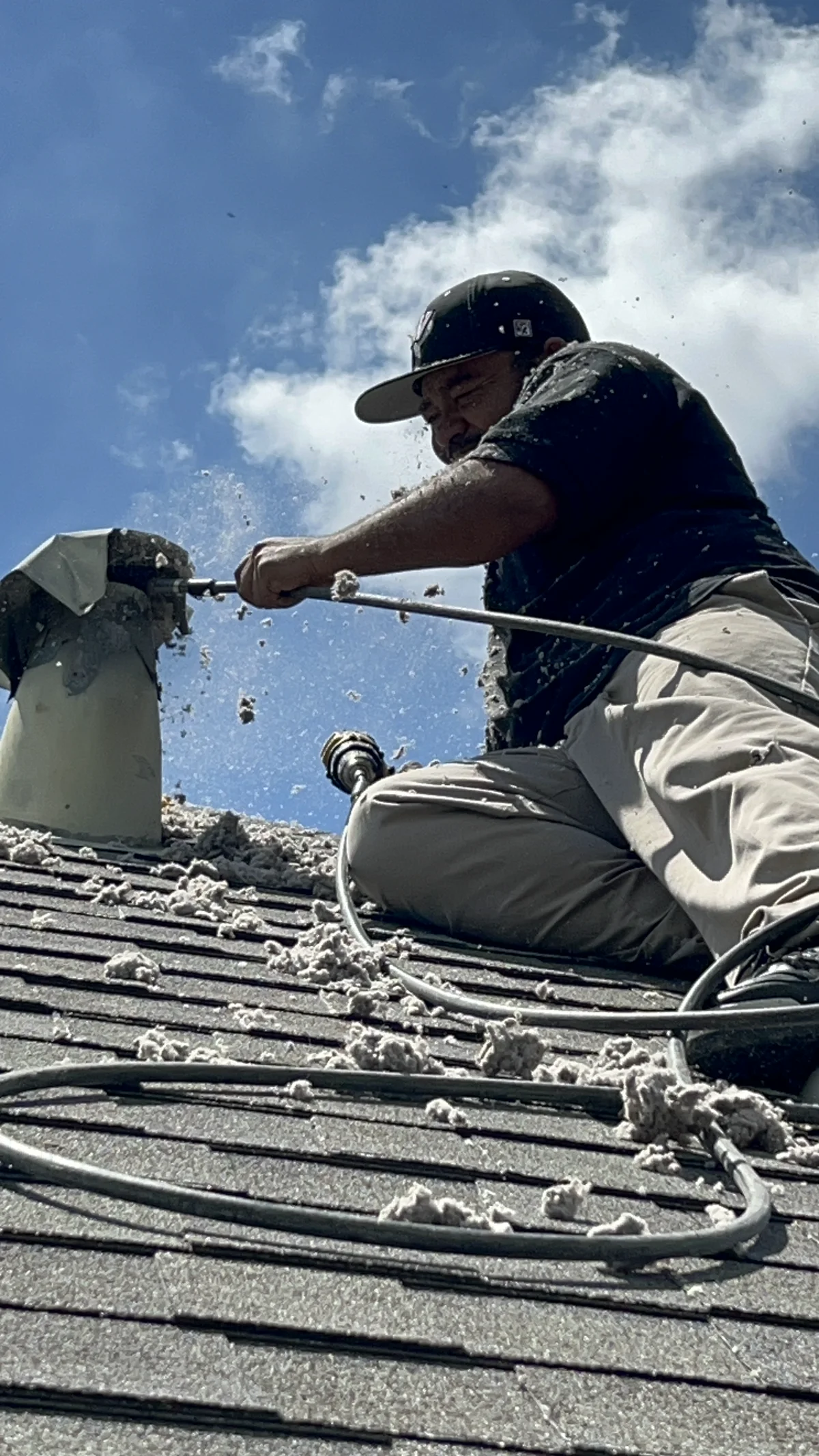
During a professional dryer vent cleaning, the technician should identify any code violations and discuss them with you. At Air Central, we document violations and provide recommendations for correction. Some issues (like replacing a flex duct with rigid metal) can be done during the cleaning visit. More complex issues (like rerouting a vent that exhausts into the attic) may require a separate appointment.
If you are selling your home in the Austin area, having a code-compliant dryer vent avoids potential issues during the buyer's inspection. Fixing violations proactively is straightforward and prevents a buyer from using it as a negotiation point for a much larger credit.
When Was Your Dryer Vent Last Cleaned?
Most Austin homeowners go too long between cleanings. A quick inspection takes minutes and could prevent a fire.
Call (512) 601-4451Rate your home's indoor air quality in 2 minutes
Why Code Compliance Matters
Beyond safety: non-compliant dryer vents can void your homeowner's insurance if a fire occurs. Insurance companies regularly deny claims when the fire originated from a dryer with a non-compliant vent installation. They also cause dryer inefficiency (higher energy bills), shortened dryer lifespan, and potential moisture damage if venting into enclosed spaces.
If your vent does not meet code, correction is straightforward for most homes and costs a fraction of the potential consequences. A complete vent reroute from attic exhaust to exterior wall exhaust is a larger project but eliminates both the fire and moisture hazard. Given that the average dryer fire causes $50,000-$100,000 in damage and a homeowner's insurance denial can leave you paying the entire amount, code compliance is not optional.
Related Services
Learn more about our professional services related to this topic:
- Dryer Vent Cleaning - Clear lint buildup to prevent fires and cut drying time in half.
Want the full picture?
Read our complete guide: Dryer Vent Cleaning Austin: Complete Safety Guide (2026) →Have questions about dryer vent safety? Our team is available 7 days a week. Call us at (512) 601-4451 or visit our contact page.