The second floor of two-story Austin homes is hotter because hot air rises, attic ductwork leaks cool air before it reaches upstairs rooms, radiant heat from the roof superheats the attic above second-floor ceilings, and most homes have undersized return vents upstairs. Fixes include duct sealing, attic insulation, zoning dampers, and solar attic fans. Call (512) 601-4451 for a duct inspection to find where your cool air is going.
Why the Second Floor Is Always Hotter
If you live in a two-story home in Austin, you already know the problem: the downstairs thermostat reads 74 degrees while the upstairs bedrooms feel like 80. You crank the AC lower, the downstairs freezes, and the upstairs barely budges. This is not your imagination and it is not a broken system - it is physics working against your home's design.
Hot air rises. That is the simple answer, and it is real. Warm air is less dense than cool air, so it naturally migrates upward through stairwells, open floor plans, and any gap between floors. In a two-story home, this stack effect means the second floor is always fighting an uphill battle against thermodynamics. But hot air rising is only part of the story - and usually not the biggest part.
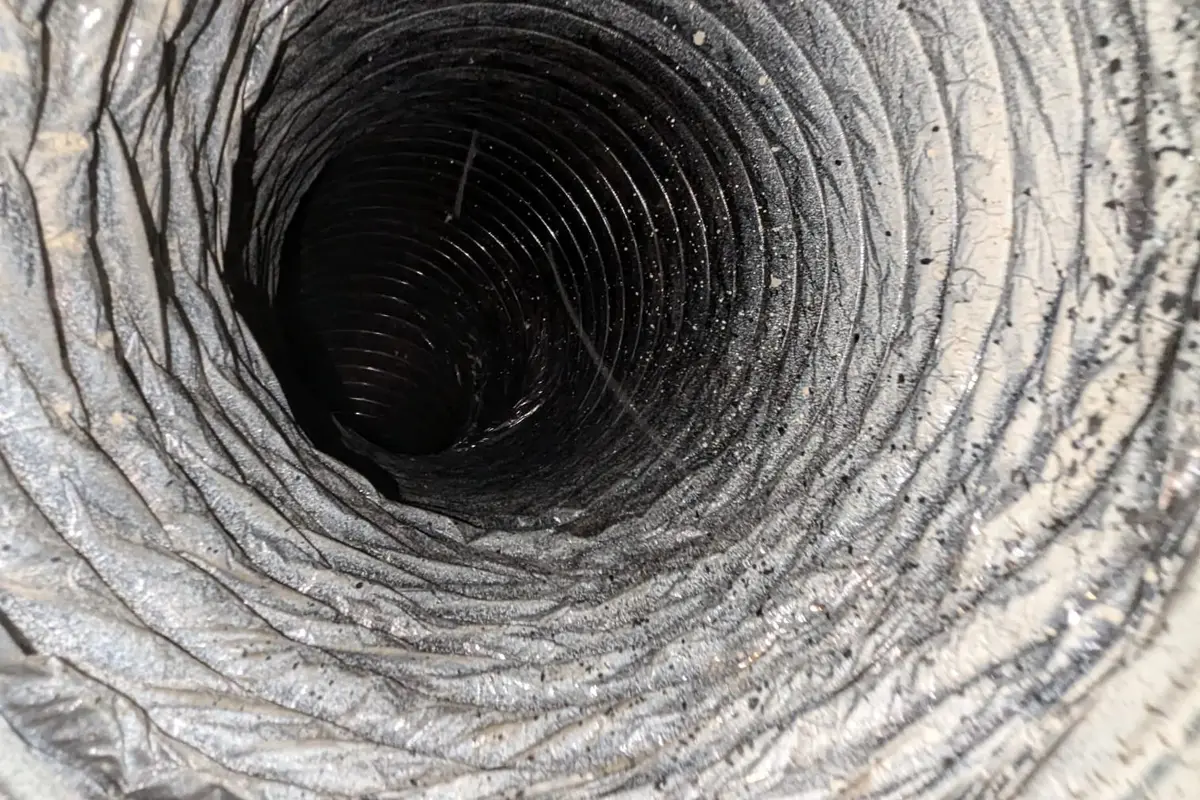
The real culprits are in your attic. Most Austin two-story homes built between 1990 and 2020 run ductwork through the attic to reach second-floor rooms. That ductwork carries 55-degree air through a space that reaches 140-150 degrees in summer. The temperature difference across the duct wall is 85-95 degrees. Even with insulation, significant cooling is lost before the air reaches your upstairs vents. In homes with older or damaged duct insulation, 20-30% of the cooling capacity can be lost in the attic before the air ever enters your bedroom.
Undersized Returns: The Most Common Problem
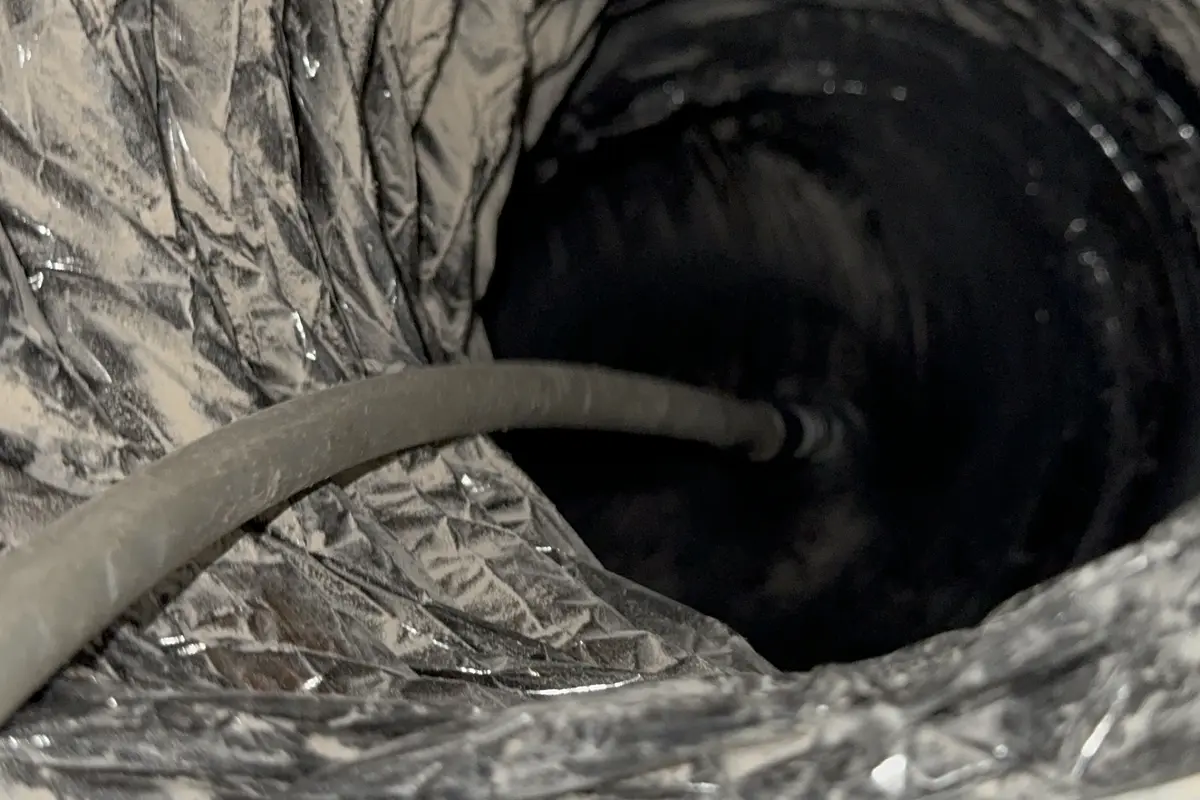
Many two-story Austin homes have inadequate return air pathways on the second floor. Builders often install one large return downstairs and assume that air will naturally circulate back from the upper level. It does not - at least not efficiently.
Here is how it works: your AC pushes cool air through supply vents into each room. That air needs a path back to the air handler through return vents. If the upstairs has too few or too-small return vents, the cool air gets pushed in but the warm air has no efficient path back to the system. The result is positive pressure upstairs (pushing air out through gaps in the ceiling and into the attic) and negative pressure at the return downstairs (pulling unconditioned air from leaks).
The fix is adding return air pathways upstairs. This can mean installing additional return ducts, adding transfer grilles above bedroom doors, or installing jumper ducts between rooms and the hallway where the return is located. A qualified HVAC technician can measure the static pressure in your system to determine whether inadequate returns are contributing to the temperature imbalance.
In neighborhoods like Avery Ranch, Steiner Ranch, and Circle C - where two-story homes from the early 2000s are common - we frequently find that the second-floor return capacity is half of what the system needs for balanced airflow.
Attic Duct Leaks: Where Your Cool Air Actually Goes
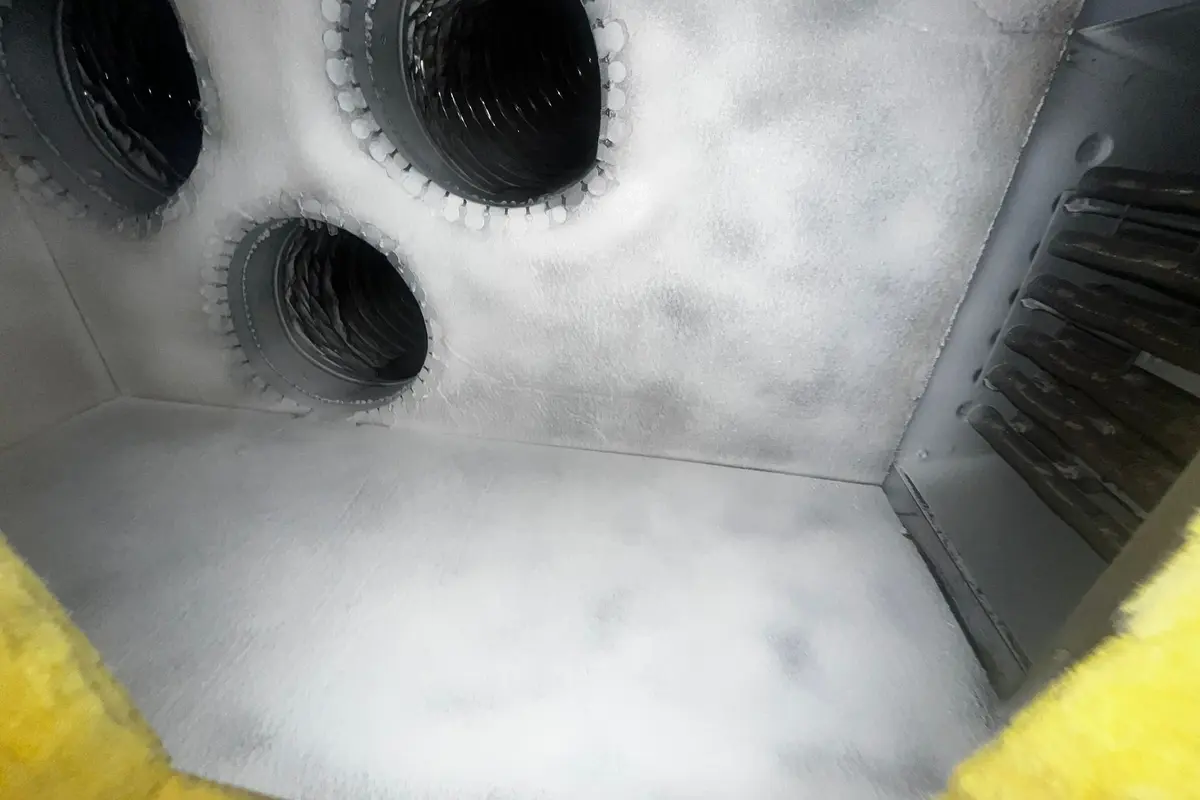
Duct leaks in the attic are the single biggest energy waste in most two-story Austin homes. Every joint, connection, and boot where ductwork meets a register is a potential leak point. The Department of Energy estimates that the average home loses 20-30% of conditioned air through duct leaks. In a two-story home where the second-floor ducts run through a superheated attic, those leaks are catastrophic.
When cool air leaks from a duct joint into the attic, you are paying to air-condition space that is 140 degrees and vented to the outside. That air is gone. Meanwhile, the system keeps running to try to reach the thermostat setting downstairs, making the first floor colder while the second floor never catches up.
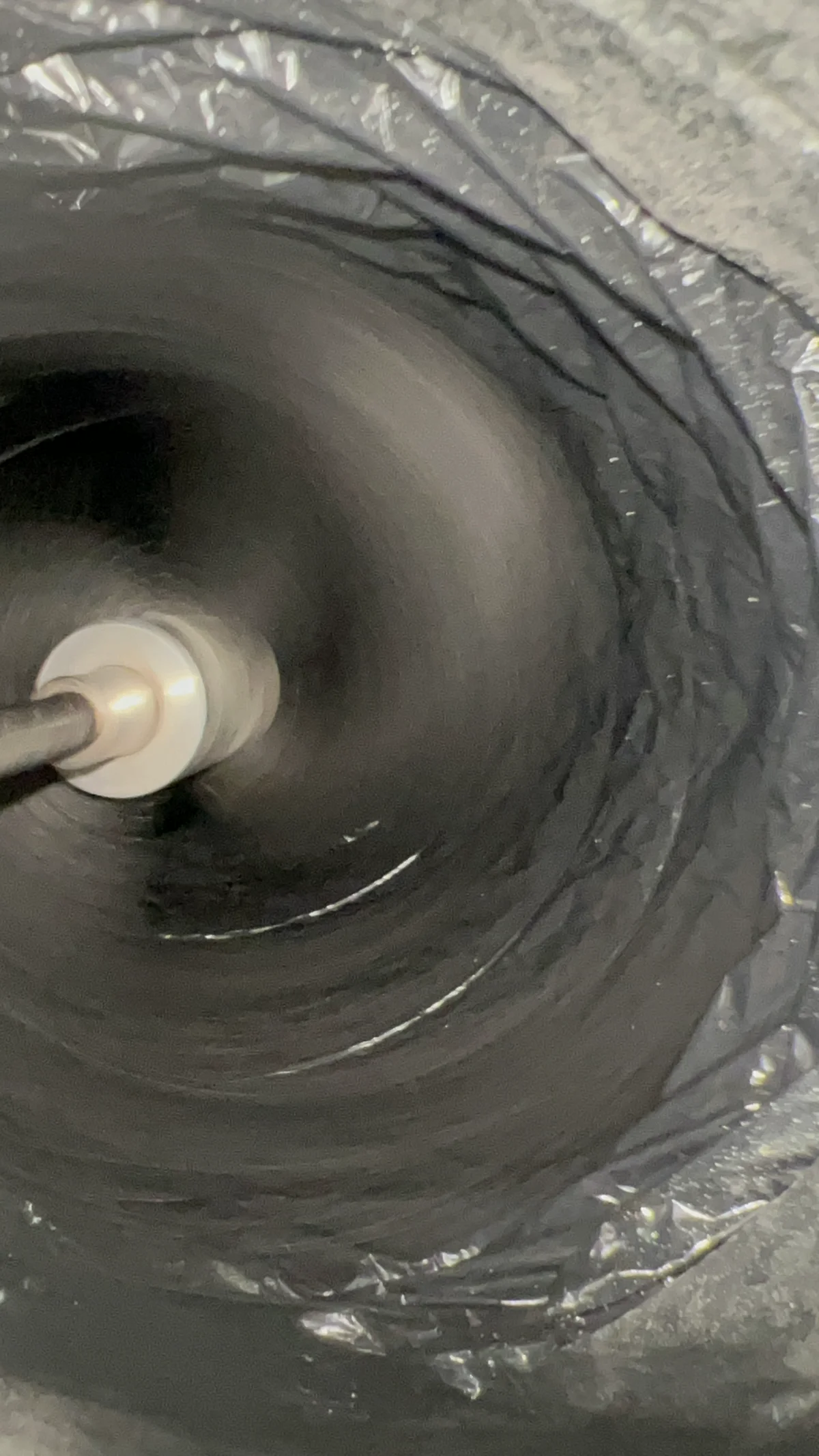
We inspect ductwork with HD cameras and can show you exactly where the leaks are. Common leak points include: register boot connections (where the duct connects to the ceiling vent), flex duct connections at the plenum box, takeoff connections at trunk lines, and anywhere duct tape has dried out and released (standard duct tape fails in attic heat within 2-5 years). Professional sealing uses mastic sealant and metal-backed tape rated for attic temperatures.
Sealing duct leaks in a two-story Austin home typically improves second-floor cooling by 3-5 degrees without any other changes. Combined with duct insulation upgrades, homeowners regularly report that the temperature gap between floors drops from 6-8 degrees to 1-2 degrees.
Radiant Heat from the Roof
Austin's summer sun beats down on your roof for 10-14 hours per day. That heat radiates through the roofing material into the attic, where temperatures regularly reach 140-150 degrees by mid-afternoon. The ceiling of your second floor is the only barrier between your living space and that superheated attic.
If your attic insulation is below R-38 (the current Texas code requirement), radiant heat pours through the ceiling into second-floor rooms. Homes built before 2000 often have R-19 or less, which allows nearly twice as much heat transfer as current code. Homes from the 1980s may have R-11 or even R-8, making the second floor essentially unlivable without constant AC operation.
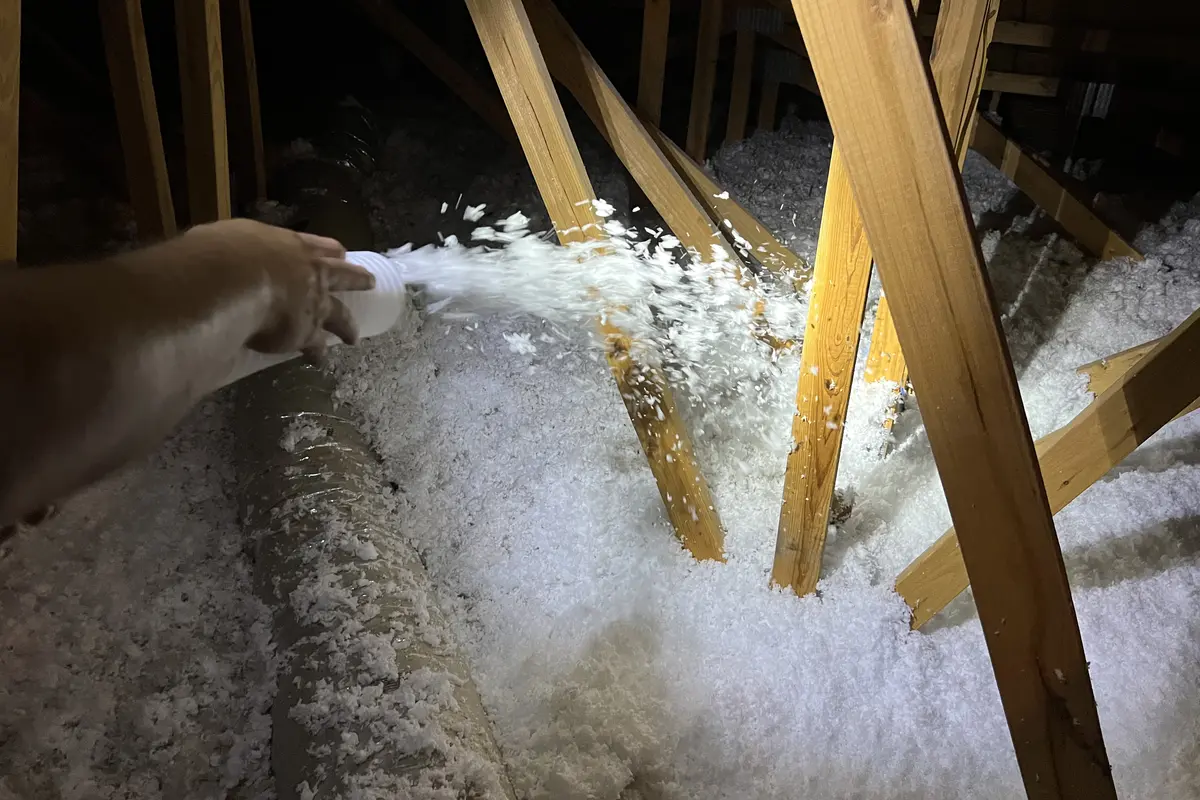
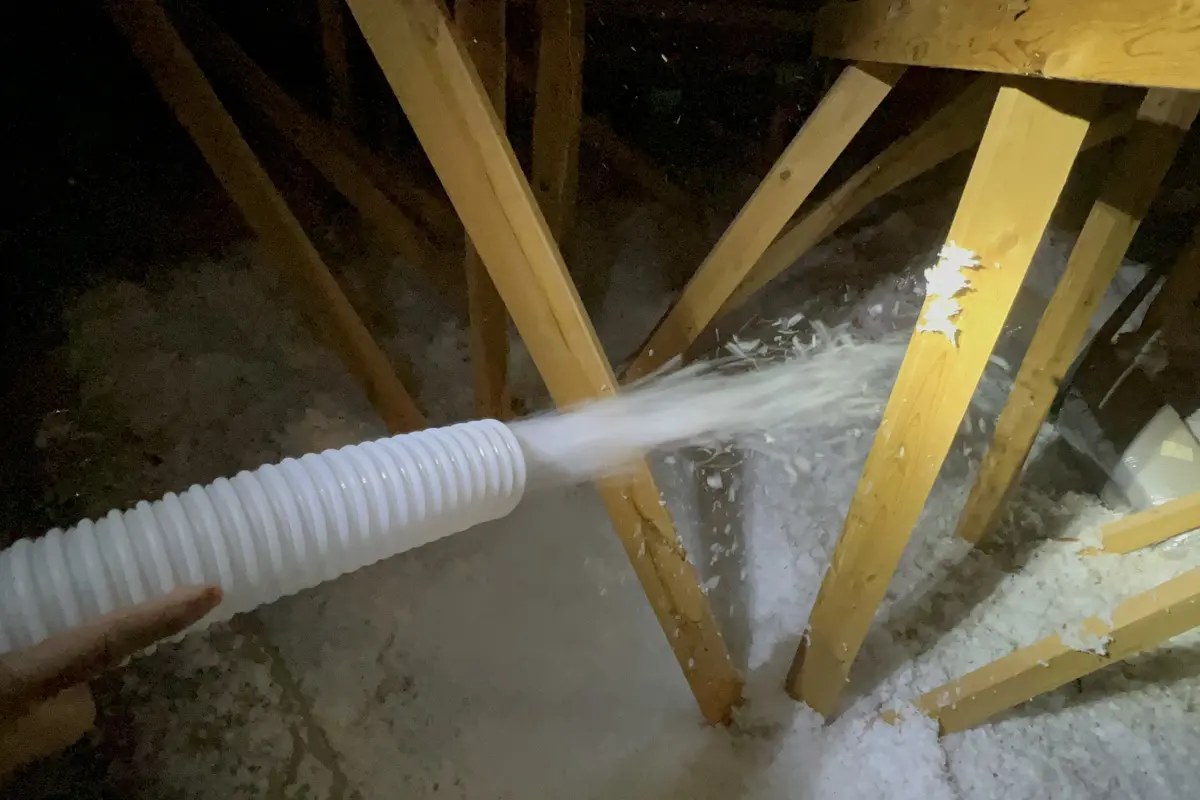
Adding blown-in insulation to bring your attic to R-38 or higher is one of the highest-ROI improvements for two-story comfort. The insulation also covers and protects your ductwork, reducing the temperature that duct walls are exposed to. A solar attic fan adds another layer of defense by actively venting hot attic air and reducing peak attic temperatures by 20-40 degrees.
In Mueller, where many homes are two-story with relatively compact footprints, the ratio of roof area to living space means radiant heat impact is even more pronounced. Proper attic insulation in these homes makes a dramatic difference in second-floor comfort.

Just Moved In? Start Here.
We help new Austin homeowners understand their HVAC system with honest assessments and straightforward recommendations.
Call (512) 601-4451Rate your home's indoor air quality in 2 minutes
Solutions That Actually Work
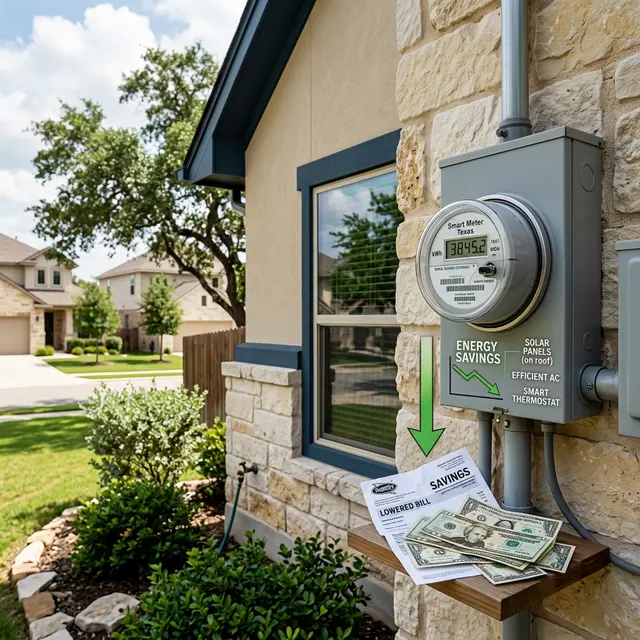
Duct sealing is the first step and often the highest-impact fix. Sealing leaky joints and connections in attic ductwork ensures that the cool air your system produces actually reaches the second-floor rooms. This typically costs $500-$1,500 and pays for itself within 2-3 cooling seasons through energy savings alone.
Attic insulation upgrades address radiant heat gain. Bringing attic insulation from R-19 to R-38 cuts heat transfer through the ceiling roughly in half. Blown-in cellulose or fiberglass costs $1,500-$3,000 for a typical Austin home and provides immediate comfort improvement plus long-term energy savings.
Solar attic fans reduce peak attic temperatures by actively exhausting hot air. A solar-powered fan costs nothing to operate, reduces attic temperatures by 20-40 degrees, and takes stress off both your ductwork insulation and your ceiling insulation. In two-story homes, the impact on second-floor comfort is noticeable within the first week of installation.
Zoning dampers allow a single HVAC system to direct more airflow to the second floor during peak heat hours. Motorized dampers in the trunk lines can be controlled by separate thermostats for each floor, so the system delivers cooling where it is needed most without overcooling the first floor.
Air Central inspects ductwork, seals leaks, installs attic insulation, and installs solar attic fans for two-story Austin homes. We start with an HD camera inspection to show you exactly where your cool air is going and recommend the fixes with the best return on investment. Call (512) 601-4451 to schedule an inspection.
Neighborhoods Where We See This Most
Two-story homes built during Austin's 2000s building boom are the most common candidates for second-floor heat problems. Neighborhoods like Avery Ranch, Steiner Ranch, Circle C Ranch, Falconhead, and the Ranch at Brushy Creek were built during a period when flex duct with R-4.2 insulation was standard. That insulation is now 15-20 years old, degraded by attic heat cycles, and providing significantly less thermal protection than when it was new.
Mueller's newer two-story homes have better duct insulation from the factory but compact floor plans that concentrate more roof area over less living space. Homes in East Austin's redevelopment areas - particularly the 78702 and 78721 zip codes - often mix older ductwork with modern additions, creating mismatched systems that struggle with floor-to-floor balance.
If your two-story home was built before 2015 and you have never had the ductwork inspected, there is a high probability that duct leaks and insufficient insulation are costing you both comfort and money. A single inspection identifies the specific issues in your home and prioritizes fixes by impact and cost.
Related Services
Learn more about our professional services related to this topic:
- Air Duct Cleaning - Remove dust, allergens, and debris from your entire HVAC system for cleaner indoor air.
- Air Duct Inspection - Diagnose leaks, blockages, and efficiency issues with HD camera inspection.
- Dryer Vent Cleaning - Clear lint buildup to prevent fires and cut drying time in half.
- Chimney Sweep & Repair - Professional cleaning and 21-point safety inspection for your fireplace.
- Solar Fan Installation - Solar-powered attic ventilation that cuts cooling costs naturally.
Want the full picture?
Read our complete guide: First-Time Homeowner's Complete HVAC Guide for Austin (2026) →Have questions about homeowner education? Our team is available 7 days a week. Call us at (512) 601-4451 or visit our contact page.