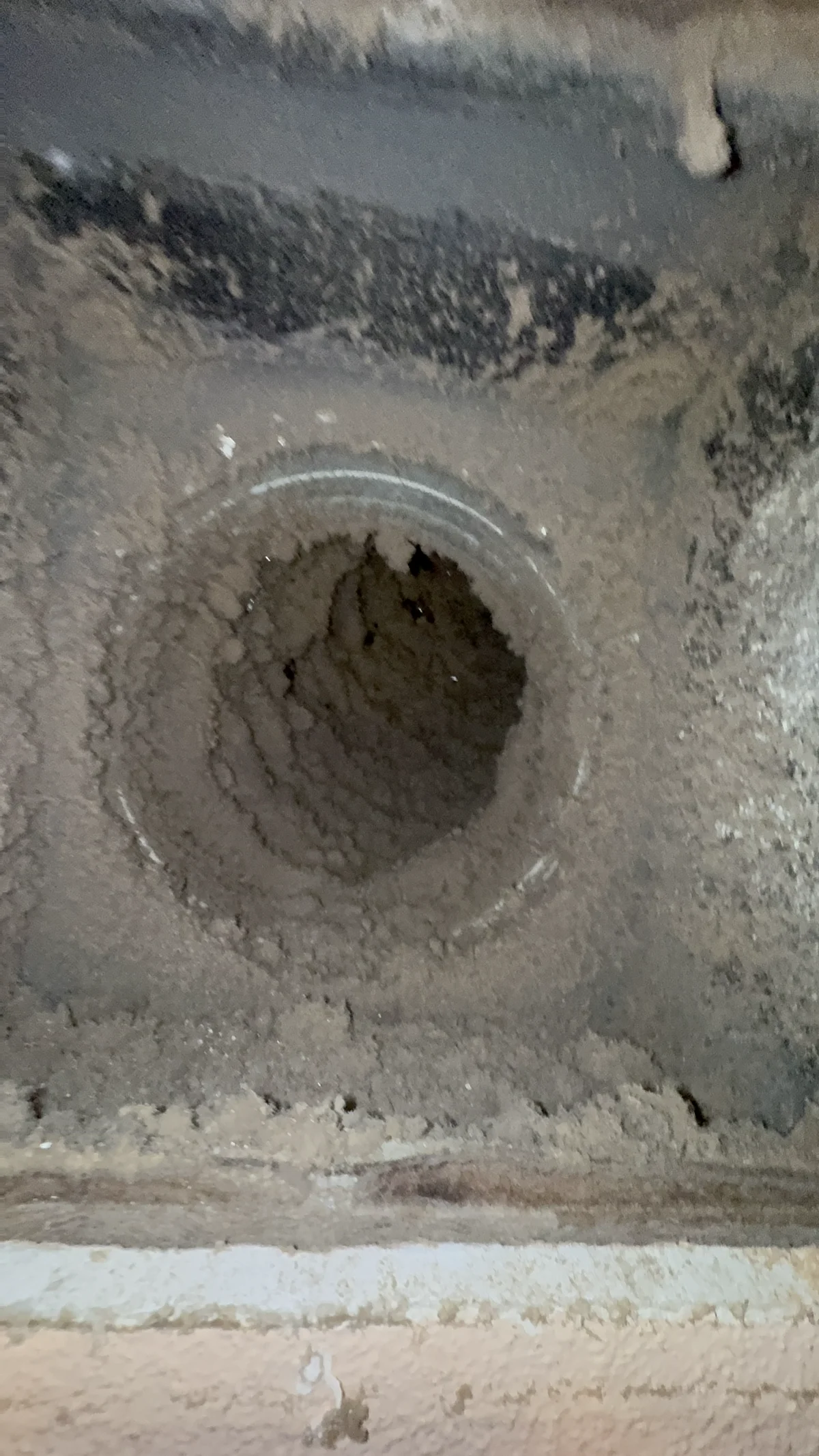
NFPA 96 requires Austin restaurants to clean kitchen exhaust systems on a schedule based on cooking volume: monthly for high-volume operations (wood/charcoal, 24-hour cooking), quarterly for most restaurants, semiannually for moderate-volume kitchens, and annually for low-volume operations. Austin fire marshals enforce these standards during routine inspections.
An Austin Restaurant Fire Makes the News Every Few Months
Grease fires in commercial kitchen exhaust systems are not hypothetical risks - they are recurring events. The NFPA reports that cooking equipment is involved in 61% of restaurant fires, and grease buildup in exhaust hoods, ductwork, and fans is the leading cause of fire spread beyond the initial cooking surface.
Austin's restaurant scene has grown explosively. The city added over 500 new food establishments in recent years, many in high-density corridors along South Congress, East Sixth, Rainey Street, and The Domain. Kitchen exhaust systems in these operations run 12-18 hours daily, accumulating grease faster than suburban restaurants with shorter operating hours.
The National Fire Protection Association estimates that kitchen exhaust system fires cause an average of $165 million in direct property damage annually across the U.S. For an individual restaurant, a single grease fire typically means closure, lost revenue, equipment replacement, and potential personal injury liability.
What Does NFPA 96 Actually Require?
NFPA 96, the Standard for Ventilation Control and Fire Protection of Commercial Cooking Operations, is the governing code for kitchen exhaust cleaning in Austin. The standard sets cleaning frequency based on the type and volume of cooking:
<table><thead><tr><th>Cooking Type</th><th>Required Cleaning Frequency</th><th>Examples</th></tr></thead><tbody><tr><td>High-volume (wood/charcoal, 24-hr)</td><td>Monthly</td><td>BBQ joints, wood-fired pizza, 24-hour diners</td></tr><tr><td>High-volume (standard)</td><td>Quarterly</td><td>Full-service restaurants, fast food</td></tr><tr><td>Moderate-volume</td><td>Semiannually</td><td>Churches, day camps, seasonal menus</td></tr><tr><td>Low-volume</td><td>Annually</td><td>Churches (occasional), senior centers</td></tr></tbody></table>
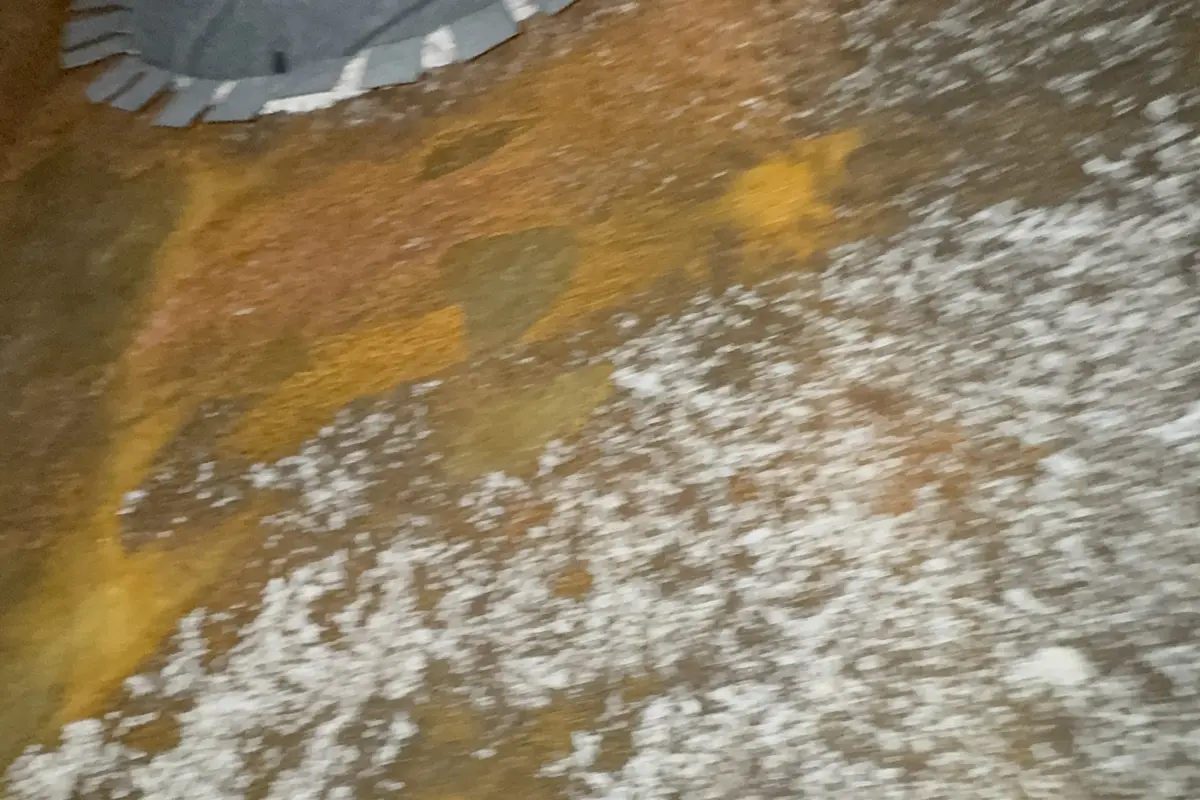
Austin barbecue restaurants and wood-fired pizza operations fall into the monthly category. The combination of wood or charcoal fuel with high-fat cooking generates the heaviest grease deposits. A single month of operation can coat exhaust ductwork with grease accumulation that other cooking types produce in a quarter.
What Happens During an Austin Fire Marshal Inspection?
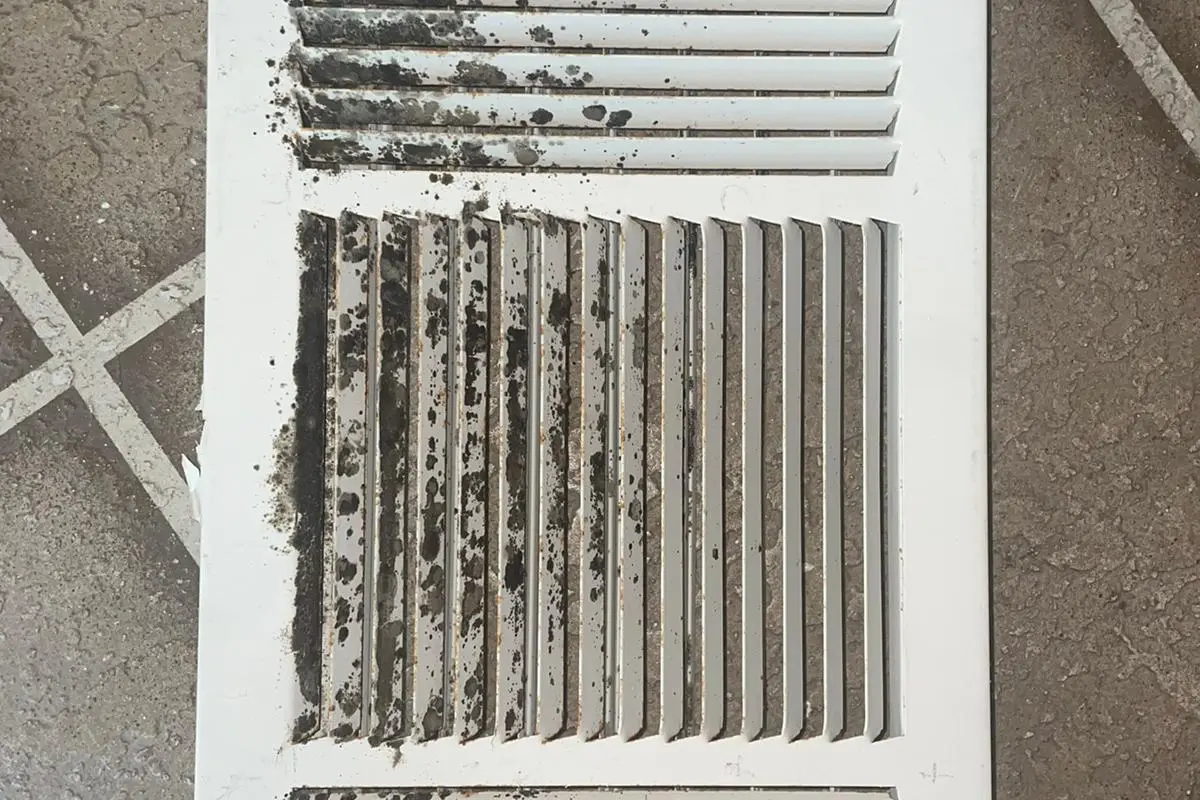
The Austin Fire Department conducts routine inspections of commercial kitchen operations. Inspectors check hood and duct cleanliness (visible grease accumulation triggers a citation), verify cleaning records and documentation (no records means no proof of compliance), confirm access panels are present and functional for duct inspection, and check that fire suppression systems are current and operational.
Failing a fire marshal inspection results in violation notices and potential fines. Repeated violations can lead to temporary closure orders until compliance is achieved. More critically, operating with an uncleaned exhaust system that violates NFPA 96 can void your insurance coverage in the event of a fire.
"I have seen restaurant owners get blindsided by fire marshal citations because they assumed their cleaning company was actually doing the work," says Nessi Ziv, owner of Air Central. "We provide detailed before-and-after photo documentation with every service so you have proof of compliance that satisfies any inspector."
Insurance Requirements Most Owners Miss
Commercial property and liability insurance policies for restaurants almost universally require NFPA 96 compliance as a condition of coverage. The policy language is specific: failure to maintain kitchen exhaust systems according to applicable codes can constitute a material breach that voids fire damage coverage.
Insurance companies increasingly request cleaning documentation during policy renewals and after claims. A restaurant fire without documented cleaning records faces an uphill battle for insurance reimbursement - the carrier will argue that negligent maintenance contributed to the loss.
The International Risk Management Institute (IRMI) recommends that restaurant operators maintain cleaning records for a minimum of three years, including the date of service, company name and certification, areas cleaned, and before-and-after documentation. These records should be stored off-site (digitally) in case the physical copies are destroyed in a fire.
Just Moved In? Start Here.
We help new Austin homeowners understand their HVAC system with honest assessments and straightforward recommendations.
Call (512) 601-4451Rate your home's indoor air quality in 2 minutes
What Professional Kitchen Exhaust Cleaning Covers
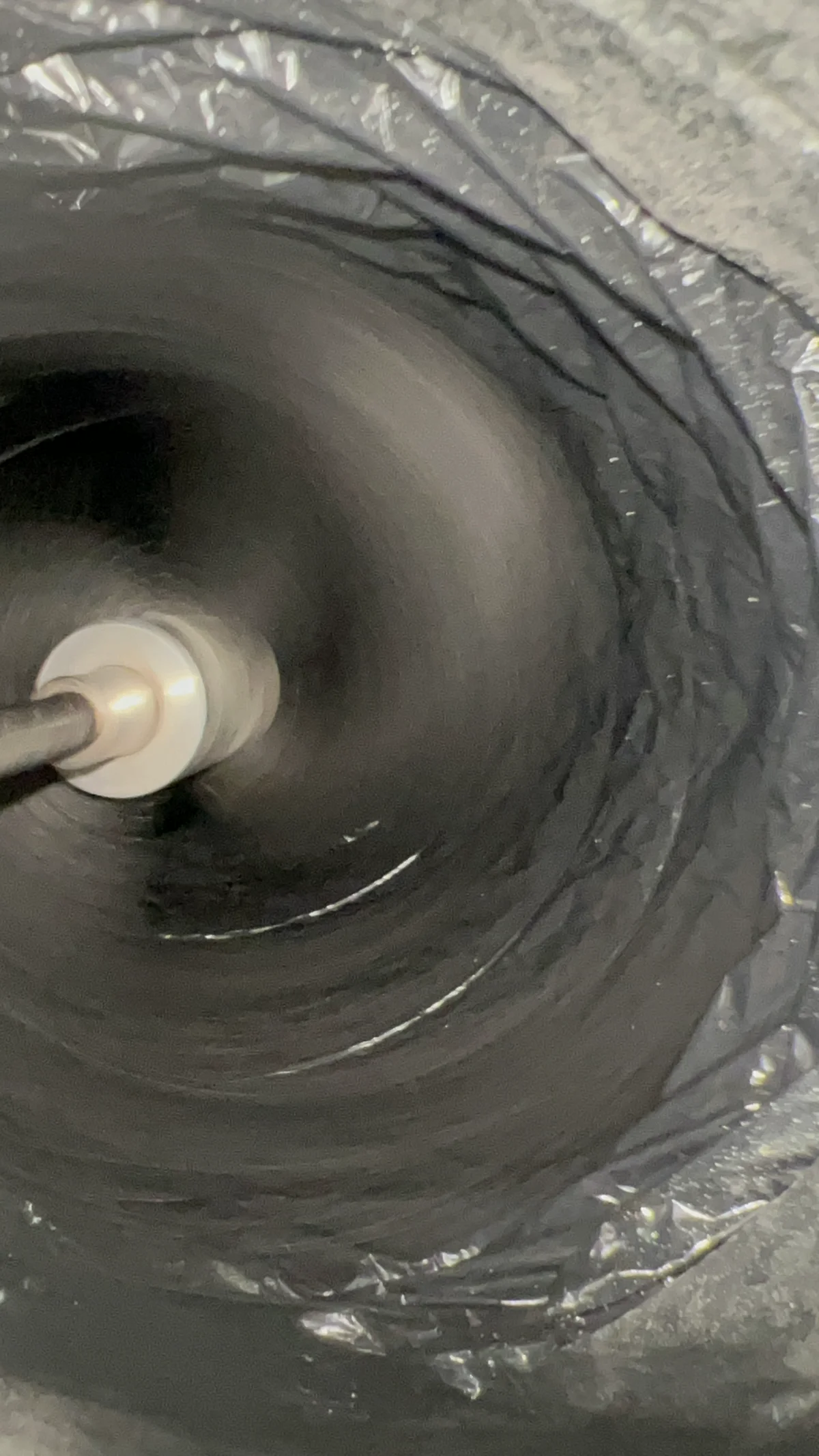
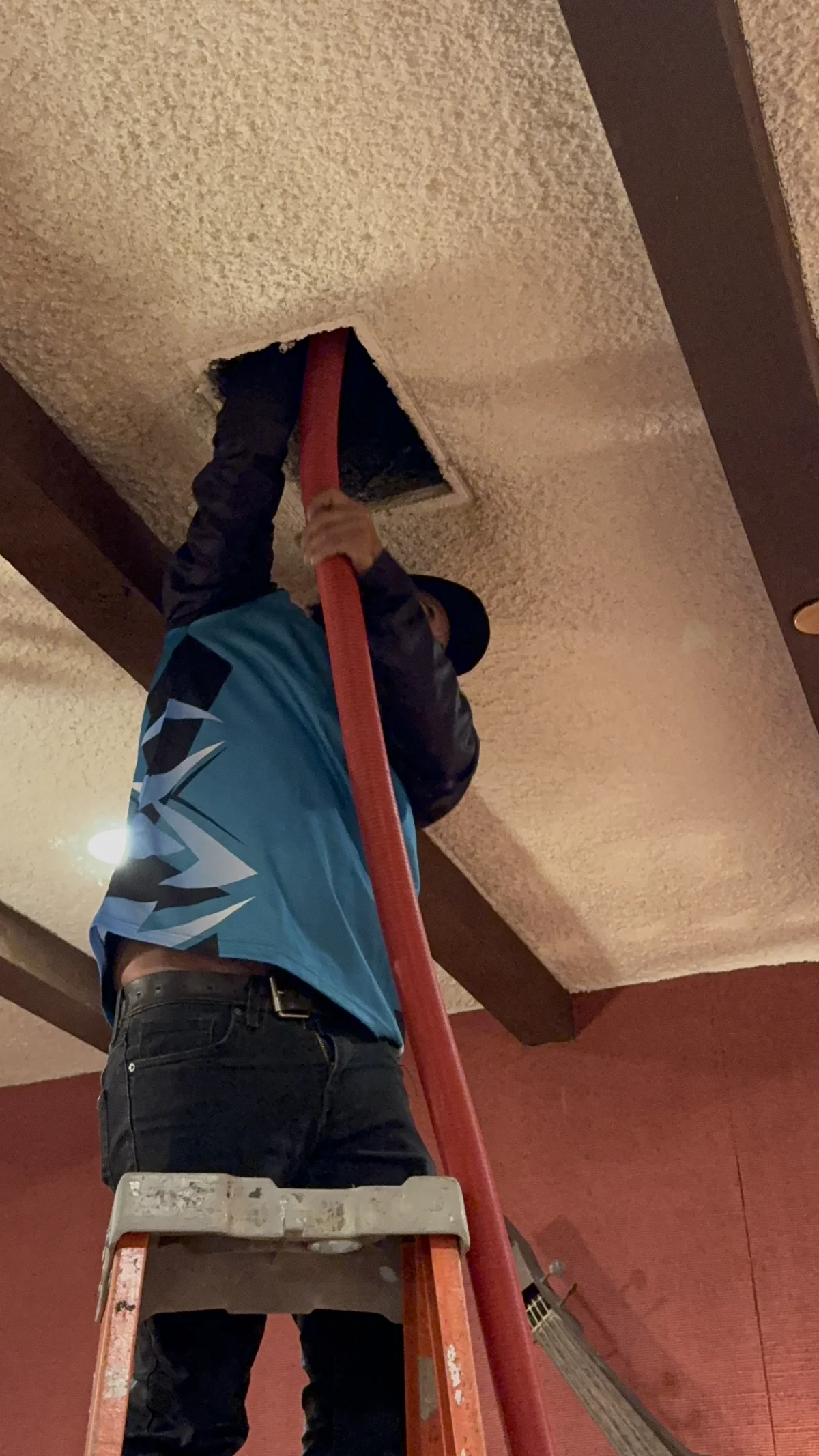
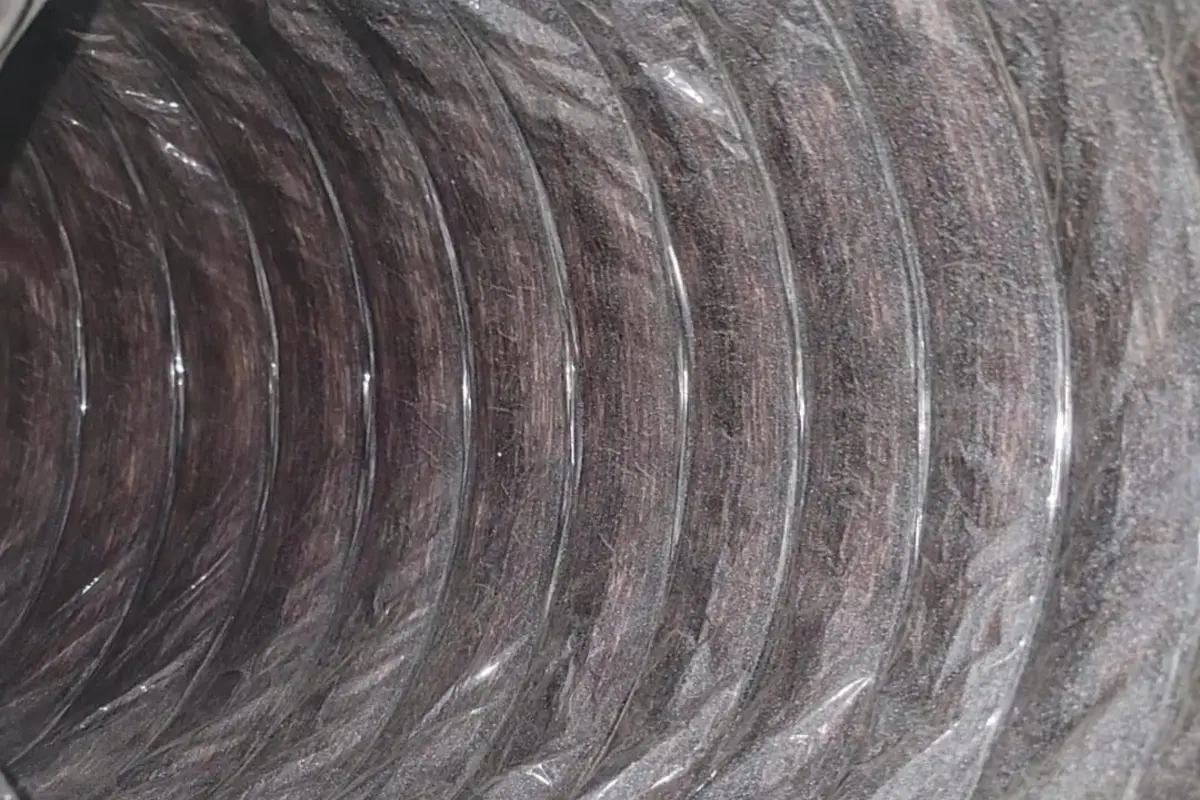
Professional kitchen exhaust cleaning covers the entire system from the hood and filters through the ductwork to the exhaust fan on the roof. This includes degreasing the hood interior, cleaning or replacing baffle filters, scraping and pressure-washing ductwork interiors through access panels, cleaning the exhaust fan blades and housing, and inspecting all components for damage or wear.
Access panels are critical. NFPA 96 requires that access panels be installed at every change in direction, at horizontal duct sections, and at intervals sufficient to allow complete cleaning of the entire duct system. Restaurants without adequate access panels cannot be properly cleaned - the technician cannot reach sections of ductwork where grease accumulates.
Cleaning should be performed by trained technicians who understand grease-specific fire risks, chemical degreasing procedures, and documentation requirements. The work is typically done after hours to avoid disrupting kitchen operations. A thorough cleaning of a standard restaurant exhaust system takes 3-6 hours depending on system size and contamination level.
Schedule Your Kitchen Exhaust Cleaning
Whether you run a barbecue spot on South Congress, a taco truck fleet, or a corporate kitchen in The Domain, NFPA 96 compliance is not optional. Fire marshal inspections happen on their schedule, not yours. Having documented, professional cleaning on record protects your business, your insurance, and your employees.
Air Central provides commercial kitchen exhaust cleaning for Austin restaurants, cafeterias, and food service operations of all sizes. We document every service with before-and-after photos and provide inspection-ready compliance records. Call (512) 601-4451 to schedule your kitchen exhaust cleaning or set up a recurring maintenance plan.
Related Services
Learn more about our professional services related to this topic:
- Air Duct Cleaning - Remove dust, allergens, and debris from your entire HVAC system for cleaner indoor air.
- Air Duct Inspection - Diagnose leaks, blockages, and efficiency issues with HD camera inspection.
- Dryer Vent Cleaning - Clear lint buildup to prevent fires and cut drying time in half.
- Chimney Sweep & Repair - Professional cleaning and 21-point safety inspection for your fireplace.
- Solar Fan Installation - Solar-powered attic ventilation that cuts cooling costs naturally.
Want the full picture?
Read our complete guide: First-Time Homeowner's Complete HVAC Guide for Austin (2026) →Have questions about homeowner education? Our team is available 7 days a week. Call us at (512) 601-4451 or visit our contact page.