The plenum box is the sheet metal chamber that connects your air handler to the main trunk line of your ductwork. Every cubic foot of conditioned air in your home passes through it. Because it sits directly next to the evaporator coil where moisture collects, the plenum is consistently the dirtiest component in Austin HVAC systems - and cleaning it dramatically improves air quality. Call (512) 601-4451 to schedule a duct cleaning that includes full plenum cleaning.
What Is a Plenum Box and Where Is It
The plenum box is a sheet metal chamber attached directly to your air handler. It acts as a distribution hub - conditioned air from the air handler flows into the plenum, then branches out through the trunk line and individual duct runs to every room in your home. There are actually two plenums in most HVAC systems: the supply plenum (on the output side of the air handler, sending conditioned air to your rooms) and the return plenum (on the input side, collecting air from your return vents).
In most Austin homes, the plenum is located in the attic, right next to the air handler. It is typically a rectangular sheet metal box, 2 to 4 feet long, with the main trunk line and branch ducts connecting to it. You can usually see it by looking at the air handler and following the ductwork outward - the plenum is the first section of ductwork directly attached to the unit.
Despite being one of the most critical components in your HVAC system, most homeowners have never seen their plenum and do not know it exists. It is hidden in the attic, enclosed in sheet metal, and unless a technician points it out during a service call, it stays out of sight and out of mind for decades.
Why the Plenum Gets the Dirtiest
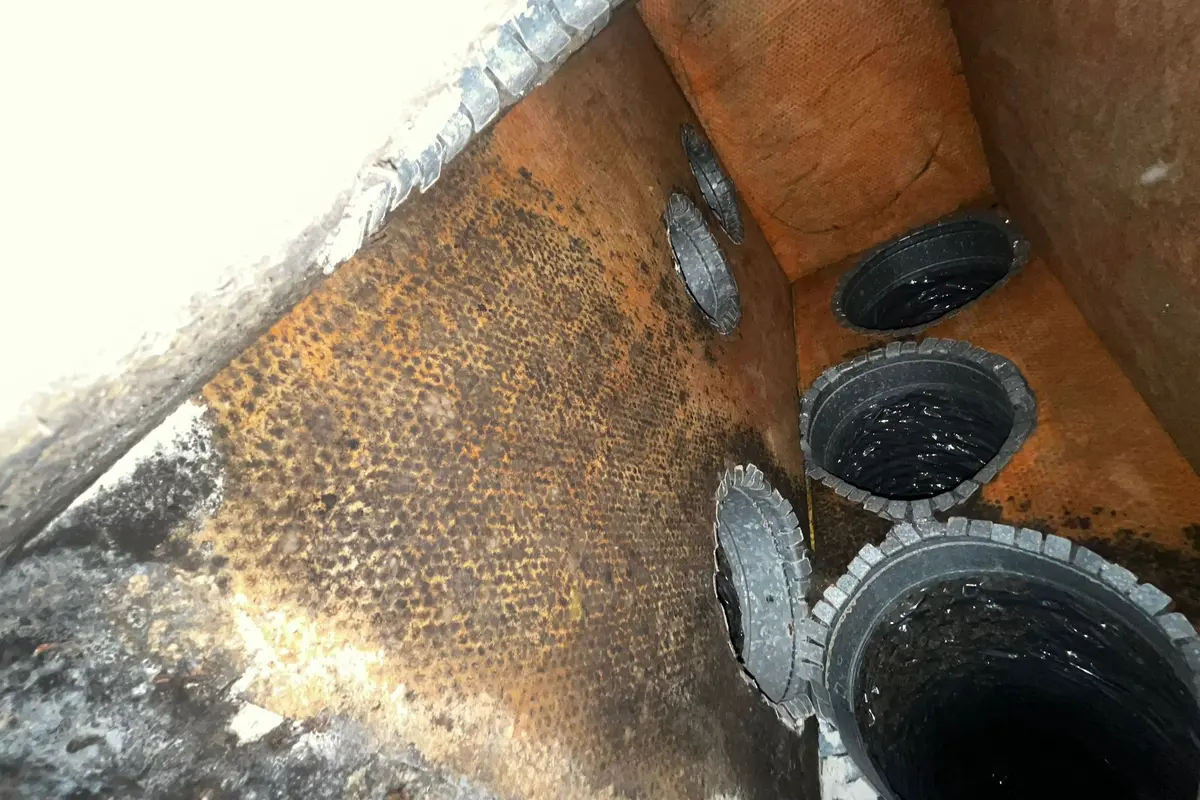
The plenum is ground zero for contamination in your HVAC system, and the reason is simple: proximity to the evaporator coil. The evaporator coil sits inside the air handler and produces condensation every time your AC runs. In Austin, where the cooling season stretches from April through October, that coil stays wet for months at a time. Moisture from the coil migrates into the plenum, creating a damp environment where dust, pollen, and organic debris stick to the metal surfaces and accumulate.
Every particle of dust, pet dander, and pollen that makes it past your filter passes through the plenum. Over years, layers of this material build up on the interior walls of the plenum. The moisture from the nearby coil causes this debris to cake onto the metal rather than simply passing through, making plenum contamination significantly worse than what accumulates in the branch duct runs further from the coil.
We have cleaned thousands of HVAC systems in Austin, and the plenum is consistently the component with the heaviest contamination. Homeowners are often shocked when we show them HD camera footage of the inside of their plenum - thick layers of dark buildup coating every surface. Even in homes where the branch ducts look relatively clean, the plenum is almost always heavily contaminated because of the moisture factor.
What Contamination Looks Like Inside the Plenum
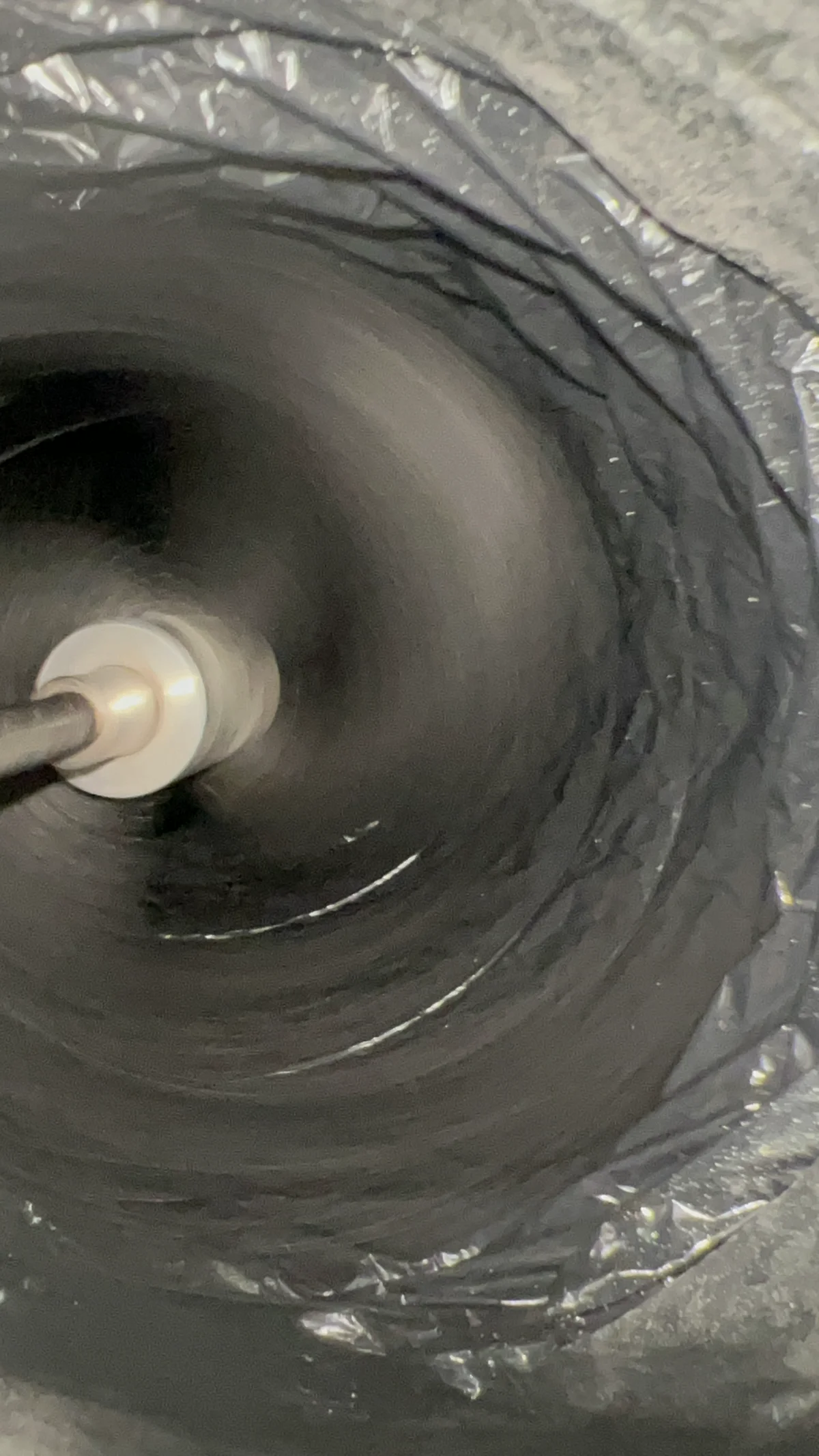
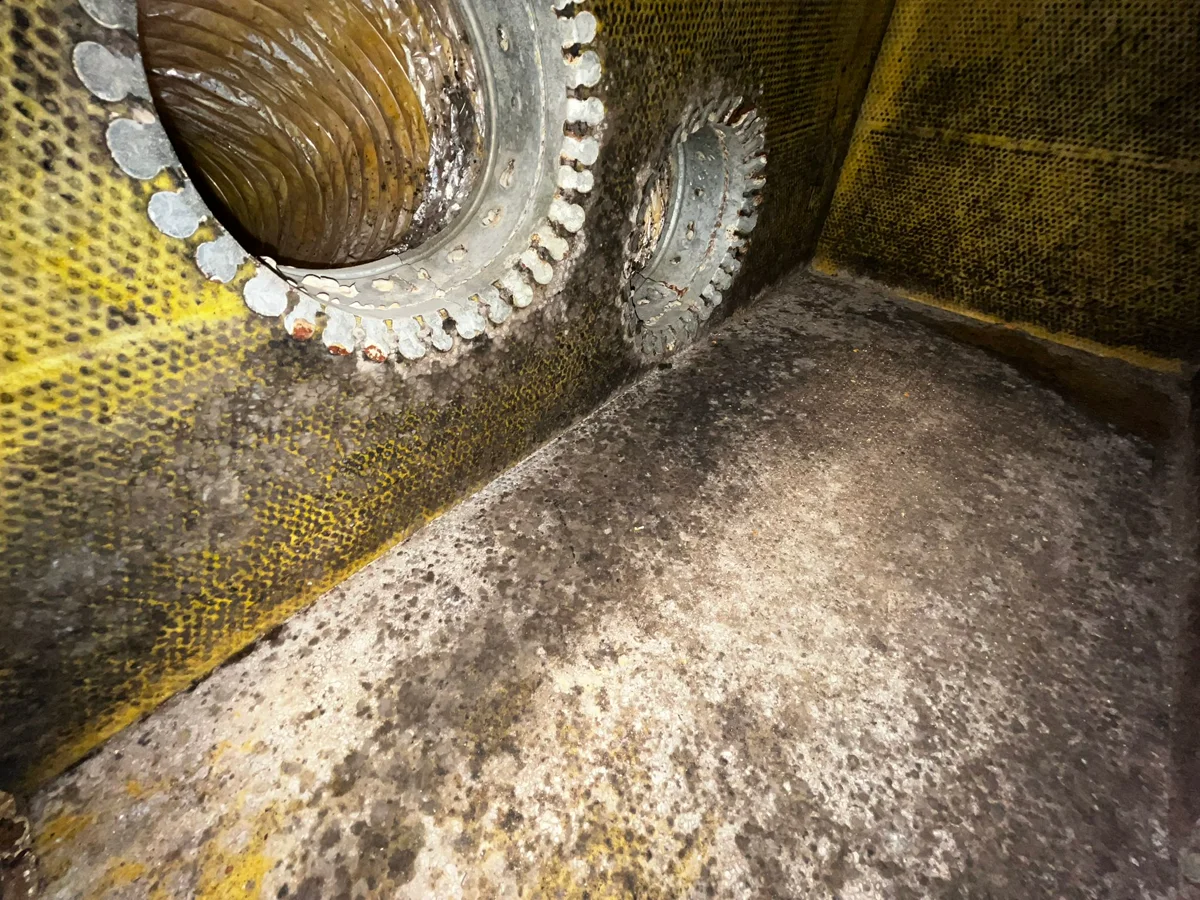
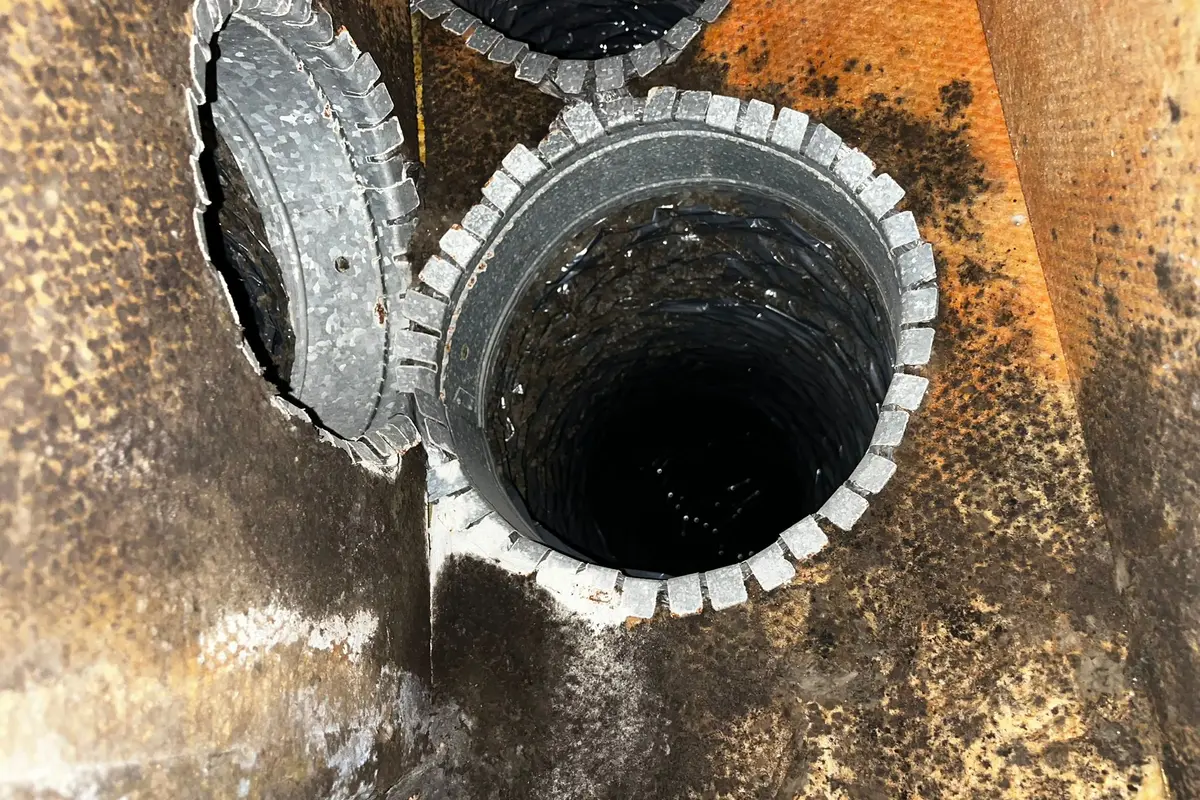
When we insert our HD inspection camera into a plenum that has not been cleaned in five or more years, the images are striking. The interior walls that should be bare sheet metal are covered with a dark, sometimes fuzzy layer of accumulated debris. This buildup is a mixture of dust, pollen, pet dander, skin cells, fabric fibers, and organic material that has bonded to the metal surface with the help of moisture from the evaporator coil.
The contamination is thickest on the surfaces closest to the coil, where moisture is heaviest. It tapers off slightly as you move further into the trunk line, but in badly neglected systems, the buildup extends well beyond the plenum into the first several feet of trunk line as well.
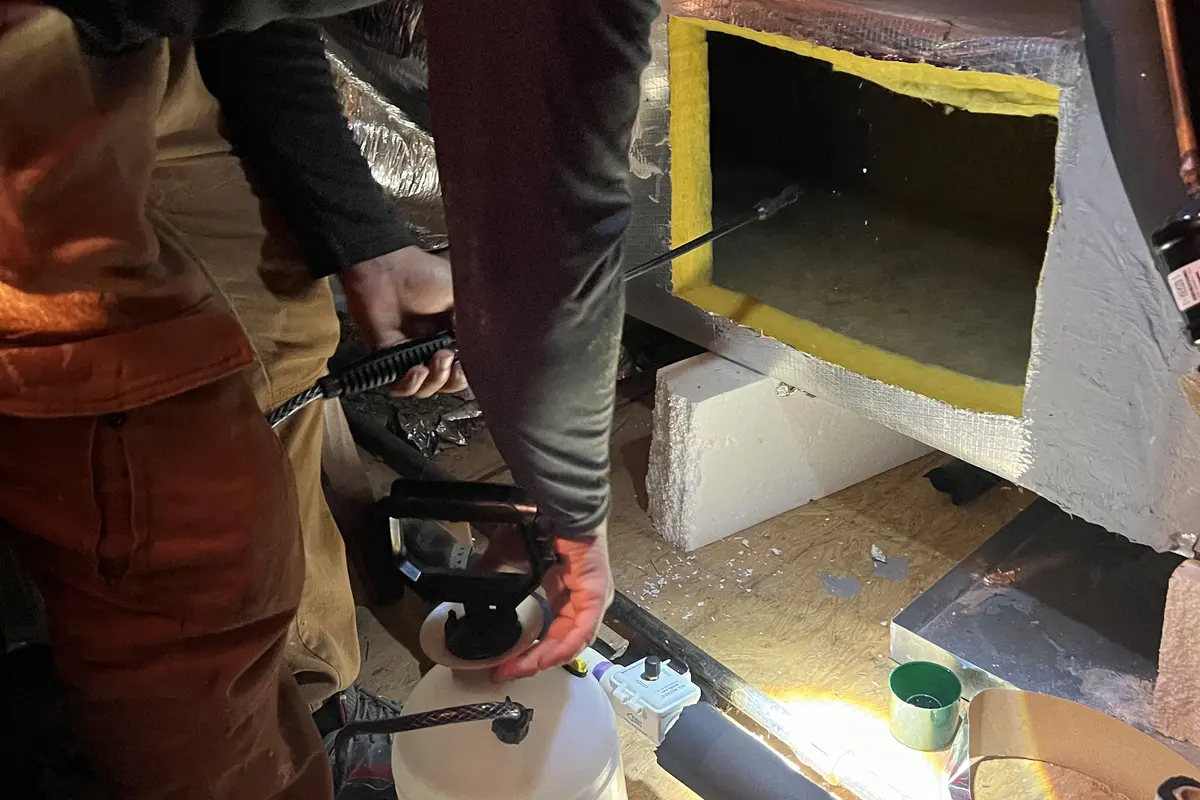
In our before-and-after photos, the difference is dramatic. Before cleaning, the plenum interior looks like the inside of a chimney - dark, coated surfaces with visible texture from years of accumulated material. After professional cleaning with commercial-grade equipment, the bare sheet metal is visible again, clean and reflective. This is not a subtle improvement. It is a transformation that homeowners can see on the camera screen in real time during the cleaning.
The contamination inside the plenum is not just unsightly - it is what your family breathes. Every time the blower kicks on, air rushes through the plenum at high velocity, picking up particles from that buildup and distributing them throughout your home. Cleaning the plenum removes the largest single source of airborne contaminants in your HVAC system.
Just Moved In? Start Here.
We help new Austin homeowners understand their HVAC system with honest assessments and straightforward recommendations.
Call (512) 601-4451Rate your home's indoor air quality in 2 minutes
Supply Plenum vs Return Plenum
The supply plenum sits on the output side of the air handler, distributing conditioned air to your rooms. This is the plenum that gets the dirtiest because it is immediately downstream of the evaporator coil and receives the most moisture. When people talk about plenum contamination, they are usually referring to the supply plenum.
The return plenum sits on the input side, collecting air from your return ducts before it passes through the filter and into the air handler. The return plenum sees less moisture than the supply side, but it collects debris that settles out of the return airstream before reaching the filter. In homes with inadequate return filtration or poorly fitting filters, the return plenum can also accumulate significant contamination.
Both plenums need cleaning during a professional duct cleaning service. A company that cleans only the supply vents and ignores the plenums is not doing a complete job. The plenums are where the heaviest contamination lives, and skipping them is like washing the outside of a car while leaving the engine compartment full of mud.
At Air Central, every duct cleaning includes full cleaning of both the supply and return plenums, the trunk lines, and every individual duct run. Call (512) 601-4451 to schedule your cleaning.
How Plenum Cleaning Improves Air Quality
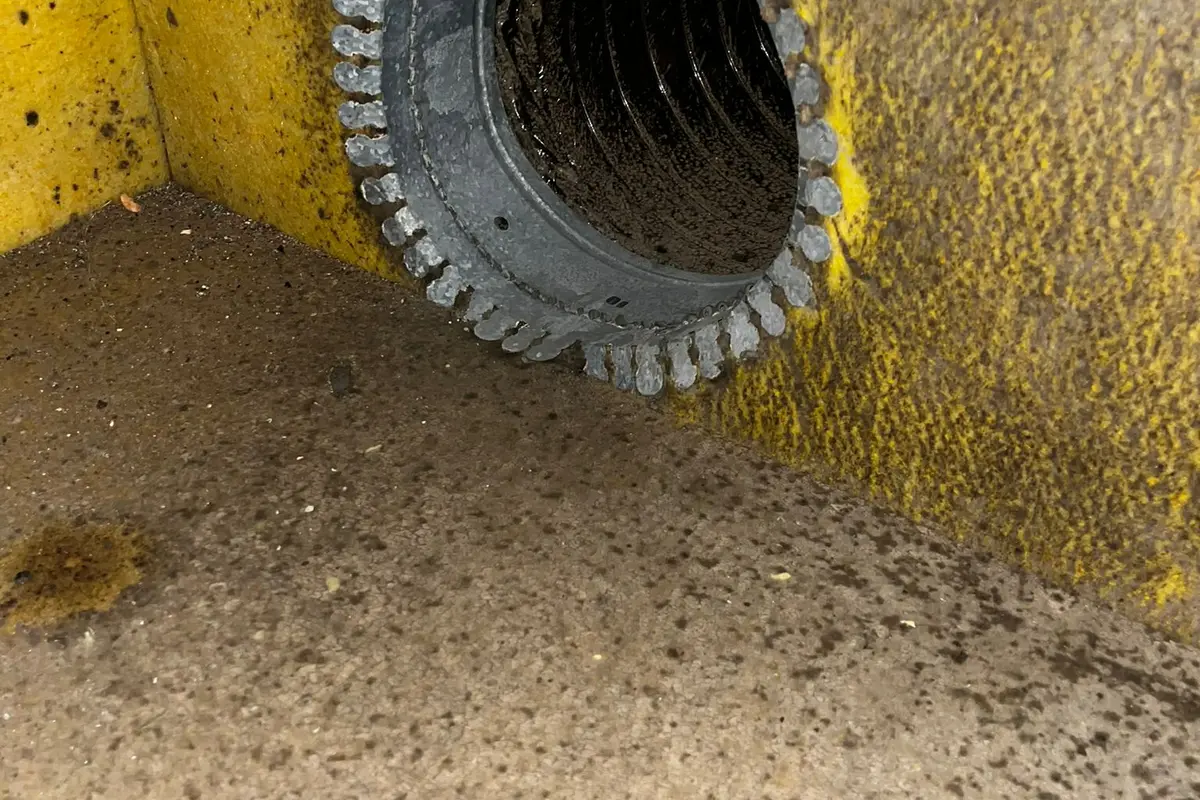
Because 100% of your conditioned air passes through the plenum, cleaning it has an outsized impact on indoor air quality compared to cleaning any individual duct run. A single supply vent serves one room, but the plenum serves every room. Removing contamination from the plenum immediately reduces the particle load in the air flowing to every register in your home.
Homeowners who suffer from allergies, asthma, or respiratory sensitivity often report the most dramatic improvement after plenum cleaning. The plenum is typically the single largest reservoir of accumulated allergens in the HVAC system - cedar pollen, dust mite debris, pet dander, and organic particulate all concentrate here because of the moisture-assisted adhesion near the evaporator coil.
Energy efficiency also improves when the plenum is cleaned. Heavy buildup on plenum walls creates turbulence and friction that reduces airflow. Your blower motor works harder to push the same volume of air through a contaminated plenum, and that extra work shows up on your electricity bill. Clean plenum walls allow smoother, more efficient airflow from the air handler to the trunk line.
If you have never had your plenum cleaned - or do not know the last time it was done - your HVAC system is almost certainly distributing contaminated air throughout your home every time it runs. Call (512) 601-4451 to schedule an HD camera inspection. We will show you exactly what is inside your plenum before we clean it.
Related Services
Learn more about our professional services related to this topic:
- Air Duct Cleaning - Remove dust, allergens, and debris from your entire HVAC system for cleaner indoor air.
- Air Duct Inspection - Diagnose leaks, blockages, and efficiency issues with HD camera inspection.
- Dryer Vent Cleaning - Clear lint buildup to prevent fires and cut drying time in half.
- Chimney Sweep & Repair - Professional cleaning and 21-point safety inspection for your fireplace.
- Solar Fan Installation - Solar-powered attic ventilation that cuts cooling costs naturally.
Want the full picture?
Read our complete guide: First-Time Homeowner's Complete HVAC Guide for Austin (2026) →Have questions about homeowner education? Our team is available 7 days a week. Call us at (512) 601-4451 or visit our contact page.