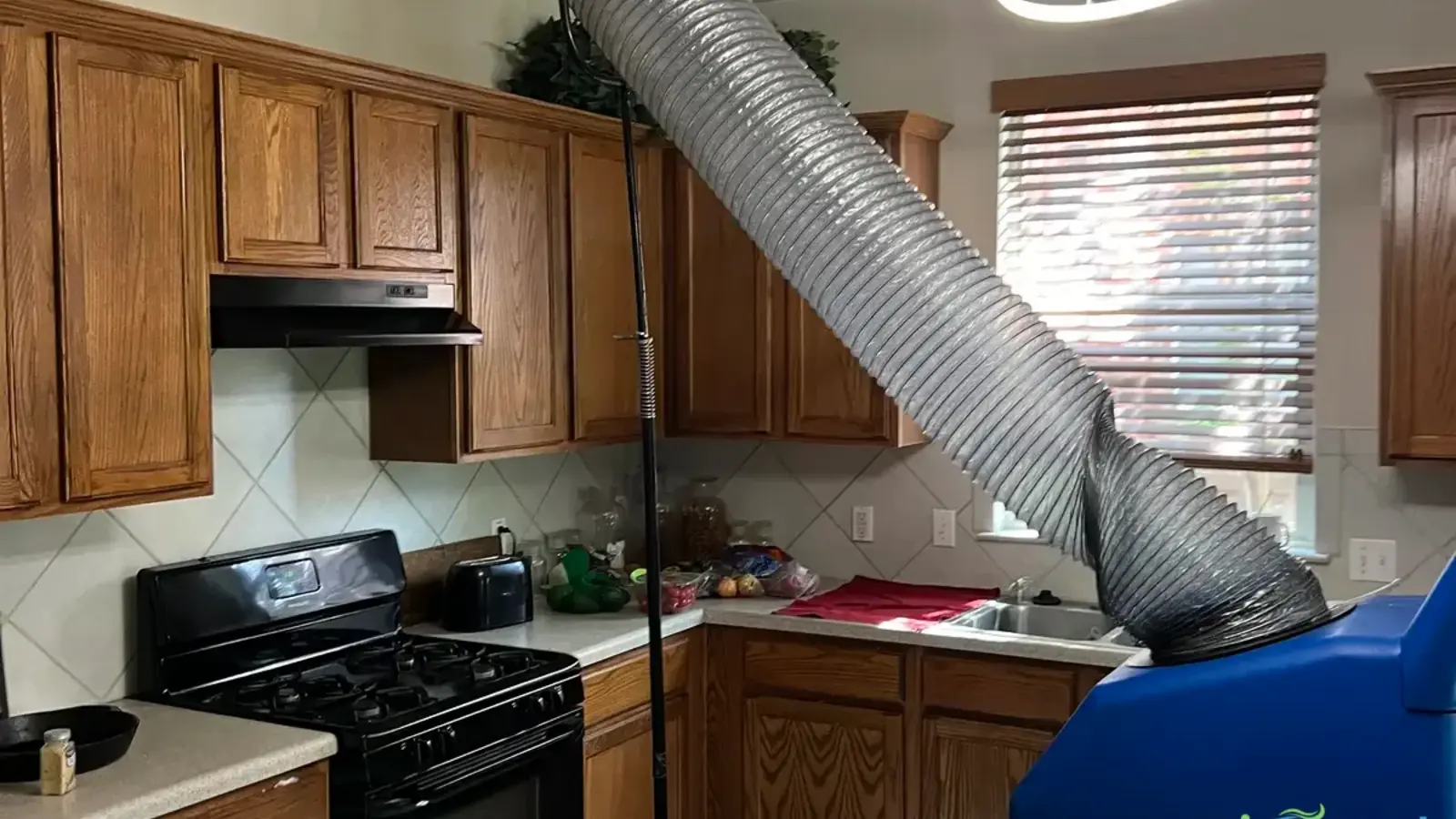
Mold inspection in Austin costs $200-$600 for a visual inspection and $300-$800 when air sampling is included. If mold is found in your HVAC system, professional duct cleaning ($150-$5,000) and UV-C light installation ($200-$3,500) address the HVAC component. Most Austin homeowners need both a mold inspector and an HVAC mold treatment specialist.
What Does a Mold Inspection Cost in Austin TX?
Mold inspection in Austin, TX typically costs $200-$400 for a standard visual inspection of accessible areas. When inspectors take air samples and send them to a laboratory for analysis, total costs rise to $300-$800 depending on the number of samples and turnaround speed. Same-day or rush lab results add $50-$150 to the lab fee.
Austin's humid climate and extreme heat create mold conditions that drive demand for mold inspection services year-round - particularly after the spring rain season (March-May), after flooding events, and when homeowners notice musty odors from their AC. Prices here are broadly consistent with national averages, but Austin inspectors often spend additional time evaluating HVAC systems due to local humidity-driven contamination rates.
The average Austin homeowner pays $350-$500 for a comprehensive mold inspection that covers the attic, crawl spaces, walls near plumbing, and HVAC system. Inspections focused solely on the HVAC components (evaporator coil, plenum, and ductwork) run $150-$300 depending on system size.
What Does a Mold Inspector Actually Check?
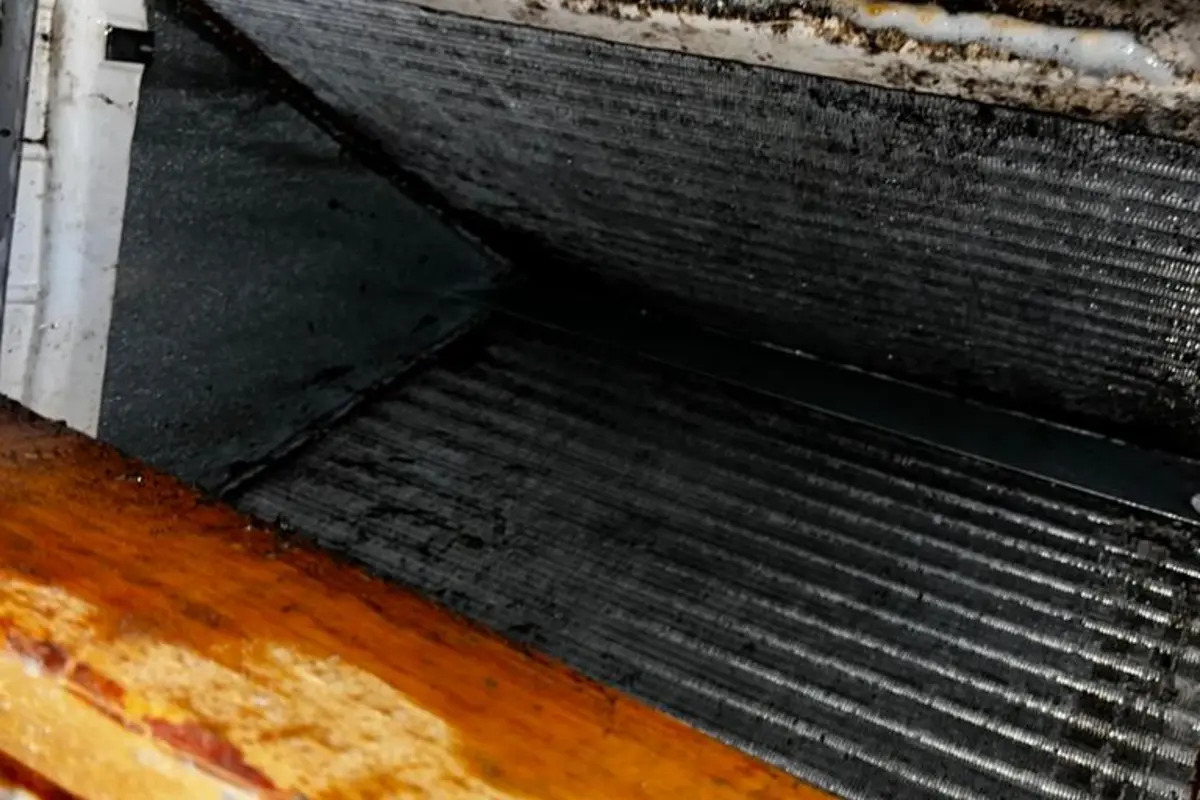
A licensed mold inspector typically evaluates: visible surfaces in all accessible areas (walls, ceilings, flooring, attic, crawl spaces), moisture readings with a pin or pinless moisture meter, humidity levels throughout the structure, HVAC components including the evaporator coil and air handler area, insulation condition, and areas around plumbing fixtures.
Air sampling involves placing spore trap cassettes in several locations - typically one outdoor baseline sample and 2-4 indoor samples. These are sent to an accredited laboratory that identifies mold species and quantifies spore concentrations. Results take 24-72 hours for standard turnaround, 12-24 hours for rush processing.
What inspectors do not typically do: clean or remediate the mold they find. Inspection and remediation are separate services. A certified mold inspector provides documentation of what is present and where - the remediation company (or HVAC specialist, for duct contamination) carries out the treatment.
HVAC Mold: The Part Most Inspectors Miss
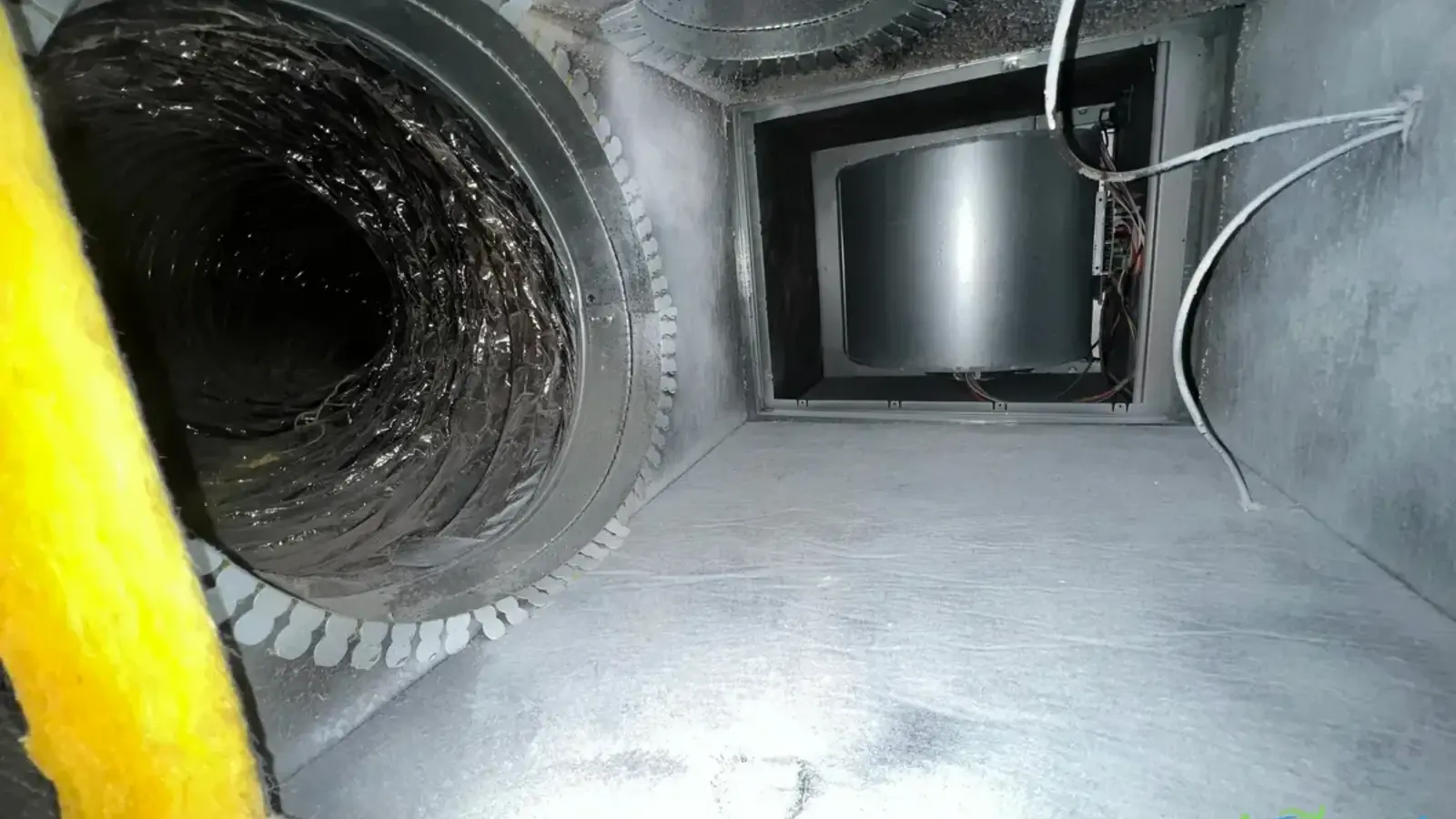
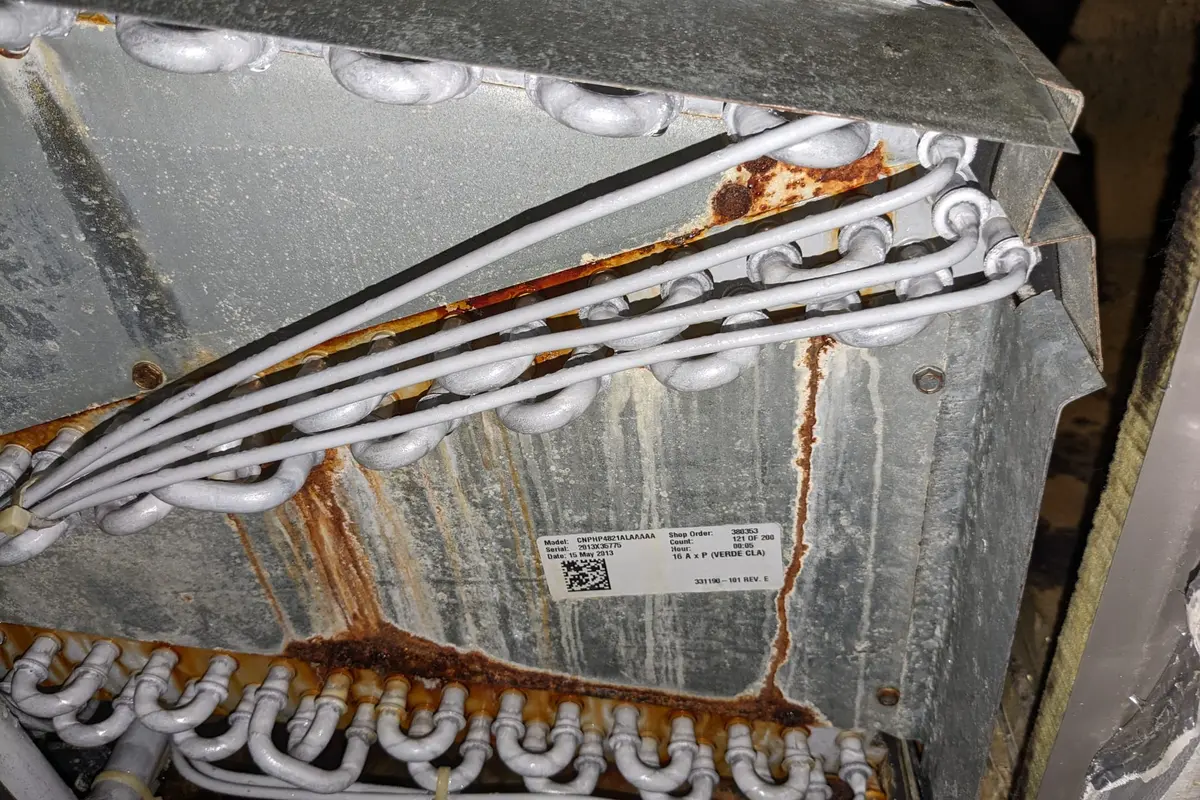
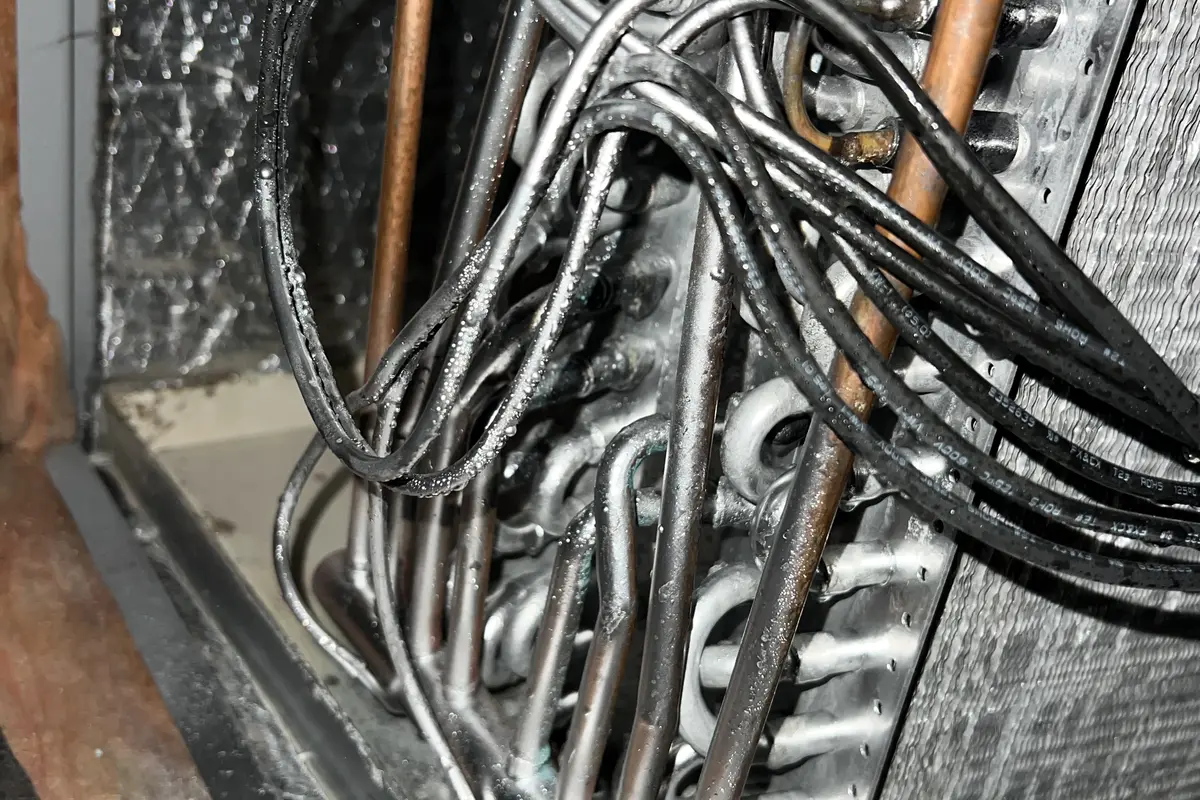
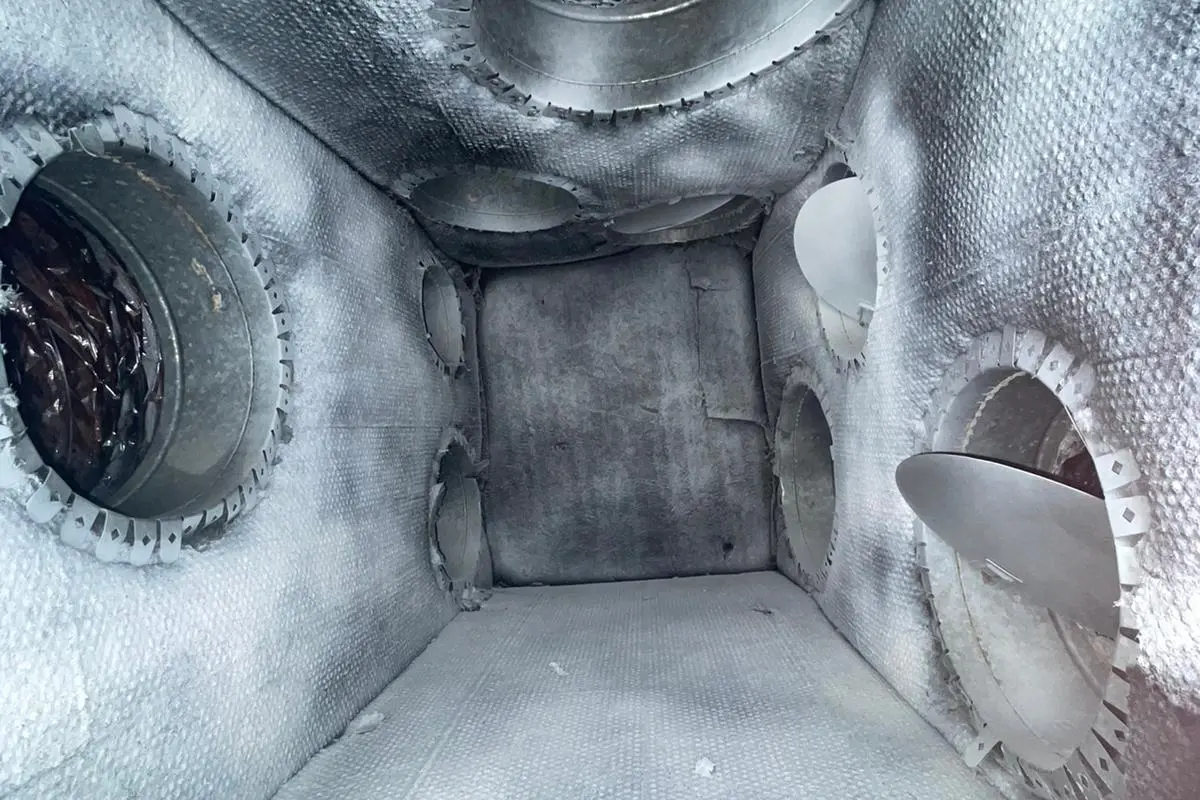
Standard mold inspectors focus primarily on structural surfaces - walls, ceilings, subfloor. The interior of your air duct system, evaporator coil, and plenum box require specialized equipment to inspect properly: a flexible HD camera that can navigate duct runs, plus knowledge of HVAC system layouts.
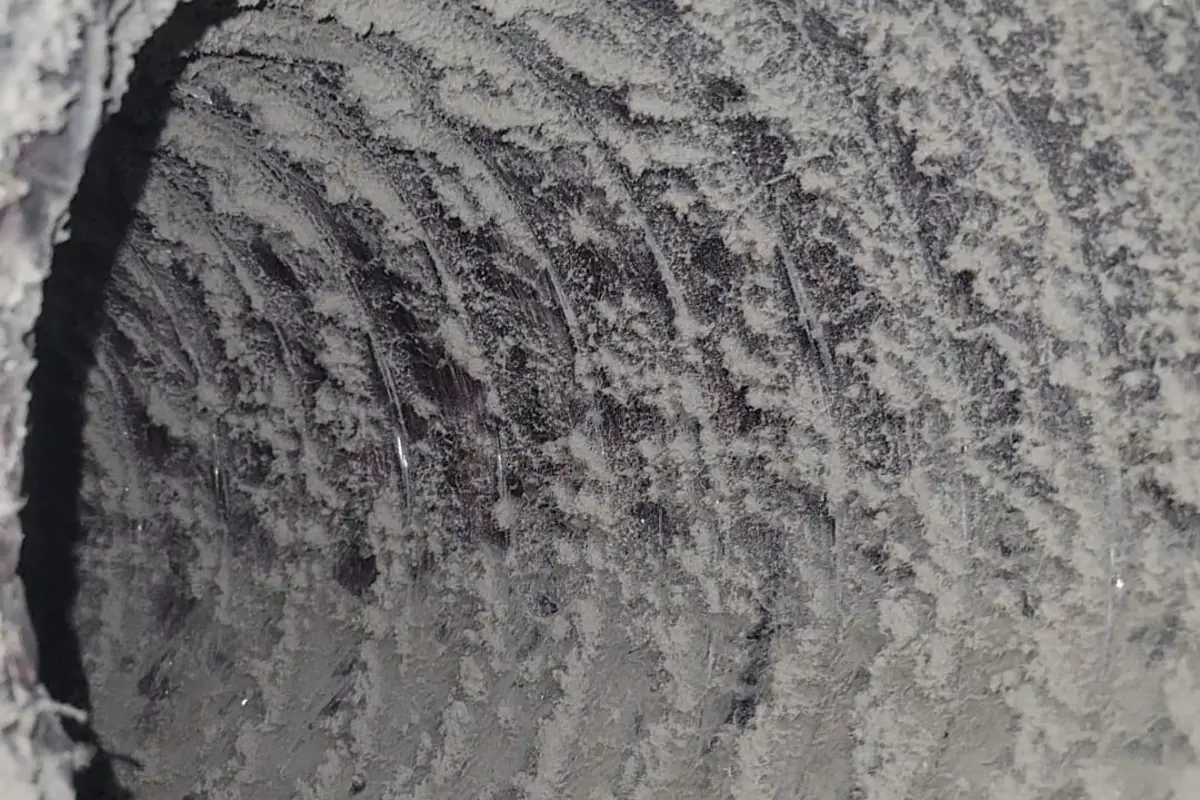
In Austin's climate, the evaporator coil and plenum are often the highest-concentration mold zones in the entire home - but they are invisible to a standard visual inspection. The CDC identifies HVAC ductwork as a primary mold vector in residential buildings. A surface inspection that does not include HD camera inspection of the duct interior and coil is leaving a critical zone unexamined.
If your mold inspector finds mold on walls or ceiling tiles near supply vents, that is often a sign that the HVAC system is distributing mold throughout the house. Treating the wall without treating the HVAC means mold will return.
Mold Inspection vs Mold Testing: What Is the Difference?
Mold inspection is a visual and physical evaluation of a structure - the inspector looks, measures moisture, and assesses conditions. Mold testing (or mold sampling) specifically collects physical samples - air samples, surface swabs, or tape lifts - and sends them to a laboratory for analysis.
Testing answers: what species of mold is present and at what concentration? Inspection answers: where is mold present and what conditions are promoting it? Both have value, but they answer different questions. Testing without inspection tells you there is a problem but not where it is. Inspection without testing tells you there is visible mold but not whether the spore count in the air is elevated.
For Austin homeowners with a musty smell from the HVAC but no visible mold on walls, air sampling is particularly useful - it can confirm elevated spore counts even when mold is not visible. If sampling is positive, HD camera inspection of the duct system and coil is the next step to find the source.
Concerned About Your Home's Air?
We provide professional air quality assessments for Austin homes. See what is in your ducts before deciding.
Call (512) 601-4451Rate your home's indoor air quality in 2 minutes
What Happens After a Mold Inspection?
If mold is found on structural surfaces (walls, ceiling, subfloor), a licensed mold remediation contractor handles removal. In Texas, mold remediation companies are licensed by the Texas Department of Licensing and Regulation (TDLR) under the Mold Assessors and Remediators program.
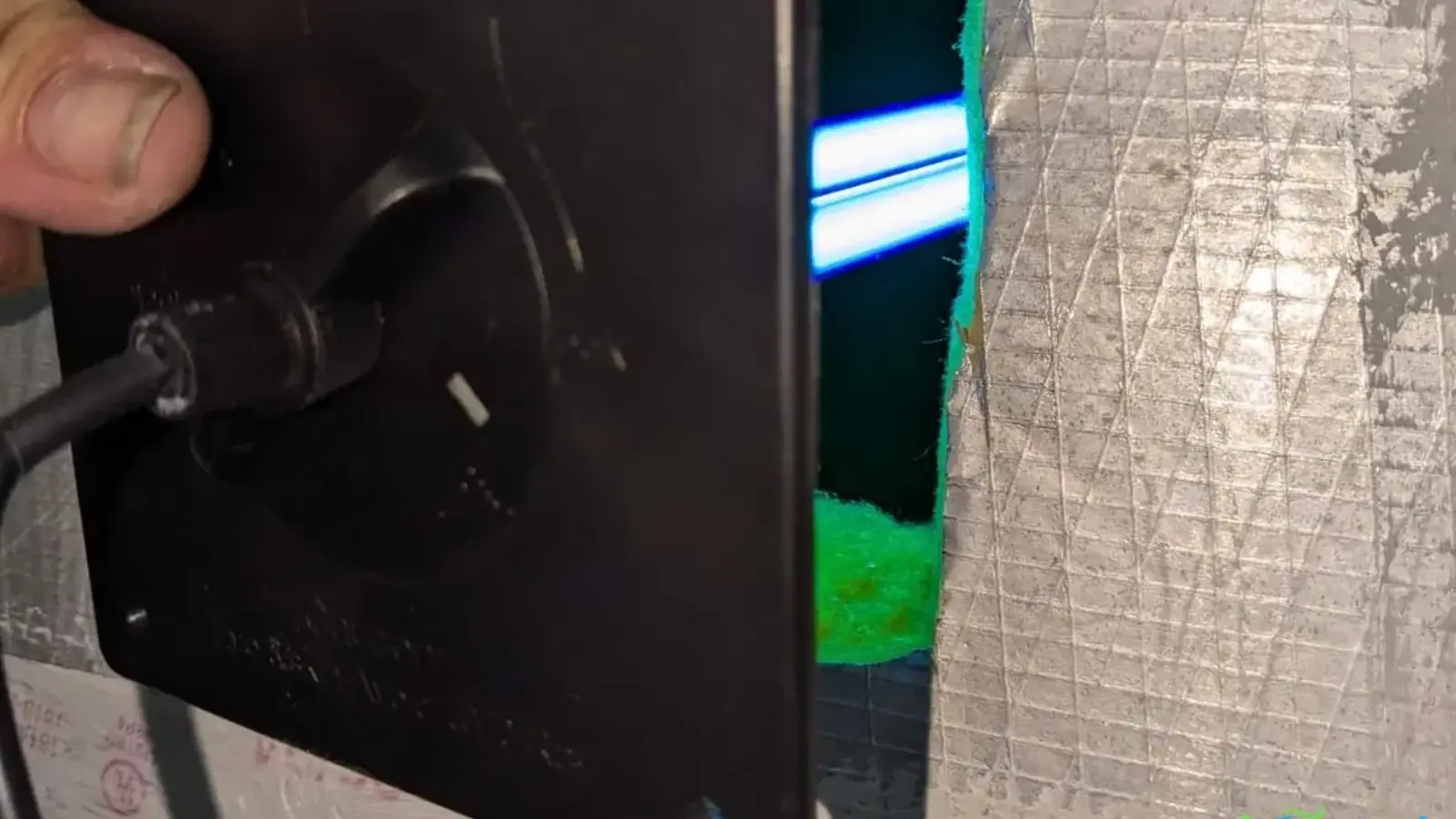
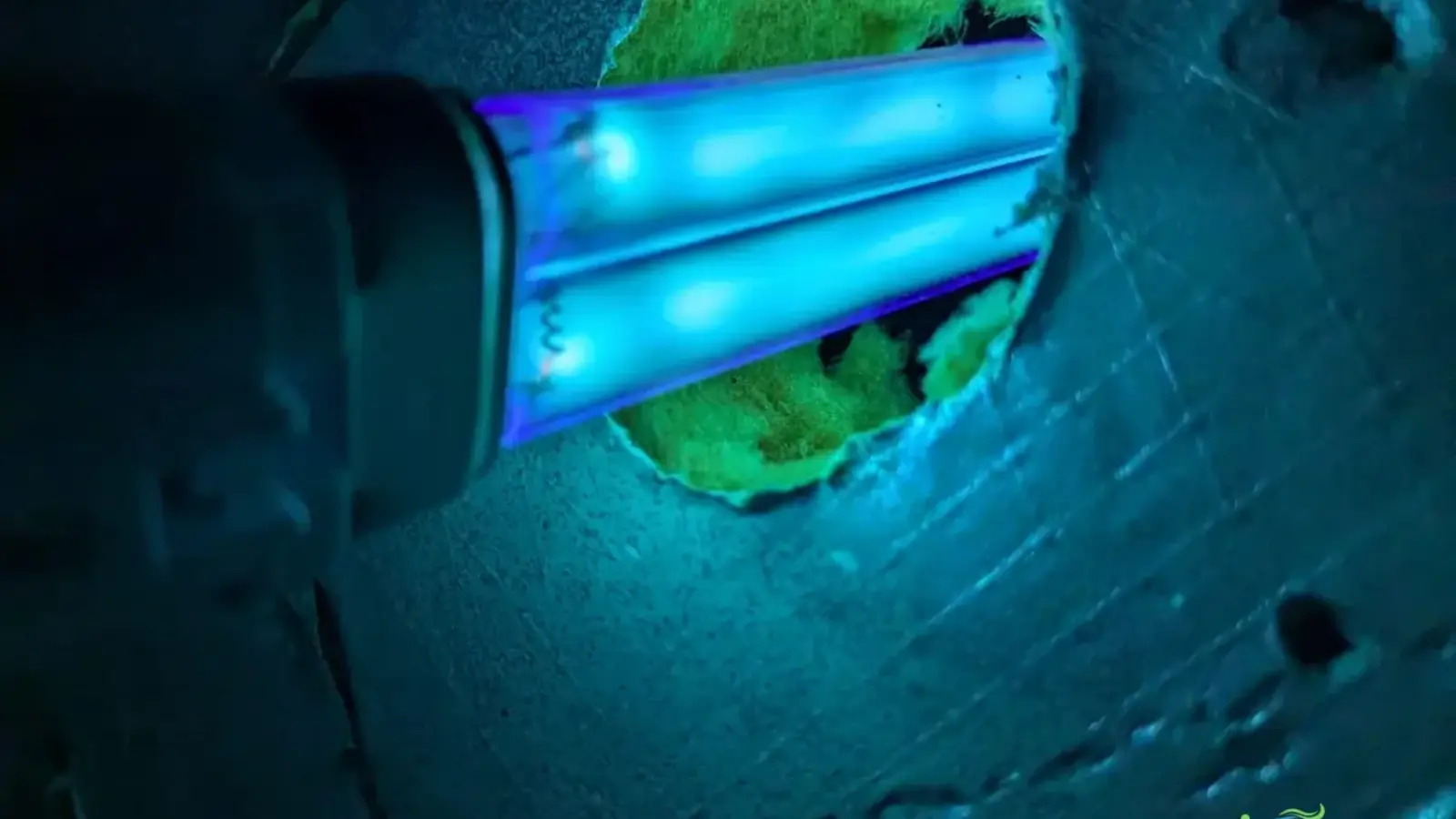
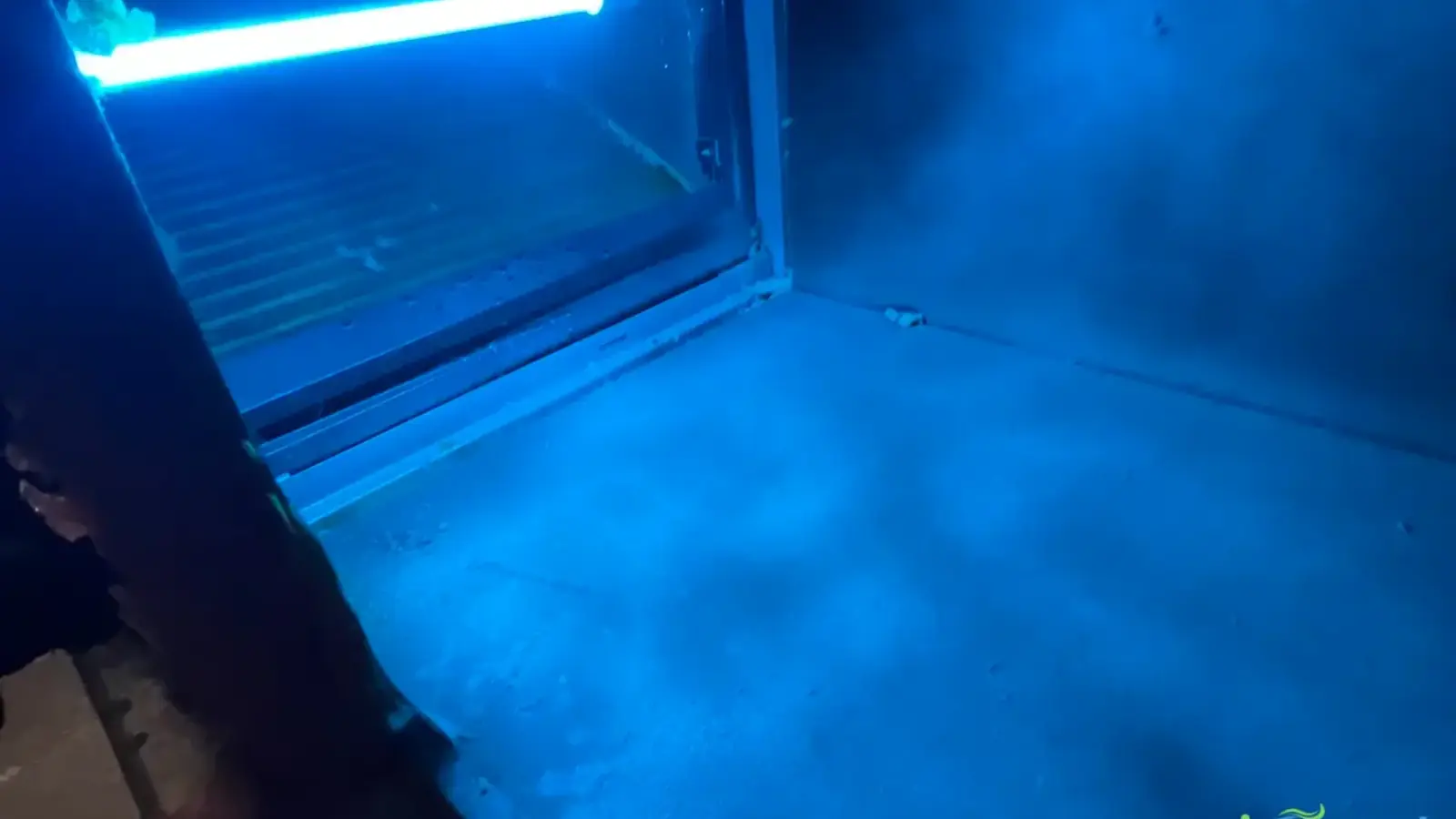
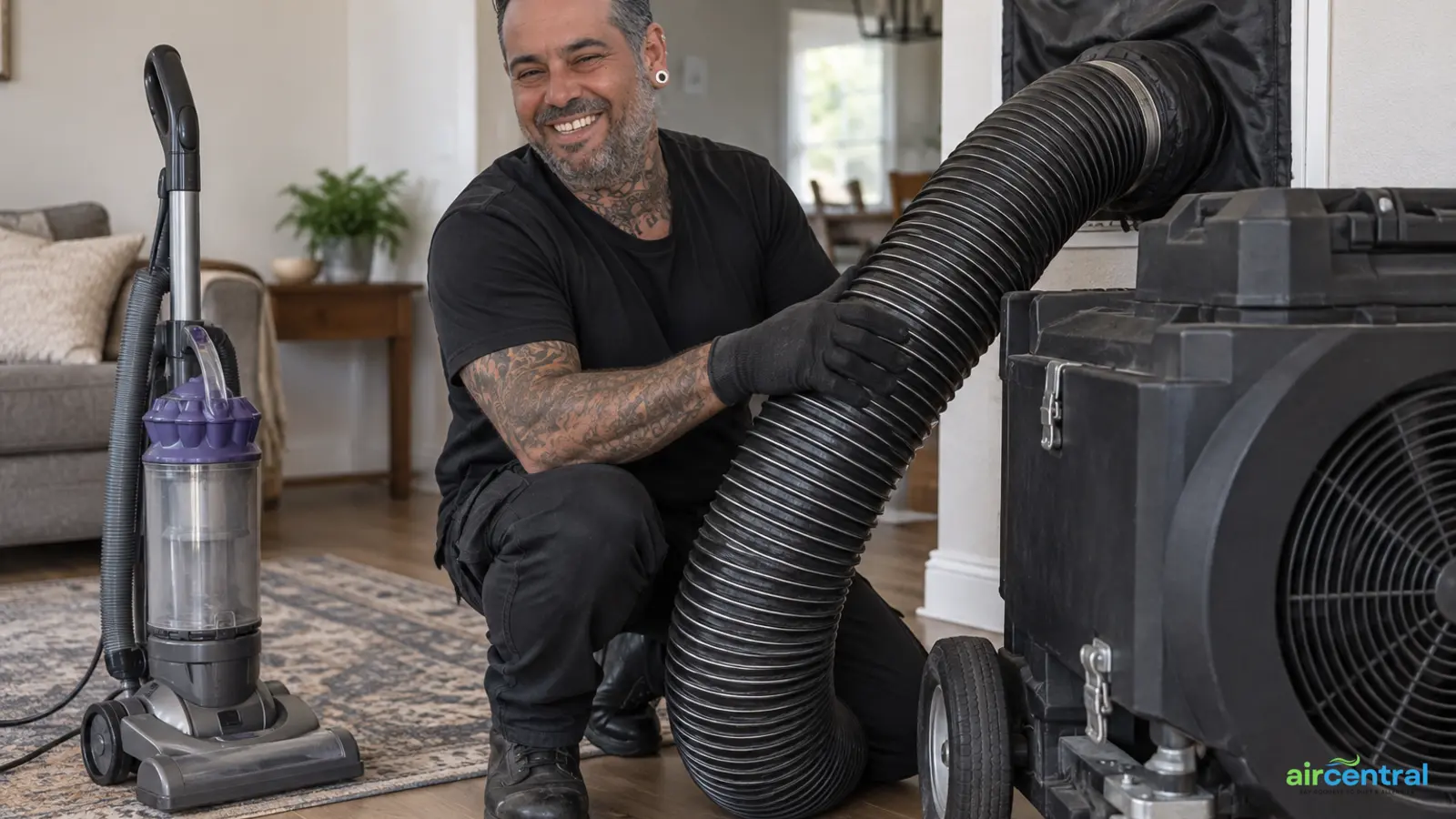
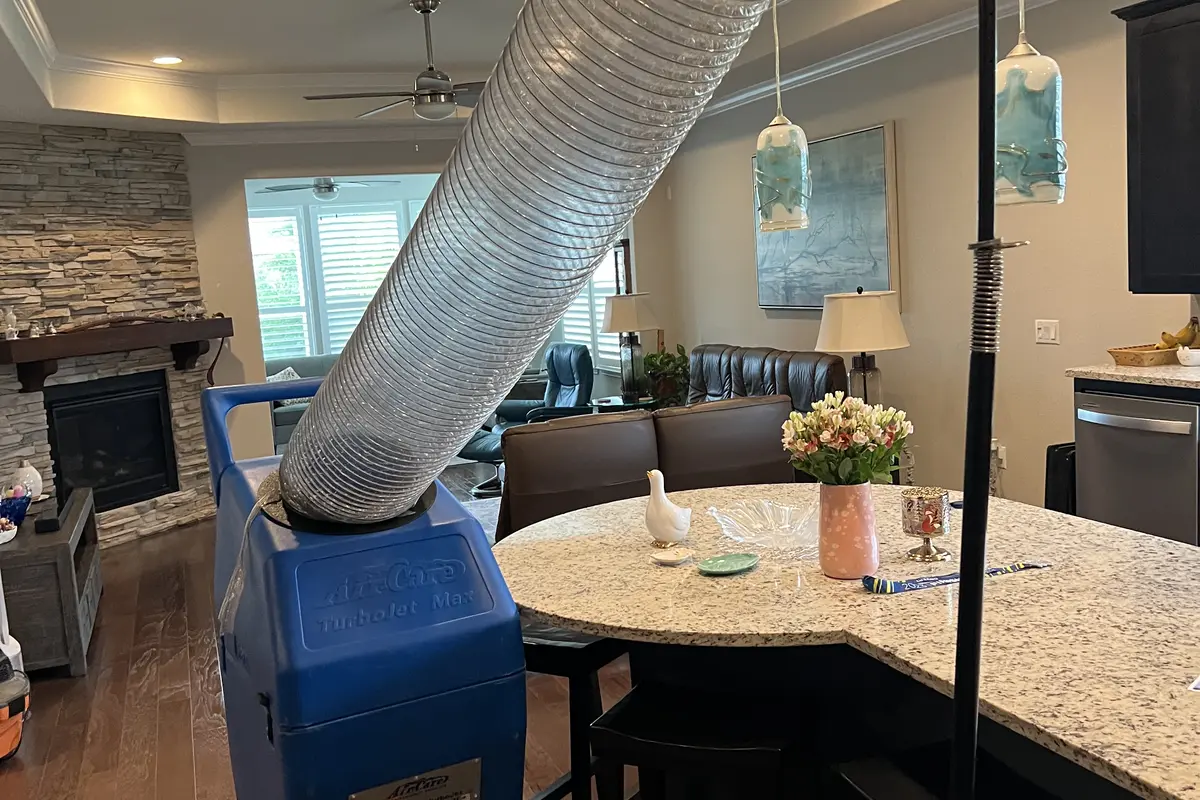
If mold is found in the HVAC system - in ductwork, on the evaporator coil, or in the plenum - an HVAC duct cleaning specialist handles treatment. This is where Air Central operates, under the service name Antimicrobial Duct Treatment: NADCA-method duct cleaning with commercial HEPA vacuum systems, followed by UV-C light installation to prevent regrowth.
Many Austin homeowners with mold problems need both services. The remediation contractor handles the building structure; Air Central handles the HVAC system that was spreading mold through every room. Treating one without the other is incomplete - mold keeps returning because the source or the distribution network has not been addressed.
When to Schedule Mold Inspection vs Call Air Central Directly
Call a mold inspector first if: you have visible mold on walls, ceiling, or flooring; you recently had water damage or flooding; you are buying or selling a home; or you want independent documentation of contamination levels for insurance purposes.
Call Air Central directly if: you smell a musty odor specifically when the AC runs; you have dark rings or discoloration around vent registers; your respiratory symptoms improve when you leave home; or you had mold remediated on walls but it keeps returning. These patterns strongly suggest HVAC-source mold that an HD camera inspection will confirm.
Air Central provides a no-pressure HD camera inspection of your duct system before recommending treatment. If the camera shows contamination, we show you the footage so you decide. If the ducts are clean, we tell you that too. Call (512) 601-4451 to schedule an inspection.
HVAC Mold Treatment Cost in Austin After Inspection
If your inspection reveals HVAC mold, Air Central's treatment options range from $150-$5,000 depending on system size and contamination severity. Duct cleaning and mold treatment for a standard Austin home runs $150-$2,500. Full HVAC treatment including plenum, coil cleaning, and HD camera inspection costs $400-$4,000. UV-C light installation, recommended to prevent regrowth, adds $200-$3,500.
The combination of professional duct cleaning and UV-C installation provides the most durable result in Austin's climate. Cleaning removes what is there. UV-C prevents it from coming back. Austin homeowners who skip the UV-C component often see mold re-establish on the evaporator coil within 12-24 months because the underlying humidity conditions have not changed.
For a personalized estimate based on your system's size and condition, call (512) 601-4451. We provide a firm quote before any work begins - no surprise charges when the job is done.
Related Services
Learn more about our professional services related to this topic:
- Air Duct Cleaning - Remove dust, allergens, and debris from your entire HVAC system for cleaner indoor air.
- UV Lighting System - Eliminate bacteria and allergens inside your HVAC with UV-C light technology.
Want the full picture?
Read our complete guide: The Complete Guide to Indoor Air Quality in Austin, TX (2026) →
Have questions about indoor air quality? Our team is available 7 days a week. Call us at (512) 601-4451 or visit our contact page.