Mold allergy symptoms include sneezing, runny nose, itchy eyes, coughing, and worsening asthma - all triggered when HVAC systems circulate mold spores throughout the home. If symptoms appear only at home or worsen when AC runs, your HVAC system is the likely source.
The 9 Symptoms of Mold Allergy
The American Academy of Allergy, Asthma and Immunology (AAAAI) identifies nine primary symptoms of mold allergy. They are: sneezing in repeated bursts; runny nose with clear or watery discharge; nasal congestion and post-nasal drip; itchy, watery, or red eyes; persistent dry cough; wheezing or tightness in the chest; asthma attacks triggered by indoor exposure; skin rash or hives; and headaches concentrated around the sinus area. The key characteristic of mold allergy is that symptoms are typically triggered by ongoing exposure - they tend to be persistent rather than episodic, present most days rather than just occasionally.
The CDC notes that mold allergy can trigger asthma attacks in people who already have asthma, and that repeated exposure can increase sensitivity over time - meaning symptoms that start mild may become more severe the longer the source goes unaddressed. For the 10% of the US population that the AAAAI estimates has mold allergy, this progressive sensitization is a real concern when a home's HVAC system is continuously re-exposing the occupants.
Mold allergy symptoms overlap significantly with other common allergies, particularly pollen and dust mite allergy. The distinguishing factor is location and timing. Pollen allergy improves indoors. Dust mite allergy peaks in bedrooms. Mold from HVAC systems is worst where air conditioning runs most and where supply vents direct airflow - living areas, bedrooms, and spaces directly below supply registers. If symptoms worsen in your living room and bedroom simultaneously rather than in one specific location, an airborne source distributed by the HVAC system fits the pattern.
How to Tell If Your HVAC Is the Cause
The most reliable home diagnostic for HVAC-source mold allergy requires no equipment. Ask yourself four questions: (1) Do symptoms improve significantly when you leave the home for more than two hours? (2) Do symptoms worsen noticeably in the first 20-30 minutes after the AC turns on? (3) Are symptoms roughly equal in all rooms with supply vents, rather than concentrated in one area? (4) Did symptoms begin or worsen around the same time you noticed a musty smell from vents? If you answer yes to two or more of these, the HVAC system is the primary suspect.
Opening windows for a day and then closing them to run the AC provides a more structured comparison. If symptoms improve with windows open (outdoor air source) and worsen when you close the house and run the AC, you have a strong indication of an indoor, AC-distributed source rather than an outdoor pollen source. Austin's June-September heat makes sustained window-open living impractical as a permanent solution, but it works well as a diagnostic exercise.
Note whether other household members experience symptoms. HVAC-source mold affects everyone in the home through the same air distribution system. If one family member is symptomatic and others are not, a highly localized source (a bathroom wall, a wet closet) is more likely than HVAC mold. If multiple people - especially those who spend the most time at home - are all experiencing symptoms, the shared air system becomes a strong candidate.
How Mold Gets Into HVAC Systems
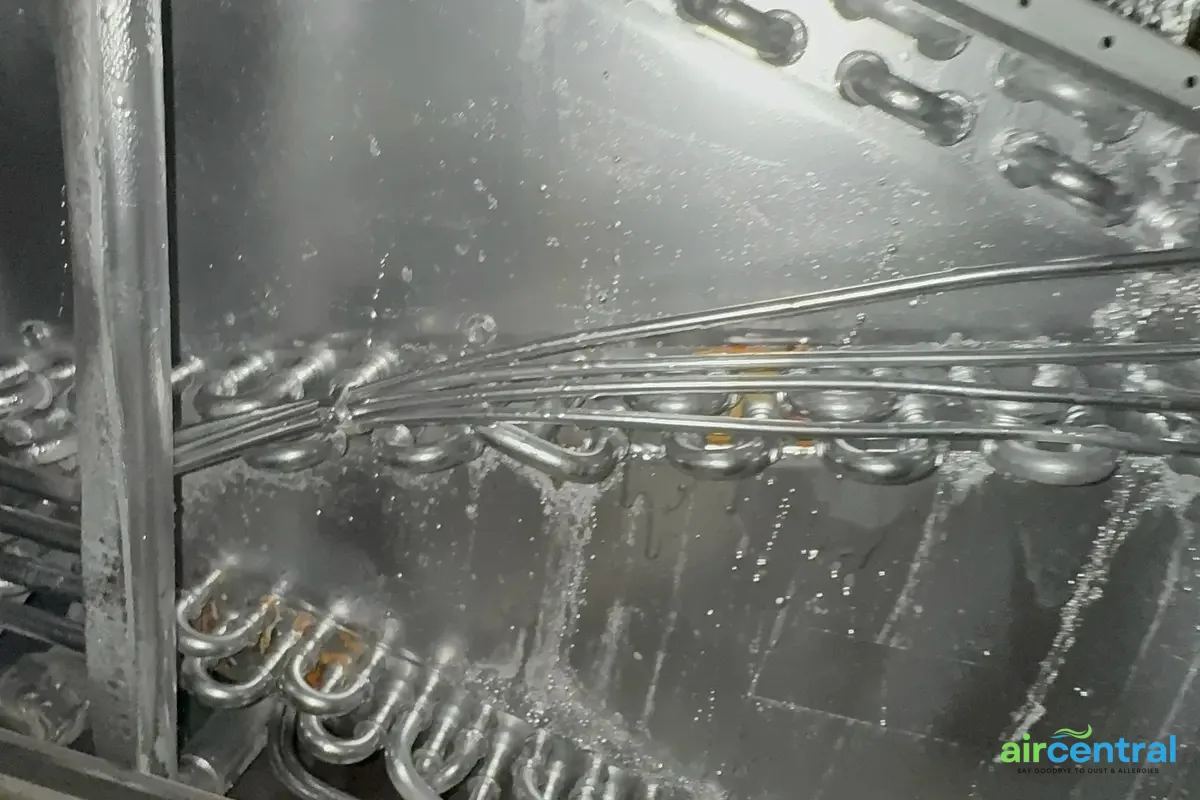
Mold enters HVAC systems through ordinary air circulation. Every cubic foot of outdoor Austin air contains mold spores - typically Cladosporium, Aspergillus, and Penicillium species during summer months. These spores pass through standard air filters (MERV 8 or lower) and deposit on the evaporator coil surface, which stays cold and damp every time the system runs. On that 40-degree wet surface, with organic debris from pollen and dust providing nutrients, mold colonization begins within 24-48 hours according to CDC guidelines on fungal growth requirements.
Austin's climate makes this problem more acute than most US cities. The Asthma and Allergy Foundation of America (AAFA) consistently ranks Austin among the top five worst US cities for allergies due to the combination of mountain cedar, oak, ragweed, and mold seasons that overlap throughout the year. Austin residents face near-continuous allergen pressure - the indoor air quality of their HVAC system is therefore more consequential to their health than it would be in a city with shorter allergy seasons.
Organic debris accumulation accelerates HVAC mold growth. Cedar pollen (November-February), oak pollen (March-May), and regular dust and skin cell debris provide the food source that sustains mold colonies once they establish on the coil. A system that has not been cleaned in 5-10 years may have substantial organic buildup on coil fins and in the plenum - enough to sustain mold even during lower-humidity months when the coil does not condense as aggressively.
The HVAC Components Most Likely to Harbor Mold
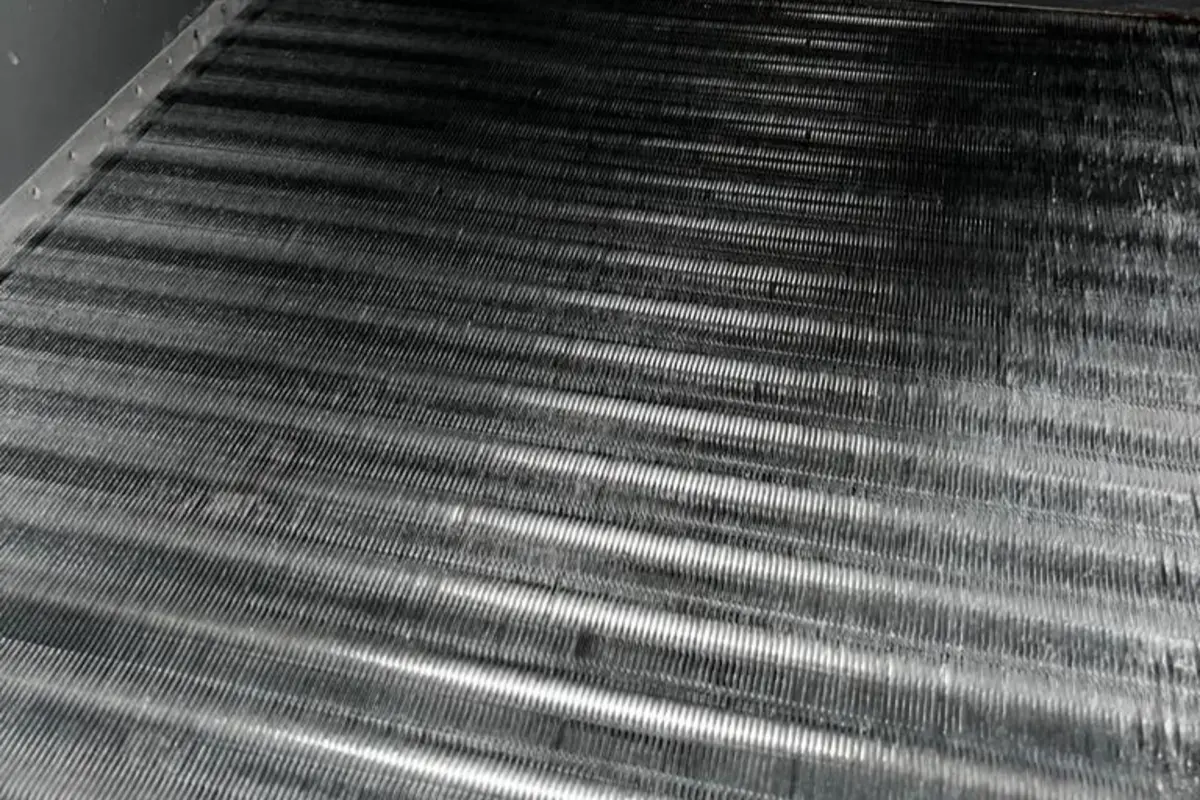
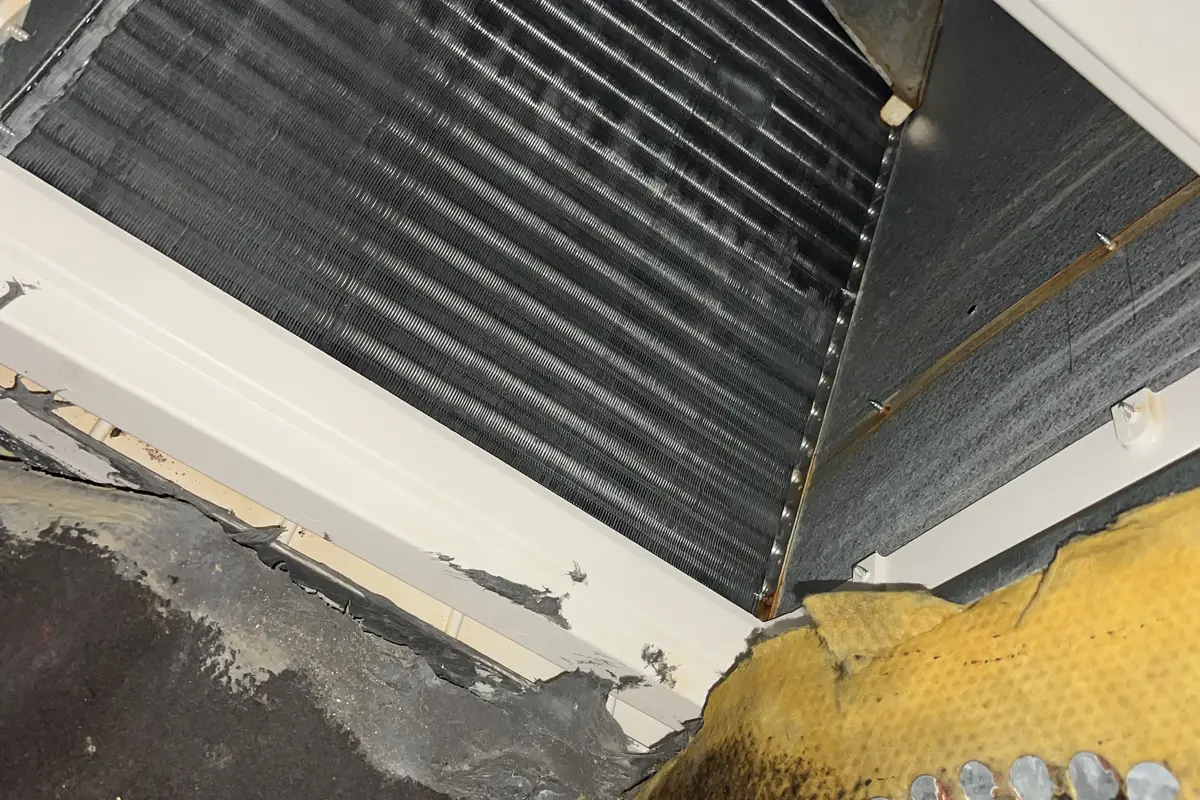
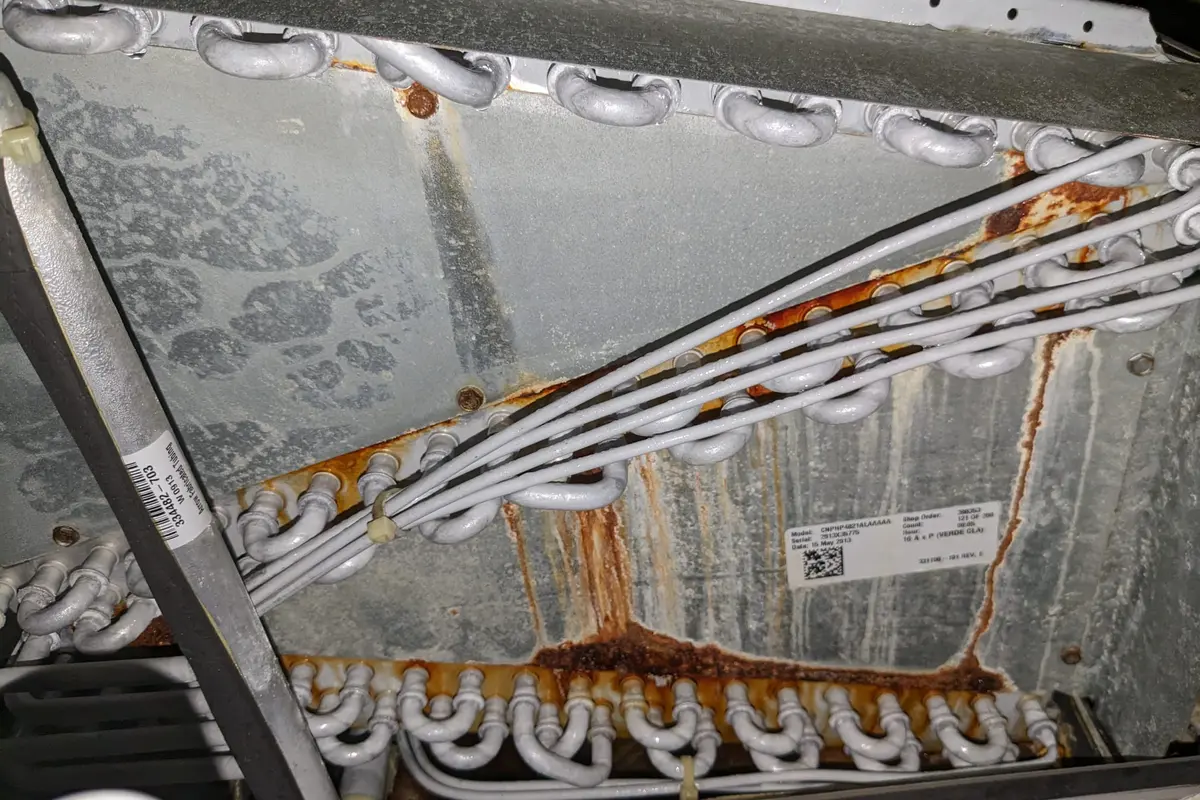
The evaporator coil is the most common mold location in Austin HVAC systems. It sits at the center of the air handler, is continuously wetted by condensation during operation, stays dark, and accumulates organic debris from every cubic foot of air that passes through it. The fin-and-tube construction creates hundreds of narrow channels that are difficult to clean and impossible to inspect without removing the coil or using an inspection camera - meaning mold can grow there for years before symptoms prompt investigation.
The condensate drain pan beneath the coil collects the water that drips off the coil surface. When the drain line is even partially blocked by algae or debris, water stands in the pan rather than draining. A quarter inch of standing water in the drain pan at 75-85 degrees Fahrenheit creates near-ideal conditions for mold and bacterial growth - and that contaminated water has direct access to the airstream passing over it.
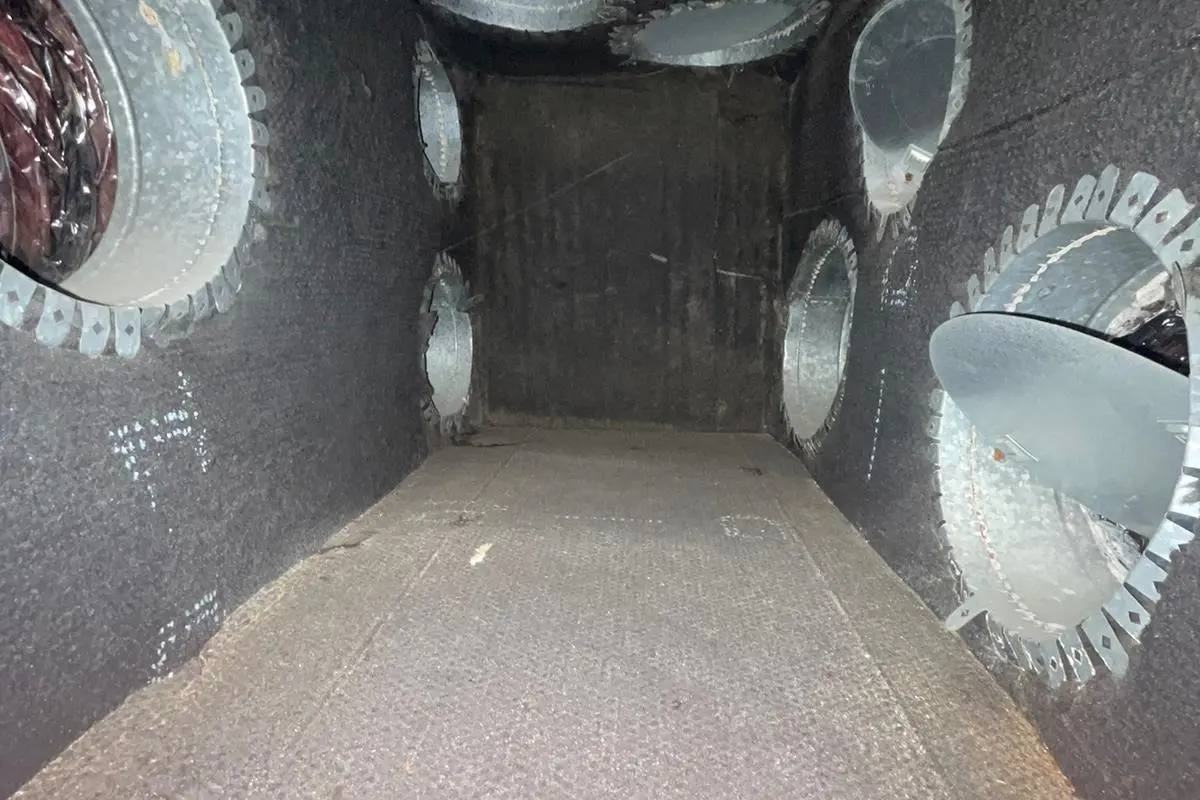
The plenum box - the sheet metal chamber directly downstream of the coil where conditioned air first enters the distribution duct - accumulates fine debris that passes through the filter and coil. In attic-mounted air handlers common in Austin new construction (The Domain, Lakeway, Cedar Park master-planned communities), the plenum is in an attic that reaches 150 degrees in summer. The temperature differential between plenum air and the surrounding attic creates additional condensation at seams and joints. The return air plenum (upstream of the coil) is also vulnerable: it pulls air from the home before filtration and collects unfiltered debris directly.
Austin's Mold Season Calendar and Allergy Overlap
Austin effectively has a 9-month allergy season. Mountain cedar peaks from December through February. Oak and elm pollen runs March through May. Grass pollen peaks in May and June. Summer mold is worst from June through September. Ragweed runs September through November. For Austin residents with multiple allergies, there are perhaps 6-8 weeks per year - typically mid-October through mid-November - when the outdoor allergen load is genuinely low.
Mold in the HVAC system creates year-round indoor exposure that stacks on top of outdoor allergen cycles. An Austin resident allergic to cedar and mold faces maximum cedar exposure (December-February) at the same time their HVAC system's heating mode is recirculating whatever mold is present in the duct system. They face maximum mold growth in the ductwork (June-September) just as the system runs hardest and they are most reliant on closed-window indoor air.
The AAFA's ranking of Austin as one of America's worst allergy cities accounts for outdoor allergens. Indoor HVAC mold is an additional, controllable variable. Homeowners who address HVAC mold consistently report that their overall allergy burden drops significantly - not because outdoor allergens change, but because the baseline indoor exposure that amplifies sensitivity to all other allergens is removed. This effect is particularly pronounced for children, who spend more time indoors and are more susceptible to sensitization from ongoing exposure.
Concerned About Your Home's Air?
We provide professional air quality assessments for Austin homes. See what is in your ducts before deciding.
Call (512) 601-4451Rate your home's indoor air quality in 2 minutes
Can You Treat Mold Allergy Without Fixing the HVAC?
Antihistamines, nasal steroids, and allergy immunotherapy treat the immune response to mold - they do not reduce the mold spore count in your air. Continuing to run a mold-contaminated HVAC system while taking allergy medication is the equivalent of treating a cut while continuing to touch the infected surface. Medications provide relief from symptoms but do nothing to reduce the ongoing exposure that maintains - and over time increases - your immune sensitivity.
This is not a theoretical concern. AAAAI research shows that repeated mold exposure progressively lowers the threshold at which symptoms are triggered in sensitized individuals. A person who initially reacted to mold counts above 500 spores per cubic meter may, after years of continuous HVAC-distributed exposure, react to counts of 100 spores per cubic meter. The ongoing HVAC source is actively worsening the long-term allergy burden rather than holding it stable.
Professional HVAC mold treatment is the only intervention that addresses the source rather than the symptom. This means: coil cleaning and inspection, HEPA negative-pressure duct cleaning to remove mold-contaminated debris from duct surfaces, condensate drain line flushing, and UV-C installation to prevent regrowth. Many Austin homeowners report dramatic symptom reduction - equivalent to or exceeding the effect of prescription allergy medication - within 2-4 weeks of HVAC treatment. The investment is typically a fraction of years of allergy medication and copays.
Step-by-Step: What HVAC Mold Treatment Involves
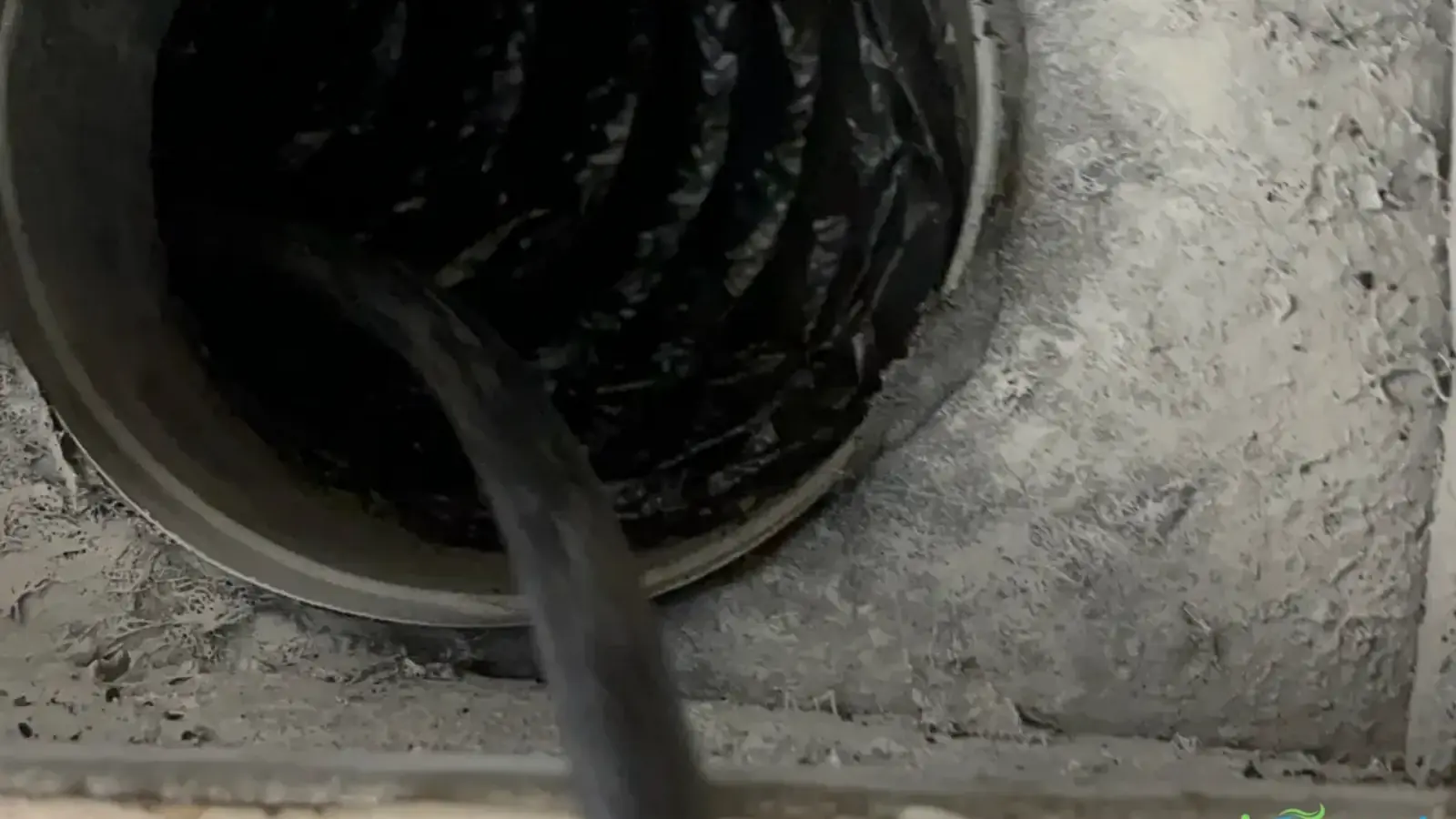
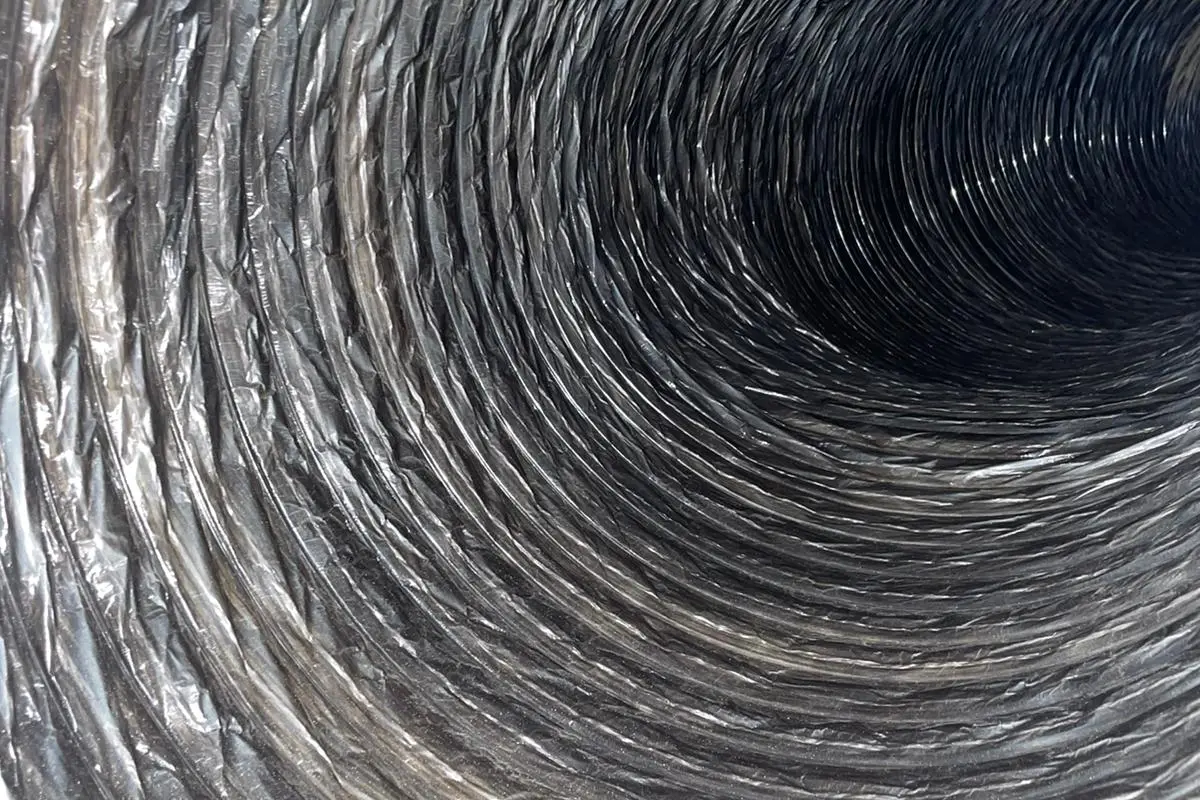
Professional HVAC mold treatment begins with HD camera inspection. An experienced technician inserts a camera into supply vents, the main trunk, and through the air handler access panel to document existing conditions. This step establishes the baseline - homeowners see exactly what is present before any work begins, and the documentation protects both parties. Inspection takes 30-60 minutes depending on duct complexity.
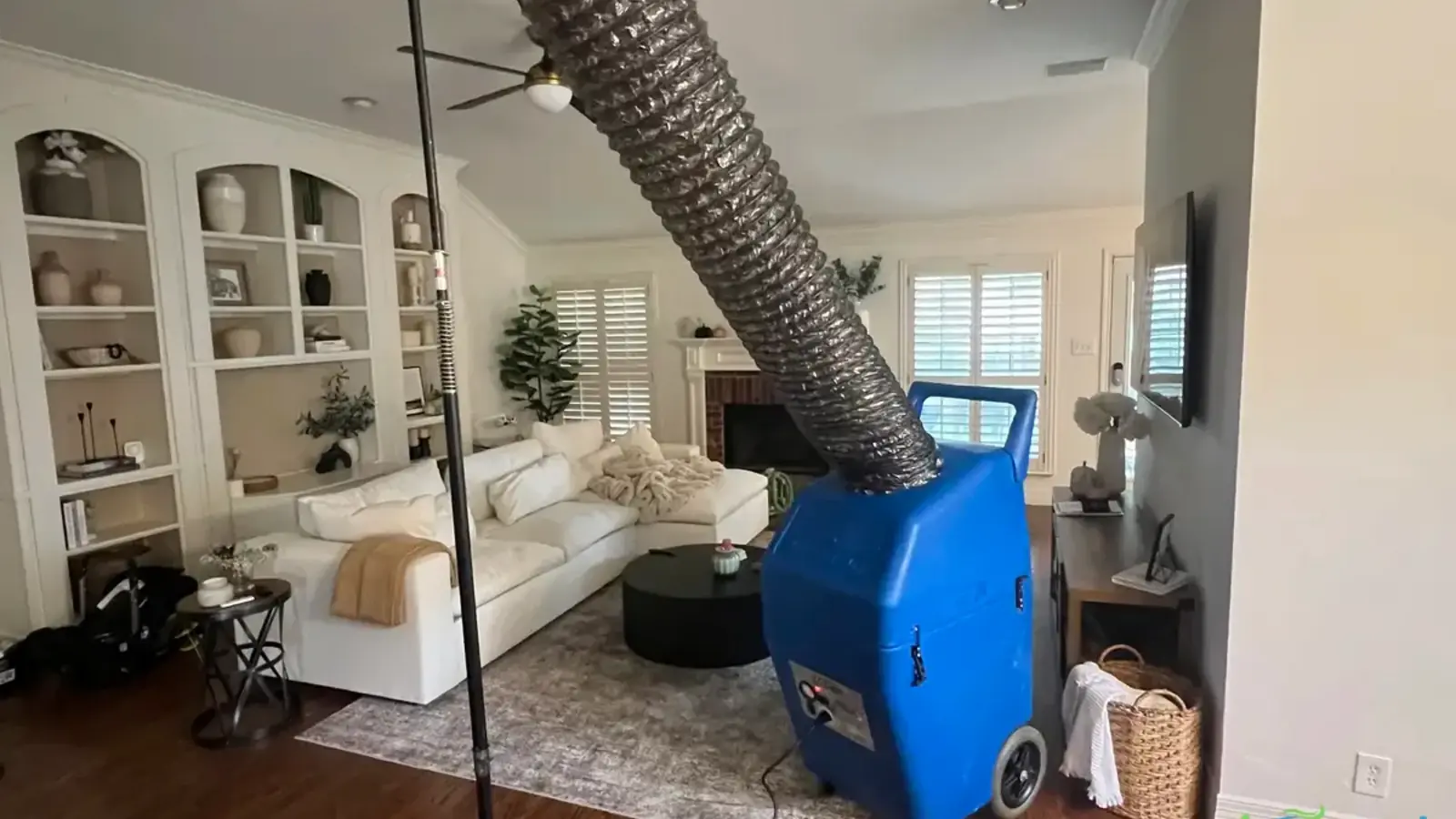
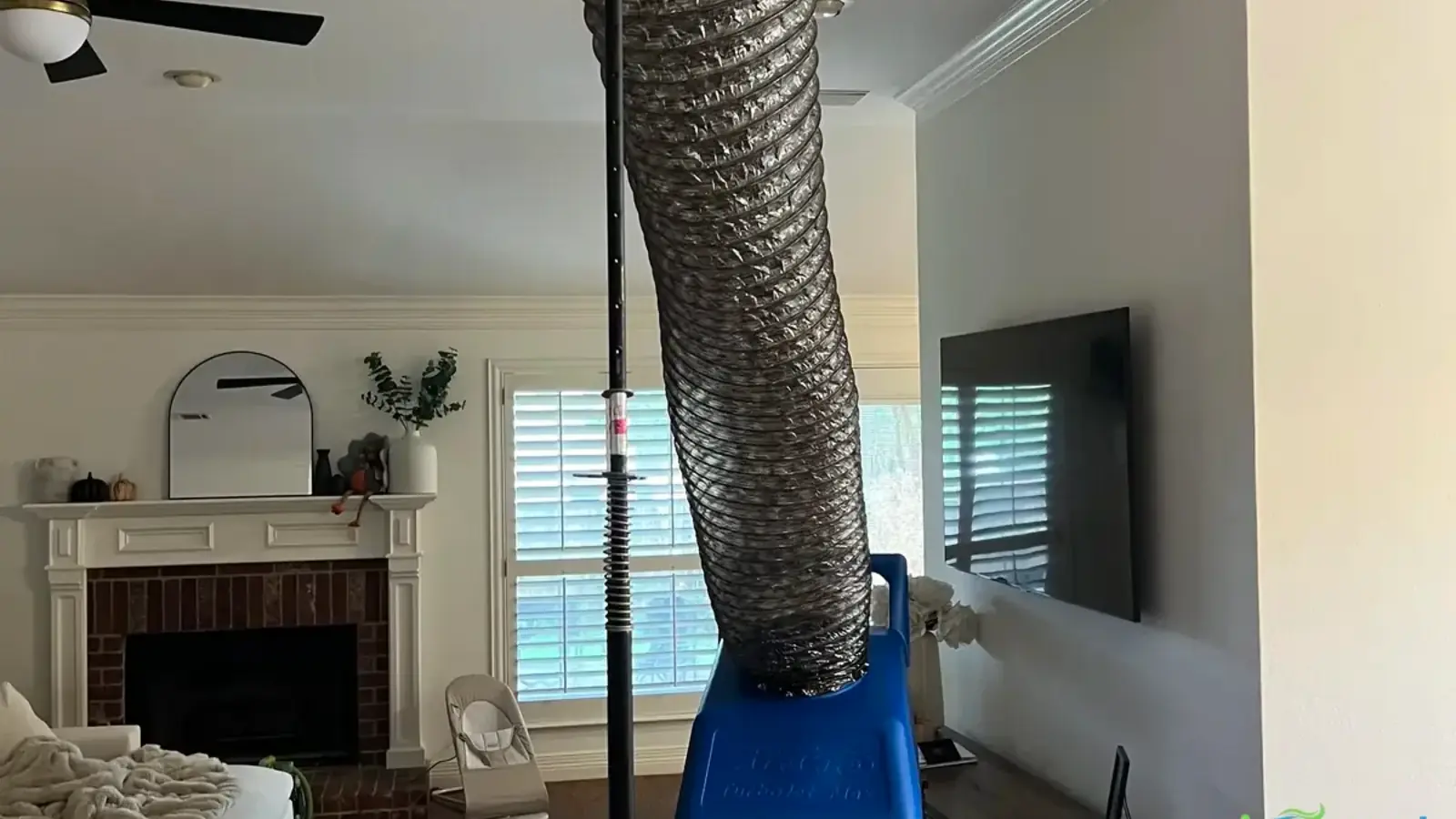
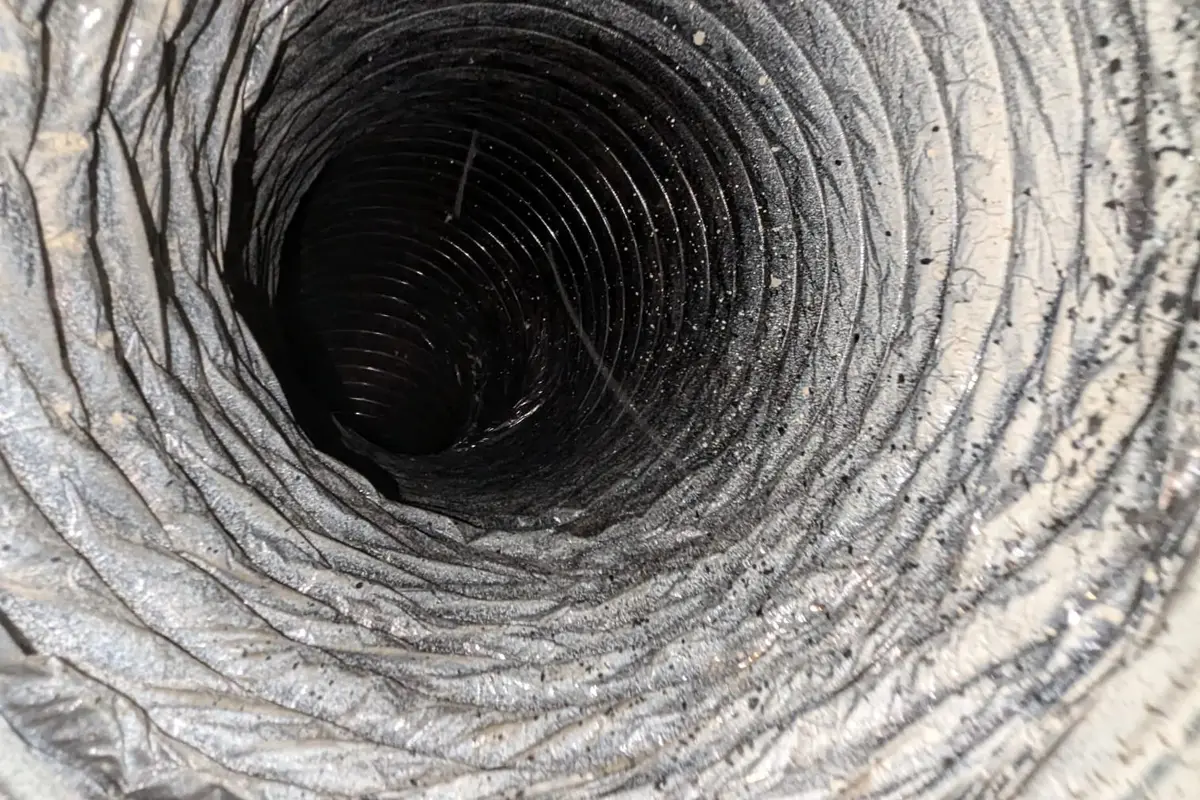
HEPA negative-pressure duct cleaning follows. A commercial-grade HEPA vacuum connects to the main trunk line to create negative pressure throughout the duct system - ensuring that dislodged debris is captured rather than redistributed. Rotary agitation tools inserted through each supply vent mechanically dislodge debris from duct walls. Return ducts are cleaned in the same manner. The process takes 2-4 hours for most Austin homes.
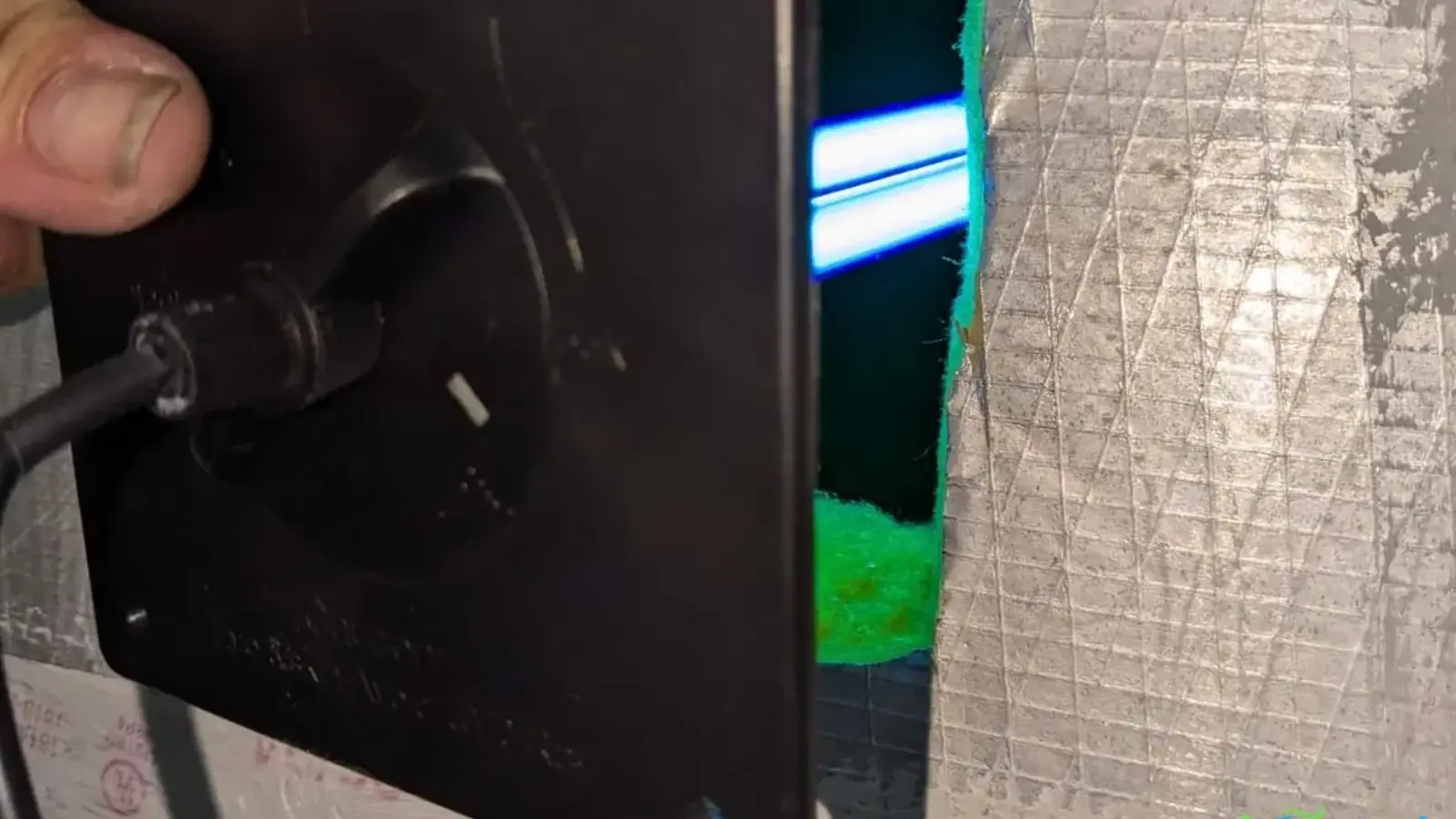
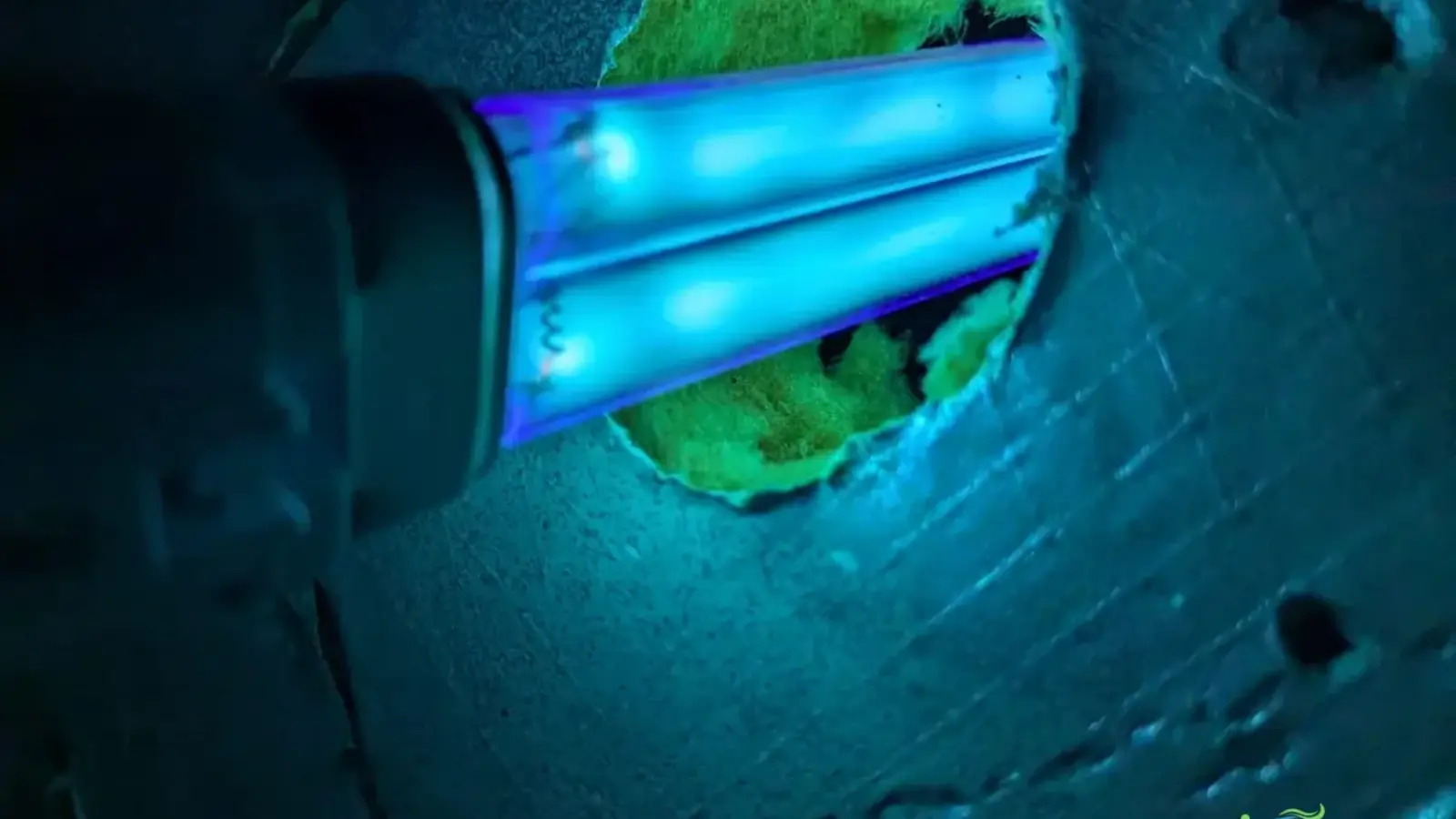
Coil cleaning and drain pan flushing happen at the air handler. Biodegradable coil cleaner is applied to the fin surface, allowed to dwell, and rinsed through the drain pan into the condensate line. The drain pan is flushed with diluted bleach solution to clear any algae in the drain line. UV-C lamp installation at the coil finishes the process - the lamp is positioned to illuminate the coil surface continuously and confirmed operational before the technician leaves. Post-treatment camera inspection documents the results.
Long-Term Prevention: Filters, Dehumidification, and Annual Inspection
Maintaining MERV 13 filters is the first line of defense against ongoing mold spore accumulation. MERV 13 captures 85% or more of particles in the 1-3 micron range - this includes most mold spores and pollen particles. During cedar fever season (November-February), change MERV 13 filters monthly to prevent clogging from the extraordinary cedar pollen load. The rest of the year, every 2-3 months is sufficient for most Austin homes.
Maintaining indoor humidity at or below 50% is the second pillar. A whole-home dehumidifier running alongside the AC during June-September keeps the coil surface drier between cycles and reduces the moisture that enables regrowth after cleaning. Pair this with UV-C at the coil and you have a two-layer prevention system: dehumidification reduces the moisture environment, UV-C destroys any spores that land on the coil surface regardless.
Annual HVAC inspection is the maintenance habit that catches problems before they reach symptomatic levels. October is the ideal time for Austin homeowners - the system has just run hard for 5 summer months and any mold that established itself during peak humidity is at maximum extent. Catching and treating it in October rather than the following summer means 9 fewer months of exposure. Call Air Central at (512) 601-4451 to schedule your inspection - we use HD cameras so you see exactly what we see before any work is recommended.
Related Services
Learn more about our professional services related to this topic:
- Air Duct Cleaning - Remove dust, allergens, and debris from your entire HVAC system for cleaner indoor air.
- UV Lighting System - Eliminate bacteria and allergens inside your HVAC with UV-C light technology.
Want the full picture?
Read our complete guide: The Complete Guide to Indoor Air Quality in Austin, TX (2026) →
Have questions about indoor air quality? Our team is available 7 days a week. Call us at (512) 601-4451 or visit our contact page.