For Austin homes, MERV 13 filters capture 85%+ of particles in the 1-3 micron range (including cedar pollen, mold spores, and fine dust) compared to about 65% for MERV 11. MERV 13 is the better choice if your system can handle the airflow restriction - most systems built after 2010 can. Verify with a static pressure test before upgrading.
Cedar Pollen Is 20 Microns - Both Filters Catch It. The Real Question Is Smaller.
Ashe juniper (cedar) pollen grains measure 20-30 microns in diameter. At that size, even a MERV 8 filter captures most of them. So if cedar pollen were the only concern, this entire comparison would be moot. But cedar pollen is not the only thing floating through your Austin home's HVAC system.
Mold spores measure 3-30 microns. Dust mite debris is 10-40 microns. Pet dander ranges from 5-100 microns. Bacteria are 0.3-10 microns. Fine particulate from I-35 construction and wildfire smoke can be as small as 2.5 microns (PM2.5). The smaller the particle, the deeper it penetrates into lung tissue - and the bigger the gap between MERV 11 and MERV 13 performance.
The American Society of Heating, Refrigerating, and Air-Conditioning Engineers (ASHRAE) developed the MERV scale to standardize filter efficiency ratings across particle size ranges. The difference between MERV 11 and MERV 13 is most significant in the 1-3 micron range - exactly where the most harmful indoor particles live.
How Do MERV 11 and MERV 13 Actually Compare?
Here is the filtration comparison across the particle size ranges that matter most for Austin indoor air quality:
<table><thead><tr><th>Feature</th><th>MERV 11</th><th>MERV 13</th></tr></thead><tbody><tr><td>Particles 1-3 microns (bacteria, fine dust)</td><td>20-65% capture</td><td>85-90% capture</td></tr><tr><td>Particles 3-10 microns (mold spores, dust mites)</td><td>65-80% capture</td><td>90%+ capture</td></tr><tr><td>Particles 10+ microns (pollen, large dust)</td><td>85%+ capture</td><td>90%+ capture</td></tr><tr><td>Cedar pollen (20-30 microns)</td><td>Excellent</td><td>Excellent</td></tr><tr><td>Smoke particles (0.3-2.5 microns)</td><td>Poor-Fair</td><td>Fair-Good</td></tr><tr><td>Average cost per filter</td><td>$8-$15</td><td>$12-$25</td></tr><tr><td>Recommended change interval</td><td>Every 60-90 days</td><td>Every 60-90 days</td></tr><tr><td>Airflow restriction</td><td>Moderate</td><td>Moderate-High</td></tr><tr><td>HVAC system compatibility</td><td>Most systems</td><td>Most post-2010 systems</td></tr></tbody></table>
The critical difference shows up in the 1-3 micron range. MERV 13 captures 85-90% of these fine particles compared to MERV 11's 20-65%. For a household where someone has asthma, dust allergies, or sensitivity to mold spores, that gap represents a meaningful improvement in the air they breathe every day.
Will MERV 13 Damage Your System?
Higher filtration means denser media, which means more resistance to airflow. This is the legitimate tradeoff with MERV 13 filters. If your blower motor cannot overcome the added resistance, you get reduced airflow that causes coil freezing, short cycling, and increased energy consumption - the opposite of what you want.
The test is simple: a static pressure reading. A professional measures the pressure drop across the filter with a manometer. Most residential systems are designed for a total external static pressure of 0.50 inches of water column (IWC). If your system already runs at 0.45 IWC with a MERV 8 filter, adding a MERV 13 may push it over the limit.
Most HVAC systems installed after 2010 in the Austin area handle MERV 13 without issues. Variable-speed blowers, which are standard in higher-efficiency units, automatically adjust motor speed to maintain airflow. Single-speed blowers in older systems are more susceptible to problems from higher-restriction filters.
"About 80% of the Austin homes I see can run MERV 13 with no modifications," says Nessi Ziv, owner of Air Central. "The other 20% either need a deeper filter cabinet to increase filter surface area, or they are better off with MERV 11 and more frequent changes. We always check static pressure before recommending an upgrade."
Cost Comparison: Is MERV 13 Worth the Extra Money?
MERV 13 filters typically cost $12-$25 per filter compared to $8-$15 for MERV 11. If you change filters every 90 days, that is an annual cost difference of roughly $16-$40 per filter location. Most Austin homes have 1-2 filter locations.
The real cost factor is change frequency. During peak cedar season (December through March), both MERV 11 and MERV 13 should be changed monthly instead of quarterly. A loaded filter - regardless of MERV rating - restricts airflow worse than a clean lower-rated filter. Budget for 7-8 filters per year during heavy allergy seasons instead of the standard 4.
Consider the alternative costs. A single urgent care visit for allergy-related respiratory issues runs $150-$350. Allergy medications cost $20-$50 per month. If MERV 13 filtration meaningfully reduces those expenses for your household, the $40 annual filter premium pays for itself quickly.
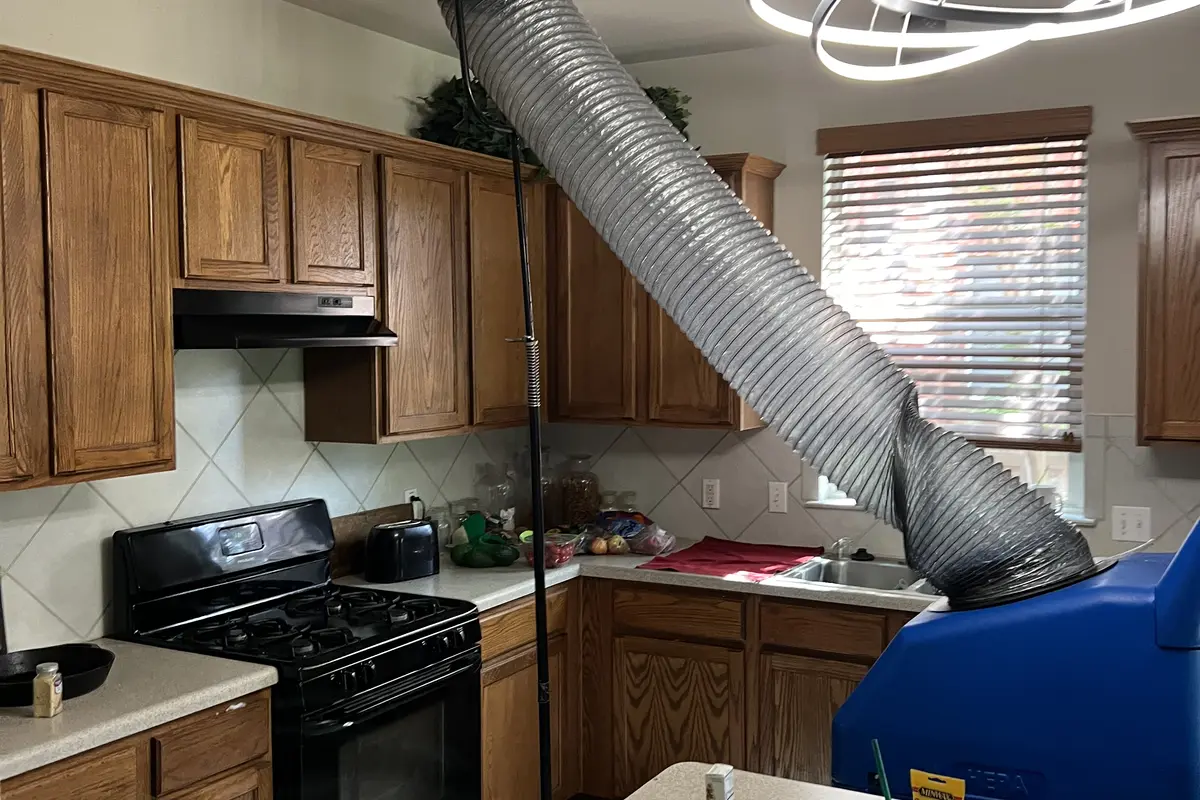
Concerned About Your Home's Air?
We provide professional air quality assessments for Austin homes. See what is in your ducts before deciding.
Call (512) 601-4451Rate your home's indoor air quality in 2 minutes
The Austin-Specific Recommendation
For homes in Mueller, Crestview, Allandale, and neighborhoods near I-35 corridor construction, MERV 13 is the stronger choice. Construction particulate in the 1-3 micron range is exactly where MERV 13 outperforms MERV 11. If your home is within 3 miles of active construction and anyone in the household has respiratory sensitivity, MERV 13 filters are worth the upgrade.
For homes in Lakeway, Dripping Springs, Bee Cave, and other areas farther from construction, MERV 11 may be sufficient if no one in the household has severe allergies or asthma. The 65-80% capture rate for mold spores and dust mite debris provides solid protection for most healthy households.
For households with asthma, allergies, immune-compromised members, or infants, MERV 13 is the recommendation regardless of location. The ASHRAE recommends MERV 13 as the minimum for residential buildings where IAQ is a priority (ASHRAE Standard 52.2). Austin's year-round pollen exposure and high humidity make that recommendation especially relevant.
Filters Are Only Part of the Air Quality Picture
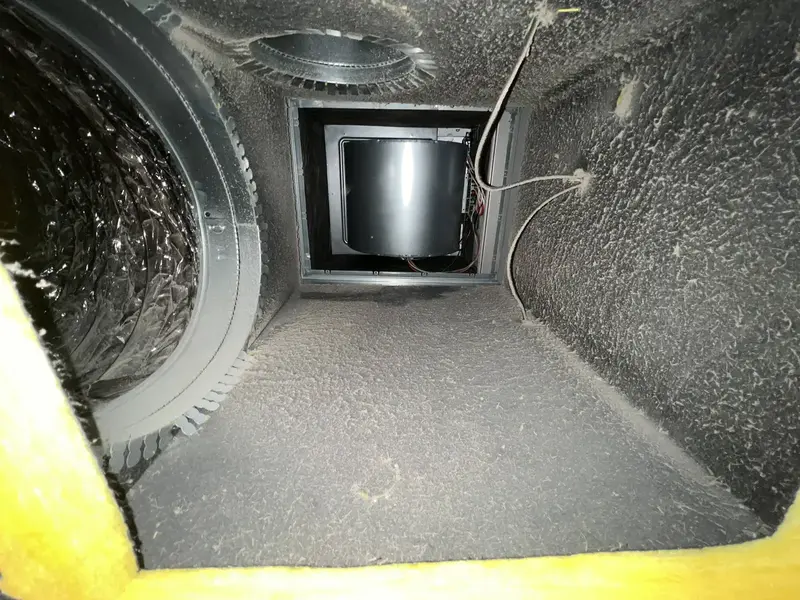
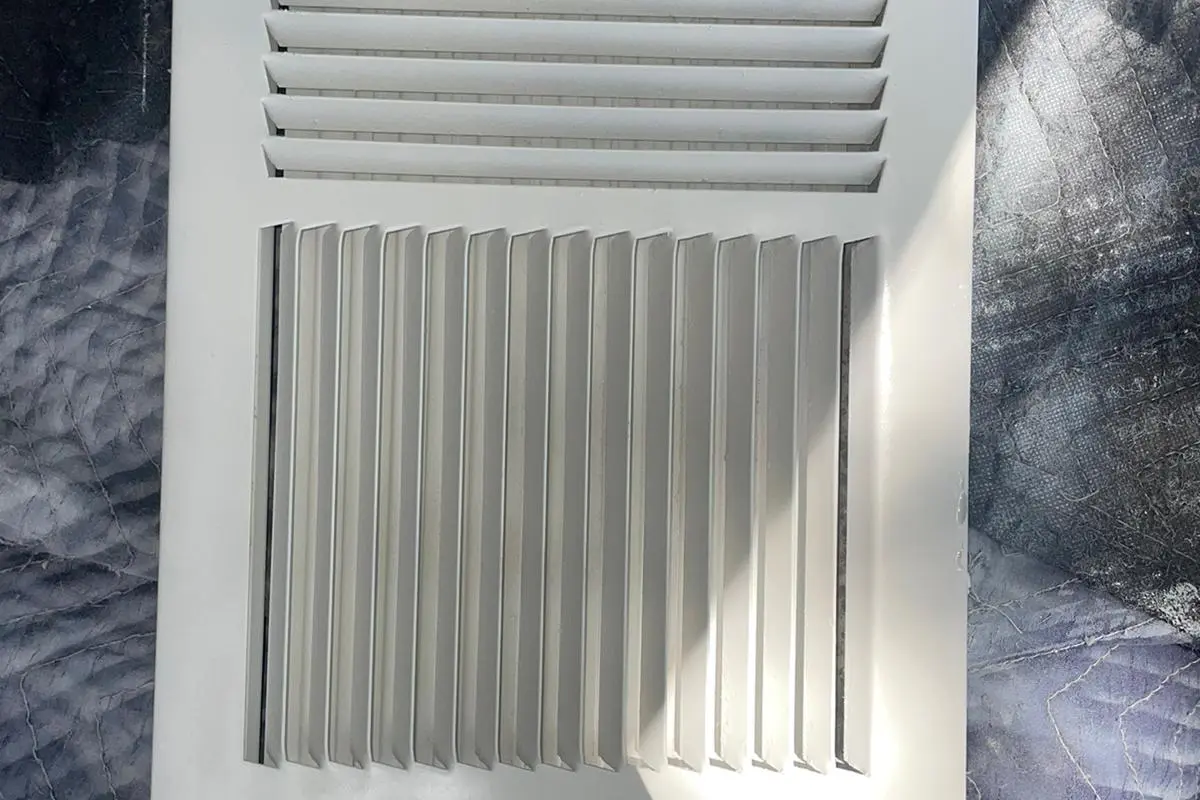
A MERV 13 filter captures particles passing through it - but it does nothing about contaminants already deposited inside your ductwork. If your ducts contain years of accumulated dust, pollen, and debris, upgrading the filter helps going forward but does not address the existing reservoir of contamination that recirculates every time the blower runs.
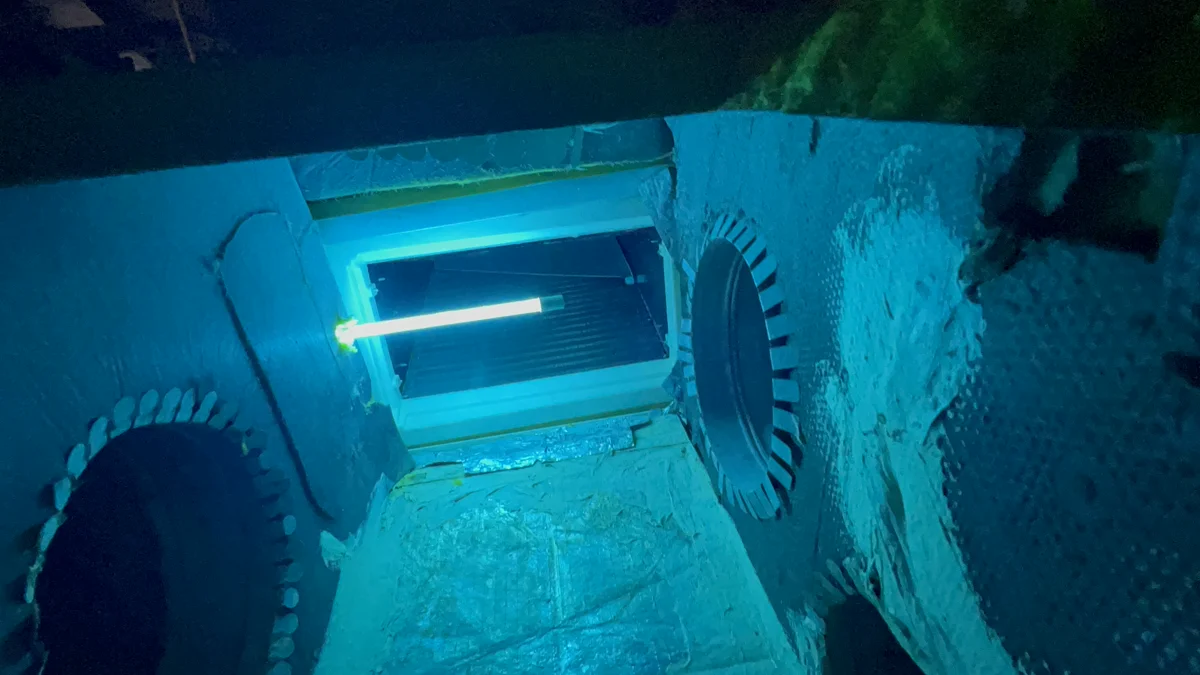
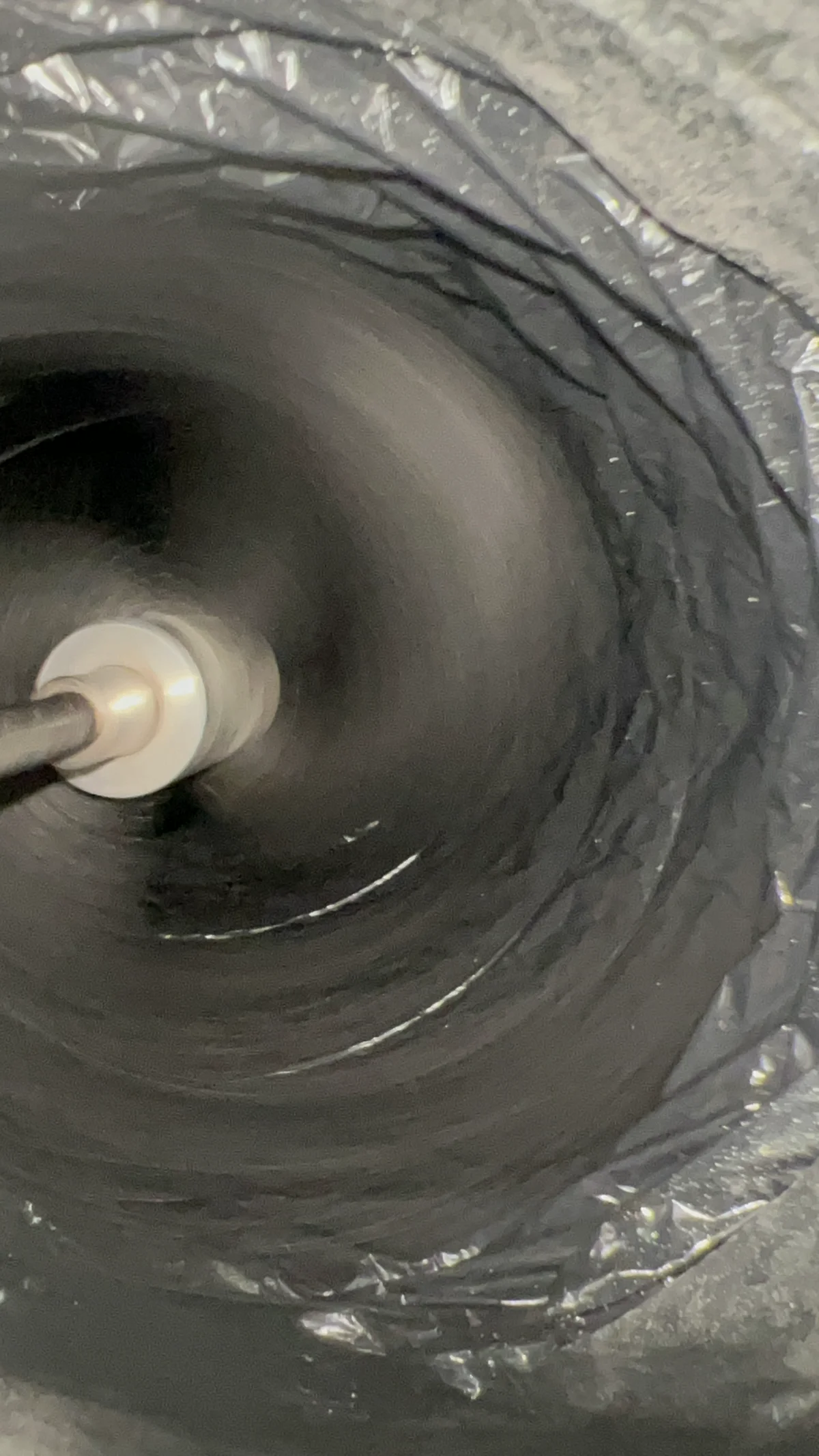
The most effective approach combines proper filtration (MERV 13 where the system supports it) with periodic professional duct cleaning (every 3-5 years per NADCA guidelines) and UV-C light systems for biological contaminants. Each layer addresses a different part of the indoor air quality chain.
Air Central checks your system's static pressure and ductwork condition before recommending any filter upgrade. We serve homes across Cedar Park, Round Rock, Georgetown, Kyle, and every corner of the Austin metro. Call (512) 601-4451 to find out whether your system is ready for MERV 13 - and whether your ducts need attention too.
Related Services
Learn more about our professional services related to this topic:
- Air Duct Cleaning - Remove dust, allergens, and debris from your entire HVAC system for cleaner indoor air.
- Air Duct Inspection - Diagnose leaks, blockages, and efficiency issues with HD camera inspection.
- UV Lighting System - Eliminate bacteria and allergens inside your HVAC with UV-C light technology.
Want the full picture?
Read our complete guide: Indoor Air Quality in Austin: The Complete Guide (2026) →Have questions about indoor air quality? Our team is available 7 days a week. Call us at (512) 601-4451 or visit our contact page.