HVAC service plans cost $150-$300 per year in Austin and typically include annual tune-ups, priority scheduling, and discounts on repairs. They save money for owners of older systems (8+ years) that are past warranty and likely to need repairs. For newer systems under manufacturer warranty, a service plan may duplicate coverage you already have. Evaluate what is included against your system's age and condition before signing up.
What HVAC Service Plans Include
A standard HVAC service plan - sometimes called a maintenance agreement, comfort plan, or annual service contract - bundles preventive maintenance with some level of repair coverage. Most plans include one or two annual tune-ups (one for cooling season, one for heating season), priority scheduling when you need service, and a discount (typically 10-20%) on parts and labor for repairs.
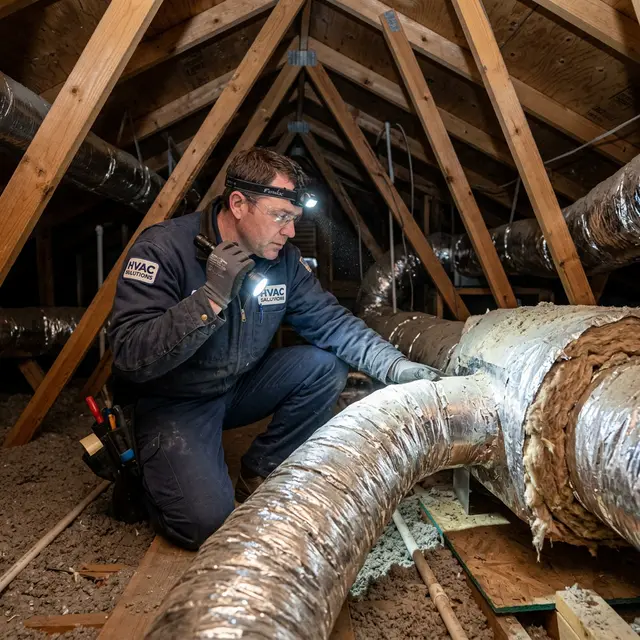
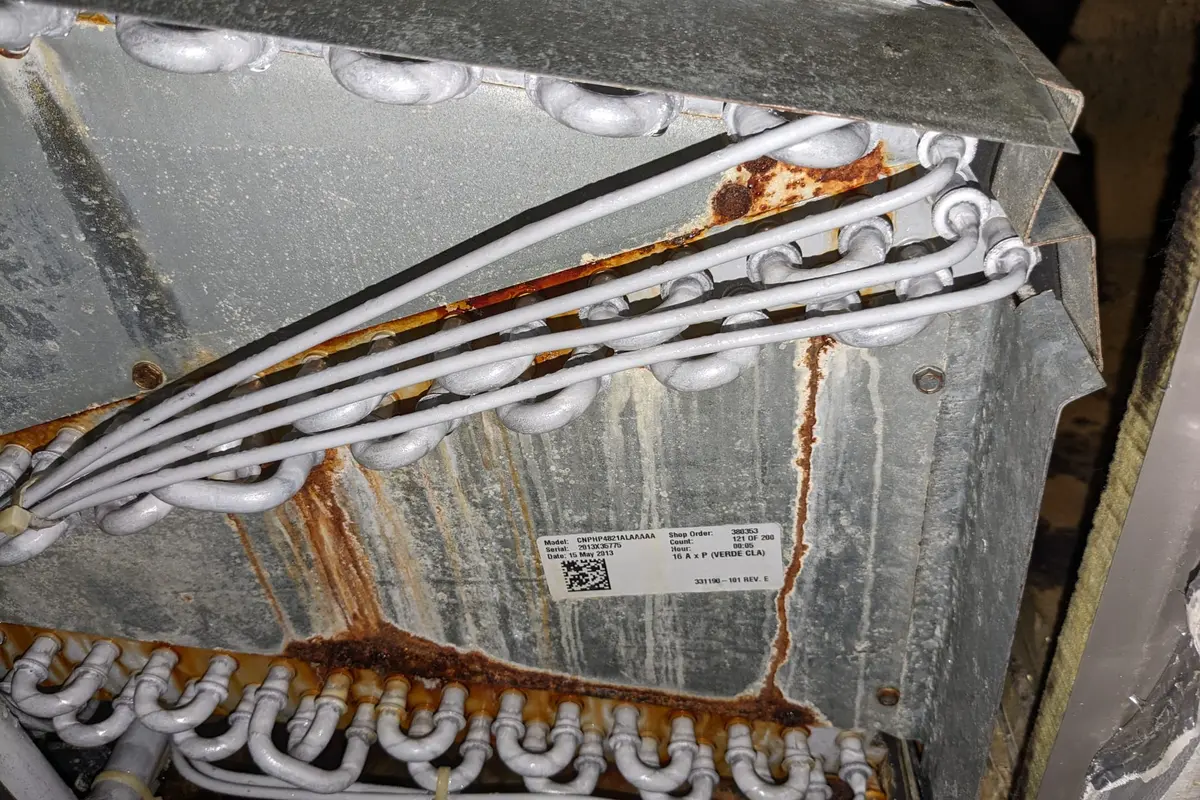
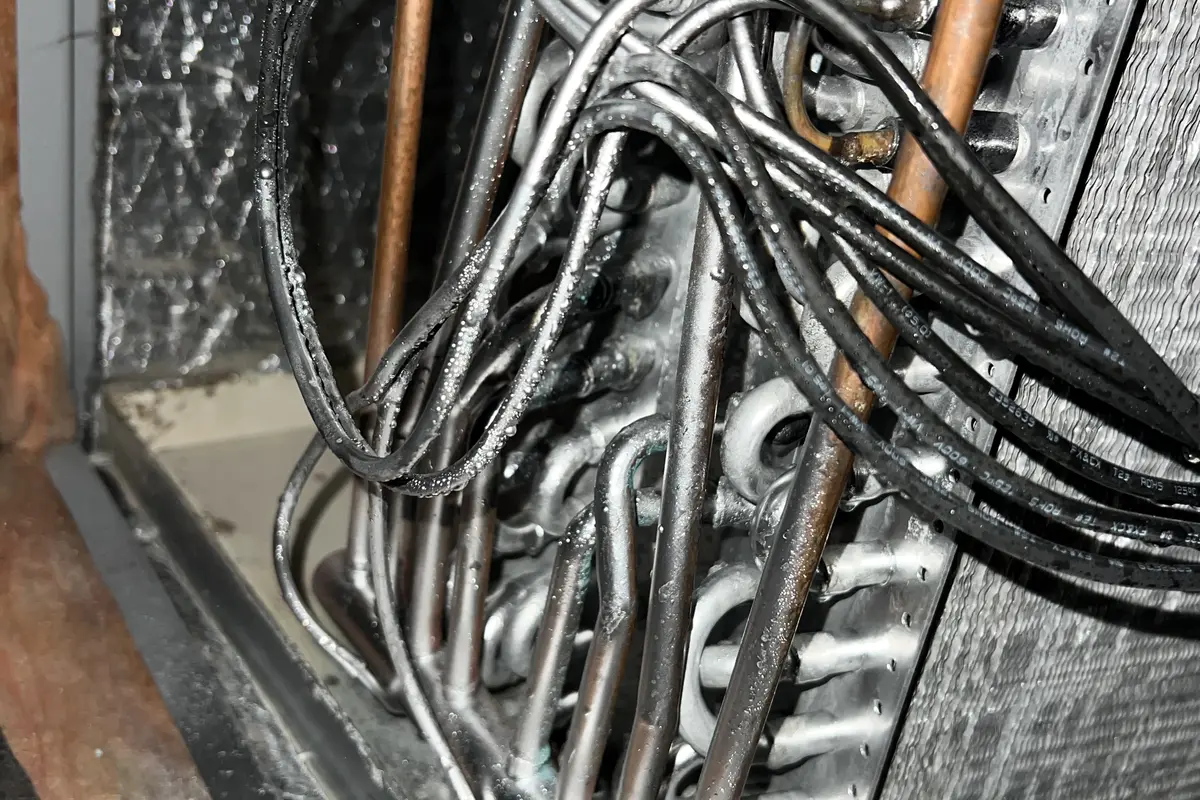
The annual tune-up is the core value of most plans. During a tune-up, a technician inspects and cleans critical components: evaporator and condenser coils, blower motor, electrical connections, thermostat calibration, refrigerant levels, and drainage. They check for worn parts that might fail during peak season and address minor issues before they become expensive breakdowns.
Some plans include additional benefits like waived diagnostic fees for service calls, extended labor warranties on repairs, or priority scheduling that moves you to the front of the line during summer heat emergencies when every HVAC company in Austin is booked solid. In July and August, when Austin hits 100+ degrees for weeks at a time, the difference between same-day service and a three-day wait is significant.
Higher-tier plans may include duct inspection, filter replacement, or specific component coverage. Read the fine print carefully. Some plans exclude compressor and heat exchanger coverage - the two most expensive components to repair or replace. If the plan does not cover the parts most likely to fail on an aging system, its value drops considerably.

When a Service Plan Saves You Money
Service plans deliver the most value for systems between 8 and 15 years old. At this age, the manufacturer warranty has typically expired, and components are entering the failure zone. A plan that includes tune-ups plus repair discounts pays for itself the first time you need a capacitor replaced, a contactor fixed, or a blower motor serviced.
Austin's climate makes HVAC service plans more valuable here than in milder regions. Your AC runs 8-10 months per year, accumulating far more operating hours than systems in cities with mild summers. That extra run time accelerates wear on every component. A system that might last 20 years in Portland might last 12-15 in Austin. Annual tune-ups catch worn parts before they fail completely, preventing the cascade damage that occurs when one failed component stresses others.
If anyone in your household has respiratory issues or severe allergies, the annual inspection component of a service plan has health value beyond the mechanical maintenance. A technician checking your system twice a year can identify dirty coils, biological growth, or contaminated drain pans that affect air quality - issues you would not notice until symptoms appeared.
Homeowners who are not comfortable performing basic HVAC maintenance themselves benefit from the structured schedule of a service plan. It removes the need to remember annual maintenance and ensures the system gets professional attention at the right time - typically spring for cooling prep and fall for heating prep.
When a Service Plan Is Not Worth It
If your HVAC system is less than 5 years old and still under manufacturer warranty, a service plan may duplicate coverage you already have. Most manufacturer warranties cover parts for 5-10 years, and some include labor for the first year or two. Check your warranty terms before purchasing a plan that covers the same components.
However, many manufacturer warranties require proof of annual maintenance to remain valid. If your warranty has a maintenance requirement, you need either a service plan or standalone tune-ups regardless. Compare the cost of a service plan against paying for individual tune-ups - sometimes the plan is cheaper, sometimes standalone appointments are more economical.
If your system is over 15 years old and showing signs of decline, a service plan may not be the best use of your money. At that age, you are likely approaching replacement territory. Spending $200-$300 per year on a plan for a system you might replace within 1-2 years may not provide sufficient return. Instead, start budgeting for replacement and schedule individual tune-ups as needed.
Be wary of plans from companies you do not already trust. Some service plan programs are designed primarily as lead generators - the company locks you into a plan, then uses the tune-up visits to identify and upsell expensive repairs that may or may not be necessary. Choose a company with strong local reviews and a reputation for honest assessments.
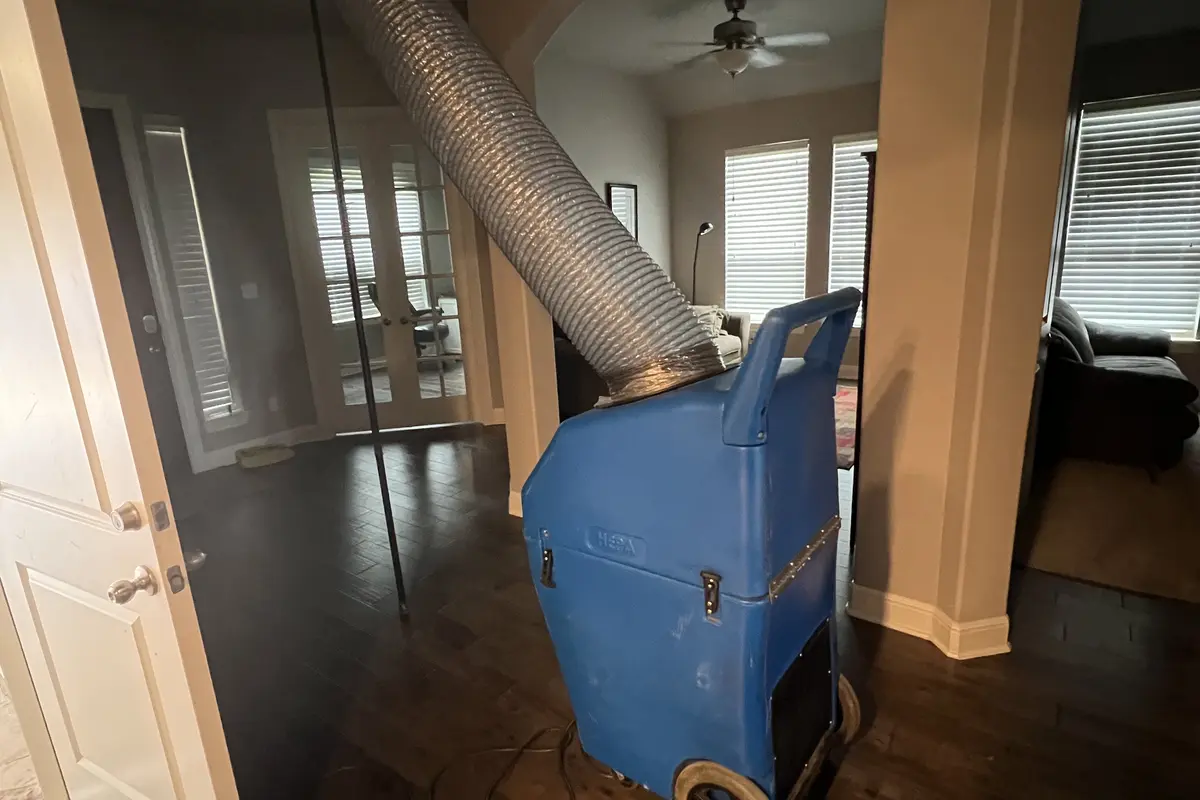
What to Look For in a Service Plan
The number of included visits matters. Plans with two visits per year (spring and fall) provide better coverage than single-visit plans. In Austin, the spring visit prepares your cooling system for summer, and the fall visit ensures your heating system is ready for winter - both timing windows matter.
Understand the repair discount structure. A 15% discount on parts and labor is standard. Some plans offer flat-rate repairs for common components, which can be more valuable. Know whether the discount applies to all repairs or only specific components.
Check for exclusions. The most common exclusions are refrigerant (charged per pound regardless of your plan), ductwork repairs, and major component replacement (compressor, heat exchanger). If these exclusions are in the contract, the plan is primarily a tune-up subscription with modest repair benefits.
Ask about cancellation terms. Month-to-month or annual plans with easy cancellation are preferable to multi-year contracts with cancellation fees. You should be able to evaluate the plan's value each year and decide whether to continue.
Transferability is worth considering if you might sell your home. A transferable service plan can be a selling point for buyers and may help during the home inspection process.
Just Moved In? Start Here.
We help new Austin homeowners understand their HVAC system with honest assessments and straightforward recommendations.
Call (512) 601-4451Rate your home's indoor air quality in 2 minutes
Austin-Specific Considerations for HVAC Maintenance
Austin's extreme summer heat puts more stress on AC systems than almost any other US city. Systems here run at near-maximum capacity for 4-5 months straight, with outdoor temperatures regularly exceeding 100 degrees. This extended high-demand operation increases the value of preventive maintenance. A tune-up that catches a weakening capacitor in April prevents a complete AC failure in July when your family is home and the temperature is 105.
Cedar season creates an Austin-specific maintenance need. From December through March, cedar pollen saturates the air and coats outdoor AC condenser coils, reducing efficiency. An early spring tune-up that includes condenser coil cleaning after cedar season restores the efficiency loss from pollen accumulation.
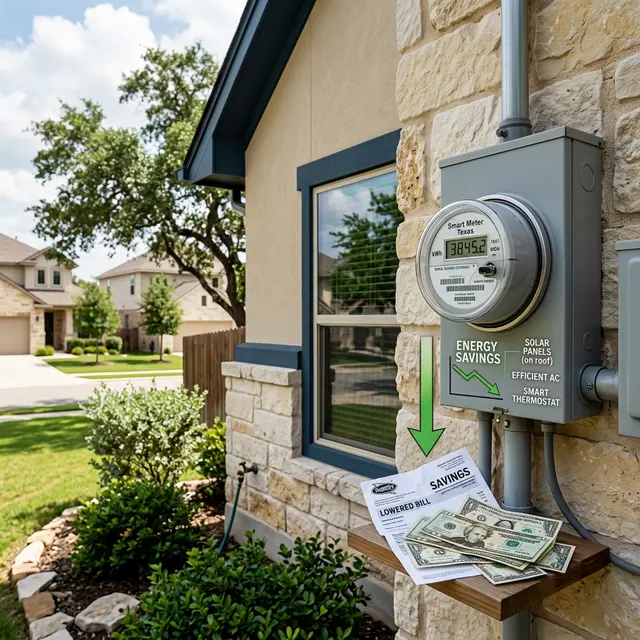
Austin Energy's tiered electricity pricing means HVAC efficiency directly impacts your bill. Systems running inefficiently due to deferred maintenance push you into higher rate tiers faster. A well-maintained system uses less electricity per cooling hour, keeping you in lower rate tiers and reducing your overall summer energy cost.
The annual tune-up should include checking your air filter and recommending the right MERV rating for your system. Many Austin homeowners use filters that are either too low-rated (letting allergens through) or too high-rated for their system (restricting airflow). A technician who knows Austin's allergen load and your specific equipment can recommend the right balance.
Air Central's Approach to HVAC Maintenance
Air Central specializes in air quality services - duct cleaning, dryer vent cleaning, chimney sweep, insulation, UV lights, and solar fans - rather than selling HVAC service plans. Our focus is on the services we perform best, not locking customers into maintenance contracts for work outside our core expertise.
For AC tune-ups, repairs, and system replacement, we coordinate with trusted local HVAC partners who specialize in mechanical service. This way you get specialists for each aspect of your home's HVAC system rather than a generalist company that does everything but excels at nothing.
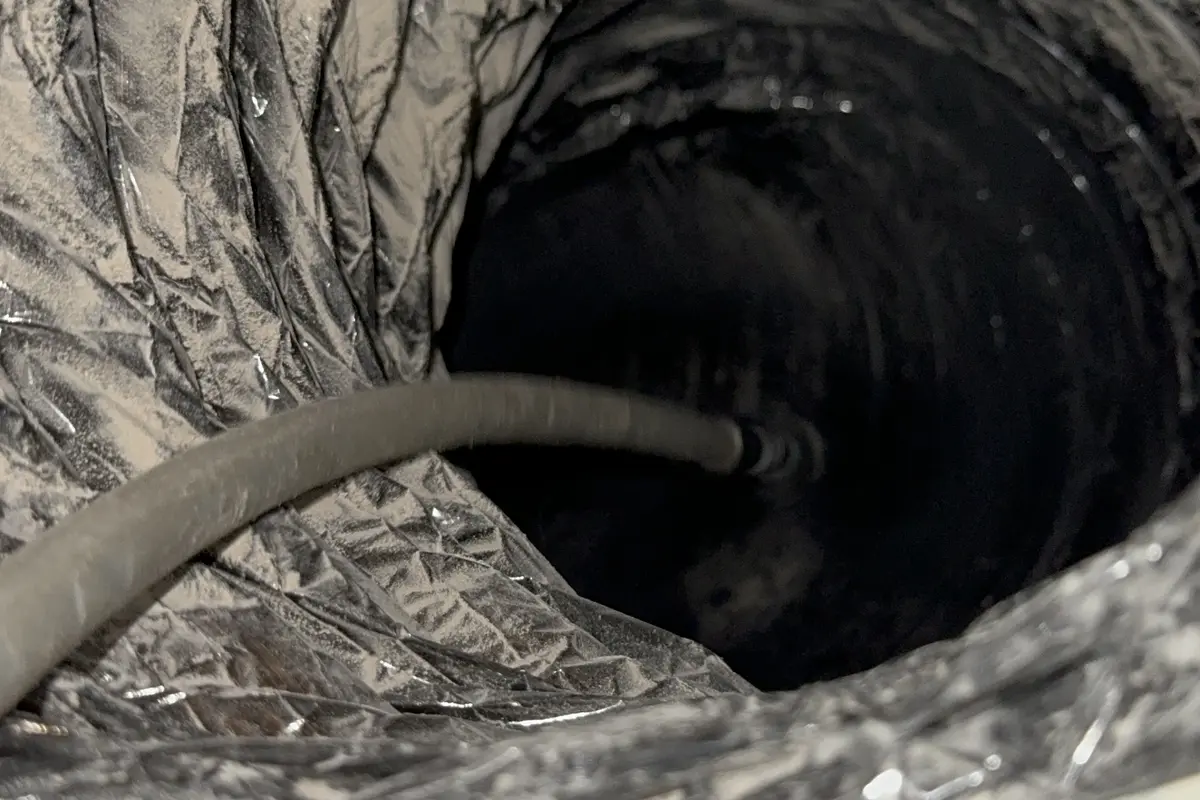
What we do recommend for every Austin homeowner is annual duct cleaning or inspection, annual dryer vent cleaning, and regular filter changes with the right MERV rating for your system. These air quality maintenance tasks complement any HVAC service plan and address the parts of the system that service plans typically do not cover - the inside of your ductwork.
Whether you have a service plan or handle maintenance independently, keeping your ducts clean, dryer vent clear, and filters fresh is essential for air quality, efficiency, and system longevity in Austin's demanding climate. Call (512) 601-4451 to schedule any air quality service.
Related Services
Learn more about our professional services related to this topic:
- Air Duct Cleaning - Remove dust, allergens, and debris from your entire HVAC system for cleaner indoor air.
- Air Duct Inspection - Diagnose leaks, blockages, and efficiency issues with HD camera inspection.
- Dryer Vent Cleaning - Clear lint buildup to prevent fires and cut drying time in half.
- Chimney Sweep & Repair - Professional cleaning and 21-point safety inspection for your fireplace.
- Solar Fan Installation - Solar-powered attic ventilation that cuts cooling costs naturally.
Want the full picture?
Read our complete guide: First-Time Homeowner's Complete HVAC Guide for Austin (2026) →Have questions about homeowner education? Our team is available 7 days a week. Call us at (512) 601-4451 or visit our contact page.