Your HVAC filter size is printed on the frame of your current filter - look for three numbers like 16x20x1 or 20x25x4. If the size is worn off, measure the filter slot opening (length x width x depth) and round to the nearest standard size. Common Austin home filter sizes are 16x20x1, 16x25x1, 20x20x1, 20x25x1, and 20x25x4. Use a MERV 11 to MERV 13 filter for the best balance of filtration and airflow. Call (512) 601-4451 if you need help identifying your filter size or system requirements.
How to Find Your HVAC Filter Size
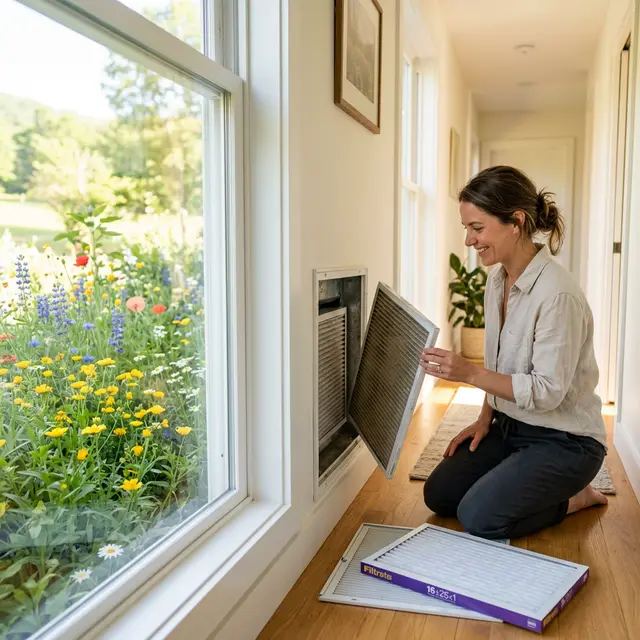
The fastest way to find your filter size is to pull out the current filter and read the size printed on the frame. Every manufactured filter has three dimensions printed on the cardboard or plastic frame: length x width x depth (for example, 16x25x1 or 20x25x4). This is the nominal size - the size you use when buying a replacement.
If the printing is worn off or the filter is too dirty to read, remove the filter and measure the opening in the air handler or return grille where the filter sits. Measure the length, width, and depth of the slot in inches. Round each measurement to the nearest whole inch - that is your nominal filter size. Filter manufacturers use nominal sizes that are slightly larger than the actual filter dimensions so the filter slides in and out easily.
If you cannot access the filter or do not know where it is, check your air handler's model number (printed on a sticker on the unit) and search for it online. The manufacturer's specifications will list the filter size. You can also check your HVAC system's installation manual if you still have it.
Common Filter Sizes in Austin Homes
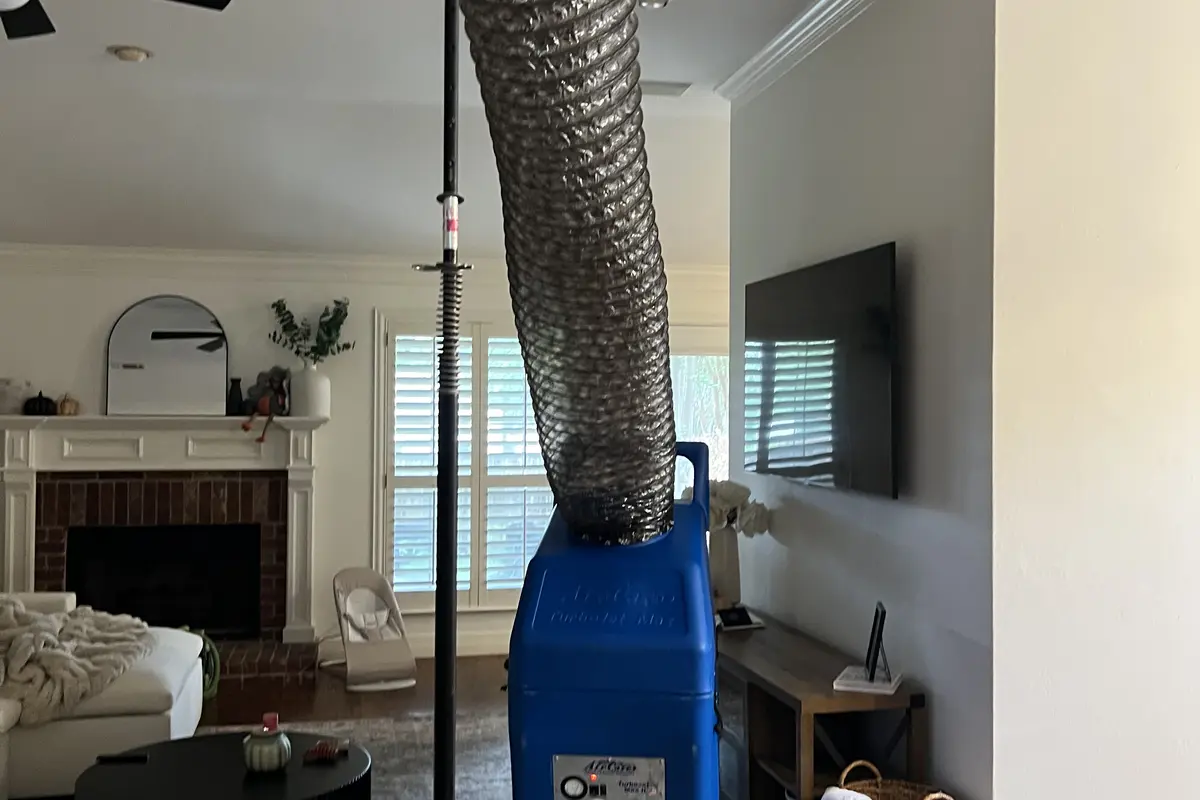
Austin homes use a handful of standard filter sizes depending on the HVAC system and the era the home was built. Here are the most common sizes we see when cleaning duct systems across the Austin metro.
16x20x1 is one of the most common sizes in Austin homes with standard residential systems. Many homes built in the 1990s and 2000s use this size in a return grille-mounted filter or a filter slot at the air handler.
16x25x1 is another widely used size, common in Carrier, Lennox, and Trane residential systems installed in Austin homes. This is a standard 1-inch pleated filter size that fits many central return grille openings.
20x20x1 is found in homes with square return grilles, often in older construction or single-return-vent homes. Some Rheem and Ruud systems use this size.
20x25x1 is the most common size for larger return grilles, especially in newer Austin homes (2010s and later) with properly sized return air paths. Many 3-ton and larger systems use this size.
20x25x4 is a media filter size - a 4-inch deep filter that fits in a dedicated media filter cabinet installed between the return duct and the air handler. These thick filters hold more material and last longer (typically 6 to 12 months versus 1 to 3 months for 1-inch filters). Honeywell, Lennox, and Aprilaire media filter cabinets commonly use 20x25x4 or 16x25x4 sizes. If your system has a media filter cabinet, it is one of the best upgrades an Austin homeowner can have for air quality.
Nominal Size vs Actual Size
Filter sizing uses two measurements: nominal size (the rounded size printed on the box and filter frame) and actual size (the real physical dimensions of the filter). The actual size is always slightly smaller than the nominal size - typically a quarter to a half inch smaller in each dimension.
For example, a filter labeled 20x25x1 (nominal) actually measures approximately 19.5 x 24.5 x 0.75 inches. This difference is intentional - it allows the filter to slide in and out of the slot without forcing or bending. If the filter were exactly 20x25x1, it would not fit.
When buying filters, always shop by nominal size. That is what stores and online retailers list. If you measured your filter slot and got 19.5 x 24.5 x 0.75, your nominal size is 20x25x1. If your measurement does not round neatly to a standard size, your system may use a custom or uncommon filter size - in that case, check the air handler model number for the manufacturer's specification or contact an HVAC professional.
MERV Rating: Which Filter Grade to Buy
MERV (Minimum Efficiency Reporting Value) measures how effectively a filter captures particles. The scale runs from 1 to 20. For Austin homes, the sweet spot is MERV 11 to MERV 13.
MERV 1 to 4 (basic fiberglass): These are the cheap flat filters that cost a few dollars. They protect the blower motor from large debris but capture almost nothing that affects air quality - no pollen, no pet dander, no fine dust. If you are using these in Austin, you are breathing everything your system circulates.
MERV 8 (standard pleated): A solid step up. Captures most large pollen grains and dust. Adequate for homes without pets or allergy concerns, but not enough for Austin's heavy allergen load. Most builder-installed filters are MERV 8.
MERV 11 (high-efficiency pleated): This is our recommended minimum for Austin homes. Captures 85% of particles between 1 and 3 microns, including cedar pollen, pet dander, dust mite debris, and fine dust. Does not significantly restrict airflow in most residential systems. The best balance of filtration performance and system compatibility.
MERV 13 (premium pleated): Captures over 90% of particles down to 0.3 microns. Excellent for households with severe allergies, asthma, or respiratory conditions. However, MERV 13 filters create more airflow resistance. Verify your system can handle the increased resistance before installing - some older or undersized blower motors may struggle, leading to reduced airflow and higher energy bills.
Do not install MERV 16+ (HEPA-grade) filters in a standard residential HVAC system. They restrict airflow far too much for residential ductwork and blower motors. If you want HEPA-level filtration, use standalone room air purifiers instead.
Just Moved In? Start Here.
We help new Austin homeowners understand their HVAC system with honest assessments and straightforward recommendations.
Call (512) 601-4451Rate your home's indoor air quality in 2 minutes
Where to Buy HVAC Filters in Austin
Standard filter sizes (16x20x1, 16x25x1, 20x25x1, 20x20x1) are stocked at Home Depot, Lowe's, and most Austin hardware stores. For common sizes, you can walk in and buy off the shelf. Prices range from a few dollars for basic fiberglass to $15 to $25 for MERV 11 to MERV 13 pleated filters.
Amazon and filter specialty websites offer bulk packs (6 to 12 filters) at lower per-unit cost, which makes sense since you are changing filters every 60 to 90 days in Austin. Buying a year's supply at once saves trips and ensures you always have a replacement ready.
Media filters (4-inch and 5-inch depth) for filter cabinets are less commonly stocked in retail stores. You can find them at HVAC supply houses in Austin (like Johnstone Supply or Ferguson) or order online from the filter cabinet manufacturer (Honeywell, Aprilaire, Lennox). These cost more per filter ($25 to $60) but last 6 to 12 months each.
If you have an unusual filter size or cannot find your size in stores, an HVAC supply house can order custom-cut filters. Some Austin HVAC companies also sell replacement filters directly. The key is using the correct size - a filter that is too small leaves gaps around the edges that let unfiltered air bypass into the system, defeating the purpose entirely.
How Often to Change Your Filter in Austin
The standard recommendation is every 90 days for 1-inch filters and every 6 to 12 months for 4-inch media filters. In Austin, you should check more frequently and adjust based on conditions.
During cedar season (December through March), check your filter monthly. Cedar pollen loads are extreme in Central Texas, and a MERV 11+ filter doing its job will load up faster than normal. If the filter looks gray and packed when you pull it out, replace it regardless of how many days it has been installed.
Homes with pets should check every 30 to 45 days. Pet dander and hair accumulate in filter media quickly, especially in multi-pet households. The more pets you have, the faster the filter loads.
Homes near active construction should also check more frequently. Fine drywall and concrete dust from nearby building sites enters your HVAC system and clogs filters faster than normal household dust.
A clean filter is the simplest and cheapest thing you can do for your HVAC system's efficiency and your indoor air quality. If you are unsure about your filter size, MERV rating, or how your system is performing, call (512) 601-4451. Air Central's technicians can identify your filter requirements and inspect your system during any service visit.
Related Services
Learn more about our professional services related to this topic:
- Air Duct Cleaning - Remove dust, allergens, and debris from your entire HVAC system for cleaner indoor air.
- Air Duct Inspection - Diagnose leaks, blockages, and efficiency issues with HD camera inspection.
- Dryer Vent Cleaning - Clear lint buildup to prevent fires and cut drying time in half.
- Chimney Sweep & Repair - Professional cleaning and 21-point safety inspection for your fireplace.
- Solar Fan Installation - Solar-powered attic ventilation that cuts cooling costs naturally.
Want the full picture?
Read our complete guide: First-Time Homeowner's Complete HVAC Guide for Austin (2026) →Have questions about homeowner education? Our team is available 7 days a week. Call us at (512) 601-4451 or visit our contact page.