Remove vent covers, soak in warm soapy water for 15-20 minutes, scrub with a soft brush, dry completely, and vacuum 2-3 feet into the duct opening before reinstalling. Do this every 3-6 months. If you see buildup deeper inside the duct, smell musty odors, or notice dust blowing from vents after cleaning the covers, the ductwork itself needs professional cleaning. Call (512) 601-4451 to schedule.
Step-by-Step: Cleaning Vent Covers and Registers
Start by turning off the HVAC system so debris does not blow into the room while covers are removed. Remove the vent cover by unscrewing the mounting screws or lifting the register out of the floor boot. Most supply registers on walls and ceilings are held by two screws. Floor registers usually just lift out.
Fill a sink or bathtub with warm water and a few drops of dish soap. Submerge the vent covers and let them soak for 15-20 minutes. The soaking loosens stuck-on dust and grime that has built up from months of airflow. For heavily soiled covers, add a quarter cup of white vinegar to the soak water.
After soaking, scrub both sides with a soft-bristle brush or old toothbrush. Pay attention to the louvers and fins where dust collects between the blades. Rinse under running water until the water runs clear. Shake off excess water and lay the covers on a towel to dry completely before reinstalling. Do not reinstall wet covers - moisture on metal registers promotes rust, and damp covers attract dust immediately.
While the cover is off, use a household vacuum with a crevice attachment to reach 2-3 feet into the duct opening. This removes the loose dust and debris closest to the register that falls off the cover and settles in the duct boot. You will not reach deep into the ductwork with a household vacuum, but cleaning this first section removes the most visible accumulation.
How Often to Clean Vent Covers
Every 3-6 months is the standard recommendation. Homes with pets, smokers, or allergy sufferers should clean covers every 2-3 months. During Austin's cedar season (December-March), monthly cleaning of covers in bedrooms and main living areas helps reduce pollen recirculation.
Floor registers need more frequent attention than wall or ceiling vents because they collect dust, pet hair, food crumbs, and small objects that fall through the louvers. In homes with children or pets, floor register covers may need cleaning monthly. Consider register covers with finer mesh or magnetic filters to prevent larger debris from entering floor ducts.
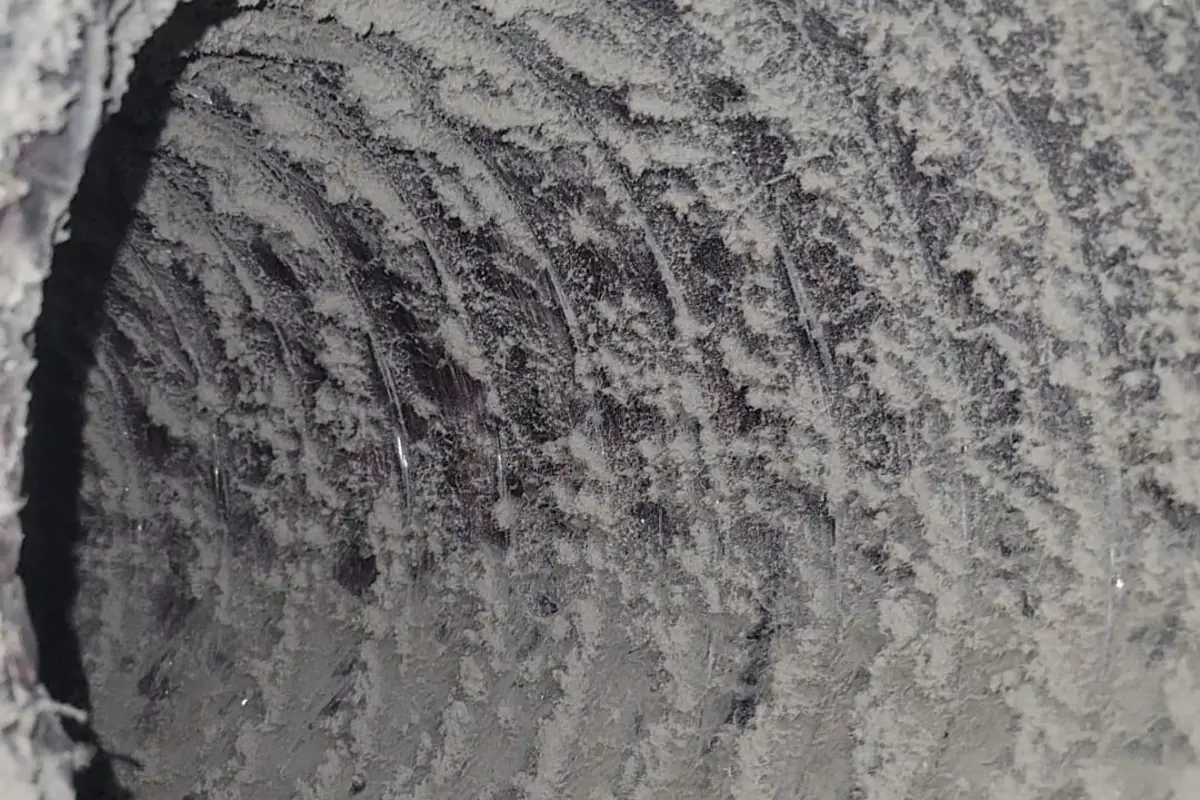
A quick visual check tells you when covers need cleaning. Remove one cover and look at the back side (the side facing into the duct). If there is a visible layer of dust or discoloration, it is time to clean all of them. The covers closest to the return vent tend to accumulate faster because they face higher airflow velocities.
What You Cannot Reach: The Duct Interior
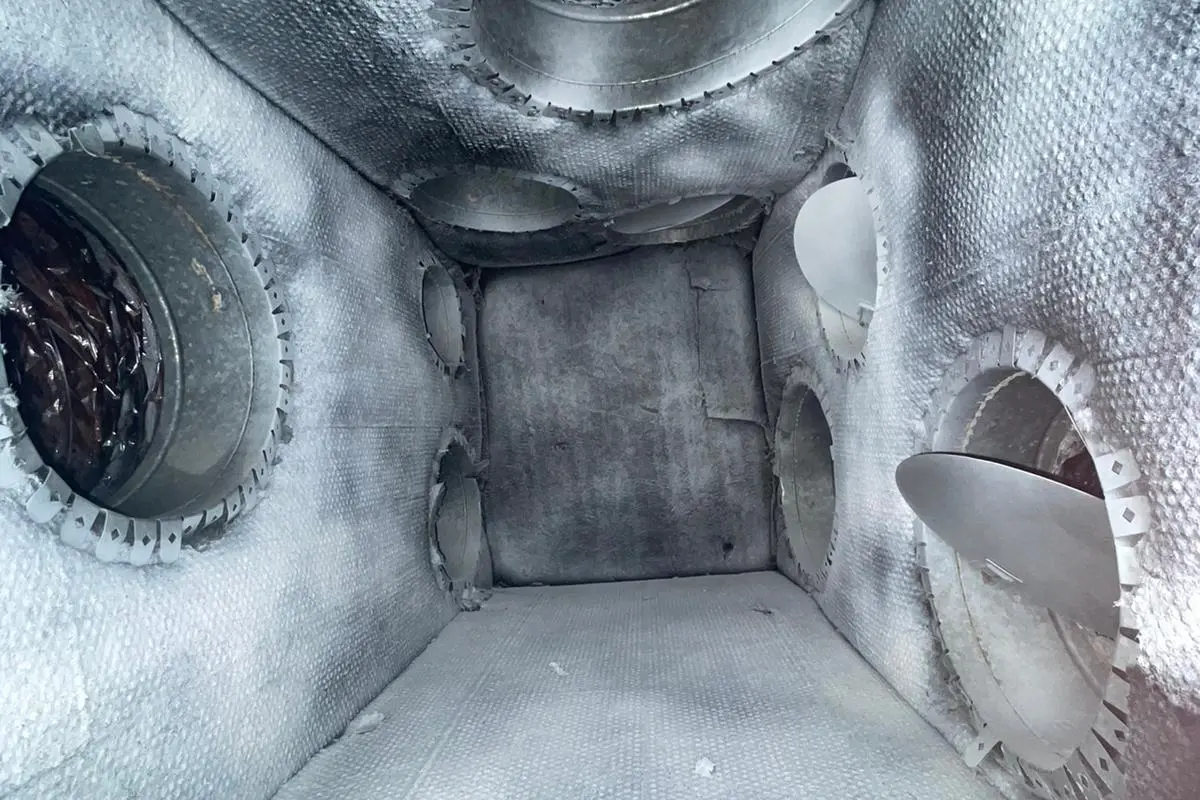
Here is the honest reality: cleaning vent covers is basic maintenance that every homeowner should do, but it addresses only the last few inches of your duct system. The typical Austin home has 50-150 linear feet of ductwork running through the attic, walls, and between floors. A household vacuum reaches 2-3 feet into a duct opening. The other 95% of your duct system is beyond reach.
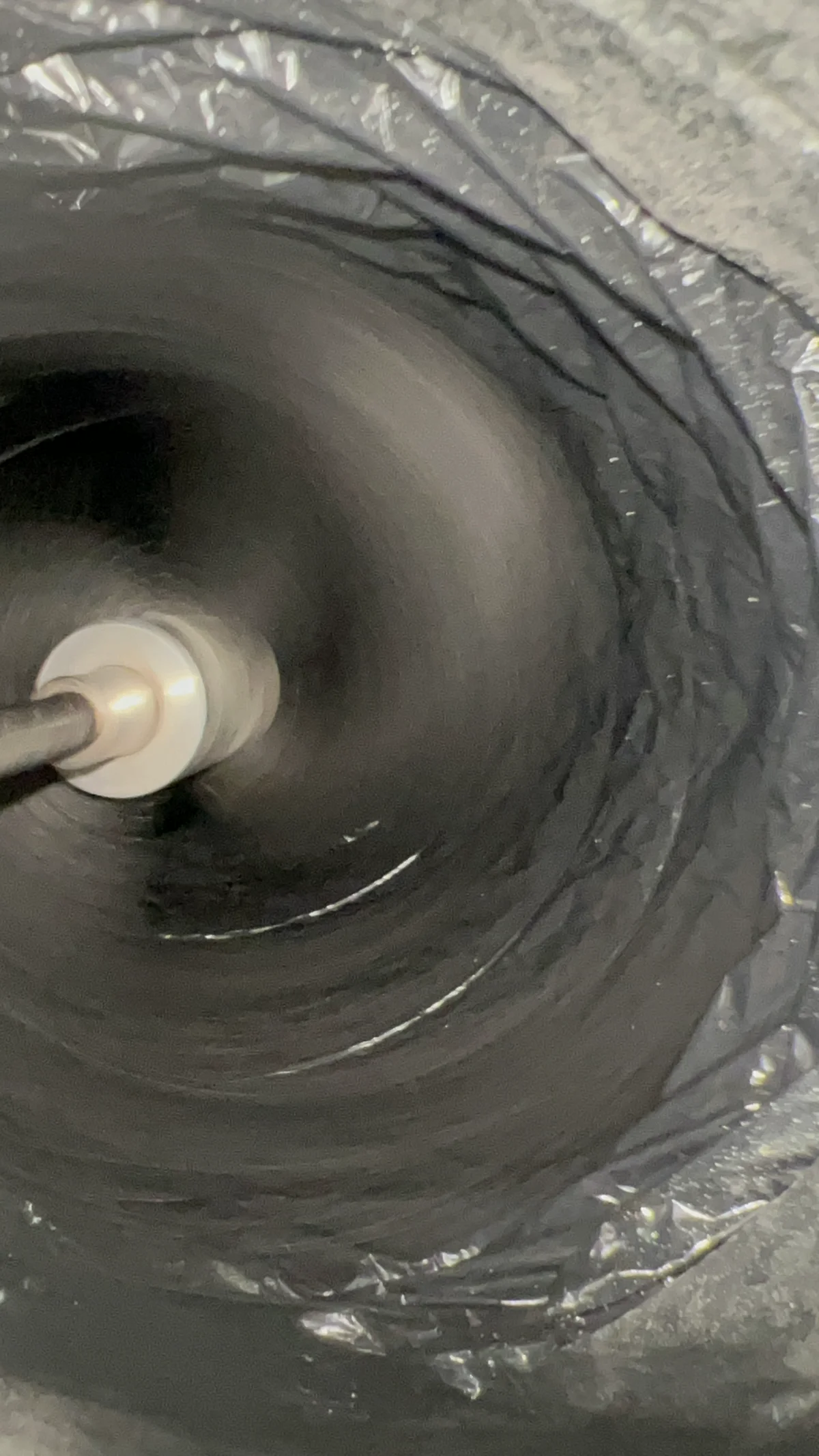
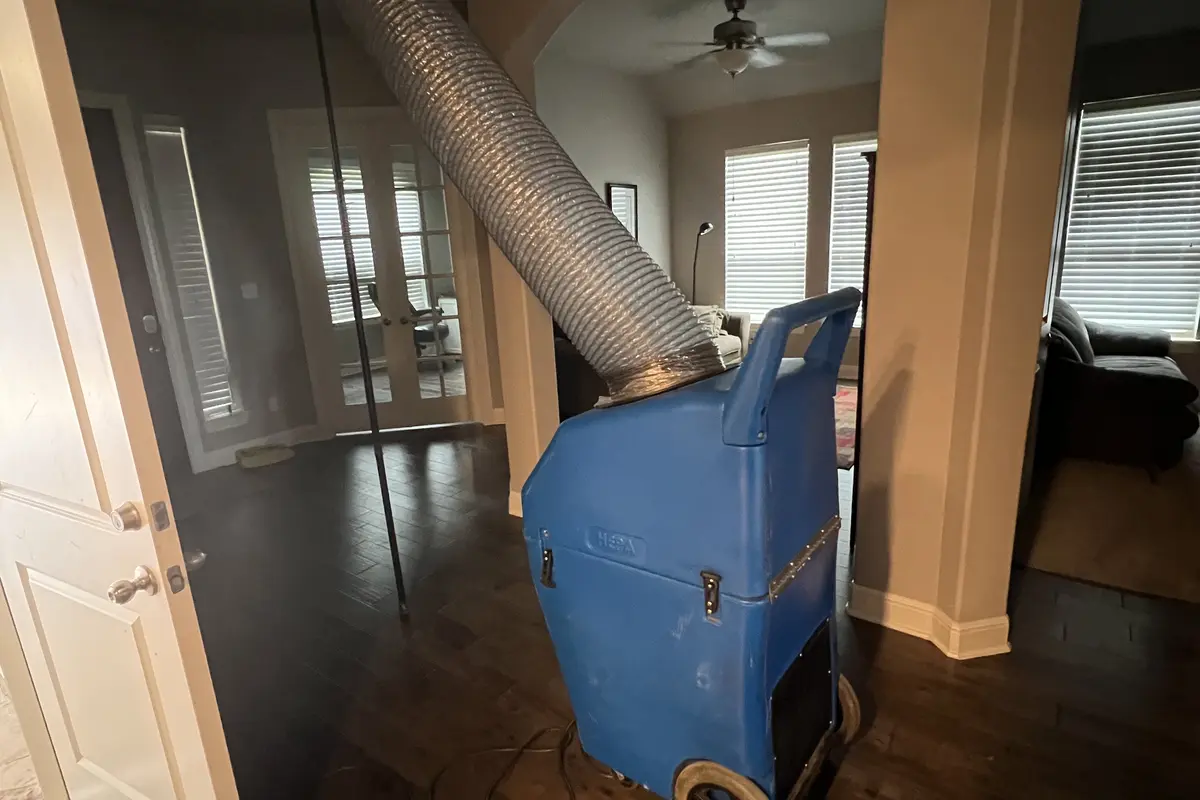
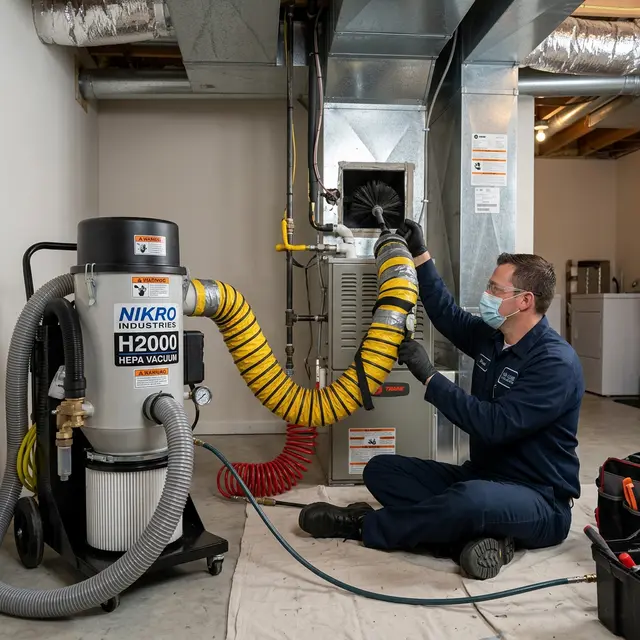
Debris inside the ductwork itself - accumulated dust, pollen, pet dander, insulation fibers, and construction dust - requires professional equipment to remove. Commercial HEPA-filtered negative-pressure vacuums generate enough suction to pull debris through the entire duct run. Compressed air tools and rotary brushes dislodge stuck-on material from duct walls that no household tool can reach.
Think of it like this: cleaning your vent covers is like wiping down the faucet while ignoring the pipes. It looks better, and it helps at the surface, but the buildup inside the system remains. If your vent covers get dirty quickly after cleaning, that is a sign that the ducts behind them are pushing debris forward with every HVAC cycle.
Just Moved In? Start Here.
We help new Austin homeowners understand their HVAC system with honest assessments and straightforward recommendations.
Call (512) 601-4451Rate your home's indoor air quality in 2 minutes
When to Call a Professional
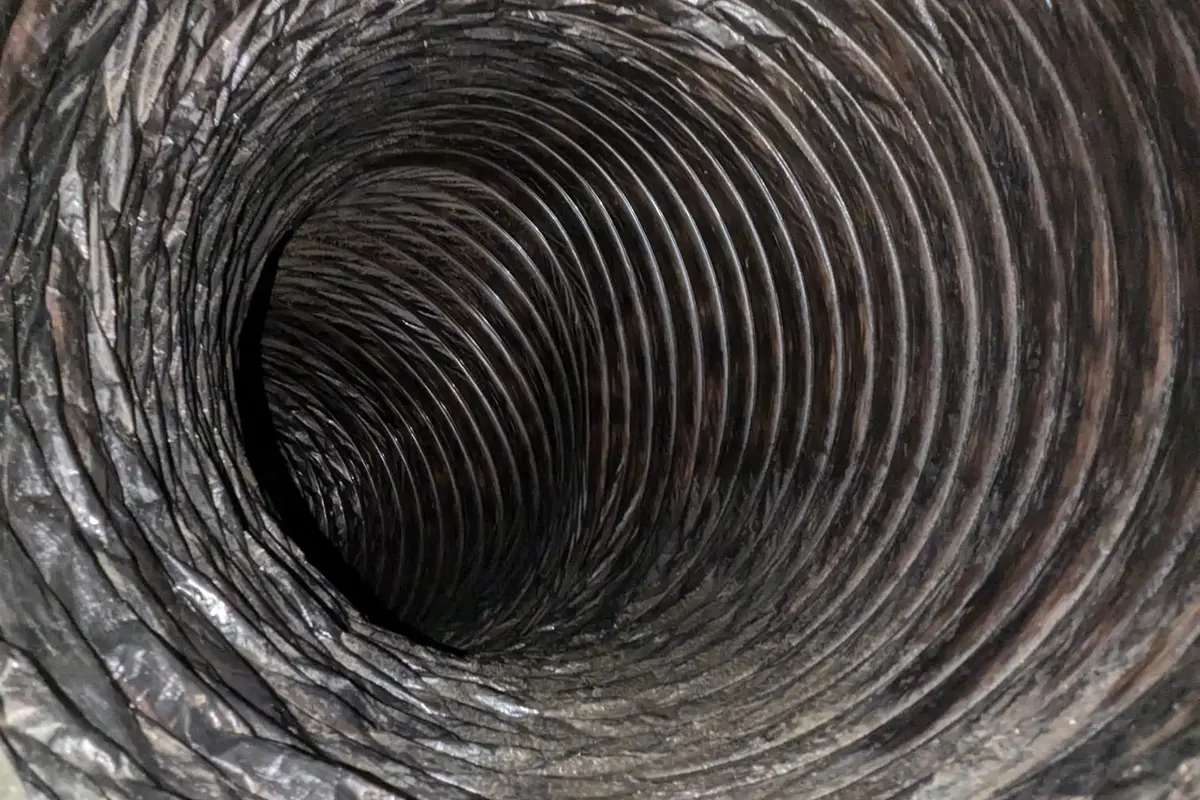
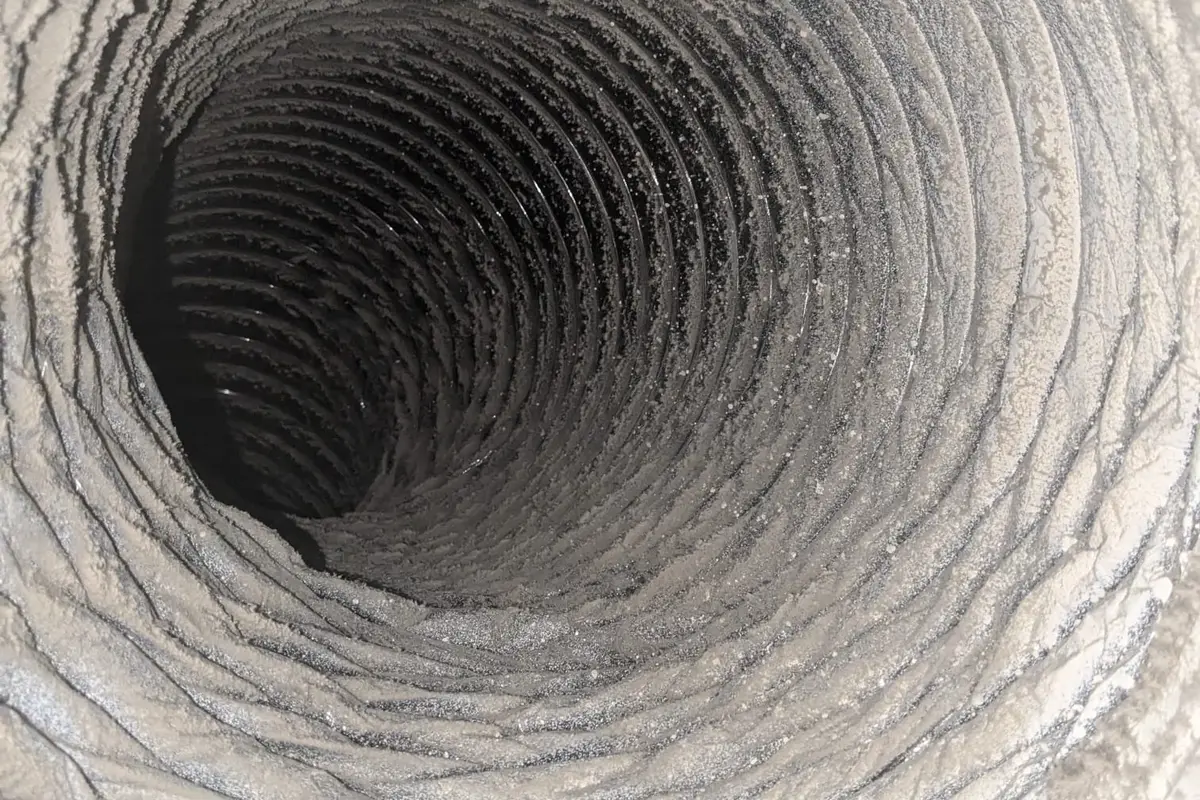
Visible buildup inside the duct is the clearest sign. When you remove a vent cover and shine a flashlight into the duct, you should see relatively clean duct walls. If you see a visible layer of dust, dark discoloration, clumps of debris, or what looks like insulation fibers, the ductwork needs professional cleaning.
Musty or stale odors from the vents when the system starts indicate organic debris or moisture issues inside the ductwork that cover cleaning cannot address. These odors come from deep in the system where bacteria and biological growth thrive in the dark, humid environment.
Dust blowing from vents after you have just cleaned the covers means the duct interior is the source. If clean covers get dusty within days, the system is pushing accumulated debris from deep in the ductwork past the register with every cycle. No amount of cover cleaning solves this - the source needs to be addressed.
Worsening allergy symptoms indoors, particularly when the HVAC is running, suggest that allergens trapped in the ductwork are being recirculated. This is especially common in Austin during and after cedar season, when pollen that entered the system during winter continues to blow through the house months later.
Air Central uses HD camera inspection to show you exactly what is inside your ductwork before recommending cleaning. You can see the condition on screen and make an informed decision. If the ducts are clean, we will tell you. If they need work, you will see why. Call (512) 601-4451 to schedule an inspection.
Related Services
Learn more about our professional services related to this topic:
- Air Duct Cleaning - Remove dust, allergens, and debris from your entire HVAC system for cleaner indoor air.
- Air Duct Inspection - Diagnose leaks, blockages, and efficiency issues with HD camera inspection.
- Dryer Vent Cleaning - Clear lint buildup to prevent fires and cut drying time in half.
- Chimney Sweep & Repair - Professional cleaning and 21-point safety inspection for your fireplace.
- Solar Fan Installation - Solar-powered attic ventilation that cuts cooling costs naturally.
Want the full picture?
Read our complete guide: First-Time Homeowner's Complete HVAC Guide for Austin (2026) →Have questions about homeowner education? Our team is available 7 days a week. Call us at (512) 601-4451 or visit our contact page.