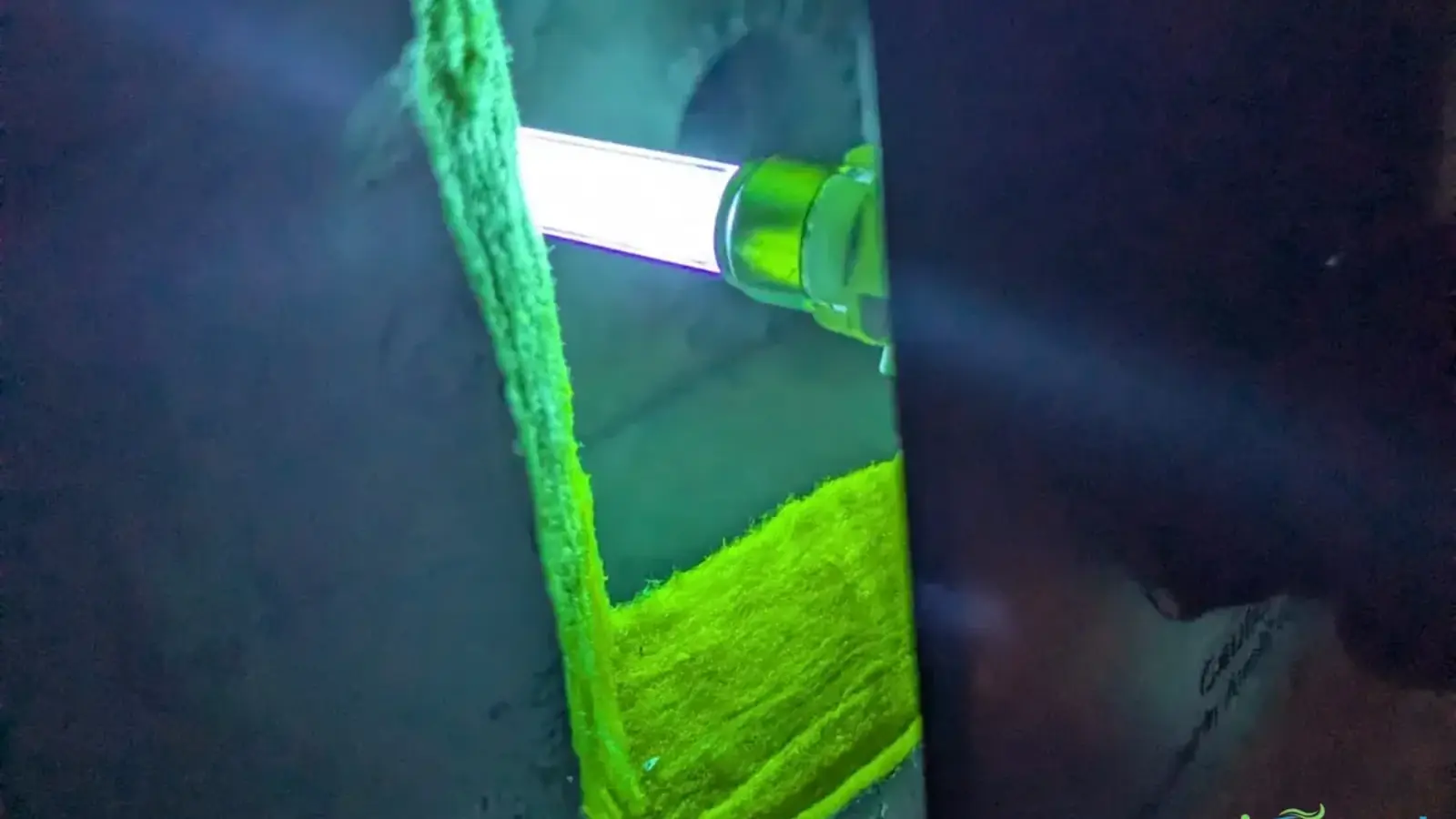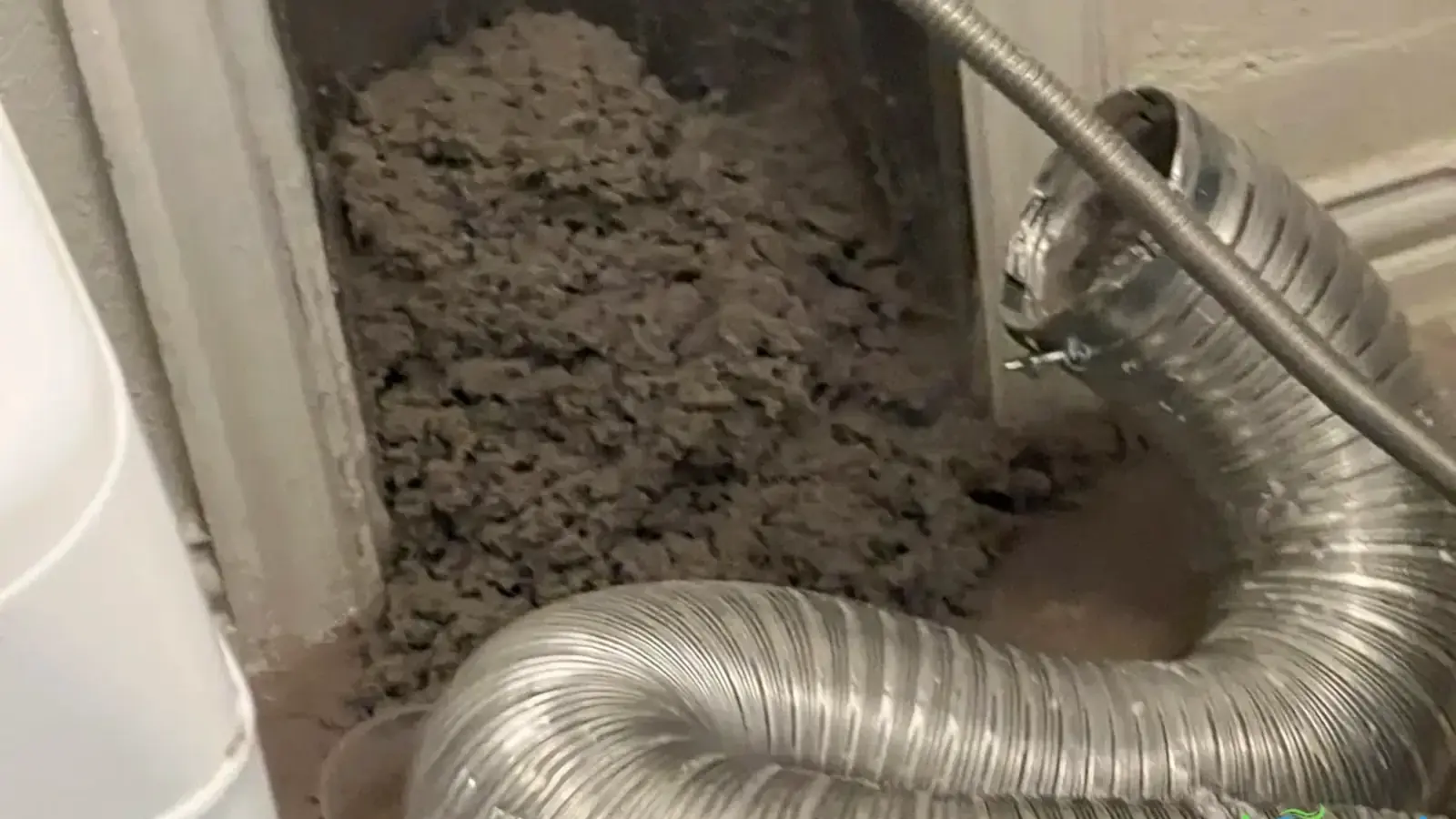
A professional dryer vent cleaner should use rotary brush systems to clear lint from the entire vent run - not just vacuum the exhaust cap. Ask to see before-and-after airflow readings, confirm they clean beyond 35 feet of vent, and verify they replace worn duct sections rather than just cleaning around damage.
Why Dryer Vent Cleaning Companies Vary So Much
Dryer vent cleaning has no universal licensing requirement in Texas. Any company can add it to their service menu regardless of training, equipment, or method. This creates a wide spectrum: at one end, professional crews with rotary brush systems, airflow meters, and NFPA-trained technicians who understand the fire safety stakes of the work. At the other end, pressure washing companies or general handymen who vacuum the exterior cap, collect a check, and leave a vent that is 40% cleaner than before they arrived but still dangerously restricted.
The Consumer Product Safety Commission estimates $233 million in annual property damage from dryer fires. These are not statistics that apply only to homes that have never been serviced - they include homes where the vent was cleaned using an inadequate method that left lint caked to duct walls while only clearing the easily accessible portions.
Austin's housing market adds specific complications. The city grew by more than 33% from 2010 to 2020, bringing many new service providers into the market who lack the experience with Austin-specific challenges: two-story homes with long vent runs to roof caps, homes in Leander and Liberty Hill built by production builders who used minimal-compliance duct installations, and older Zilker or Bouldin Creek homes with original metal duct that may be partially corroded. Knowing what questions to ask before booking separates a genuine professional from a company that will not catch these issues.
Question 1: What Equipment Do You Use?
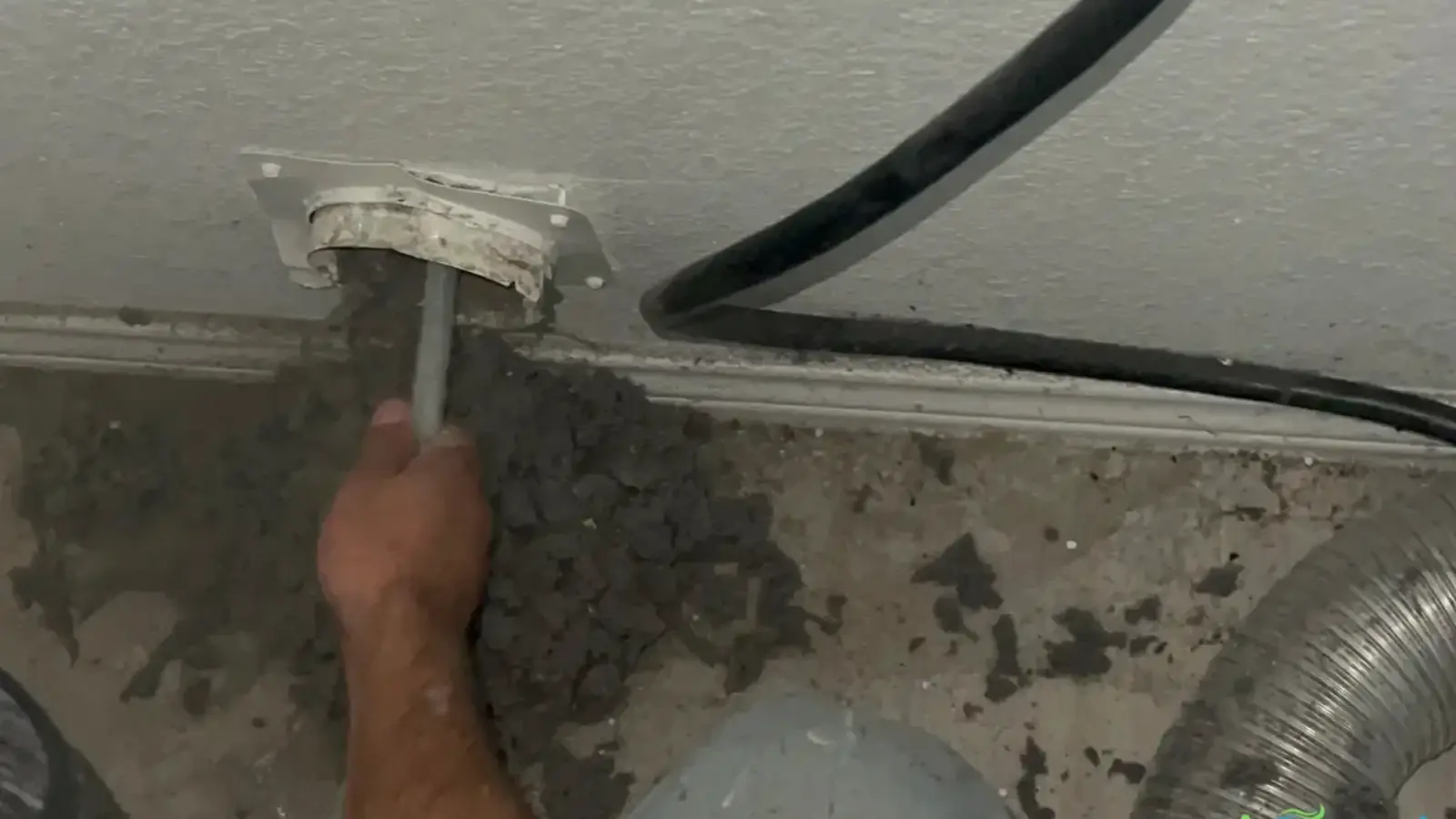
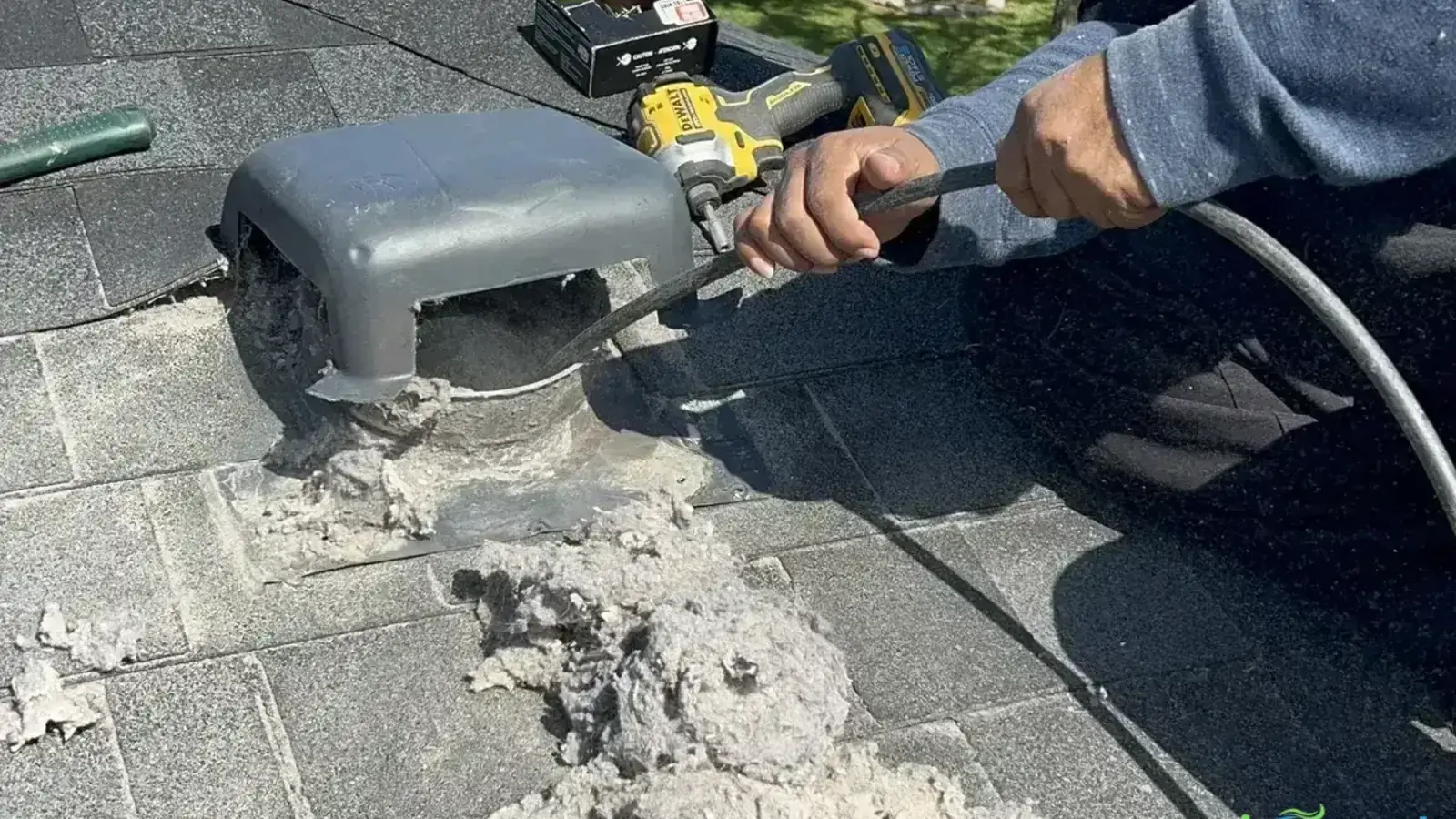
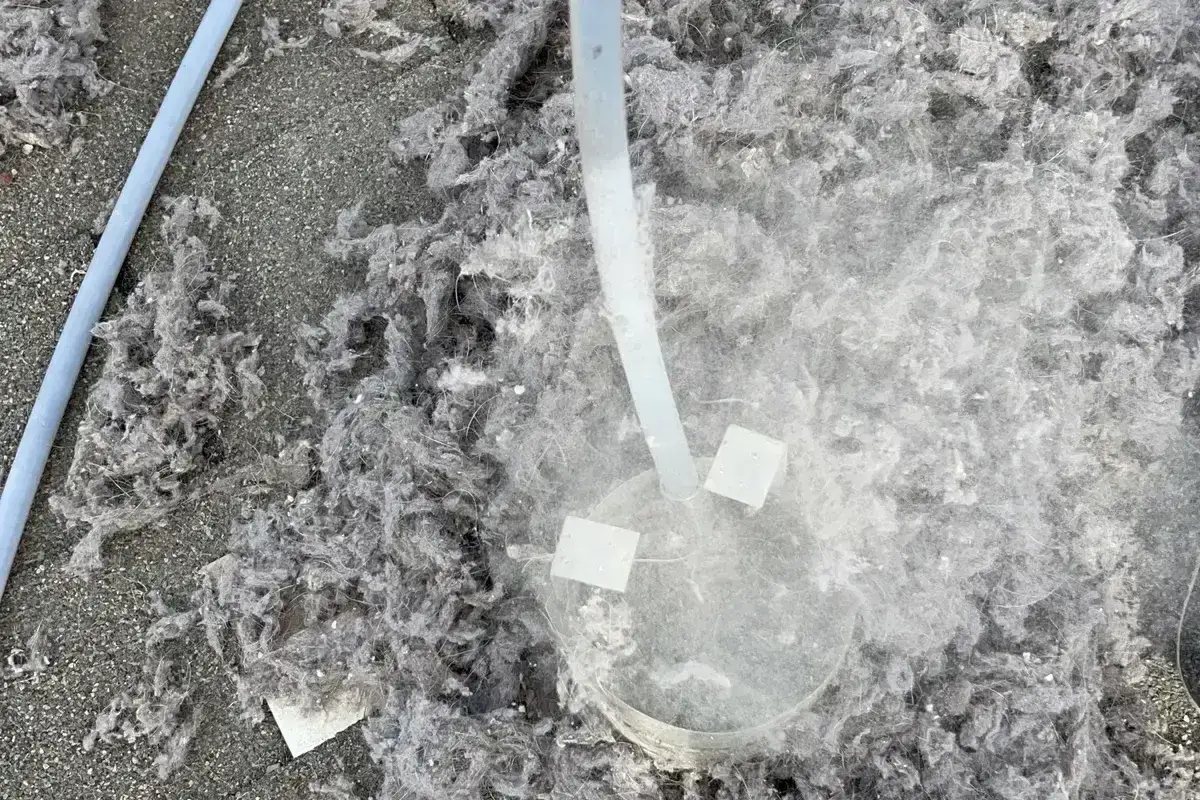
The correct answer is a rotary brush system - a flexible rod with a spinning brush head, driven by a drill, that physically dislodges lint from duct walls through mechanical contact. The brush diameter should match the duct diameter (typically 4 inches for residential dryer vent). Lint that has been in a duct for months or years compresses against the duct walls and can only be fully removed by something that physically contacts and dislodges it from all sides.
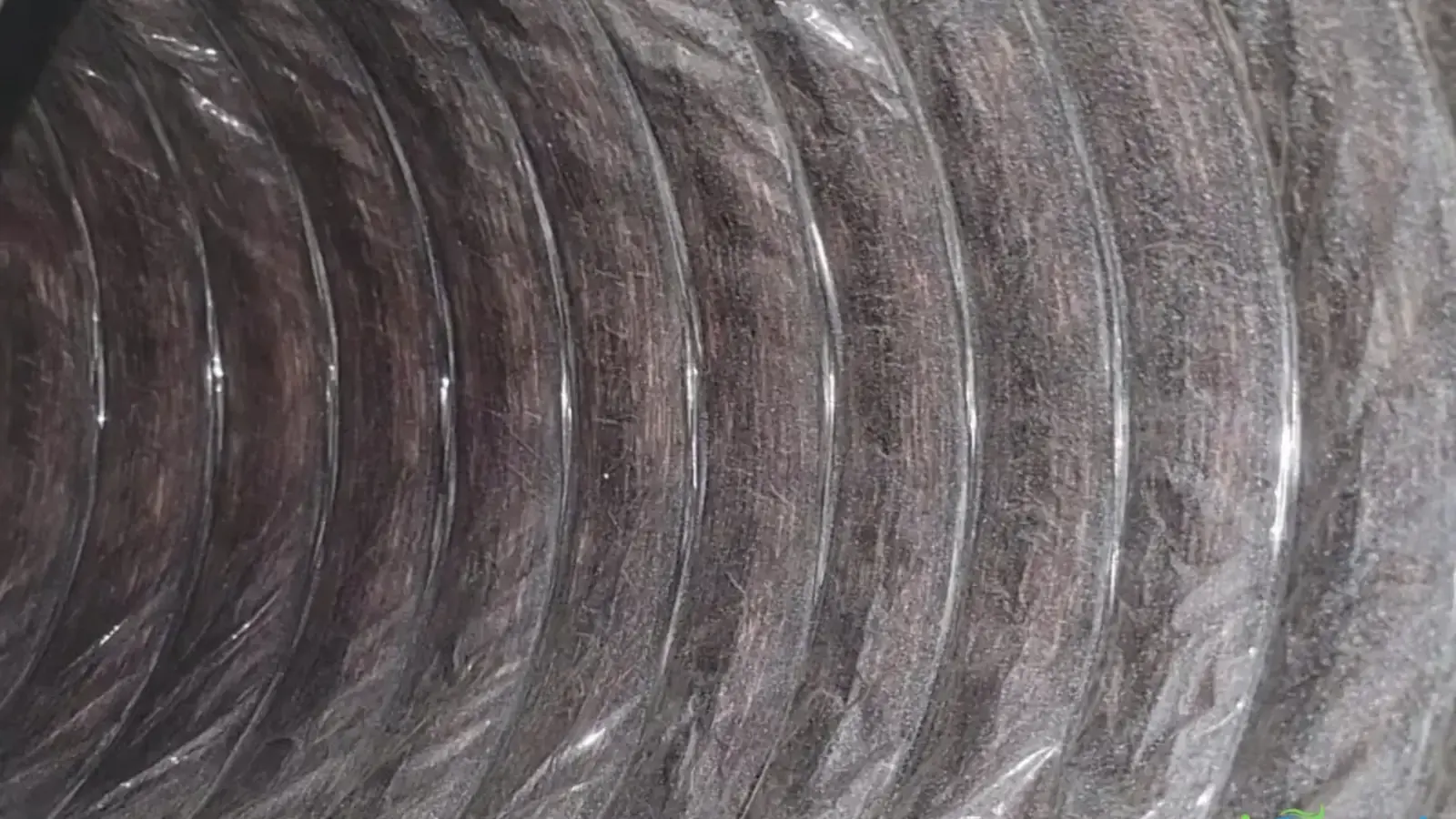
A high-powered vacuum alone does not accomplish this. Vacuum suction is effective at removing lint from the center of the duct where airflow already moves it, but lint caked to the duct walls in bends and elbows requires mechanical contact to break free. A company that describes their process as a high-powered vacuum, a compressed air blow-through, or anything other than a rotary brush is not achieving a complete cleaning. This is not a minor difference - the lint left on duct walls after vacuum-only cleaning is the lint most likely to ignite because it is closest to the duct surface when a hot ember passes through.
Ask specifically: 'Do you use rotary brushes that contact the duct walls, or primarily suction?' A confident, professional answer confirms rotary brush use and typically includes a brief description of how the rod-and-brush system works. A vague answer about 'special equipment' or an immediate subject change to price is a red flag worth noting.
Question 2: How Do You Handle Vents Longer Than 25 Feet?
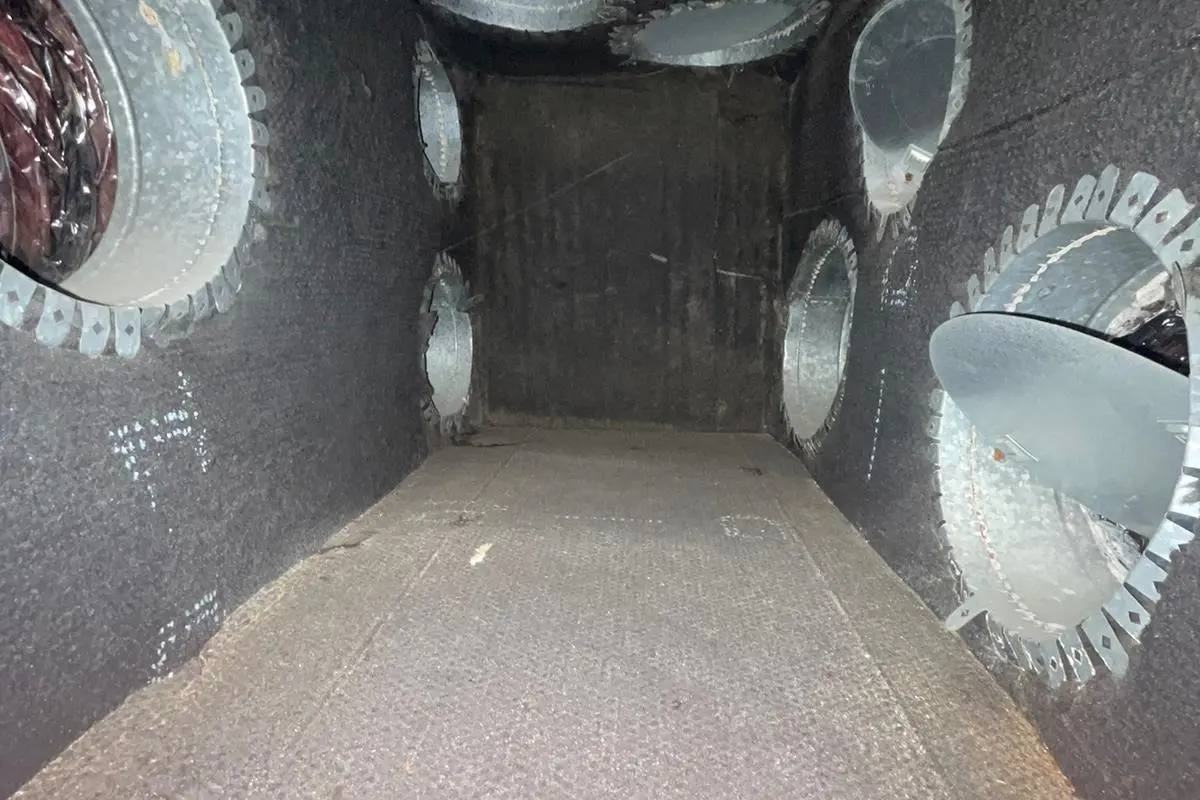
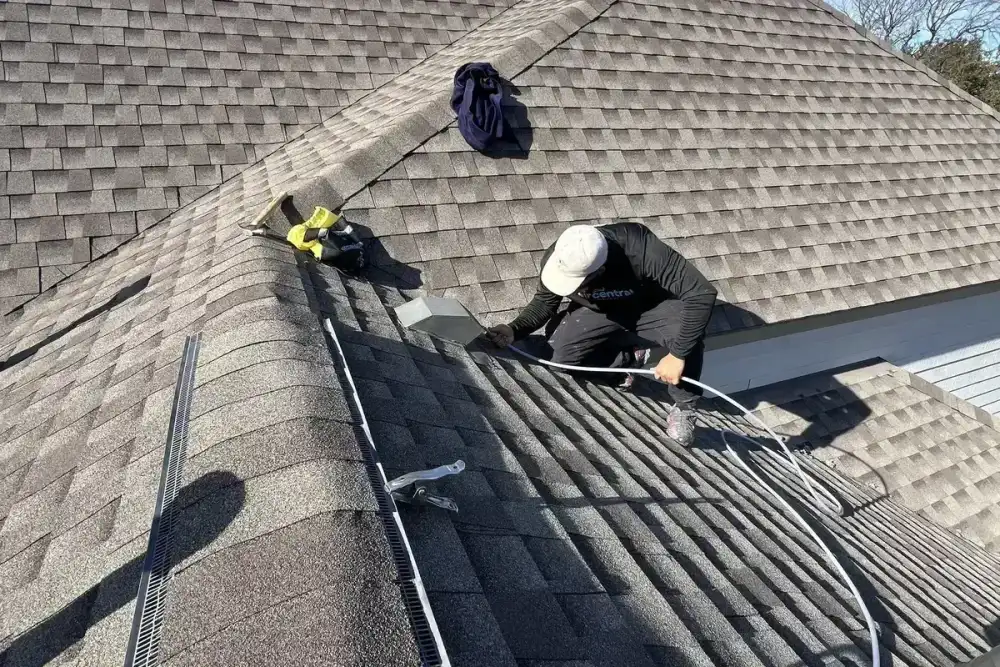
Two-story Austin homes - which represent the majority of new construction in Round Rock, Cedar Park, Georgetown, Leander, and Pflugerville - routinely have dryer vent runs of 20-35 feet from laundry room to exterior termination. When the laundry room is on the second floor and the duct exits through a roof cap, runs can reach 35-40 feet with four or more elbows.
Many Austin homes with long vent runs either have an undersized booster fan that has never been serviced, or no booster fan at all. A professional dryer vent cleaner should measure or calculate the vent run length, identify any elbows, and tell you whether your installation is within code or requires a booster fan.
The practical cleaning question: rotary brush rods come in sections that connect together to reach full vent length. A company that only carries rods up to 20 feet cannot effectively clean a 30-foot run. Ask them directly: 'Our vent run is approximately 30 feet - can you clean the full length?' A professional confirms yes and may discuss whether their equipment reaches from the laundry end, the exterior end, or both to ensure full coverage.
Question 3: Do You Measure Airflow Before and After?
Airflow measurement is the objective proof that a dryer vent cleaning was effective. An anemometer or simple manometer measures actual versus expected flow rate. Before cleaning, a restricted vent shows reduced flow. After cleaning, flow should return to near-rated levels.
Any company confident enough in their work to measure before and after is implicitly offering you proof of value. A company that does not measure airflow is asking you to take their word that the vent is clean. In a context where incomplete cleaning carries real fire risk, this distinction matters. Before-and-after airflow data also gives you a baseline for future cleanings - if airflow has dropped significantly at your next annual service, you know the vent is accumulating lint faster than normal and should investigate the dryer or duct configuration.
Not all residential dryer vent cleaners carry airflow meters, but the best ones do. If the company you are considering does not measure airflow, ask them to at minimum do a visual inspection of airflow at the exterior cap - they should be able to hold a tissue near the cap while the dryer runs and confirm strong, consistent air movement from the full cap opening rather than a thin stream from one corner.
Question 4: What Do You Do If You Find Bird Nests or Animals?
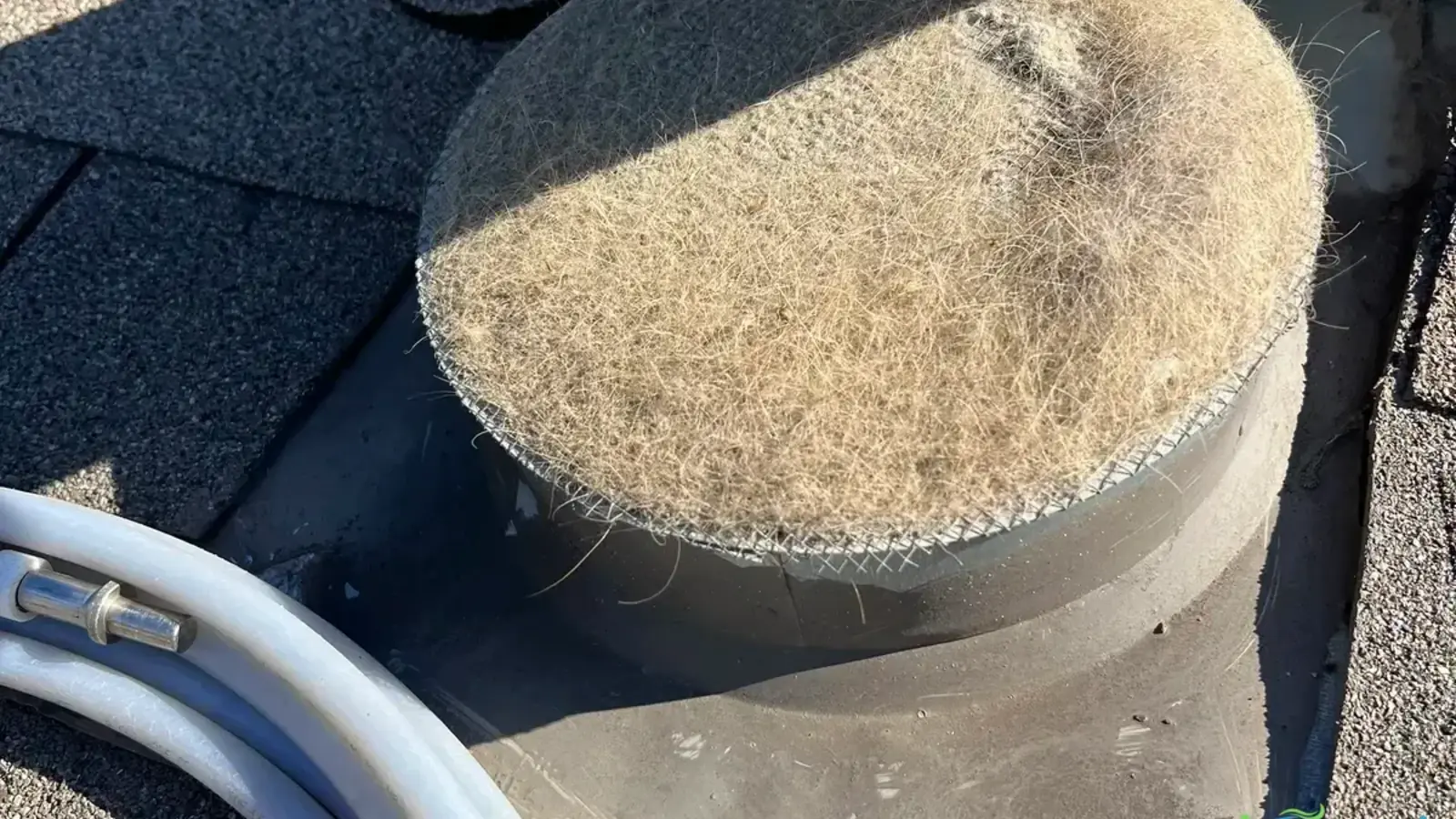
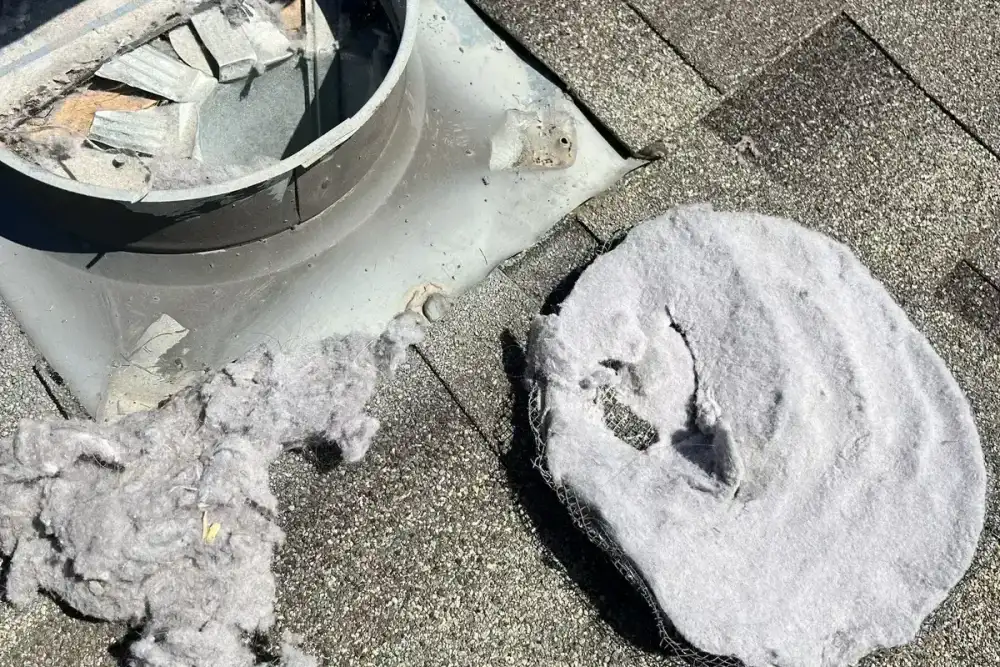
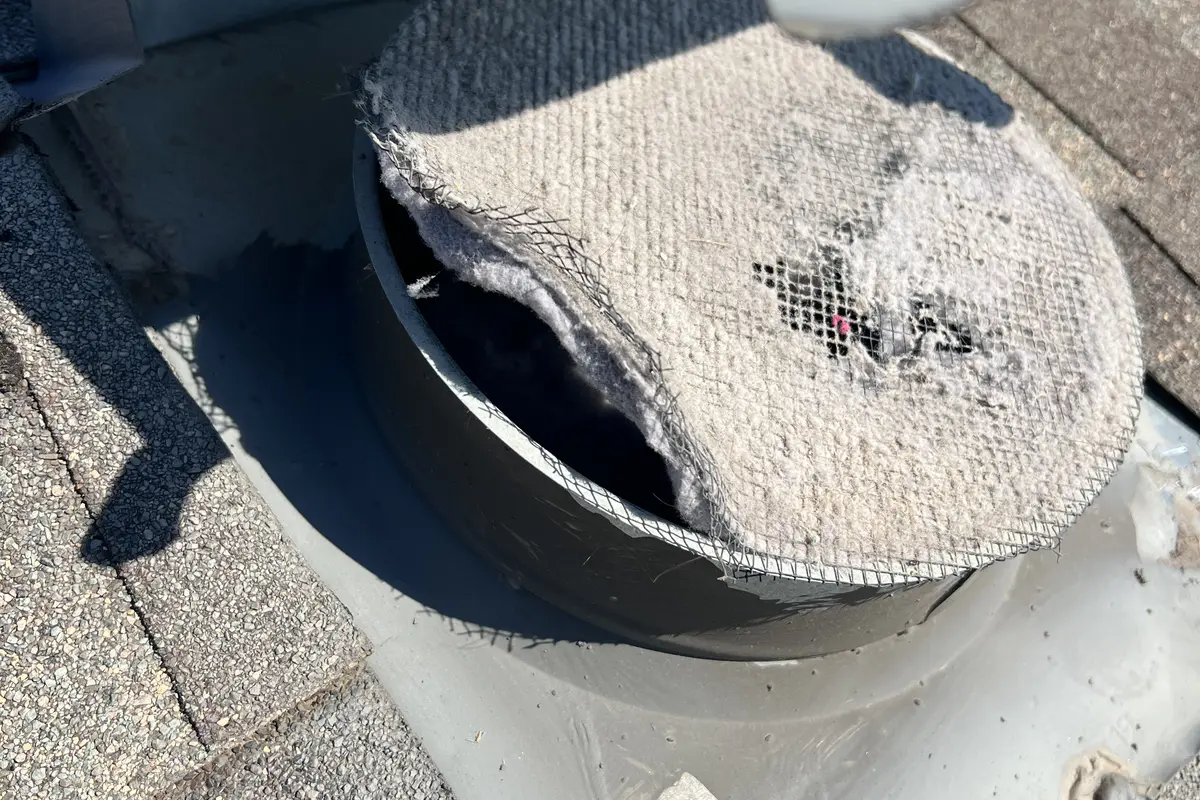
Austin is home to large populations of European starlings and house sparrows - both non-native species that actively seek enclosed spaces for nesting. Roof-mounted dryer vent caps on two-story Austin homes are prime nesting targets. Starlings can build a substantial nest inside a dryer vent cap within a week during nesting season (March through July). A nest does not just restrict airflow - it is highly combustible and in direct contact with exhaust air from a dryer that can reach 130-135 degrees Fahrenheit.
A professional company discovers bird nests as part of the initial vent inspection - either via camera or when the rotary brush encounters significant resistance in the first few feet of the duct near the cap. What happens next reveals a lot about the company. A legitimate professional discloses the nest, explains what additional work is required (nest removal, cap cleaning, possibly cap replacement if a bird has nested inside rather than in the duct), and prices it separately and transparently before proceeding.
A company that does not mention finding a nest when one exists - because nest removal is extra work and they want to finish quickly - is not providing the safety service you hired them for. Ask before booking: 'If you find a bird nest, how do you handle it and what does that cost?' A professional provides a clear answer. Equally important: after nest removal, a professional recommends replacing the standard louvered cap with a pest-exclusion cap designed to prevent re-entry, typically $30-$80 in parts plus labor.
When Was Your Dryer Vent Last Cleaned?
Most Austin homeowners go too long between cleanings. A quick inspection takes minutes and could prevent a fire.
Call (512) 601-4451Rate your home's indoor air quality in 2 minutes
Question 5: Do You Replace Damaged Duct Sections?
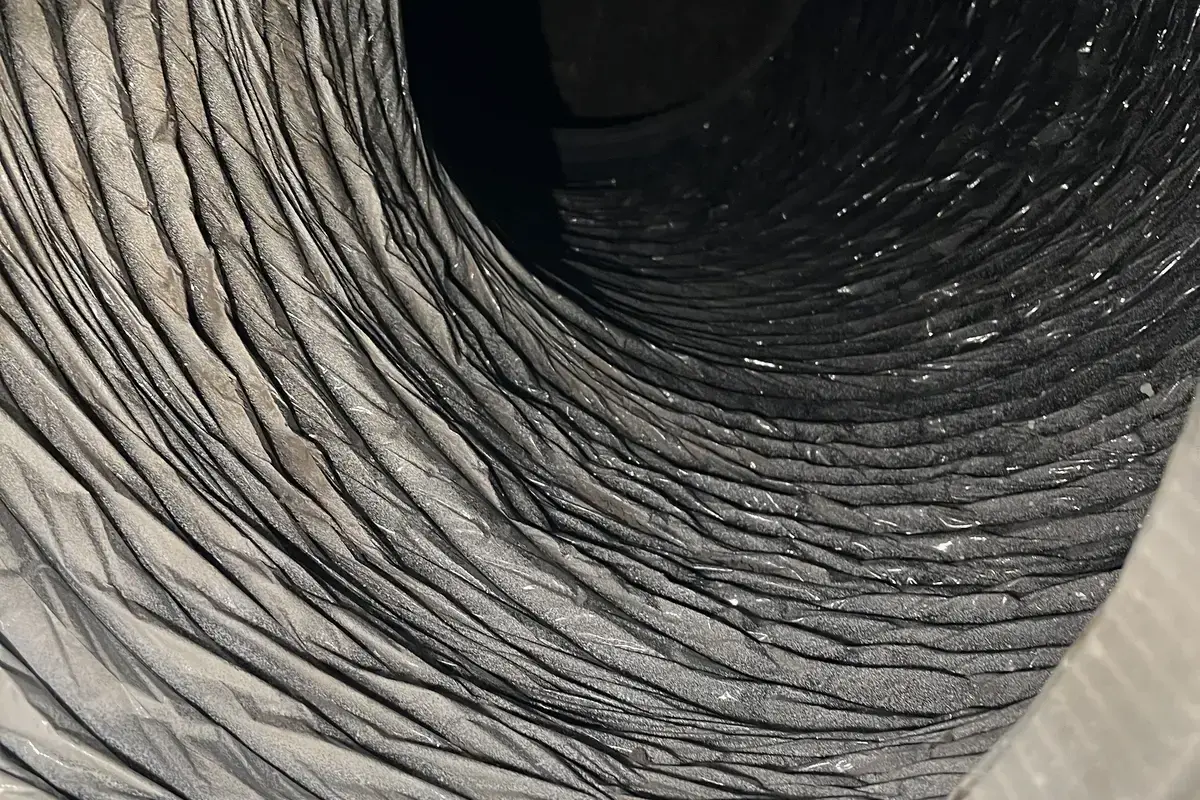
Dryer vent duct damage falls into categories that cleaning cannot fix. Crushed flex duct - where the flexible section has been compressed to less than 50% of its diameter, typically from being pinched between the dryer and the wall - reduces airflow permanently regardless of how clean the rest of the duct is. A section with an active crush must be replaced, not cleaned. A company that cleans around a crushed section and does not disclose it has not solved the fire risk.
Corroded metal duct sections are common in Austin homes more than 20 years old where the original metal duct was installed without proper moisture protection. Corrosion creates rough interior surfaces that trap lint and eventually develop holes that discharge hot, lint-laden exhaust into the wall cavity rather than outside. A professional identifies corroded sections during inspection and recommends replacement - typically straightforward for accessible sections but more complex when the duct runs inside a wall.
Ask before booking: 'If you find crushed sections or damaged duct during the service, what happens?' The answer should include: disclosure before proceeding, a separate quote for any replacement sections, and confirmation that the repair (if needed) is done before the cleaning is completed. A company that says 'we just clean, we do not do repairs' is not wrong - but you should understand going in that a cleaning-only service may not be sufficient if your ductwork has condition issues.
Red Flags to Recognize Before Booking
Door-to-door or unsolicited offer pricing - particularly '$49 dryer vent cleaning' or '$79 whole-house special' offers from companies you have never heard of - is consistently associated with bait-and-switch pricing. The initial price covers an inspection; every subsequent finding (lint, restriction, bird nest, long vent) becomes an upsell. The final bill is often $300-$500 for work that was never quoted or authorized.
No visible equipment in the truck is a practical red flag at the time of arrival. Rotary brush equipment is bulky - a 50-foot kit with drill, rod sections, and brushes is roughly the size of a large toolbox. A technician who arrives with only a vacuum and no brush equipment either does not use brushes or has left them in the truck. Before they start, ask to see the brush system. A professional will show you without hesitation.
Pressure to decide or sign during the visit without reviewing pricing is a sales tactic rather than a service approach. A legitimate dryer vent cleaner provides a written quote (or at minimum a verbal quote with a range) before starting work, and does not require you to agree to additional services during the visit under time pressure. Any company that creates urgency - 'I can give you the special price only if you book today' - is using sales pressure to override your decision-making process, which is incompatible with the transparent safety service this work should be.
Air Central's Dryer Vent Cleaning Process
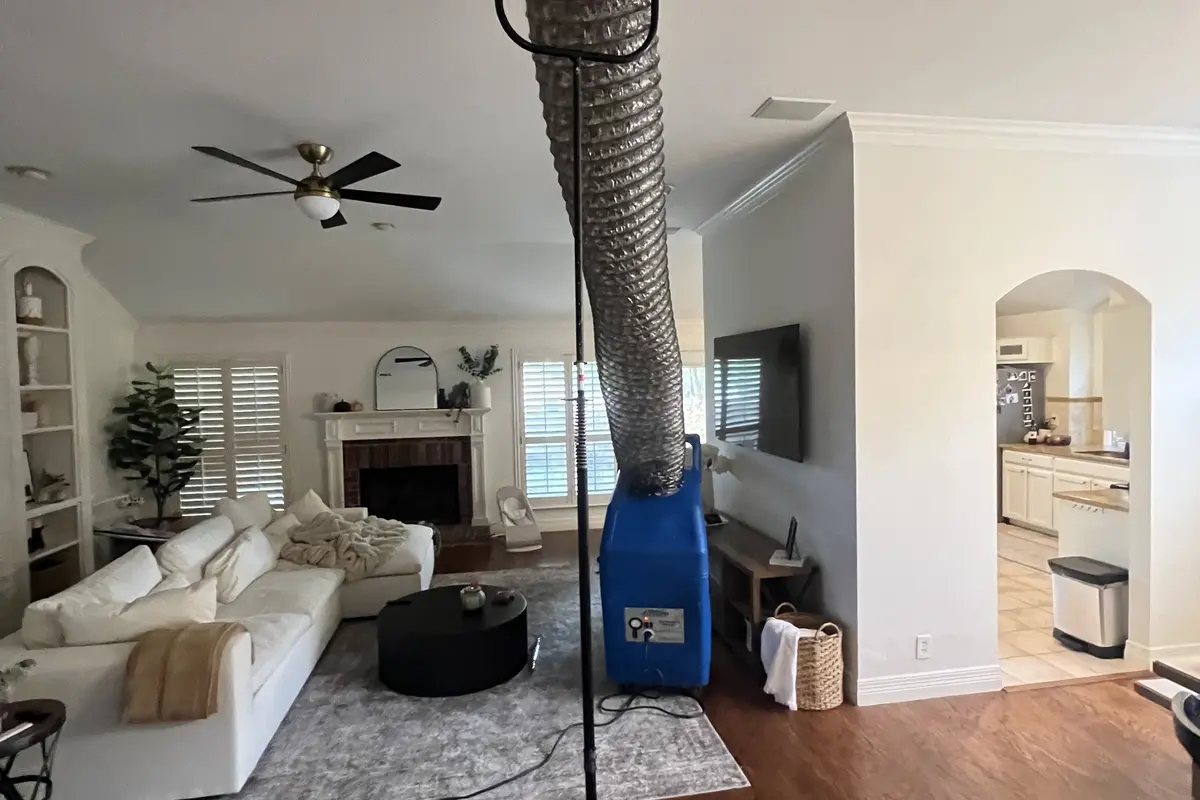
Air Central uses a rotary brush system with flexible rod sections that reach the full vent run regardless of length - including the 25-35 foot runs common in Round Rock, Cedar Park, and Leander two-story homes. The process begins with a visual inspection of the exterior cap and a measurement of the vent run. If there is a bird nest or significant obstruction near the cap, we disclose it and provide a separate quote before proceeding.
If we find crushed sections, corroded duct, or a vent run that exceeds code-compliant length and requires a booster fan, we disclose it in writing with a separate quote - we do not proceed with repairs without your authorization.
Nessi Ziv, owner of Air Central: 'The most common problem we find in Austin dryer vents is not the lint - it is the duct configuration. Production builders in Cedar Park and Round Rock frequently install 30-35 foot vent runs with three or four elbows to reach a roof cap, often exceeding the 25-foot IRC equivalent limit without a booster fan. The dryer runs longer and hotter trying to push exhaust through that run, which accelerates lint buildup. We catch this on inspection and explain the options - cleaning plus a booster fan, or a duct reroute if the layout allows. Most homeowners do not know this is a problem until we show them.' Call (512) 601-4451 to schedule your service - we bring the equipment and the expertise to give you a complete result.
Related Services
Learn more about our professional services related to this topic:
- Dryer Vent Cleaning - Clear lint buildup to prevent fires and cut drying time in half.
Want the full picture?
Read our complete guide: Dryer Vent Cleaning in Austin: The Complete Safety Guide (2026) →
Have questions about dryer vent safety? Our team is available 7 days a week. Call us at (512) 601-4451 or visit our contact page.