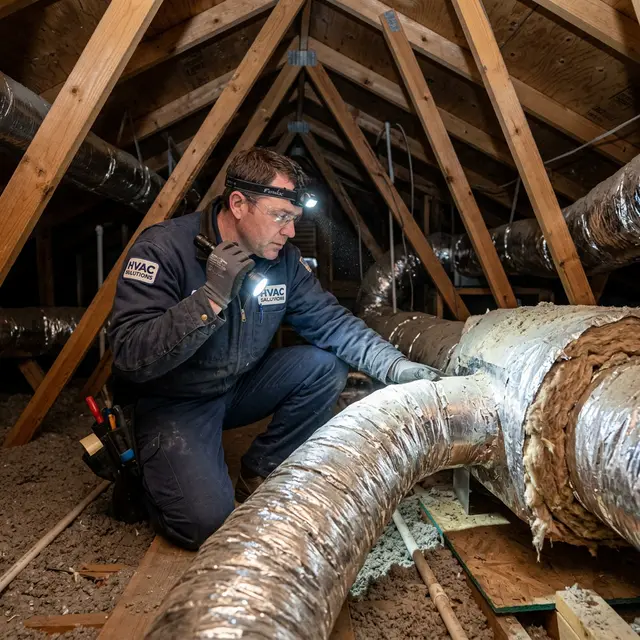
The average HVAC system lasts 15-20 years, but in Austin's extreme heat, where systems run 8-10 months per year, expect closer to 12-17 years for air conditioners and 15-20 years for furnaces. Proper maintenance - including regular duct cleaning, filter changes, and annual tune-ups - can extend lifespan by 3-5 years.
Average HVAC Lifespan in Austin
National averages say 15-20 years for a central air conditioning system and 15-25 years for a gas furnace. Austin homeowners should expect the lower end of those ranges for their AC units. The reason is simple - your air conditioner works harder here than almost anywhere else in the country. Austin averages 110+ days per year above 90 degrees, and summer peaks routinely hit 105-110. Your compressor does not get the seasonal breaks that systems in milder climates enjoy.
Furnaces last longer in Austin because they run far less. Most Austin furnaces operate only 2-3 months per year during cold fronts. The heat exchanger, burner, and blower motor accumulate far fewer operating hours than the same components in a Minneapolis or Chicago home. If your furnace was properly installed and maintained, 20+ years is realistic.
Factors That Shorten HVAC Life in Austin
Oversized systems are one of the biggest lifespan killers in Austin homes, and they are surprisingly common. An oversized AC cools the house too quickly, shutting off before it has run long enough to remove humidity or reach steady-state operation. This short-cycling puts extra wear on the compressor - the most expensive component in the system - because each startup draws significantly more current than continuous running.
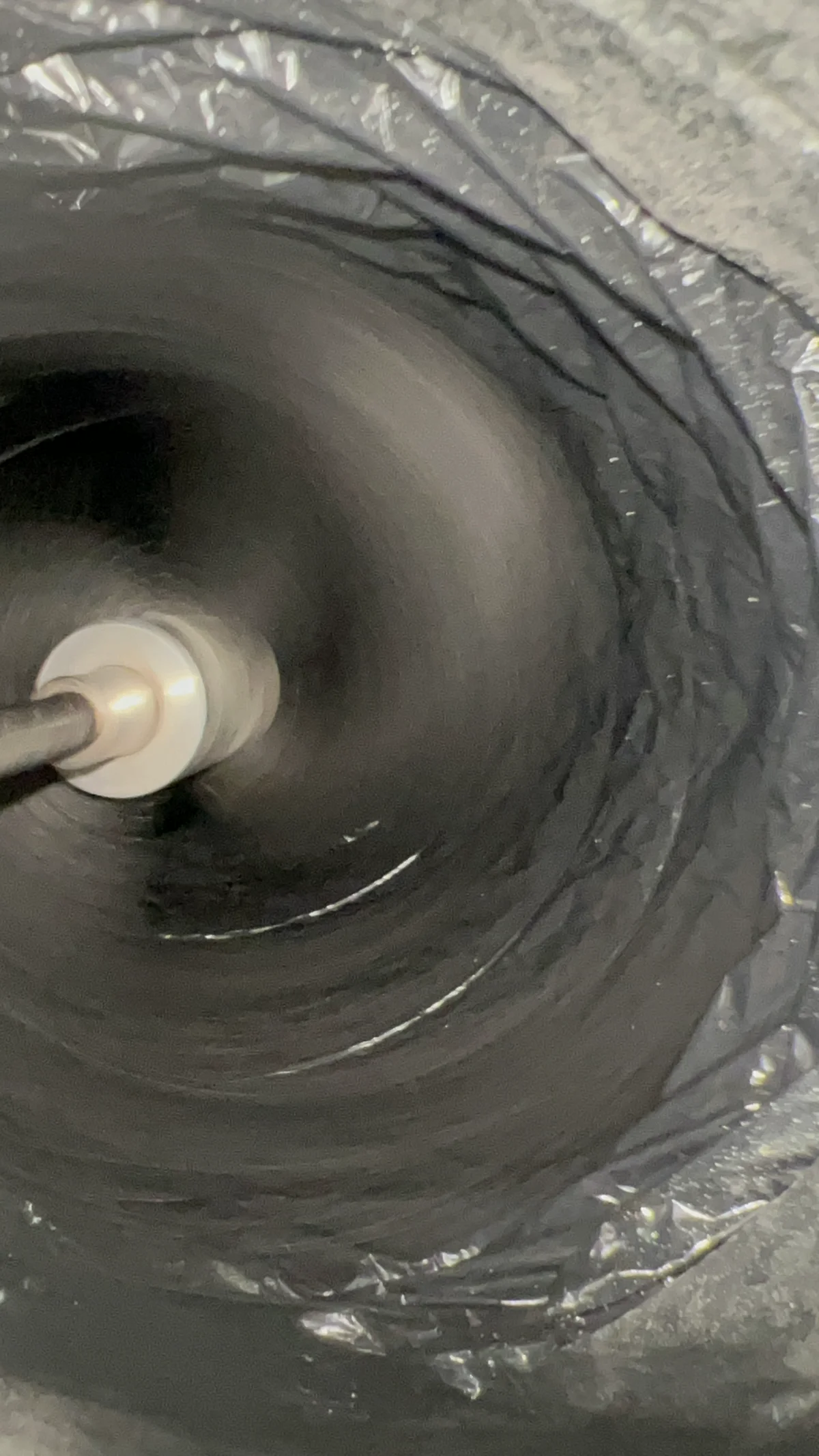
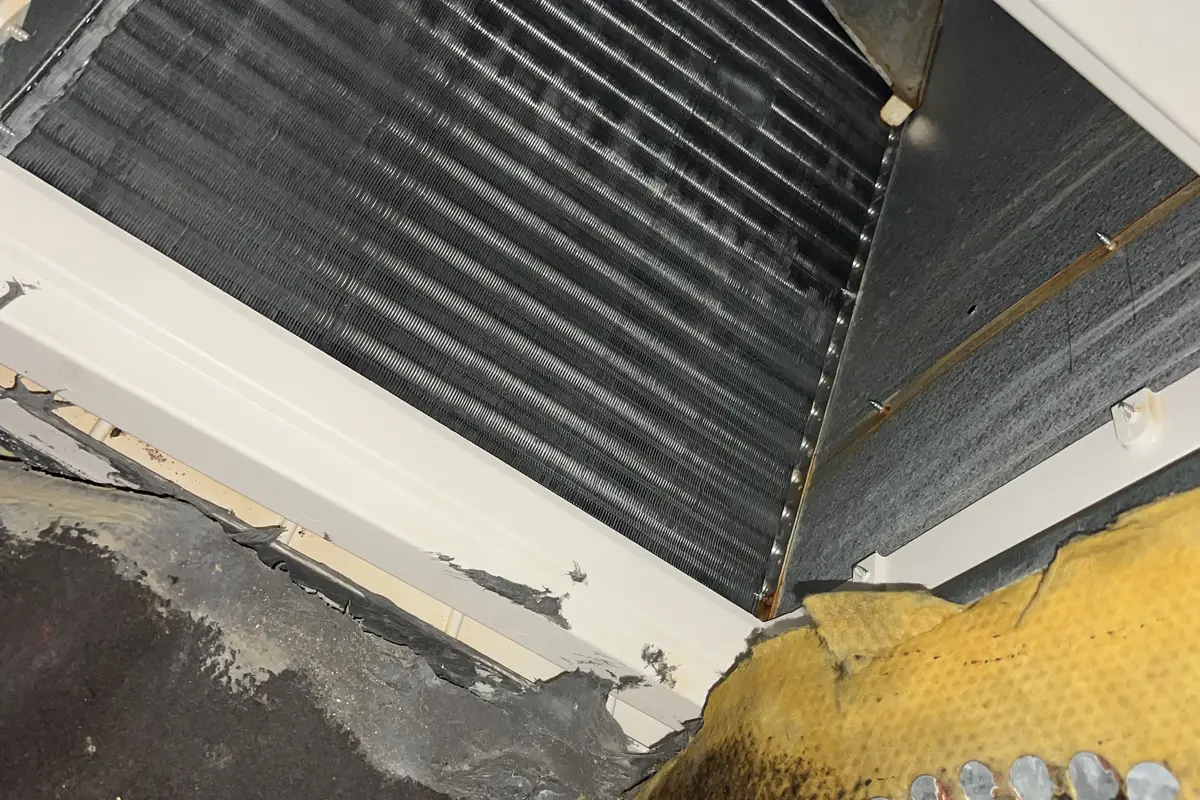
Dirty ductwork forces your system to work harder. When supply and return ducts are clogged with years of dust, cedar pollen, pet dander, and construction debris, airflow drops. The system compensates by running longer cycles, which means more operating hours, higher electricity consumption, and accelerated wear on the blower motor and compressor. Regular duct cleaning keeps airflow unrestricted and reduces strain on the system.
Skipping annual maintenance is the most common way homeowners accidentally shorten their system's life. Low refrigerant, dirty coils, worn capacitors, and failing contactors all force the system to work harder than designed. A routine annual tune-up catches these issues early and prevents the compounding damage that turns a minor part failure into a $5,000 compressor replacement.
Signs Your System Is Reaching End of Life
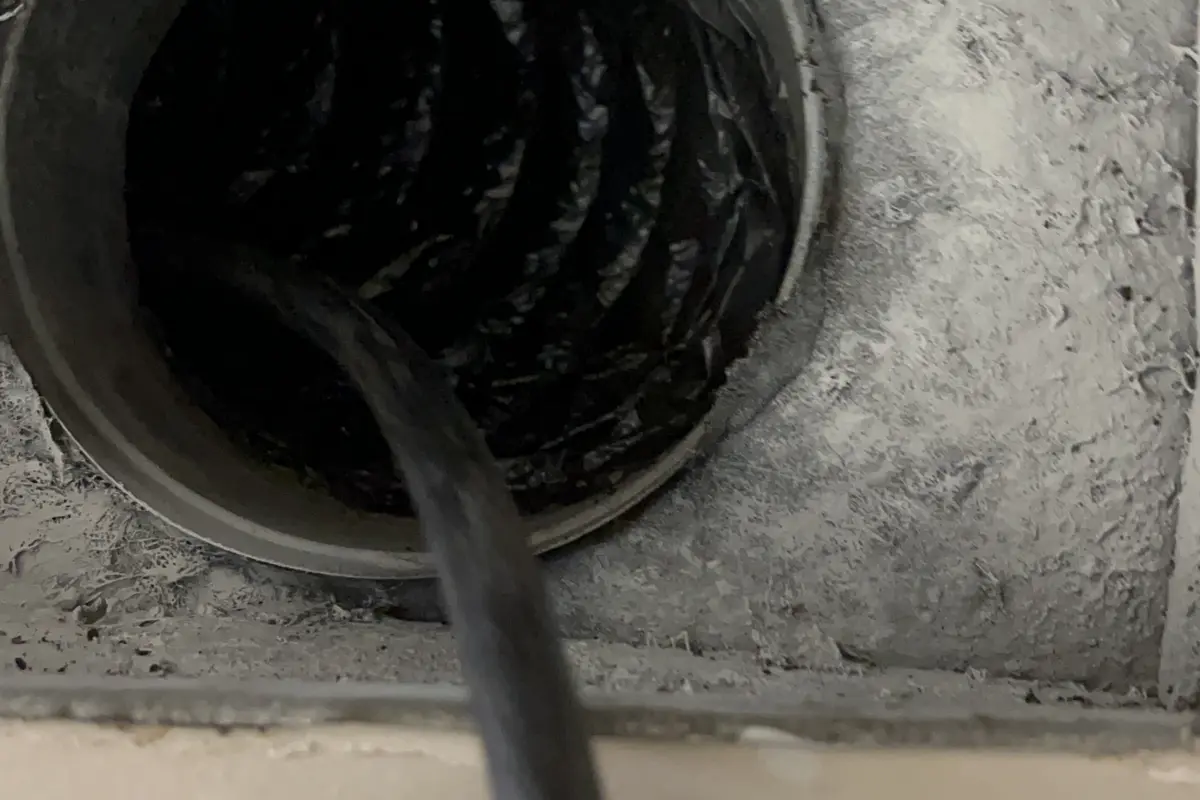
Frequent repairs are the clearest sign. The rule of thumb is if a single repair costs more than 50% of a new system, or if you have needed more than two repairs in the past 12 months, replacement usually makes more financial sense than continuing to fix an aging unit. After year 12-15 in Austin, component failures tend to accelerate as multiple parts reach their wear limits simultaneously.
Rising energy bills with no change in usage patterns indicate declining efficiency. As systems age, they lose efficiency gradually - a unit rated at 16 SEER when new might be operating at 10-12 SEER after 15 years of Austin summers. Modern systems rated at 16-20+ SEER can cut cooling costs by 30-40% compared to an aging unit.
Uneven temperatures, excessive dust, unusual noises, and frequent cycling are all signs of a system struggling to keep up. If your AC runs constantly during 100-degree days but cannot maintain your thermostat setting, the system has likely lost enough capacity that replacement is the most cost-effective path forward.
Just Moved In? Start Here.
We help new Austin homeowners understand their HVAC system with honest assessments and straightforward recommendations.
Call (512) 601-4451Rate your home's indoor air quality in 2 minutes
How Maintenance Extends HVAC Lifespan
The single most impactful thing you can do is change your filter on schedule. A clogged filter restricts airflow, raises operating temperatures, and forces every component to work harder. In Austin's heavy-use environment, check your filter monthly and replace it every 60-90 days at minimum.
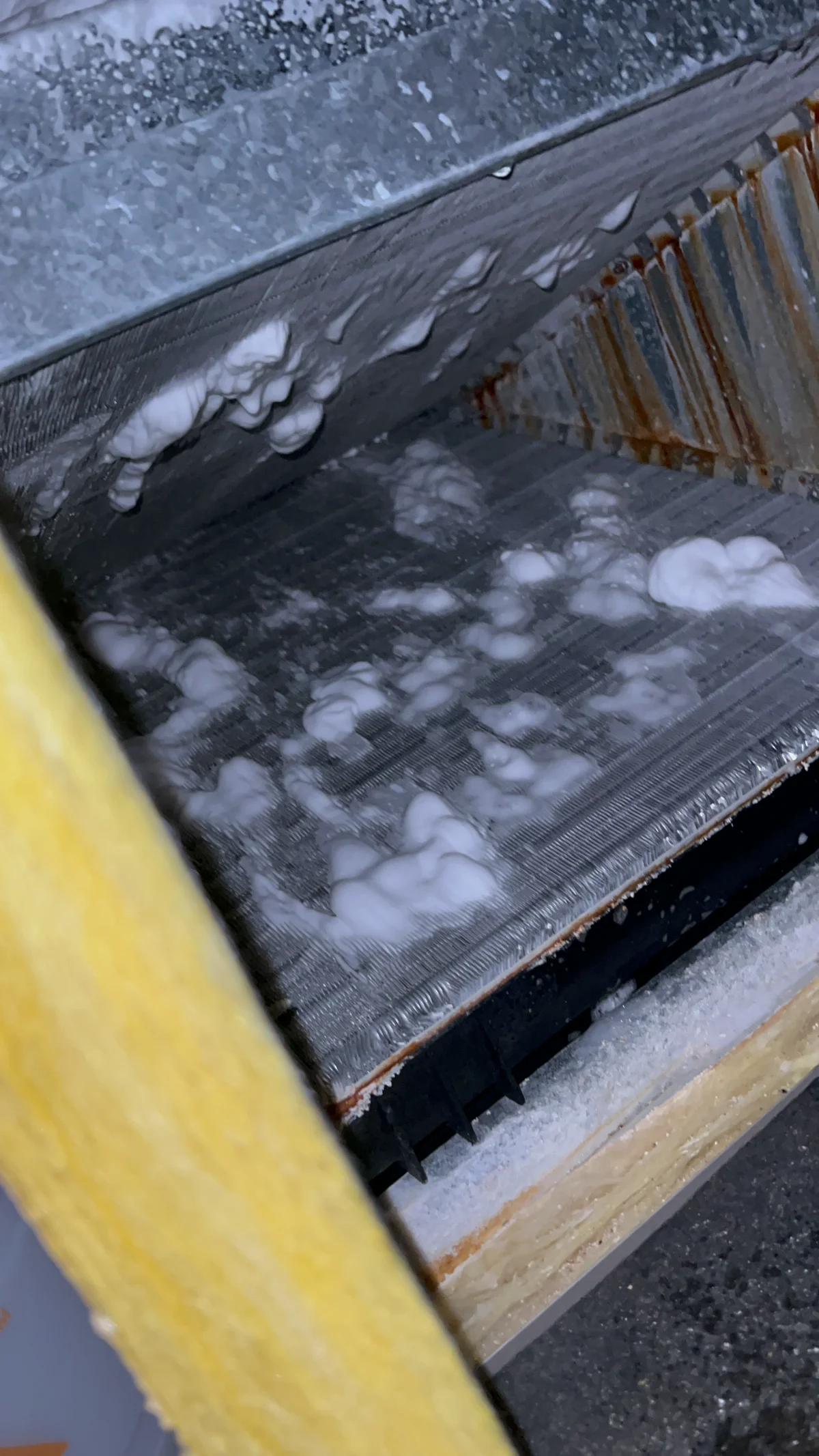
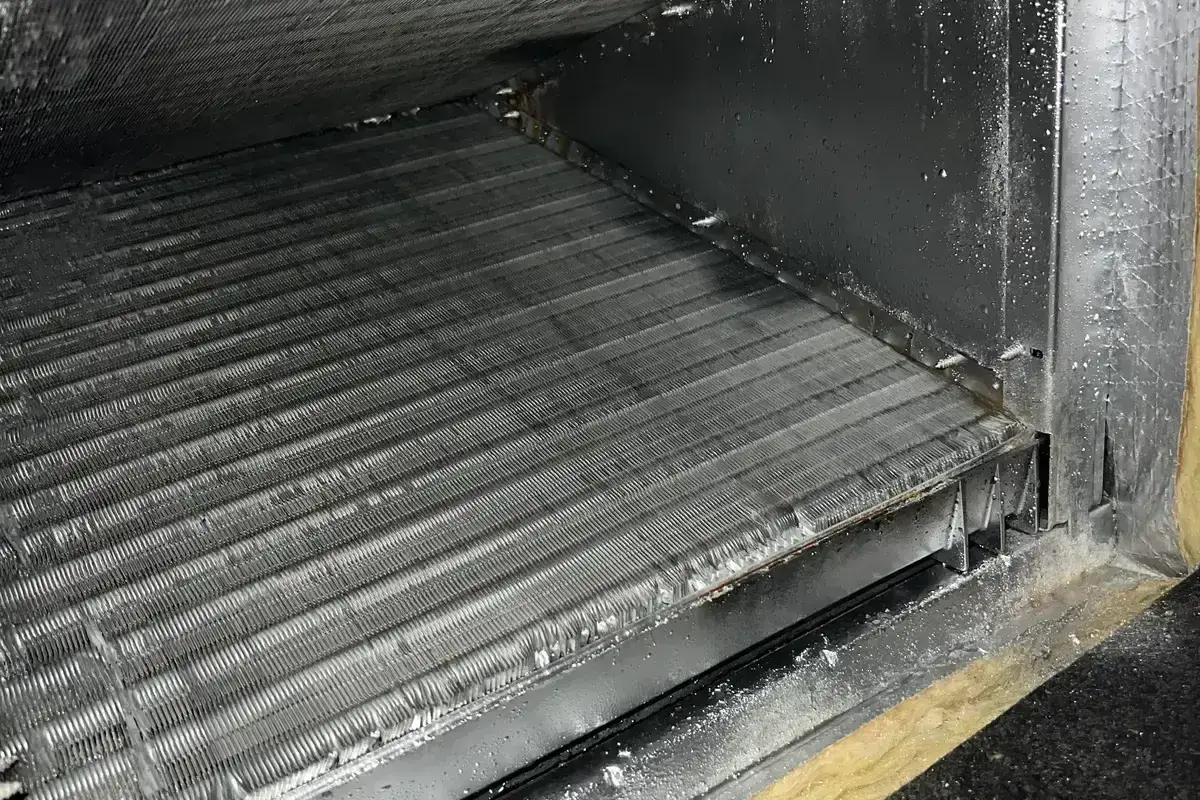
Professional duct cleaning every 3-5 years removes accumulated debris that restricts airflow and contaminates the evaporator coil. Clean ducts mean unrestricted airflow, which means your system runs shorter cycles at designed capacity instead of grinding through long cycles against restricted returns.
Annual professional tune-ups catch small problems before they cascade. A technician cleaning the evaporator and condenser coils, checking refrigerant levels, testing electrical connections, and lubricating moving parts keeps the system running at designed efficiency. Systems that receive annual maintenance consistently outlast neglected systems by 3-5 years in Austin's demanding climate.
Repair vs Replace: The Decision Framework
Consider your system's age, repair history, current efficiency, and the cost of the needed repair. If your system is under 10 years old and the repair is under $1,000, repair is almost always the right call. Between 10-15 years, weigh the repair cost against the efficiency gains of a new system. After 15 years in Austin, lean toward replacement unless the repair is minor.
New systems also offer features that older units lack - variable-speed compressors, smart thermostat integration, improved dehumidification, and significantly higher SEER ratings. The energy savings alone can offset a meaningful portion of the replacement cost over 5-7 years, especially with Austin's electricity rates and extreme cooling demands.
Related Services
Learn more about our professional services related to this topic:
- Air Duct Cleaning - Remove dust, allergens, and debris from your entire HVAC system for cleaner indoor air.
- Air Duct Inspection - Diagnose leaks, blockages, and efficiency issues with HD camera inspection.
- Dryer Vent Cleaning - Clear lint buildup to prevent fires and cut drying time in half.
- Chimney Sweep & Repair - Professional cleaning and 21-point safety inspection for your fireplace.
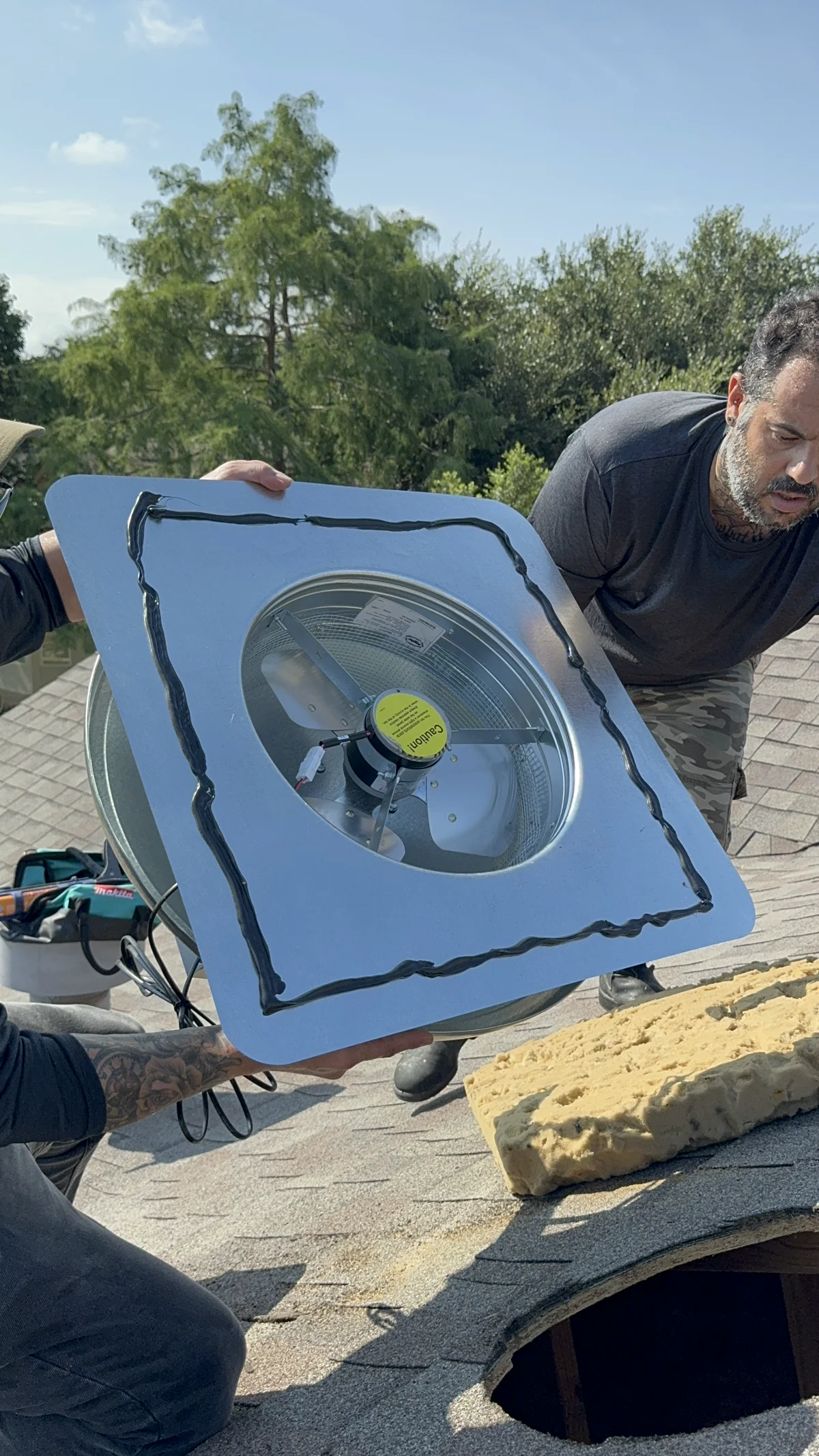
- Solar Fan Installation - Solar-powered attic ventilation that cuts cooling costs naturally.
Want the full picture?
Read our complete guide: First-Time Homeowner's Complete HVAC Guide for Austin (2026) →Have questions about homeowner education? Our team is available 7 days a week. Call us at (512) 601-4451 or visit our contact page.