Duct condensation happens when warm, humid air contacts cold duct surfaces or vent registers. In Austin's 67% average humidity, this is common. Causes include poor duct insulation, oversized AC systems, and high indoor humidity. Minor sweating on registers is cosmetic, but persistent condensation causes water damage, insulation degradation, and biological growth. Call (512) 601-4451 if you see water stains near vents or persistent dripping.
Why Ducts Sweat in Austin
Condensation forms when warm, humid air contacts a surface that is below the dew point temperature. Your ductwork carries air at 55-60 degrees through an attic that reaches 140 degrees in summer. The exterior surface of the duct is cold relative to the surrounding attic air. When that attic air holds enough moisture - and in Austin, it usually does - water condenses on the duct exterior just like it does on a cold glass of water on a humid day.
Austin averages 67% relative humidity year-round, with summer morning readings regularly hitting 80-90%. The attic environment is even more humid than the outdoor reading suggests because moisture migrates upward from the living space through ceiling penetrations, recessed lights, attic hatches, and any gap in the ceiling plane. All of this moisture-laden air surrounds your cold ductwork and creates ideal conditions for condensation.
The same physics apply at your vent registers inside the house. Cold air blowing from a supply vent cools the register face and the surrounding ceiling or wall surface. When indoor humidity is high - above 55% relative humidity - condensation forms on the register grille and can drip onto walls, floors, or furniture below. This is especially common in bathrooms, kitchens, and rooms without adequate dehumidification.
Causes of Excessive Duct Condensation
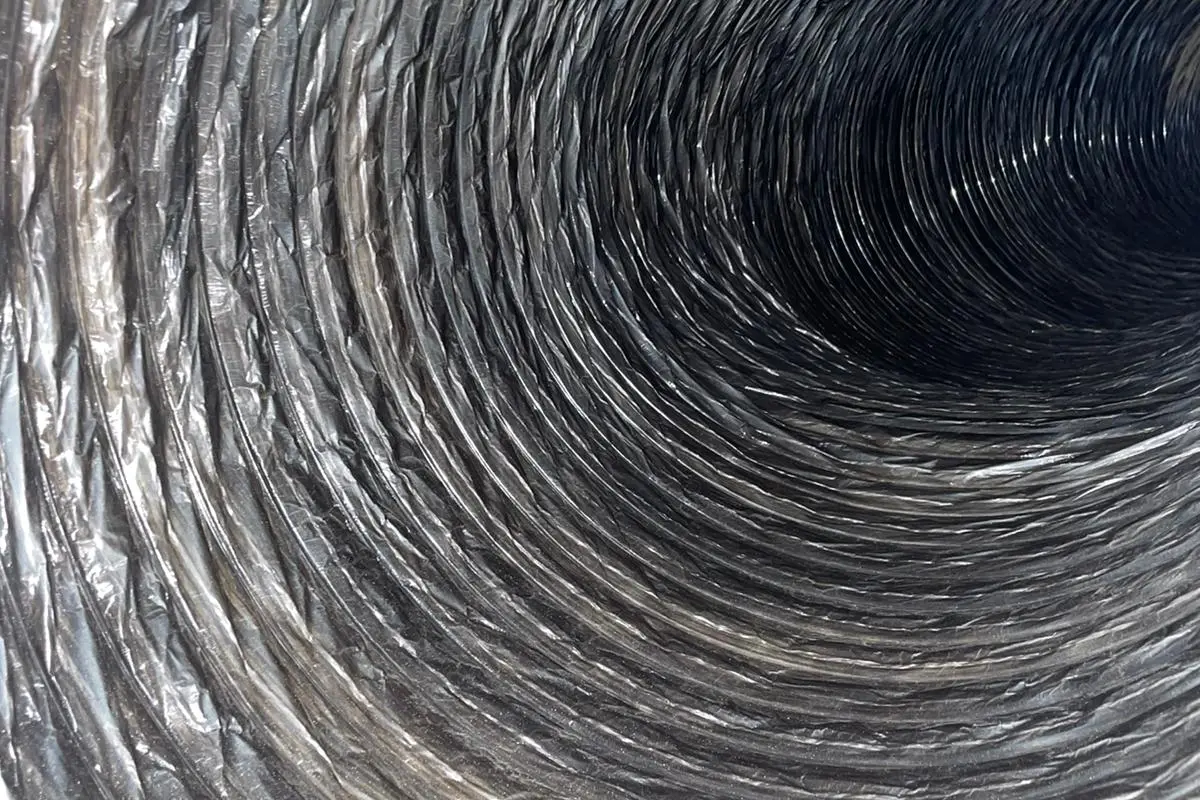
Poor duct insulation is the number one cause. Ductwork in Austin attics needs a minimum of R-6 insulation to prevent condensation in normal humidity conditions. Many older homes have R-4.2 or lower, and insulation that has slipped, compressed, or degraded over 15-20 years of attic heat exposure may be providing even less effective thermal resistance. When duct insulation is inadequate, the cold duct surface is exposed to warm, humid attic air, and condensation is inevitable.
Oversized AC systems cause a related problem. A system that is too large for the home cools the air too quickly, running in short cycles (5-10 minutes on, then off). Short cycles cool the air but do not run long enough to remove adequate moisture. The result is cold supply air blowing into a house with high humidity - the perfect recipe for condensation at every register. Oversized systems are common in Austin homes where the original HVAC was spec'd too aggressively by the builder or a previous owner.
High indoor humidity from other sources compounds the problem. Poor bathroom ventilation, cooking without range hood exhaust, multiple occupants, indoor plants, and even a damp crawl space or slab moisture issue can elevate indoor humidity above the 50% threshold where condensation becomes likely. In Austin's climate, the AC alone often cannot control humidity if these other sources are adding significant moisture to the indoor air.
Disconnected or damaged ductwork in the attic can also cause condensation problems. If a flex duct connection has pulled loose, cold air leaks into the attic space around the disconnection point, rapidly cooling attic surfaces and causing localized heavy condensation that can drip onto the ceiling below.
When Condensation Is Harmless vs Dangerous
Light condensation on vent registers during the hottest, most humid days of summer is normal in Austin. If a register shows light moisture that evaporates within an hour of the AC cycling off, and there are no stains or drips, this is cosmetic and not cause for concern. Wiping the register dry is sufficient.
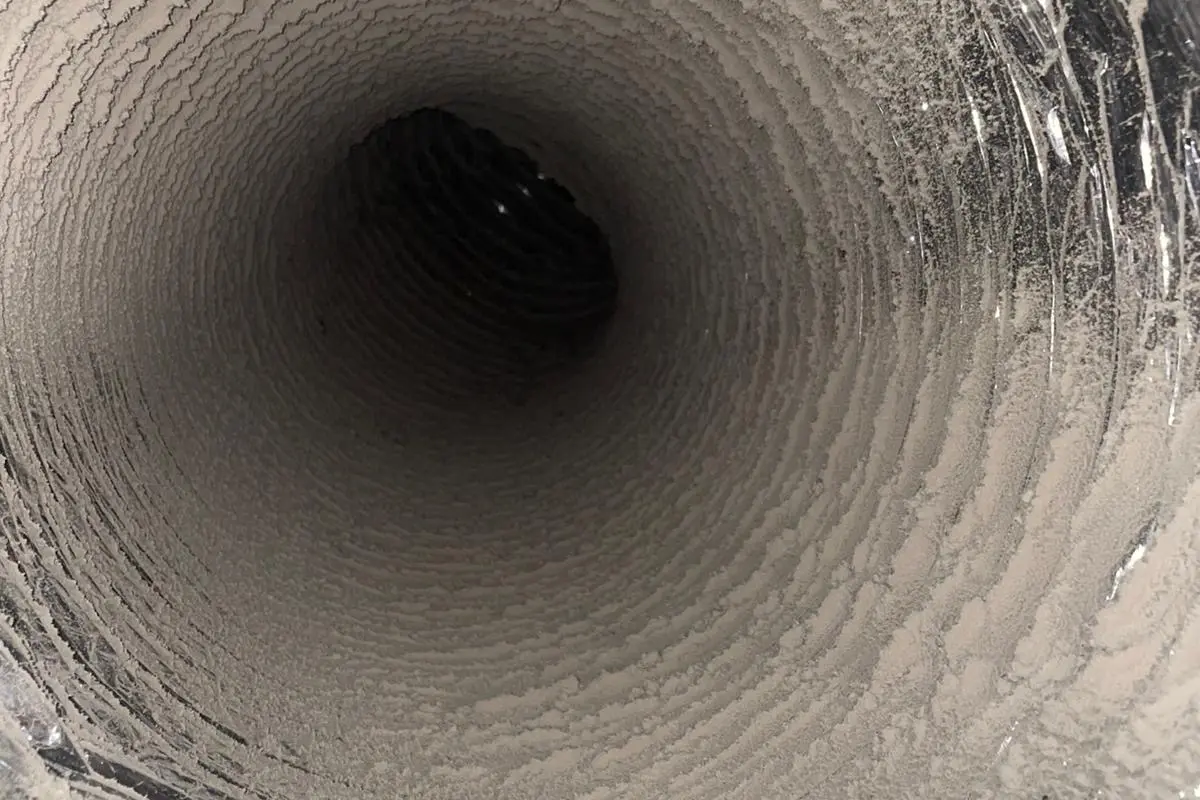
Persistent condensation that drips from registers, creates water stains on ceilings or walls, or leaves standing water on surfaces is a problem that needs attention. This level of moisture causes paint peeling, drywall damage, wood rot in framing, and creates conditions for biological growth. Water stains near vents that grow over time indicate an ongoing condensation problem that will worsen without intervention.
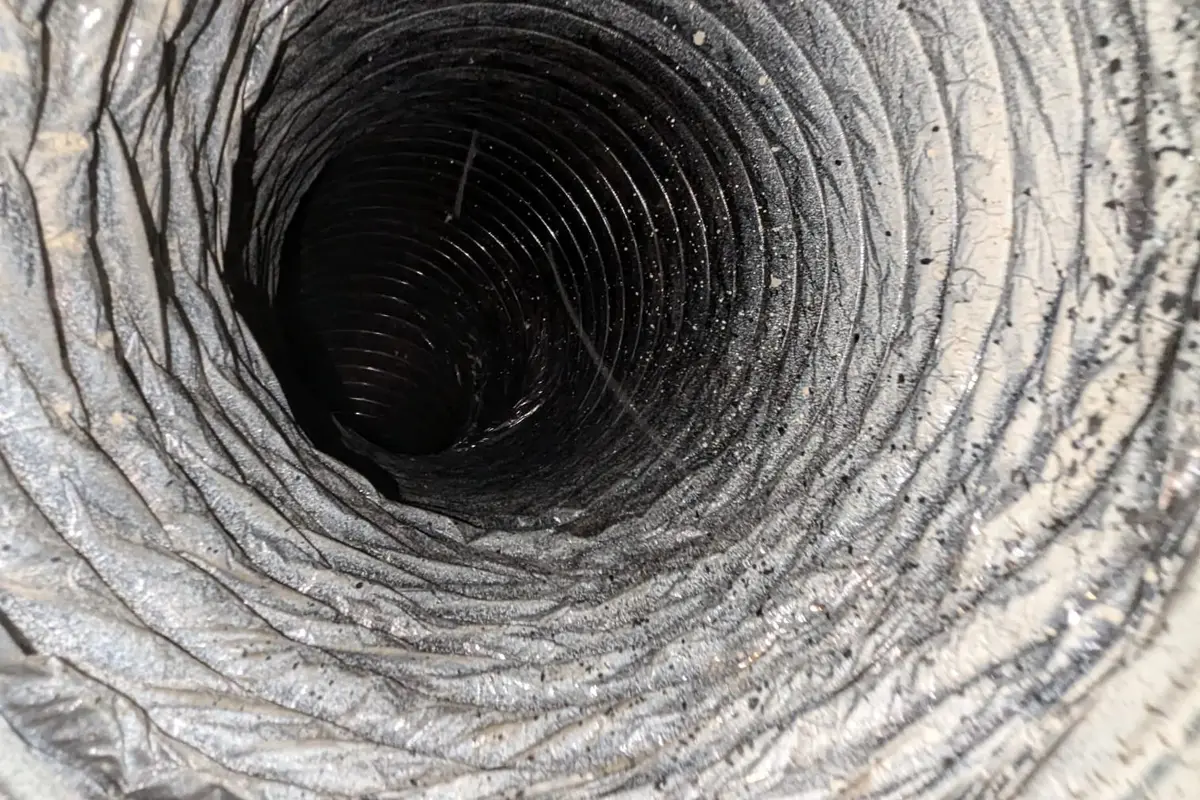
Condensation on ductwork in the attic is a serious concern even if you cannot see it from the living space. Water dripping from duct exteriors soaks into attic insulation below, reducing its R-value and creating damp conditions. Wet insulation loses most of its thermal performance and does not recover even after drying. Over time, chronic duct condensation in the attic can destroy hundreds of dollars worth of insulation and create conditions favorable to biological growth on the duct exterior and surrounding materials.
Just Moved In? Start Here.
We help new Austin homeowners understand their HVAC system with honest assessments and straightforward recommendations.
Call (512) 601-4451Rate your home's indoor air quality in 2 minutes
Fixes for Duct Condensation
Improving duct insulation is the most direct fix. Upgrading attic ductwork from R-4.2 to R-6 or R-8 insulation reduces the temperature difference between the duct surface and the surrounding air, raising the surface temperature above the dew point. This can be done by adding insulation wrap over existing ductwork or by replacing damaged and degraded insulation. For metal ductwork with no insulation, adding R-6 duct wrap eliminates the problem entirely in most cases.
Controlling indoor humidity addresses condensation at registers. If indoor humidity consistently exceeds 55%, consider: running bathroom exhaust fans for 30 minutes after showers, using a ducted range hood while cooking, checking the AC condensate drain for partial clogs (a slow drain reduces dehumidification), and adding a whole-home dehumidifier if the AC cannot maintain humidity below 50%. A hygrometer in a central hallway tells you exactly where your humidity stands.
Proper AC sizing solves the short-cycling problem. If your system is oversized - cycling on for 5-8 minutes then off for 10+ minutes repeatedly - it is not dehumidifying effectively. The solution may be as simple as reducing fan speed, but significantly oversized systems eventually need replacement with properly sized equipment. A Manual J load calculation determines the correct size for your home.
Sealing duct connections in the attic eliminates cold air leaks that cause localized condensation hot spots. Mastic sealant and metal-backed tape at every joint, boot, and connection point prevents cold air from contacting uninsulated attic surfaces.
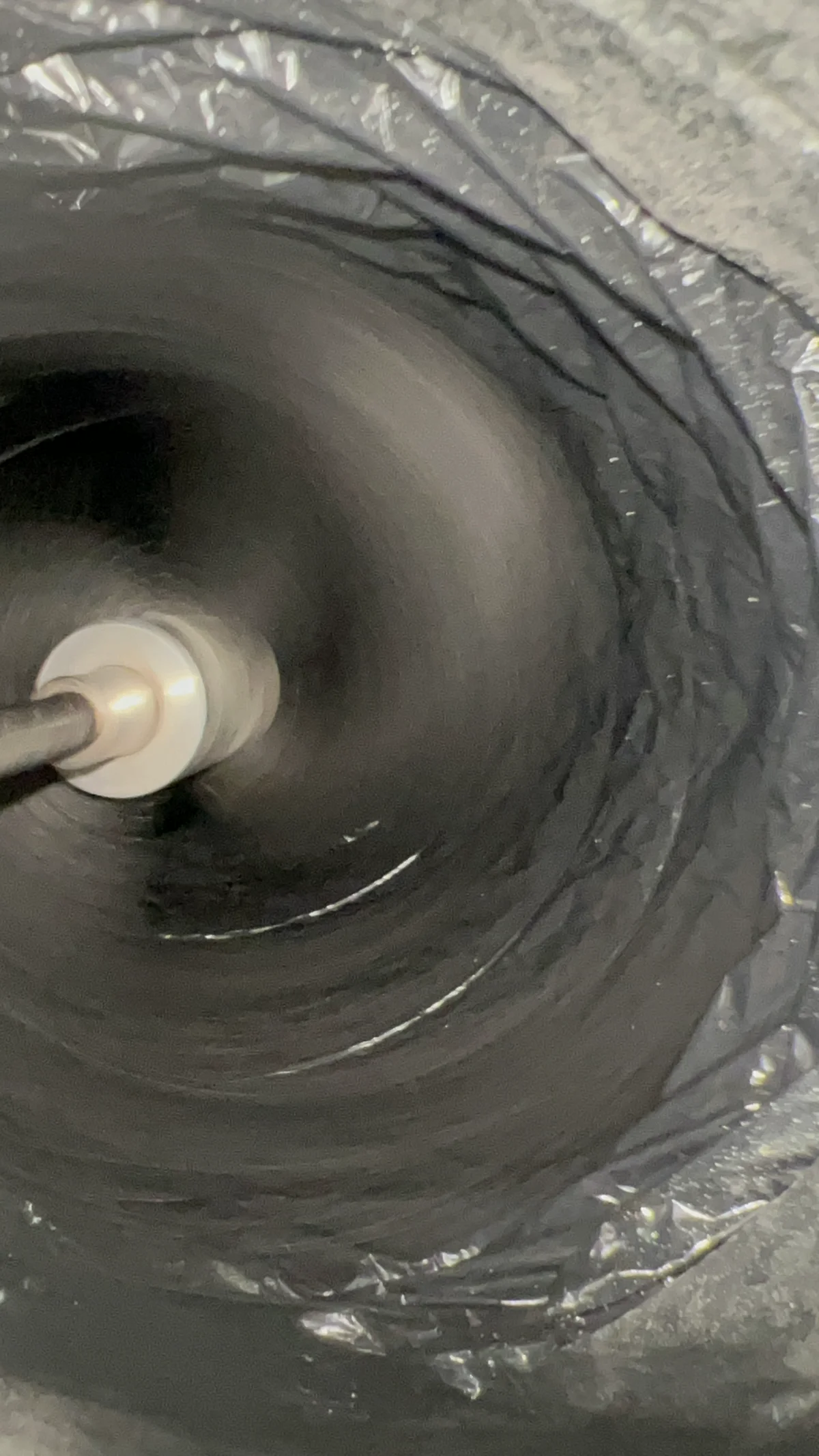
Air Central inspects ductwork for insulation gaps, connection leaks, and condensation damage. Our HD camera inspection shows exactly where the problems are, and we provide specific recommendations prioritized by impact. Call (512) 601-4451 to schedule an inspection if you are seeing water stains near vents or persistent condensation on registers.
The Ceiling Stain Question
Water stains on the ceiling near a vent register are one of the most common reasons Austin homeowners call us. The stain might be from duct condensation, but it could also indicate a roof leak, a plumbing leak from above, or a disconnected duct connection dripping condensate in the wrong place. Location matters: if the stain is directly around a register, condensation is the most likely cause. If the stain is near a vent but not centered on it, investigate other water sources.
Before painting over a water stain, identify and fix the source. A fresh coat of paint over an active moisture problem just hides the evidence while the underlying damage continues. Once the condensation source is addressed, allow the area to dry fully, apply a stain-blocking primer, then repaint. If the drywall feels soft or spongy, it may need replacement rather than cosmetic repair.
Related Services
Learn more about our professional services related to this topic:
- Air Duct Cleaning - Remove dust, allergens, and debris from your entire HVAC system for cleaner indoor air.
- Air Duct Inspection - Diagnose leaks, blockages, and efficiency issues with HD camera inspection.
- Dryer Vent Cleaning - Clear lint buildup to prevent fires and cut drying time in half.
- Chimney Sweep & Repair - Professional cleaning and 21-point safety inspection for your fireplace.
- Solar Fan Installation - Solar-powered attic ventilation that cuts cooling costs naturally.
Want the full picture?
Read our complete guide: First-Time Homeowner's Complete HVAC Guide for Austin (2026) →Have questions about homeowner education? Our team is available 7 days a week. Call us at (512) 601-4451 or visit our contact page.