Children breathe 50% more air per pound of body weight than adults, and their developing lungs are more vulnerable to airborne contaminants. Dirty air ducts circulate dust, mold spores, allergens, and bacteria that contribute to respiratory infections, allergy development, asthma attacks, sleep disruption, and missed school days. Clean ducts are a practical step to protect children's health. Call (512) 601-4451 for inspection.
Why Children Are More Vulnerable
Children have higher respiratory rates than adults (20-30 breaths per minute vs 12-20 for adults). They breathe approximately 50% more air per pound of body weight. Their lungs are still developing, with lung tissue continuing to mature until approximately age 18. Their immune systems are not fully developed until age 7-8. All of these factors mean that contaminated indoor air affects children more significantly than adults exposed to the same conditions.
Children also spend more time on or near the floor, where heavier particles settle. In homes with floor-level supply vents, children playing on the floor receive the highest concentration of duct-distributed particulates. Infants crawling near vents are exposed to particles that adults at standing height may not encounter at the same concentration.
Measurable Health Impacts
Research published in Pediatrics found that children in homes with poor indoor air quality experienced 40% more respiratory infections and 60% more missed school days compared to children in homes with good air quality. The American Academy of Pediatrics identifies indoor air pollution as a significant and modifiable risk factor for childhood respiratory disease.
Common symptoms in children exposed to contaminated ductwork: frequent colds and upper respiratory infections (more than 6-8 per year), chronic cough without other explanation, nighttime congestion and mouth breathing, morning headaches, daytime fatigue and difficulty concentrating, worsening or new-onset allergies, and asthma development or increased attack frequency in diagnosed asthmatic children.
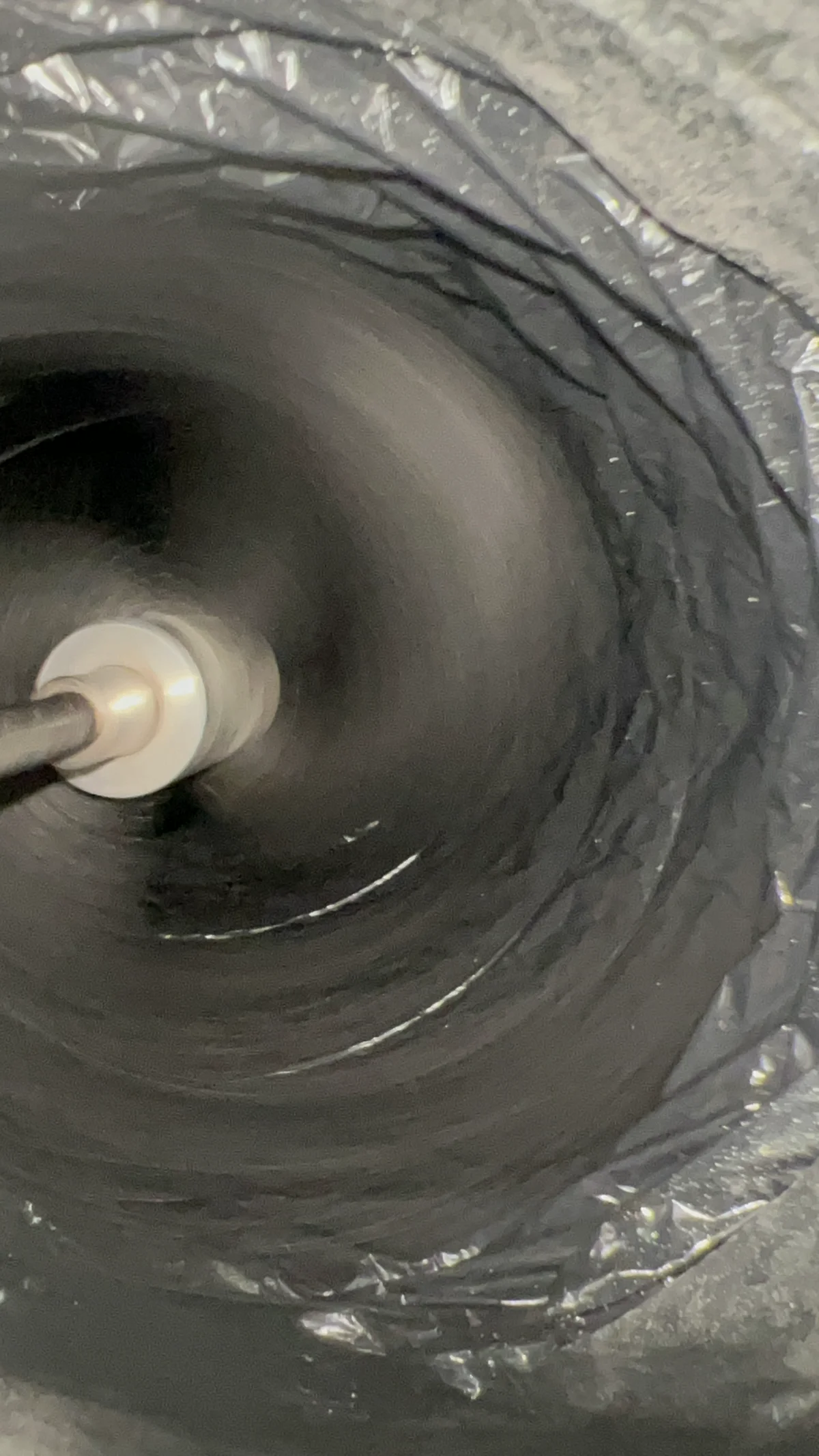
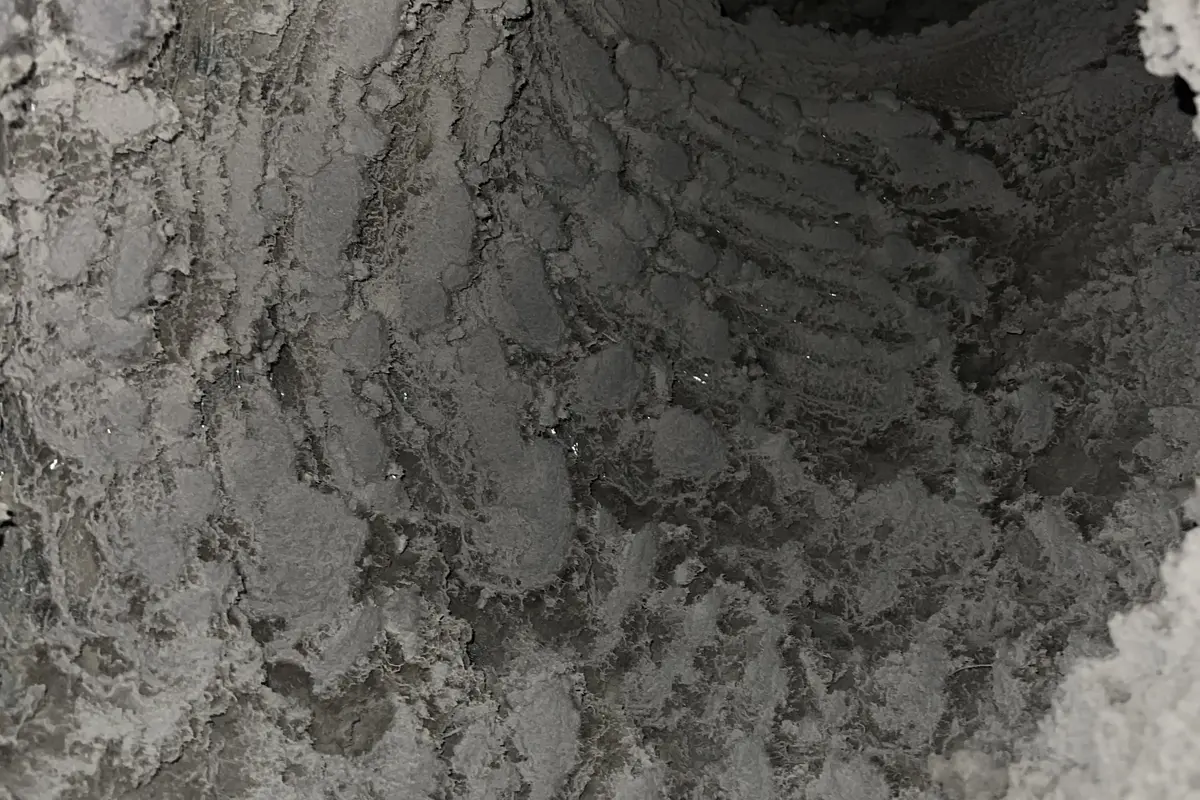
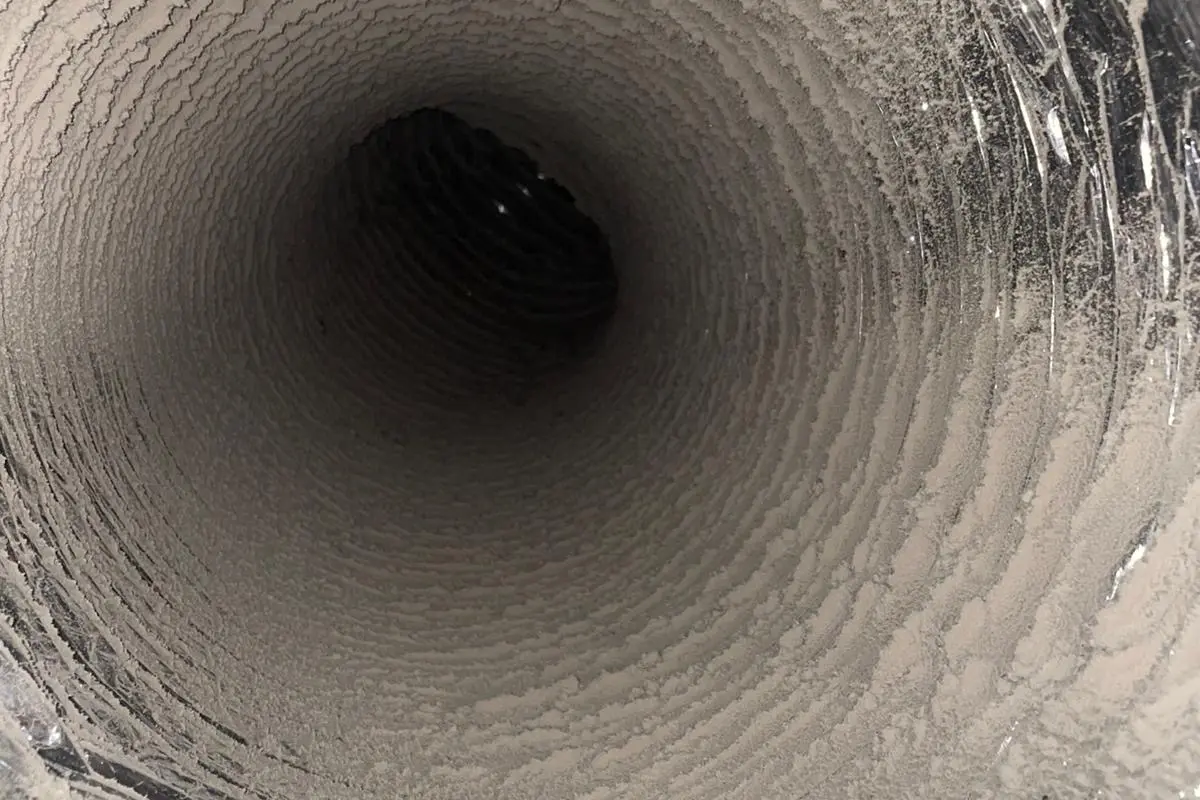
"Parents call us worried because their kids keep getting sick, and when we run the camera through the ducts, the footage speaks for itself," says Nessi Ziv, owner of Air Central. "Children breathe 50% more air per pound of body weight than adults. In a home with contaminated ductwork, they are getting a higher dose of every particle."
The EPA estimates that Americans spend approximately 90% of their time indoors, and children spend an even higher proportion indoors during school and sleep hours. For a child who sleeps 10 hours per night and spends another 6-8 hours at home during evenings and weekends, that is 16-18 hours per day breathing air that has passed through the home's ductwork. Over the course of a year, a child in a home with contaminated ducts inhales millions of allergen and contaminant particles that would not be present in a home with clean ducts.
Asthma development is a particular concern. The CDC reports that asthma affects approximately 6 million children in the United States, and indoor allergen exposure is a leading trigger. Studies have shown that children exposed to higher levels of indoor allergens in their first years of life are more likely to develop asthma by age 7. In Austin, where outdoor allergens like cedar pollen already challenge young respiratory systems, adding indoor allergen exposure from dirty ductwork increases the total allergen burden significantly.
The School Connection: Indoor Air and Academic Performance
Poor indoor air quality affects more than physical health - it impacts cognitive function and academic performance. A study published in the journal Indoor Air found that students in classrooms with better ventilation and air quality scored 14-15% higher on standardized tests compared to students in poorly ventilated rooms. The same principle applies at home, where children do homework, study, and sleep.
When a child breathes contaminated air from dirty ductwork, the low-grade immune response consumes energy and attention. Histamine release causes nasal congestion, which disrupts sleep quality. Poor sleep leads to daytime fatigue, reduced attention span, and difficulty concentrating on schoolwork. The connection is not always obvious because the symptoms develop gradually - parents may attribute poor sleep or lack of focus to behavioral issues rather than air quality.
Austin ISD reports that respiratory illness is among the top reasons for student absences. Each missed school day means missed instruction, and research shows that students who miss more than 10 days per year are significantly less likely to meet reading benchmarks. Reducing indoor allergen exposure from contaminated ductwork is one practical step that can reduce the frequency of respiratory illness and the school days lost to it.
Creating a clean-air study environment is straightforward: ensure the supply vent in the child's bedroom and study area is clean and unobstructed, keep the door open when the HVAC runs to allow proper air circulation through the return, and maintain the duct system on a 2-3 year cleaning schedule. These small steps support both respiratory health and the academic performance that depends on it.
Just Moved In? Start Here.
We help new Austin homeowners understand their HVAC system with honest assessments and straightforward recommendations.
Call (512) 601-4451Rate your home's indoor air quality in 2 minutes
Nurseries and Newborns: Start Before They Arrive
Newborns breathe at twice the rate of adults per pound of body weight and their immune systems are not fully developed. The American Academy of Pediatrics recommends improving indoor air quality before the baby arrives. The most effective step: schedule duct cleaning during the third trimester so the home's air is clean before the infant begins breathing it. For a complete nursery air quality checklist including crib placement, humidity targets, and filter recommendations, see our detailed guide: Indoor Air Quality for Babies: Austin Parents' Nursery Guide.
Creating a Healthier Air Environment for Your Kids
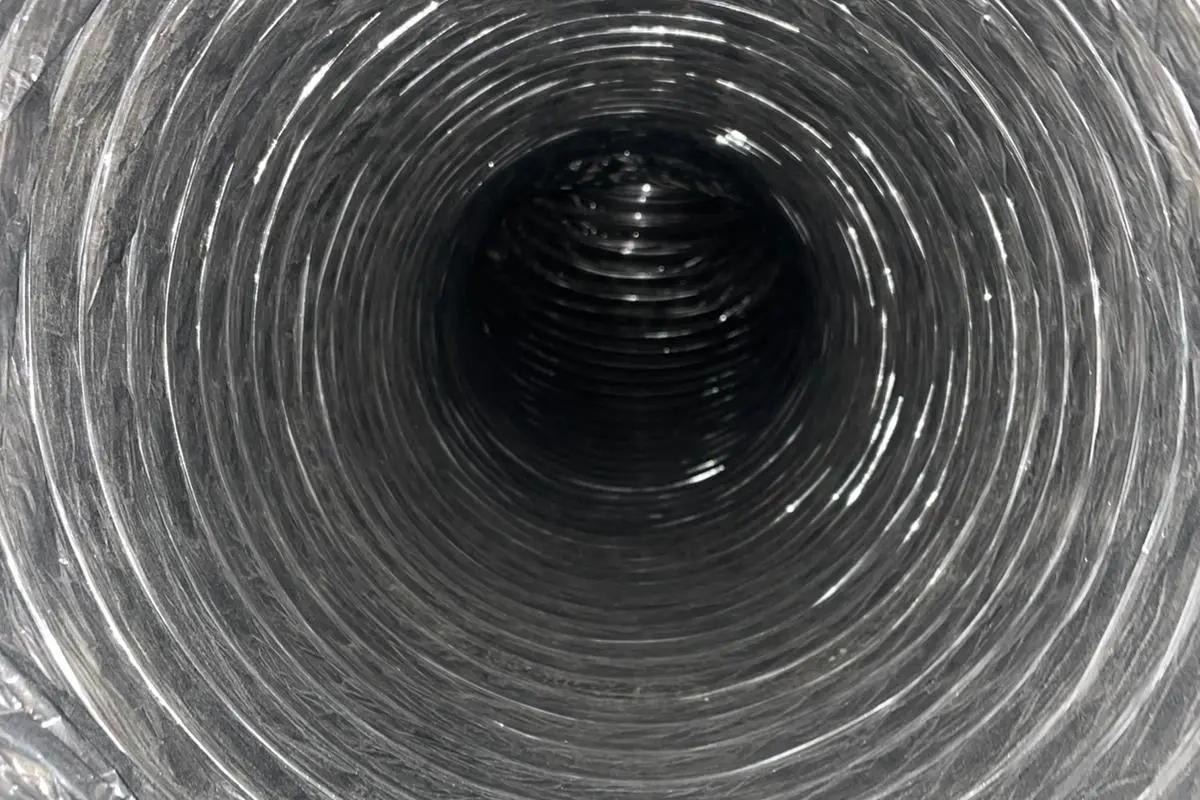
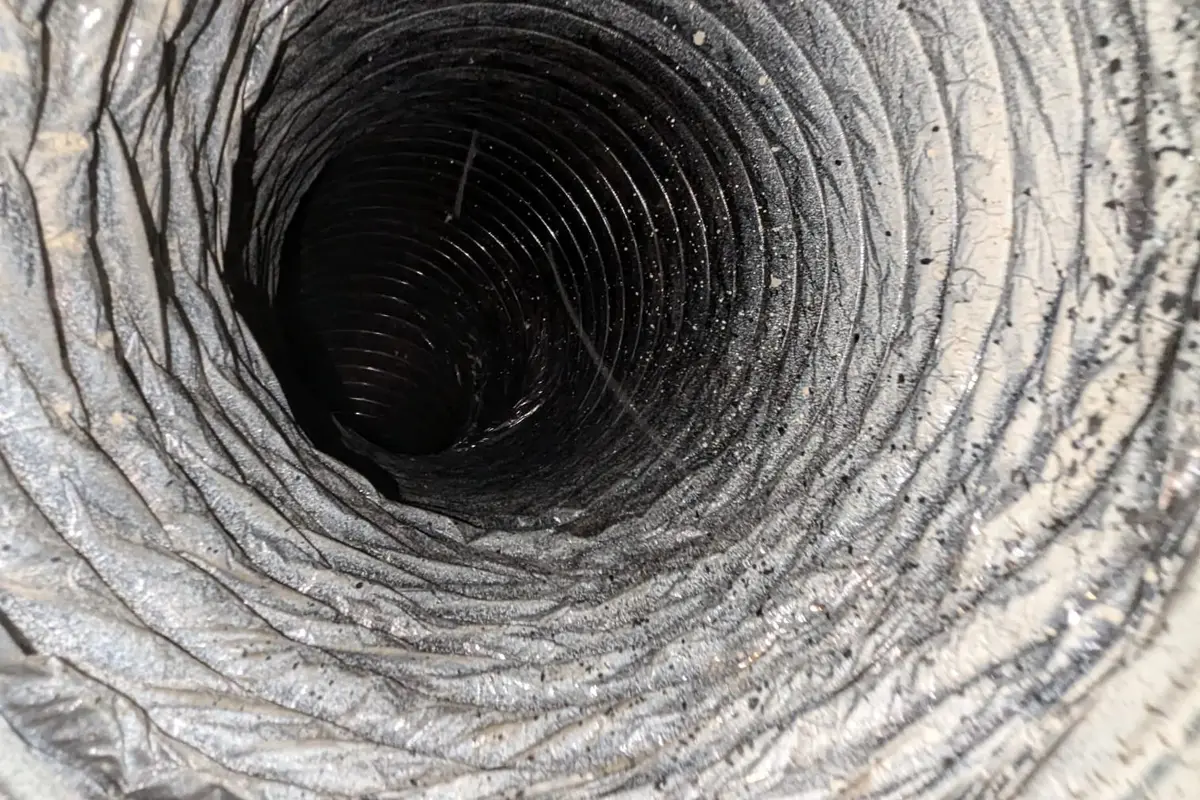
Clean the ductwork. This removes the accumulated contaminant reservoir that exposes children to allergens, mold spores, and bacteria with every HVAC cycle. For homes with children, cleaning every 2-3 years (rather than the general 3-5 year recommendation) accounts for children's higher vulnerability.
Upgrade to MERV 11-13 filters and change monthly during heavy use seasons. Keep indoor humidity between 30-50%. Ensure the nursery and children's bedrooms have clean, unobstructed supply vents and proper air circulation to the return vent. Consider UV-C light installation for continuous biological contaminant neutralization.
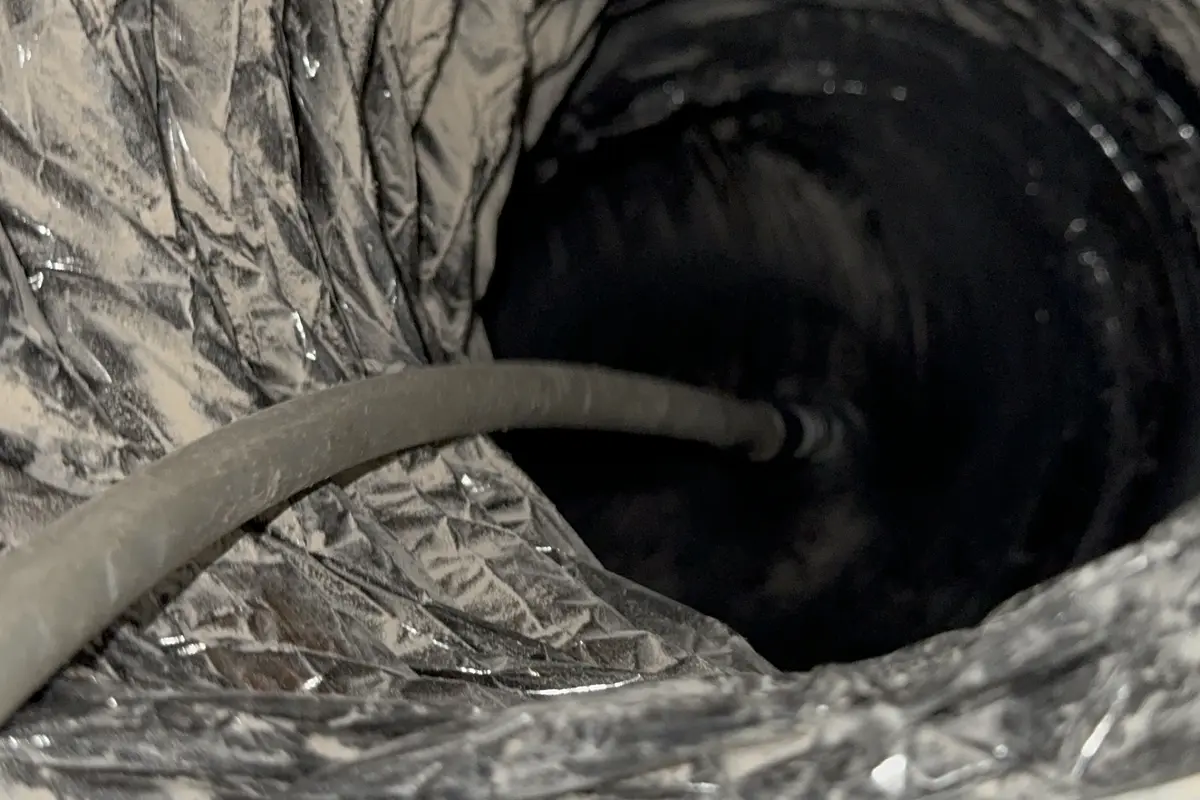
If your child has unexplained respiratory symptoms, frequent illness, or sleep issues, schedule an HD camera duct inspection. Seeing what is inside the ductwork often motivates action that generic air quality advice does not. Air Central provides family-friendly inspections where we show parents exactly what their children are breathing. Call (512) 601-4451 to schedule.
Related Services
Learn more about our professional services related to this topic:
- Air Duct Cleaning - Remove dust, allergens, and debris from your entire HVAC system for cleaner indoor air.
- Air Duct Inspection - Diagnose leaks, blockages, and efficiency issues with HD camera inspection.
- Dryer Vent Cleaning - Clear lint buildup to prevent fires and cut drying time in half.
- Chimney Sweep & Repair - Professional cleaning and 21-point safety inspection for your fireplace.
- Solar Fan Installation - Solar-powered attic ventilation that cuts cooling costs naturally.
Want the full picture?
Read our complete guide: First-Time Homeowner's Complete HVAC Guide for Austin (2026) →Have questions about homeowner education? Our team is available 7 days a week. Call us at (512) 601-4451 or visit our contact page.