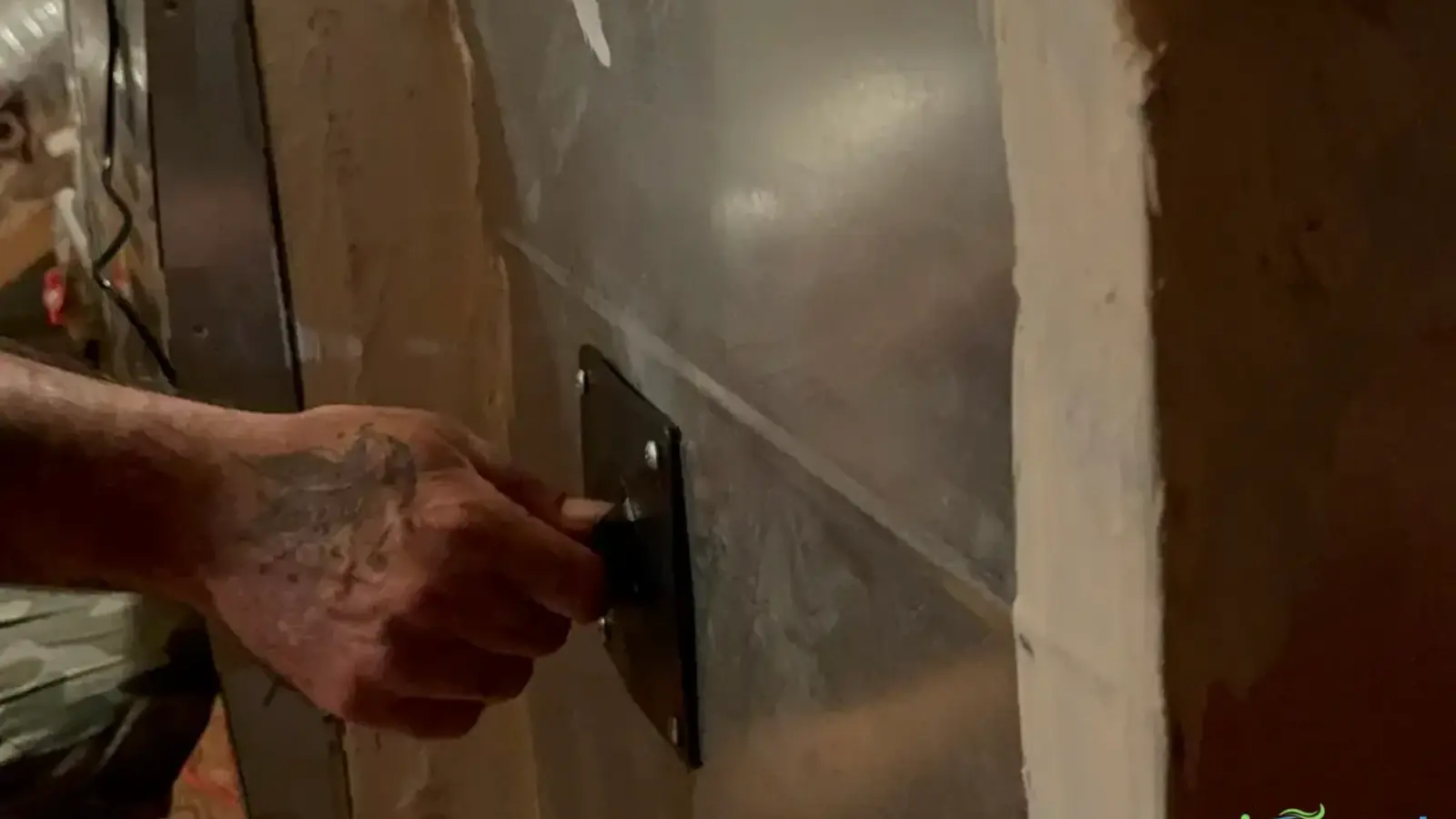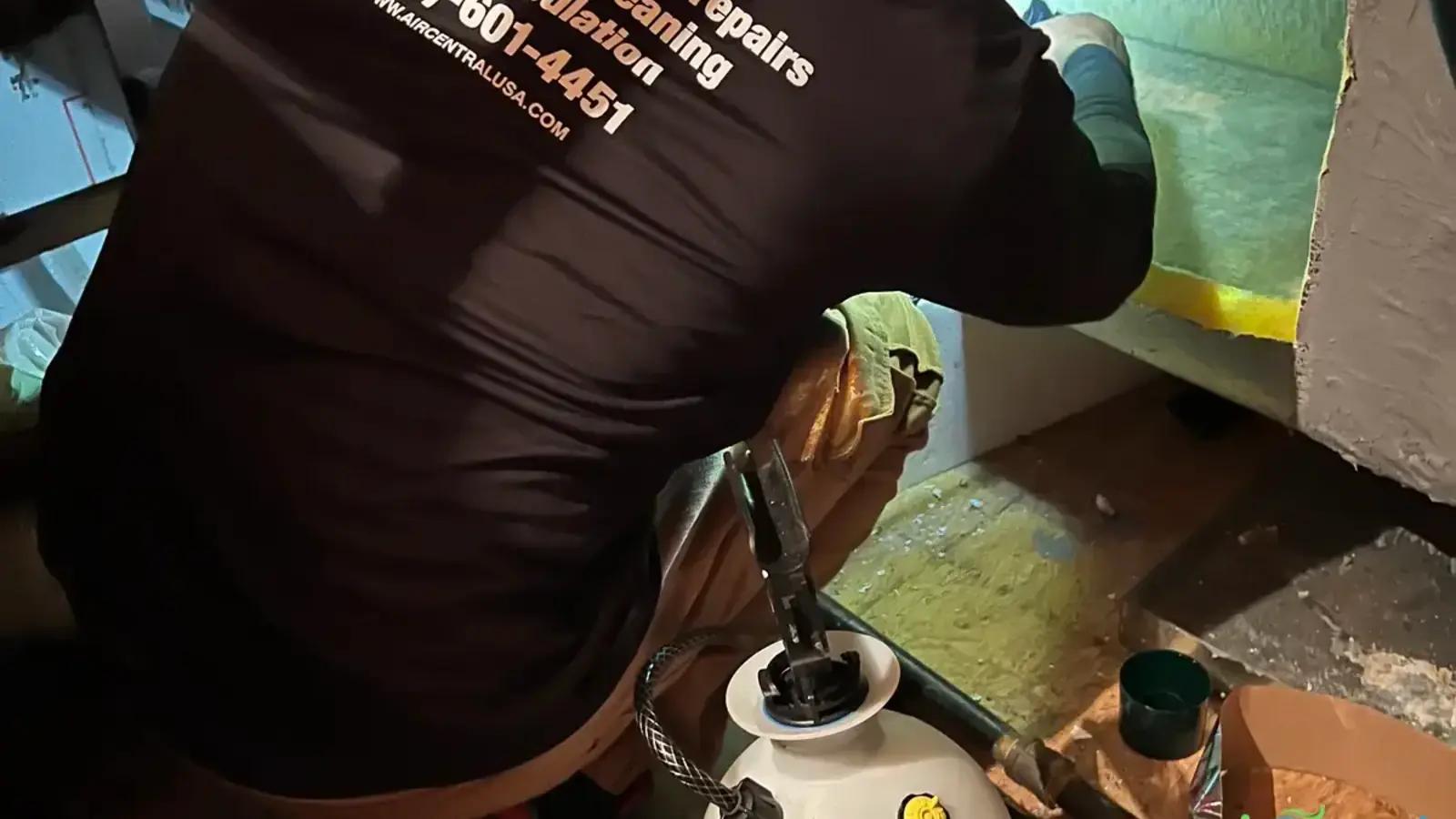
Austin's year-round 67% average humidity creates ideal conditions for mold growth inside HVAC systems. A whole-home dehumidifier keeps indoor humidity below 50%, but existing mold in ductwork requires professional HEPA cleaning first - dehumidifiers prevent regrowth, they do not remove active mold.
Why Austin Is a Mold Hotspot
Austin averages 67% relative humidity year-round according to NOAA data - and that average conceals extreme seasonal swings. From June through September, outdoor humidity regularly climbs above 80% during morning hours before heat drives it back down. The result is a climate where your HVAC system runs nearly continuously, condensation forms on the evaporator coil every single cycle, and any organic debris inside your ductwork has ideal moisture to support mold growth.
The summer heat compounds the problem. Austin attics regularly reach 150-160 degrees Fahrenheit from June through August according to DOE research on heat gain in Southern climate zones. That temperature differential - 40-degree evaporator coil surrounded by 150-degree attic air - means condensation happens aggressively every time the system cycles. The coil surface is essentially always damp.
Cedar fever season adds another layer. Mountain cedar (Ashe juniper) releases pollen from late November through February, sending enormous quantities of fine organic particles into HVAC intake air. Cedar pollen is sticky and fibrous - it adheres to duct walls and coil fins and stays there, providing an organic food source for mold even in months when humidity is lower. Austin homeowners face stacked environmental pressures that make mold a year-round concern rather than a seasonal one.
How Humidity Creates Mold in Your HVAC System
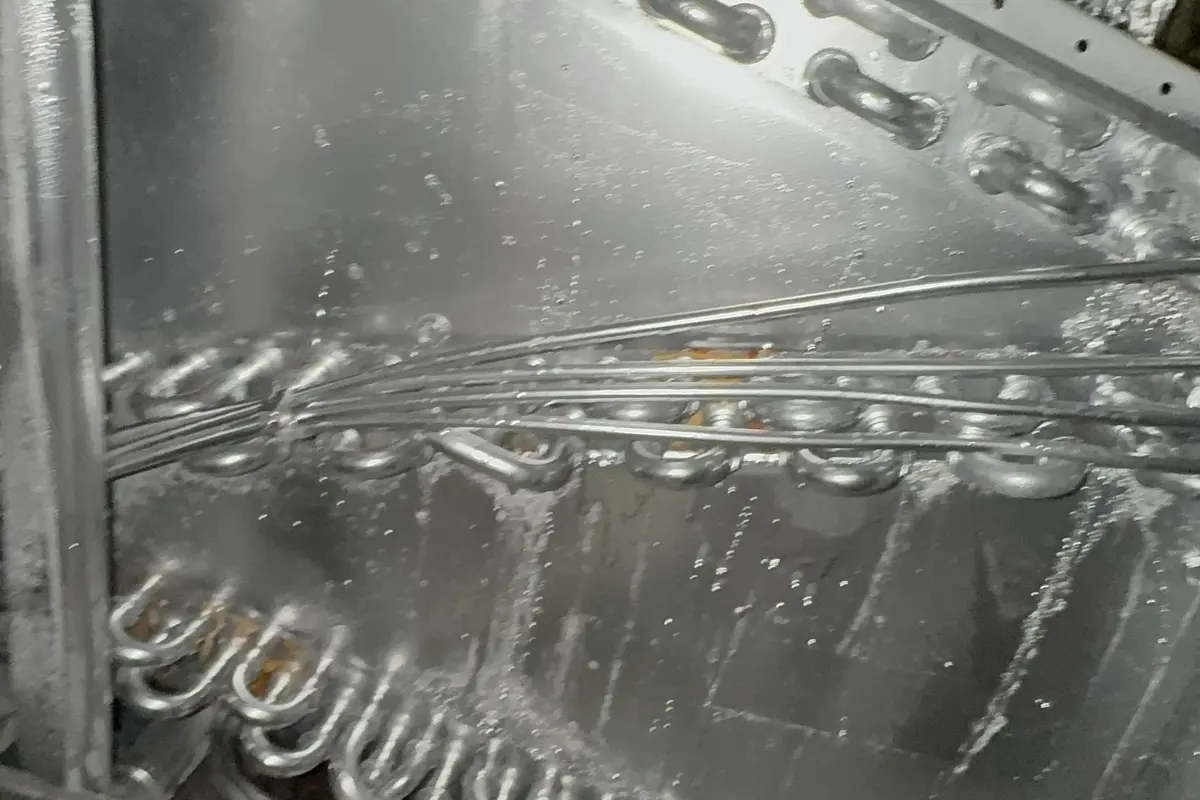
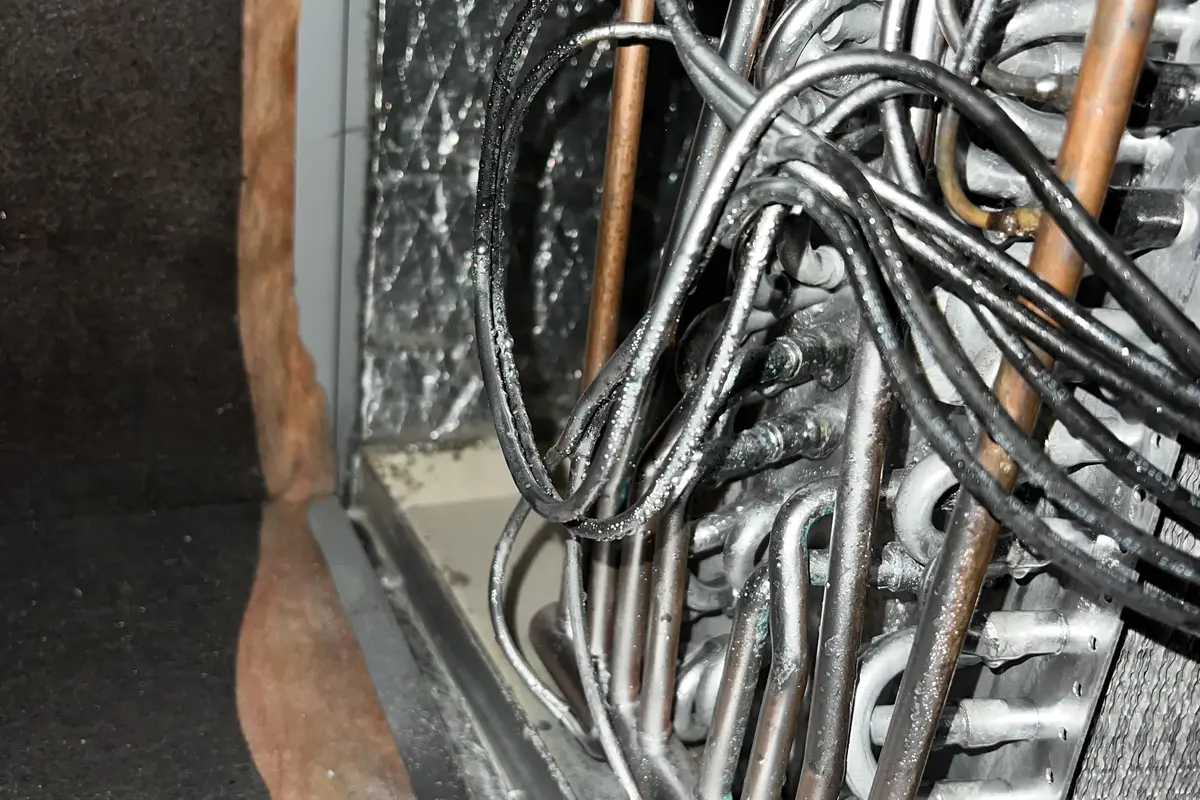
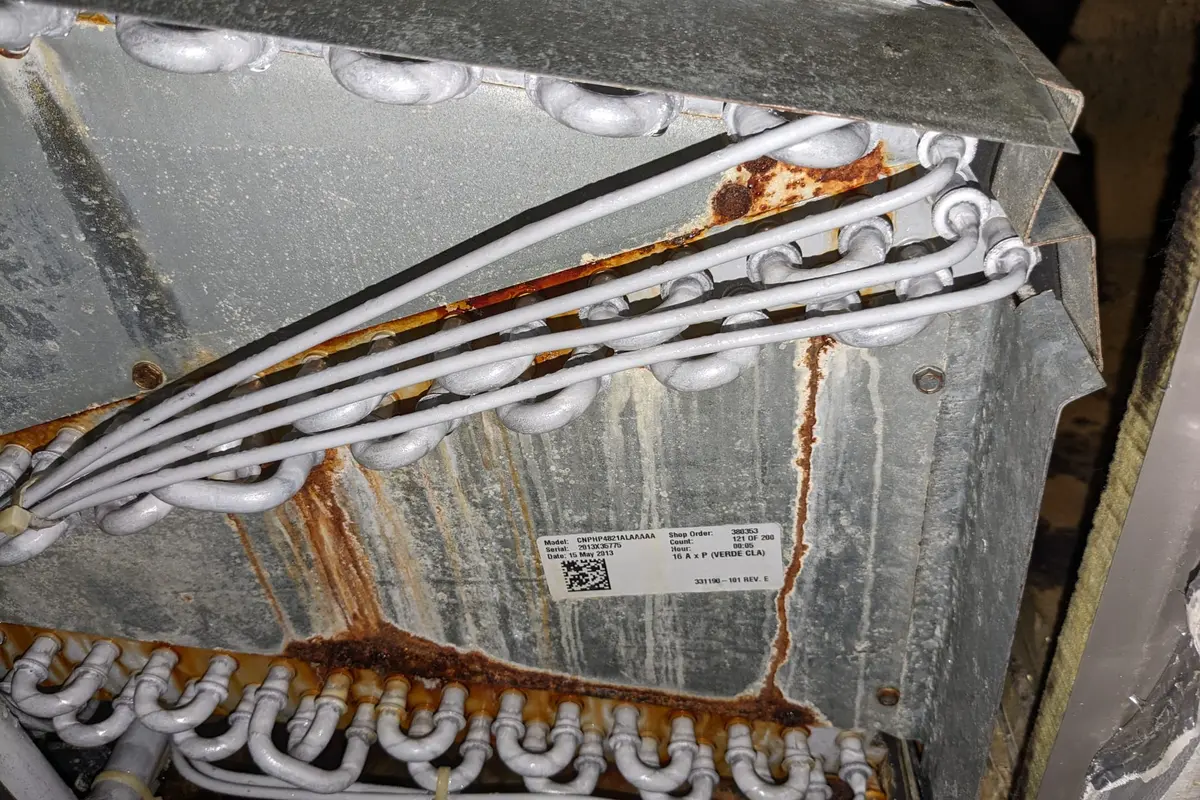
The CDC identifies 24-48 hours of exposure to humidity above 70% as sufficient for mold colonization to begin on organic surfaces. Inside your HVAC system, that threshold is crossed repeatedly. The evaporator coil sits at roughly 40 degrees Fahrenheit while the system runs. Warm humid return air hitting that cold surface produces condensation - that water is supposed to drain away via the condensate pan, but the coil fins and surrounding surfaces remain damp long after each cooling cycle ends.
The plenum - the sheet metal box directly attached to the air handler where conditioned air first enters the duct system - is another prime mold location. It collects fine dust and debris from return air before that air reaches the coil. It stays dark and relatively humid. If there is any organic material present (pollen, skin cells, dust mite debris), the plenum creates near-ideal mold conditions that an ordinary filter cannot address.
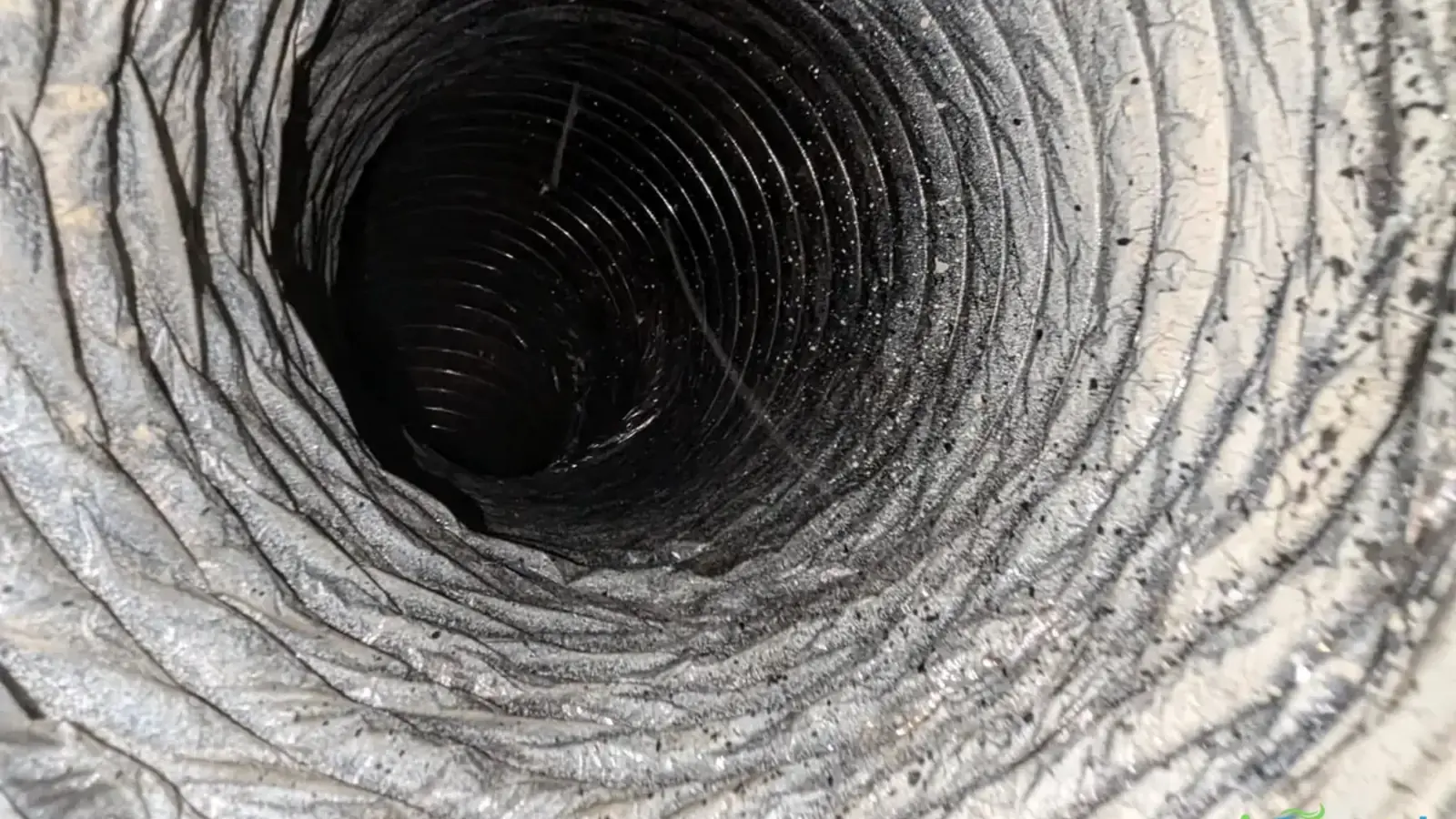
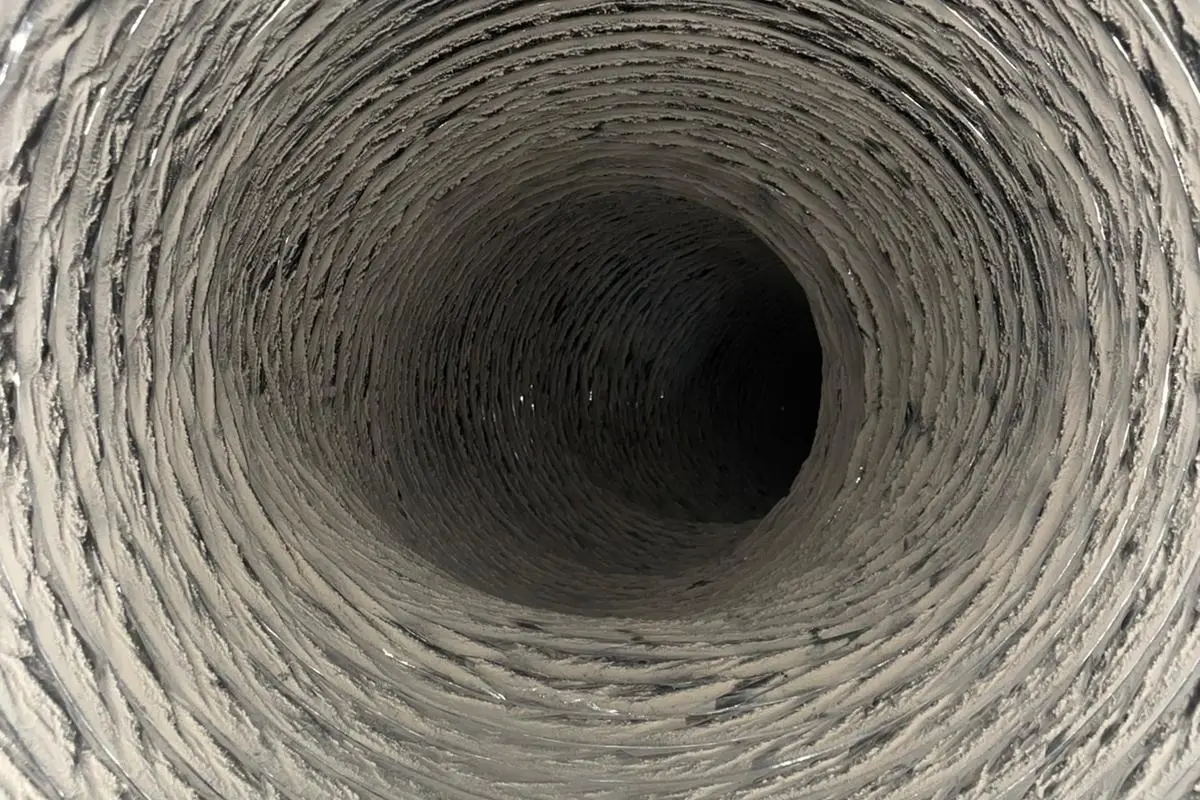
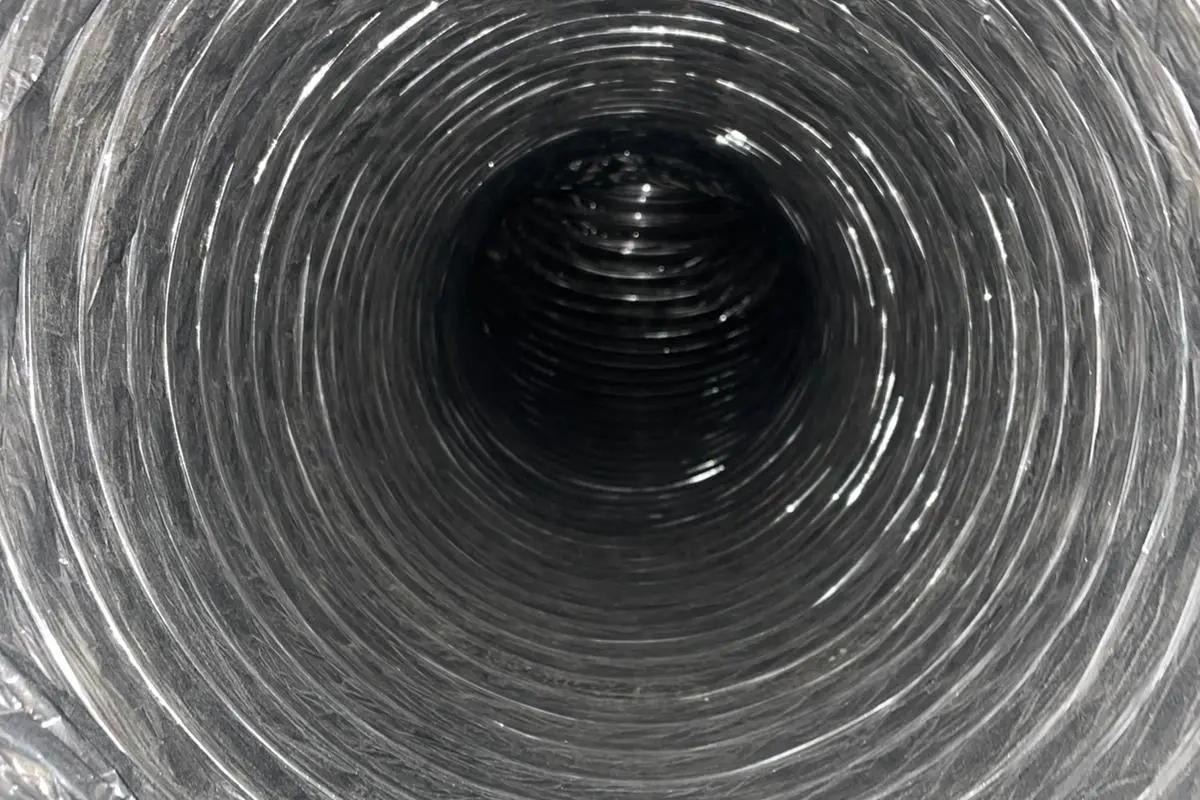
Flex duct joints present a third risk point. Austin homes built from the 1990s through the 2010s predominantly use flexible ductwork throughout the system. The joints where flex sections connect to metal collars can develop small gaps over time as the duct moves with temperature cycles. Humid air infiltrates these gaps and condenses on the cooler interior duct surface. The inner liner of flex duct - made of polyester batting - provides an organic substrate for mold to establish itself.
Types of Dehumidifiers: Portable vs Whole-Home vs HVAC-Integrated
Portable dehumidifiers ($200-$500 for quality units) handle single rooms or small areas effectively. They require manual emptying or a drain hose, run loudly, and add heat to the room they occupy - a real drawback during Austin summers when you are trying to cool the home simultaneously. For a whole house, portable units running in multiple rooms becomes impractical. They are useful for spot-treating a single basement or problem room but are not the right tool for whole-home humidity control.
Whole-home dehumidifiers ($800-$2,500 installed) install in the ductwork or attic alongside the HVAC system. They draw air through a refrigerant coil to condense moisture, discharge the dry air back into the duct system, and drain via a condensate line - fully automatic with no emptying required. Whole-home units from brands like Aprilaire and Santa Fe are designed for Austin's climate zone and can remove 70-130 pints of moisture per day continuously. They represent the most effective solution for homeowners whose HVAC system alone cannot keep humidity below 55%.
HVAC-integrated systems like variable-speed air handlers with built-in humidity management use extended low-speed blower operation to extract more moisture from air during mild weather - this is effective but only works if you already have or are upgrading to a two-stage or variable-speed system. The DOE reports that effective dehumidification reduces cooling energy load by 10-15% because dry air feels cooler at the same temperature, allowing slightly higher thermostat settings. For most Austin homeowners with existing single-stage systems, an add-on whole-home dehumidifier is the practical choice.
What Humidity Levels Actually Prevent Mold
ASHRAE Standard 62.1 identifies 45-60% relative humidity as the target range for indoor air quality. Below 45%, air becomes uncomfortably dry and respiratory membranes dry out. Above 60%, mold risk rises steadily. The EPA and CDC both identify 50% RH as a practical prevention target for homes with known mold sensitivity or previous mold problems - keeping indoor humidity at or below 50% makes it significantly harder for mold to establish on HVAC surfaces.
Measuring your indoor humidity requires a hygrometer, available for $15-$40 at hardware stores. Place it in the main living area (not the kitchen or bathroom) and read it during the hottest, most humid time of day - typically mid-morning in Austin when nighttime humidity has not yet dried out but daytime heat has not peaked. A reading consistently above 60% confirms you need intervention. Readings above 70% during summer months indicate your HVAC system is not extracting enough moisture and that mold growth is likely already occurring on your coil.
Austin seasonal variation means your target is harder to hit in certain months. June through September are the most challenging - incoming outdoor air is so laden with moisture that even a properly functioning AC system struggles to dry it adequately when the system is running at full capacity cooling the home. A whole-home dehumidifier running in parallel with the AC during these months is the most reliable way to maintain 50% RH consistently.
The HVAC Cleaning Step You Cannot Skip
A dehumidifier prevents new mold from forming in your HVAC system. It does not remove mold that already exists. This distinction matters enormously: if your coil, plenum, or ductwork currently has active mold growth, running a dehumidifier will not clear it. You will be preventing future growth on top of an already-contaminated system that continues circulating spores throughout your home.
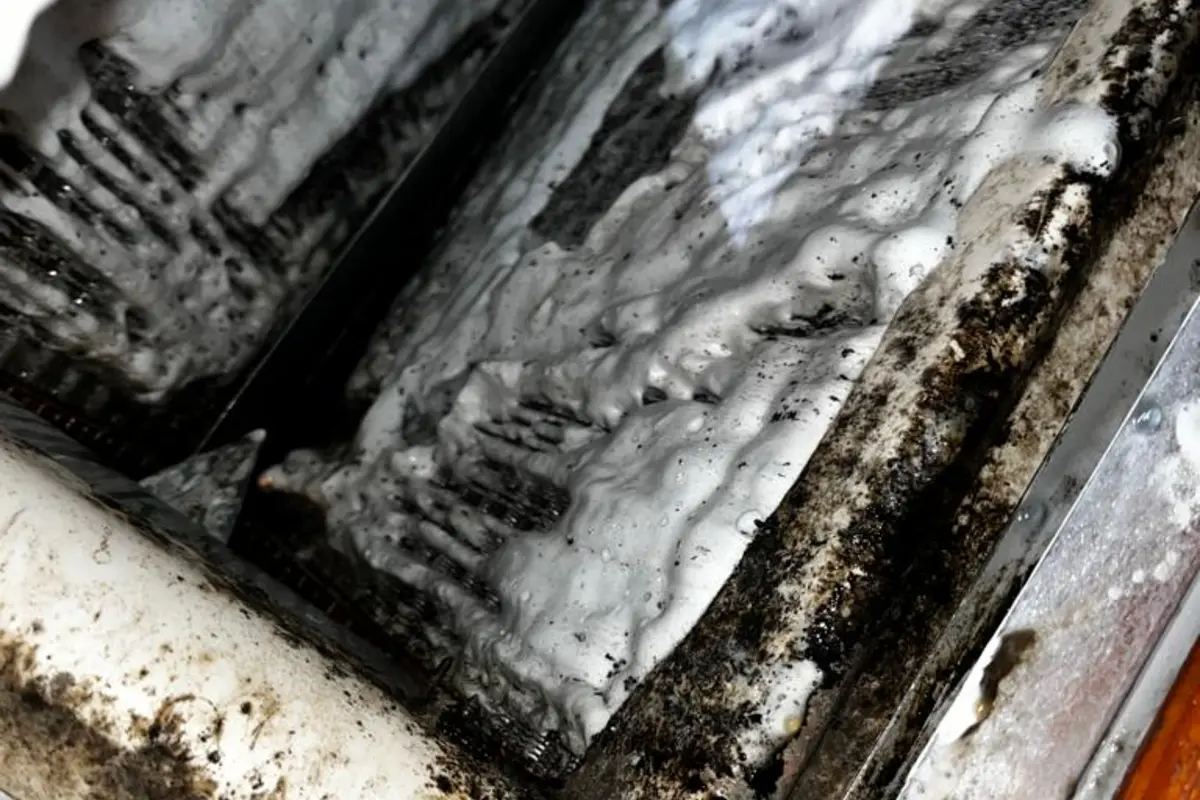
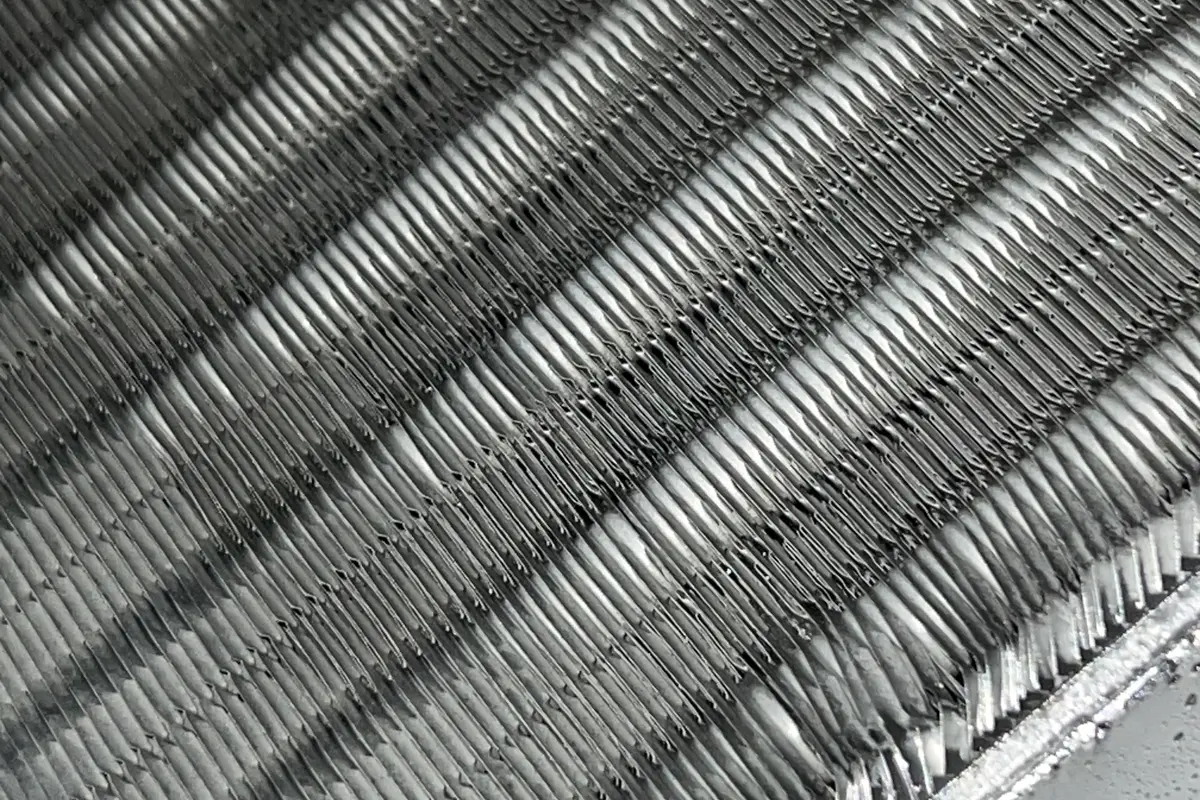
Professional HEPA negative-pressure duct cleaning must come first whenever active mold is suspected or confirmed. HEPA vacuuming removes the mold-contaminated debris from duct surfaces along with the organic material that feeds further growth. Coil cleaning removes biofilm and mold colonies from the evaporator fin surface. This step brings the system to a clean baseline - only then does a dehumidifier provide the prevention benefit you are investing in.
Signs that your system has active mold and needs cleaning before dehumidification: a musty odor that intensifies when the AC first starts; dark discoloration visible around supply vent registers; allergy symptoms that worsen when the AC runs; visible dark spots on the coil through the filter slot. Any of these indicate that cleaning must precede dehumidifier installation to get full benefit from both investments.
Concerned About Your Home's Air?
We provide professional air quality assessments for Austin homes. See what is in your ducts before deciding.
Call (512) 601-4451Rate your home's indoor air quality in 2 minutes
UV-C Light Systems: Working Alongside Dehumidification
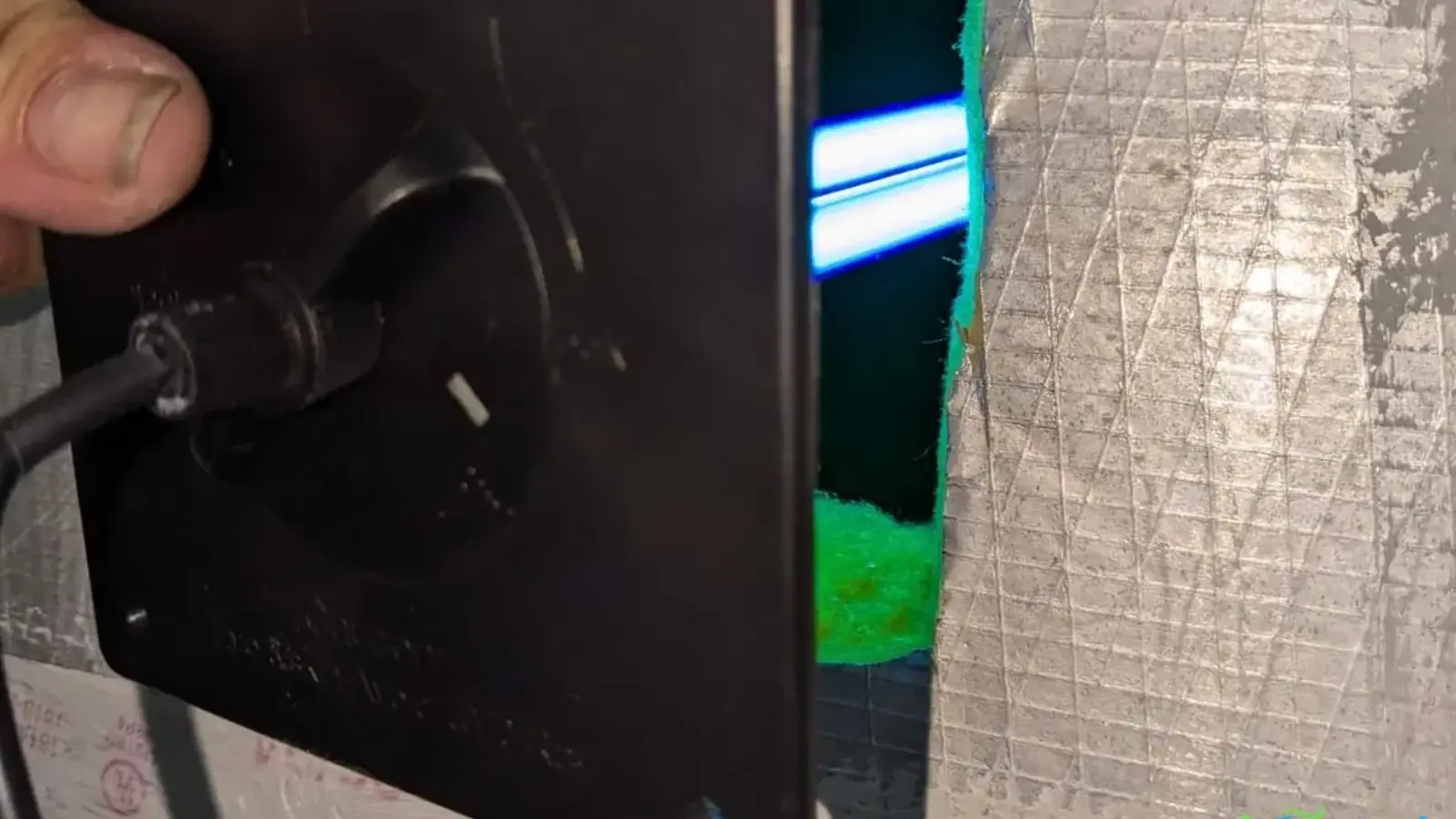
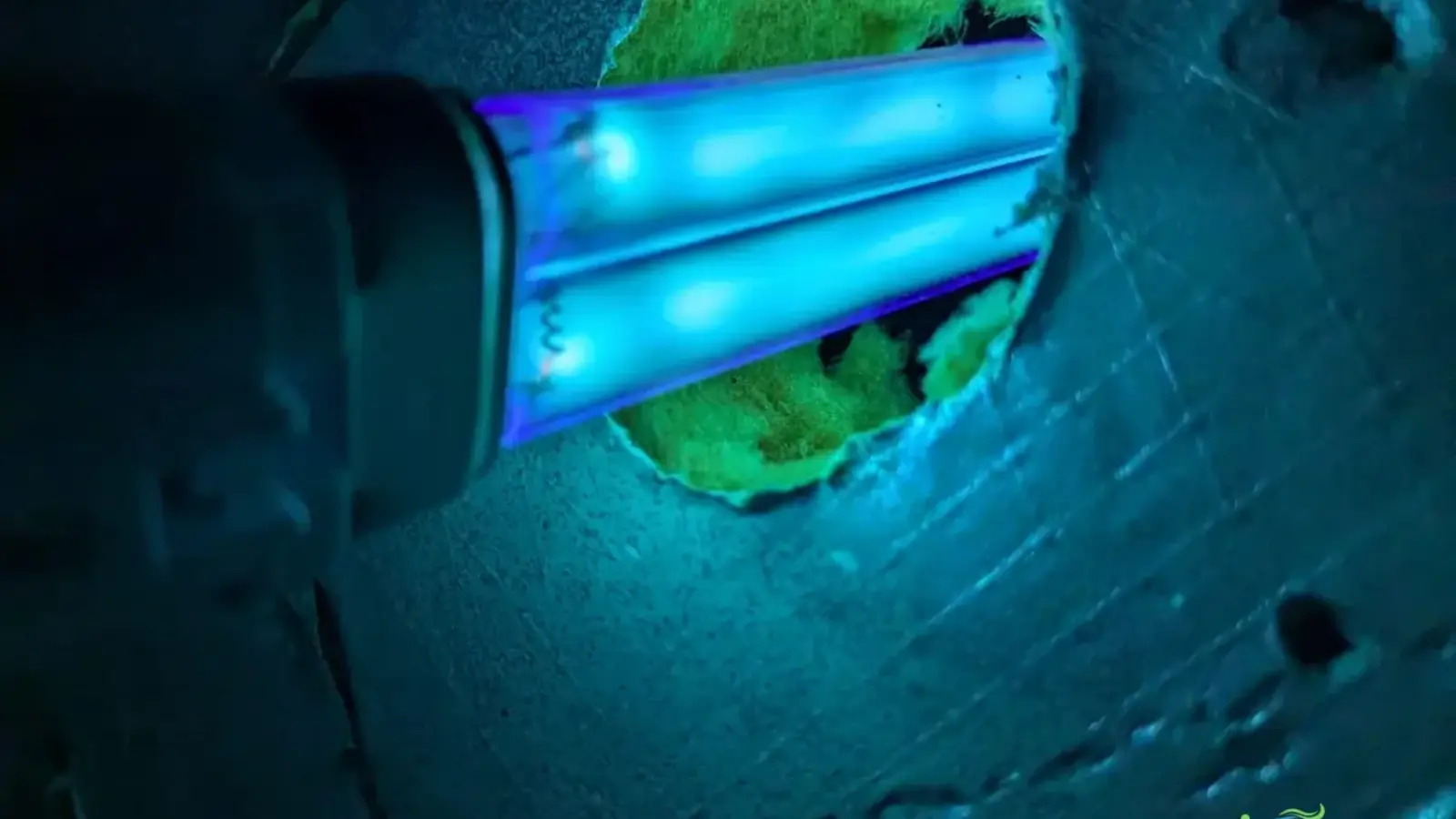
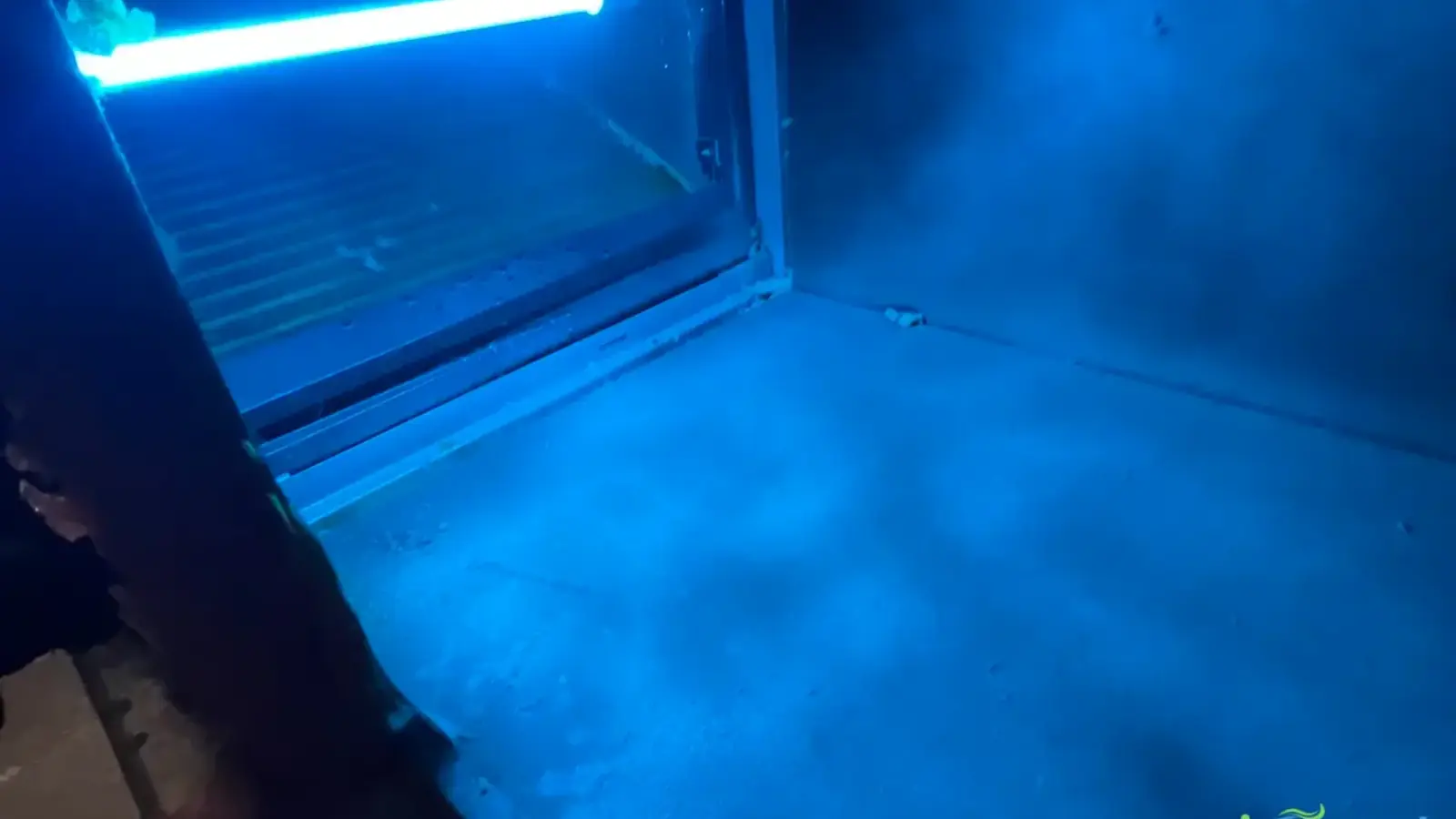
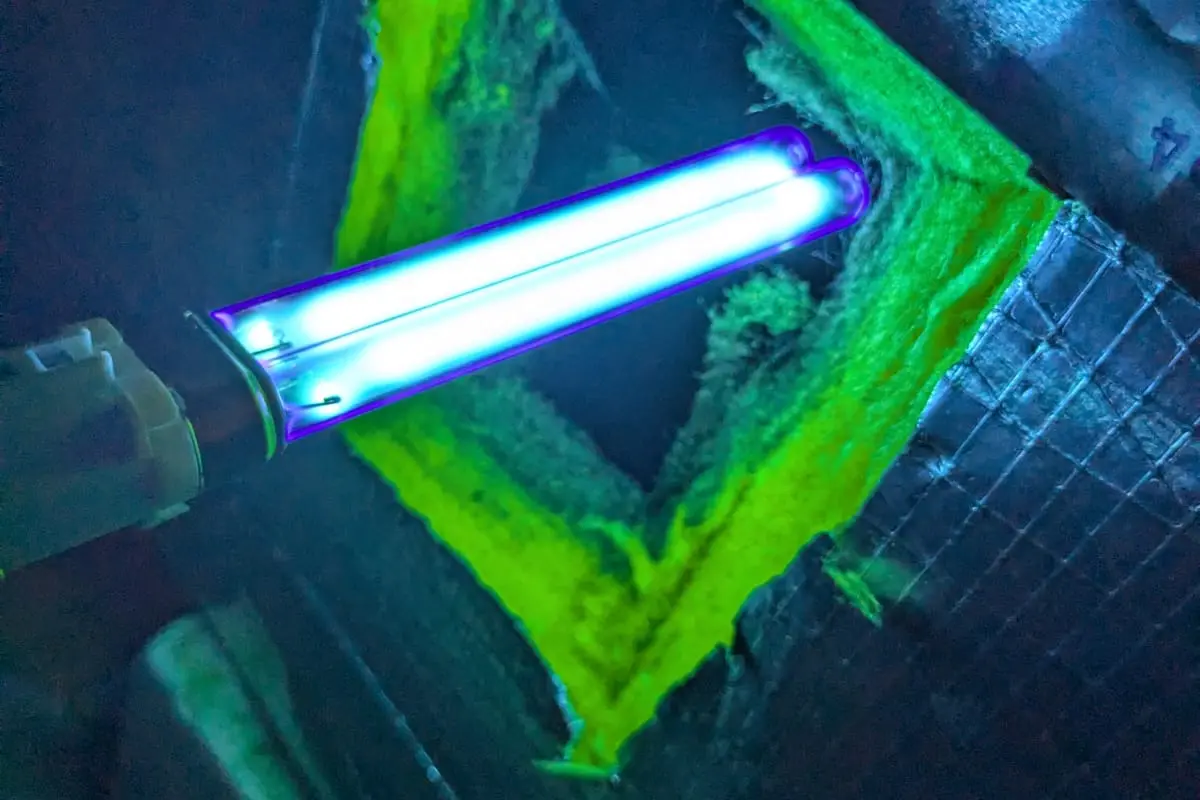
UV-C germicidal light systems installed at the evaporator coil provide a second layer of mold prevention that works differently from dehumidification. While a dehumidifier addresses the moisture that enables mold growth, UV-C light at 254 nanometers directly destroys the DNA of mold spores on the coil surface - preventing them from reproducing regardless of whether some moisture remains present.
The two systems are complementary rather than redundant. In Austin's climate, even a whole-home dehumidifier maintaining 50% RH cannot eliminate every moisture event on the coil surface - condensation occurs during every cooling cycle by design. UV-C provides continuous sterilization of that persistently damp surface. Studies from hospital HVAC systems show UV-C reduces coil surface mold by up to 99.9% within weeks of installation, with sustained results as long as the lamp operates.
The cost of a combined dehumidifier plus UV-C system ($600-$5,500 depending on home size and equipment grade) should be evaluated against the cost of not acting. Mold remediation after an established infestation costs $2,000-$10,000 for professional treatment. Even a single remediation event exceeds the lifetime cost of prevention equipment - and that calculus does not account for the health costs of years of mold exposure before the problem is discovered.
Cost Comparison: Prevention vs Remediation After the Fact
Whole-home dehumidifier installed: $800-$2,500. UV-C coil sterilization system installed: $200-$3,500. Professional HEPA duct cleaning to establish a clean baseline: $150-$5,000 depending on home size. Total investment for a comprehensive prevention system in an average Austin 2,000-square-foot home: $1,200-$5,000, with most falling in the $1,500-$3,000 range.
Compare that to mold remediation after the fact. Professional mold remediation contractors in Austin charge $2,000-$10,000 for HVAC-related mold treatment, depending on the extent of contamination. This typically includes containment setup, removal of contaminated materials, antimicrobial treatment, and clearance testing. It does not include the replacement cost of severely contaminated ductwork, which can add $3,000-$8,000 for a full duct replacement in an Austin home.
There are also non-financial costs. Mold remediation requires vacating the home for 1-3 days and dealing with insurance claims that may or may not cover the work depending on your policy and how long the mold was present. Homeowners who install prevention systems shortly after buying a home - rather than waiting for symptoms - consistently report lower total lifetime maintenance costs and better indoor air quality year over year.
Austin Mold Prevention Calendar: When to Act
June through September represents Austin's highest mold risk window. Outdoor humidity stays above 70% on most mornings, the AC runs nearly continuously, and coil condensation is constant. If you are going to install a dehumidifier, doing so in April or May - before peak humidity season - means your system is protecting you through the most dangerous months rather than being installed reactively after symptoms appear.
Cedar fever season (November through February) creates a different risk: organic debris accumulation in ducts rather than high humidity driving mold. Cedar pollen particles are 10-40 microns - they slip through standard MERV 8 filters and accumulate on coil fins and in duct bends. Late February or March is the ideal time to schedule an annual duct inspection to assess the season's debris load before switching from heating to cooling season ramps up humidity.
October is the highest-risk inspection month for discovering existing mold. The system has just completed running hard for 5 straight months through peak humidity. If mold was going to establish itself during the summer, October is when you will find it. Scheduling an HD camera inspection every October - or after any summer where your home felt more humid than usual - catches problems early when treatment is simpler and less expensive. Call Air Central at ${company.phone.display} to schedule your fall HVAC inspection before mold gets a winter head start.
Related Services
Learn more about our professional services related to this topic:
- Air Duct Cleaning - Remove dust, allergens, and debris from your entire HVAC system for cleaner indoor air.
- UV Lighting System - Eliminate bacteria and allergens inside your HVAC with UV-C light technology.
Want the full picture?
Read our complete guide: The Complete Guide to Indoor Air Quality in Austin, TX (2026) →
Have questions about indoor air quality? Our team is available 7 days a week. Call us at (512) 601-4451 or visit our contact page.