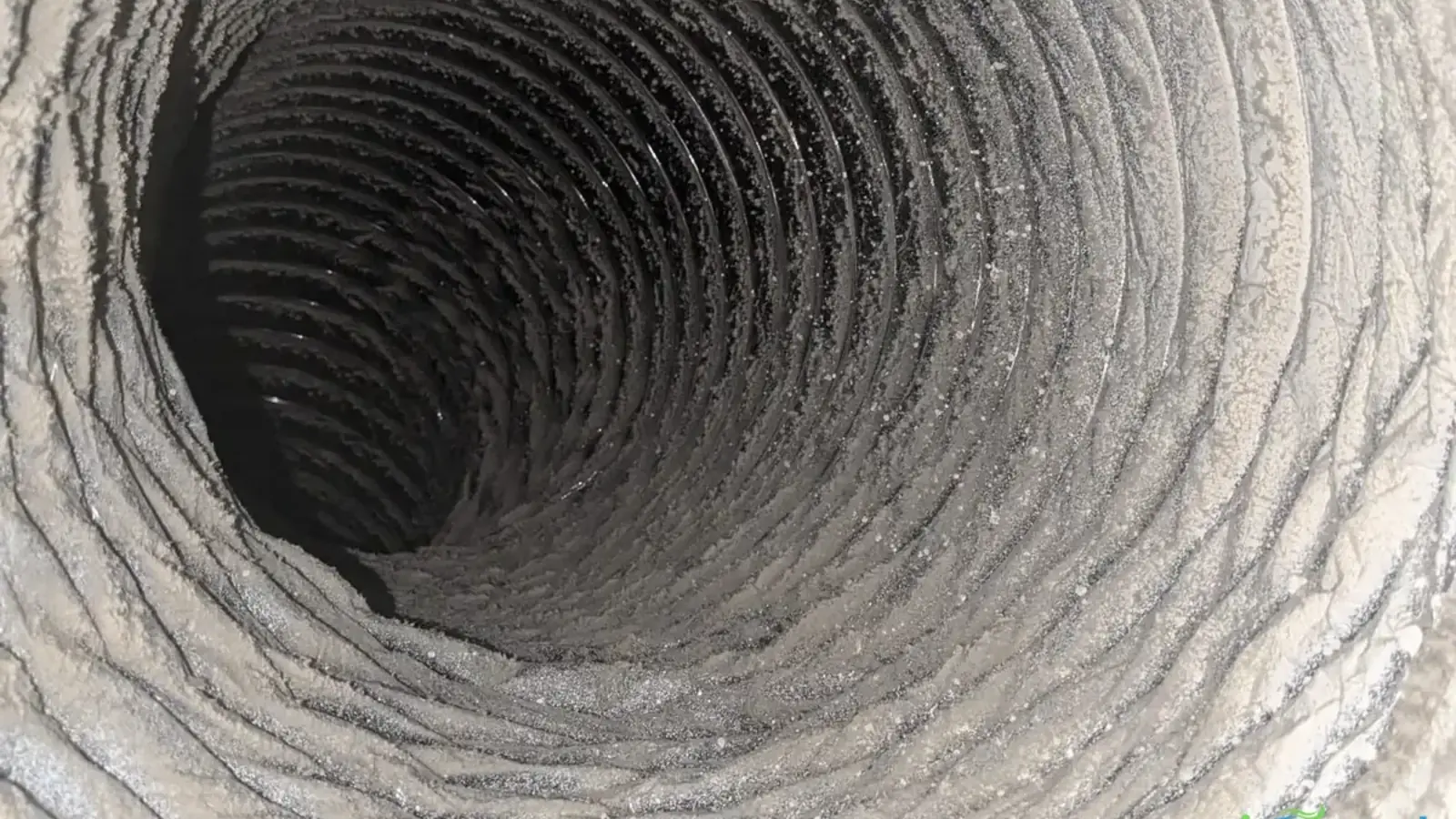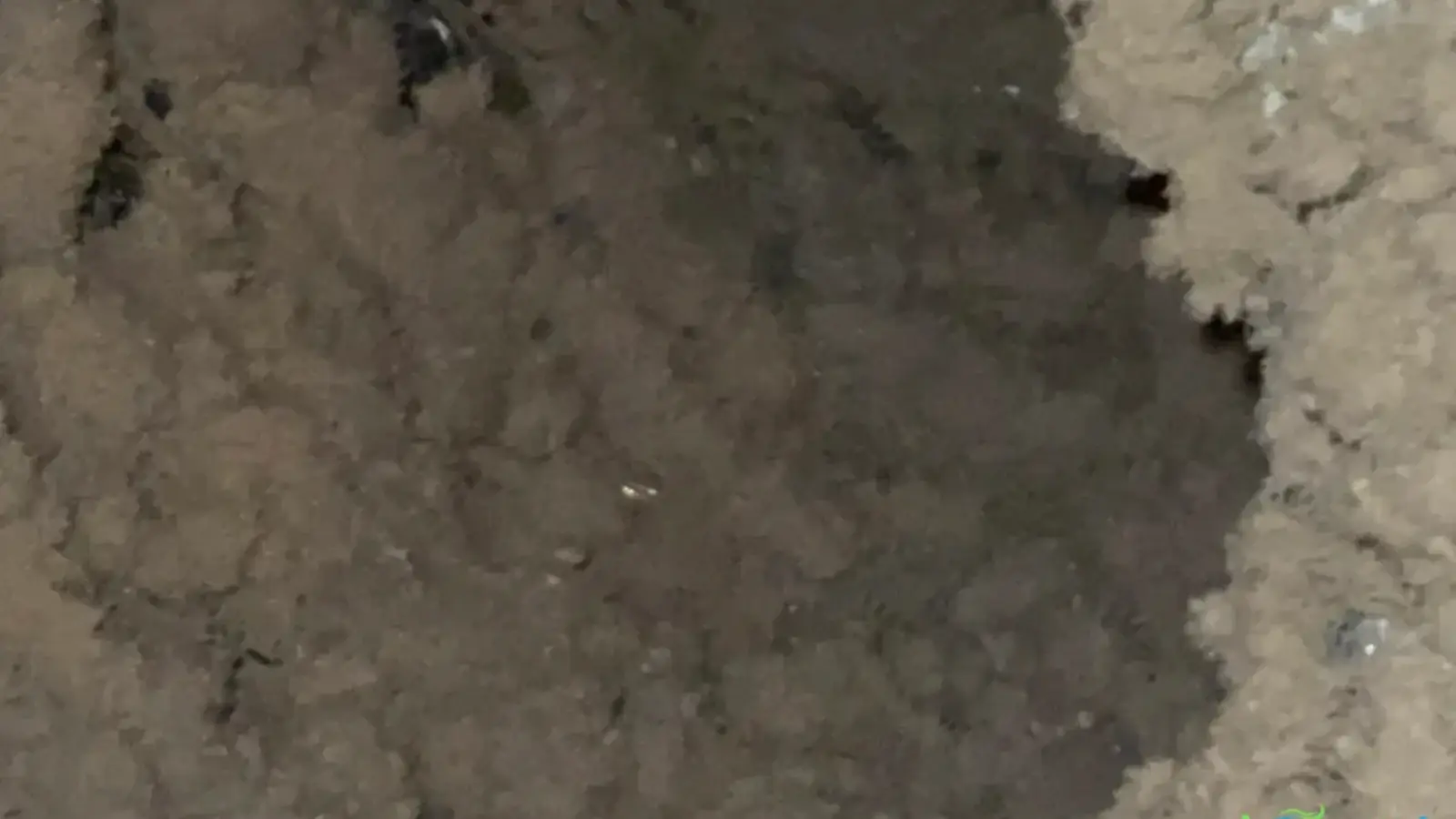
Commercial buildings in Austin need duct cleaning every 3-5 years under NADCA guidelines - sooner for buildings near I-35 construction, in The Domain corridor, or with high-density occupancy. Costs range from $500 for a small office to $15,000+ for large multi-floor buildings. Scheduling, documentation, and system complexity are what separate commercial duct cleaning from residential - and what to ask any contractor before you commit.
Austin's Growth Is Clogging Commercial Systems Faster Than Anywhere Else
Austin has added hundreds of commercial buildings over the past decade - office towers along the 183/Mopac corridor, The Domain expansion northward through Cedar Park, mixed-use developments reshaping South Congress and East Riverside. That construction generates fine silica dust, concrete particulate, and demolition debris that travels for miles. Building managers in Pflugerville have reported elevated dust accumulation tied directly to active construction sites they cannot even see from their properties.
Layer that over Austin's cedar pollen season - Ashe juniper producing 10,000 to 20,000 pollen grains per cubic meter from December through March - and you have a city where outdoor air quality routinely drives contamination straight into commercial HVAC intake systems. Rooftop air handling units pull in whatever is in the air. During cedar fever season, that means pollen loads that would challenge a residential system with annual cleaning are hitting commercial units running 10-11 months per year.
The result: commercial duct systems in Austin accumulate meaningful contamination faster than in cities with less construction activity and milder pollen seasons. Buildings that would need cleaning every five years in Dallas or Houston may need service every three years in Austin - particularly those within two miles of active I-35 corridor construction, in The Domain area, or along the Sixth Street and East Riverside development corridors.
Which Commercial Buildings Need Duct Cleaning
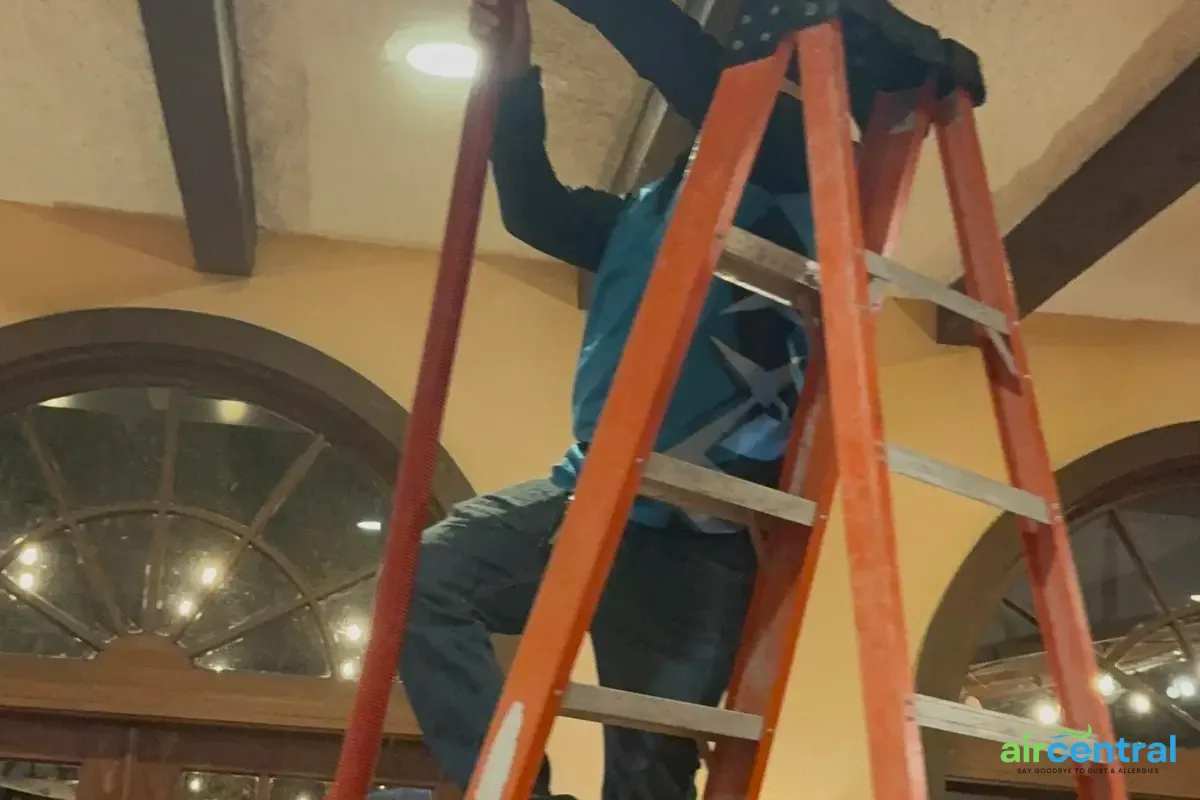
Office buildings and coworking spaces top the list for practical reasons: employee density, sedentary occupants who breathe recirculated air for eight or more hours, and a tendency to push HVAC maintenance down the priority list until someone files a complaint. A single contaminated air handler in a mid-rise office building serves hundreds of occupants. What an individual tenant experiences as 'stuffiness' or 'chronic headaches at work' is often tracked back to duct contamination on camera inspection.
Retail spaces, restaurants (the HVAC ductwork - not kitchen hood exhaust, which is a separate NFPA 96 service we refer out for), medical offices, daycares, schools, and gyms all have IAQ obligations that extend beyond simple comfort. Daycares and pediatric medical offices face the most sensitive population. A daycare with contaminated air handlers is exposing children whose immune systems are still developing. Medical offices with immunocompromised patients face a similar calculation. Gyms present a different challenge: elevated occupant breathing rates mean more air volume processed per person per hour.
Multi-family residential - apartment complexes, condominiums, student housing - is a category property managers often overlook. Individual unit owners or tenants rarely know what condition the shared air handlers serving their floor are in. Turnover cleaning between tenants does not include duct inspection. Buildings where previous tenants smoked, kept pets, or experienced water damage frequently show duct contamination at camera inspection that no surface cleaning would reveal. We cover this segment in more detail in our apartment complex duct cleaning guide.
ASHRAE 62.1 and What It Means for Austin Building Owners
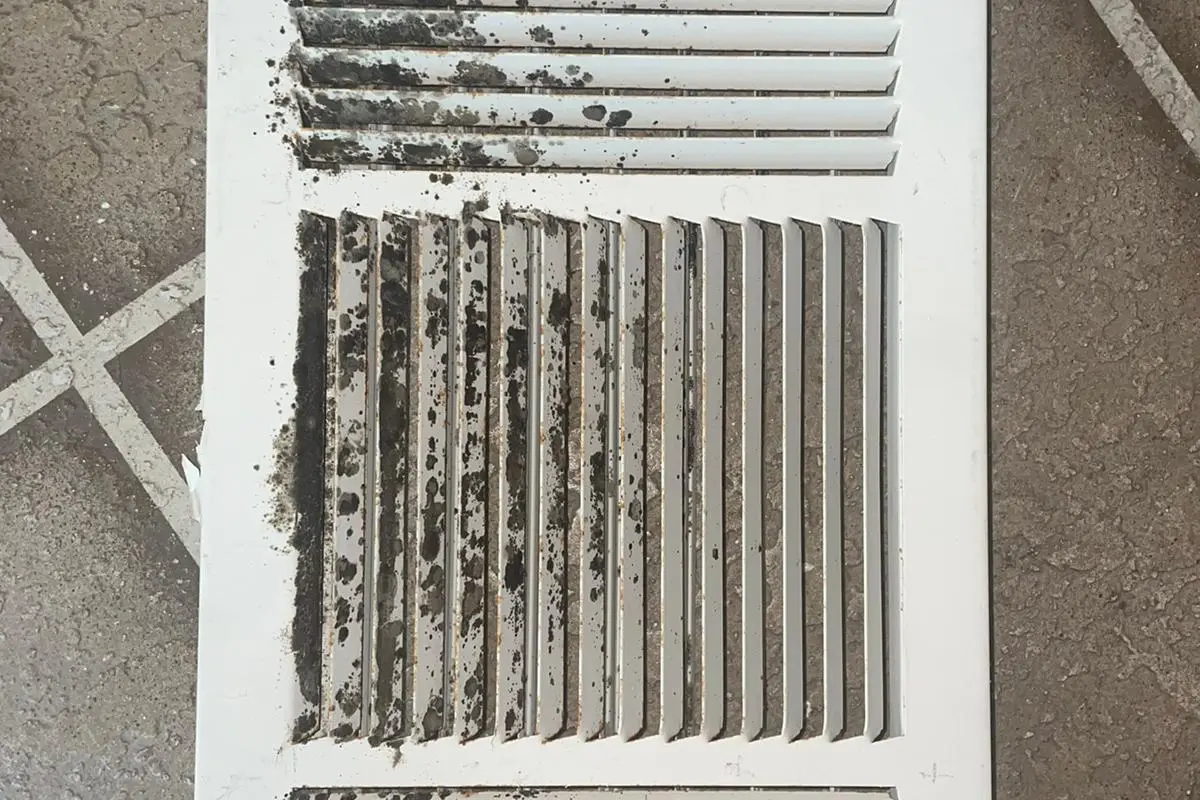
ASHRAE Standard 62.1 sets minimum ventilation rates and indoor air quality requirements for commercial buildings. In practice, it defines how much outdoor air must be brought in per occupant per hour, and what acceptable IAQ conditions look like in occupied spaces. Contaminated ductwork affects ASHRAE 62.1 compliance in two ways: it can restrict airflow below the required minimum ventilation rate, and it can introduce particulate matter, biological contaminants, and volatile organic compounds into supply air even as outdoor air volume meets the standard.
For Travis County building owners with leases that reference ASHRAE 62.1 - which commercial leases commonly do - duct contamination is not just a comfort issue. It is a potential compliance issue. Tenants who experience IAQ problems and hire an industrial hygienist to investigate will get a report that references ASHRAE 62.1 if the building is not meeting the standard. That report creates documented evidence of a compliance failure. The OSHA General Duty Clause (Section 5(a)(1)) further requires employers to maintain a workplace free from recognized hazards - and documented duct contamination in an office HVAC system is a recognized hazard.
Austin commercial landlords carrying properties near The Domain, along the Research Boulevard corridor, or in downtown Class A office buildings are increasingly being asked to provide IAQ documentation by corporate tenants. Cleaning documentation with pre-service and post-service camera records, signed by a NADCA-following contractor, addresses that request directly. Building owners who cannot produce documentation are at a disadvantage in lease renewals with sophisticated commercial tenants.
How Often Commercial Ducts Should Be Cleaned in Austin
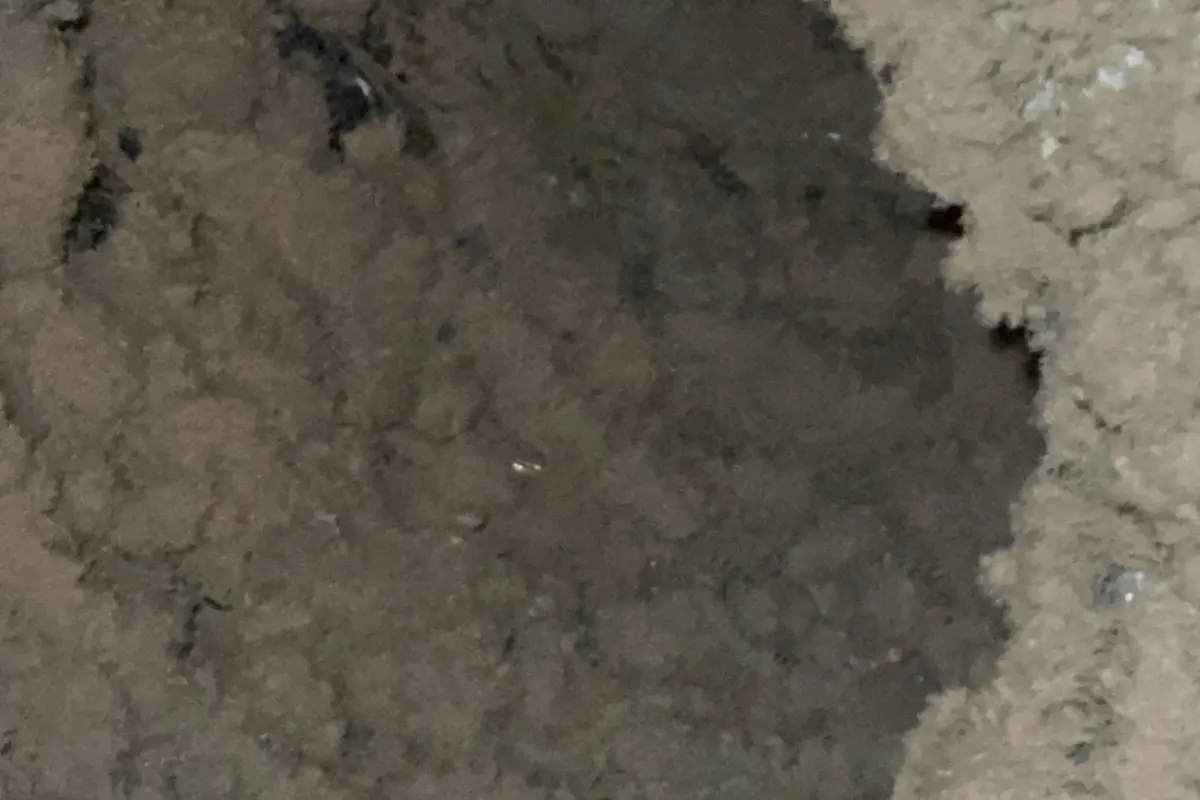
An inspection that finds contamination above NADCA threshold levels is a cleaning trigger; clean results mean you extend the interval. In Austin's environment, most commercial buildings we inspect are ready for cleaning every three years rather than five.
High-traffic buildings with dense occupancy - schools, daycares, gyms, medical clinics - should be inspected annually. These buildings process more air volume per square foot, have higher moisture generation from occupant respiration and activity, and tend to see faster biological growth in the duct system. Buildings near active construction (current I-35 rebuild section, any of the Domain-adjacent development projects, the East Riverside corridor) accumulate construction dust at a rate that makes two-year cleaning intervals more realistic than five.
Restaurant HVAC ductwork - meaning the supply and return duct system that heats and cools the dining room and kitchen office areas - accumulates grease vapor and cooking particulate faster than any other commercial environment. This is distinct from the kitchen exhaust hood duct system, which is governed by NFPA 96 and requires specialized hood cleaning contractors. We handle the HVAC side only; if your kitchen hood duct has not been cleaned per NFPA 96 schedule, that is a separate contractor and a fire code compliance matter that should not be deferred.
Concerned About Your Home's Air?
We provide professional air quality assessments for Austin homes. See what is in your ducts before deciding.
Call (512) 601-4451Rate your home's indoor air quality in 2 minutes
What Makes Commercial Different from Residential Duct Cleaning
Scale is the obvious difference. A residential system might have one air handler serving 2,000 square feet. A commercial building might have four air handlers serving 20,000 square feet, each with multiple zones, variable air volume boxes, and branch runs serving different occupant densities. The cleaning equipment requirements scale with system size - commercial work requires negative-pressure equipment capable of maintaining suction across longer duct runs and larger duct cross-sections than residential systems. Not every contractor advertising commercial duct cleaning has equipment scaled for true commercial work.
Documentation is a commercial requirement that does not exist in residential. Residential customers receive camera footage and a service record. Commercial clients in Austin increasingly require pre-service and post-service HD camera documentation, a signed statement of work confirming NADCA-following methodology, and sometimes a written IAQ baseline report for their property records. Building owners carrying liability for tenant health need documentation that proves they acted responsibly. Any commercial contractor who cannot provide this in writing should not be hired for commercial work.
Scheduling around business operations is a real constraint that adds cost and requires planning. We typically perform commercial duct cleaning during evening hours, on weekends, or in phased sections so that occupied portions of the building maintain HVAC service. A phased approach on a large multi-floor building may mean three or four service visits rather than one. That scheduling complexity is part of what drives commercial pricing higher than residential - not markup, but actual additional labor coordination required to service a building that cannot shut down for a full day.
Commercial Duct Cleaning Cost in Austin
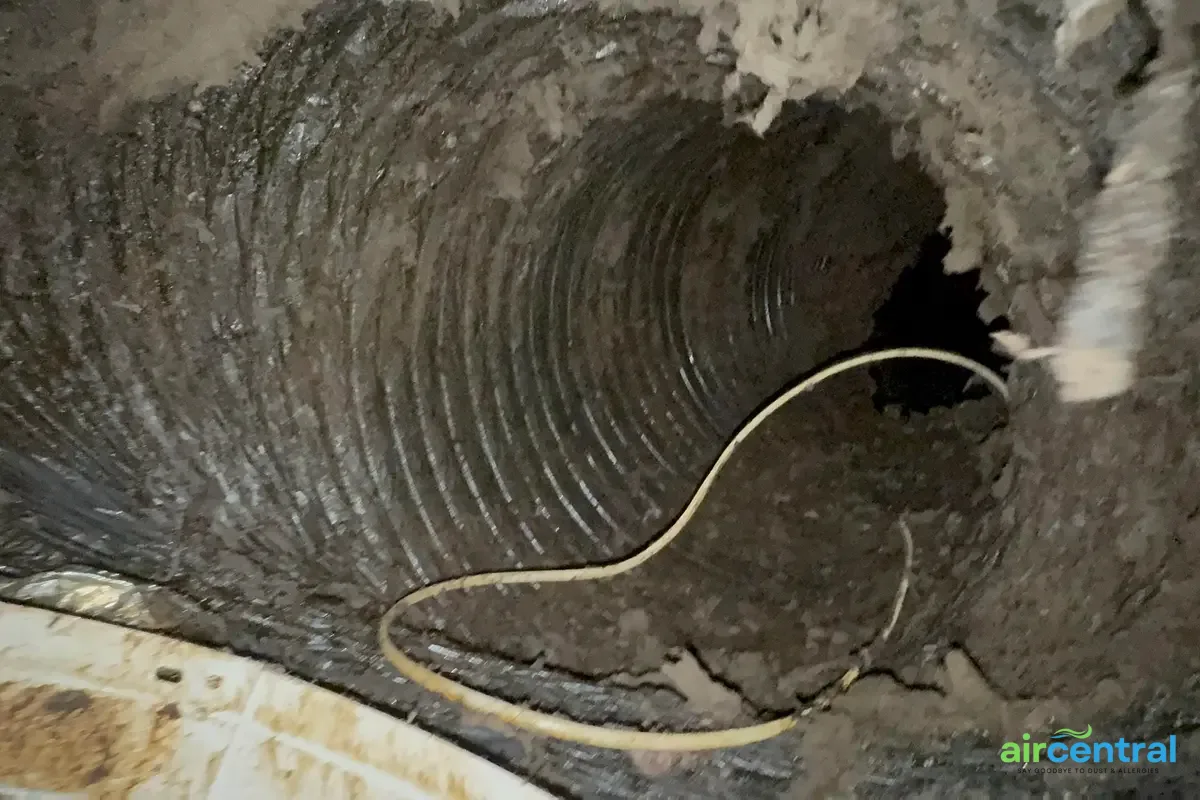
Commercial pricing in Austin ranges from $500 for a small single-zone office under 2,000 square feet to $15,000 or more for large multi-floor buildings with multiple air handlers. The pricing structure is fundamentally different from residential: where residential pricing is largely driven by home size and duct count, commercial pricing is driven by the number of air handlers, duct system complexity, access difficulty, contamination severity, and scheduling requirements.
Small commercial offices and retail spaces under 2,000 square feet with a single rooftop unit: $500 to $2,500. This range covers businesses in strip centers along Anderson Lane, small professional offices in Cedar Park or Pflugerville, and similarly scaled commercial spaces. Medium office buildings from 2,000 to 10,000 square feet with two to four air handlers: $2,500 to $7,500. Large commercial buildings over 10,000 square feet, multi-floor offices, or buildings with more than four air handling units: $5,000 to $15,000 or more. Apartment complexes and multi-family properties are typically quoted per unit or as a whole-building package - see our detailed commercial pricing breakdown for the full cost structure.
One rule applies without exception: any commercial quote provided over the phone, without a site visit, should be treated as a placeholder estimate at best. Commercial duct systems vary too much in configuration, access, and contamination level to price accurately without seeing the building. We provide site-visit quotes for all commercial jobs - the estimate is our commitment, and the final invoice reflects what was found on camera and agreed before work began.
5 Questions to Ask Any Commercial Duct Cleaning Contractor
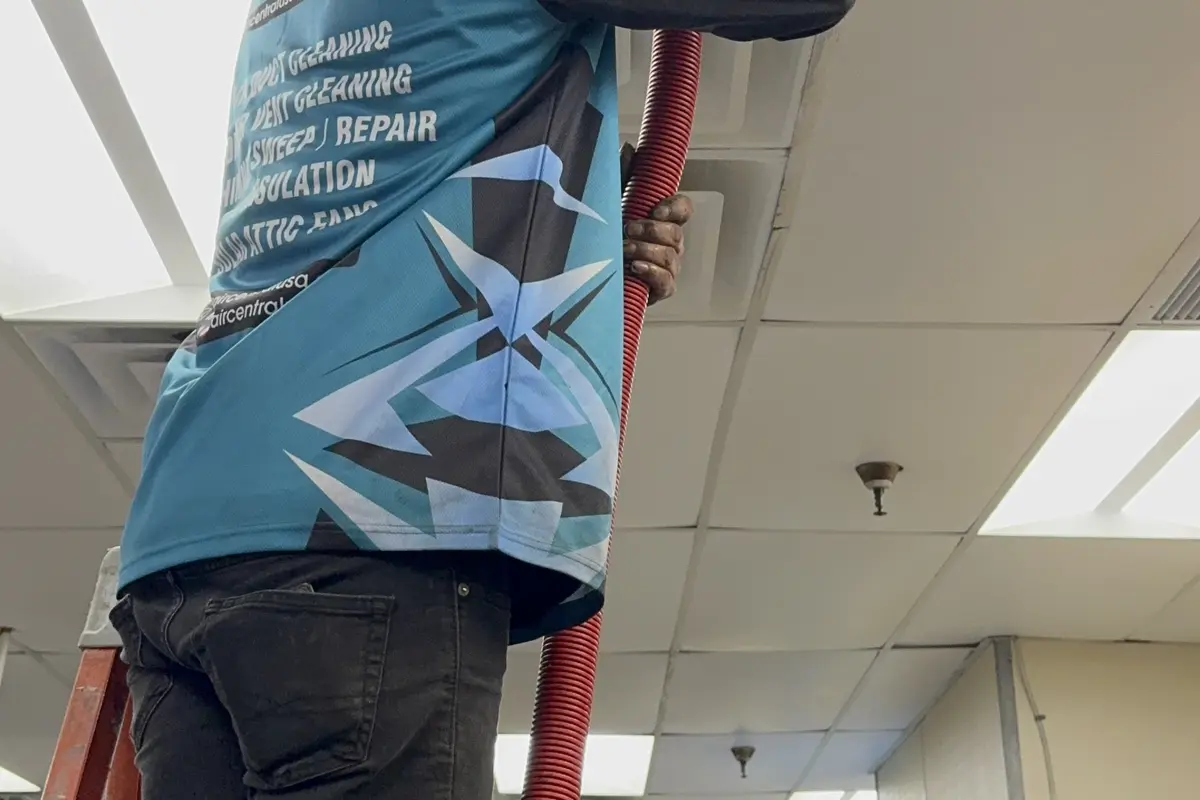
Question 1: 'What negative-pressure equipment do you use, and is it scaled for commercial duct cross-sections?' A residential HEPA vacuum rated for 4-inch to 10-inch duct diameters is not adequate for commercial trunk lines running 18 to 36 inches. The contractor should be able to name specific commercial equipment and explain how it is connected to the commercial system. Question 2: 'Do you provide pre-service and post-service HD camera documentation?' The answer must be yes - for the IAQ compliance paper trail and your own liability protection.
Question 3: 'Can you schedule around our business hours, and how do you phase large buildings?' A contractor who cannot service your building without shutting it down entirely is not equipped for occupied commercial work. A contractor who is unfamiliar with the commercial sections of ACR 2021 has not been trained to the standard that matters for this work.
Question 5: 'Can you provide references from comparable commercial clients in Austin?' A company that primarily serves residential clients and occasionally takes commercial jobs is different from one that regularly services office buildings, medical facilities, or multi-family properties. Ask specifically for commercial references, and call them. Air Central serves commercial clients across Austin, Cedar Park, Round Rock, and the greater metro area. We provide written documentation, NADCA-following methodology, and scheduling around your business operations. See our commercial air duct cleaning service page for full details, or call (512) 601-4451 to arrange a site visit at no cost.
Related Services
Learn more about our professional services related to this topic:
- Air Duct Cleaning - Remove dust, allergens, and debris from your entire HVAC system for cleaner indoor air.
- UV Lighting System - Eliminate bacteria and allergens inside your HVAC with UV-C light technology.
Want the full picture?
Read our complete guide: The Complete Guide to Indoor Air Quality in Austin, TX (2026) →
Have questions about indoor air quality? Our team is available 7 days a week. Call us at (512) 601-4451 or visit our contact page.