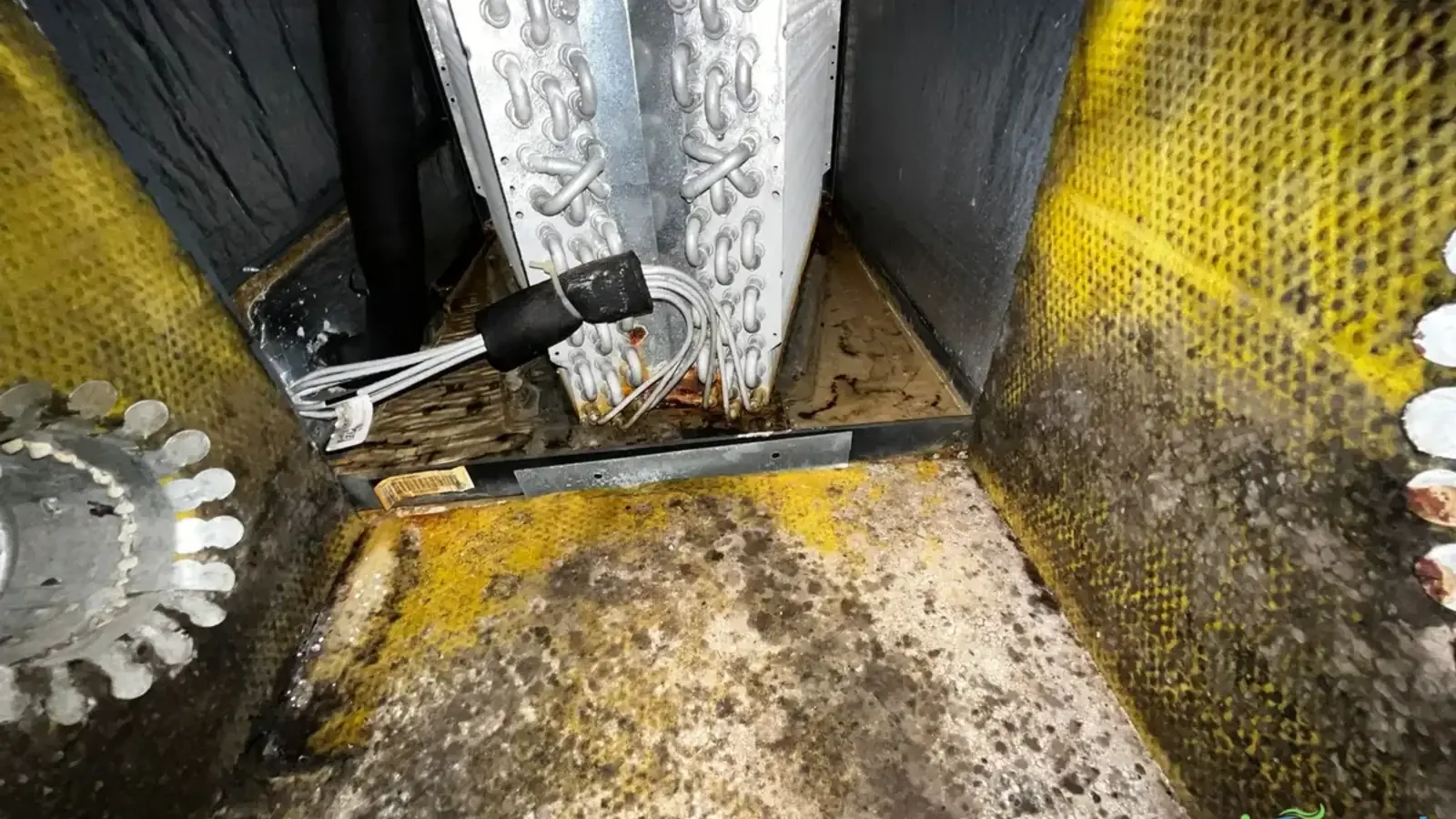
Austin apartment ductwork accumulates contamination faster than most U.S. markets due to construction dust, cedar pollen season, high tenant turnover, and older shared air handler systems. Bulk duct cleaning for multi-family properties typically costs $100 to $400 per unit. Documented IAQ maintenance is increasingly important for Texas landlord liability protection.
Tenant Turnover Costs More Than the Cleaning You Are Skipping
Austin's apartment vacancy rate has fluctuated dramatically as the city added more than 30,000 units in a single year at the peak of the construction boom. Property managers in East Riverside, Mueller, and the Domain-adjacent corridors know what rapid turnover costs: application processing, make-ready labor, lost rent days, leasing commissions. A single unit turnover runs $2,000 to $5,000 all-in for most properties. The EPA estimates indoor air can be two to five times more polluted than outdoor air - and HVAC ductwork is the most common delivery mechanism for that contamination into living spaces.
Tenant IAQ complaints drive lease non-renewals at a rate that property managers underestimate. Residents who experience persistent allergy symptoms, musty odors when the AC cycles on, or visible dust discharge from vents attribute those conditions correctly to HVAC maintenance - or the absence of it. They tell their next property manager, their Yelp reviewer, and their social network. The connection between documented duct maintenance and lease renewal rates is not something most property managers have data on, because most have not run it as a variable. Those who have find it is a more meaningful driver of renewal decisions than unit finishes.
Bulk duct cleaning for a 100-unit apartment complex at $150 per unit is $15,000. That is three to seven tenant turnovers avoided - a return that does not require a spreadsheet to justify. The math changes if the ducts are relatively clean and the complaint rate is low. But for properties built before 2010, near active construction, or with tenant turnover above 30 percent per year, the IAQ maintenance gap is almost certainly contributing to the turnover rate.
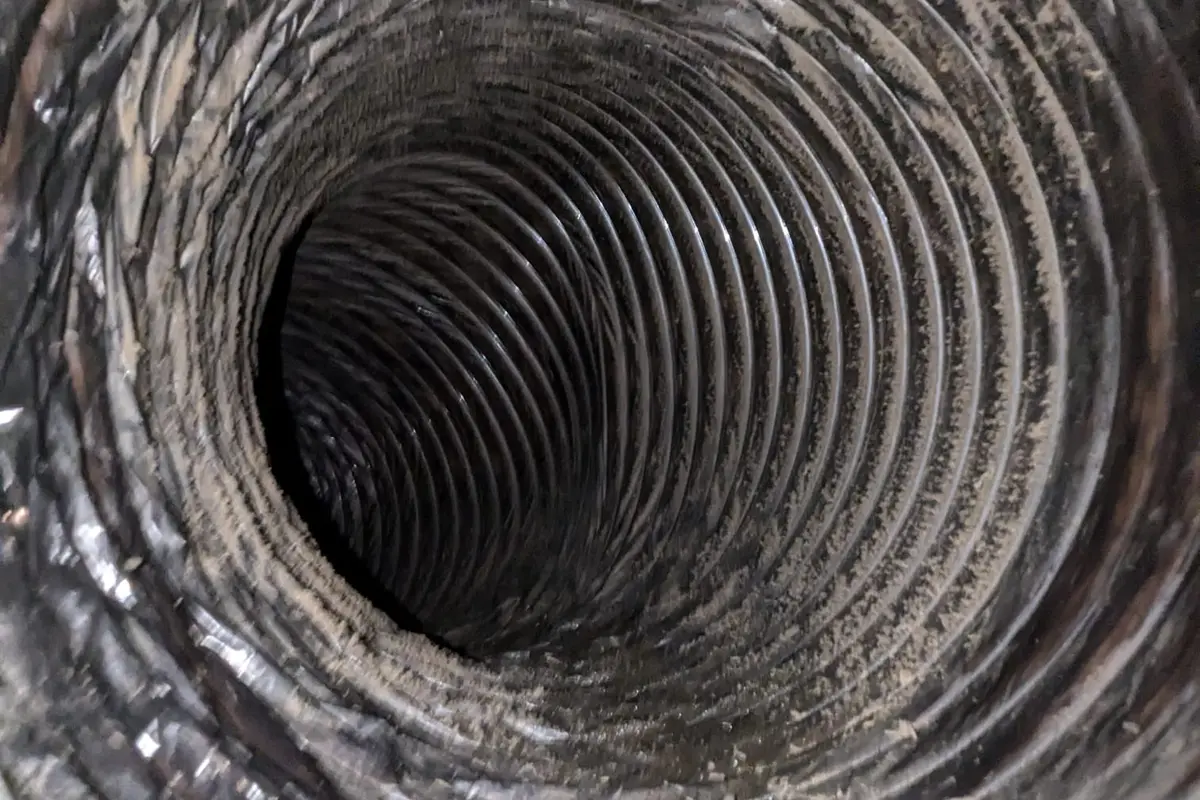
Why Apartment Ducts Get Dirty Faster Than Single-Family Homes
Occupant density is the primary driver. A 900 square foot apartment unit houses the same or greater occupant load as a 2,000 square foot house - more people per square foot means more cooking vapors, more respiration moisture, more skin cells and pet dander per cubic foot of living space. That load goes through the HVAC system continuously. In apartment buildings where units share air handlers by floor - a common configuration in buildings constructed in the 1980s and 1990s around the UT area and East Riverside corridor - one heavy shedder (a smoker, a cat owner, a unit that cooked extensively) can contaminate the duct runs serving the entire floor.
Tenant turnover brings its own contamination cycle. Move-out cleaning covers surfaces. It does not cover ductwork. A previous tenant who smoked, kept multiple pets, or had an unreported water leak (common in bathroom exhaust transitions in older buildings) leaves contamination in the duct system that the next tenant breathes from day one. In a building with 30 percent annual turnover, that means roughly one-third of units start each lease cycle with ductwork that was not cleaned between occupants. Austin's construction activity - I-35 rebuild, Domain expansion, East Riverside development - contributes fine silica dust through HVAC intakes that is not visible at turnover inspection but accumulates on duct walls over months.
Cedar fever season amplifies the problem for buildings near cedar breaks - which includes virtually every property north of the Colorado River within twenty miles of downtown. From December through March, Ashe juniper pollen concentrations in Austin air routinely hit levels that trigger allergy responses even in non-allergic individuals at sustained exposure. Buildings with rooftop HVAC intakes pulling in that air during peak pollen season accumulate pollen on supply duct surfaces, air handler coils, and drain pans. Cedar pollen on a wet coil surface is an IAQ problem that persists long after pollen season ends.
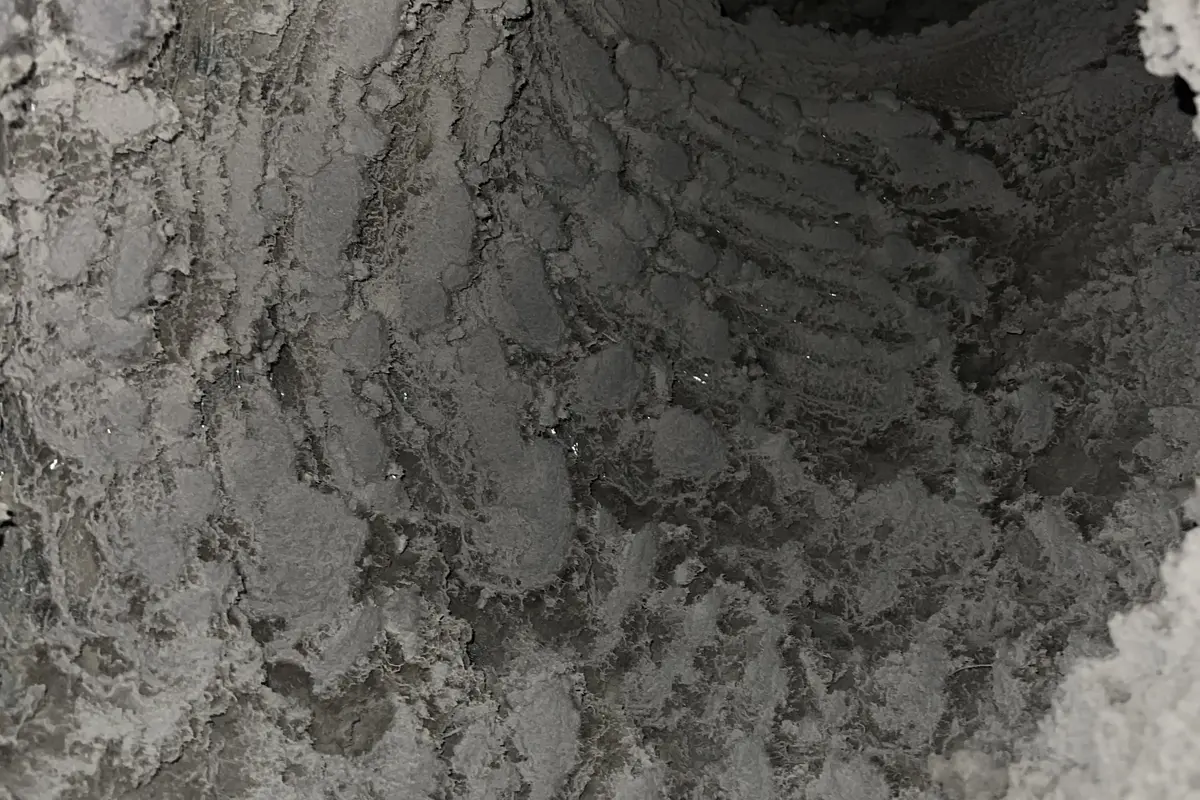
When Austin Landlords and Property Managers Face Liability
Texas Property Code Section 92.056 requires landlords to make diligent efforts to repair conditions that materially affect the physical health or safety of an ordinary tenant. Documented HVAC contamination - particularly mold in duct systems, which Austin's humidity levels of 67 percent average support for eight to nine months per year - can meet that threshold. A tenant who obtains an industrial hygienist report documenting mold in supply air registers has established the condition. A landlord who cannot produce maintenance records showing HVAC inspection and cleaning has documented neglect.
The OSHA General Duty Clause creates additional exposure for properties that function as commercial leases - student housing with office space, mixed-use buildings, properties with on-site management offices. Tenants who experience IAQ complaints and engage an attorney will review maintenance records as part of the discovery process. Maintenance records that show annual HVAC filter changes but no duct inspection or cleaning in the building's history are not a defense - they are a gap in the duty of care documentation. Properties that can produce duct cleaning records with camera documentation are in a materially different legal position.
Insurance implications are real, though underappreciated. Commercial landlord policies typically require documented evidence of reasonable maintenance to support mold-related claims. A property that experiences tenant illness linked to HVAC mold contamination, and cannot produce maintenance records, may find the insurer disputing the claim on grounds that the condition resulted from neglected maintenance rather than a covered casualty. We are not attorneys and this is not legal advice - but property managers who have been through a tenant IAQ dispute know that the documentation question comes up immediately, and those who have records are in a structurally better position than those who do not.
Concerned About Your Home's Air?
We provide professional air quality assessments for Austin homes. See what is in your ducts before deciding.
Call (512) 601-4451Rate your home's indoor air quality in 2 minutes
How Bulk Duct Cleaning Works for Multi-Family Properties
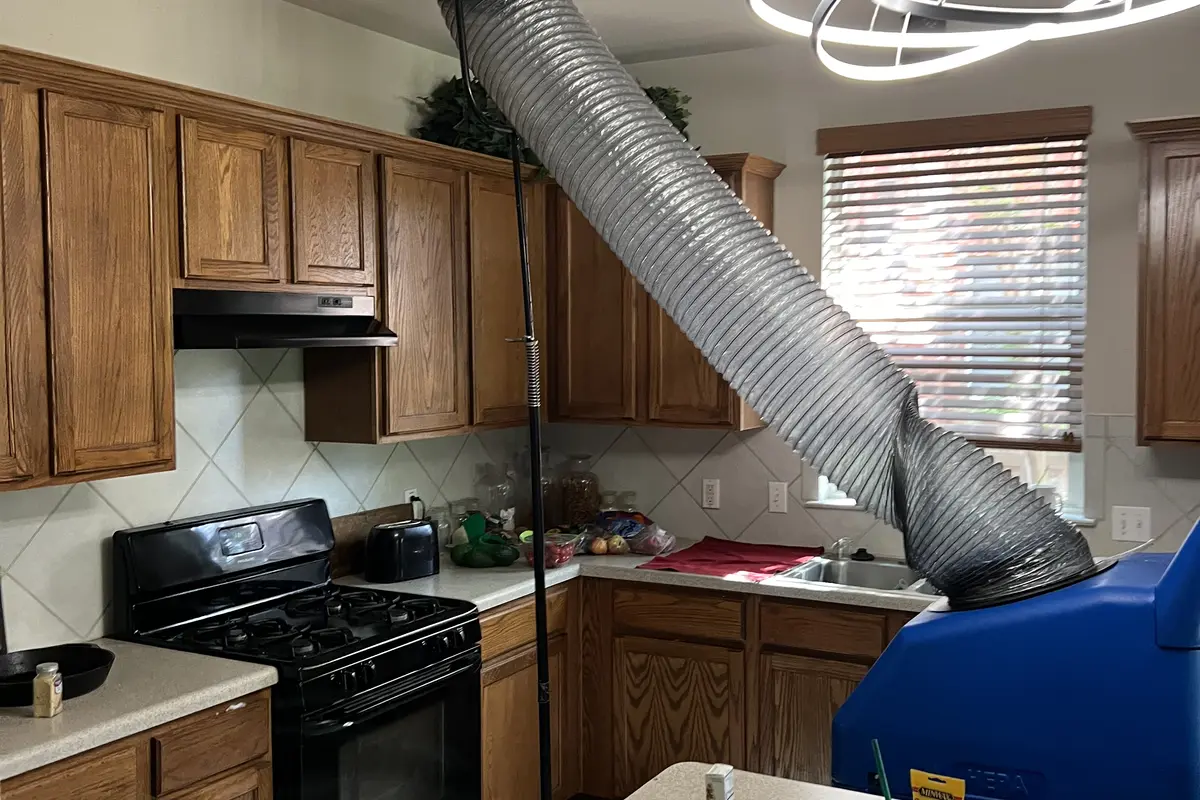
Multi-family duct cleaning is typically approached one of two ways: per-unit service (where each apartment unit's individual supply and return runs are cleaned as a discrete scope), or whole-building service (where shared air handlers and common duct runs are cleaned alongside unit-level work). The right approach depends on the building's HVAC configuration. Buildings with individual split systems or packaged terminal units per unit are serviced per-unit. Buildings with centralized air handlers serving multiple units on a floor require the central equipment to be serviced first, then individual branch runs per unit.
Scheduling around tenant occupancy is the central logistics challenge. Unlike a commercial office building that empties on evenings and weekends, apartment units are occupied at all hours. The most practical approach for occupied properties is phased floor-by-floor or wing-by-wing service, with advance notice to tenants and scheduling that minimizes disruption to occupied units. We typically provide tenants with a two-hour service window per unit and work through a building in phases over multiple days. For vacant units during turnover, we can often complete service same-day with the make-ready crew.
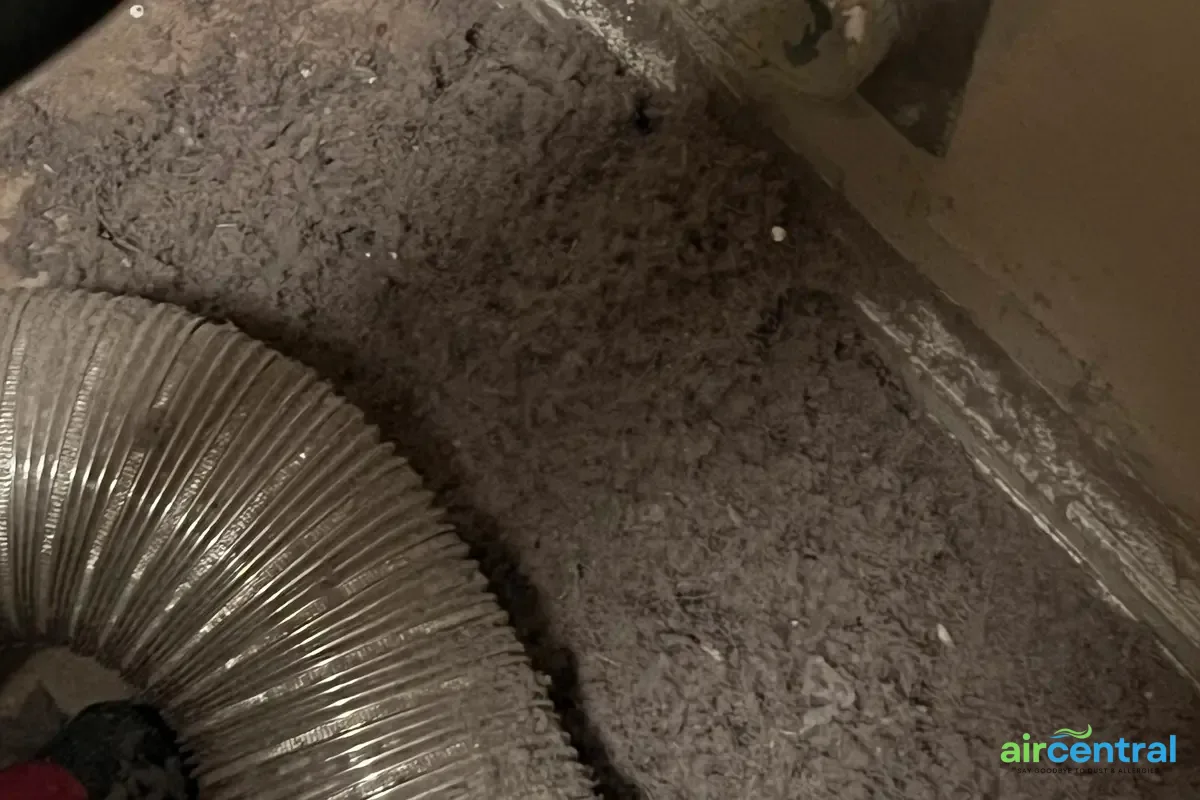
Dryer vent cleaning is a natural bundle with apartment duct cleaning for multi-family properties - and for fire risk reasons, more urgent at multi-family properties than anywhere else. NFPA 2016 data attributes roughly 92 percent of residential dryer fires to failure to clean lint from the vent system. Apartment dryer vents tend to run longer horizontal distances than single-family homes (to reach exterior walls), accumulate lint faster with shared laundry usage patterns, and are inspected far less frequently. Bundling dryer vent cleaning into a duct cleaning contract for a multi-family property reduces total mobilization cost and addresses the most significant fire risk in the building in a single service visit.
Scheduling Bulk Duct Cleaning for Your Austin Property
The right time to schedule bulk duct cleaning for an Austin apartment property is during a planned vacancy wave - when a significant number of units turn over in a 60 to 90 day window. Properties near UT that see summer turnover of 40 to 60 percent of units have a natural window from May through August when make-ready crews are already in the building. Adding duct and dryer vent cleaning to the make-ready checklist during that window maximizes access without tenant coordination.
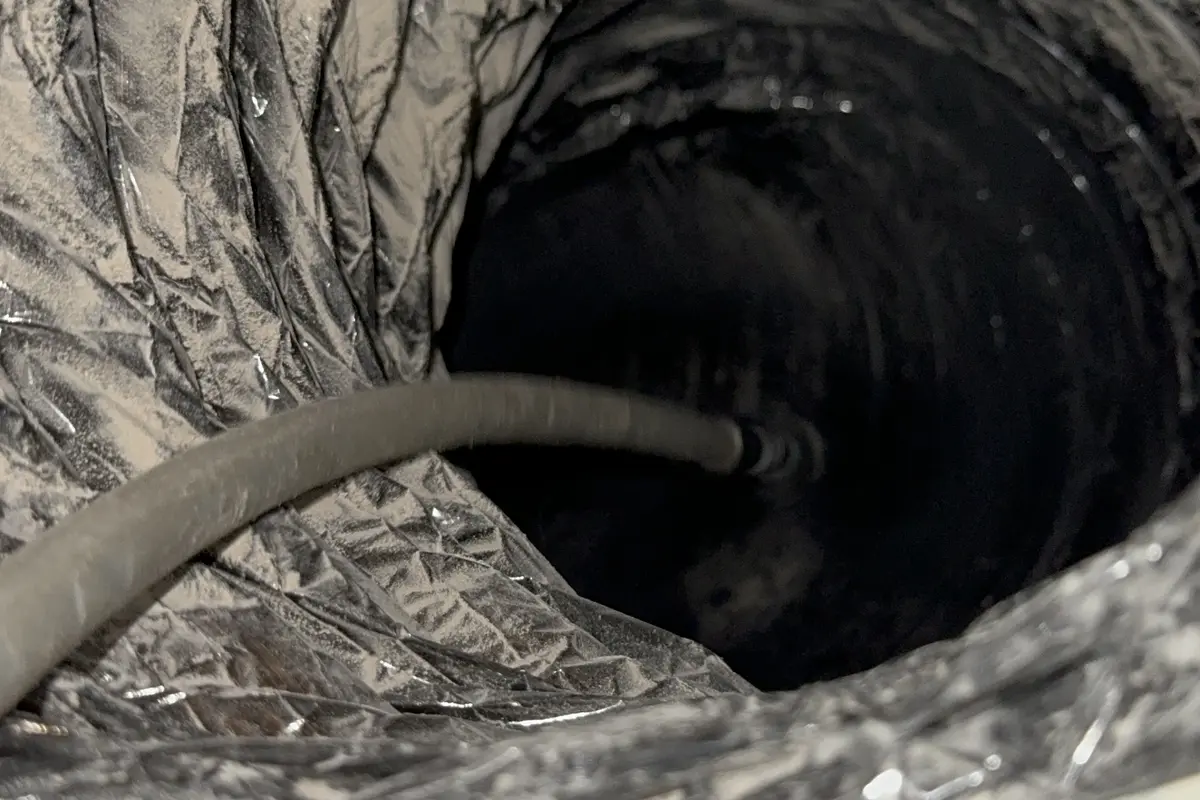
For occupied buildings with lower turnover, phased service works well. We can begin with the units where IAQ complaints have been documented, work through common-area air handlers, and schedule individual occupied units with tenant notification. A building-wide service for a 100-unit property typically takes four to seven days of phased work depending on unit density and HVAC configuration. We provide written completion records per unit - useful for maintenance files and for demonstrating to prospective tenants that the building maintains IAQ standards.
Property managers handling multiple Austin apartment properties can work with Air Central on a portfolio service schedule - pricing is more favorable on multi-property annual agreements, and having a single contractor with records across all your properties simplifies your maintenance documentation. We work with property management companies in Cedar Park, Pflugerville, Round Rock, South Congress, and across the Austin metro. See our commercial duct cleaning service page for full details on what we include for multi-family properties, or call (512) 601-4451 to discuss your portfolio and get a bulk service proposal.
Related Services
Learn more about our professional services related to this topic:
- Air Duct Cleaning - Remove dust, allergens, and debris from your entire HVAC system for cleaner indoor air.
- UV Lighting System - Eliminate bacteria and allergens inside your HVAC with UV-C light technology.
Want the full picture?
Read our complete guide: The Complete Guide to Indoor Air Quality in Austin, TX (2026) →
Have questions about indoor air quality? Our team is available 7 days a week. Call us at (512) 601-4451 or visit our contact page.