Your HVAC system can produce deadly carbon monoxide through a cracked heat exchanger, blocked flue pipe, or backdrafting caused by exhaust fans or negative pressure. Warning signs include soot or discoloration around the furnace, a yellow or flickering burner flame (it should be blue), condensation on windows near the furnace, and unexplained headaches or nausea. Install CO detectors on every floor, within 15 feet of bedrooms, and 15 feet from gas appliances. If your CO detector alarms, leave the house immediately and call 911. Call (512) 601-4451 to schedule an HVAC inspection.
How Your HVAC System Can Produce Carbon Monoxide
Carbon monoxide is produced whenever fuel burns incompletely. In a properly functioning gas furnace, natural gas combustion produces carbon dioxide and water vapor, which exit safely through the flue pipe. When something goes wrong - a cracked heat exchanger, a blocked flue, or insufficient combustion air - the same process produces carbon monoxide instead.
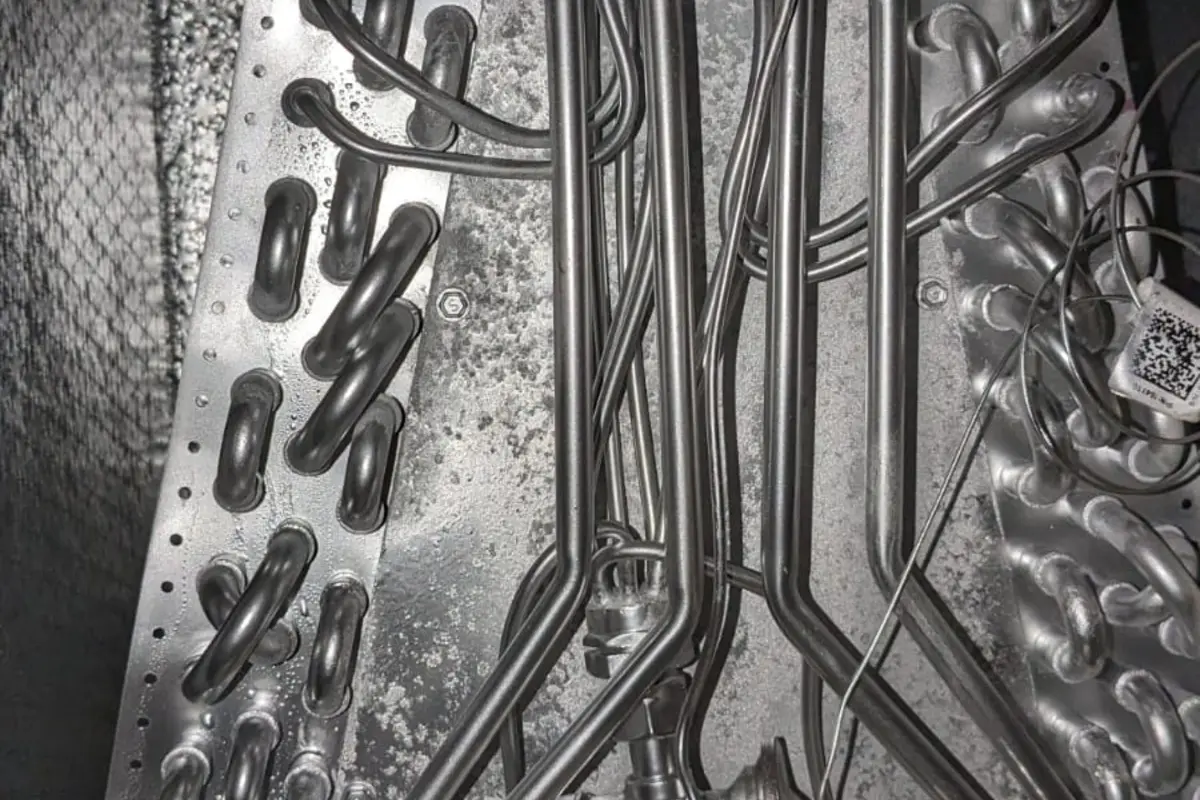
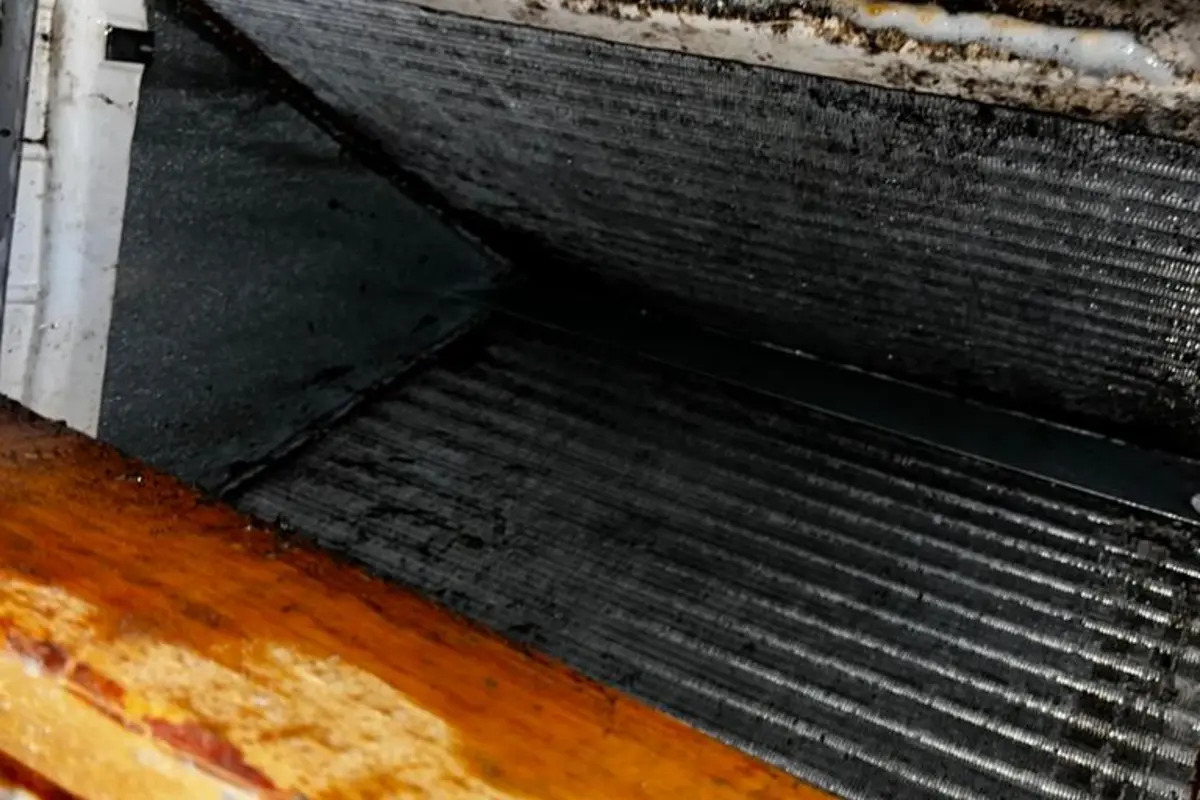
A cracked heat exchanger is the most dangerous HVAC-related CO source. The heat exchanger is a metal chamber inside your furnace where combustion gases heat the air that circulates through your home. These chambers expand and contract with every heating cycle. Over 15-20 years of thermal cycling, metal fatigue can cause cracks. When the heat exchanger cracks, combustion gases (including CO) leak directly into the air stream that your blower pushes through the ducts and into every room.
A blocked or disconnected flue pipe prevents combustion gases from exiting the home. Bird nests, debris, corrosion, and poor installation can all obstruct the flue. When exhaust cannot escape upward, it spills back into the mechanical room or attic. If your furnace is in a closet, garage, or attic with air pathways to living spaces, CO can enter the home.
Backdrafting occurs when exhaust fans, dryer vents, or other equipment create negative pressure inside the home, pulling combustion gases back down the flue pipe instead of letting them rise naturally. This is most common when a powerful kitchen range hood or bathroom exhaust fan runs while the furnace is operating. Newer homes with tight construction are more susceptible to backdrafting because they exchange less air with the outdoors.
Warning Signs of Carbon Monoxide from Your HVAC
A yellow or orange burner flame is a visual warning sign. Gas furnace burners should produce a steady blue flame. A yellow, orange, or flickering flame indicates incomplete combustion, which means CO is being produced. If you can see your burner flame (through the furnace sight glass or access panel) and it is not blue, shut the system off and call an HVAC technician.
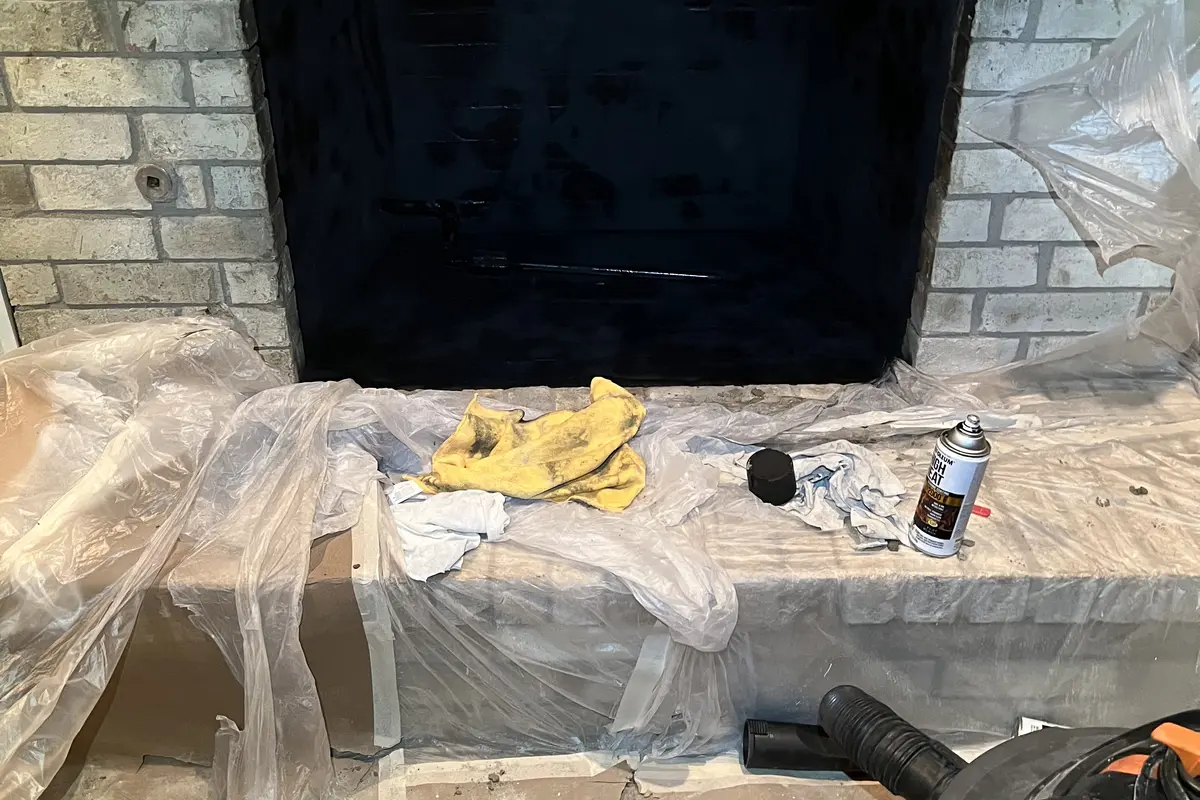
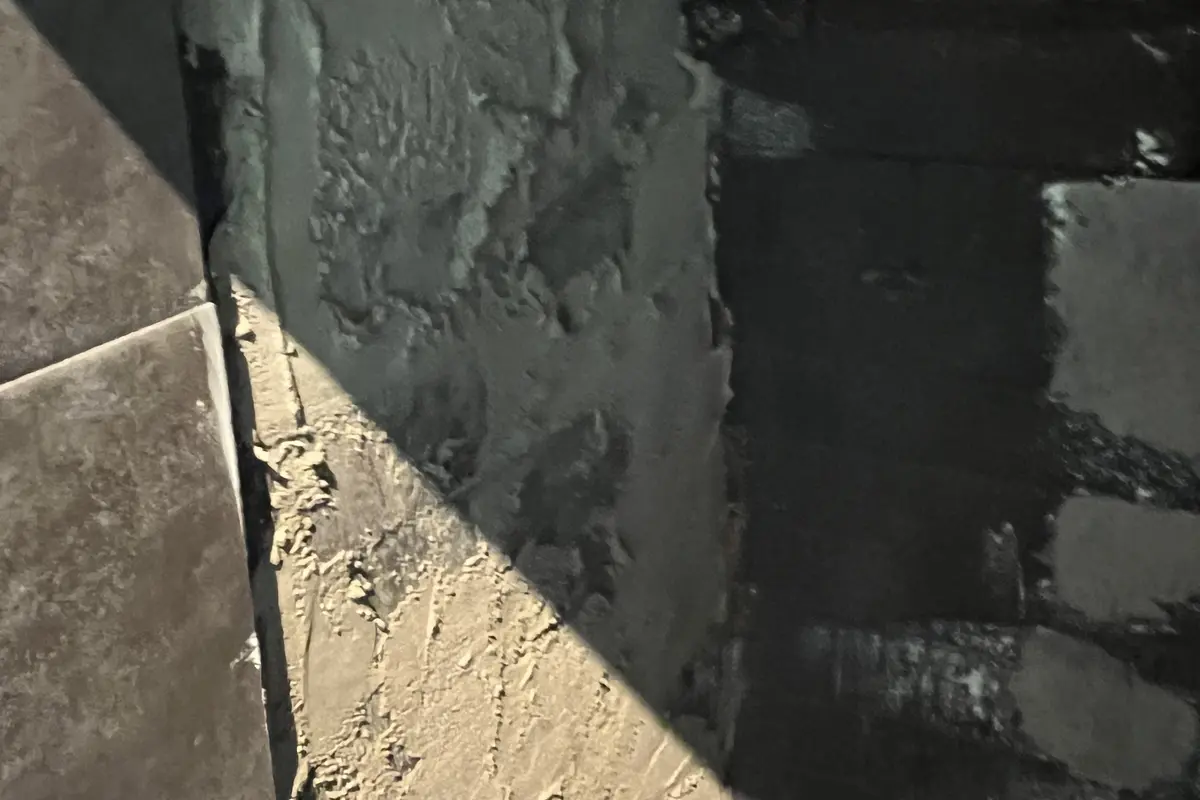
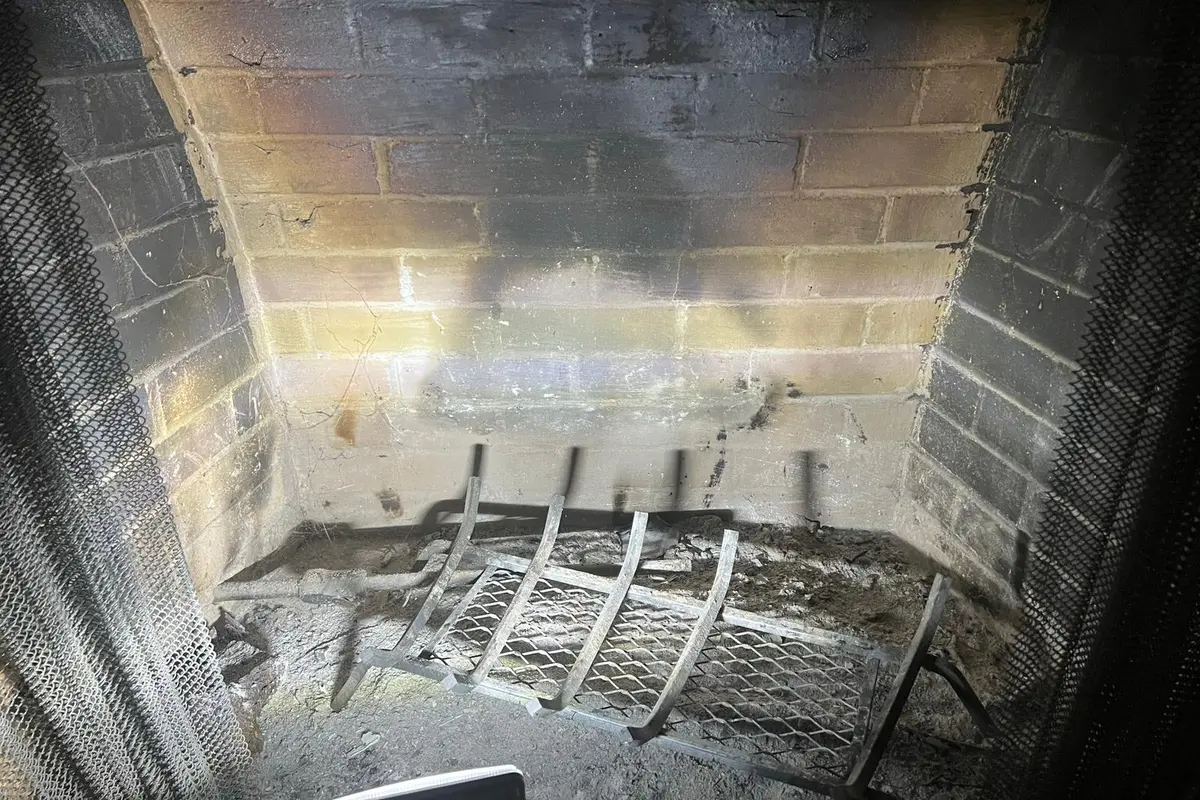
Soot, scorch marks, or discoloration around the furnace, flue pipe connections, or vent opening suggest combustion gases are not properly contained. Black streaks near the draft hood or on the ceiling above a water heater are specific indicators of backdrafting.
Excessive moisture on windows near the furnace can indicate that combustion gases are spilling into the living space instead of exiting through the flue. Combustion produces water vapor, and when that moisture enters the home rather than going up the chimney, it condenses on cold surfaces.
Physical symptoms are the most urgent warning signs. Carbon monoxide poisoning produces headaches, dizziness, nausea, confusion, and fatigue. These symptoms often mimic the flu, which leads many people to dismiss them. The critical difference: CO poisoning symptoms improve when you leave the house and return when you come back. If multiple family members experience simultaneous flu-like symptoms that resolve when you go outside, treat it as a CO emergency.
A carbon monoxide detector alarm is the most definitive warning. Modern CO detectors display the detected concentration in parts per million (ppm). Any reading above 0 ppm warrants investigation. Readings above 35 ppm require immediate action.
Carbon Monoxide Detector Placement for Austin Homes
Install CO detectors on every level of your home, including the attic if your HVAC system or water heater is located there. Many Austin homes have the furnace and water heater in the attic, which makes attic CO detection especially important. Austin building code requires carbon monoxide detectors in all homes with gas-burning appliances, which includes homes with gas furnaces, gas water heaters, gas stoves, and gas fireplaces.
Place detectors within 15 feet of every bedroom door. CO poisoning is most dangerous during sleep because symptoms go unnoticed. A detector near the bedroom alerts you before CO levels become life-threatening while you are sleeping.
Install a detector within 15 feet of any gas-burning appliance: furnace, water heater, gas stove, gas fireplace, or gas dryer. These are the CO sources in your home, and a nearby detector provides the earliest possible warning. Even if your home is all-electric with a heat pump system, a CO detector is a smart investment if you have an attached garage (vehicle exhaust contains CO), use a gas grill near open windows, or have neighbors' exhaust that could enter through shared walls in condos or townhomes.
CO detectors can be wall-mounted at any height since CO mixes evenly with air, but most manufacturers recommend 5 feet above the floor for easy testing. Ceiling mounting also works. Carbon monoxide has nearly the same density as air, so it distributes evenly throughout a room rather than rising or sinking.
Do not place detectors directly next to a gas appliance (too many false alarms from normal trace emissions), in direct sunlight, in high humidity areas like bathrooms, or near windows or doors where drafts may dilute the CO before it reaches the sensor.
Test every CO detector monthly by pressing the test button until it beeps. Replace the batteries annually (or sooner if the low-battery chirp sounds), and replace the entire unit every 5 to 7 years regardless of whether it still passes the test button check. The electrochemical sensors inside CO detectors degrade with age and become less sensitive, which means an old detector might pass a self-test but fail to detect a real CO event at lower concentrations. Check the manufacture date printed on the back of each unit - if any detector in your home is older than 7 years, replace it immediately.
Gas Furnaces in Older Austin Homes
Many Austin homes built in the 1970s through 1990s have natural gas furnaces with standing pilot lights and naturally-drafting flues. These older systems are more susceptible to CO problems than modern high-efficiency furnaces for several reasons.
Older heat exchangers have endured more thermal cycles and are more likely to have developed cracks. A furnace installed in 1995 has undergone approximately 30 years of expansion and contraction cycles. Even if it was well-maintained, the metal is fatigued.
Naturally-drafting flues rely on the buoyancy of hot exhaust gases to draw combustion byproducts up and out. This works well when the flue is properly sized and unobstructed, but it is vulnerable to backdrafting from exhaust fans, wind gusts, and negative pressure. Modern high-efficiency furnaces use powered exhaust venting (an inducer motor) that actively pushes combustion gases out regardless of pressure conditions.
Standing pilot lights burn continuously, producing small amounts of combustion byproducts 24/7. While the CO output from a healthy pilot is minimal, a partially clogged pilot orifice or insufficient combustion air can increase CO production from the pilot alone.
If your Austin home has a gas furnace older than 15 years, annual professional inspection is critical. The inspection should include a visual check of the heat exchanger (using a camera if accessible), a combustion analysis to measure CO in the exhaust, and verification that the flue draws properly.
Just Moved In? Start Here.
We help new Austin homeowners understand their HVAC system with honest assessments and straightforward recommendations.
Call (512) 601-4451Rate your home's indoor air quality in 2 minutes
Water Heaters: The Overlooked CO Source
Gas water heaters produce carbon monoxide through the same combustion process as furnaces, but homeowners rarely think about them as a CO source. In many Austin homes, the water heater sits in the garage, attic, or a utility closet with direct access to living spaces.
Water heaters are particularly risky because they run year-round. Your furnace only operates during Austin's mild winter, but your water heater fires up multiple times per day, every day. A water heater with a compromised flue or poor combustion produces small amounts of CO every time it cycles.
Check your water heater's flue connector - the pipe that connects the water heater to the chimney or vent pipe. It should slope upward continuously with no dips or sags. A sagging or disconnected flue connector is one of the most common causes of residential CO exposure. If you can see daylight or gaps at the connections, it needs repair.
Tankless water heaters are less likely to cause CO problems because they use sealed combustion (air for combustion is drawn from outdoors through a dedicated pipe), and they only produce combustion byproducts when actually heating water. If your tank-style water heater is approaching replacement age (12-15 years), a sealed-combustion tankless unit eliminates the CO risk from that appliance entirely.
What to Do If Your CO Detector Alarms
If your carbon monoxide detector sounds an alarm, take it seriously every time. Do not assume it is a false alarm or a low battery. CO detector false alarms are rare with modern sensors.
Leave the house immediately with all family members and pets. Do not waste time opening windows, searching for the source, or trying to turn off appliances. Get outside into fresh air first.
Call 911 from outside the house. The fire department will respond with professional-grade CO detection equipment that can identify the source and measure concentrations throughout the home. Do not re-enter until they clear the home.
If anyone shows symptoms of CO poisoning (headache, dizziness, nausea, confusion), tell the 911 operator and seek medical attention. CO poisoning requires treatment - it does not resolve on its own once exposure has been significant.
After the immediate danger is resolved, have your HVAC system, water heater, and any gas appliances professionally inspected before using them again. A cracked heat exchanger or blocked flue that caused the CO event will cause it again if not repaired or replaced.
Air Central inspects HVAC systems and ductwork for Austin homeowners. If you have concerns about your furnace, air handler, or duct system condition, call (512) 601-4451 to schedule a professional inspection. For suspected carbon monoxide emergencies, always call 911 first.
Related Services
Learn more about our professional services related to this topic:
- Air Duct Cleaning - Remove dust, allergens, and debris from your entire HVAC system for cleaner indoor air.
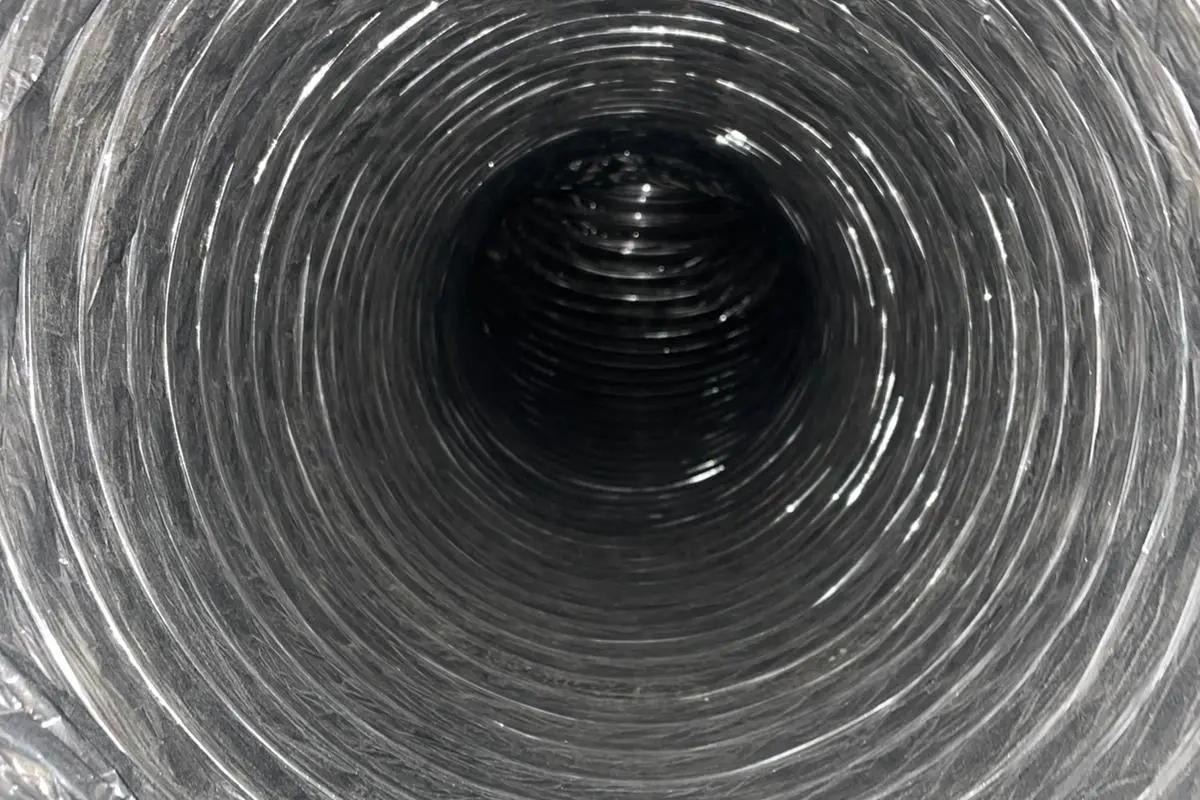
- Air Duct Inspection - Diagnose leaks, blockages, and efficiency issues with HD camera inspection.
- Dryer Vent Cleaning - Clear lint buildup to prevent fires and cut drying time in half.
- Chimney Sweep & Repair - Professional cleaning and 21-point safety inspection for your fireplace.
- Solar Fan Installation - Solar-powered attic ventilation that cuts cooling costs naturally.
Want the full picture?
Read our complete guide: First-Time Homeowner's Complete HVAC Guide for Austin (2026) →Have questions about homeowner education? Our team is available 7 days a week. Call us at (512) 601-4451 or visit our contact page.