Austin ranks among America's worst allergy cities. To allergy-proof your home: upgrade to MERV 11-13 filters (change monthly), clean ducts every 2-3 years, install UV-C light, control humidity below 50%, seal duct leaks, and address each room's specific allergen entry points. Call (512) 601-4451 for a whole-home air quality assessment.
Austin's Unique Allergen Challenge
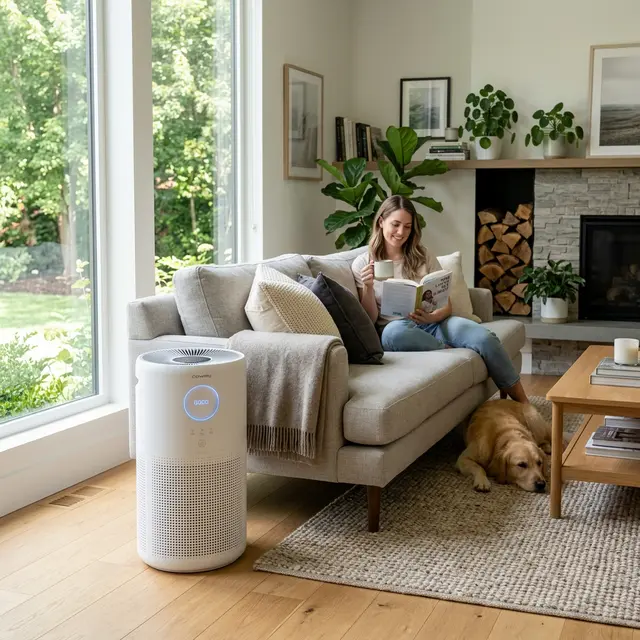
Austin regularly ranks in the top 10 worst US cities for allergies. The allergen calendar runs nearly year-round: cedar (December-March), oak and elm (March-May), grass (April-October), ragweed (August-November), and mold spores (year-round, peaking in humid months). There is no true allergy-free season in Austin. This means your home must function as a year-round allergen refuge, and your HVAC system is the most important tool for achieving that.
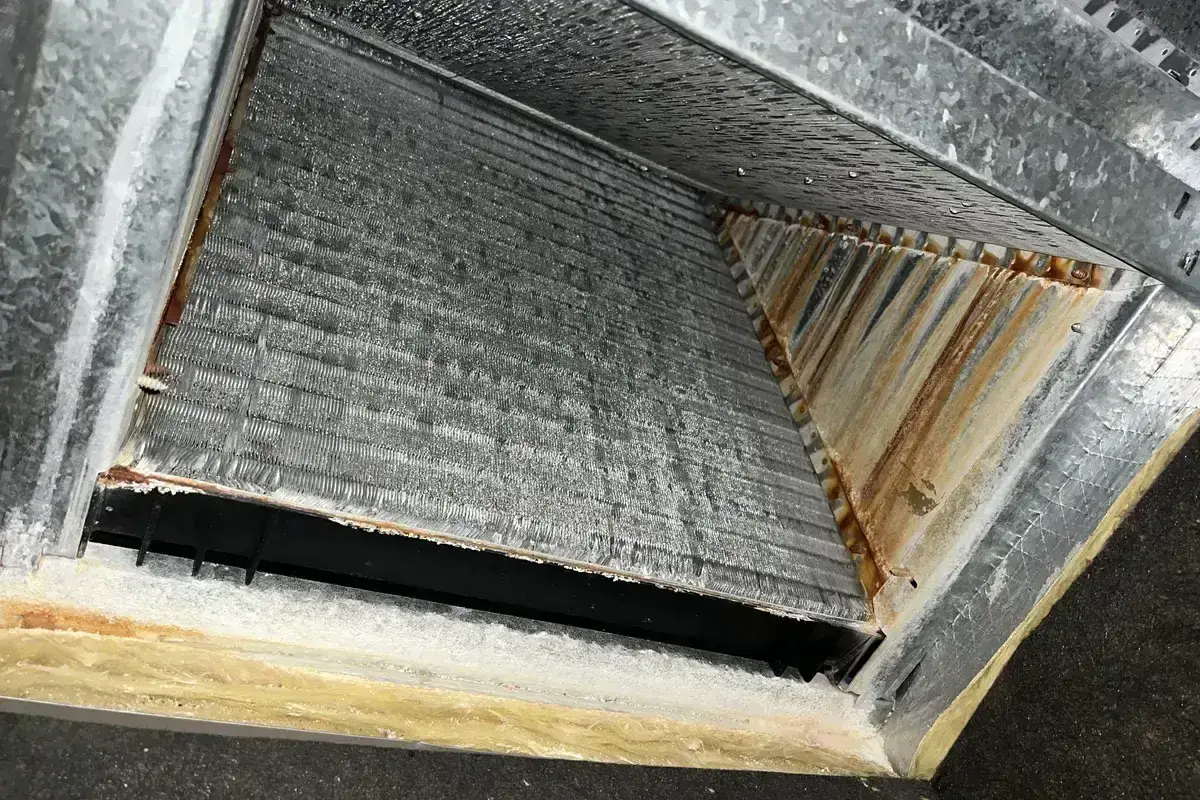
The HVAC Foundation: Filters, Ducts, and UV
Start with the filter. Upgrade to MERV 11-13 (captures 85%+ of allergen-sized particles). Change every 30 days during heavy pollen seasons. A $15 filter changed monthly is the single most cost-effective allergen reduction measure.
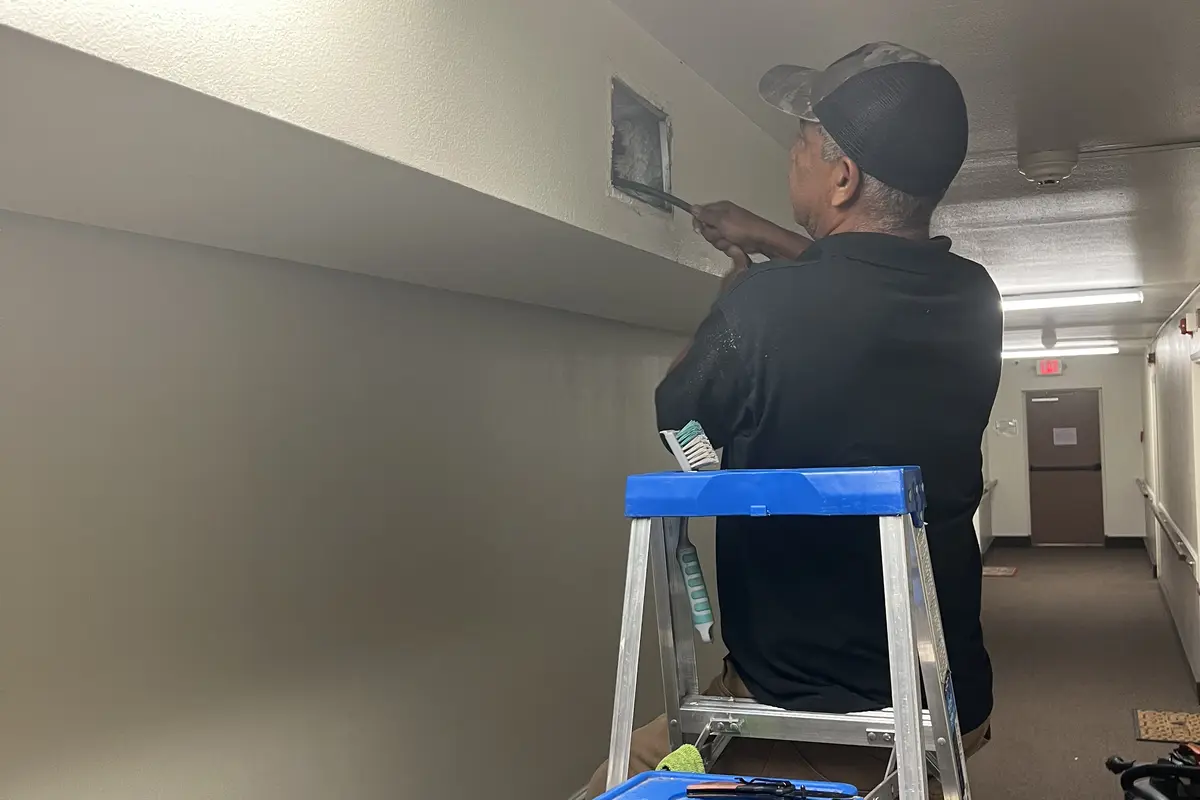
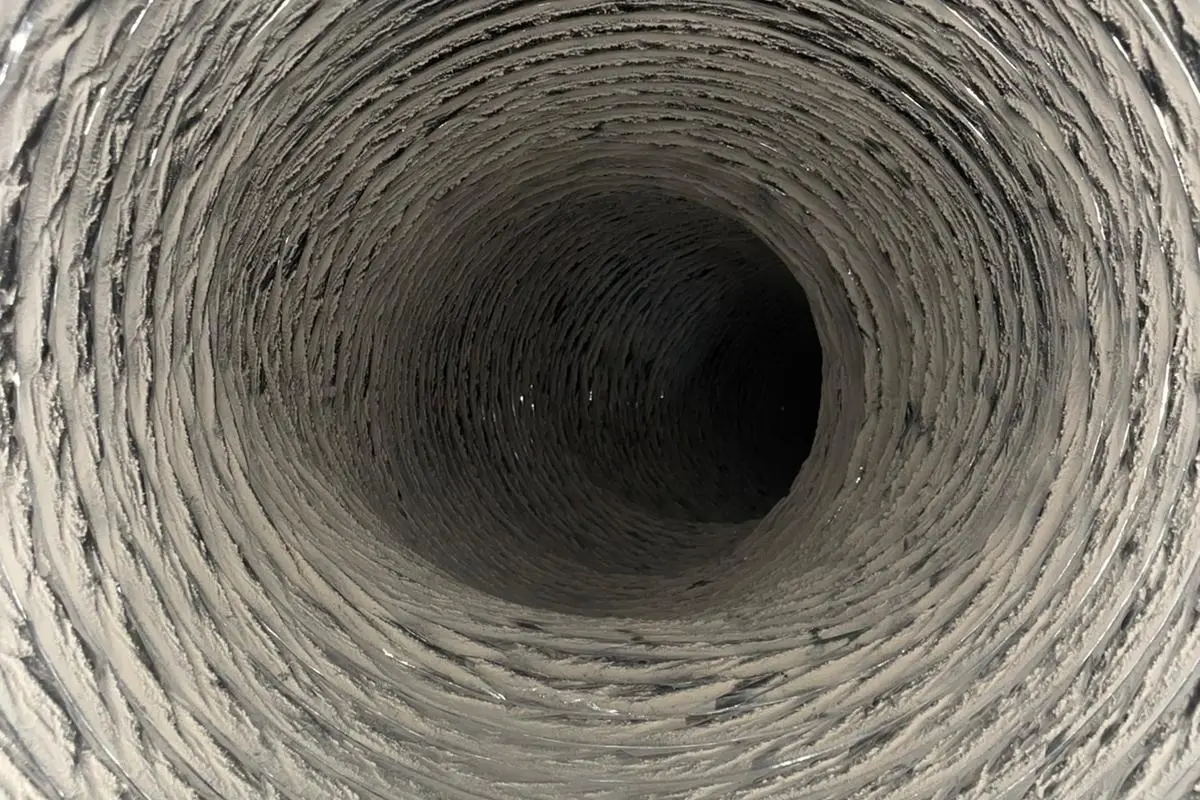
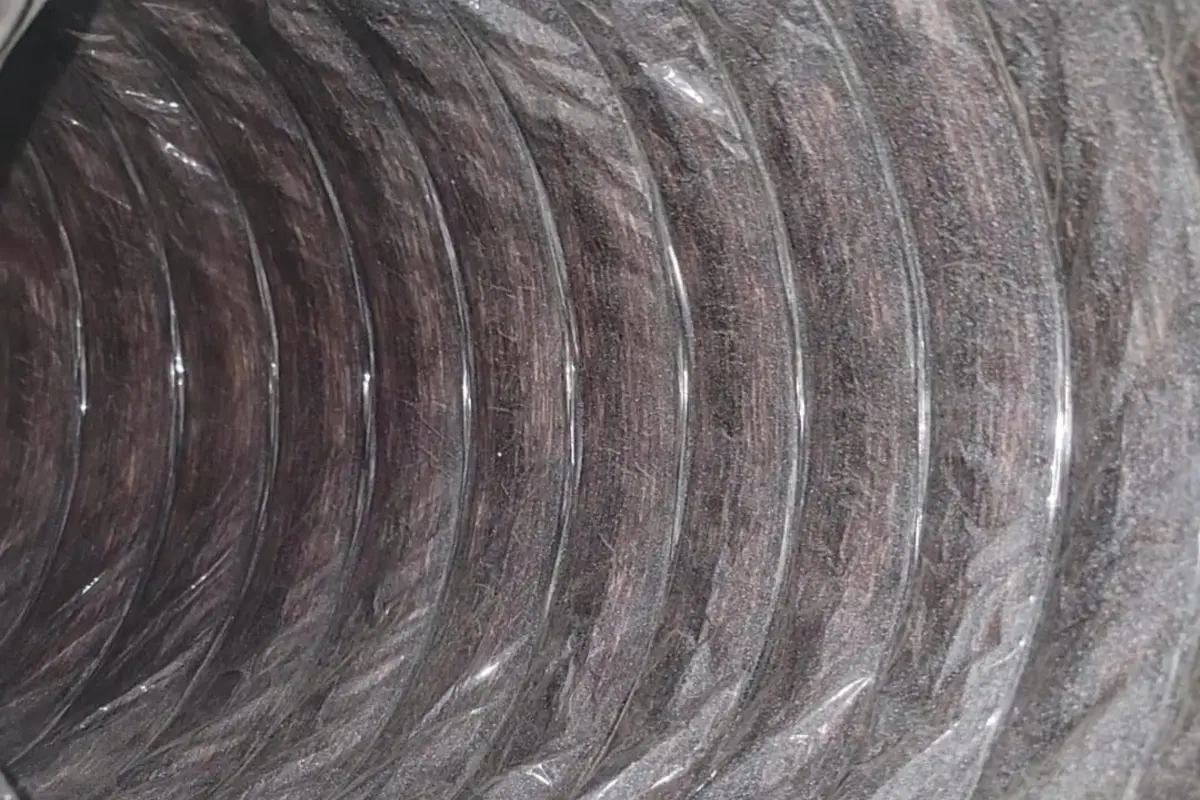
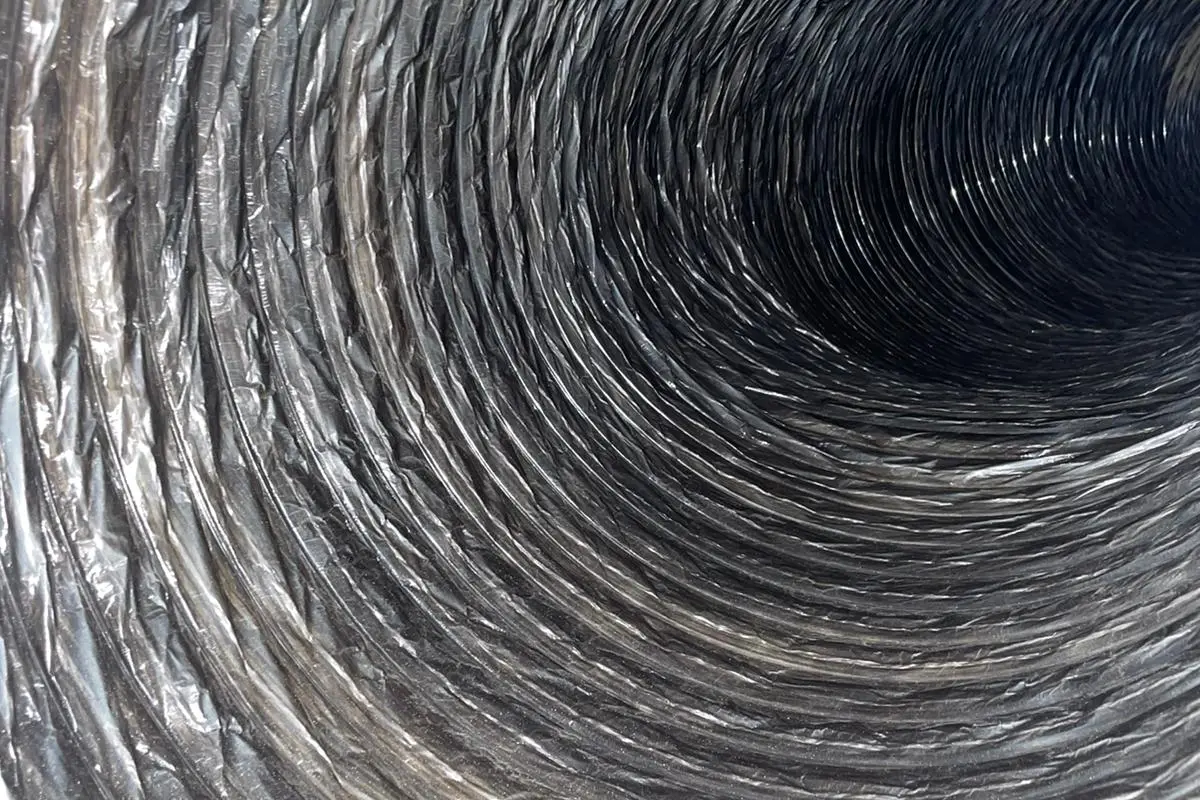
Clean your ductwork. Ducts accumulate pollen from every season and redistribute it year-round. A duct cleaning every 2-3 years removes this cross-seasonal allergen reservoir. In Austin, where pollen loads are extreme, this interval is more important than in milder climates.
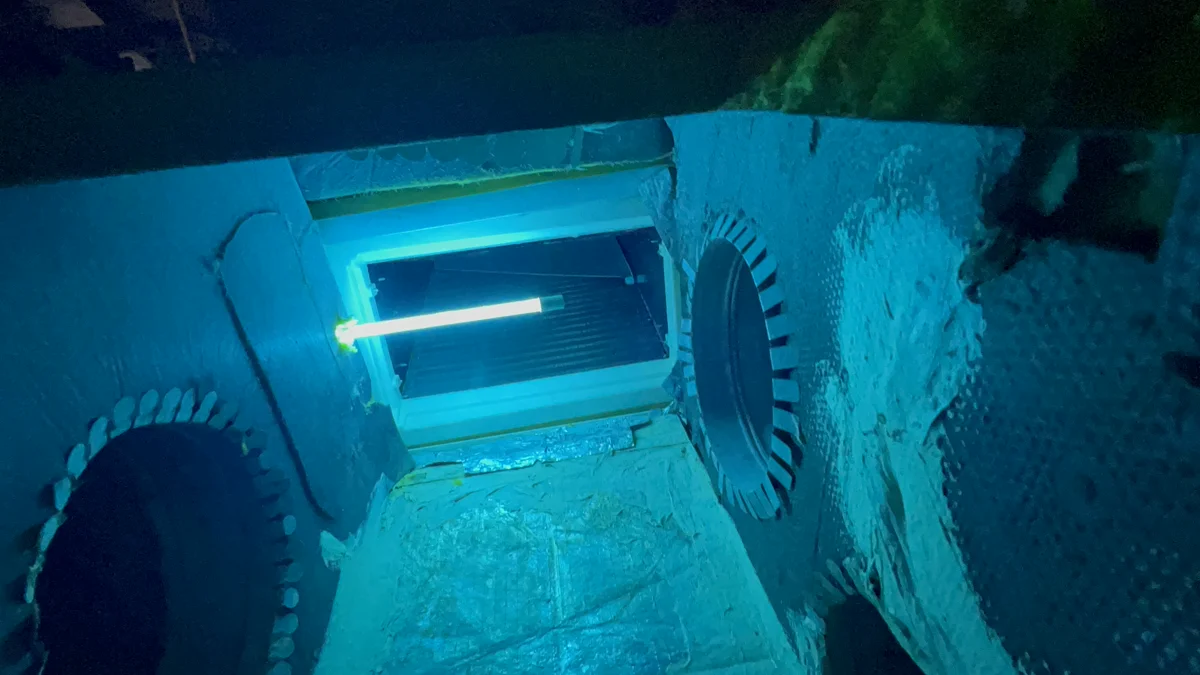
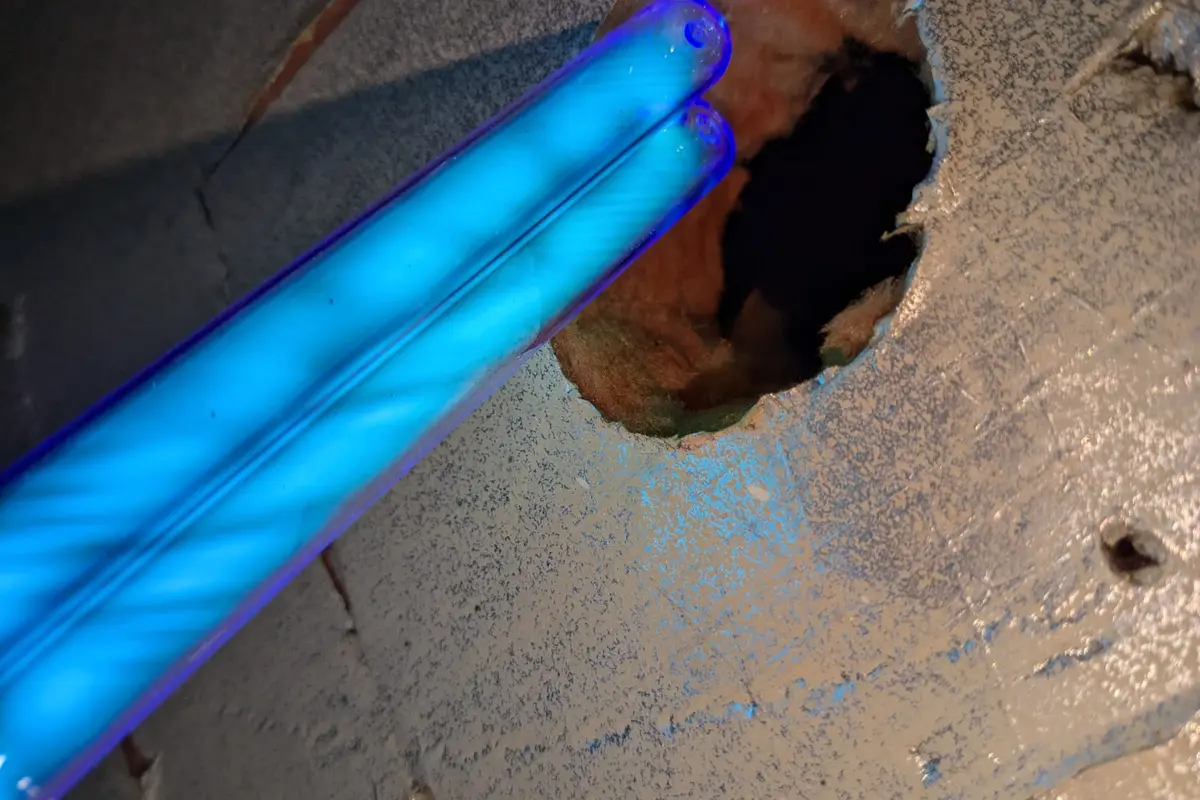
Install UV-C light in the air handler. UV-C neutralizes mold spores, bacteria, and some allergens as they pass through the system. Combined with good filtration and clean ducts, UV-C creates a three-layer defense: the filter catches particles, clean ducts eliminate the reservoir, and UV-C kills biological contaminants.
Room-by-Room Allergen Reduction
Bedrooms: You spend 7-8 hours breathing bedroom air. Ensure the bedroom supply vent is clean and unobstructed. Use allergen-proof mattress and pillow encasements. Keep bedroom doors open when HVAC runs to allow proper air circulation through the return vent. Vacuum weekly with a HEPA-equipped vacuum.
Living areas: These rooms have the most foot traffic, which stirs settled allergens into the air. Ensure return vents in these rooms are not blocked by furniture. Hard flooring traps fewer allergens than carpet. If you have carpet, vacuum twice weekly with HEPA filtration.
Kitchen: Cooking generates particulate and moisture. Use the range hood exhaust fan (vented to outside, not recirculating) during and for 15 minutes after cooking. Kitchen moisture contributes to the humidity load your AC must handle.
Bathrooms: Run exhaust fans during and 30 minutes after showers to remove moisture. Bathroom humidity that migrates into the HVAC system raises whole-home humidity and encourages mold growth in ductwork.
Concerned About Your Home's Air?
We provide professional air quality assessments for Austin homes. See what is in your ducts before deciding.
Call (512) 601-4451Rate your home's indoor air quality in 2 minutes
Sealing the Envelope: Stop Allergens at the Source
Your HVAC system can only filter air that enters through the return vent. Allergens that enter through gaps around windows, doors, and the building envelope bypass the filter entirely. Seal gaps around exterior doors with weatherstripping. Caulk around window frames. Install gaskets behind electrical outlet covers on exterior walls. Seal the attic hatch.
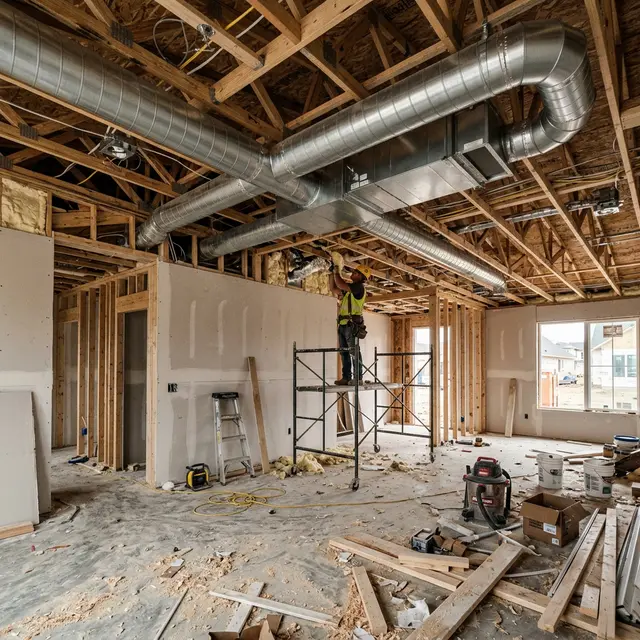
Check your duct system for leaks. Leaky ducts in the attic pull in unfiltered attic air containing insulation fibers, dust, and outdoor allergens. Sealing duct joints with mastic eliminates this bypass pathway. The EPA estimates that the typical home loses 20-30% of conditioned air through duct leaks - that is 20-30% of your air bypassing the filter entirely and pulling in unfiltered attic contaminants. Air Central can inspect your ductwork for leaks during a standard duct cleaning appointment.
Entry doors are a major allergen gateway. The average person tracks in roughly 400,000 particles per minute on clothing and shoes during peak pollen season. Place high-quality doormats at every exterior entrance (both outside and inside the door). Implement a shoes-off policy - studies show that removing shoes at the door reduces indoor particulate by up to 60%. During cedar season, consider a dedicated set of indoor clothes and shower immediately after outdoor exposure to avoid depositing pollen on upholstered furniture and bedding.
For a comprehensive approach, schedule a whole-home air quality assessment. Air Central inspects your ductwork, evaluates filtration, checks humidity levels, and identifies allergen entry points specific to your home. We create a prioritized action plan so you address the highest-impact items first. Call (512) 601-4451 to schedule.
The Annual Allergy Calendar and HVAC Strategy
Austin's allergen calendar has no true off-season, so your HVAC strategy needs to shift throughout the year to match the dominant threats. Planning ahead keeps you a step ahead of each allergen wave rather than reacting after symptoms start.
December through March is cedar season - the most intense pollen period in Central Texas. Ashe juniper counts routinely exceed 20,000 grains per cubic meter, with spikes above 30,000 on warm days following cold fronts. During this period, change MERV 11-13 filters every 30 days. Keep all windows and doors sealed. Run the HVAC system even on mild days to maintain filtration. If you normally open windows in February when temperatures are pleasant, resist the urge - cedar pollen will infiltrate every surface in the house within hours.
March through May brings the oak and elm pollen wave. This is the ideal window for professional duct cleaning because it falls right after cedar season ends - removing three months of accumulated cedar pollen from your ductwork before oak compounds the problem. After duct cleaning, install a fresh MERV 11-13 filter. Austin neighborhoods with heavy live oak canopy (Travis Heights, Zilker, Tarrytown, Old West Austin) see especially high oak pollen loads during this window.
June through August is the low-pollen, high-humidity period. Outdoor pollen counts drop, but Austin's summer humidity (routinely 80-90% morning readings) promotes indoor biological growth and dust mite reproduction. Shift your focus from pollen filtration to humidity control. Run the AC consistently to keep indoor humidity below 50%. This is the best time for annual evaporator coil cleaning and condensate drain maintenance - ensuring your system dehumidifies at full capacity when it matters most.
September through November brings ragweed season, followed by fall elm pollen. Switch back to monthly filter changes. This is the second-best window for duct cleaning if you did not schedule it in spring. Install a fresh filter before Thanksgiving to prepare for the return of cedar season in mid-to-late December, and the cycle begins again.
By timing your filter changes, duct cleaning, and maintenance to align with Austin's allergen peaks, you get maximum protection from each dollar spent on air quality. Rather than treating allergies as one continuous problem, match your defense to the specific threat each season brings.
Related Services
Learn more about our professional services related to this topic:
- Air Duct Cleaning - Remove dust, allergens, and debris from your entire HVAC system for cleaner indoor air.
- Air Duct Inspection - Diagnose leaks, blockages, and efficiency issues with HD camera inspection.
- UV Lighting System - Eliminate bacteria and allergens inside your HVAC with UV-C light technology.
Want the full picture?
Read our complete guide: Indoor Air Quality in Austin: The Complete Guide (2026) →Have questions about indoor air quality? Our team is available 7 days a week. Call us at (512) 601-4451 or visit our contact page.