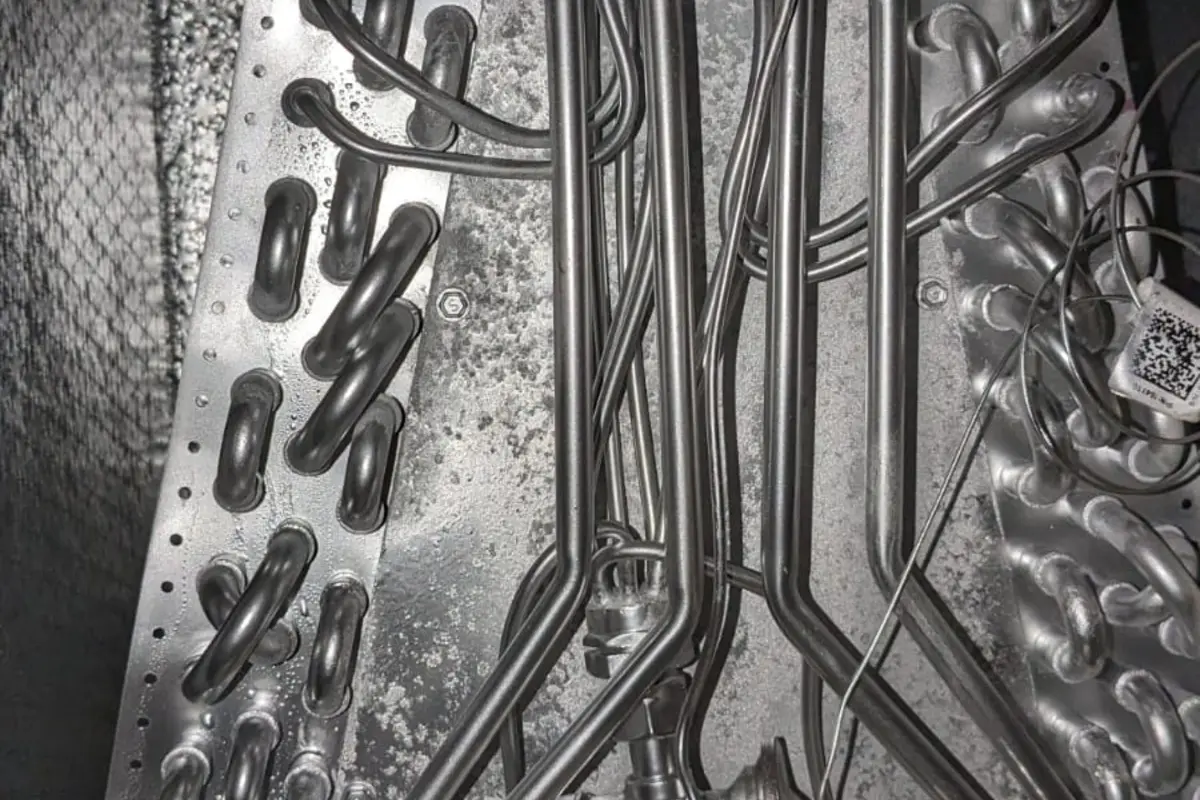
The air handler is the indoor unit of your HVAC system that houses the blower motor, evaporator coil, filter slot, and sometimes electric heat strips. It circulates all the air in your home and is usually located in the attic, a closet, or the garage in Austin homes. Keeping it clean - especially the coil and drain pan - is essential for air quality and system efficiency. Call (512) 601-4451 for professional HVAC cleaning and inspection.
What Does an Air Handler Do
The air handler is the indoor half of your HVAC system. While the outdoor condenser unit handles heat exchange with the outside air, the air handler is responsible for everything that happens inside your home: filtering, conditioning, and distributing air through your ductwork to every room.
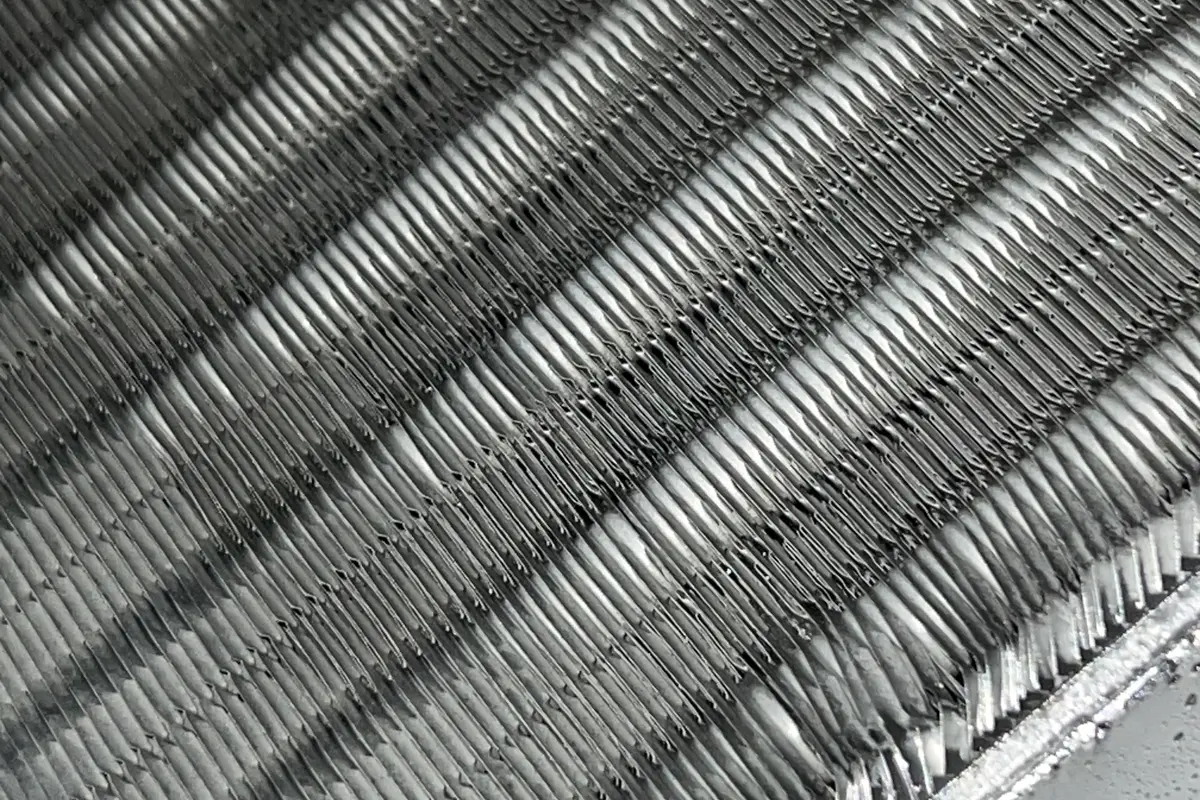
Inside the air handler cabinet, you will find four main components. The blower motor is the fan that moves air through the duct system. The evaporator coil is a set of refrigerant-filled tubes with aluminum fins that absorb heat from the air (in cooling mode) or release heat (in heat pump mode). The filter slot holds your air filter, which captures dust and particles before they reach the coil and ductwork. Some air handlers also have electric heat strips - resistance heating elements that provide backup heat during extremely cold weather.
When your thermostat calls for cooling, the air handler pulls warm air from your rooms through the return ducts, passes it over the cold evaporator coil (which absorbs heat and removes humidity), and then pushes the cooled, dehumidified air back out through the supply ducts. This cycle repeats continuously until your home reaches the set temperature.
Where Is the Air Handler in Austin Homes
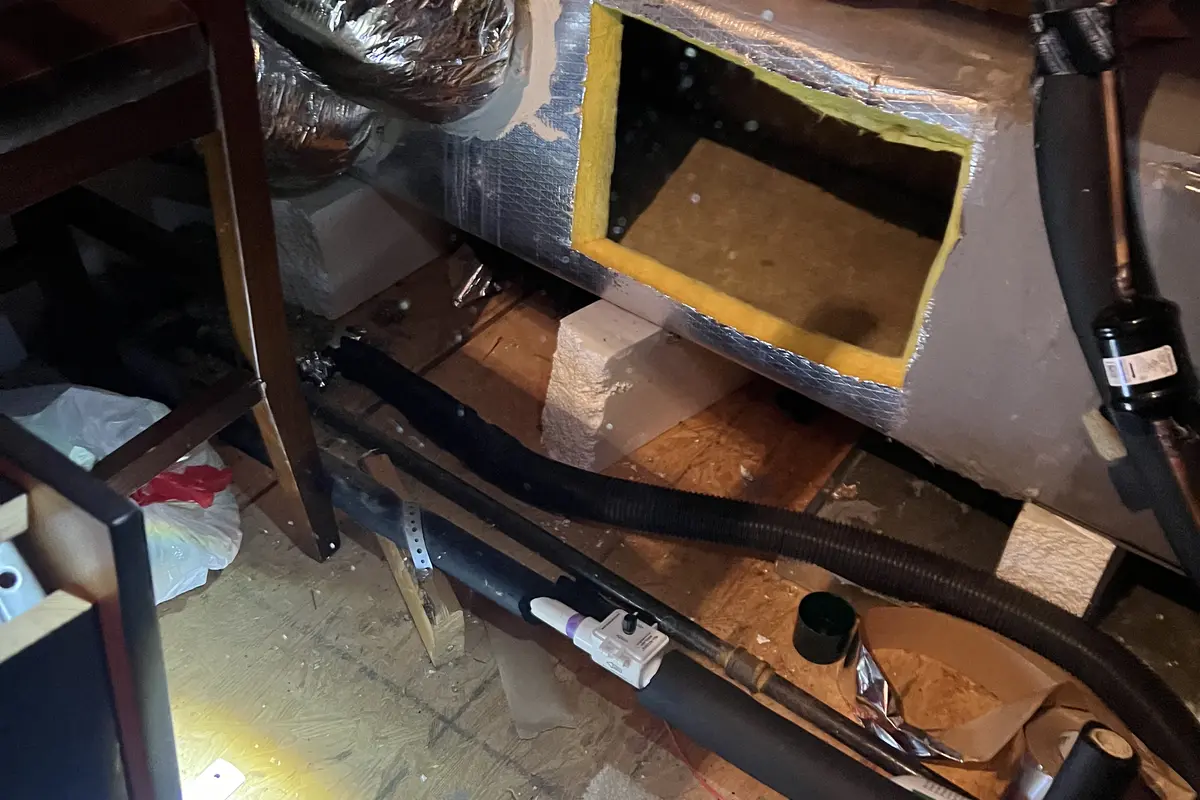
In most Austin homes, the air handler lives in the attic. This is the standard installation for homes built from the 1980s onward in Central Texas, where slab-on-grade construction is the norm (no basements). The air handler sits on a platform in the attic, with ductwork branching out to every room from that central location.
Attic installations are practical for Austin's building style but come with challenges. Summer attic temperatures in Austin regularly reach 140 to 150 degrees, which means the air handler and all connected ductwork sit in an extreme heat environment for six to seven months of the year. This heat stresses components, degrades insulation, and forces the system to work harder because the air inside the ducts heats up before reaching your rooms.
Other common locations in Austin homes include utility closets (especially in condos and townhomes), garages (in some older and custom-built homes), and mechanical rooms. A few Austin homes have air handlers in the crawl space, though this is uncommon due to the prevalence of slab construction.
Knowing where your air handler is located matters for maintenance. If it is in the attic, plan service visits for cooler months or early morning hours when attic temperatures are manageable. If it is in a closet, make sure nothing is stored against it that could restrict airflow or become a fire hazard near the electrical connections.
Why the Air Handler Matters for Indoor Air Quality
The air handler is the single most important component in your home's air quality chain, because every cubic foot of air you breathe passes through it multiple times per day. A typical residential blower moves 1,000 to 1,600 cubic feet of air per minute, cycling the entire air volume in a 2,000 square foot home five to seven times daily.
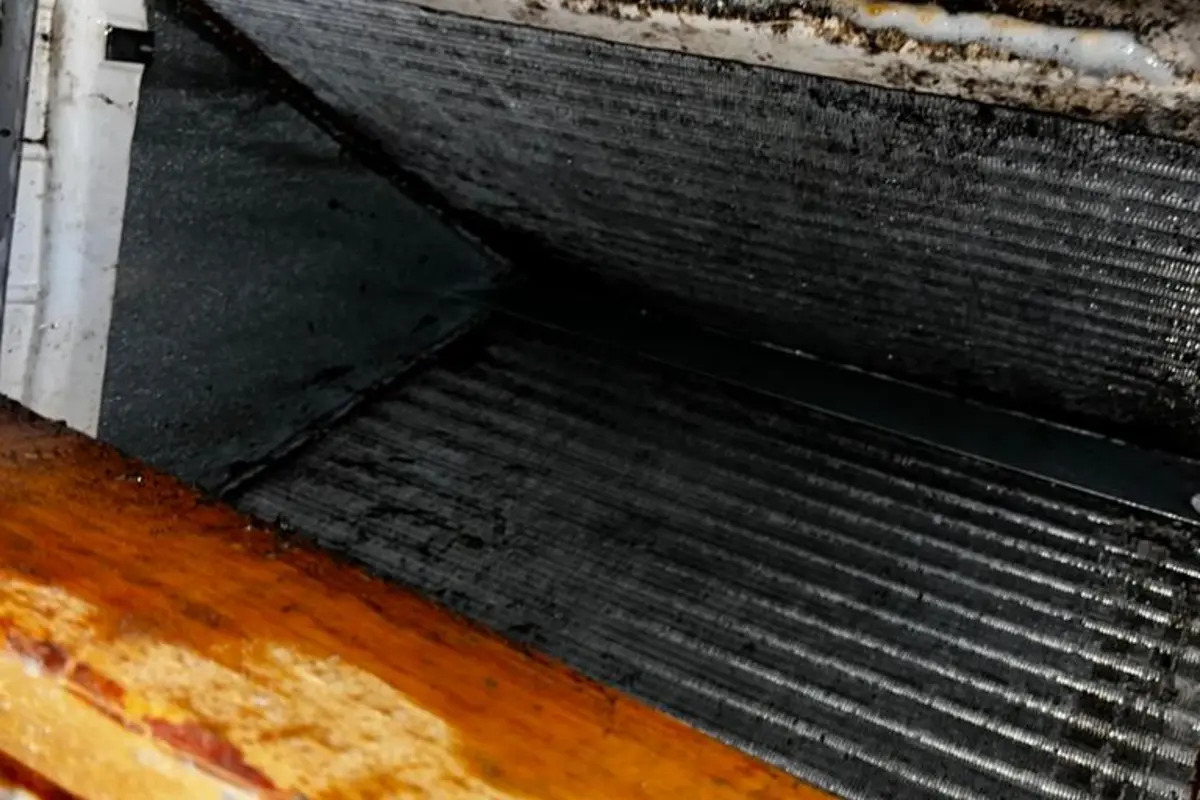
The evaporator coil is where air quality problems often originate. During cooling, moisture condenses on the coil surface - the same process that makes a cold glass sweat on a humid day. In Austin, where humidity levels average 60 to 70 percent from April through October, the coil stays wet for extended periods. This persistent moisture creates an environment where biological growth can establish on the coil fins and in the drain pan below. Once established, the blower pushes air across the contaminated coil and distributes particles throughout your home.
UV-C germicidal lights installed near the evaporator coil prevent this growth entirely by destroying microorganisms with ultraviolet light. This is the same technology used in hospitals and water treatment facilities. For Austin homes where the coil stays wet for months, UV-C is one of the most effective air quality improvements available.
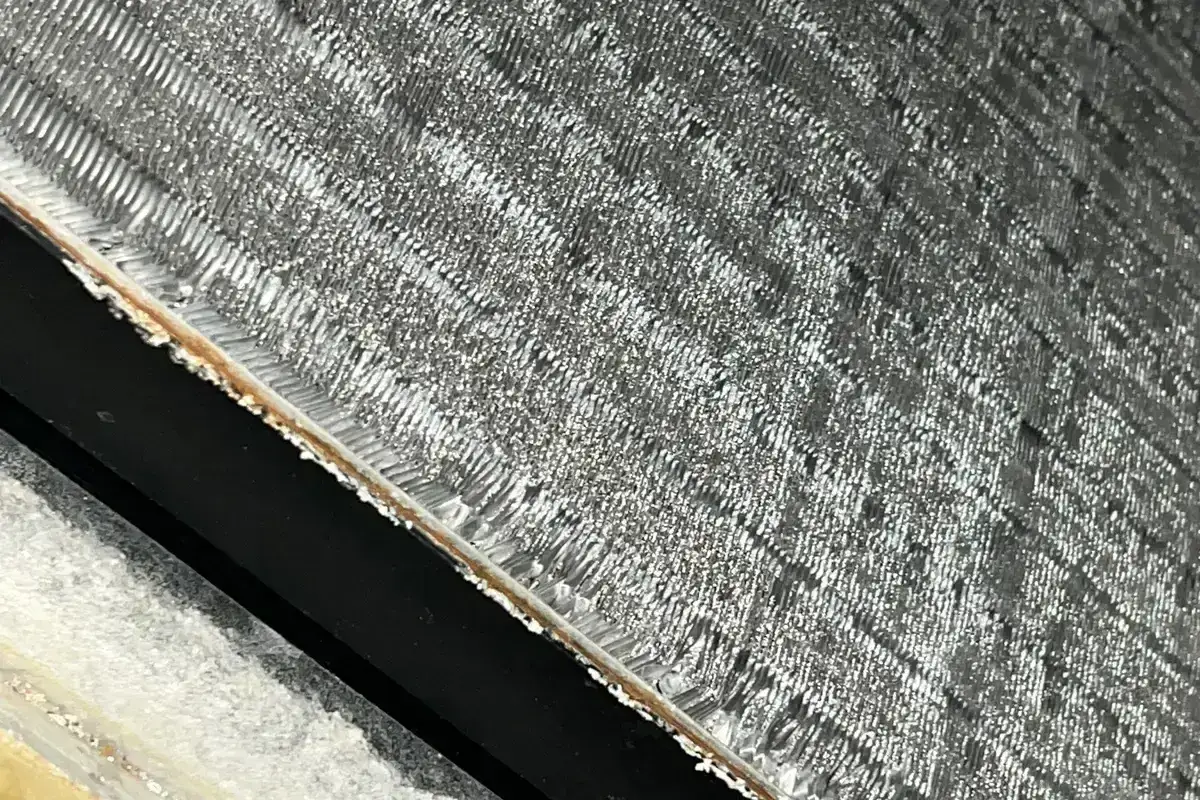
Dust and debris that bypass the filter also accumulate inside the air handler cabinet and on the coil fins over time. A coil with even a thin layer of dust loses heat transfer efficiency, which means the system runs longer to reach your set temperature. Professional coil cleaning restores efficiency and removes a major source of airborne contamination.
Air Handler Maintenance: What Homeowners Should Do
Filter changes are the single most important maintenance task for your air handler, and the one you can and should do yourself. In Austin, change your filter every 60 to 90 days as a baseline. During cedar season (December through March) and peak pollen months, check monthly and replace when visibly loaded. A clogged filter restricts airflow, stresses the blower motor, allows debris to bypass onto the coil, and increases energy consumption.
Use a MERV 11 to MERV 13 filter for the best balance of filtration and airflow in Austin homes. Lower-rated filters (MERV 1 to 4) are cheap but capture almost none of the particles that matter for air quality. Higher-rated filters (MERV 14+) may restrict airflow too much for some residential systems unless the system was designed for them.
Check the condensate drain line quarterly. The evaporator coil produces condensation that drains into a pan and exits through a PVC drain line. In Austin's humidity, algae and biofilm can clog this drain line, causing water to back up into the drain pan and eventually overflow. A clogged drain line is one of the most common causes of water damage to ceilings in Austin homes with attic air handlers. Pour a cup of distilled vinegar through the drain line every few months to keep it clear.
Keep the area around the air handler clear. Whether it is in the attic, a closet, or the garage, maintain at least 2 feet of clearance on all sides for proper airflow and service access. Do not store boxes, chemicals, or holiday decorations against the air handler cabinet.
When to Call a Professional for Air Handler Service
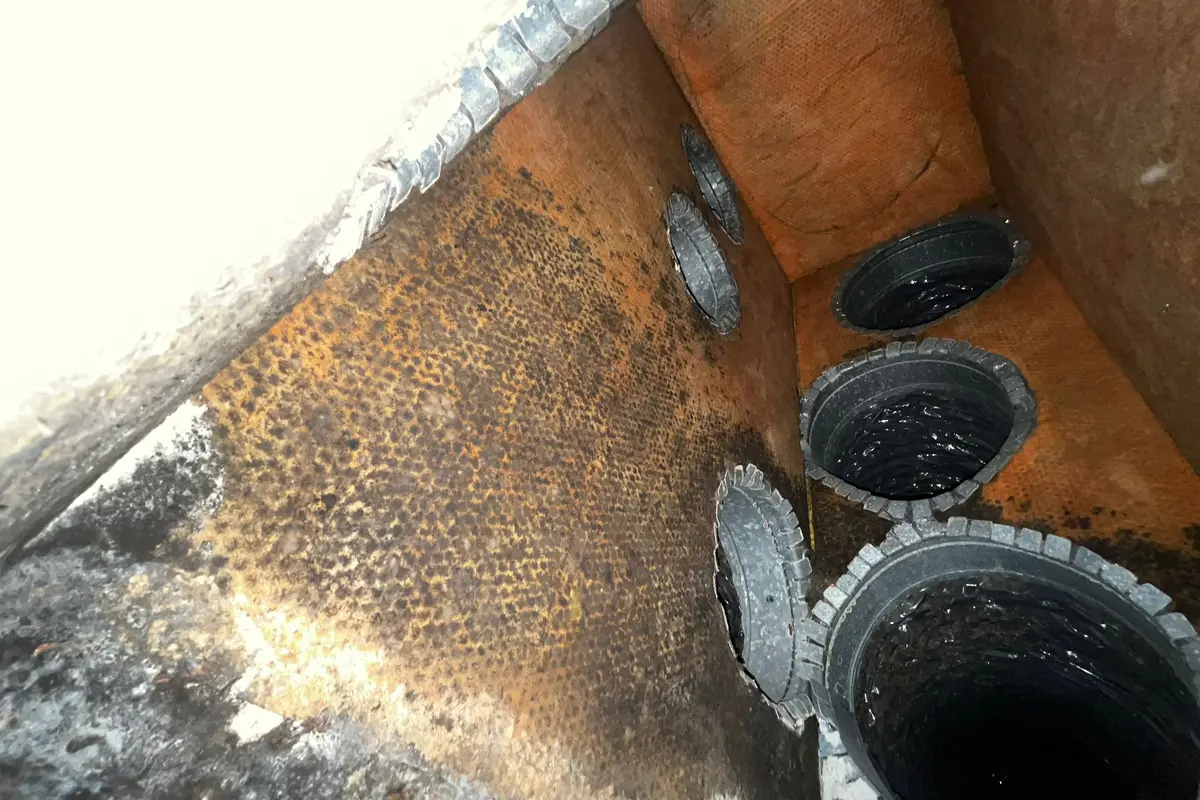
Several air handler issues are beyond DIY maintenance and require professional attention. If you notice musty or stale odors when the system runs, biological growth has likely established on the evaporator coil or inside the air handler cabinet. Professional coil cleaning and UV-C light installation solve this problem at the source.
If the blower makes unusual noises - grinding, squealing, or rattling - the motor bearings may be failing, a fan blade may be loose, or debris may have entered the blower housing. Running a blower with failing bearings risks catastrophic motor failure and significantly higher repair costs.
Water around or below the air handler indicates a clogged condensate drain or a cracked drain pan. In attic installations, this water damages insulation, ceiling drywall, and can create conditions for wood rot in the framing. Address water immediately - it does not fix itself and the damage compounds quickly.
Reduced airflow from supply vents despite a clean filter may indicate a dirty evaporator coil, ductwork problems, or a blower motor losing capacity. A professional inspection identifies the cause and determines whether cleaning, repair, or component replacement is needed.
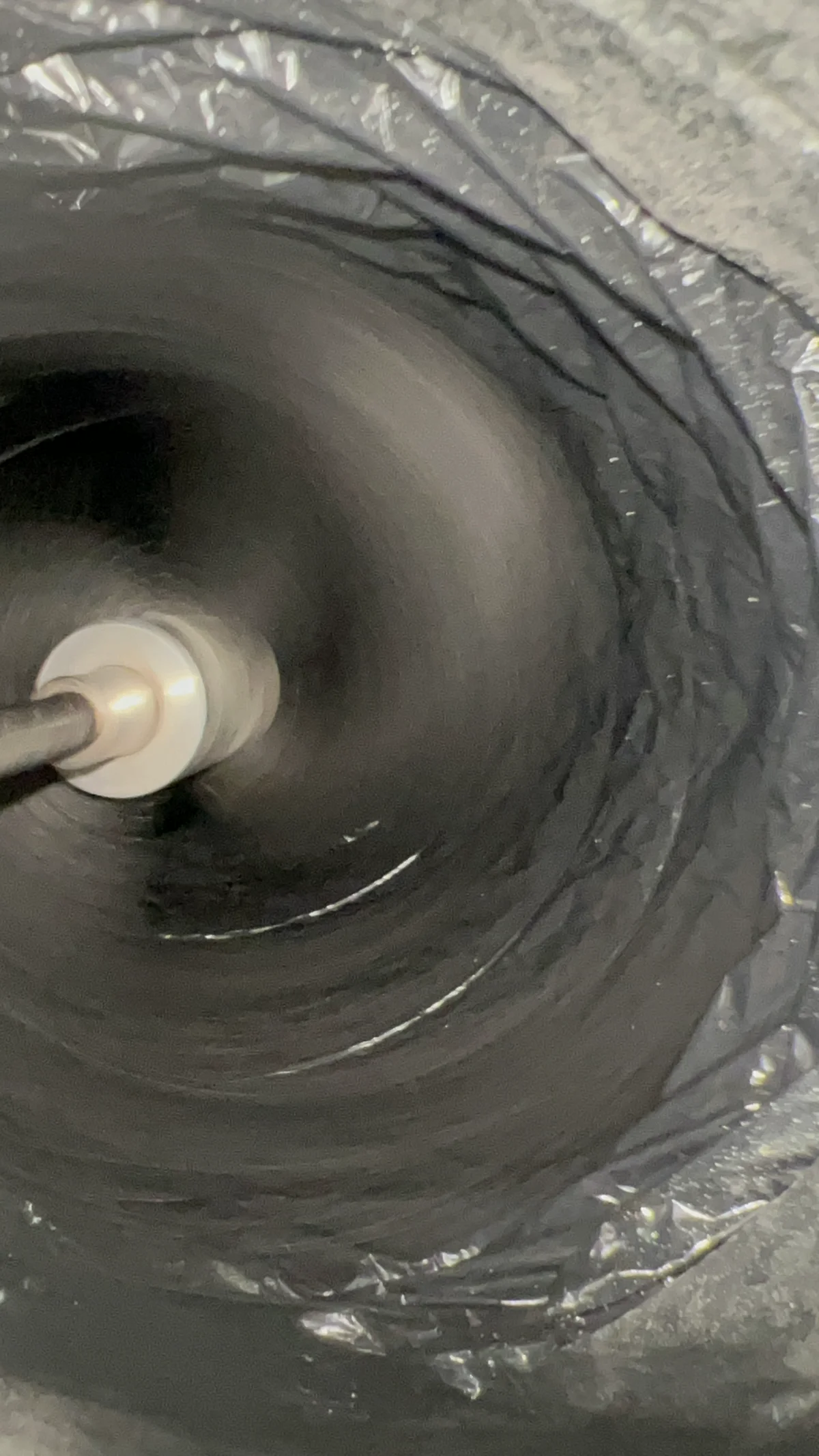
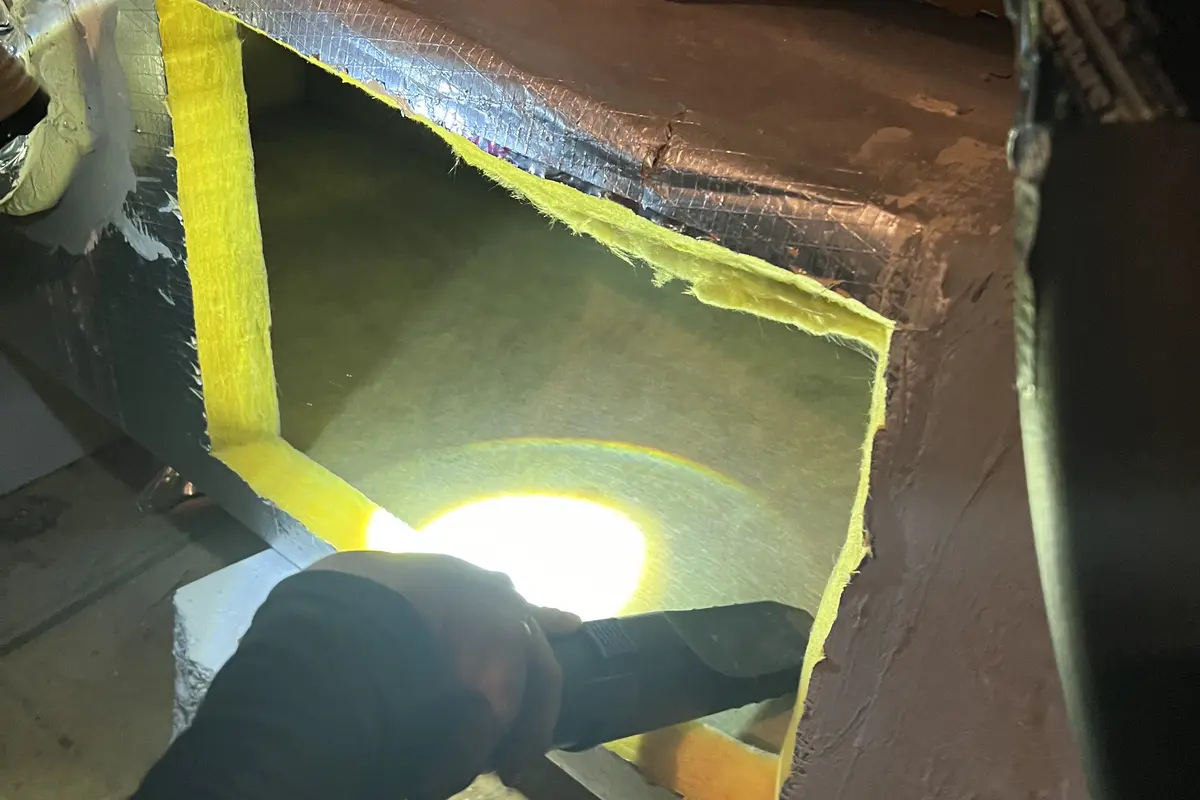
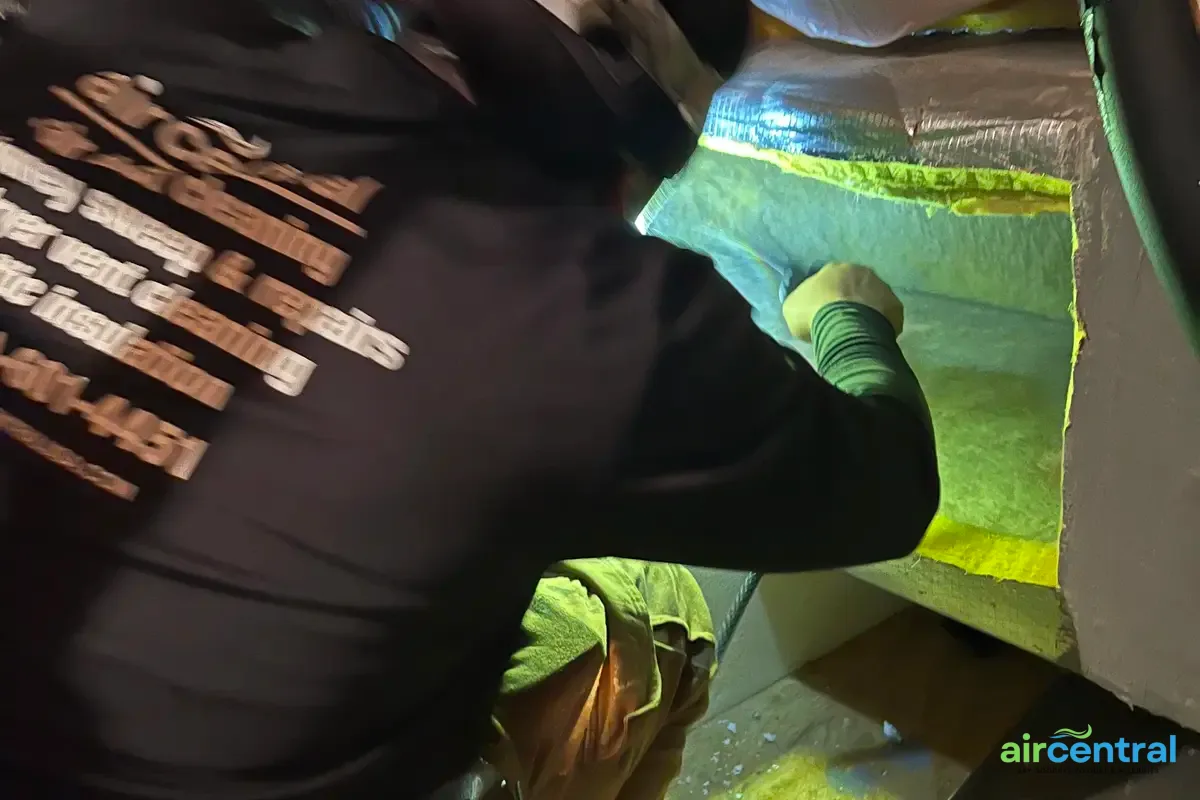
Air Central provides comprehensive air handler inspection and cleaning as part of our duct cleaning service. Our HD camera inspection shows the condition of your coil, plenum, and ductwork so you can see exactly what needs attention. Call (512) 601-4451 to schedule service.
Just Moved In? Start Here.
We help new Austin homeowners understand their HVAC system with honest assessments and straightforward recommendations.
Call (512) 601-4451Rate your home's indoor air quality in 2 minutes
How the Air Handler Connects to Your Ductwork
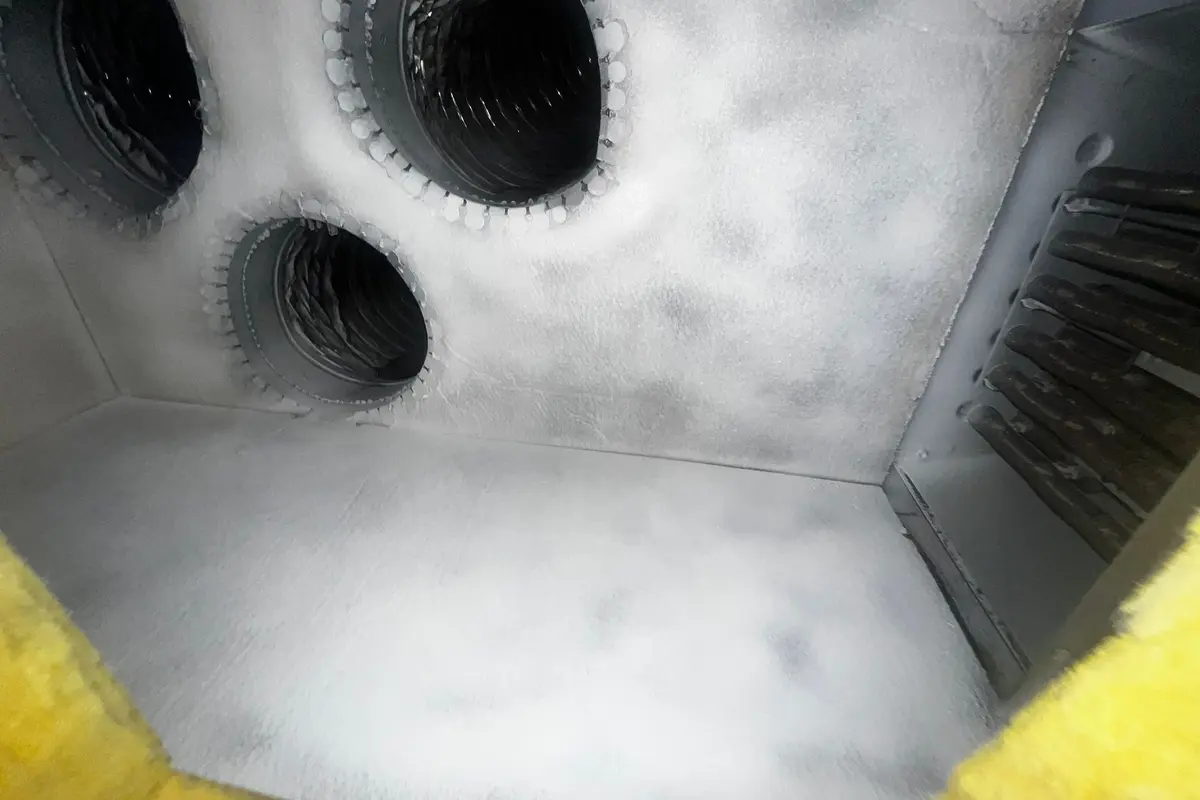
Understanding how the air handler connects to your duct system helps you understand why professional cleaning matters. Return air enters the air handler through the return plenum - a sheet metal box connected to your return ducts. The air passes through the filter, then across the evaporator coil, and exits through the supply plenum into the main trunk line. From the trunk line, individual branch ducts carry conditioned air to each room's supply register.
The supply plenum - the section of ductwork immediately after the air handler - is the dirtiest component in most HVAC systems. Its proximity to the wet evaporator coil means moisture assists in bonding dust, pollen, and debris to the metal surfaces. This is the section where we find the heaviest contamination during duct cleaning, and where cleaning makes the biggest difference in air quality.
In Austin homes with flex duct in the attic, the air handler and plenum are typically sheet metal, and the branch runs are flexible ductwork connected to the plenum or trunk line with clamps and mastic. Each connection point is a potential leak source, and each section accumulates debris that only professional cleaning can remove.
Whether you need a full duct cleaning, coil cleaning, or just want to see what is inside your system, Air Central's HD camera inspection gives you a clear picture. Call (512) 601-4451 for a professional estimate.
Air Handler vs Furnace: What's the Difference?
An air handler and a furnace are both indoor HVAC units that circulate air through your ductwork, but they generate heat in fundamentally different ways. An air handler contains a blower motor and an evaporator coil, and it works alongside a heat pump or AC condenser to move heat rather than create it. A furnace contains a blower motor and a burner that combusts natural gas or propane to produce heat directly. The distinction matters because it determines your fuel source, efficiency, maintenance needs, and repair costs.
Inside an air handler, you will find the blower fan, evaporator coil, filter rack, and sometimes electric heat strips for backup heating. There is no combustion - the heat pump outside handles heating by extracting warmth from outdoor air and sending it inside via refrigerant. Inside a furnace, you will find the blower fan, a gas burner assembly, a heat exchanger, an igniter, and a flue pipe that vents combustion gases outside. Furnaces burn fuel; air handlers do not.
In Austin, the vast majority of homes use an air handler paired with either a heat pump or a standard AC condenser - not a furnace. Austin's mild winters (average January low is 40 degrees F) make heat pumps efficient enough for nearly all heating needs, and the absence of gas combustion eliminates carbon monoxide risk from the indoor unit. Furnaces are more common in northern climates where sustained below-freezing temperatures make heat pump efficiency drop. You will find gas furnaces in some older Austin homes and in areas with natural gas service, but they are the exception rather than the rule in Central Texas new construction.
If you are not sure whether your home has an air handler or a furnace, check the indoor unit. If there is a gas line running to it and a metal flue pipe exiting the top, it is a furnace. If there is no gas connection and refrigerant lines run to an outdoor unit, it is an air handler. Either way, both need regular maintenance and clean ductwork to operate efficiently. Call (512) 601-4451 to schedule an inspection.
How Much Does an Air Handler Cost?
Replacing an air handler typically costs $1,500 to $4,000 for the unit itself, depending on size (tonnage), efficiency rating (SEER2), and features like variable-speed blower motors. A basic single-speed 3-ton air handler runs $1,500 to $2,000, while a high-efficiency variable-speed unit of the same size costs $2,500 to $4,000. Variable-speed models are quieter, dehumidify better, and use less electricity, making them a strong choice for Austin's long cooling season.
Installation labor adds $500 to $1,500 to the total project cost. The range depends on whether the new unit fits the existing mounting platform, whether the refrigerant line set and electrical connections need modification, and whether the condensate drain requires rerouting. Attic installations in Austin homes are standard but take longer due to access constraints and heat - technicians working in a 140-degree attic need breaks, which extends the timeline.
Most air handler replacements in Austin happen after 15 to 20 years of service. Signs that replacement is approaching include frequent repairs, rising energy bills despite clean filters and ducts, uneven cooling, and the outdoor condenser being replaced (pairing a new condenser with an old air handler reduces efficiency). When the cost of repairs exceeds 50% of a replacement, investing in a new unit makes more financial sense.
Air Central does not sell or install air handlers directly, but we work with a trusted network of licensed HVAC contractors in the Austin area who handle equipment replacement. We focus on what we do best - cleaning and inspecting the ductwork, coils, and components that connect to your air handler. Call (512) 601-4451 to schedule a duct cleaning or inspection, and we can recommend a partner for equipment replacement if needed.
Related Services
Learn more about our professional services related to this topic:
- Air Duct Cleaning - Remove dust, allergens, and debris from your entire HVAC system for cleaner indoor air.
- Air Duct Inspection - Diagnose leaks, blockages, and efficiency issues with HD camera inspection.
- Dryer Vent Cleaning - Clear lint buildup to prevent fires and cut drying time in half.
- Chimney Sweep & Repair - Professional cleaning and 21-point safety inspection for your fireplace.
- Solar Fan Installation - Solar-powered attic ventilation that cuts cooling costs naturally.
Want the full picture?
Read our complete guide: First-Time Homeowner's Complete HVAC Guide for Austin (2026) →Have questions about homeowner education? Our team is available 7 days a week. Call us at (512) 601-4451 or visit our contact page.