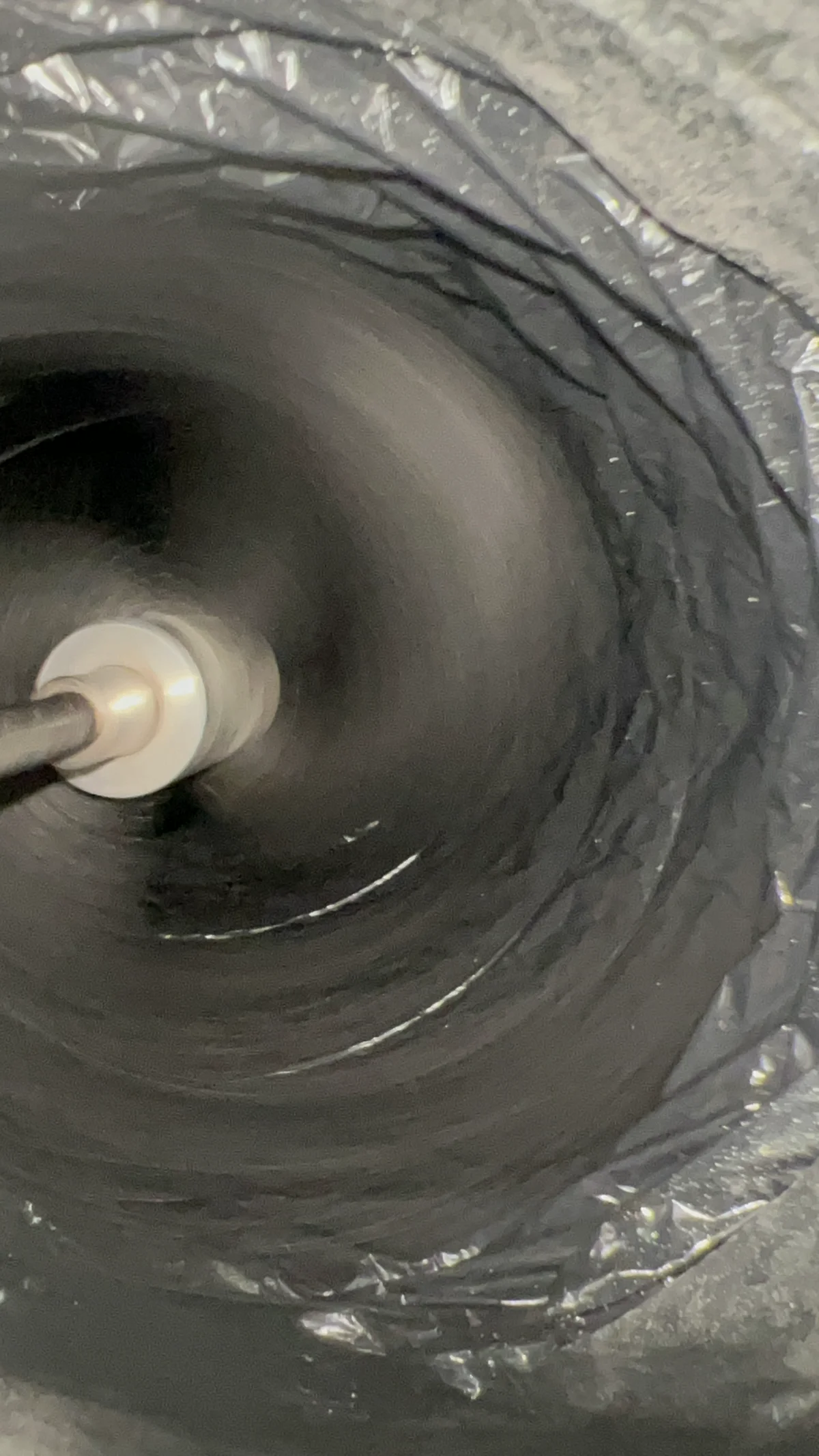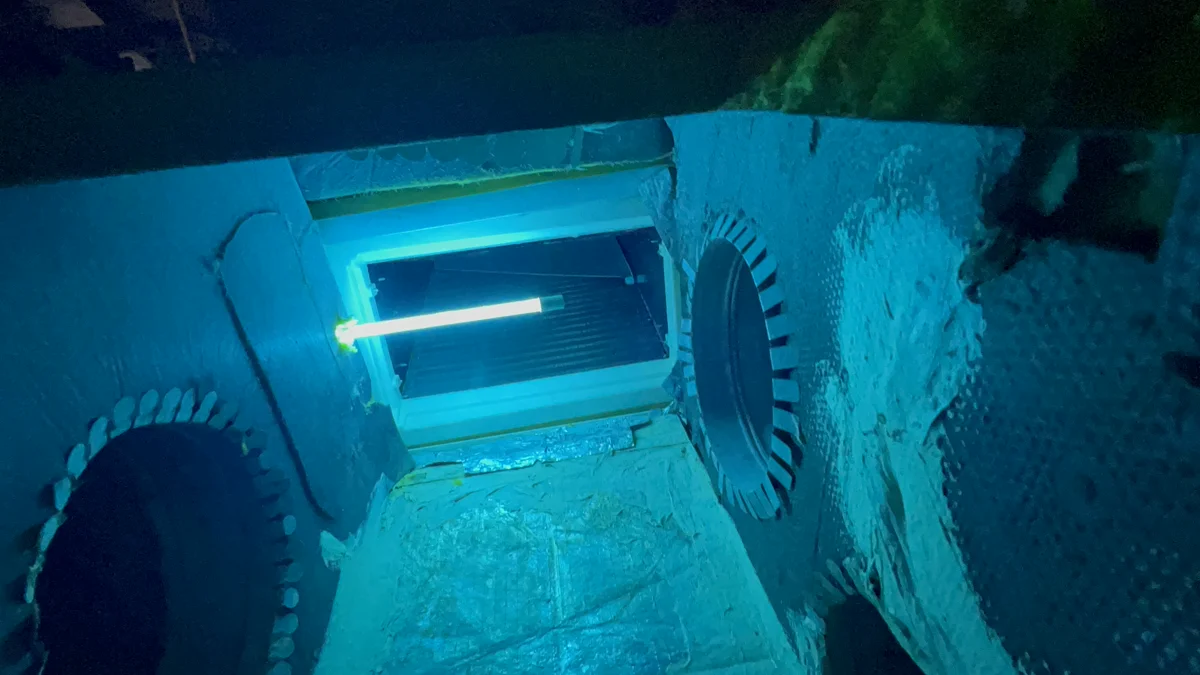
AC odors are never normal. A musty smell means biological growth on the evaporator coil or in ductwork. A burning smell could be an electrical issue or dust burning off. Rotten egg smell is a gas leak - leave the house immediately and call 911. Chemical or sweet smells suggest refrigerant leak. Sewage smell means a dried-out P-trap or cracked sewer line. Dirty sock syndrome is bacteria on the coil. Stale cigarette smell is residue trapped in ductwork. Each odor requires a different response, and some are emergencies.
Musty or Mildew Smell: The Most Common AC Odor
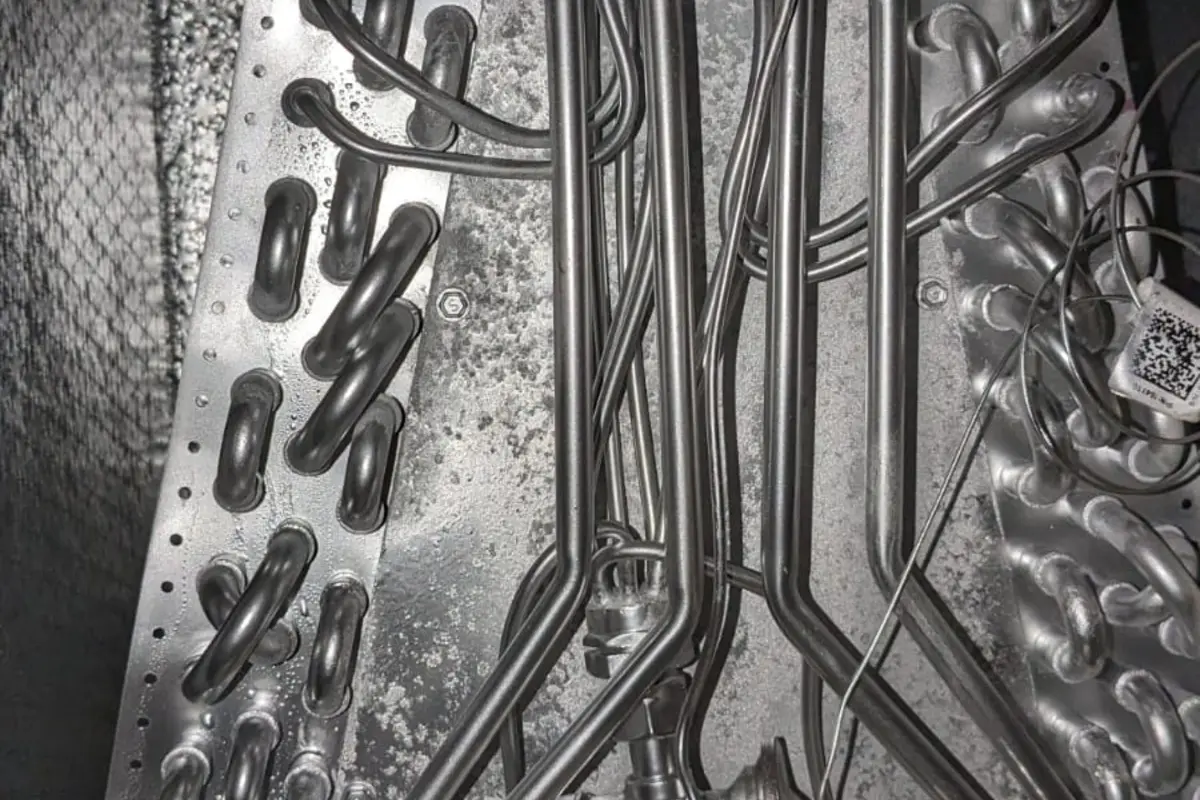
You turn on the AC and the house smells like a wet towel left in the gym bag. A musty smell from your AC is the most common HVAC odor complaint in Austin, and it almost always points to biological growth somewhere in the system. Austin's high humidity (averaging 67% annually) creates persistent moisture on evaporator coils, drain pans, and inside ductwork. When organic debris like dust and pollen accumulates on these wet surfaces, biological growth follows within 24-48 hours.
The smell is typically strongest when the system first kicks on after sitting idle, or during the transition from heating to cooling season in early spring. You may notice it more in certain rooms depending on which duct branches have the most growth.
What to do: Start by checking your condensate drain line - a clogged drain backs up water into the drain pan, creating a standing water problem. Pour a cup of white vinegar through the drain line quarterly. If the musty smell persists after clearing the drain, you likely have growth on the evaporator coil or inside the ductwork. Professional duct cleaning with UV-C light installation addresses both the current growth and prevents recurrence. Danger level: low (health irritant, not immediately dangerous), but should be addressed within a few weeks.
Burning Smell: Electrical or Dust
A burning smell from your HVAC system falls into two categories: harmless and potentially dangerous. Knowing the difference can save your home.
Harmless: When you turn on your heater for the first time in fall (or even after a few weeks of disuse), dust that settled on the heat exchanger or electric heat strips burns off. This produces a brief burning dust smell that should dissipate within 20-30 minutes. It is common in Austin where heating sits unused for 7-8 months. If the smell fades quickly, there is no cause for concern.
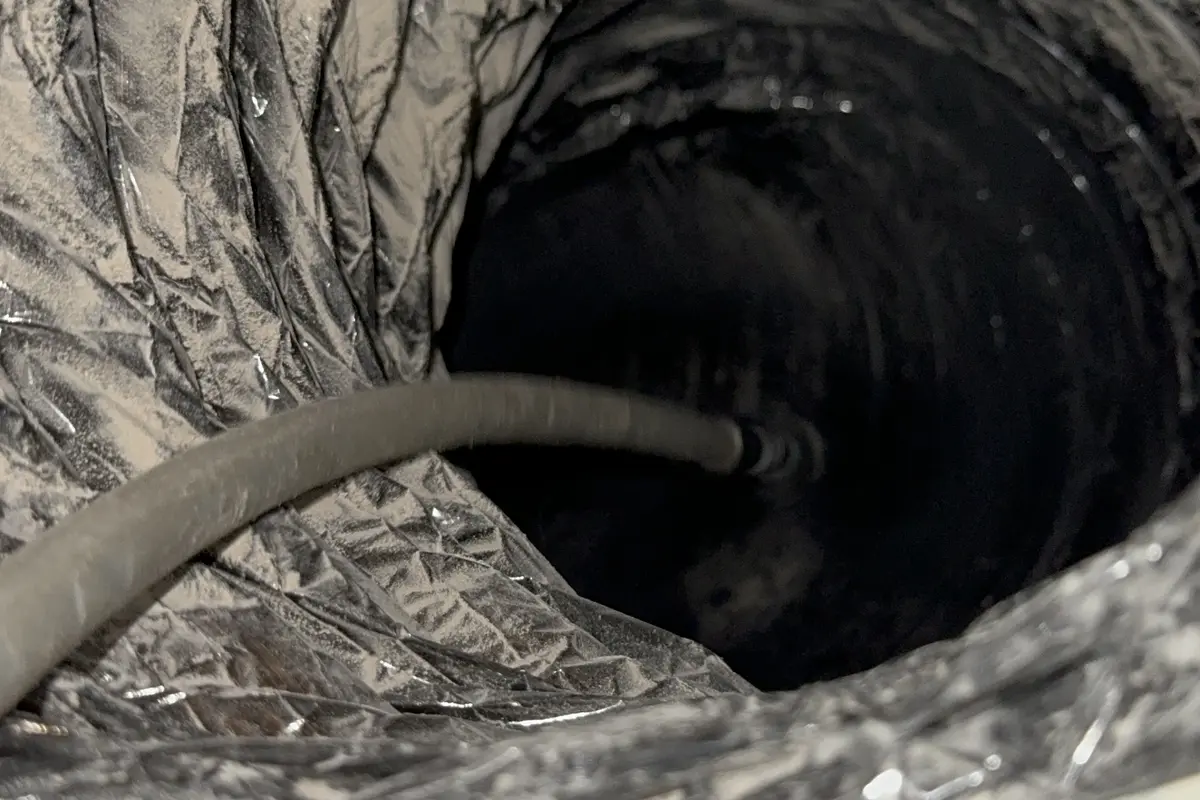
Dangerous: A persistent burning smell - especially one that smells like burning plastic, rubber, or electrical insulation - could indicate an overheating motor, a frayed wire, or a failing capacitor. If the burning smell does not go away within 30 minutes, or if you see smoke or notice a burning plastic odor, turn off the system at the thermostat and at the breaker. Do not restart it until an HVAC technician has inspected the system. Electrical fires in HVAC systems are rare but serious. Danger level: potentially high if it persists beyond 30 minutes.
Rotten Egg Smell: Gas Leak Emergency
A rotten egg or sulfur smell near your HVAC system is the most dangerous odor on this list. Natural gas is odorless, so utility companies add mercaptan (a sulfur compound) to make leaks detectable. If you smell rotten eggs near your furnace, gas line, or anywhere in your home, treat it as an emergency.
What to do immediately: Do not flip any light switches, use your phone inside the house, or create any spark. Do not try to find the leak yourself. Open doors and windows as you leave. Get everyone out of the house including pets. Once outside and at a safe distance, call 911 and then your gas utility (Texas Gas Service in Austin: 800-959-5325). Do not re-enter until a professional clears the home.
Note: a rotten egg smell from only one vent (not throughout the house) is more likely a dead animal in the ductwork, which is unpleasant but not dangerous. If the smell is localized to a single vent and you do not have gas appliances, the cause is likely biological rather than a gas leak. Danger level: extreme if gas is present. Evacuate first, investigate later.
Chemical or Sweet Smell: Refrigerant Leak
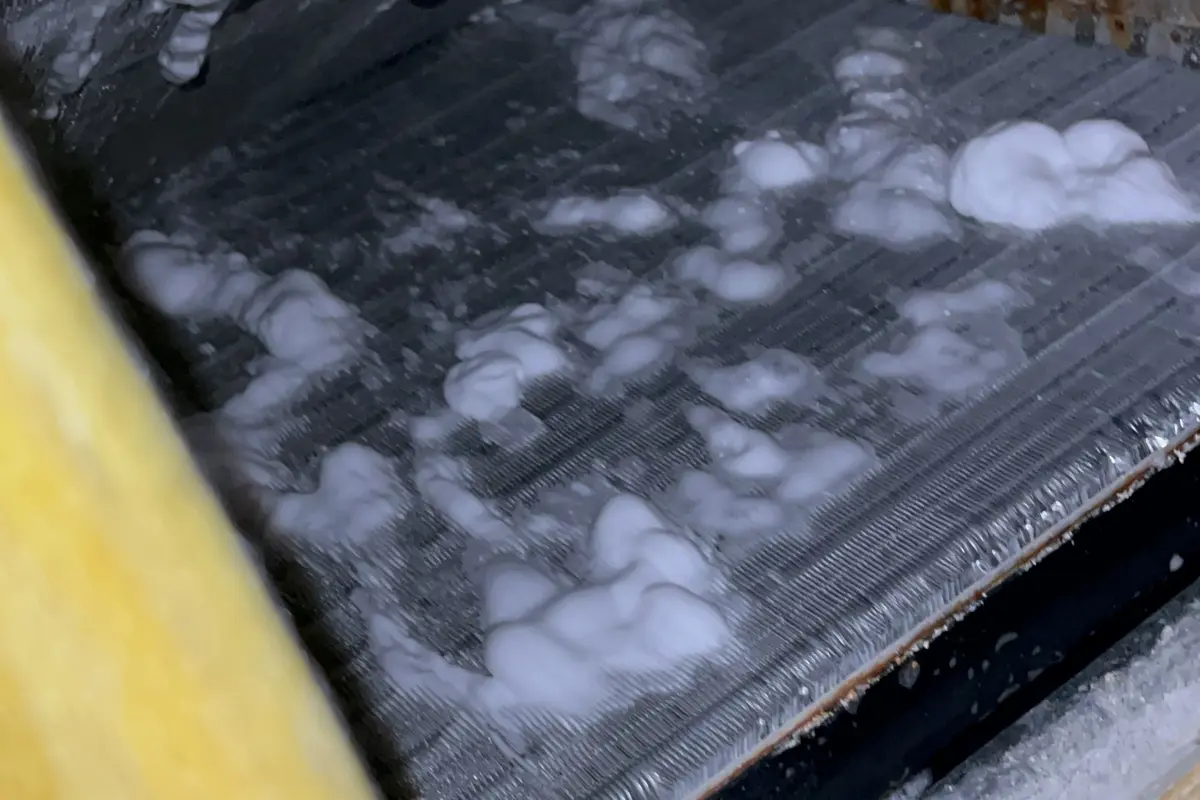
A sweet, chemical, or chloroform-like smell near your AC's indoor unit or outdoor condenser may indicate a refrigerant leak. Older systems using R-22 (Freon) and newer systems using R-410A both produce a detectable sweet chemical odor when leaking. Some people describe it as similar to nail polish remover or ether.
Refrigerant leaks are not an emergency like gas leaks, but they do require professional attention. Breathing refrigerant in an enclosed space can cause dizziness, nausea, and respiratory irritation. A leak also means your AC is losing its cooling capacity - you will notice the system running longer without reaching the set temperature.
"AC odor calls spike in March and April in Austin - that is when people turn on the cooling for the first time and smell whatever grew on the coil over winter," says Nessi Ziv, owner of Air Central. "A musty smell on first cool-down is the most common complaint we get, and 9 out of 10 times it is biological growth on a wet evaporator coil that sat dormant for weeks."
What to do: Turn off the system and open windows to ventilate. Do not attempt to repair a refrigerant leak yourself - refrigerant handling requires EPA certification. Call an HVAC technician to locate and repair the leak and recharge the system. In Austin, refrigerant leaks are common in older systems (10+ years) where vibration and thermal cycling have weakened solder joints. Danger level: moderate. Not an emergency, but address within a day or two.
Just Moved In? Start Here.
We help new Austin homeowners understand their HVAC system with honest assessments and straightforward recommendations.
Call (512) 601-4451Rate your home's indoor air quality in 2 minutes
Sewage Smell, Dirty Sock Syndrome, and Stale Odors
Sewage smell from your vents usually has nothing to do with your HVAC system itself. The most common cause is a dried-out P-trap in a floor drain, bathroom, or utility closet near the air handler. When the P-trap dries out, sewer gas enters the room and gets pulled into the HVAC return. The fix is simple: pour a cup of water into every drain you can find, especially in rooms you rarely use. In Austin, P-traps dry out quickly during summer heat in guest bathrooms and utility rooms. If the sewage smell persists after refilling P-traps, you may have a cracked sewer vent pipe in the attic near your ductwork - this requires a plumber. Danger level: low, but unpleasant.
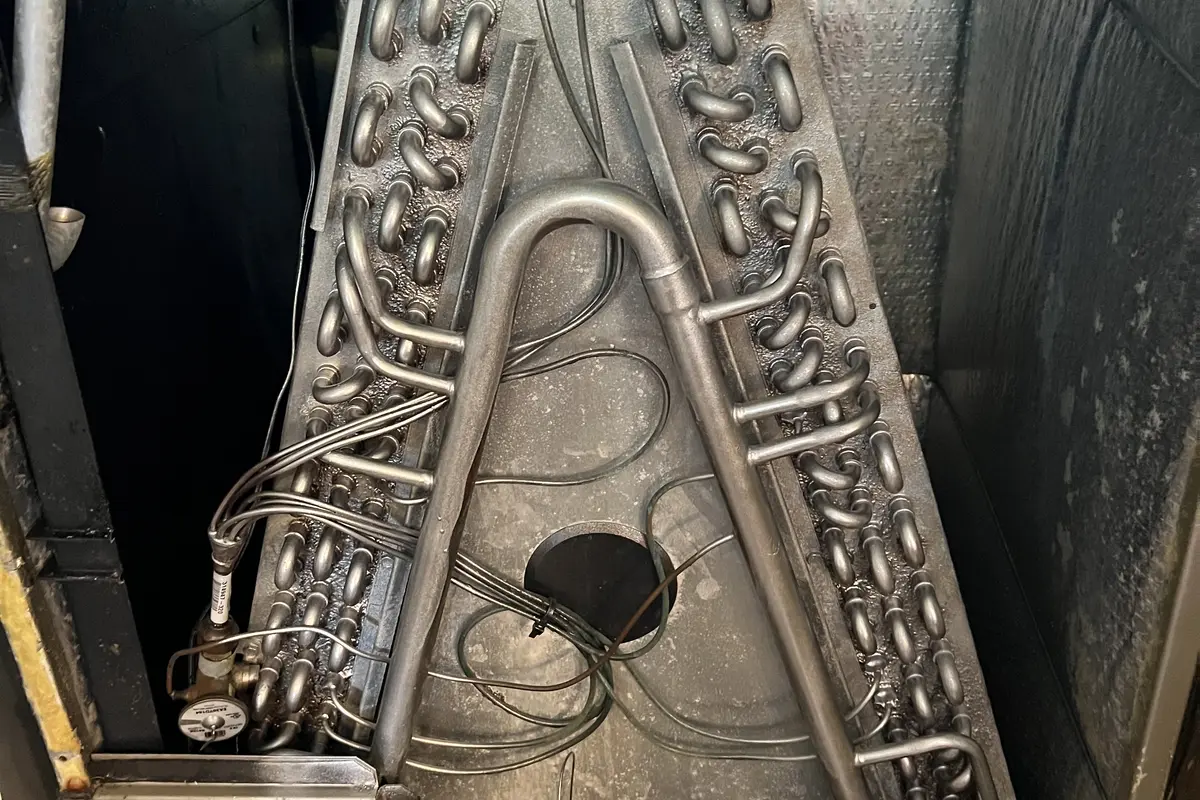
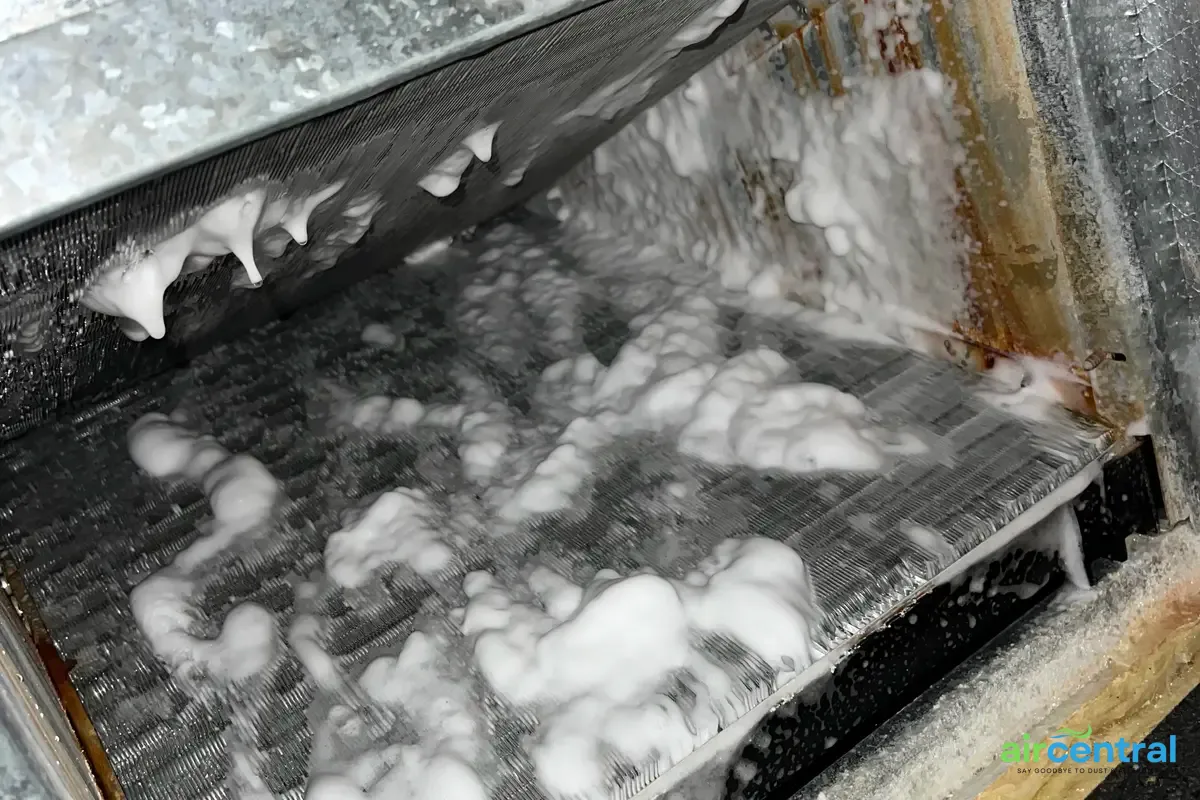
Dirty sock syndrome is a specific bacterial odor that smells exactly like dirty gym socks. It occurs when bacteria colonize the evaporator coil, feeding on moisture and organic debris. The smell is worst during the transition between heating and cooling when the coil alternates between wet and dry conditions. Professional coil cleaning and UV-C light installation resolve dirty sock syndrome permanently. This is common in Austin during the February-March transition when the system switches between heating and cooling multiple times per week.
Stale cigarette or smoke odor from vents means smoke residue is embedded in the ductwork from previous occupants or from household smoking. Tobacco tar and nicotine bond to duct surfaces and release odor particles with every HVAC cycle. Surface cleaning cannot remove embedded smoke residue from duct walls. Professional duct cleaning with negative-pressure HEPA equipment removes the contaminated buildup. If you bought an Austin home from a smoker and have never cleaned the ducts, this is likely the cause of any lingering stale smell.
Musty Smell from AC: Causes and Fixes
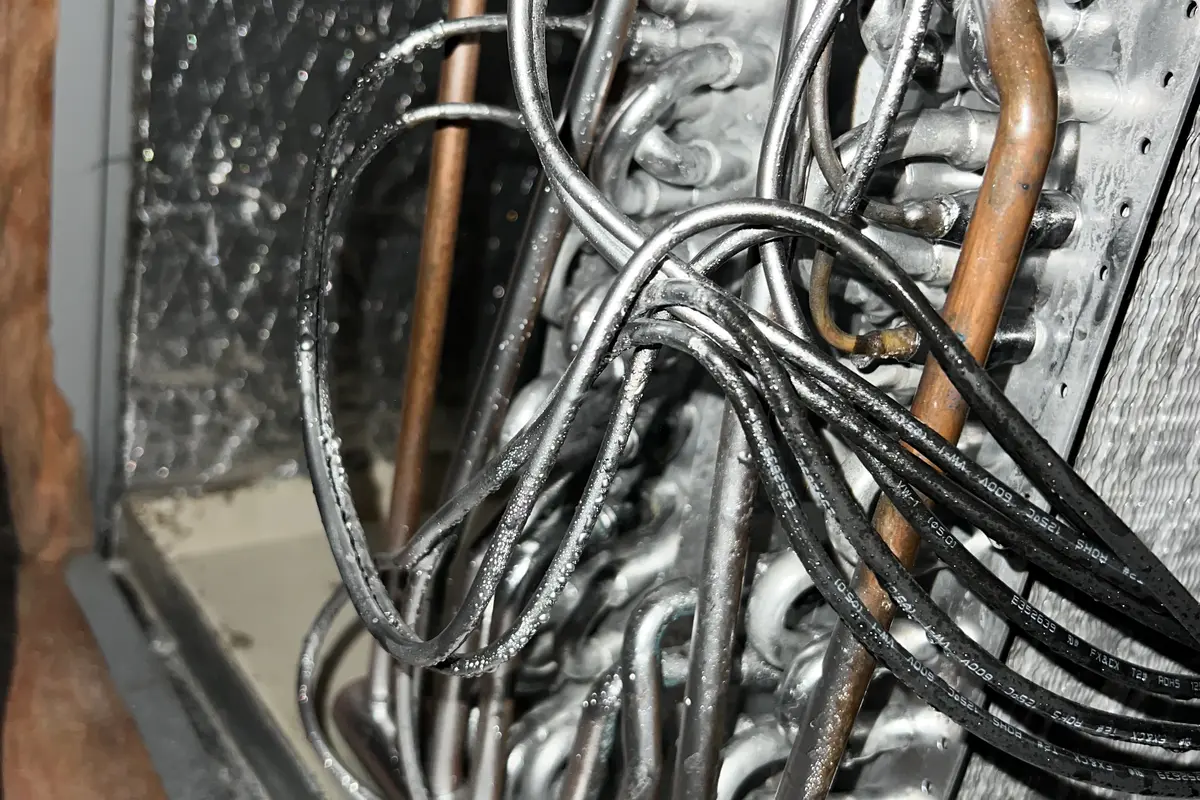
A musty smell from your AC is the single most searched HVAC odor complaint in Austin, and the causes are specific to our climate. The three most common sources: biological growth on the evaporator coil (the leading cause - Austin's humidity keeps the coil wet for extended periods during cooling season, creating ideal conditions for growth), standing water in the drain pan from a clogged condensate line (the AC removes 5-20 gallons of moisture from the air daily, and all of it drains through a small PVC line that clogs with algae and biofilm), and accumulated organic debris inside the ductwork that decomposes slowly and releases musty-smelling compounds with every HVAC cycle.
Quick fix you can try right now: change the air filter and pour a cup of white vinegar down the condensate drain line (the PVC pipe near the indoor air handler unit). The vinegar kills algae and clears minor clogs. If the musty smell disappears within 24 hours, you solved it. If the smell persists after clearing the drain and changing the filter, the source is deeper - either growth on the evaporator coil that requires professional cleaning or contamination embedded in the ductwork walls that only commercial HEPA equipment can remove.
The musty smell is worst in spring when Austin homeowners switch from heat to cool for the first time. During winter, the cooling system sits dormant while the evaporator coil stays wet from residual condensation. Biological growth accumulates on the coil surface undisturbed for weeks or months. When you flip the thermostat to cool mode and the system kicks on, that first blast of air passes over the contaminated coil and pushes the smell into every room through the ductwork. Homes in neighborhoods like Tarrytown, Clarksville, and Old West Austin with mature tree canopy and higher ambient moisture levels tend to experience this more intensely than homes in drier, more exposed areas like Pflugerville or Hutto.
When to Call a Professional
Call 911 immediately for rotten egg or gas smells. Turn off and call an HVAC technician for persistent burning smells or refrigerant odors. For musty, dirty sock, or stale odors, the underlying cause is almost always contamination in the ductwork or on the evaporator coil that professional cleaning resolves.
Air Central's HD camera inspection shows you exactly what is causing the odor inside your ductwork. In most cases, professional duct cleaning eliminates the smell at the source rather than masking it. For biological growth on evaporator coils, we recommend pairing the cleaning with a UV-C light system that prevents future growth 24/7. Call (512) 601-4451 to schedule an inspection - we will identify the source and give you a professional estimate before any work begins.
Related Services
Learn more about our professional services related to this topic:
- Air Duct Cleaning - Remove dust, allergens, and debris from your entire HVAC system for cleaner indoor air.
- Air Duct Inspection - Diagnose leaks, blockages, and efficiency issues with HD camera inspection.
- Dryer Vent Cleaning - Clear lint buildup to prevent fires and cut drying time in half.
- Chimney Sweep & Repair - Professional cleaning and 21-point safety inspection for your fireplace.
- Solar Fan Installation - Solar-powered attic ventilation that cuts cooling costs naturally.
Want the full picture?
Read our complete guide: First-Time Homeowner's Complete HVAC Guide for Austin (2026) →Have questions about homeowner education? Our team is available 7 days a week. Call us at (512) 601-4451 or visit our contact page.