White dust from air vents is typically caused by mineral deposits from ultrasonic humidifiers, deteriorating fiberglass duct liner, or residual construction dust. It is usually not dangerous, but persistent white dust warrants a professional duct inspection to rule out degrading insulation or mold growth behind vent covers.
What Is the White Dust Coming From Your Vents?
White dust settling on surfaces near your air vents is one of the most common complaints we hear from Austin homeowners. The powder is almost always one of three things: mineral deposits from a humidifier, deteriorating fiberglass duct insulation, or fine construction dust working its way through the system.
The EPA notes that ultrasonic and impeller humidifiers can disperse minerals from tap water into the air as a fine white powder. Austin's water supply has a hardness rating of 12-17 grains per gallon, which is moderately hard. If you run a humidifier, those dissolved minerals become airborne dust that your HVAC system picks up and distributes through every vent in the house.
According to Air Central owner Nessi Ziv, 'About half the white dust calls we get in Austin turn out to be humidifier mineral deposits. The other half are construction dust or aging duct liner. A quick HD camera inspection tells us exactly what is going on inside the ductwork.'
Could It Be Deteriorating Duct Liner?
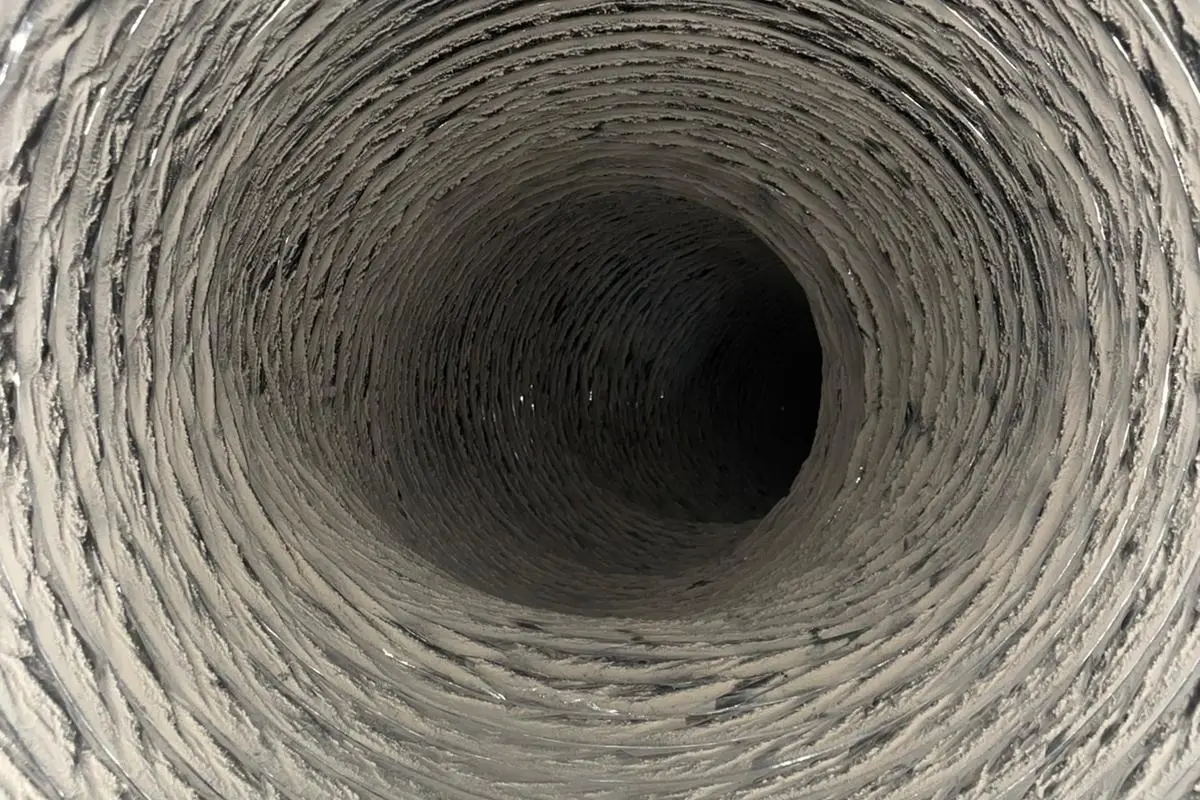
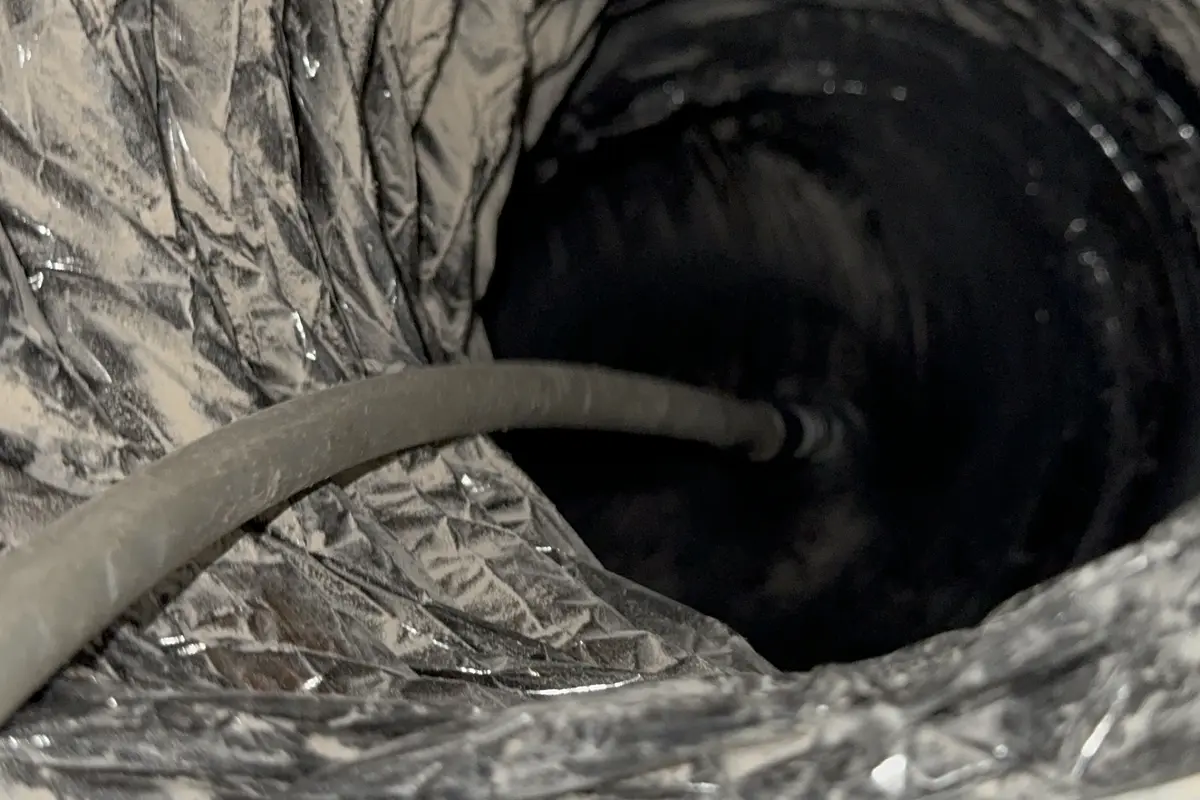
Fiberglass duct liner deteriorates over time, especially in Austin's extreme heat. Attic temperatures reach 140-160 degrees Fahrenheit during summer, and that thermal stress breaks down the adhesive bonding fiberglass liner to sheet metal ductwork. When the liner degrades, small fibers and particles flake off and get pushed into your living space.
Homes built before 2000 are most susceptible. The fiberglass liner products used in the 1980s and 1990s were less durable than modern alternatives, and after 25-30 years in a hot Austin attic, many are visibly falling apart. You can sometimes see fiberglass strands dangling from supply vents if you shine a flashlight inside.
This type of white dust is the one worth taking seriously. Airborne fiberglass particles irritate the eyes, skin, and respiratory tract. The Agency for Toxic Substances and Disease Registry (ATSDR) classifies fiberglass as a potential irritant when inhaled. If you suspect duct liner degradation, a professional inspection should be your next step.
Is It Construction Dust From Nearby Development?
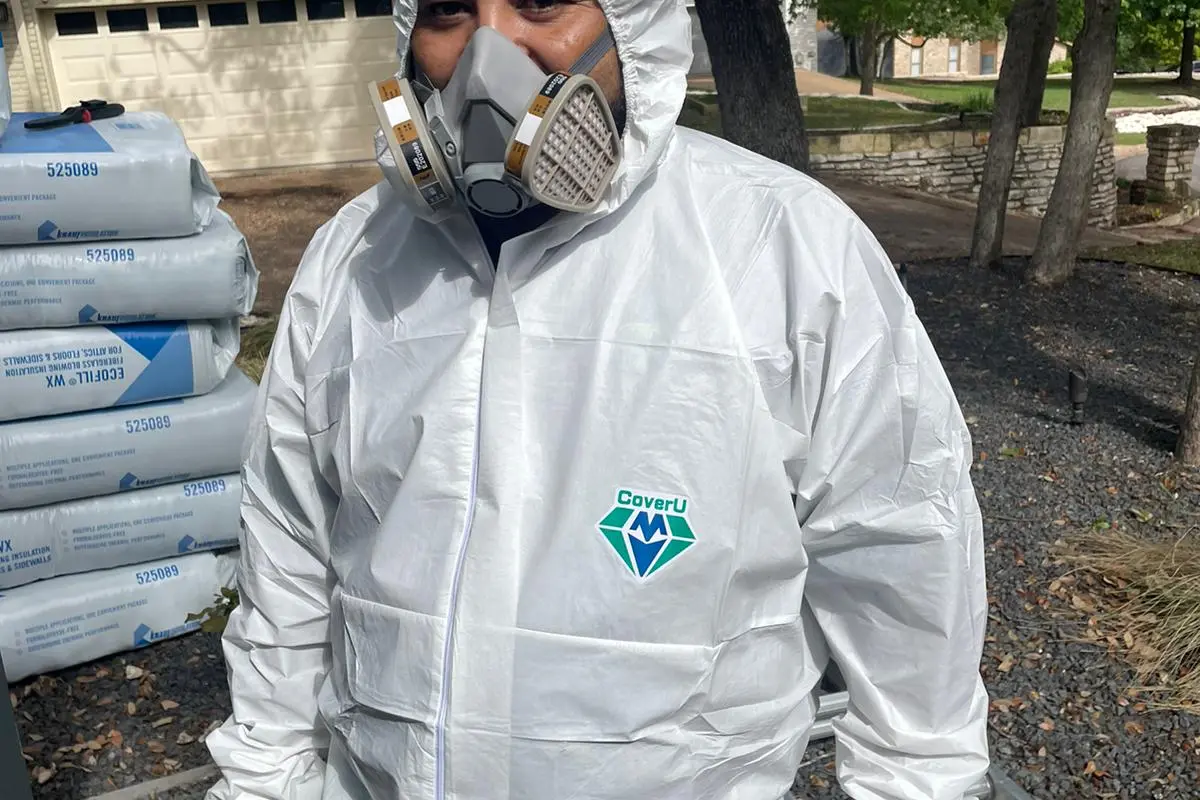
Austin's nonstop building boom sends fine particulate into the air across entire neighborhoods. Homes near the I-35 corridor expansion, new developments in Mueller and East Riverside, and construction-heavy areas in Pflugerville and Leander accumulate construction dust faster than homes in established, stable neighborhoods.
Drywall dust is the most common construction-related culprit. Gypsum particles are white, extremely fine, and stay airborne long enough to get pulled into your HVAC return vents. Even homes several blocks from an active job site can accumulate significant drywall dust over a construction season.
If you recently had interior work done - even something as minor as hanging shelves or patching drywall - the residue may still be circulating through your duct system. Drywall dust is so fine that standard HVAC filters (MERV 4-6) do not capture most of it. Upgrading to a MERV 11 or MERV 13 filter helps, but existing dust already inside the ducts will continue recirculating until the system is professionally cleaned.
How to Tell Which Type of White Dust You Have
Run a simple finger test. Rub the white dust between your fingers. Mineral deposits from humidifiers feel gritty and slightly crystalline. Fiberglass particles feel like fine, scratchy powder and may cause slight skin irritation. Drywall and construction dust feels smooth and chalky.
Check your humidifier first. If you use an ultrasonic or cool-mist humidifier, turn it off for a week and see if the white dust stops appearing. If it does, mineral deposits were the source. Switching to distilled water or a different humidifier type (evaporative models do not produce mineral dust) solves the problem permanently.
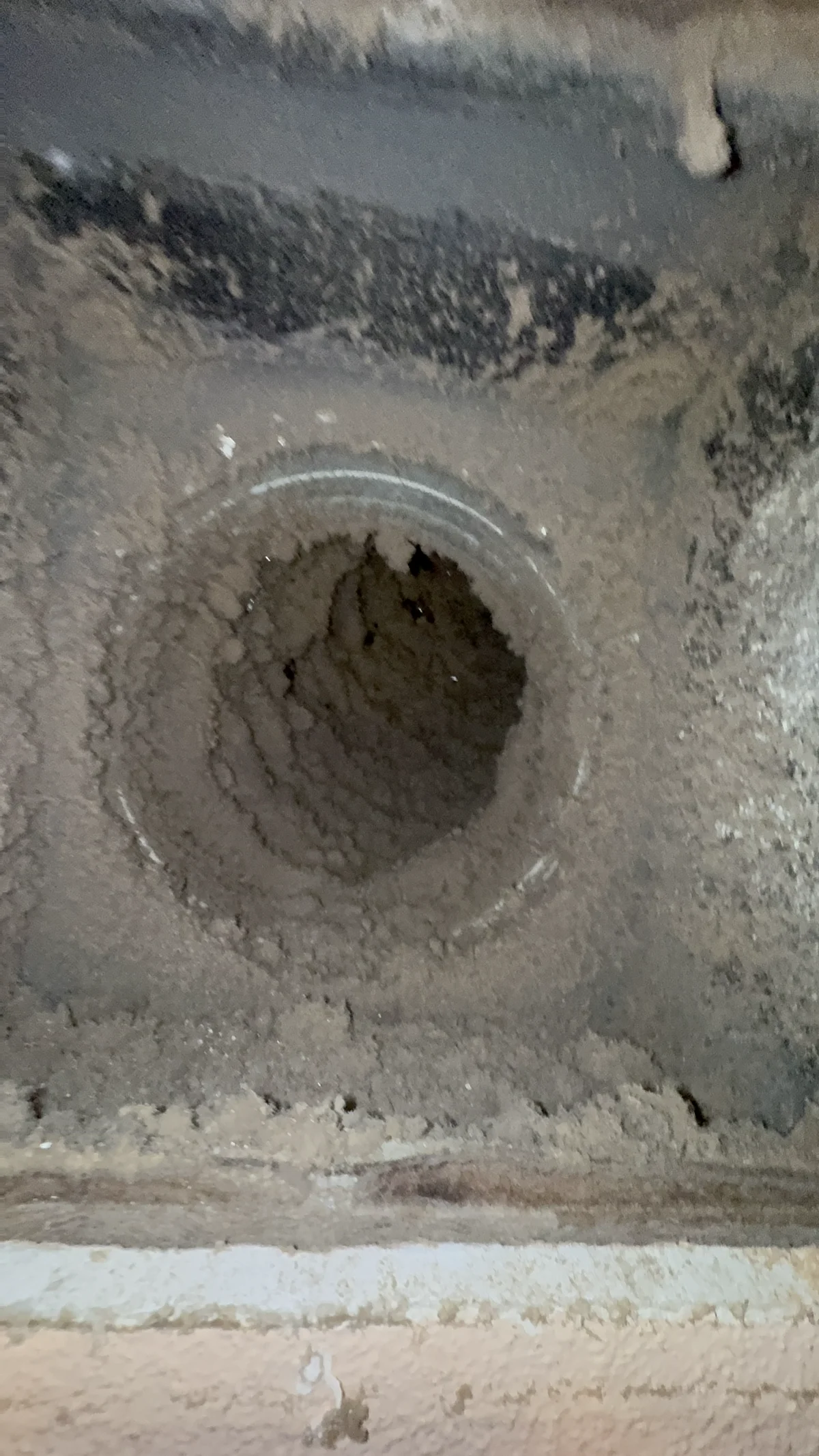
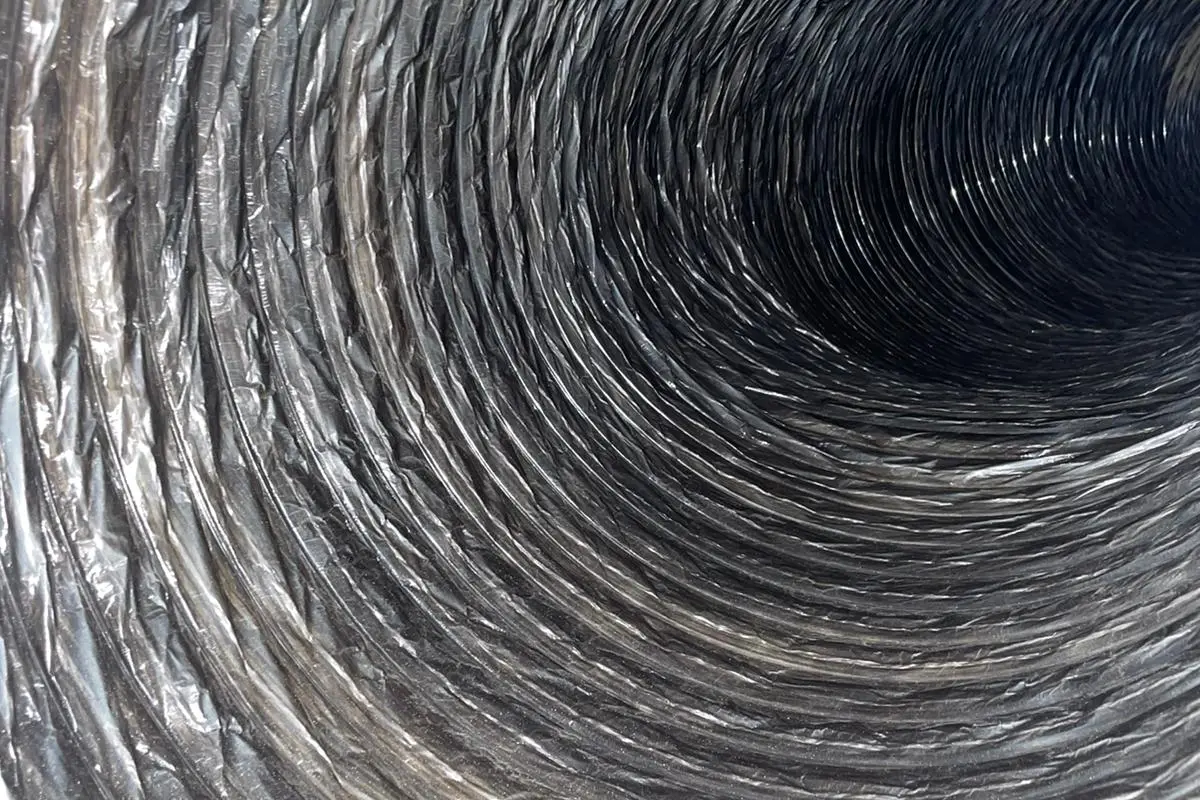
Look inside your vents with a flashlight. Remove a supply register and look for loose fiberglass strands, white powdery buildup on duct walls, or visible debris. If you see fiberglass material hanging loose or duct walls that look fuzzy rather than smooth, the liner is degrading and needs professional attention.
Concerned About Your Home's Air?
We provide professional air quality assessments for Austin homes. See what is in your ducts before deciding.
Call (512) 601-4451Rate your home's indoor air quality in 2 minutes
When Is White Dust Harmless vs a Real Problem?
Humidifier mineral dust is cosmetically annoying but not a health hazard for most people. The solution is straightforward: use distilled water, switch humidifier types, or clean the unit more frequently. No duct work is needed.
Construction dust is a temporary nuisance that resolves with a professional duct cleaning and a filter upgrade. Once the nearby construction finishes and the ducts are cleaned, the white dust stops. A MERV 13 filter prevents most future construction particles from entering the duct system.
Deteriorating duct liner is the one that requires prompt action. Breathing fiberglass particles daily is not something you want to tolerate. The fix involves professional duct cleaning to remove loose material, followed by liner repair or replacement in affected sections. In severe cases, ductwork replacement may be the most cost-effective long-term solution.
The NADCA recommends professional inspection any time you notice visible particles being discharged from your vent system. A 15-minute HD camera inspection can distinguish between these causes with certainty.
How to Stop White Dust From Air Vents
Start with the easiest fix first. If you run a humidifier, switch to distilled water and see if the problem resolves within a week. Austin's moderate humidity (67% average annual) means most homes do not need humidifiers except during the driest winter weeks.
Upgrade your HVAC filter to MERV 11 or MERV 13. These capture particles down to 1-3 microns, including fine mineral dust, fiberglass fragments, and drywall particles. Change the filter monthly during heavy-dust periods instead of the standard 90-day interval.
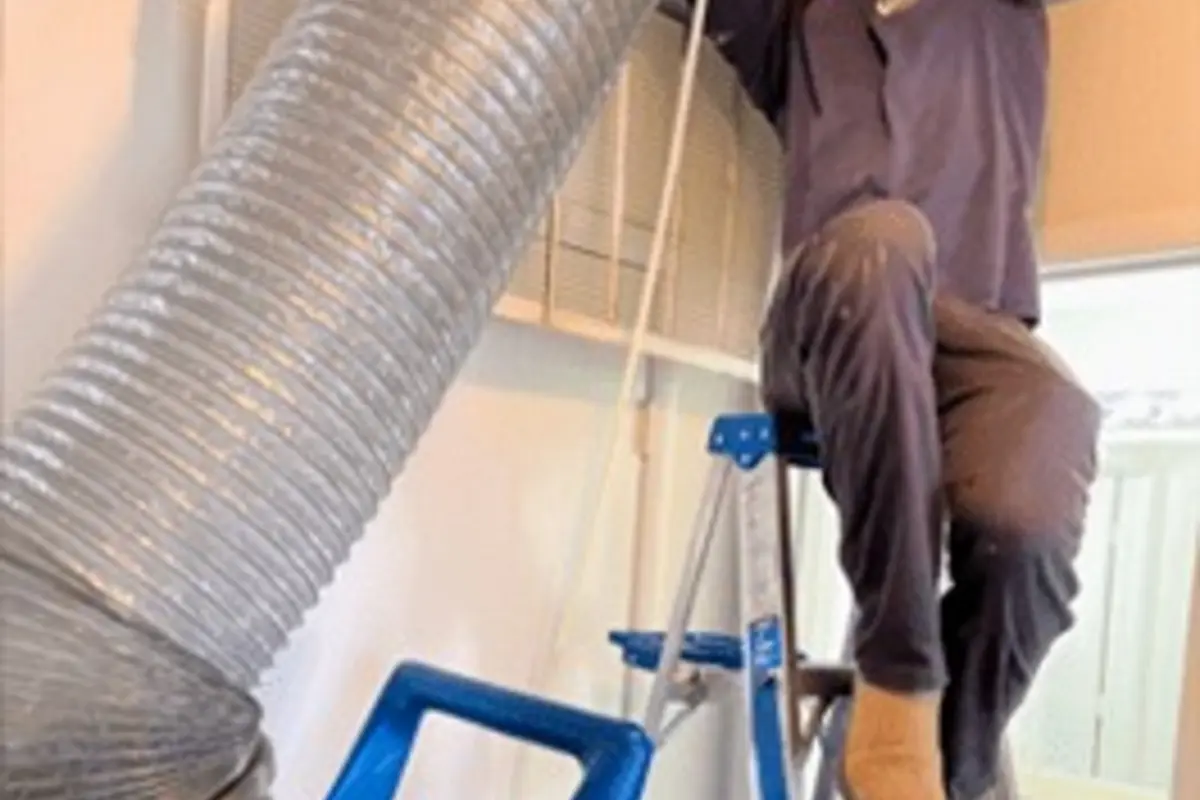
Schedule a professional duct cleaning to remove accumulated dust from the entire air distribution system. Cleaning eliminates the reservoir of white dust already inside the ductwork, so the filter only needs to handle new particles going forward. Most Austin homes benefit from duct cleaning every 3-5 years, or sooner if visible dust is coming from the vents.
When to Call a Professional About White Vent Dust
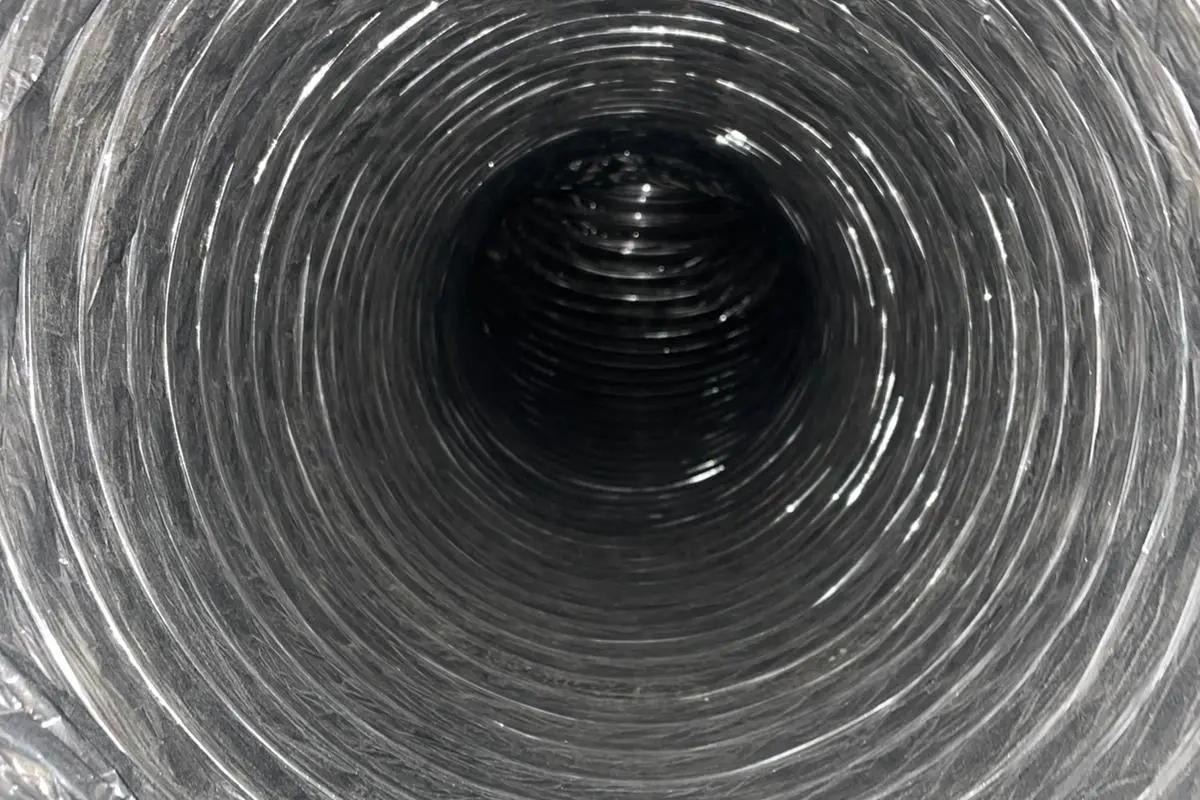
If white dust persists after eliminating humidifier minerals and upgrading your filter, the source is inside the ductwork. A professional HD camera inspection reveals exactly what is happening in the ducts without guesswork.
Other signs that white dust warrants a professional call: you see fiberglass strands near vent openings, the dust has a musty or chemical odor, family members develop new respiratory irritation, or you recently moved into a home and do not know the duct history.
If white powder keeps appearing no matter how often you wipe down surfaces, something inside your ductwork is shedding - and your filter alone will not catch it. Air Central's HD camera inspection shows you the source on a live video feed, whether it is mineral buildup, crumbling fiberglass liner, or residual construction dust. Call (512) 601-4451 and we will pinpoint the problem before recommending a fix.
Related Services
Learn more about our professional services related to this topic:
- Air Duct Cleaning - Remove dust, allergens, and debris from your entire HVAC system for cleaner indoor air.
- Air Duct Inspection - Diagnose leaks, blockages, and efficiency issues with HD camera inspection.
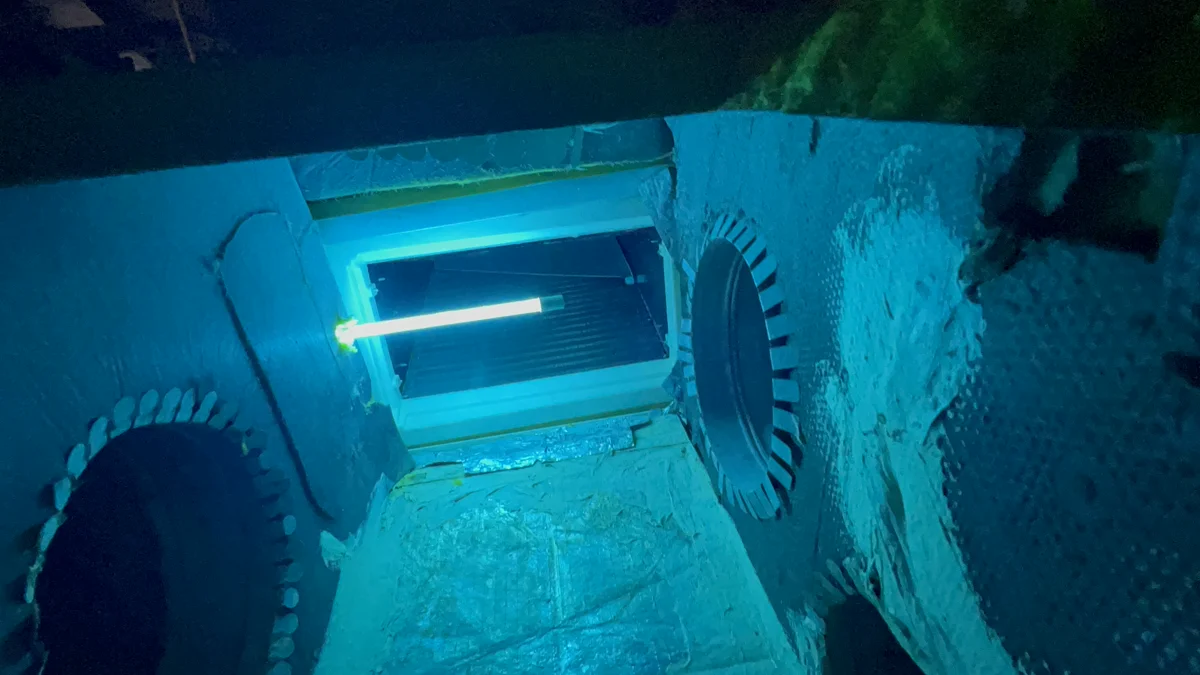
- UV Lighting System - Eliminate bacteria and allergens inside your HVAC with UV-C light technology.
Want the full picture?
Read our complete guide: Indoor Air Quality in Austin: The Complete Guide (2026) →Have questions about indoor air quality? Our team is available 7 days a week. Call us at (512) 601-4451 or visit our contact page.