Mold grows in air ducts when five conditions are present simultaneously: moisture (from condensation or leaks), organic material (dust and debris), darkness, warmth, and stagnant air. Austin's 67% average humidity and 8-month cooling season create ideal conditions for all five. Preventing mold means eliminating at least one condition - most effectively by controlling moisture and removing organic buildup through regular HVAC maintenance.
The 5 Conditions Mold Needs Inside Your HVAC System
Mold is not random. It follows predictable biology. For mold to colonize your air ducts, five conditions must be present at the same time: a moisture source, organic food material, darkness, temperatures between 40-100 degrees F, and limited air circulation in specific duct zones. Remove any one of these conditions and mold cannot establish itself. Understanding each one tells you exactly where to focus your prevention efforts.
Austin provides all five conditions for approximately 8 months of the year. From March through October, your cooling system generates condensation, your ducts accumulate organic debris from Austin's heavy pollen seasons, the duct interior is permanently dark, attic temperatures push duct surface temperatures into the ideal growth range, and dead-end duct runs have minimal airflow. This is why Austin has a higher incidence of duct mold than cities with drier climates or shorter cooling seasons.
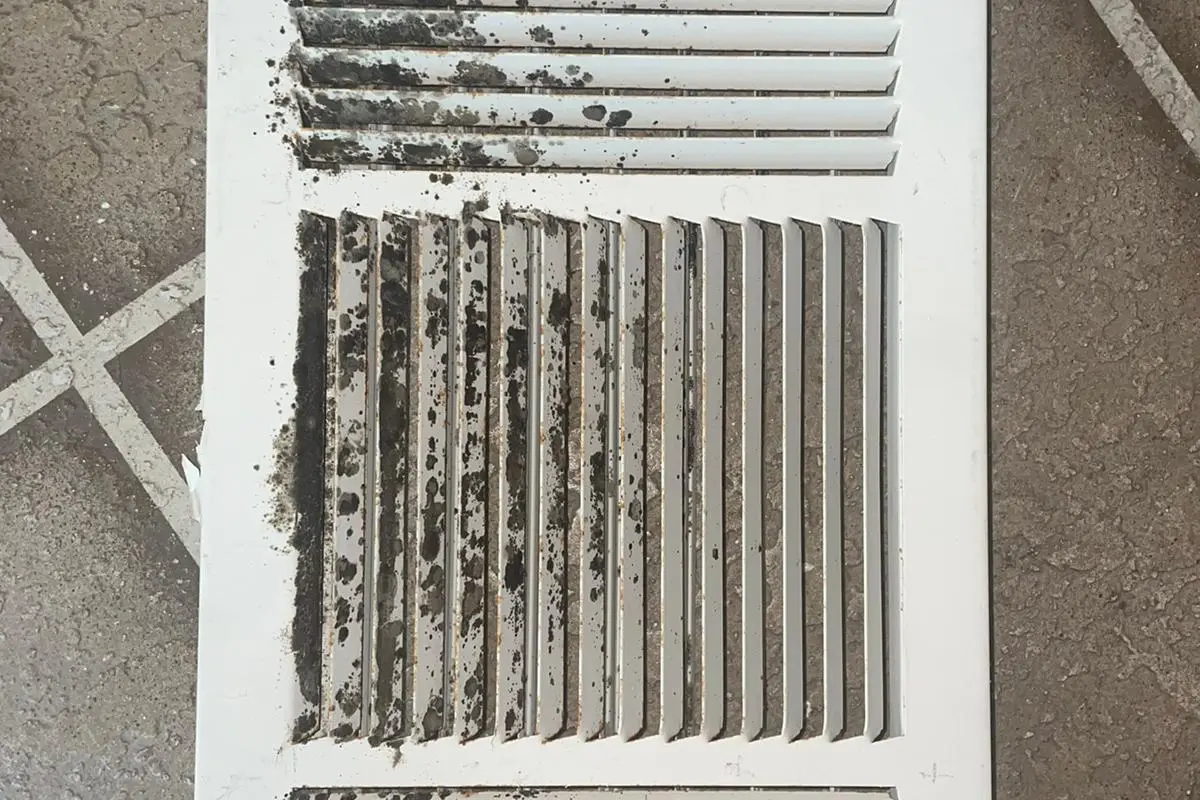
Condition 1: Moisture - The Primary Driver
Moisture is the single most important factor. Without moisture above 60% relative humidity, mold cannot germinate or grow regardless of other conditions. Inside your HVAC system, moisture comes from multiple sources.
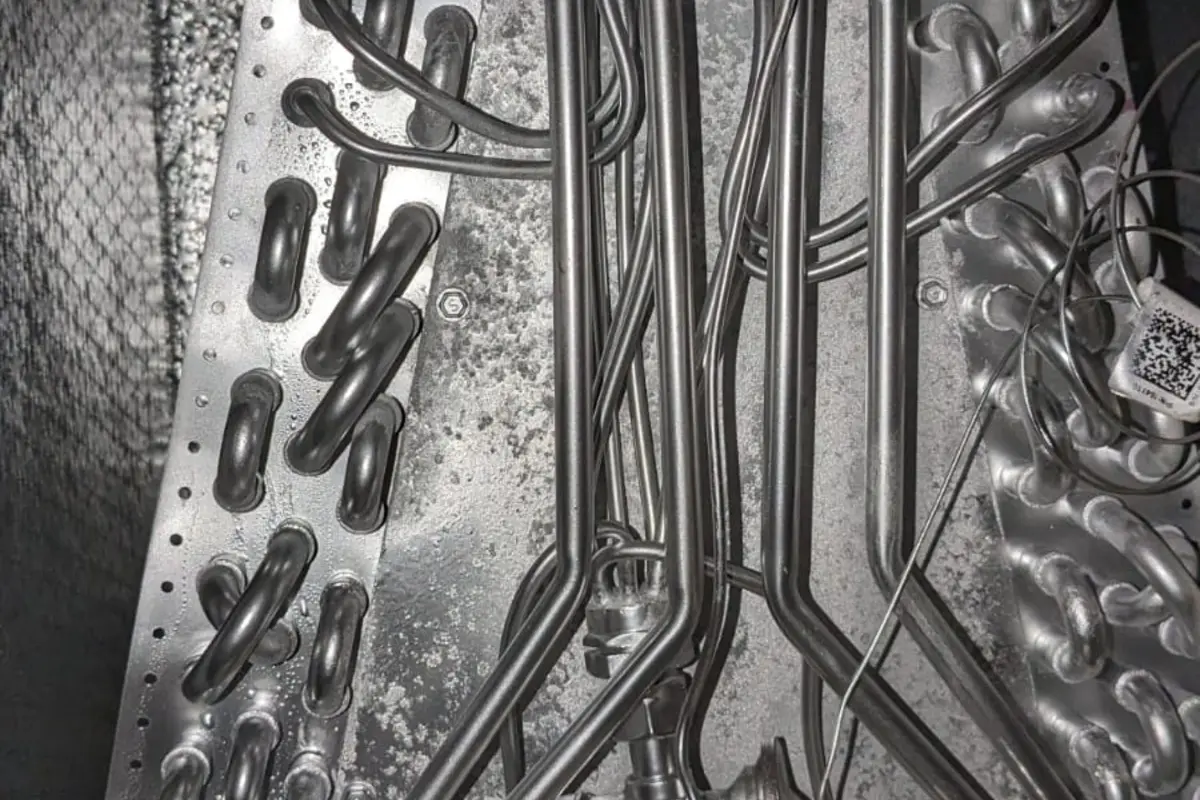
Condensation on the evaporator coil is the biggest source. Every cooling cycle pulls moisture from the air and deposits it on the coil fins. This moisture is supposed to drain into the condensate pan and out through the drain line. When the drain line clogs (common in Austin due to algae growth), water backs up and overflows into the plenum or air handler cabinet. Even with a functioning drain, the coil and surrounding surfaces stay damp during and after cooling cycles.
Duct condensation occurs when warm, humid attic air meets the cold exterior surface of supply ducts. The temperature difference causes water droplets to form on the duct surface, which can migrate through seams or duct tape failures into the duct interior. This is especially common in Austin attics during summer, where attic air reaches 140-150 degrees F while supply ducts carry 55 degree air.
Plumbing leaks near ductwork, roof leaks that drip onto attic duct runs, and poor bathroom exhaust venting (exhaust dumping into the attic instead of outside) are additional moisture sources that frequently cause duct mold in Austin homes.
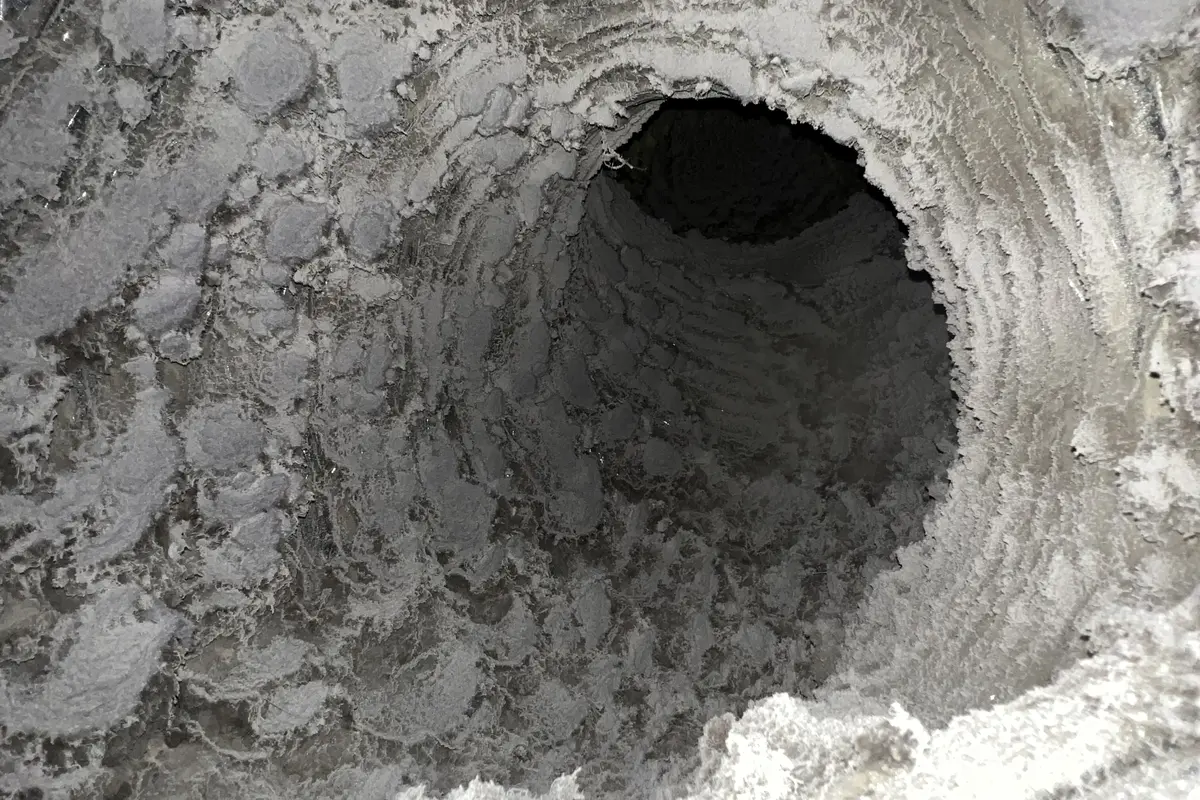
Condition 2: Organic Material - What Mold Eats
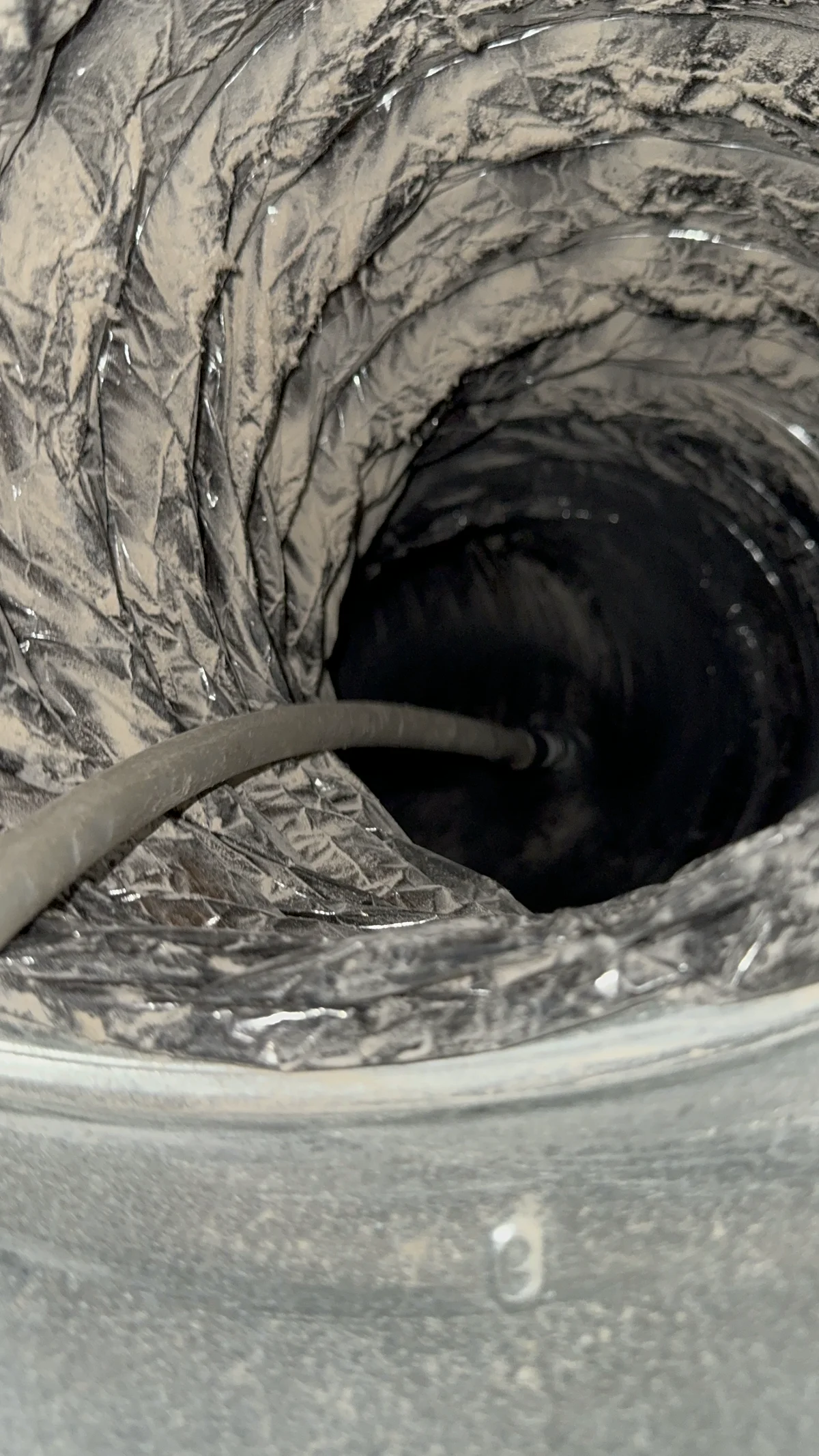
Mold cannot grow on bare metal. It needs organic material for food. Inside your ductwork, organic food sources are abundant: accumulated dust (which contains skin cells, pet dander, and fabric fibers), pollen (Austin's cedar, oak, and ragweed seasons deposit massive organic loads), insect remains, fiberglass duct liner material, and the paper backing on duct insulation.
Austin's unique contribution is the sheer volume of organic pollen that enters ductwork. Cedar pollen from December through March is particularly problematic - the grains are sticky and accumulate on duct walls. Oak pollen follows from March through May. By the time spring ends, your ducts have received six straight months of organic material deposition.
This is why regular duct cleaning is a mold prevention strategy, not just a comfort improvement. Removing the organic food source eliminates one of the five conditions mold needs to grow.
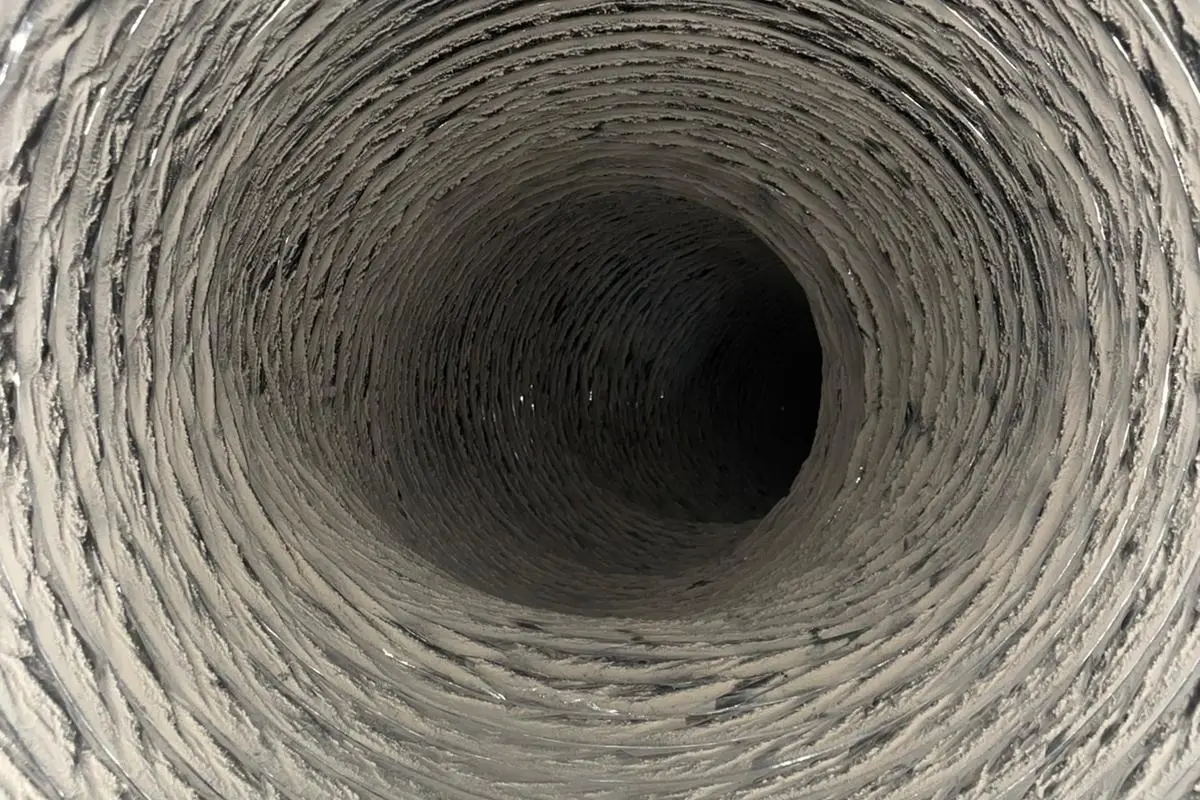
Condition 3: Darkness, Warmth, and Stagnant Air
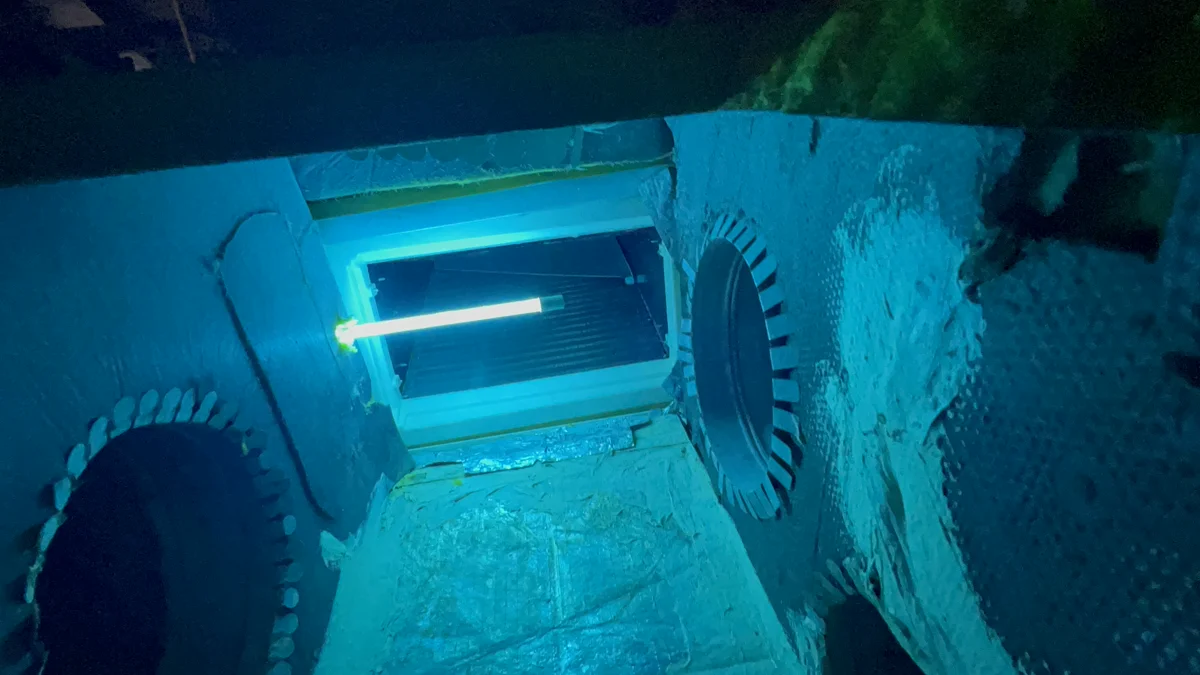
The interior of your ductwork is permanently dark, which mold requires. Ultraviolet light in sunlight kills mold spores, but no UV reaches the inside of your ducts naturally. This is also why UV-C light installation near the coil is an effective prevention tool - it introduces germicidal UV into the one area of the duct system where moisture and organic material are most concentrated.
Temperature inside Austin ductwork stays within mold's ideal growth range (40-100 degrees F) virtually year-round. Supply ducts carry 55-degree air during cooling and 100-120 degree air during heating. Return ducts carry room-temperature air (68-78 degrees F). Even in the attic, where exterior duct surface temperatures can exceed 140 degrees in summer, the interior duct temperature remains within mold's comfortable range.
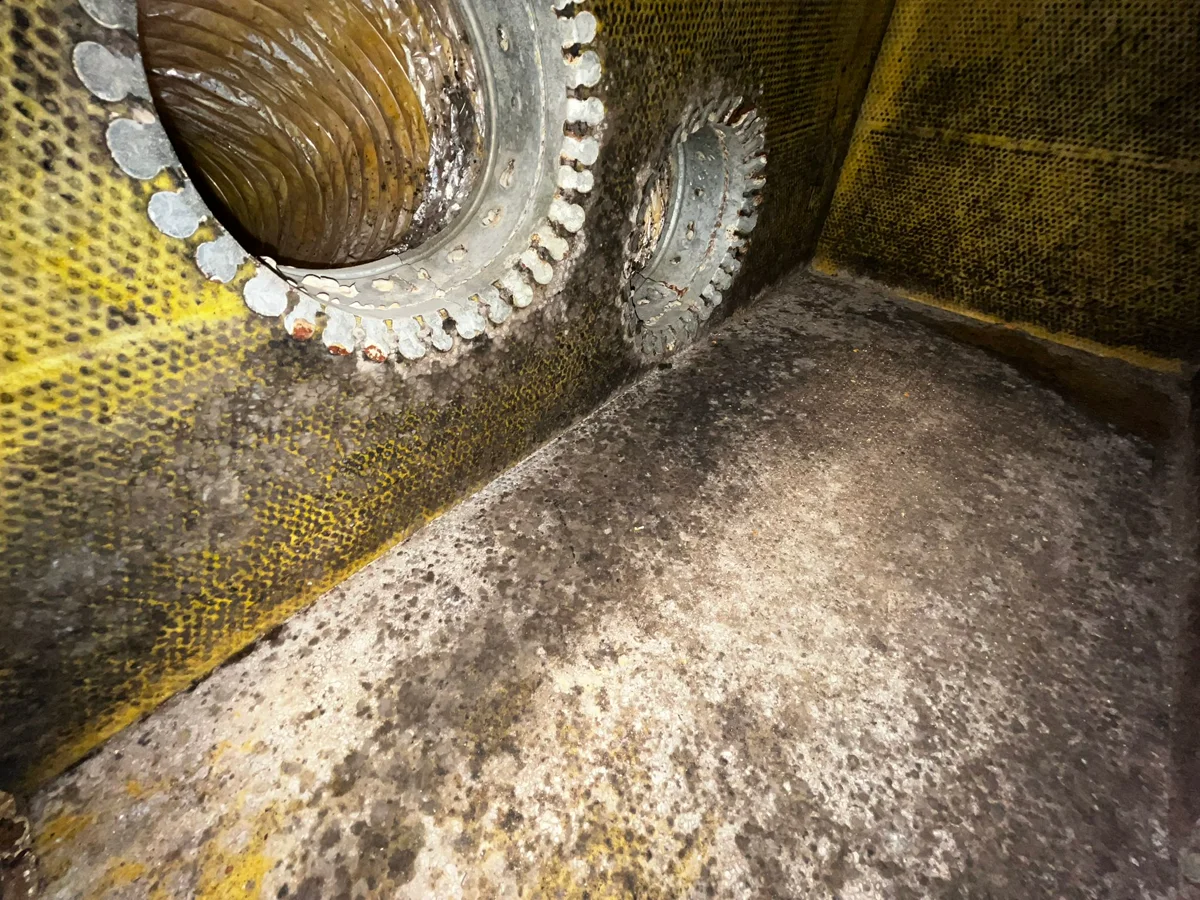
Stagnant air zones exist in every duct system. Dead-end runs, rarely used rooms with closed registers, and the space between duct liner and the outer duct shell all have minimal airflow. These pockets accumulate moisture and debris without the drying effect of moving air, creating the highest-risk zones for mold colonization. The plenum box (the junction where the coil connects to the supply trunk) is another stagnant zone where mold is most frequently found.
Concerned About Your Home's Air?
We provide professional air quality assessments for Austin homes. See what is in your ducts before deciding.
Call (512) 601-4451Rate your home's indoor air quality in 2 minutes
Austin-Specific Risk Factors
Austin's climate amplifies every mold risk factor. The city averages 67% relative humidity year-round, with summer months regularly exceeding 75-80% outdoor humidity. Your AC system removes moisture from indoor air, but it also generates condensation inside the air handler with every cycle.
The 8-month cooling season (March through October in most years) means your coil stays wet for roughly 240 days per year. During shoulder seasons (March-April, October-November), the AC runs intermittently - cycling on and off without running long enough to fully dehumidify. These shoulder seasons are the highest-risk period for mold growth because the coil is wet but the airflow is inconsistent.
Cedar pollen is unique to Central Texas and acts as a particularly effective organic food source for mold. The sticky, waxy coating on cedar pollen grains helps them adhere to duct surfaces where they accumulate over the December-through-March season. By the time cedar season ends, your ductwork has a fresh layer of organic material ready to support mold growth as spring humidity rises.
Rapid temperature swings in Austin spring and fall also contribute. A day that starts at 45 degrees F and ends at 82 degrees F causes condensation throughout the duct system as surfaces pass through the dew point multiple times in a single day.
Prevention: Eliminating Each Condition
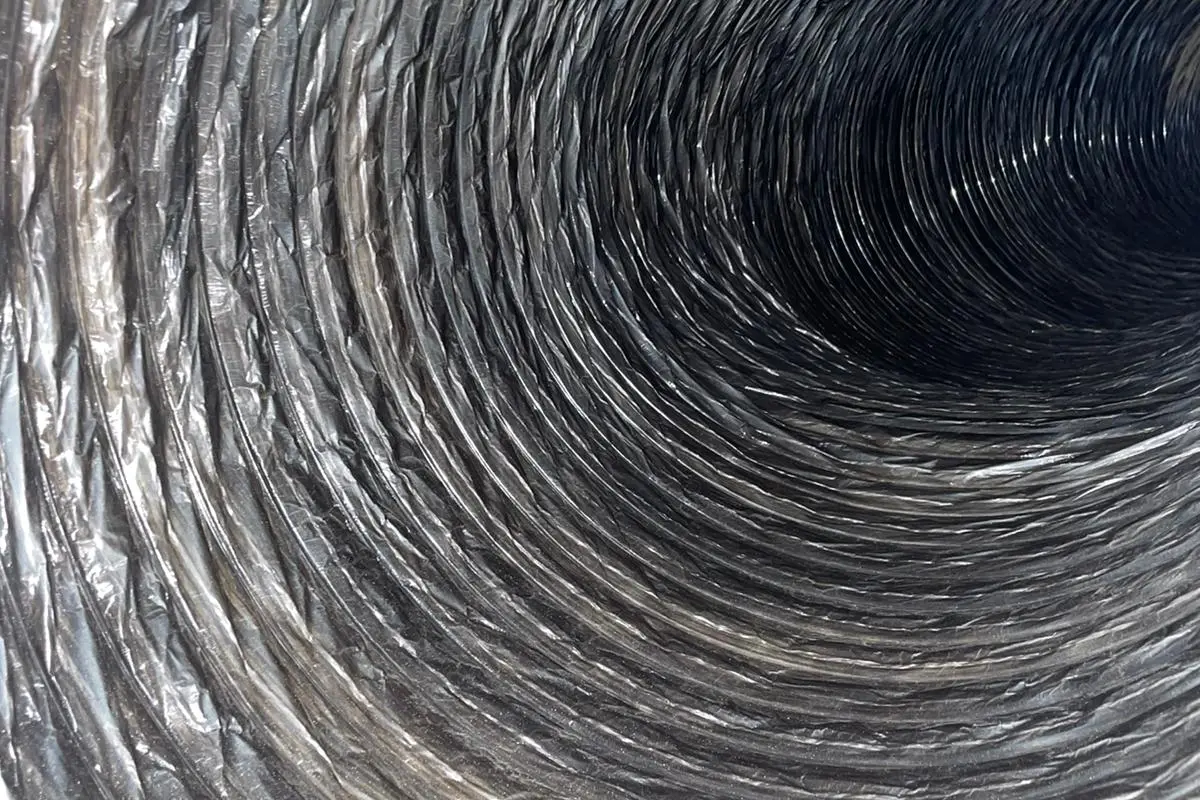
You cannot make your ducts not-dark, and you cannot keep temperatures outside mold's range, so practical prevention focuses on the three conditions you can control: moisture, organic material, and stagnant air.
Control moisture: keep your condensate drain line clear (flush with vinegar quarterly), inspect the drain pan for cracks or overflow, fix any plumbing or roof leaks near ductwork, ensure bathroom exhaust fans vent to the outside (not into the attic), and maintain indoor humidity below 50-55% using your thermostat's dehumidification mode or a standalone dehumidifier.
Remove organic material: schedule professional duct cleaning every 3-5 years (every 2-3 years with pets or heavy allergy seasons). Change air filters every 60-90 days, or monthly during cedar season. Keep return vents unobstructed so the filter captures maximum debris before it enters the duct system.
Improve air circulation: keep registers open in all rooms (even unused ones) to maintain airflow through every duct run. Run the fan on 'circulate' mode for 15-20 minutes per hour during shoulder seasons when the AC is not running continuously. Consider UV-C light installation near the evaporator coil for continuous germicidal protection. Call (512) 601-4451 for a duct inspection and personalized prevention plan.
When Prevention Fails: Mold Remediation vs Mold Prevention Through Duct Cleaning
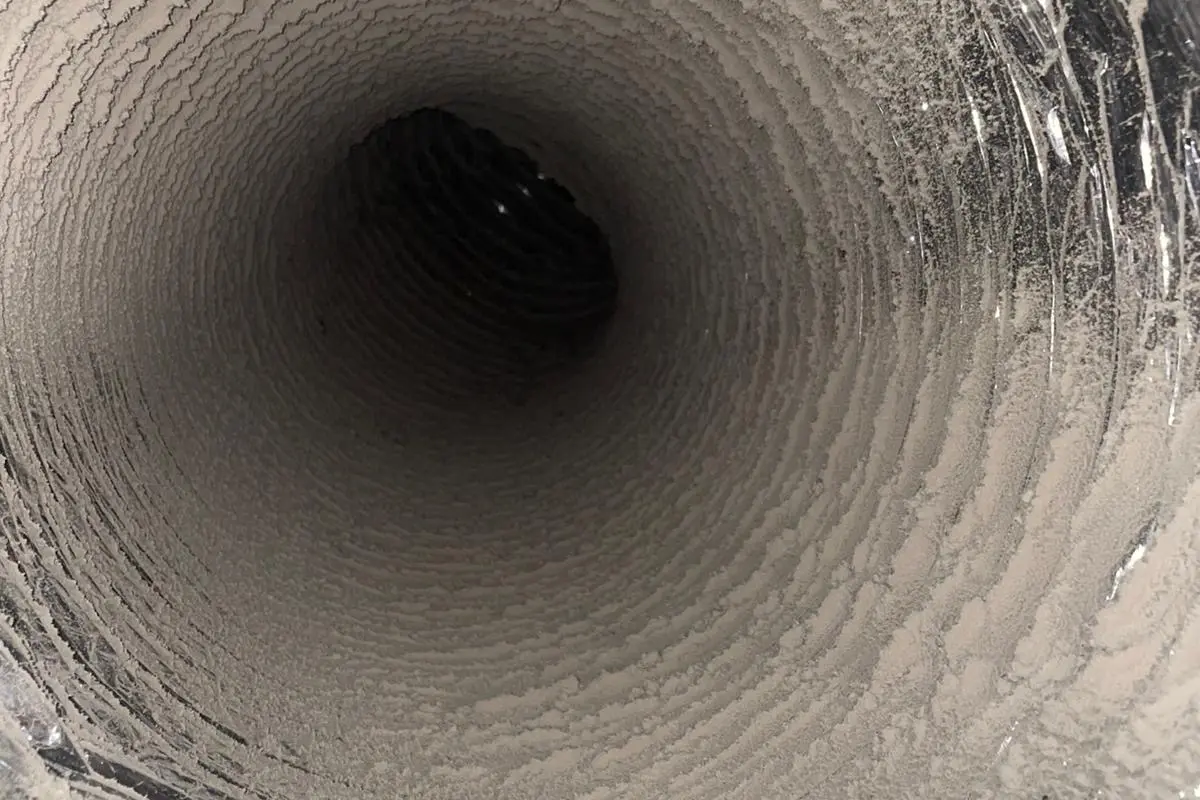
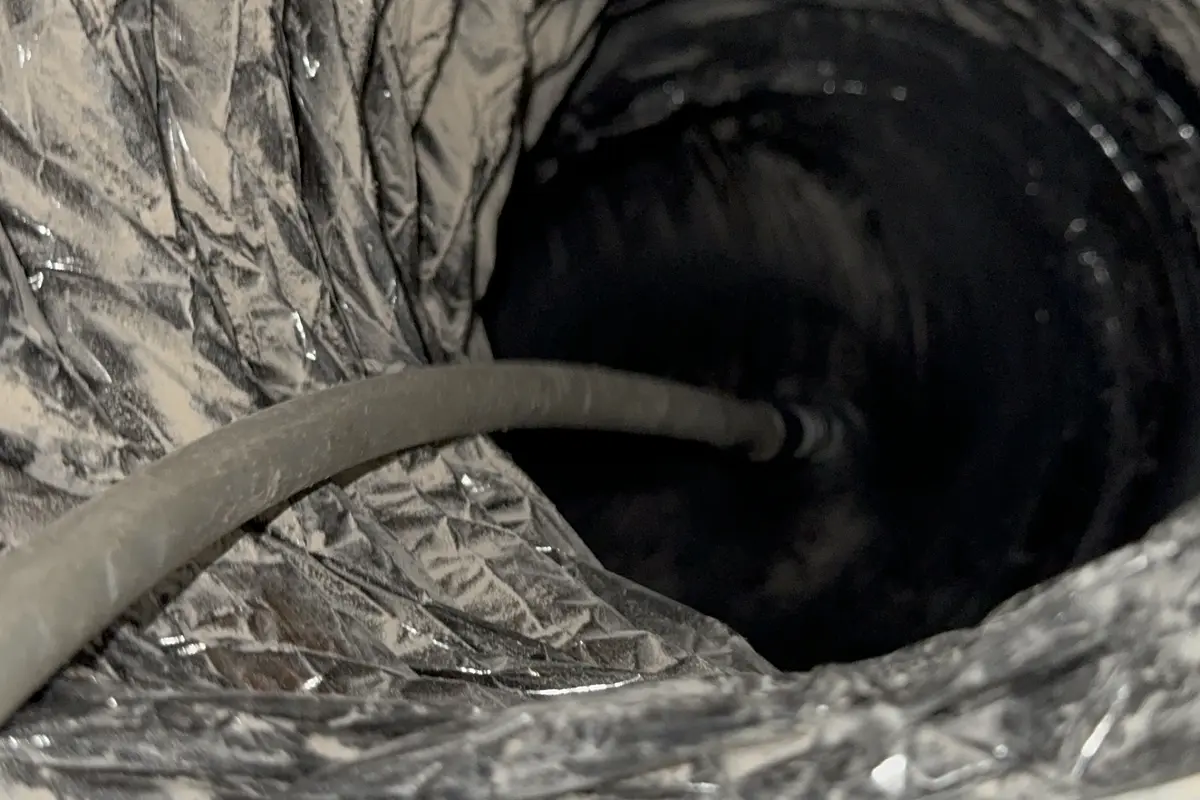
Even with good prevention habits, Austin's climate sometimes wins - especially after water damage events, a failed condensate drain, or a roof leak that goes undetected for weeks. When mold has already established itself in your duct system, prevention is no longer the conversation. You need professional removal. For mold contained inside the ductwork, Air Central provides HEPA-filtered negative-pressure cleaning that physically removes contamination. This is mold prevention through duct cleaning - eliminating the established growth and the organic material that feeds future colonization.
When mold has spread beyond the ducts into structural components - wall framing around duct penetrations, attic sheathing near the air handler, or subfloor materials under the air handler closet - you are in mold remediation territory. Certified mold remediation specialists handle mold abatement involving building materials, using containment barriers and air scrubbers under IICRC S520 protocols. If you are searching for mold remediation companies near me for structural mold while also having duct contamination, you likely need both services: a remediation specialist for the building materials and Air Central for the HVAC system.
The sequence matters. Remediating the structure while leaving contaminated ducts means your HVAC re-seeds the remediated space with spores within 24 hours of startup. Cleaning the ducts while leaving structural mold means the HVAC pulls spores from infected building materials right back into the clean duct system. For complete mold mitigation, both the structure and the ductwork need to be addressed. Air Central coordinates regularly with Austin-area mold remediation specialists and can help you sequence the work correctly.
Related Services
Learn more about our professional services related to this topic:
- Air Duct Cleaning - Remove dust, allergens, and debris from your entire HVAC system for cleaner indoor air.
- Air Duct Inspection - Diagnose leaks, blockages, and efficiency issues with HD camera inspection.
- UV Lighting System - Eliminate bacteria and allergens inside your HVAC with UV-C light technology.
Want the full picture?
Read our complete guide: Indoor Air Quality in Austin: The Complete Guide (2026) →Have questions about indoor air quality? Our team is available 7 days a week. Call us at (512) 601-4451 or visit our contact page.