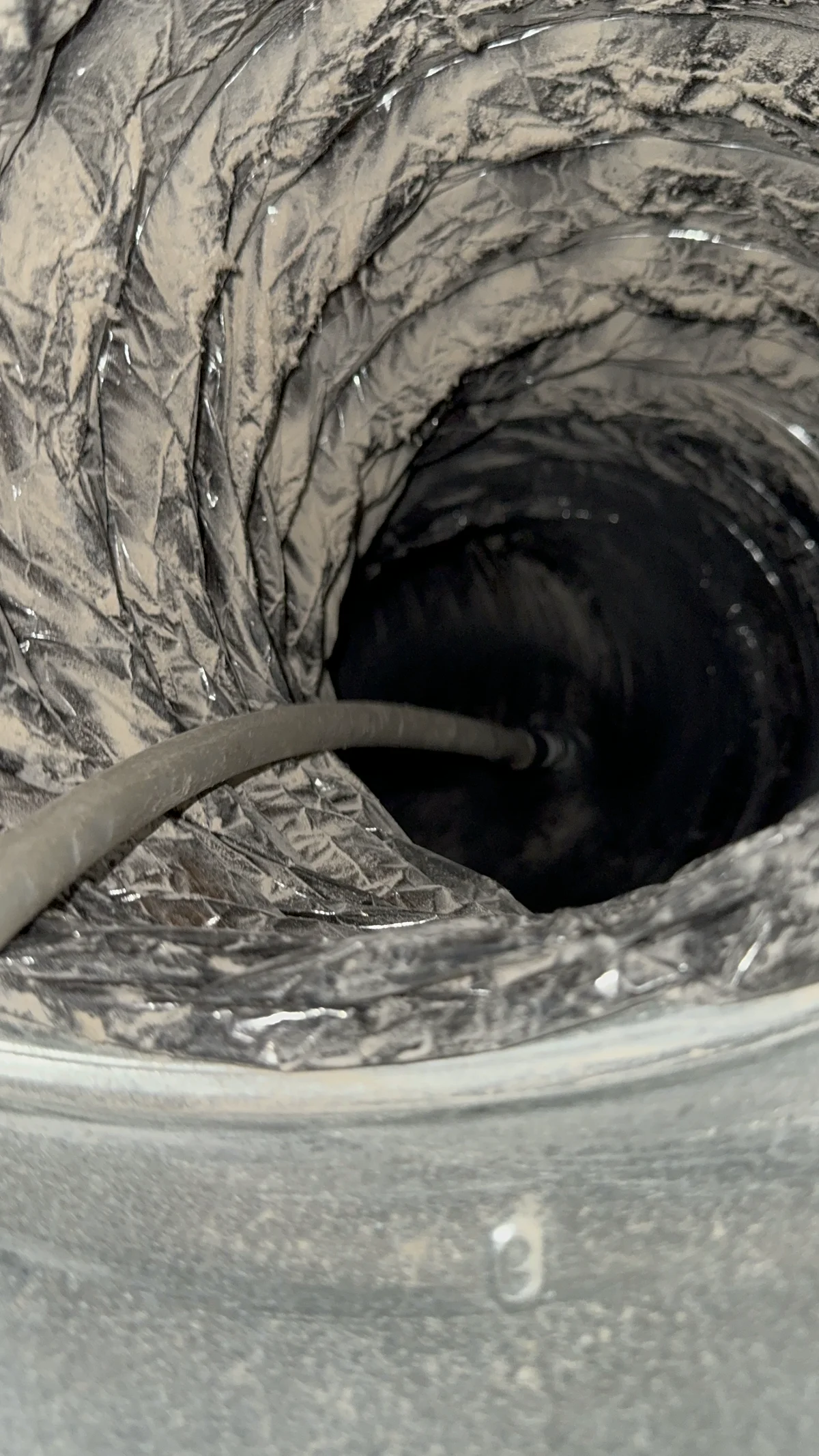
Austin homes need air duct cleaning every 2-5 years due to cedar pollen, construction dust, and year-round HVAC usage. Professional cleaning typically costs a few hundred dollars for most homes, takes 2-4 hours, and noticeably improves air quality and HVAC efficiency. Always hire NADCA-following companies with HD camera inspection - avoid bait-and-switch operators who advertise low prices then upsell on-site.
Why Austin Homes Need Air Duct Cleaning More Than Most
Austin consistently ranks among the top allergy capitals in the United States. The combination of cedar pollen from December through March, oak pollen in spring, ragweed in fall, and year-round grass pollen means your HVAC system filters and circulates allergens for roughly 10 months of the year.
The city's rapid growth adds another layer. New construction in neighborhoods like Mueller, East Riverside, and North Austin sends fine particulate into the air that settles inside ductwork. Even homes miles from active building sites accumulate construction dust through their HVAC intake.
Austin's climate also means your HVAC system runs nearly year-round. Most cities get seasonal breaks where the system sits idle, but Austin homes typically run heating or cooling 10-11 months per year. That constant airflow pushes more contaminants through your ducts than homes in milder climates.
The EPA estimates indoor air can be 2-5 times more polluted than outdoor air. In Austin, with windows closed against summer heat or cedar season pollen, that multiplier can be even higher. Professional duct cleaning addresses the source - removing accumulated debris from the entire air distribution system.
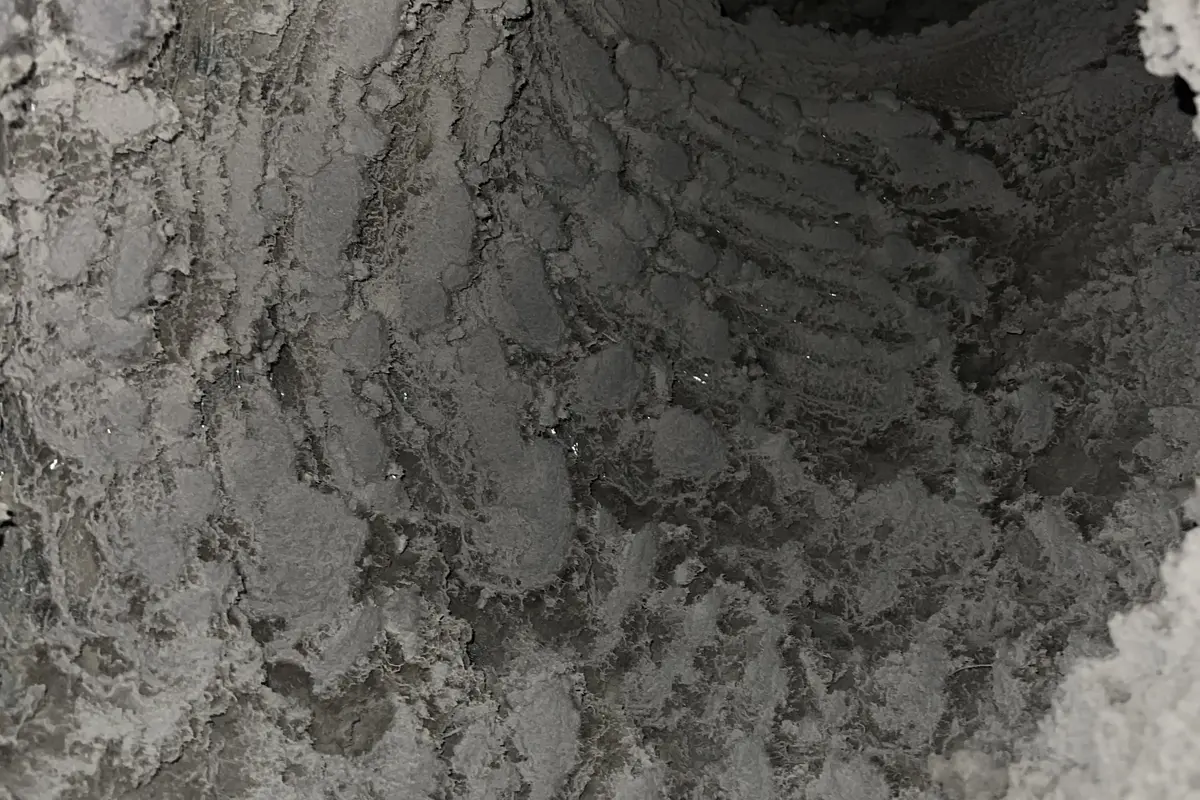
"Austin is a unique market for duct cleaning because the allergen load never lets up," says Nessi Ziv, owner of Air Central. "In over 10,000 homes we have serviced across Central Texas, the average system that has gone 5 years without cleaning contains 10-15 pounds of accumulated debris. That is not dust - that is cedar pollen, pet dander, construction particulate, and organic matter that your family breathes every day."
What Happens During Professional Air Duct Cleaning
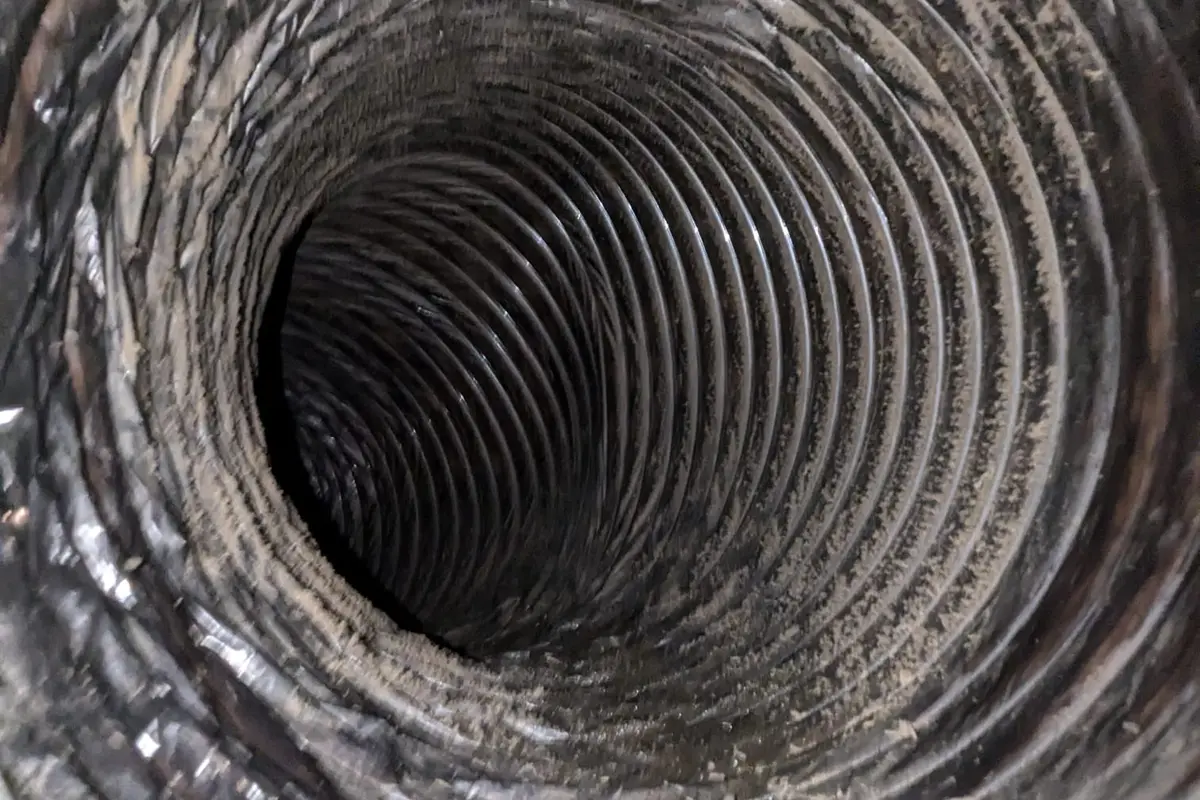
Professional air duct cleaning is a systematic process that takes 2-4 hours for a standard Austin home (1,500-3,000 sq ft). The process starts with an HD camera inspection of your ductwork to document the current condition and identify any areas of concern like disconnected joints, damaged insulation, or heavy buildup.
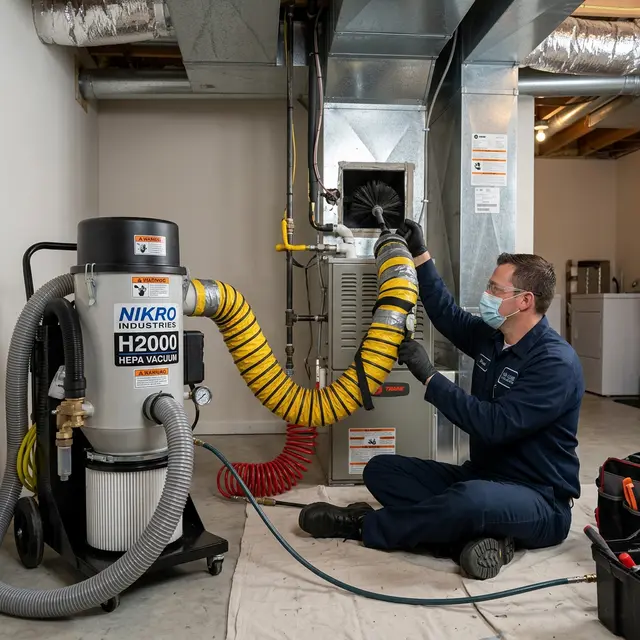
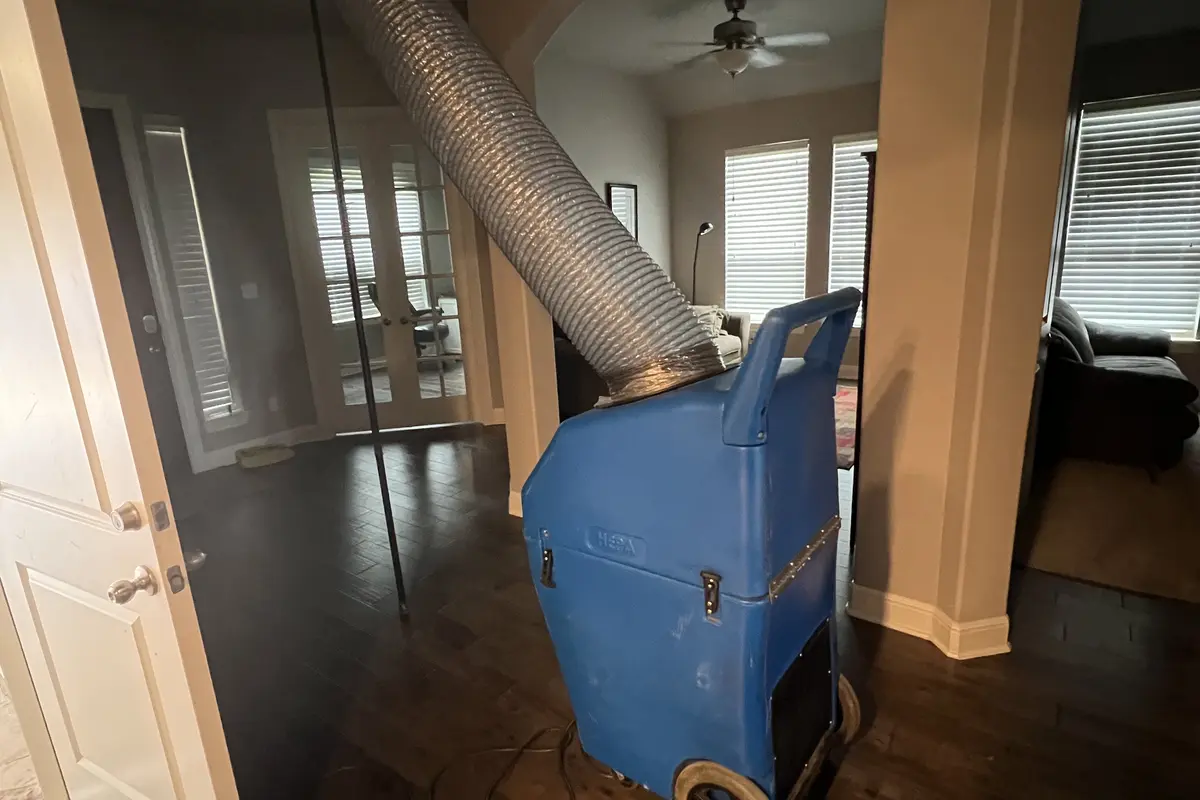
The technician then seals all supply registers except the one being actively cleaned and connects a commercial-grade negative-pressure HEPA vacuum to the main trunk line. This creates powerful suction that pulls debris toward the vacuum while preventing contaminants from escaping into your home.
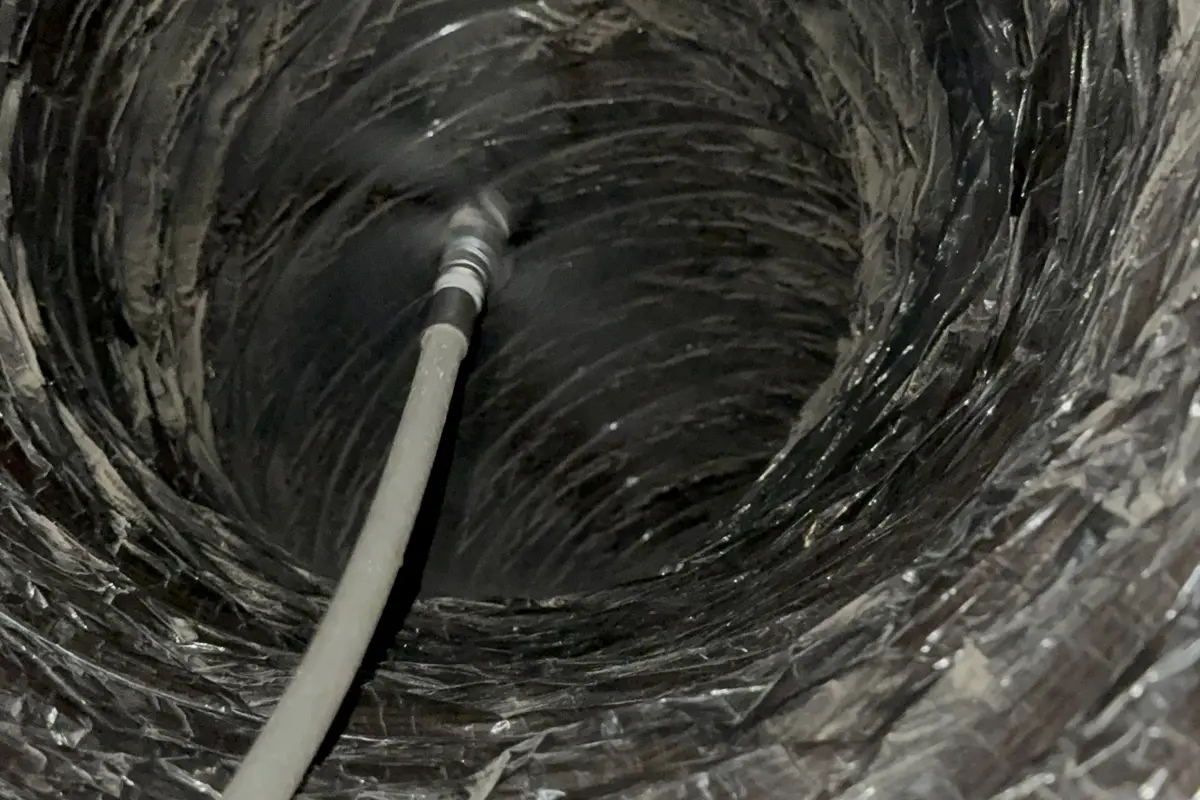
Each register is cleaned individually using rotary brush tools and compressed air whips that dislodge stuck-on debris from duct walls. The return side receives the same treatment. The blower unit, evaporator coil housing, and accessible components are cleaned as part of the process.
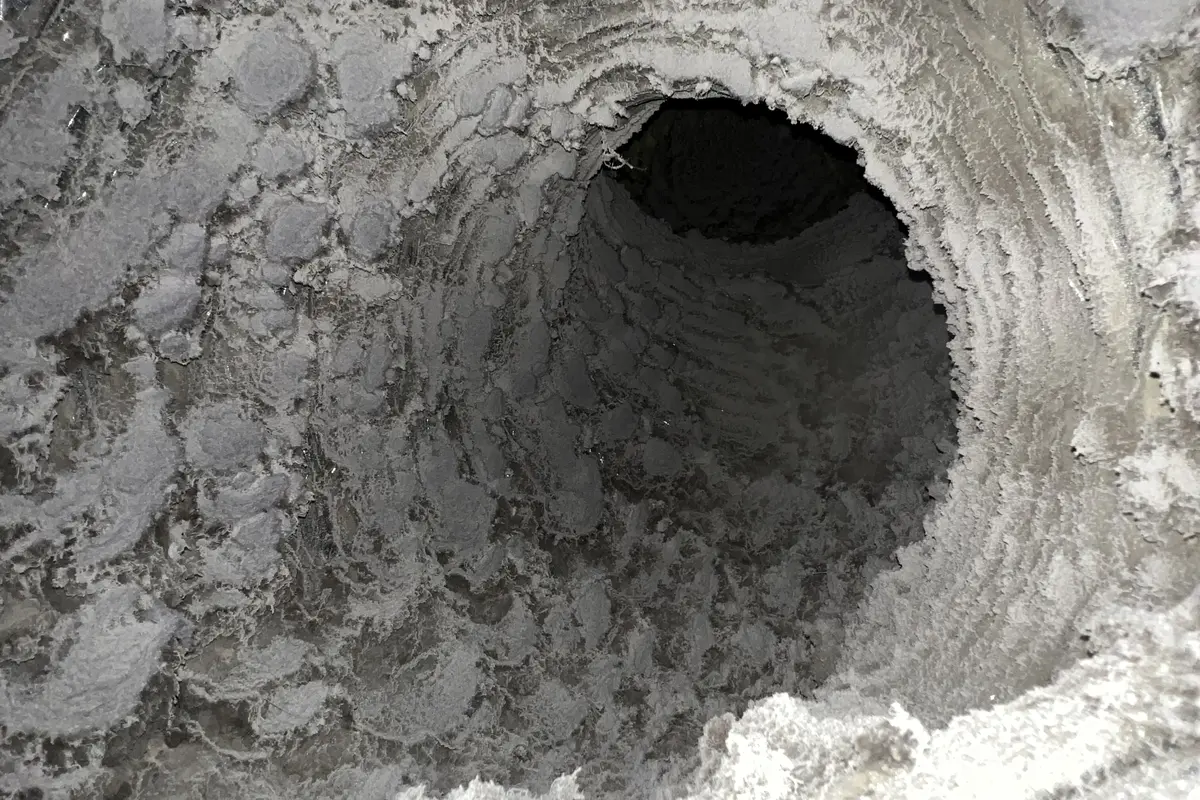
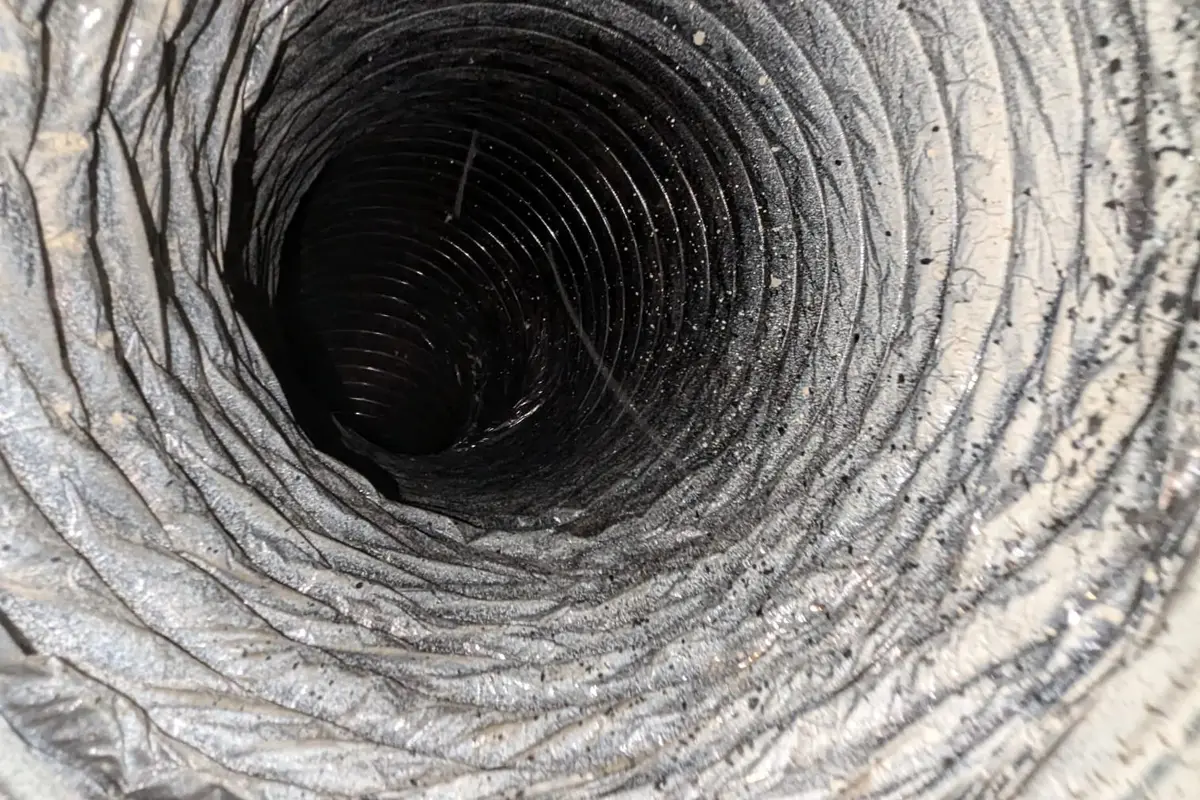
After cleaning, a second HD camera inspection documents the results. You can see the before-and-after difference on screen - the improvement is typically dramatic, especially in homes that have never had their ducts cleaned or have gone 5+ years between cleanings.
Air Duct Cleaning Cost in Austin: What to Expect
For a standard Austin home with 8-15 supply vents, professional air duct cleaning typically costs several hundred dollars. The price depends on home size, number of vents, ductwork accessibility, system complexity, and the level of contamination.
Larger homes (3,000+ sq ft) or homes with multiple HVAC systems will cost more. Add-on services like dryer vent cleaning or sanitizing treatment are typically an additional charge but are often bundled at a discount.
Be wary of bait-and-switch operators. The warning signs: the company arrives, claims to discover unexpected problems, then quotes $800-$1,500 in 'necessary' additional work. They spend 30-45 minutes with a portable shop vac instead of the 2-4 hours required with commercial equipment. Legitimate duct cleaning requires commercial-grade HEPA vacuum equipment, trained technicians, and thorough cleaning of every vent, return, and trunk line.
Air Central provides professional estimates before any work begins. The quote covers the complete job - no hidden fees, no upsells, no surprises.
How Often Should You Clean Your Air Ducts
The standard recommendation is every 3-5 years for average homes. However, several factors common in Austin can shorten that interval to every 2-3 years.
Homes with pets should clean ducts more frequently. Pet dander accumulates in ductwork and recirculates every time the system runs. Homes with multiple pets or breeds that shed heavily should consider cleaning every 2 years.
Allergy and asthma sufferers benefit from more frequent cleaning. If anyone in your household has respiratory issues, cleaning every 2-3 years keeps allergen levels lower. Cedar season is especially hard on Austin allergy sufferers, and cleaning ducts after cedar season ends (late March) removes the accumulated pollen.
Homes near active construction should schedule cleaning once the nearby building is complete. New construction, especially along the I-35 corridor and in rapidly developing areas like Leander, Liberty Hill, and Pflugerville, generates fine dust that travels further than most people expect.
You should also clean ducts after any renovation or remodeling project, after moving into a previously occupied home, or if you notice visible dust blowing from vents, musty odors when the system starts, or inconsistent airflow between rooms.
Signs Your Air Ducts Need Cleaning
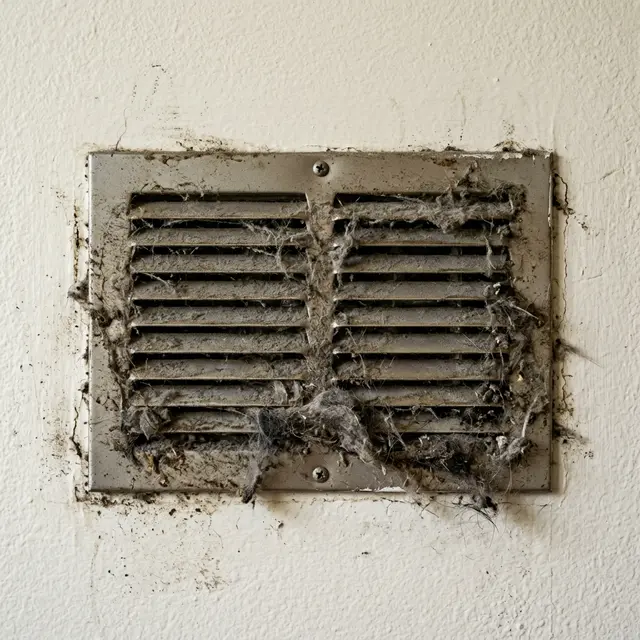
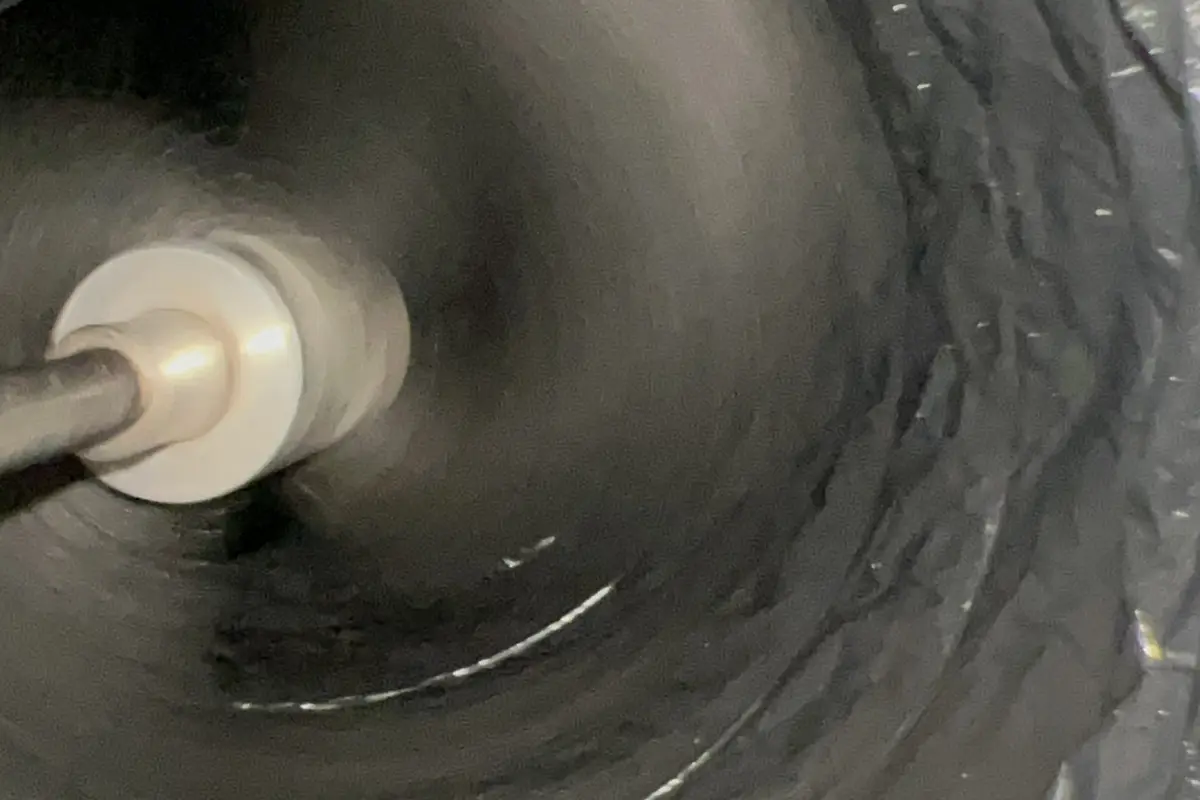
The most obvious sign is visible dust or debris blowing from supply registers when the system starts. If you see puffs of dust when the blower kicks on, your ducts have significant buildup.
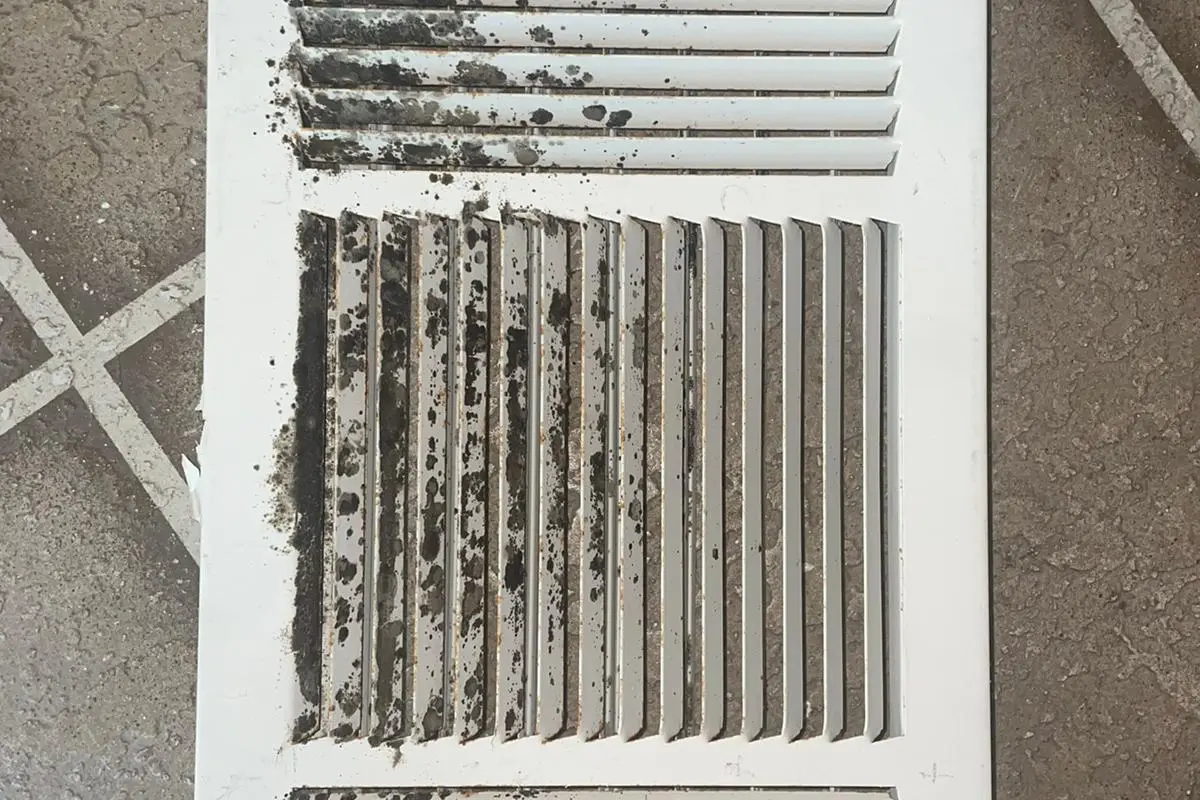
Musty or stale odors when the HVAC system starts are another common indicator. This happens when organic debris in the ducts decomposes or when moisture combines with accumulated dust.
If you find yourself dusting surfaces more frequently than usual, especially soon after cleaning, your ducts may be the source. The HVAC system redistributes duct dust throughout your home every time it runs.
Inconsistent airflow between rooms can indicate partial blockages in specific duct runs. If one room feels noticeably weaker than others with the same vent size, debris may be restricting flow in that branch.
Increased allergy symptoms indoors, particularly when the system is running, suggests airborne allergens are being circulated through dirty ducts. Austin residents with cedar allergies often notice symptoms lingering well past cedar season because pollen trapped in ducts continues to recirculate.
Higher-than-expected energy bills can also point to duct issues. When airflow is restricted by debris buildup, the system works harder and runs longer to reach the set temperature.
DIY vs Professional Air Duct Cleaning
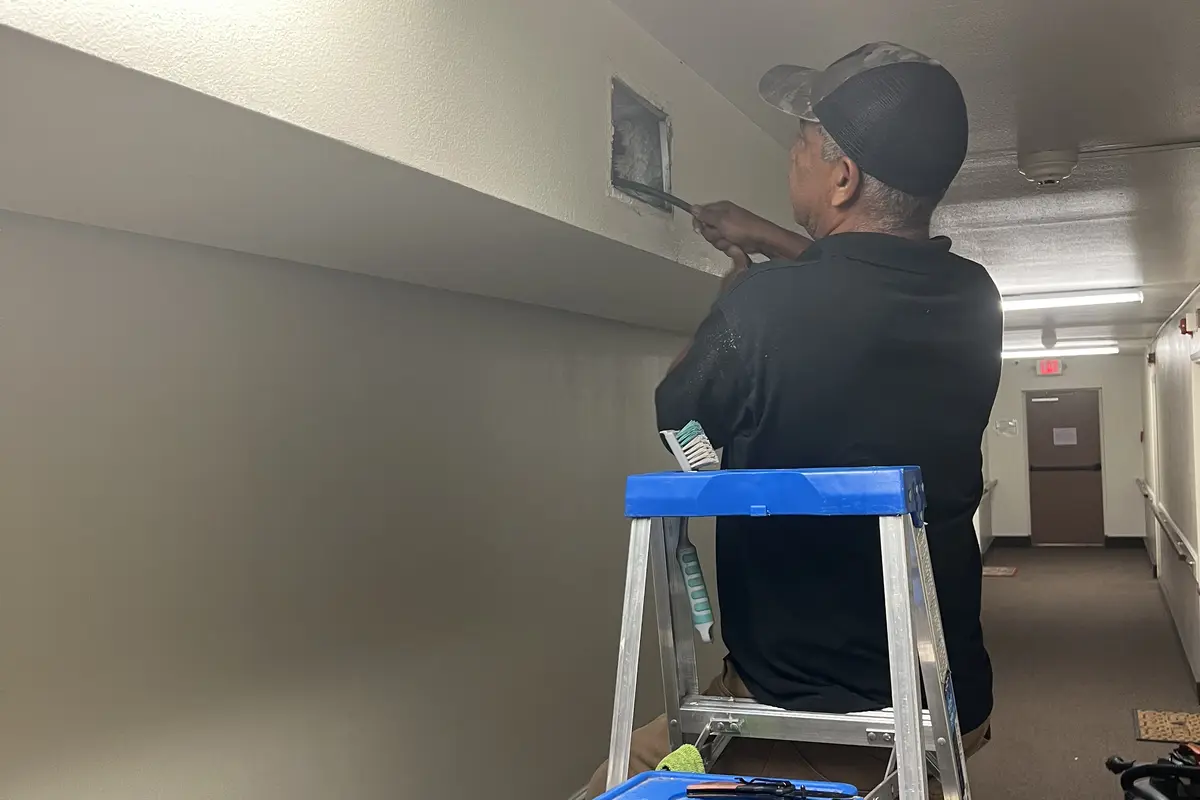
Homeowners can maintain their visible vent covers by removing them quarterly, washing them with soap and water, and vacuuming as far into the duct opening as a household vacuum reaches (typically 2-3 feet). This basic maintenance helps but does not substitute for professional cleaning.
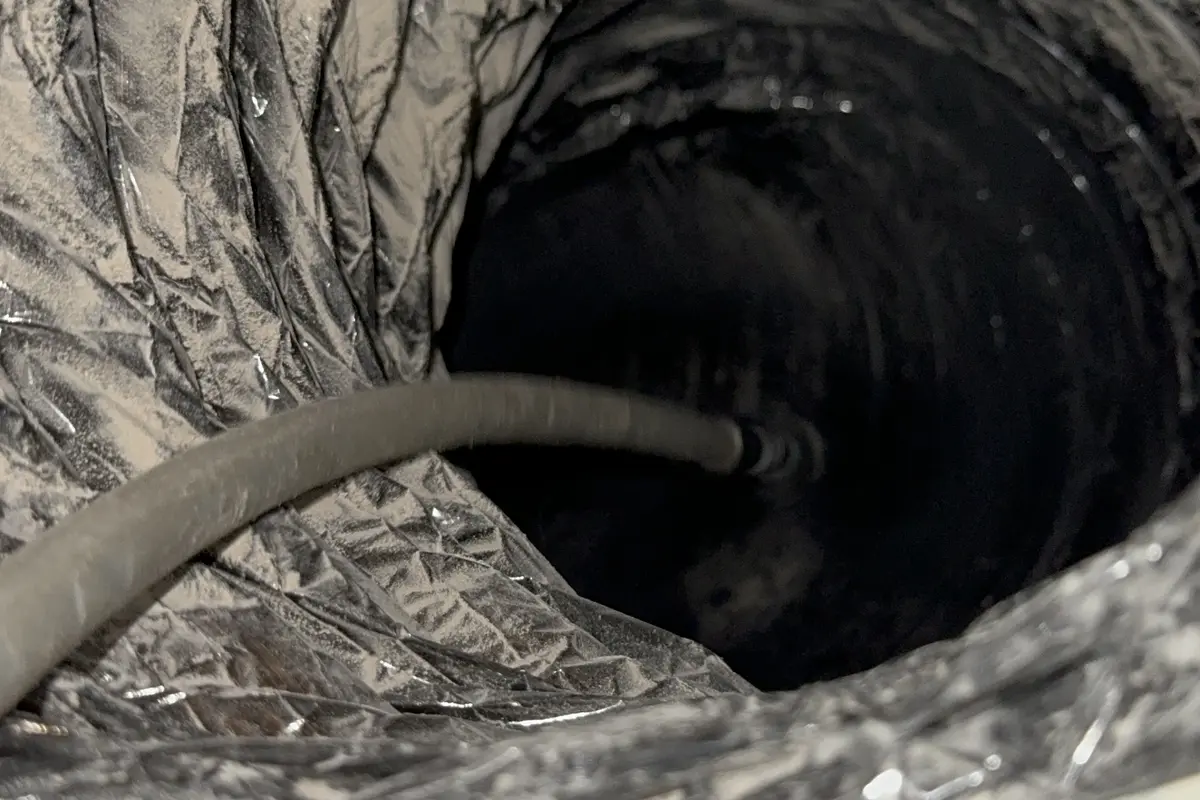
Professional duct cleaning requires commercial-grade equipment that homeowners do not have: negative-pressure HEPA vacuums (industrial units that cost $5,000-$15,000), rotary brush systems, compressed air whips, and HD inspection cameras. Household vacuums lack the suction power to remove debris from 20-50 feet of ductwork.
The main risk of DIY duct cleaning is damaging flexible ductwork. Many Austin homes, especially those built after 2000, use flex duct that tears easily. Professional technicians know the right pressure and technique for each duct type.
For the investment of a professional cleaning every 3-5 years, the results are something DIY simply cannot match. The before-and-after camera inspection proves the difference.
How to Avoid Air Duct Cleaning Scams
The duct cleaning industry has more than its share of scam operators. Here are the red flags every Austin homeowner should know.
The hallmark of a bait-and-switch operation is the behavior, not just the price: they advertise an appealing deal, then once on-site they claim to discover extra damage and upsell $800-$1,500 in 'necessary' work. Legitimate cleaning requires 2-4 hours of skilled labor with commercial equipment - any company that finishes in 30 minutes with a portable vacuum did not do a real cleaning.
Unsolicited phone calls or door-to-door salespeople offering duct cleaning specials are a major red flag. Legitimate companies earn business through reputation and referrals, not cold calling.
Claims that duct cleaning is required by law, or that dirty ducts will make you sick, are scare tactics. While clean ducts improve air quality and system efficiency, no law requires residential duct cleaning.
Verify the company has proper licensing, insurance, and verifiable local reviews. Check Google reviews (look for detailed, photo-included reviews, not generic one-liners), BBB rating, and how long they have been operating in Austin. Air Central has served Austin since 2014 with 500+ verified Google reviews at 5.0 stars.
Ask whether the company uses HD camera inspection before and after. Reputable companies document results. If a company cannot show you the inside of your ducts before and after cleaning, they may not be doing thorough work.
Best Time of Year for Duct Cleaning in Austin
The ideal time for air duct cleaning in Austin is late March through April, right after cedar season ends and before the intense summer heat begins. This timing removes cedar pollen buildup and prepares your system for the heavy cooling season ahead.
Fall (September-October) is the second-best window. You catch the system between summer cooling and winter heating, and you remove summer dust accumulation before sealing up for winter.
That said, any time is better than continuing to breathe dirty air. If you notice signs of dirty ducts, do not wait for the 'perfect' season. Air Central offers same-day appointments throughout the year.
Avoid scheduling during peak moving season (May-August) if possible, as HVAC companies tend to be busiest then. Booking in March or October often means shorter wait times and more flexible scheduling.
Time for a Duct Cleaning?
Find out what is inside your ducts with an HD camera inspection. Same-day appointments available.
Call (512) 601-4451Rate your home's indoor air quality in 2 minutes
Air Duct Cleaning for New Construction and Renovation
New homes need duct cleaning before the first occupancy. Construction debris - drywall dust, sawdust, insulation fibers, paint chips, and even food wrappers from construction crews - accumulates in ductwork during the building process. The HVAC system runs during construction for temperature control, pulling all of this into the ducts.
Austin's building boom means thousands of new homes enter the market each year in areas like Cedar Park, Georgetown, Hutto, and Kyle. Most builders do not include duct cleaning in their scope. The first time you run the system after moving in, all that construction debris blows into your living space.
Renovation projects create similar issues. Any work involving drywall, sanding, painting, or demolition generates fine particulate that enters the duct system. Even if you seal vents during renovation, some dust inevitably gets through. Post-renovation duct cleaning should be part of every remodel budget.
Air Duct Cleaning and Energy Efficiency
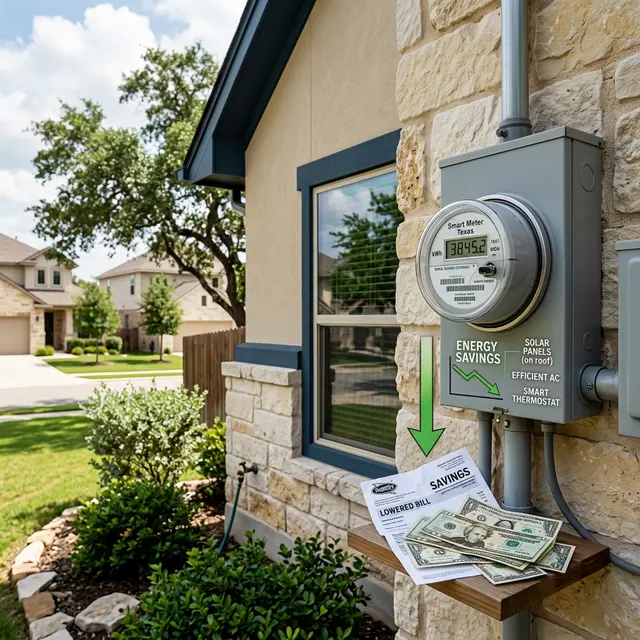
Dirty ducts restrict airflow, forcing your HVAC system to work harder and run longer to reach the thermostat setting. The U.S. Department of Energy estimates that 25-40% of the energy used for heating or cooling is wasted due to contaminants in the system.
In Austin, where summer electricity bills regularly exceed $200-$300 per month, even a 10-15% efficiency improvement from clean ducts translates to meaningful savings. Over a 3-5 year cleaning cycle, the energy savings often offset a significant portion of the cost.
Clean ducts also reduce wear on your HVAC equipment. When the system does not have to work as hard, components last longer and breakdowns are less frequent. Given that HVAC replacement in Austin runs $5,000-$15,000, extending your system's life by even a year or two provides substantial return on a routine cleaning investment.
What Equipment Do Professionals Use for Duct Cleaning
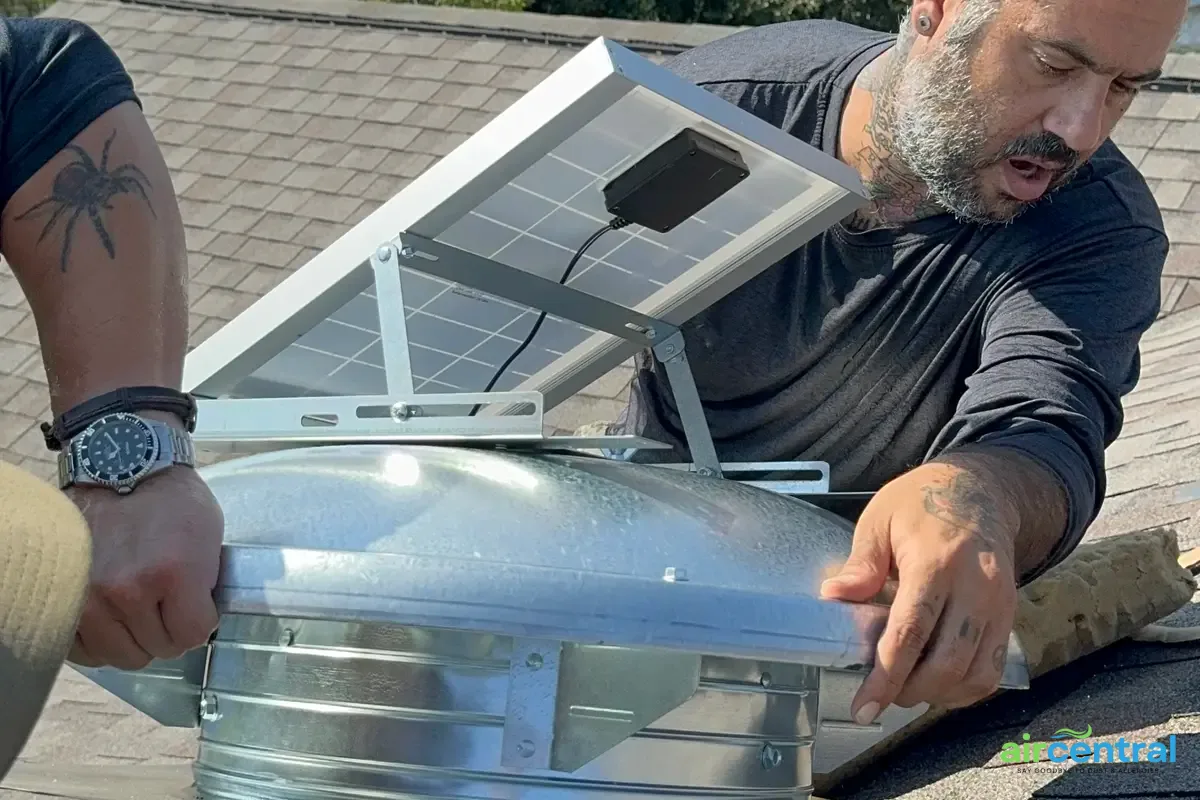
Professional duct cleaning requires specialized equipment that goes far beyond what any homeowner has access to. The centerpiece is a commercial HEPA-filtered negative-pressure vacuum. These units generate powerful suction - thousands of cubic feet per minute - that pulls debris through your entire duct system and traps it in multi-stage filtration. The HEPA filter captures 99.97% of particles down to 0.3 microns, so nothing escapes back into your home during the cleaning process. These machines are portable units designed to be brought inside and connected directly to your duct trunk line.
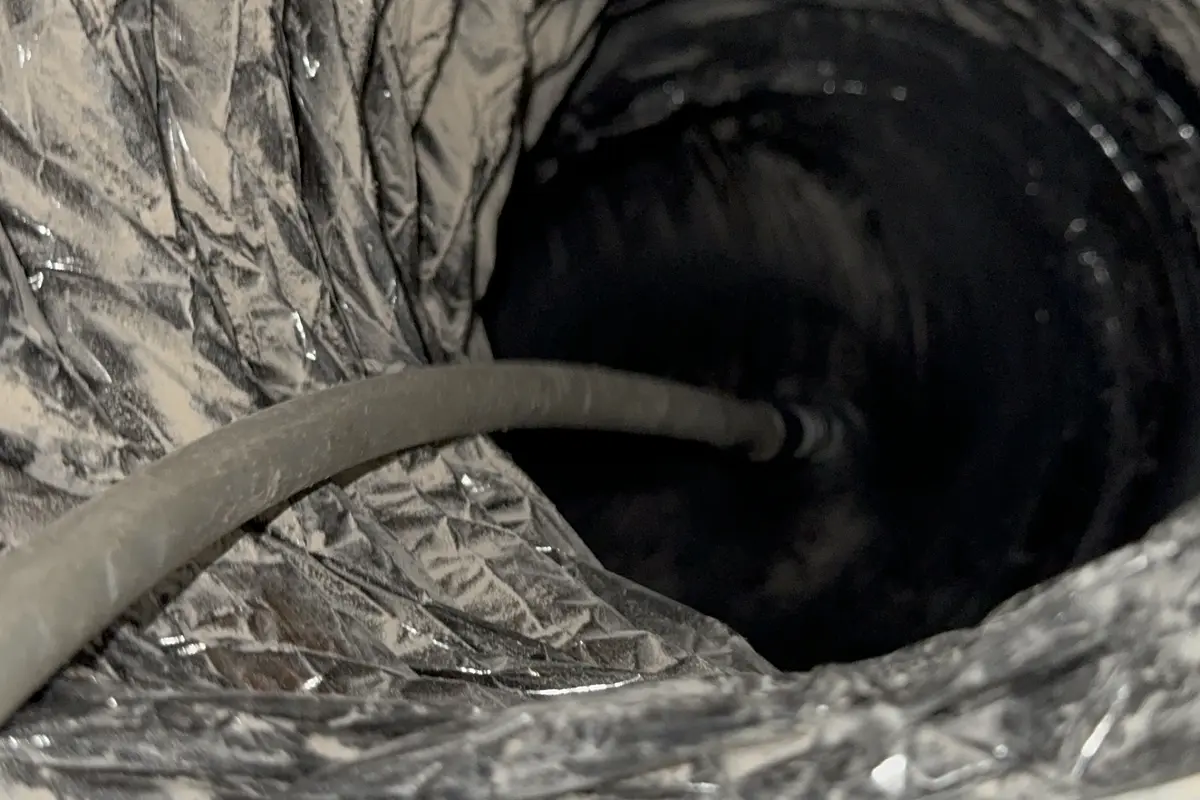
Compressed air tools are the workhorses that dislodge stuck-on debris from duct walls. Air whips - flexible hoses with nozzles that spin and blast air in all directions - reach deep into duct runs and knock loose years of accumulated dust, pollen, and pet dander. The compressed air pushes debris toward the vacuum while the negative pressure pulls it in. This two-directional force is what makes professional cleaning so much more effective than anything a household vacuum can achieve. Rotary brush systems work alongside the air tools, physically scrubbing duct walls with soft-bristle or skipper ball attachments that adjust to different duct sizes and shapes.
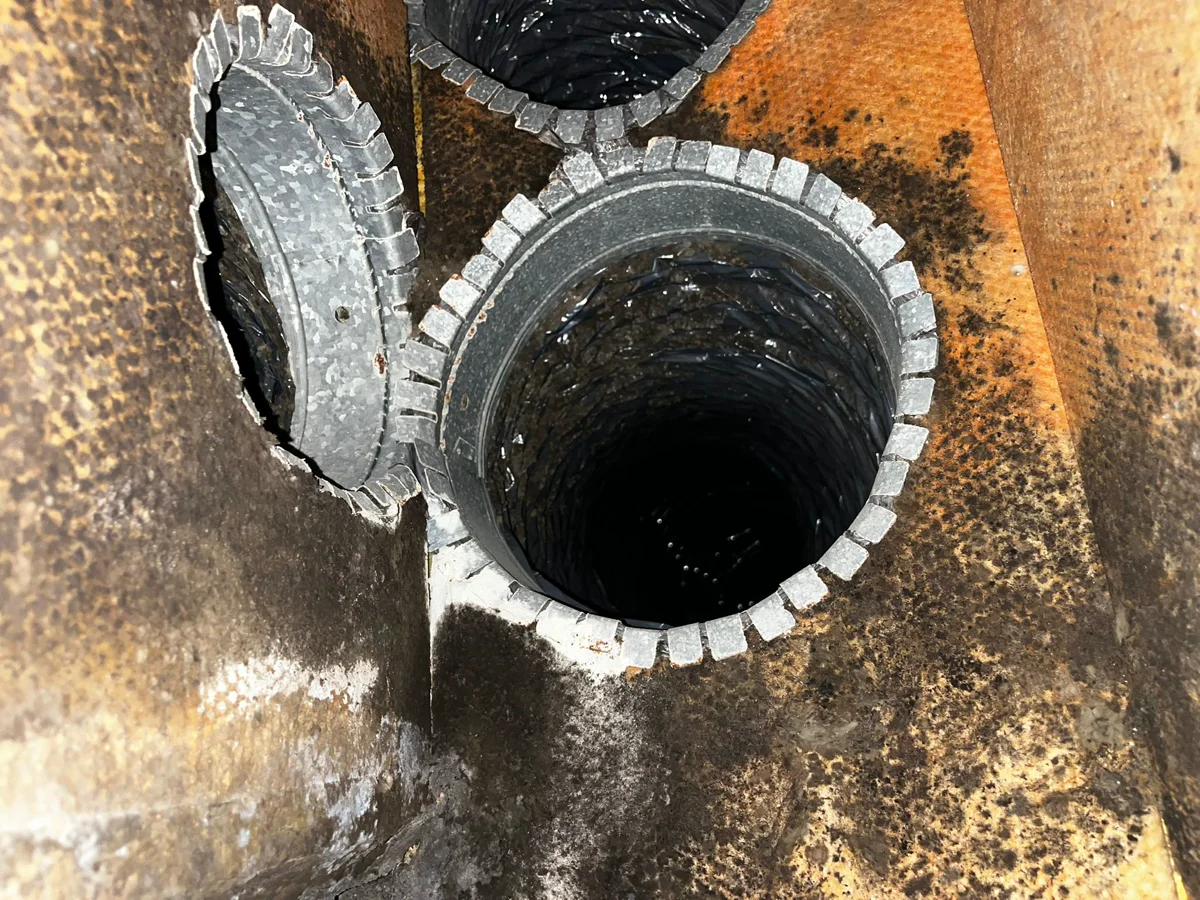
HD camera inspection systems are the other essential piece of professional equipment. Before cleaning, the technician inserts a small camera on a flexible cable into your ductwork to document existing conditions. This is not optional - any company that skips the camera inspection is cutting a critical corner. After cleaning, a second camera pass verifies the results. You can watch the feed in real time and see exactly what your ducts looked like before and after. The camera also identifies problems that are not visible otherwise: disconnected joints, damaged duct liner, or areas where ductwork has collapsed or separated from register boots.
Austin-Specific Duct Cleaning Considerations
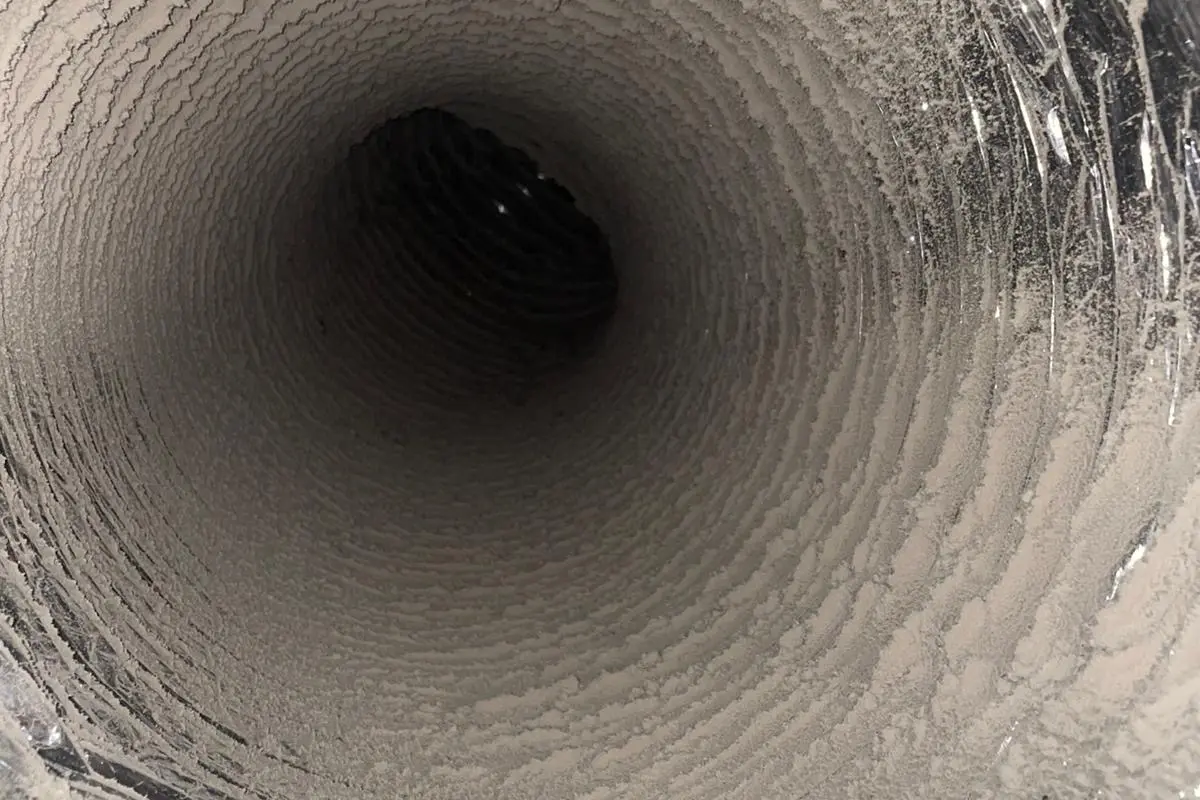
Austin's allergen profile creates unique duct contamination patterns that technicians here deal with constantly. Cedar pollen is the big one - Ashe juniper releases ultra-fine pollen grains from December through March that penetrate every gap in your building envelope. Once cedar pollen enters your ductwork, it embeds in dust layers and recirculates for months after the season ends. We regularly find heavy cedar pollen deposits in ducts that have not been cleaned in three or more years. Oak pollen in spring and ragweed in fall add to the year-round allergen load that accumulates inside Austin duct systems.
Construction dust is another Austin-specific factor. The city has been one of the fastest-growing metros in the country for over a decade, and that means active construction sites in nearly every direction. Fine drywall dust, concrete particulate, and silica from land clearing travel further than most people realize. Homes near the I-35 corridor, new subdivisions in Pflugerville, Leander, Hutto, and Kyle, and anywhere near commercial development accumulate construction dust in their HVAC systems even with doors and windows shut. This dust is finer than typical household dust and settles deeper into ductwork, requiring professional equipment to remove.
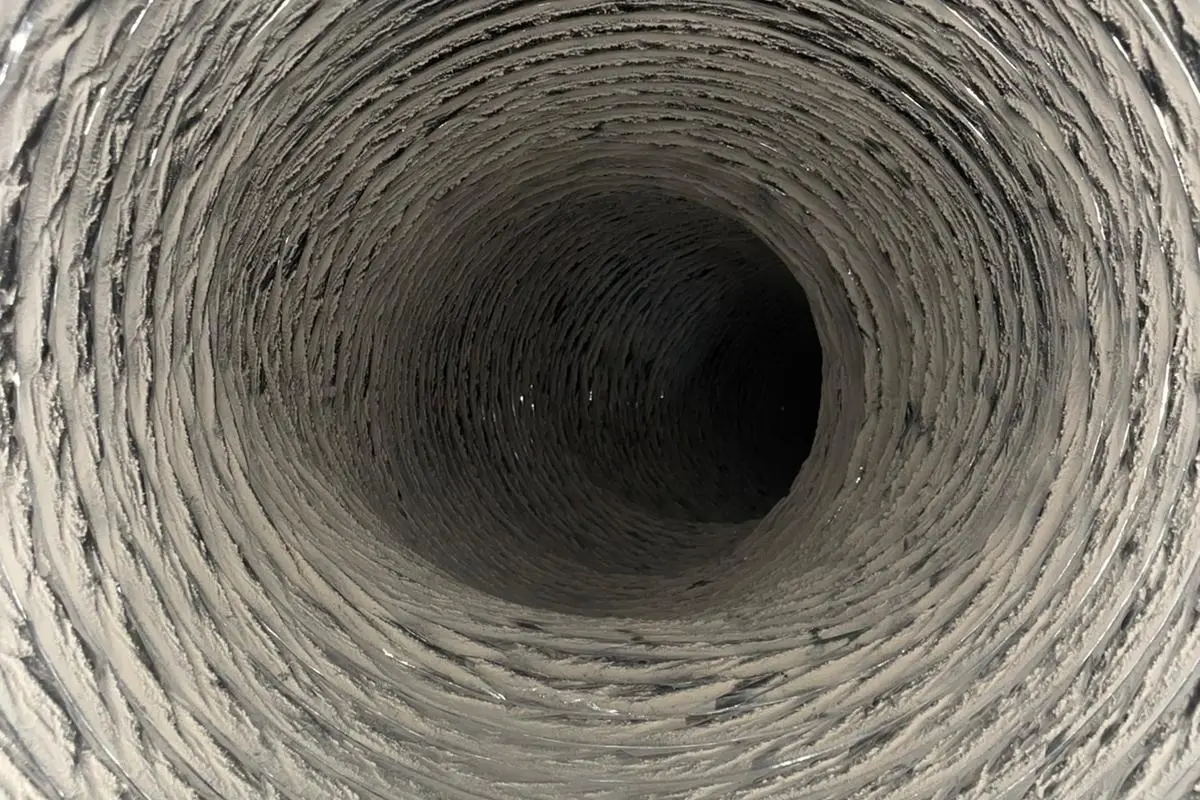
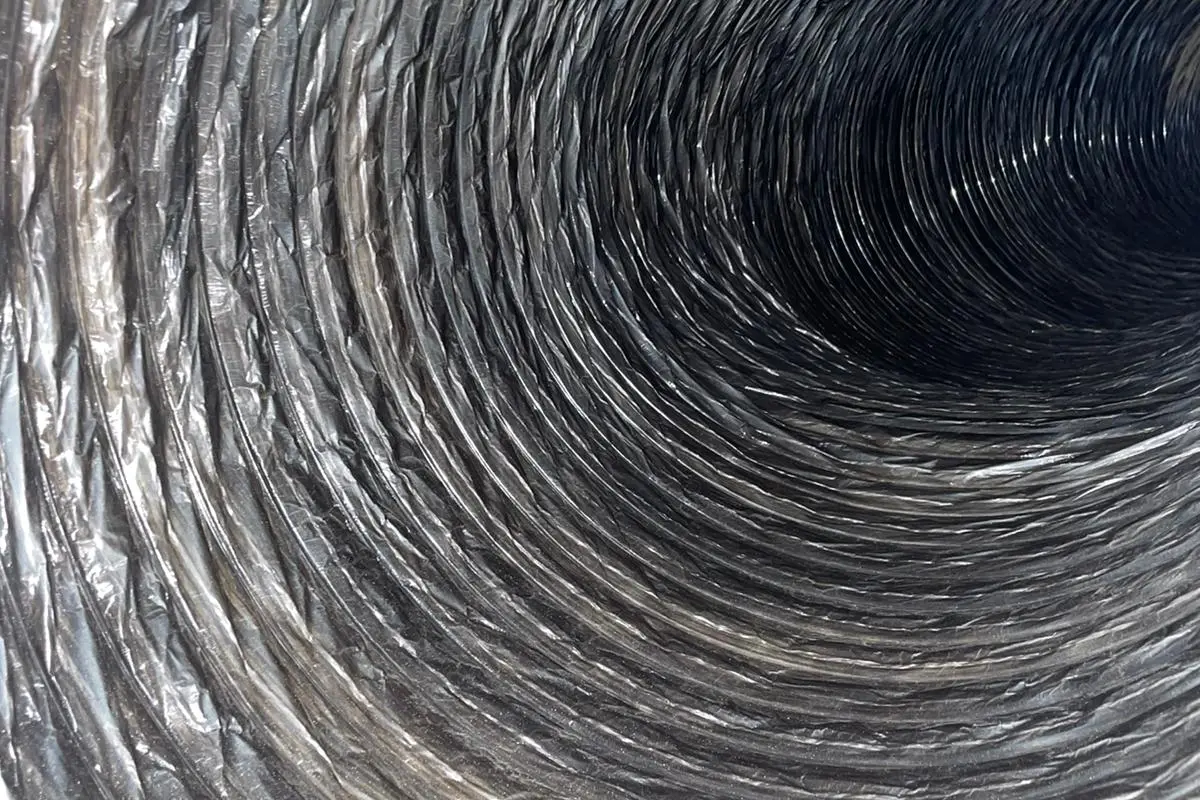
Most Austin homes built after the mid-1990s use flexible ductwork (flex duct) in the attic rather than rigid sheet metal. Flex duct is lightweight, affordable, and easy to install, but it has a corrugated interior surface that traps debris more readily than smooth metal. The ridges in flex duct walls catch lint, pollen, and dust that would slide through smooth duct. Cleaning flex duct requires careful technique - too much air pressure or aggressive brushing can tear the inner liner. Experienced Austin technicians know exactly how to clean flex duct without damaging it. The combination of flex duct in superheated attics, heavy allergen loads, and homes with pets in a hot climate where they shed year-round makes regular professional duct cleaning more important here than in most US cities.
Health Benefits of Clean Air Ducts
Clean air ducts make a measurable difference for allergy sufferers, and in Austin that covers a lot of people. The Asthma and Allergy Foundation of America has repeatedly ranked Austin among the worst cities in the country for seasonal allergies. Cedar pollen, live oak, ragweed, and grass pollen circulate through your HVAC system and settle inside ductwork where they accumulate over years. Every time your system cycles, a fraction of that trapped allergen load re-enters your breathing air. Professional duct cleaning removes the reservoir. Allergy sufferers consistently report fewer symptoms at home after a thorough cleaning, particularly during cedar season when keeping windows shut means indoor air recirculates continuously. Reducing the allergen concentration inside your ducts does not replace filtration or medication, but it removes a significant source that filters alone cannot fully address.
Respiratory health extends beyond seasonal allergies. The EPA has identified indoor air pollution as one of the top five environmental health risks, noting that Americans spend approximately 90 percent of their time indoors. For families with young children, whose lungs are still developing and who breathe faster relative to body weight than adults, air quality matters even more. Pet owners face a compounding effect - dogs and cats shed dander and hair year-round in Austin's climate, and that material accumulates in ductwork alongside dust and pollen. A home with two dogs and a central HVAC system running 10-11 months per year pushes an enormous volume of pet dander through the ducts. Cleaning the system removes that buildup and gives your filter a realistic chance of keeping up with daily accumulation rather than fighting a losing battle against years of embedded debris.
The data supports the investment. The EPA states that indoor levels of many pollutants can be two to five times higher than outdoor levels, and in some cases more than 100 times higher. In Austin specifically, the combination of nearly year-round HVAC operation, one of the highest pollen loads in the country, rapid urban development generating construction particulate, and a large pet-owning population creates conditions where duct contamination accumulates faster than in most US cities. Households where someone has asthma, COPD, or chronic respiratory issues should treat duct cleaning as part of their health management strategy, not just home maintenance. The American Lung Association recommends keeping air handling systems clean and well-maintained as a basic step for healthier indoor air. For Austin homes, that means professional duct cleaning every two to four years at minimum.
Choosing the Right Duct Cleaning Company in Austin
Start with Google reviews - not just the rating, but the content. Look for reviewers who describe specific experiences, mention technician names, and include photos. Generic reviews like 'Great service!' may not be authentic.
Ask about equipment. Legitimate companies use commercial-grade negative-pressure HEPA vacuum systems with industrial suction power. If the company shows up with a standard shop vac, that is not professional duct cleaning.
Verify they perform HD camera inspection before and after cleaning. This is non-negotiable for quality assurance. You should be able to see the condition of your ducts before work begins and verify improvement after.
Get a written estimate before work begins, not a verbal quote that changes once the technician is in your home. The estimate should specify what is included: number of vents, return cleaning, blower unit cleaning, and whether sanitizing is extra.
Check that the company is licensed, insured, and employs background-checked technicians. You are letting strangers into your home, often for several hours. This matters.
Your ducts have been working overtime since cedar season started - and if it has been more than three years since your last cleaning, they are holding onto every grain of pollen, every pet hair, and every particle of construction dust that blew through Austin this year. Call (512) 601-4451 and let us run the HD camera through your system while you watch. You will know in 60 seconds whether it is time. Our 500+ Google reviews are from homeowners who saw the same footage and decided it was worth it.
Finding Duct Cleaning Companies Near You in Austin
When searching for duct cleaning companies near me in Austin, the volume of results includes a significant number of bait-and-switch operators alongside legitimate professional air duct cleaning services. The distinction is easy to make if you know what to ask. Legitimate duct cleaning companies near me use commercial-grade negative-pressure HEPA vacuum systems (not shop vacs), take 3-5 hours per job, and provide HD camera footage before and after. The price for a professional residential air duct cleaner in Austin reflects actual costs - equipment, trained labor, 3-5 hours of time.
Best duct cleaning company criteria: consistent reviews (50+) with detailed descriptions of the work, written estimates before work begins, willingness to show equipment and camera before starting, and the ability to describe their process specifically. Ask what cubic feet per minute (CFM) their vacuum generates - commercial systems run 10,000-15,000 CFM. Portable units run 100-200 CFM. Any company that cannot answer this question is likely using portable equipment.
Air Central is a local duct cleaning company that has served the Austin market since 2014. As a residential air duct cleaner and professional air duct cleaning services provider with over 10,000 duct and chimney inspections completed, our process is transparent from the first phone call. We provide written estimates, show you the HD camera footage in real time, and follow NADCA standards on every job. For affordable air duct cleaning near me that does not cut corners, call us to schedule your camera inspection and estimate.
Related Services
Learn more about our professional services related to this topic:
- Air Duct Cleaning - Remove dust, allergens, and debris from your entire HVAC system for cleaner indoor air.
- Air Duct Inspection - Diagnose leaks, blockages, and efficiency issues with HD camera inspection.
All Articles in This Series
- Why Is My House So Dusty? 7 Hidden Causes
- What Happens During Air Duct Cleaning? Step-by-Step Process
- Best Time of Year to Clean Air Ducts in Austin, TX
- Air Duct Cleaning vs. HVAC Maintenance: Key Differences
- Air Duct Cleaning Scams: 5 Red Flags to Know
- DIY vs Professional Air Duct Cleaning: Which Is Better?
- Air Duct Cleaning for Allergies: Does It Actually Help?
- How Long Does Air Duct Cleaning Take? Timeline Guide
- How Often Should You Clean Air Ducts?
- Is Air Duct Cleaning Worth It? The Real Answer for 2026
- Should You Clean Air Ducts in a New Home?
- Air Duct Cleaning Cost Austin: 2026 Price Guide
- 7 Signs Your Air Ducts Need Cleaning (Austin Homeowners)
- Why You Need Duct Cleaning After a Home Renovation
- Commercial Air Duct Cleaning: Offices, Restaurants, and More
- How Dirty Air Ducts Affect Your Health: The Research
- Can Dirty Air Ducts Make You Sick? 5 Symptoms to Watch For
- Air Ducts After Water Damage: What Austin Homeowners Must Do
- Rodents and Pests in Air Ducts: Signs, Cleanup, Prevention
- Selling Your Home? Why Duct Cleaning Before Listing Pays Off
- Duct Replacement vs Duct Cleaning: Which Do You Need?
- Duct Cleaning for Airbnb and Short-Term Rental Hosts
- Is Duct Cleaning a Waste of Money? The Honest Answer
- Air Duct Cleaning Before and After: Real Results
- Local vs National Air Duct Cleaning Companies: Which Wins?
- Air Duct Inspection in Austin: What Our HD Camera Reveals
- Best Air Duct Cleaning in Austin: How to Choose
- Ductwork Repair: Signs, Costs, and When to Call a Pro
- Strange Noises From Air Ducts: Causes and When to Worry
- Air Duct Cleaning Drawbacks: Honest Pros and Cons
- Does the EPA Recommend Air Duct Cleaning? The Truth
Have questions about air duct cleaning? Our team is available 7 days a week. Call us at (512) 601-4451 or visit our contact page.