No spray, fogger, or chemical treatment effectively solves mold in air ducts. Sprays kill surface mold but leave the root system intact and do not physically remove dead mold - which is still allergenic. The only effective solution is physical removal using HEPA-filtered negative-pressure cleaning equipment, followed by UV-C light and humidity control to prevent regrowth.
The Short Answer: Sprays Do Not Solve the Problem
Homeowners searching for a quick spray-on solution for duct mold are looking for something that does not exist. Every spray, fogger, and chemical treatment shares the same fundamental limitation: they can kill mold on contact but they cannot remove it from your ductwork. Dead mold spores are still allergenic according to the EPA, and the root structure (hyphae) embedded in porous duct materials survives most chemical treatments to regrow within weeks.
The mold remediation industry has understood this for decades. The IICRC S520 Standard for Professional Mold Remediation emphasizes physical removal as the primary remediation method. Chemical treatments are considered supplemental at best. The reason is simple biology: mold roots penetrate into materials, and no topical spray reaches deep enough to eliminate them.
Chemical Foggers: What They Do and Do Not Do
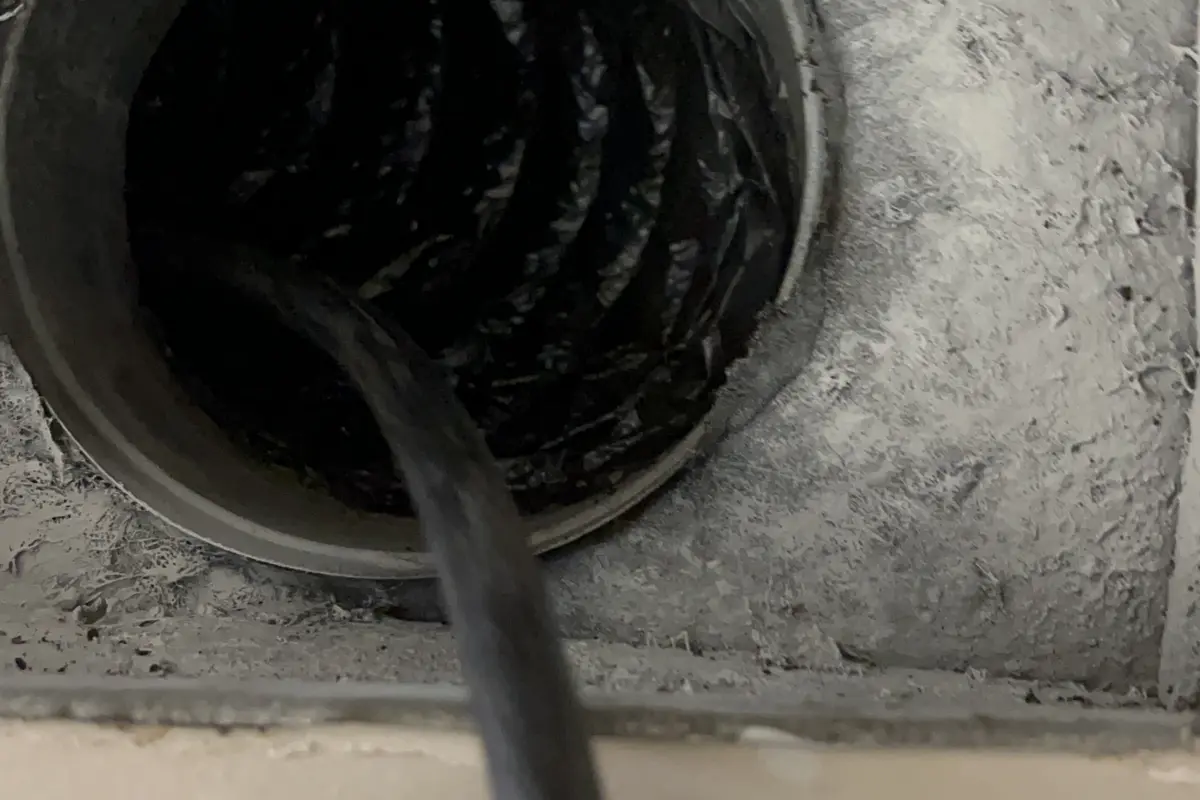
Chemical foggers disperse antimicrobial mist through your duct system. They reach further than hand-spraying and contact more duct surface area. Some companies market fogging as a complete mold solution. It is not.
Fogging kills surface mold on contact but does not dislodge or remove the dead material from duct walls. The dead mold, now mixed with chemical residue, continues to circulate through your home every time the HVAC runs. Your body's immune system reacts to dead mold proteins the same way it reacts to live mold - the allergenic response is triggered by the proteins in the spore structure, not by whether the organism is alive.
Some foggers use quaternary ammonium compounds, which leave a residual antimicrobial film. This film can slow regrowth temporarily but degrades within weeks to months, especially in humid Austin air. Once the film breaks down, mold regrows from surviving roots in the underlying material.
Bleach, Concrobium, and Other Common Sprays
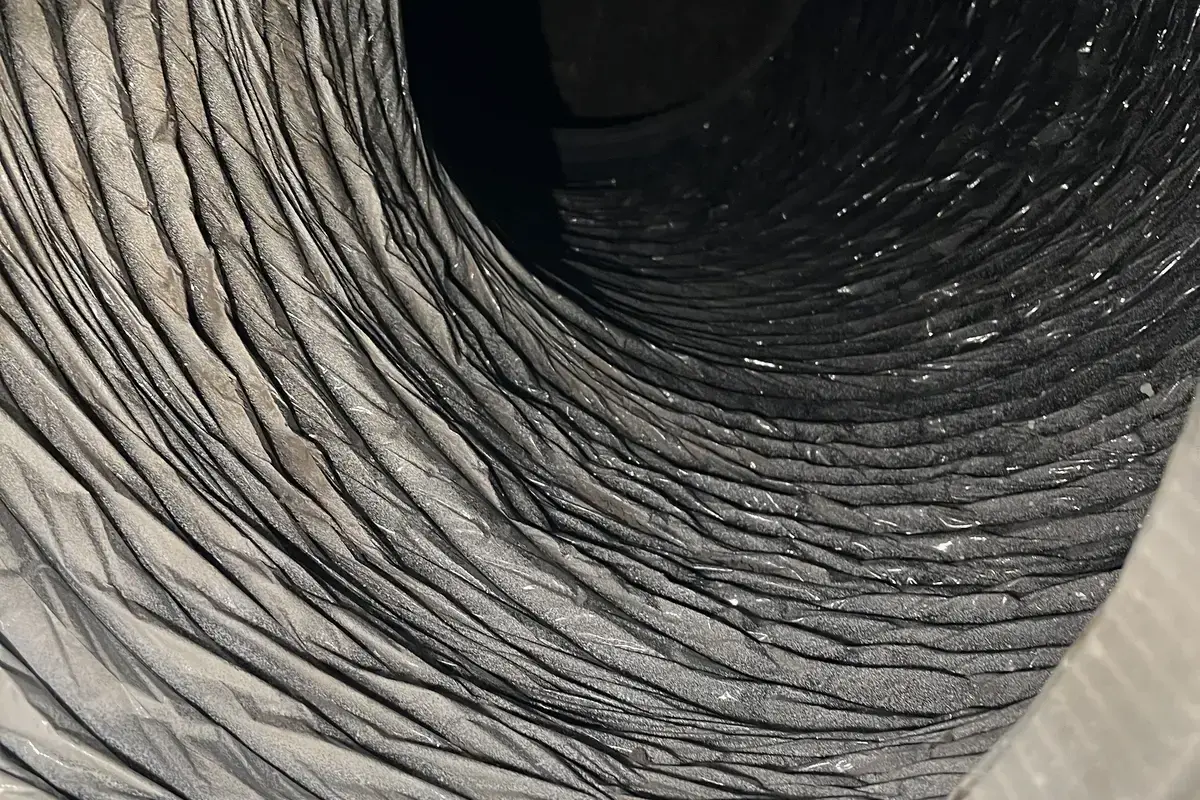
Bleach (sodium hypochlorite) kills mold on non-porous surfaces like glass and tile. Inside ductwork, however, most surfaces are porous - fiberglass duct liner, flex duct inner core, even the dust layer on sheet metal. The EPA advises against using bleach on porous materials for mold remediation because it does not penetrate to the roots. Bleach also produces chlorine gas in enclosed spaces, which creates a respiratory hazard in your duct system.
Concrobium Mold Control is a consumer product that creates a thin alkaline film on surfaces. It works reasonably well on hard surfaces like bathroom tile. Inside ductwork, its effectiveness is limited by the same porous-material problem - it coats the surface but does not reach embedded roots. Concrobium also requires direct application and drying time, which is impractical in a 50-100 foot duct system you cannot see or reach.
Antimicrobial sprays (Benefect, Microban, various botanical products) kill mold on contact but share the same limitations as everything above. They are surface treatments being applied to a subsurface problem. Some HVAC companies spray these after cleaning as an additional precaution, which is reasonable - but spraying without physical removal first is treating the symptom, not the cause.
The EPA Position on Chemical Treatments in Ducts
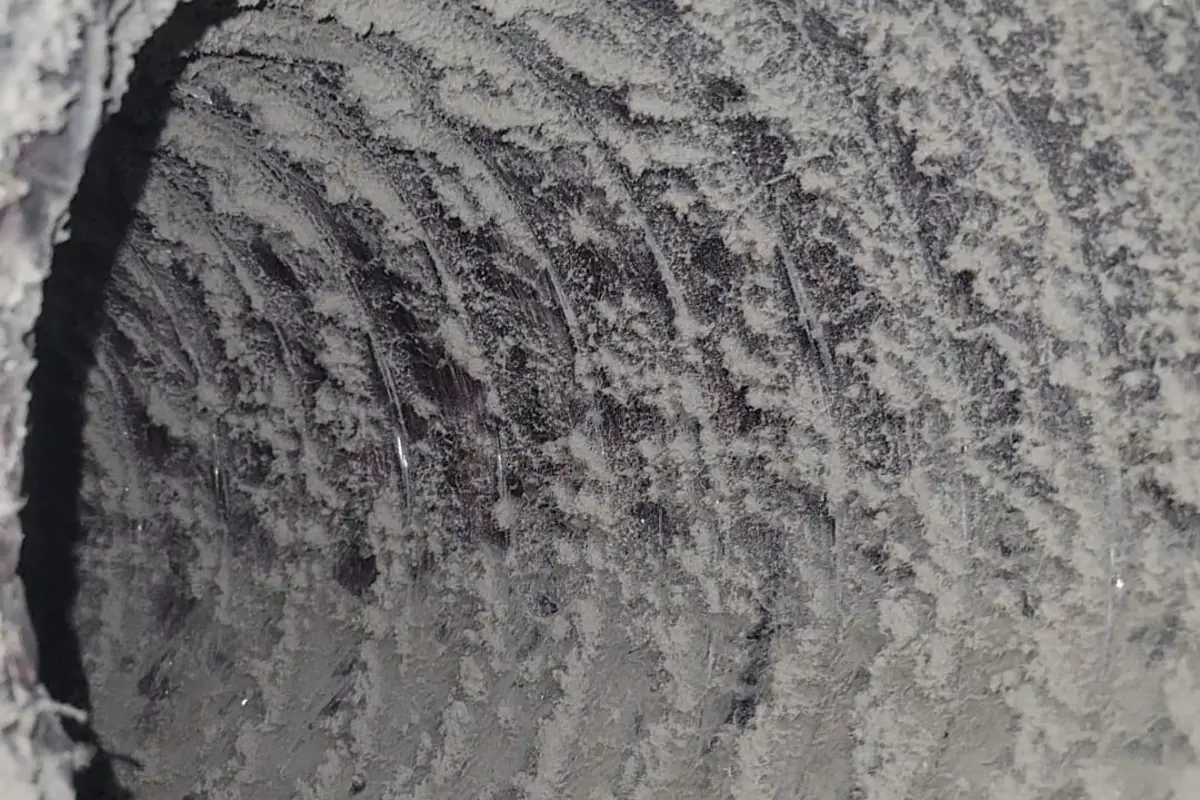
The EPA has published clear guidance on this topic. Their position: 'The use of sealants to encapsulate or cover the inside surfaces of ducts is different than applying a chemical biocide. A sealant is used to either encapsulate a surface or cover up remaining mold so that it cannot be released into the air. Sealants should not be used on wet, actively growing mold.' The EPA also notes that chemical biocides are 'only partially effective' in eliminating mold from porous materials.
The EPA recommends that if you have mold in your ducts, you should have the ducts cleaned by a professional service that physically removes the contamination. Chemical treatment may be used as a supplement after cleaning, but never as a substitute for cleaning. This is consistent with NADCA (National Air Duct Cleaners Association) guidelines and IICRC standards.
Austin homeowners should be skeptical of any company that offers chemical-only mold treatment for ductwork. If a company proposes fogging or spraying your ducts without first performing physical removal with HEPA equipment, they are not following industry standards or EPA guidance.
Concerned About Your Home's Air?
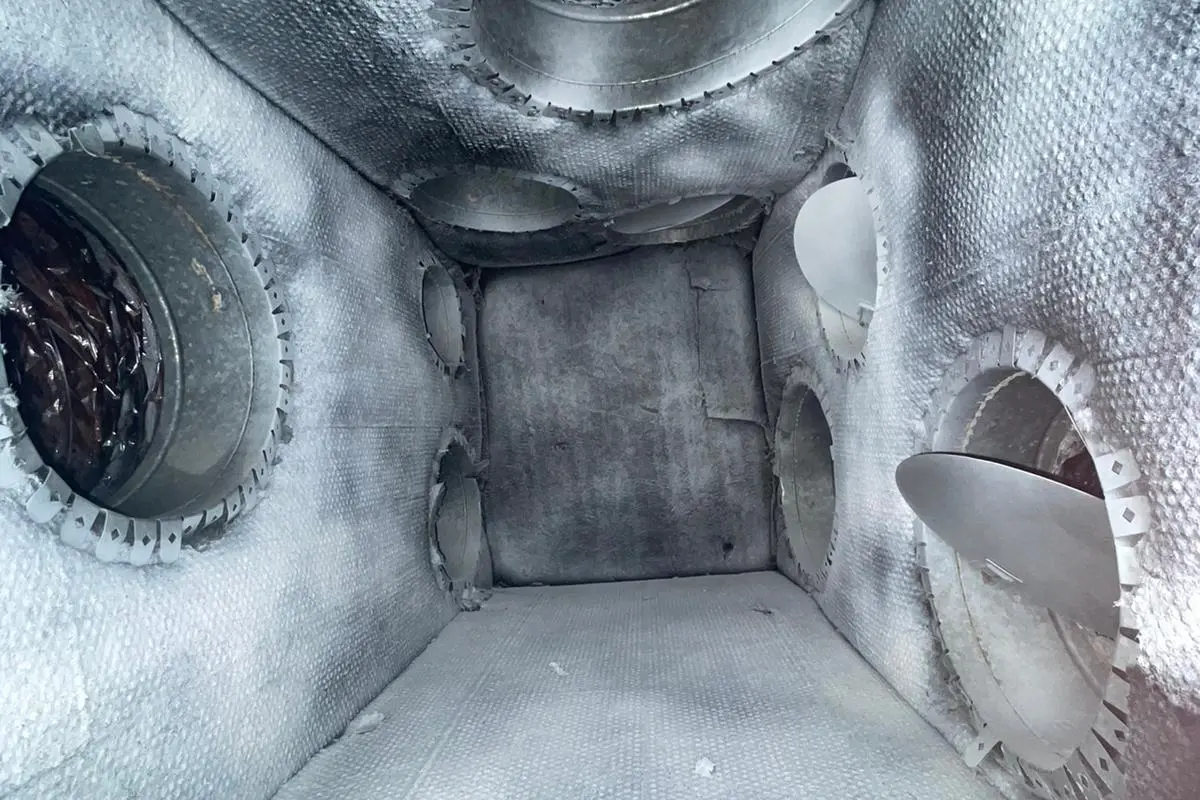
We provide professional air quality assessments for Austin homes. See what is in your ducts before deciding.
Call (512) 601-4451Rate your home's indoor air quality in 2 minutes
What Actually Works: Physical Removal + Prevention
The effective approach to mold in air ducts is a three-step process: physical removal, germicidal prevention, and humidity control.
Physical removal means connecting a commercial HEPA-filtered vacuum to your duct system under negative pressure, then using rotary brushes and compressed air to dislodge all mold colonies, debris, and contamination from every duct surface. The HEPA filter captures particles down to 0.3 microns, trapping spores instead of releasing them into your home. This is the step no spray can replicate - it removes the material entirely from the duct system.
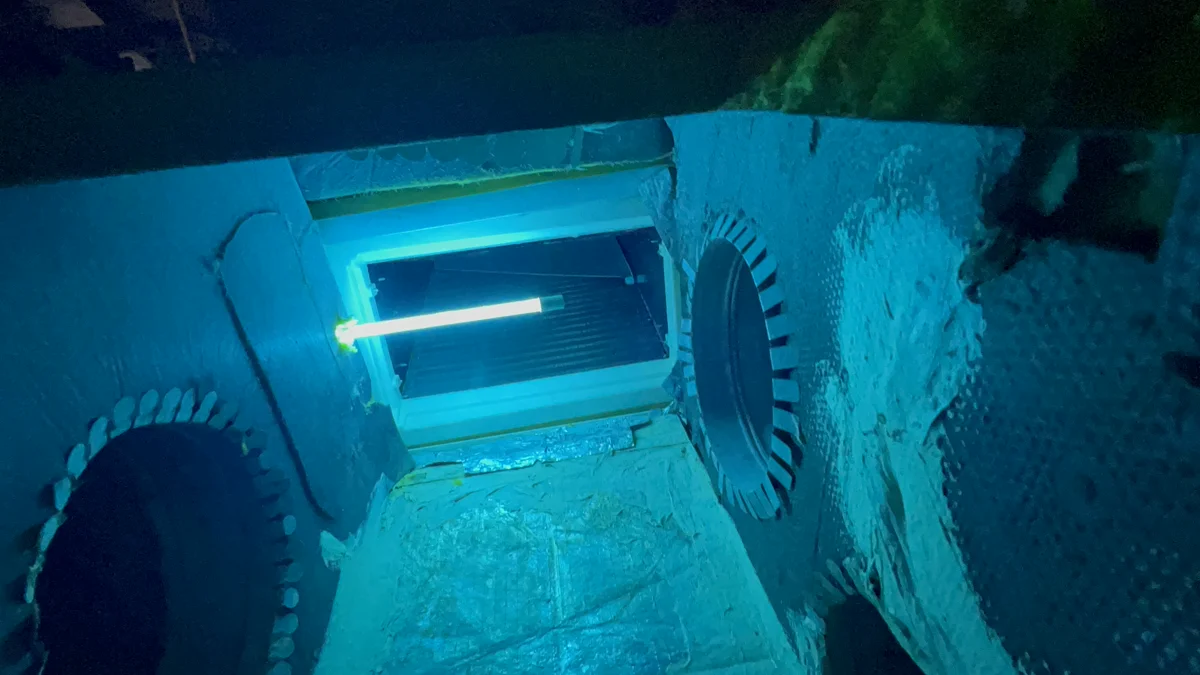
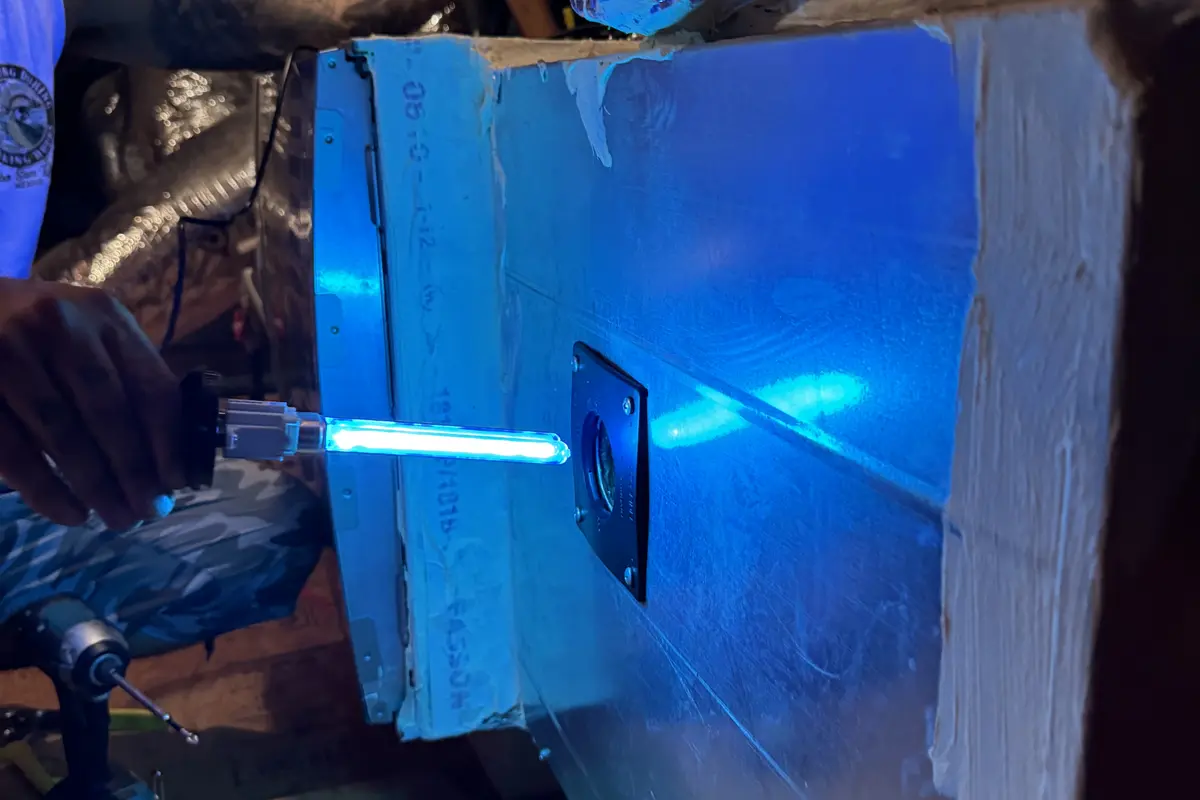
Germicidal prevention means installing UV-C lights near the evaporator coil to continuously disrupt the DNA of mold spores passing through the air handler. UV-C addresses the primary moisture source (the coil) where regrowth is most likely.
Humidity control means keeping indoor relative humidity below 50-55% using your HVAC system's dehumidification mode or a standalone dehumidifier. In Austin, where outdoor humidity averages 67%, this requires intentional management - especially during spring and fall when the AC runs less frequently.
Get a Professional Assessment
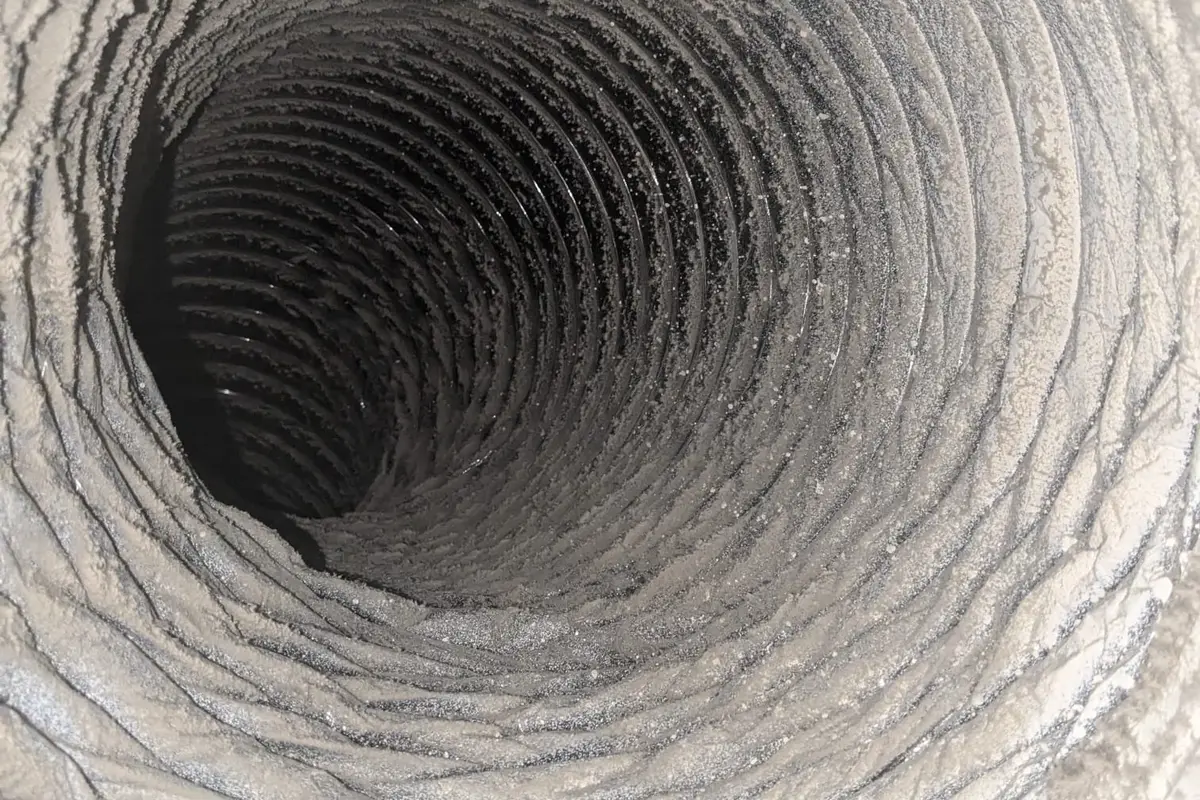
If you suspect mold in your ductwork - musty smell when the HVAC runs, dark spots around vents, worsening allergies indoors - the first step is an HD camera inspection, not a spray. Air Central inserts a camera into your ductwork and shows you exactly what is inside on screen. If mold is present, you see it. If the ducts are clean, you see that too. Based on the inspection, we recommend the right approach for your specific situation. Call (512) 601-4451 to schedule your inspection.
Finding the Right Mold Cleanup Service for Your Situation
Homeowners searching for a mold cleanup service or mold cleanup services online often find two very different categories of companies: mold remediation specialists who handle structural contamination, and duct cleaning professionals who handle HVAC system contamination. Air Central is the latter. We provide professional duct cleaning that removes mold from inside your air ducts using HEPA-filtered negative-pressure equipment - this is mold cleanup for the HVAC system specifically.
Certified mold remediation specialists handle mold cleanup near me needs that involve building materials: drywall with mold growing through it, mold-saturated insulation, contaminated framing in the attic or crawl space. These mold abatement services require IICRC certification, containment protocols, and specialized disposal procedures. If you suspect mold in both your ducts and your walls or attic, you likely need both types of service - the mold remediation specialists address structural materials, and Air Central cleans the HVAC duct system. For active mold infestations in building materials, Air Central recommends certified mold remediation specialists. Our scope is the air duct system.
When your mold problem is isolated to the ductwork - musty smell from the HVAC, dark spots on vent covers, mold visible inside duct openings but not in surrounding wall materials - professional duct cleaning resolves it. We are straightforward about scope: if your inspection reveals mold that has spread into building materials around the ductwork, we will tell you clearly and recommend the appropriate mold mitigation company for those structural components before we clean the ducts.
Related Services
Learn more about our professional services related to this topic:
- Air Duct Cleaning - Remove dust, allergens, and debris from your entire HVAC system for cleaner indoor air.
- Air Duct Inspection - Diagnose leaks, blockages, and efficiency issues with HD camera inspection.
- UV Lighting System - Eliminate bacteria and allergens inside your HVAC with UV-C light technology.
Want the full picture?
Read our complete guide: Indoor Air Quality in Austin: The Complete Guide (2026) →Have questions about indoor air quality? Our team is available 7 days a week. Call us at (512) 601-4451 or visit our contact page.