The five signs you need more attic insulation: uneven room temperatures, high energy bills, ice dams in rare freezes, your attic insulation is below the floor joists (less than R-19), and your home was built before 2000.
5 Warning Signs
Most Austin homeowners suspect an insulation problem only after their summer electric bill crosses $400. By then, the attic has been bleeding energy for years. Here are the five signs that tell you exactly where you stand.
1. Uneven temperatures between rooms - if upstairs rooms are significantly hotter in summer or colder in winter than downstairs, your attic is not insulated enough to prevent heat transfer. Test this yourself: on a hot Austin afternoon in July, use a thermometer to check the temperature in an upstairs bedroom versus a downstairs room. A difference of more than 5-8 degrees points to an attic insulation problem. Two-story homes in neighborhoods like Mueller, East Riverside, and parts of Round Rock see this constantly because heat radiates down from the attic into second-floor ceilings.
2. High energy bills compared to similar-sized homes in your neighborhood - poor insulation forces your HVAC to run longer and harder. Pull up your Austin Energy bill history and compare your summer kilowatt-hour usage to the average for your home size. If you are consistently 20-30% above average and your HVAC equipment is in decent shape, insulation is the most likely culprit.
3. Ice dams during rare Austin freezes - heat escaping through the attic melts snow or ice on the roof, which refreezes at the eaves and damages gutters. Austin saw this during Winter Storm Uri and again during subsequent freeze events. If you noticed icicles forming at your roofline while your neighbors did not, your attic is leaking conditioned heat at an alarming rate.
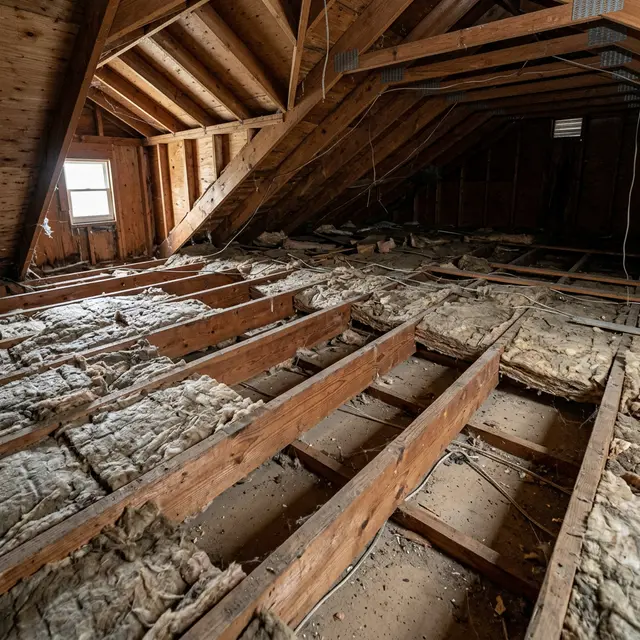
4. Visible insulation does not reach the top of attic floor joists - if you can see the joists, you have less than R-19 (Austin code requires R-38 for new construction). This is the simplest diagnostic check you can do. Go into your attic with a flashlight and look. If the joists are poking up above the insulation level, you need more.
5. Your home was built before 2000 - building codes were less stringent, and insulation may have compressed or settled over 20+ years. Homes in older Austin neighborhoods like Allandale, Crestview, Brentwood, and Travis Heights were often built with R-11 to R-19 insulation, which was considered adequate then but falls far short of today's R-38 requirement.
How to Check Your Current Level
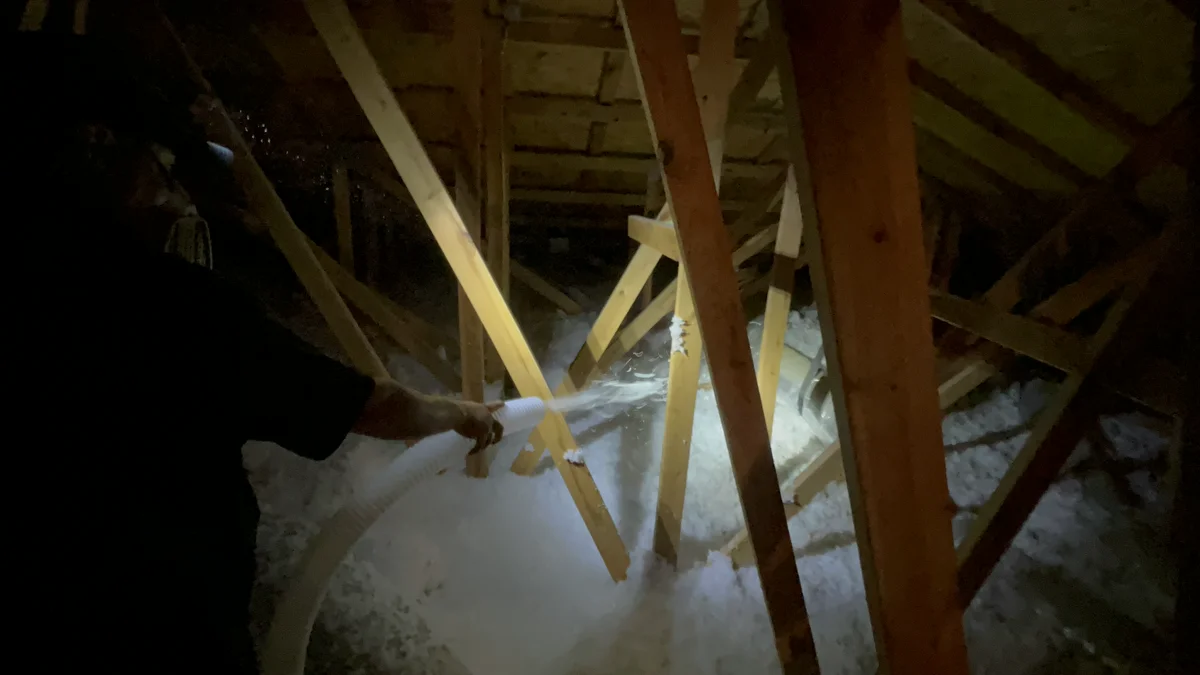
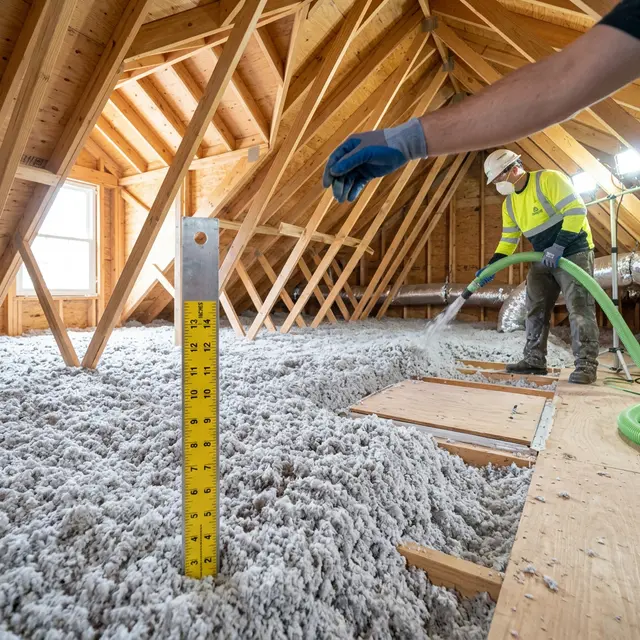
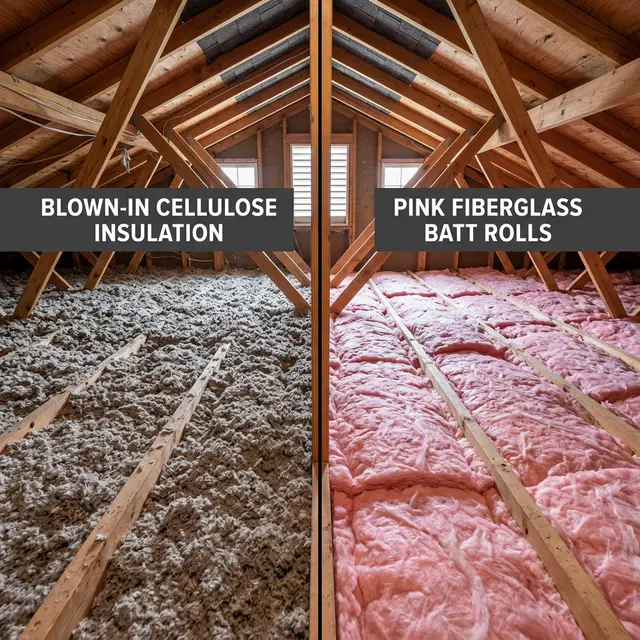
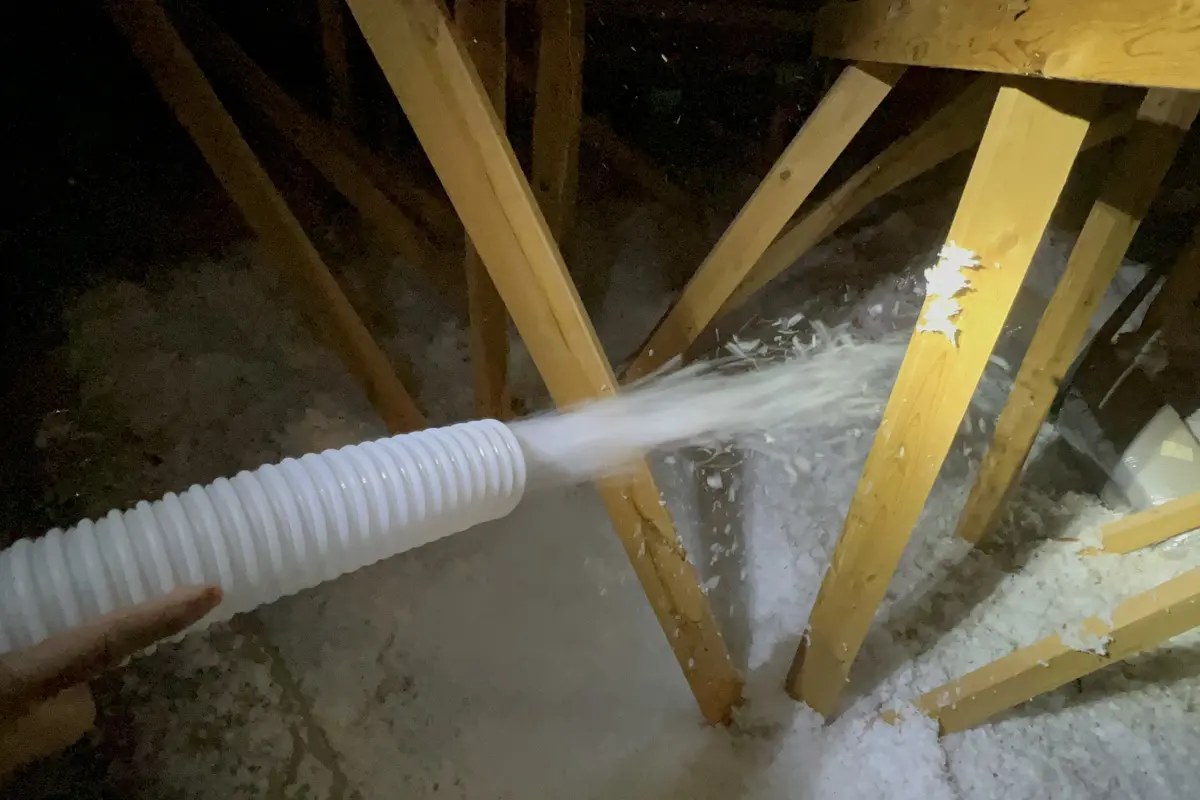
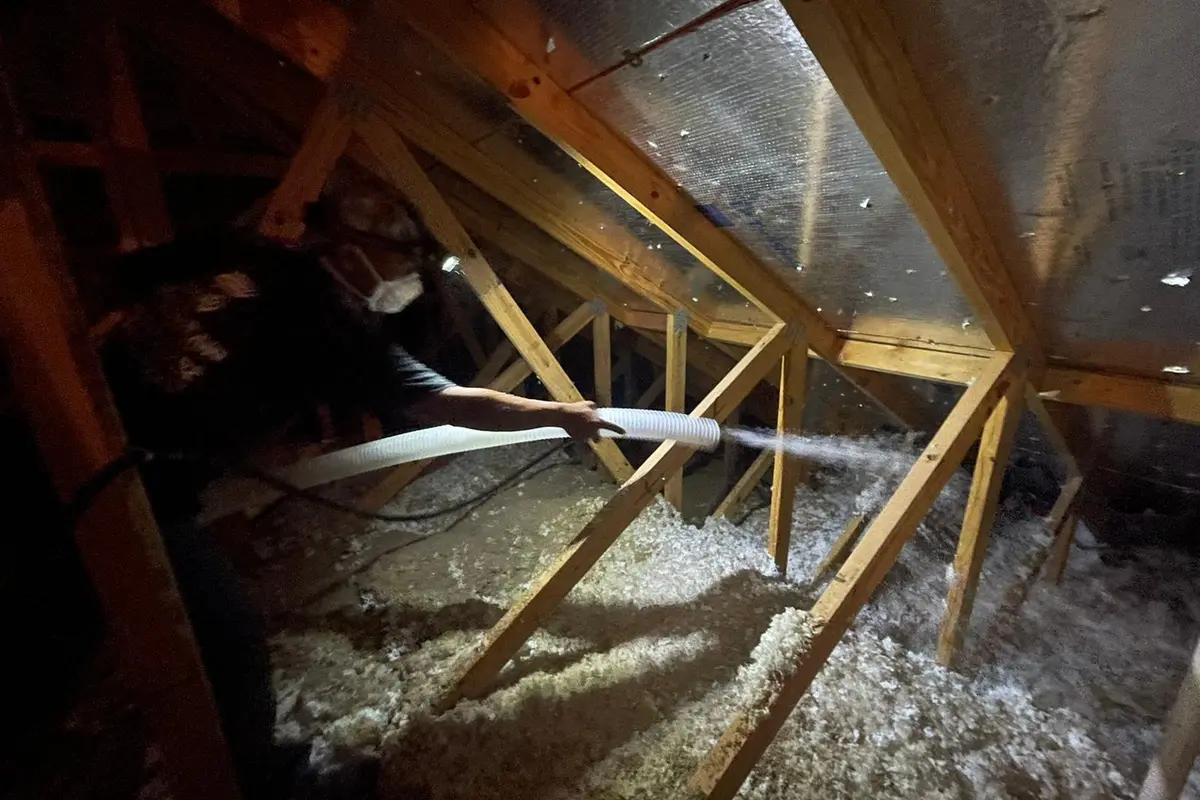
Carefully access your attic with a flashlight. Measure the depth of insulation. Fiberglass batts: R-3.2 per inch (12 inches = R-38). Blown-in fiberglass: R-2.5 per inch (15 inches = R-38). Blown-in cellulose: R-3.5 per inch (11 inches = R-38). If your insulation is less than 10 inches deep, you are almost certainly under-insulated for Austin's climate.
Check multiple spots, not just the area near the attic hatch. Insulation settles unevenly, and some areas - especially near eaves and around HVAC equipment - can have significantly less coverage than the center of the attic. Bring a ruler or tape measure and check at least four locations spread across the attic floor. Also look for areas where insulation has been disturbed by previous work - electricians, cable installers, and plumbers often push insulation aside and never replace it.
Pay attention to the condition of what is already there. Fiberglass batts that are compressed, torn, or have fallen off the ceiling lose significant R-value. Blown-in insulation that shows signs of water staining may have been wet at some point, which permanently reduces its insulating ability. If you see any of these conditions, the effective R-value is lower than what the depth measurement alone would suggest.
Wondering About Your Insulation Level?
We measure your current R-value and show you exactly where you stand. Professional attic assessments available.
Call (512) 601-4451Estimate how much you could save on energy bills
What Under-Insulation Costs You
An under-insulated attic in Austin can add $50-$100/month to your energy bill during peak summer and winter months. Over 5 years, that is $3,000-$6,000 in wasted energy. An insulation upgrade to R-38 typically pays for itself in 3-5 years through energy savings.
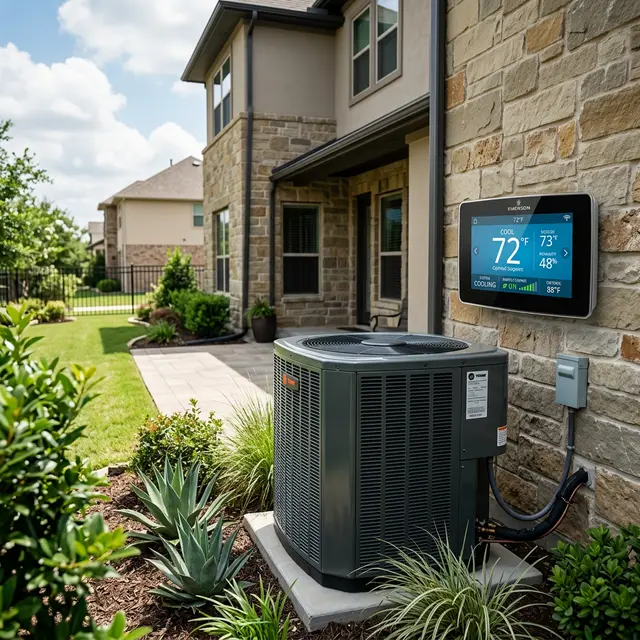
Beyond the energy bill, under-insulation puts extra strain on your HVAC system. When 140-degree attic heat pours through an under-insulated ceiling, your air conditioner runs longer cycles to keep up. That extra runtime shortens compressor life, increases refrigerant wear, and can lead to premature system failure. Replacing an AC system in Austin runs $5,000-$12,000. Investing in insulation now to extend your AC life by several years is one of the best returns you can get on a home improvement dollar.
Related Services
Learn more about our professional services related to this topic:
- Attic Insulation - Premium blown-in insulation to cut energy costs and improve year-round comfort.
- Solar Fan Installation - Solar-powered attic ventilation that cuts cooling costs naturally.
Want the full picture?
Read our complete guide: Attic Insulation for Austin Homes: The Complete Guide (2026) →Have questions about attic & insulation? Our team is available 7 days a week. Call us at (512) 601-4451 or visit our contact page.