Blown-in insulation is better for most Austin attics because it fills gaps and irregular spaces that batt insulation misses, providing 15-25% better real-world performance. Blown-in costs slightly more ($1.50-$2.75/sq ft vs $1.00-$2.00/sq ft) but delivers superior coverage.
Head-to-Head Comparison
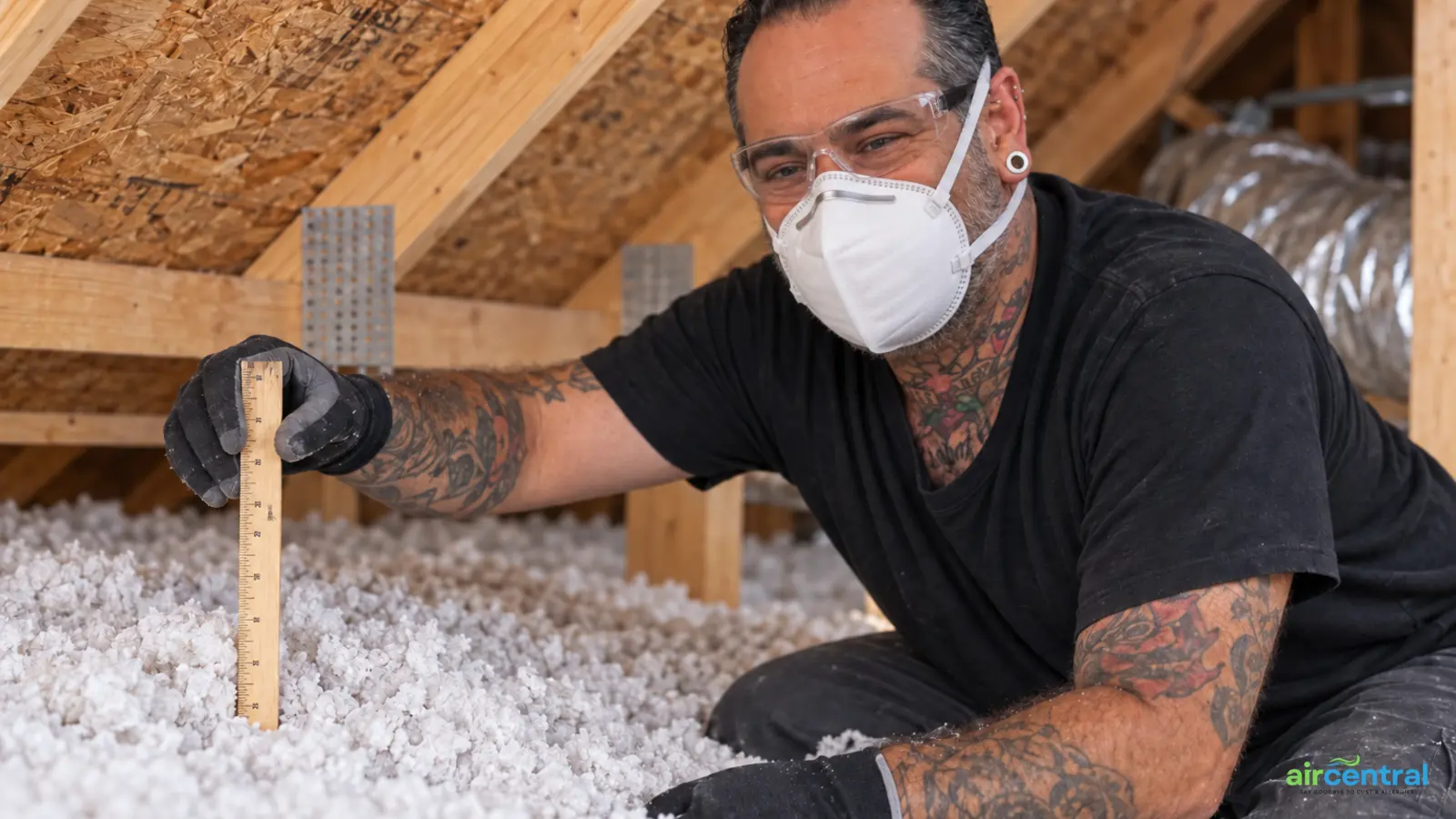
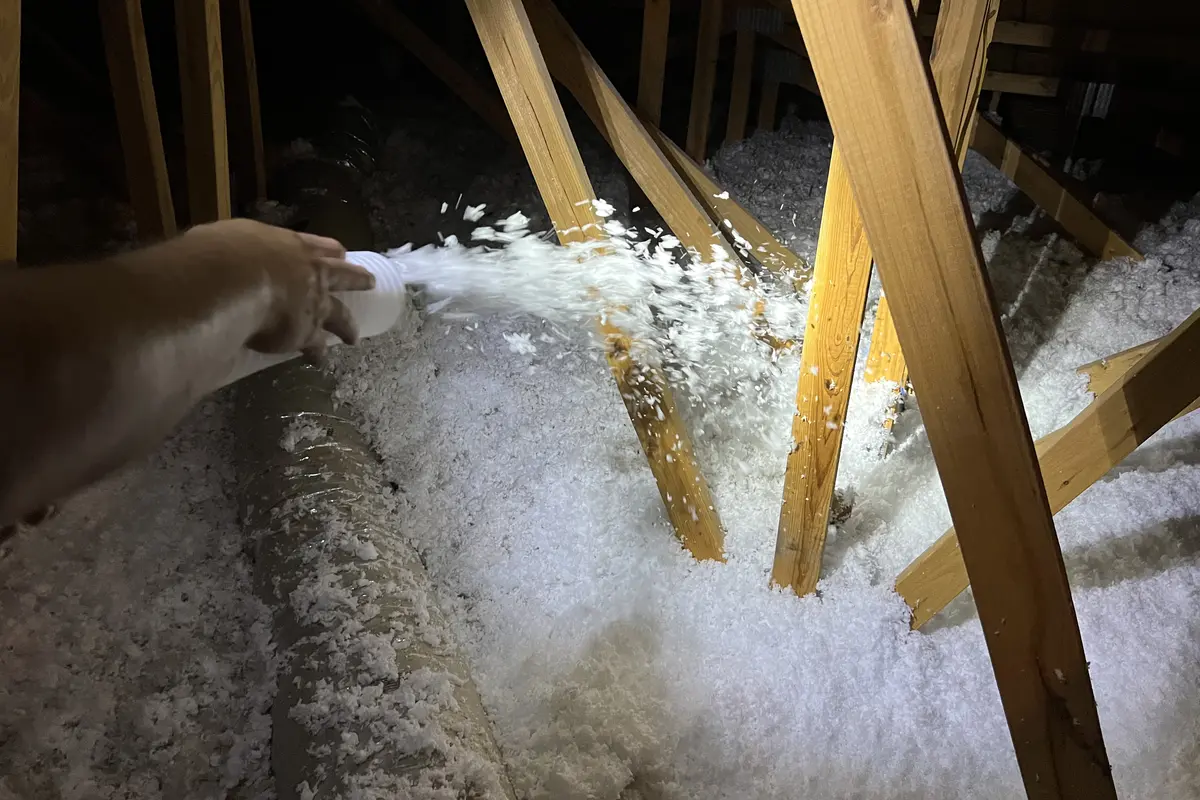
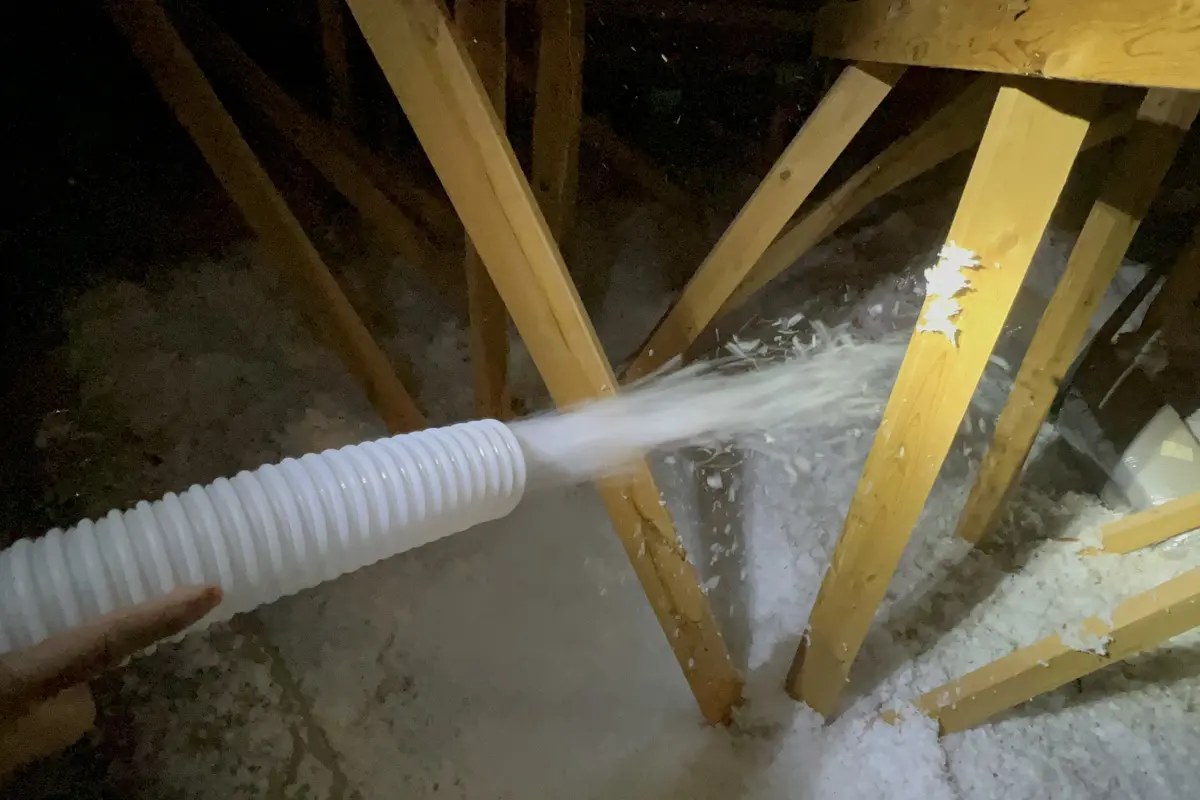
Blown-in insulation (fiberglass or cellulose) is sprayed into the attic using a machine. It fills every gap, corner, and irregular space perfectly. Batt insulation (fiberglass rolls) is cut and laid between joists. It leaves gaps at pipes, wires, and corners that reduce real-world performance by 15-25% compared to its rated R-value.
Here is how they stack up on the key factors Austin homeowners care about. Coverage quality: blown-in fills around obstacles automatically while batts must be hand-cut around every pipe, wire, and junction box - and installers rarely cut them perfectly. Fire resistance: both fiberglass types are non-combustible, but cellulose blown-in is treated with fire retardant and actually has a slight edge. Moisture handling: fiberglass (blown-in or batt) does not absorb water, while cellulose can hold moisture if your attic has a leak or ventilation issue. Settling over time: blown-in fiberglass settles about 1-2% over 20 years, cellulose settles 10-15%, and batts do not settle at all but can sag or fall if not properly secured.
Which Is Better for Austin
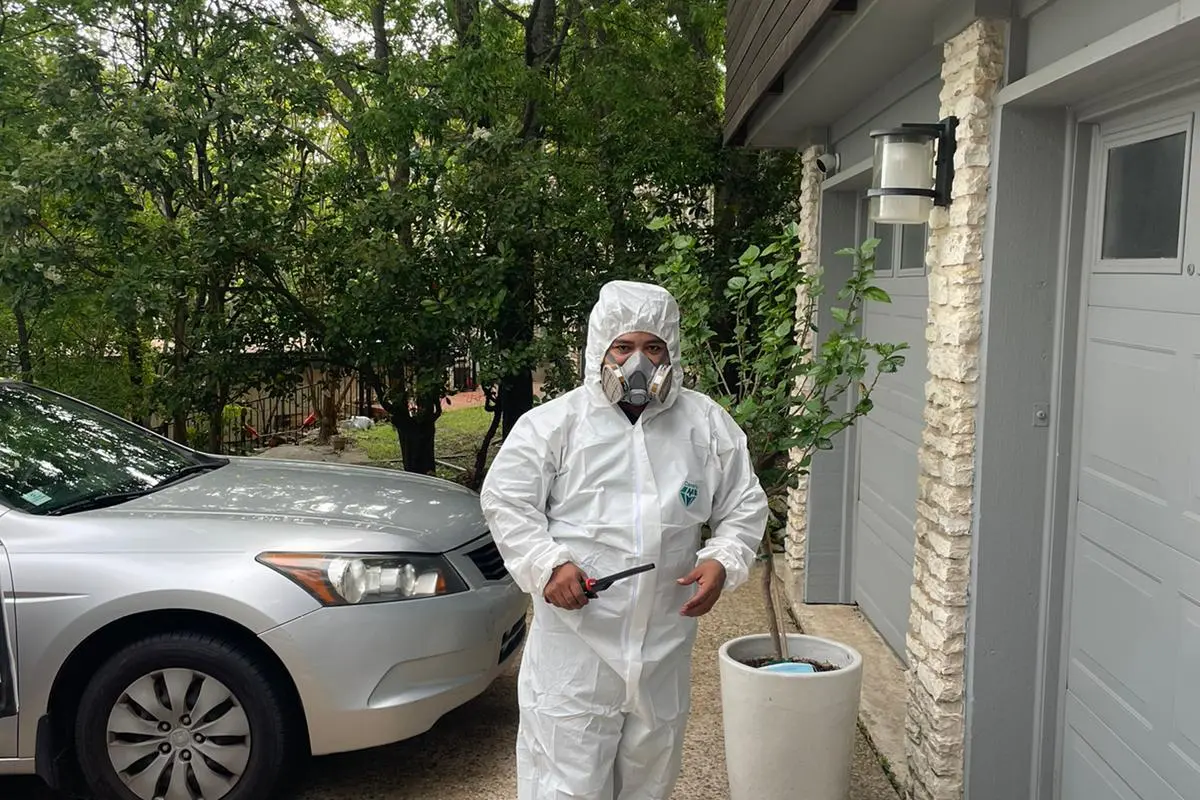
Blown-in wins for most Austin attics because: our attics have extensive HVAC ductwork, wiring, and plumbing that create gaps batts cannot fill. Austin's heat means every gap matters - even small air leaks let 140F+ attic air seep into your living space. Blown-in is also faster to install (a 1,000 sq ft attic takes 2-4 hours vs a full day for batts).
Batt insulation makes sense when: you are adding to existing batts that are in good condition, you need insulation in walls (blown-in for walls requires drilling holes), or your attic has a finished floor and you need to insulate between floor joists specifically.
For Austin homes built in the 1990s and 2000s with existing R-19 batts in reasonable condition, the most cost-effective approach is often to leave the batts in place and blow fiberglass or cellulose on top to bring the total up to R-38. This avoids the labor cost of removing old material and takes advantage of the existing base layer. If the existing batts are damaged, compressed, or water-stained, removal is the better path - you want a clean foundation for the new insulation.
Cost Comparison for a 1,000 sq ft Attic
Among the three main options - blown-in fiberglass, blown-in cellulose, and batt fiberglass - blown-in options cost somewhat more than batts but the premium is typically recovered within 2 years through better energy performance.
These prices reflect the Austin market as of 2026. Keep in mind that batt pricing looks cheaper on paper, but the real-world energy savings gap often makes blown-in the better long-term value. A perfectly installed batt job performs close to its rated R-value, but achieving a perfect installation in a typical Austin attic with flex duct, wiring, plumbing stacks, and recessed light cans is extremely difficult. Most batt installations we see in attics have visible gaps at 20-30% of the joist bays.
Wondering About Your Insulation Level?
We measure your current R-value and show you exactly where you stand. Professional attic assessments available.
Call (512) 601-4451Estimate how much you could save on energy bills
Installation Differences to Know About
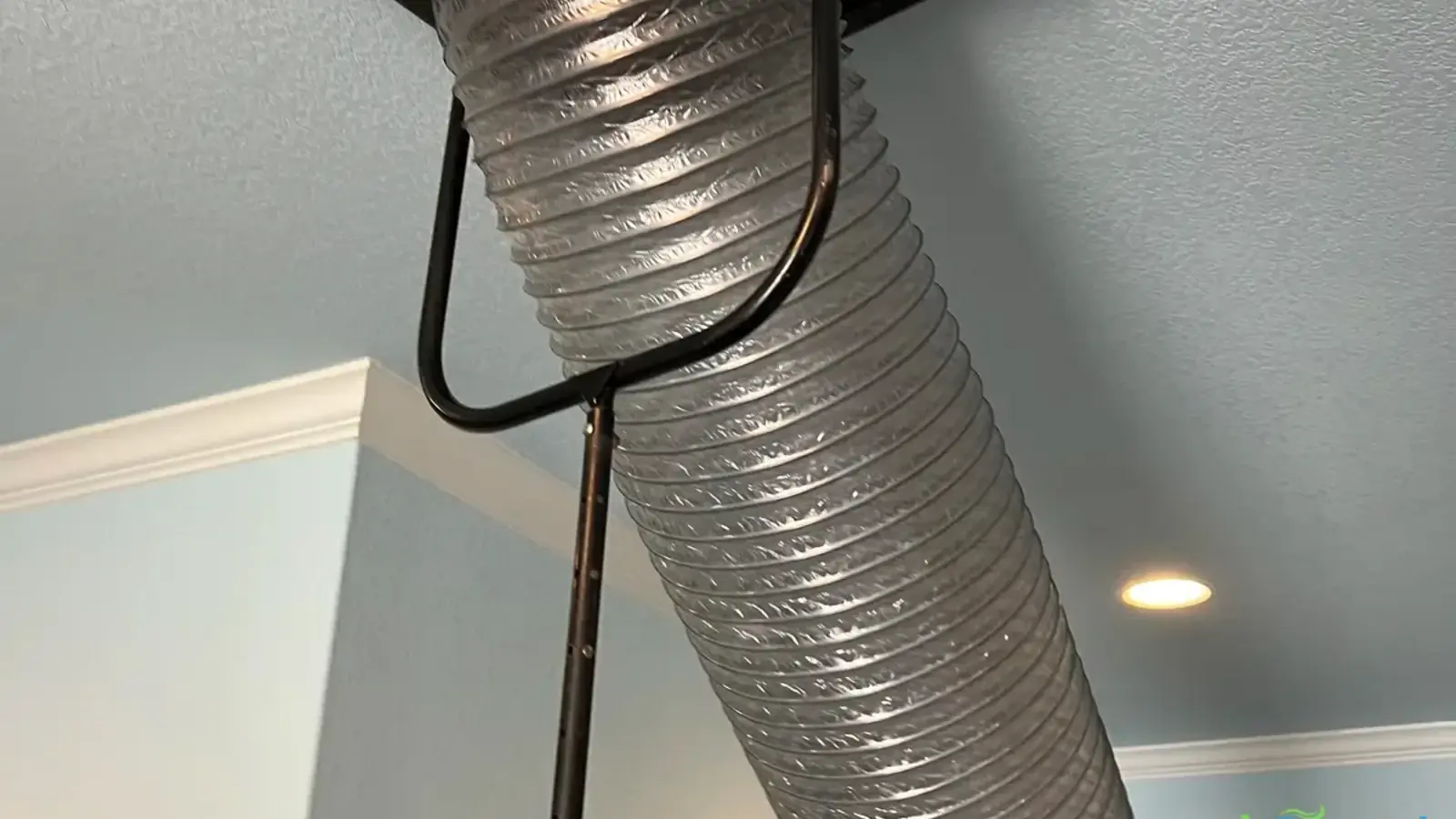
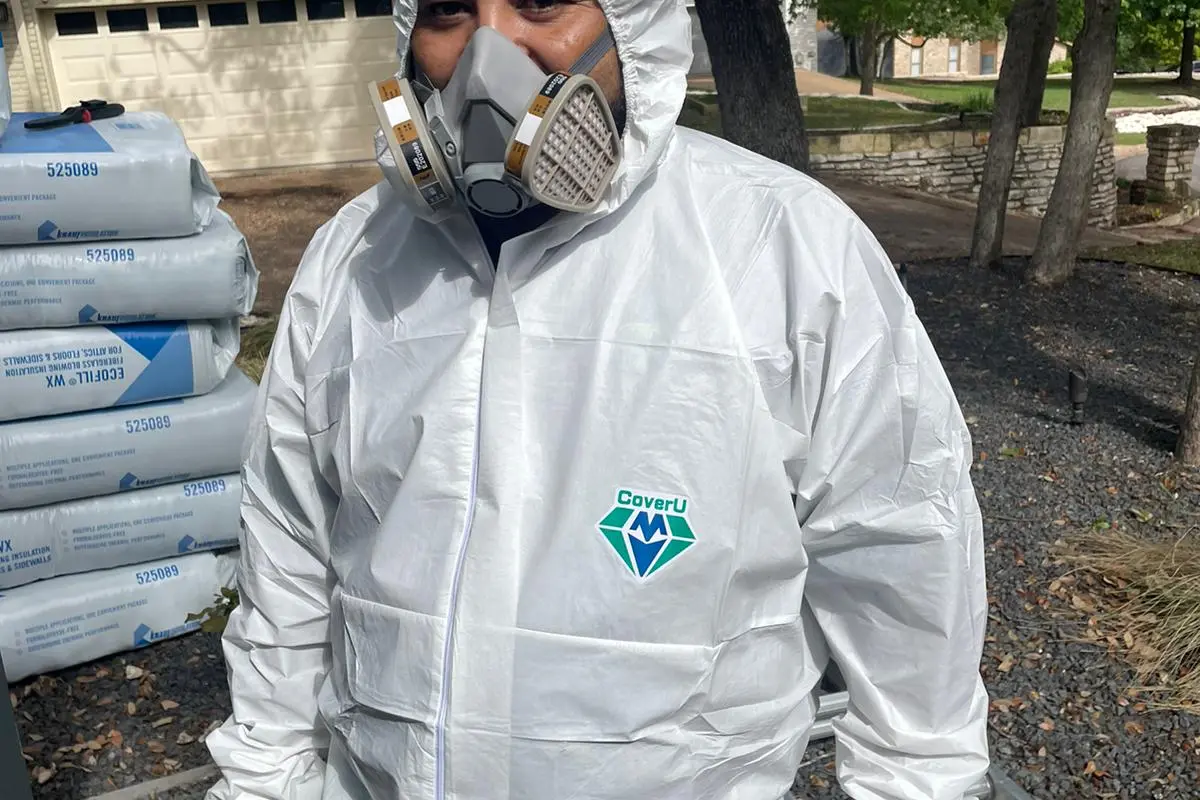
Blown-in installation is a two-person job. One person feeds material into a blowing machine on the ground while the other directs the hose in the attic. The process is fast and creates minimal disruption to the home - the hose runs up through the attic hatch and the machine stays outside or in the garage. A typical job is done in half a day.
Batt installation requires more attic time. An installer has to hand-place each piece, cut around every obstacle, and ensure tight contact with the ceiling below. In Austin's attics, where summer temperatures hit 140-160 degrees, this means the work must be done early in the morning or during cooler months. Batt installation in a hot attic is physically grueling, and some contractors will not schedule it from June through September because of heat safety concerns for their crews.
Related Services
Learn more about our professional services related to this topic:
- Attic Insulation - Premium blown-in insulation to cut energy costs and improve year-round comfort.
Want the full picture?
Read our complete guide: Attic Insulation for Austin Homes: The Complete Guide (2026) →
Have questions about attic & insulation? Our team is available 7 days a week. Call us at (512) 601-4451 or visit our contact page.