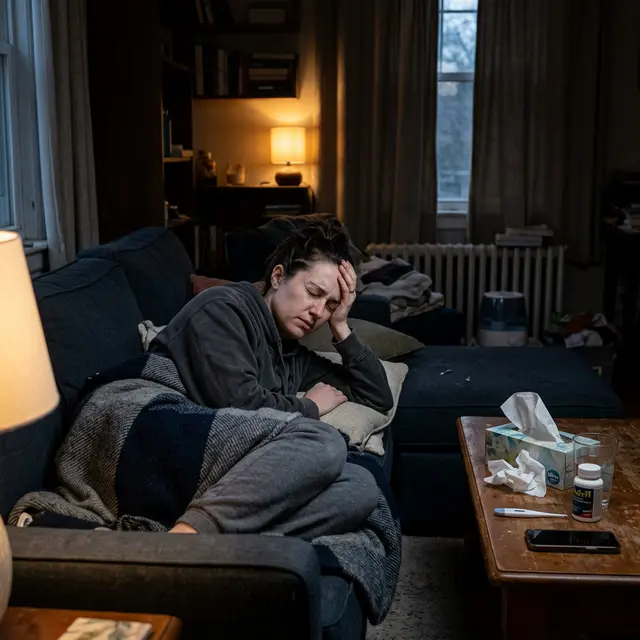
Sick building syndrome causes headaches, fatigue, and respiratory irritation that improve when you leave the building. The most common residential causes are poor ventilation, contaminated HVAC ducts, off-gassing from new materials, and excess humidity.
Symptoms and How to Identify It
Key symptoms: headaches, dizziness, fatigue, difficulty concentrating, eye/nose/throat irritation, dry or itchy skin. The defining characteristic is that symptoms improve or disappear when you leave the building and return when you come back. If multiple household members experience these symptoms, indoor air quality is the likely cause.
Pay attention to timing. Symptoms that appear within an hour of being home and fade within an hour of leaving point strongly toward indoor air quality. Many Austin homeowners mistake sick building syndrome for seasonal allergies because the symptoms overlap - stuffy nose, scratchy throat, headaches. The difference is that allergies correlate with outdoor pollen counts, while sick building symptoms correlate with time spent inside the home regardless of outdoor conditions.
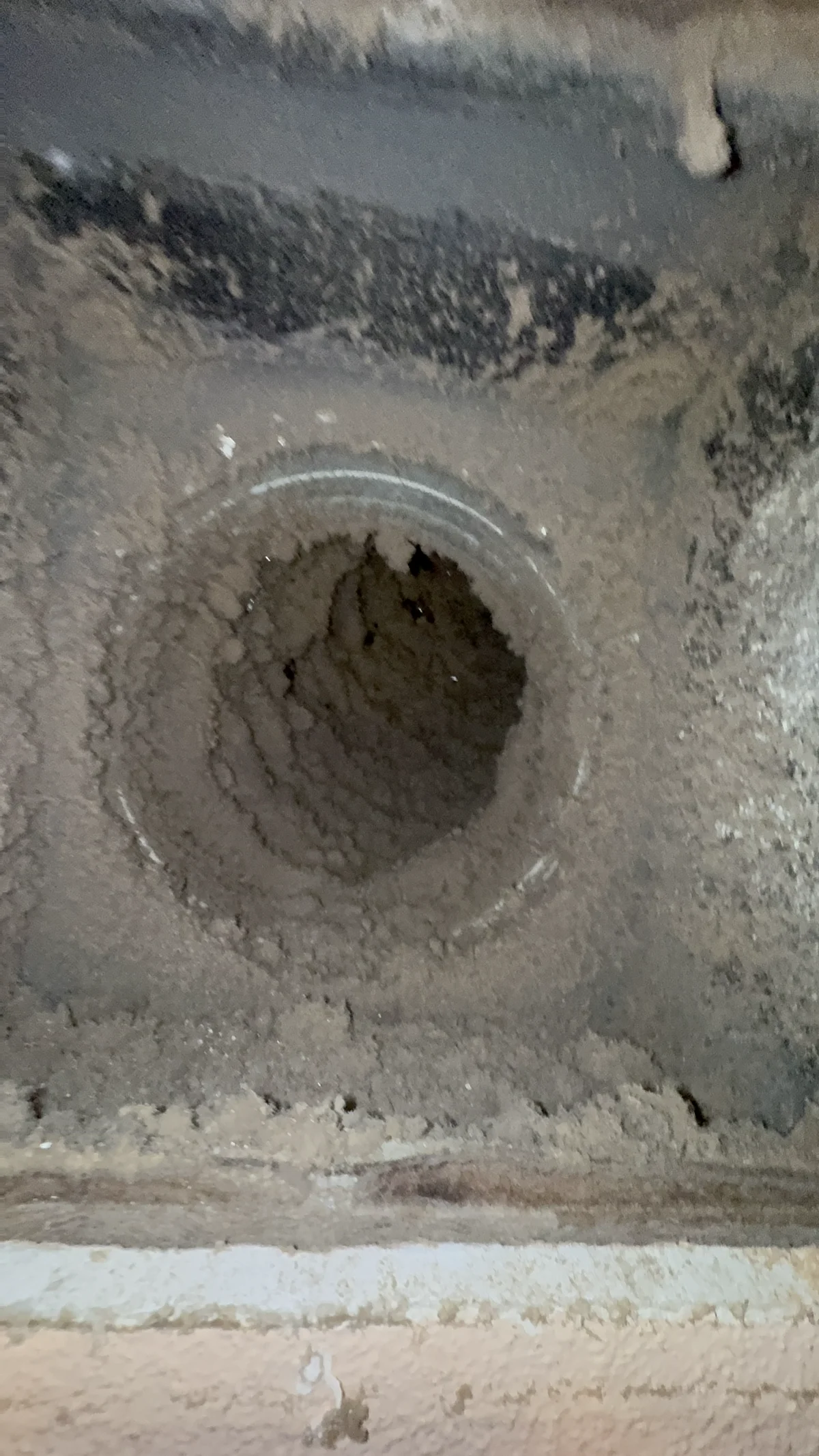
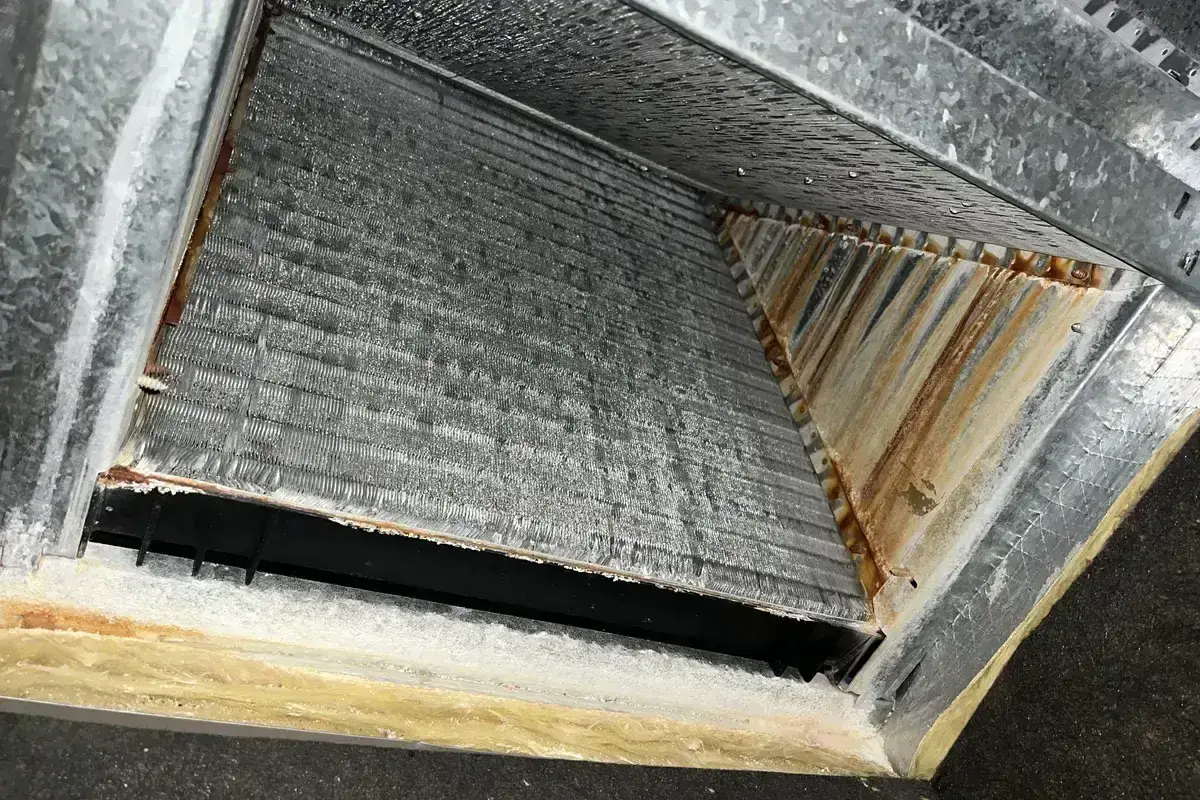
"We get calls from Austin homeowners who say they feel better at work than they do at home," says Nessi Ziv, owner of Air Central. "That is the textbook sign. When we run the camera through their ducts, the answer is usually sitting right there on screen - years of buildup that has been recirculating through the house every time the system runs."
Children and elderly household members often show symptoms first because their respiratory systems are more sensitive. If your kids complain of headaches after school or have trouble sleeping, and you notice the same symptoms are absent on vacation or at a relative's house, your home's air quality is worth investigating. Pets can also show signs - excessive scratching, watery eyes, or respiratory issues that improve when they spend time outdoors.
Common Residential Causes in Austin Homes
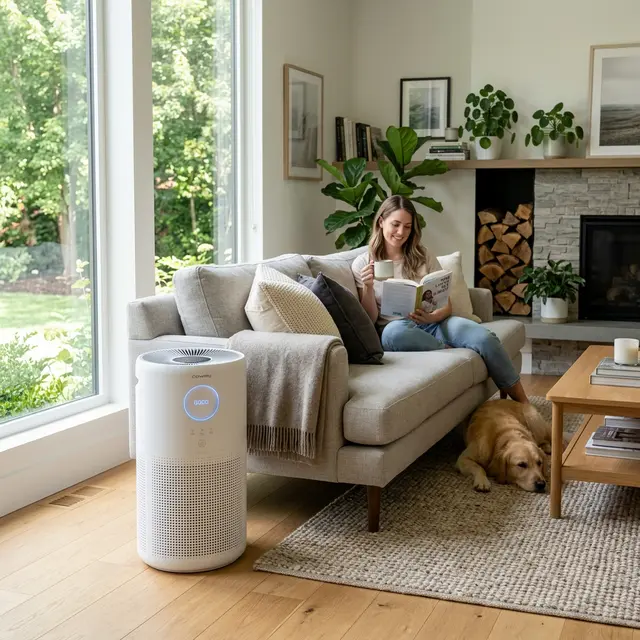
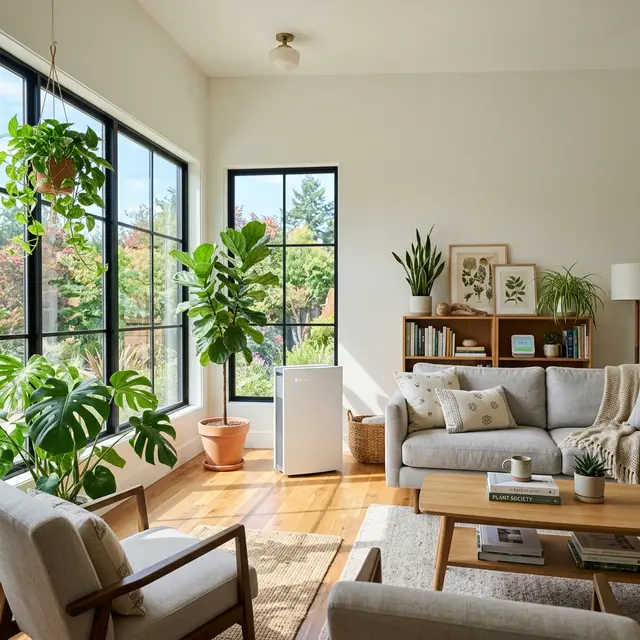
Poor ventilation: modern Austin homes, especially those built after 2005, are sealed tightly for energy efficiency. This is great for your electric bill but traps pollutants inside. Without adequate fresh air exchange, CO2 levels rise, VOC concentrations increase, and humidity can spike. The solution is controlled ventilation - exhaust fans, periodic window opening on low-pollen days - not cutting holes in your building envelope.
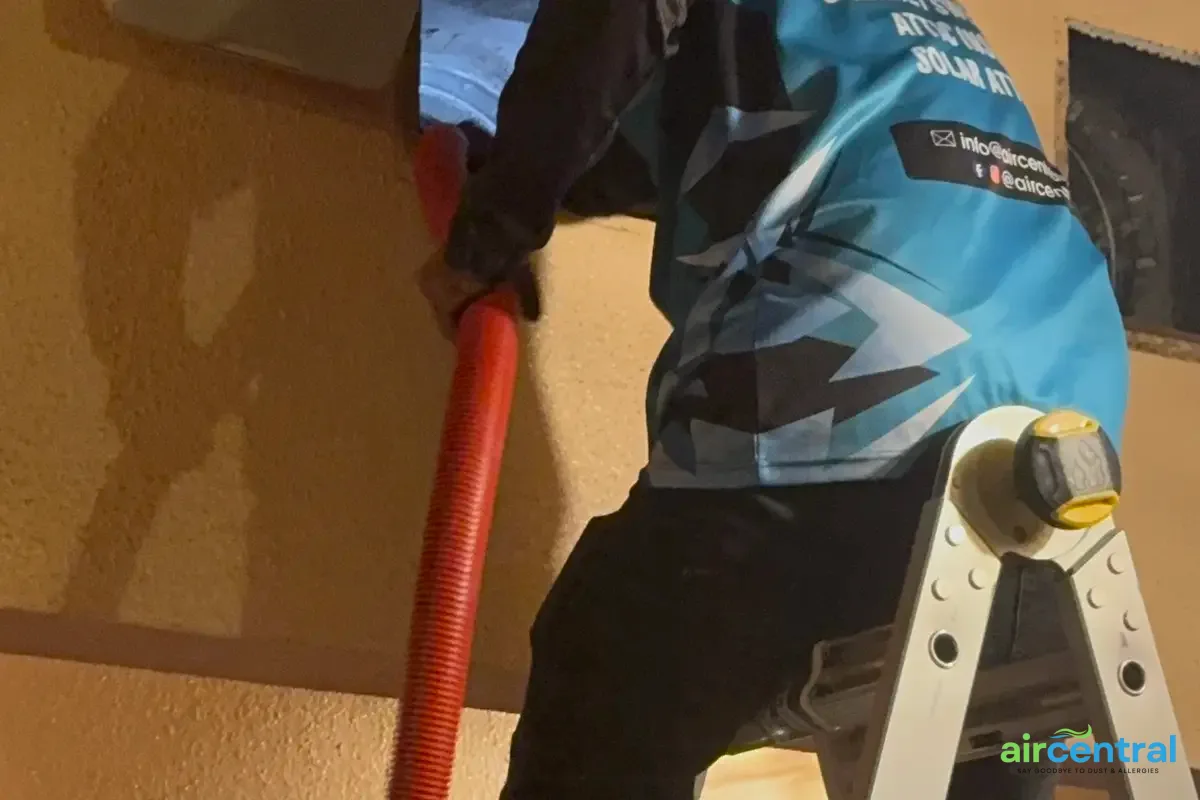
Contaminated HVAC ducts: years of accumulated dust, pollen, pet dander, and biological growth recirculate through your home every time the system runs. In Austin, where the HVAC runs 10-11 months per year, a dirty duct system pushes contaminated air through your home thousands of times. Homes that have never had their ducts cleaned are the most common source of sick building symptoms that we see.
New construction or renovation materials: paint, flooring, cabinets, and furniture off-gas VOCs (volatile organic compounds) for weeks to months. Austin's building boom means thousands of homeowners move into brand-new homes each year in areas like Cedar Park, Pflugerville, Georgetown, and Kyle. These homes off-gas formaldehyde, benzene, and toluene from fresh materials. In a tightly sealed new home with minimal ventilation, VOC levels can be 5-10 times higher than outdoor air.
Excess humidity: Austin humidity averages 65-75% from April through October. When indoor humidity exceeds 60%, biological allergens thrive in walls, ducts, on surfaces, and anywhere moisture collects. Oversized AC systems - common in Texas new construction - cool the air so quickly that they shut off before removing enough moisture, leaving the home cold but clammy.
Attached garages: fumes from cars, lawn equipment, paint cans, and stored chemicals can migrate into the home through shared walls, gaps around the garage door, and through the HVAC system if any ductwork runs through the garage. This is a frequently overlooked source of indoor air pollution in Austin homes.
Solutions That Work
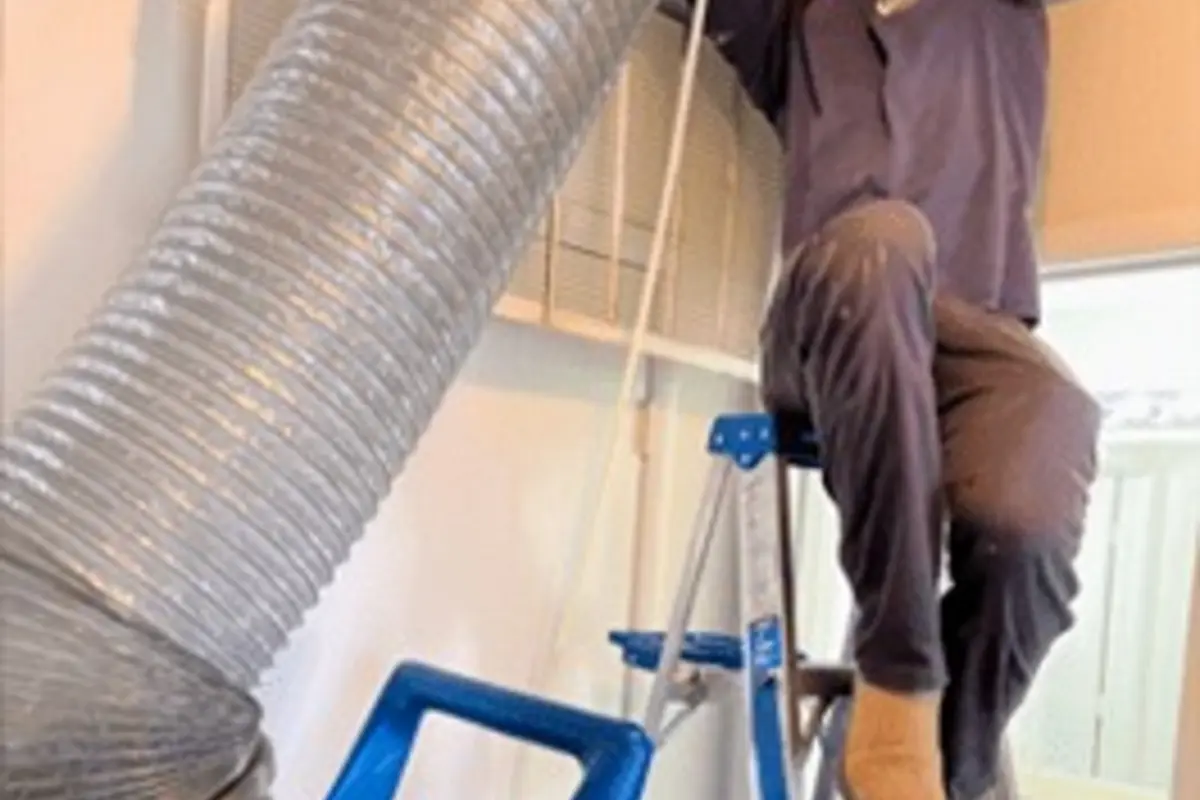
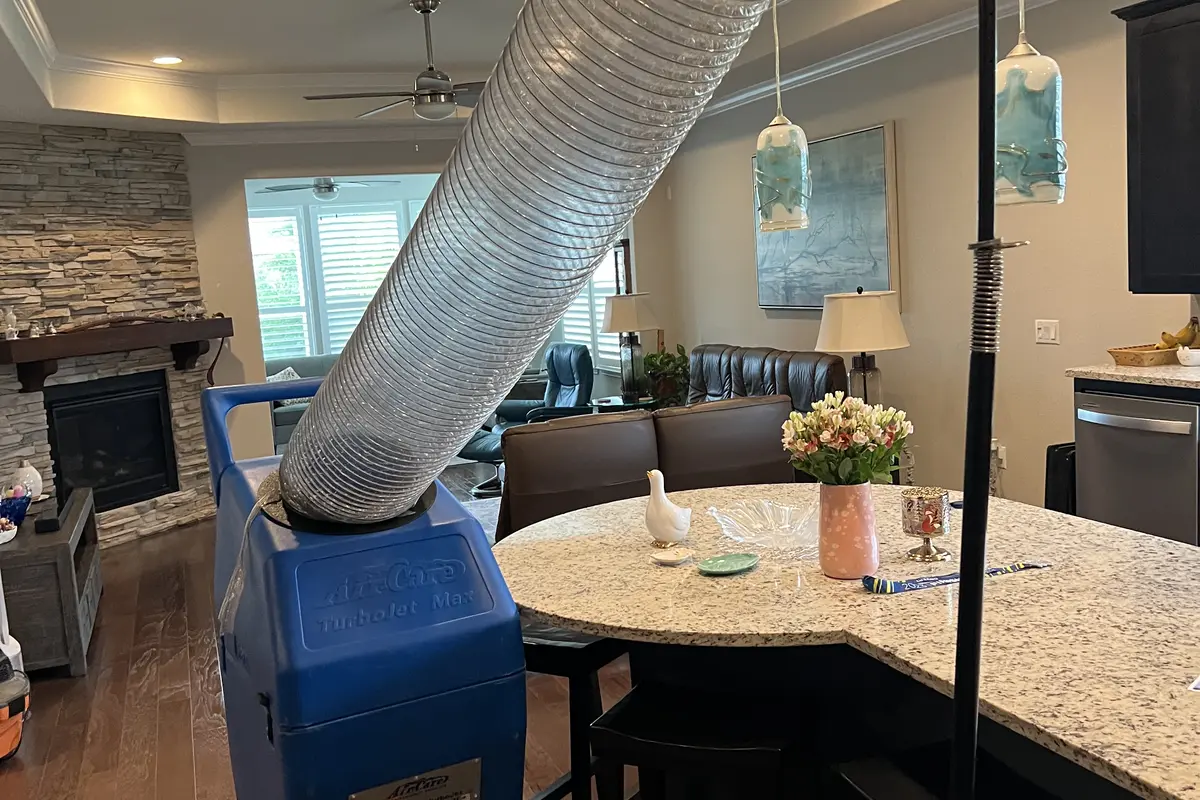
Step 1: Get a professional air duct cleaning to remove accumulated contaminants from the HVAC system. This addresses the single largest source of recirculated pollutants in most homes. After cleaning, upgrade to a MERV 11 filter to keep the system cleaner going forward.
Step 2: Improve ventilation - use exhaust fans when cooking and showering, and run them for 15-20 minutes after you finish. Open windows for 20-30 minutes on low-pollen days (check kvue.com/allergy for daily pollen counts) to flush stale air. Even brief ventilation sessions significantly reduce indoor pollutant concentrations.
Step 3: Control humidity to 30-50% with a dehumidifier or properly sized AC. Buy a $15 hygrometer to monitor levels. If your AC cannot maintain humidity below 50% during Austin summers, a whole-home dehumidifier integrated with your HVAC system is the permanent fix.
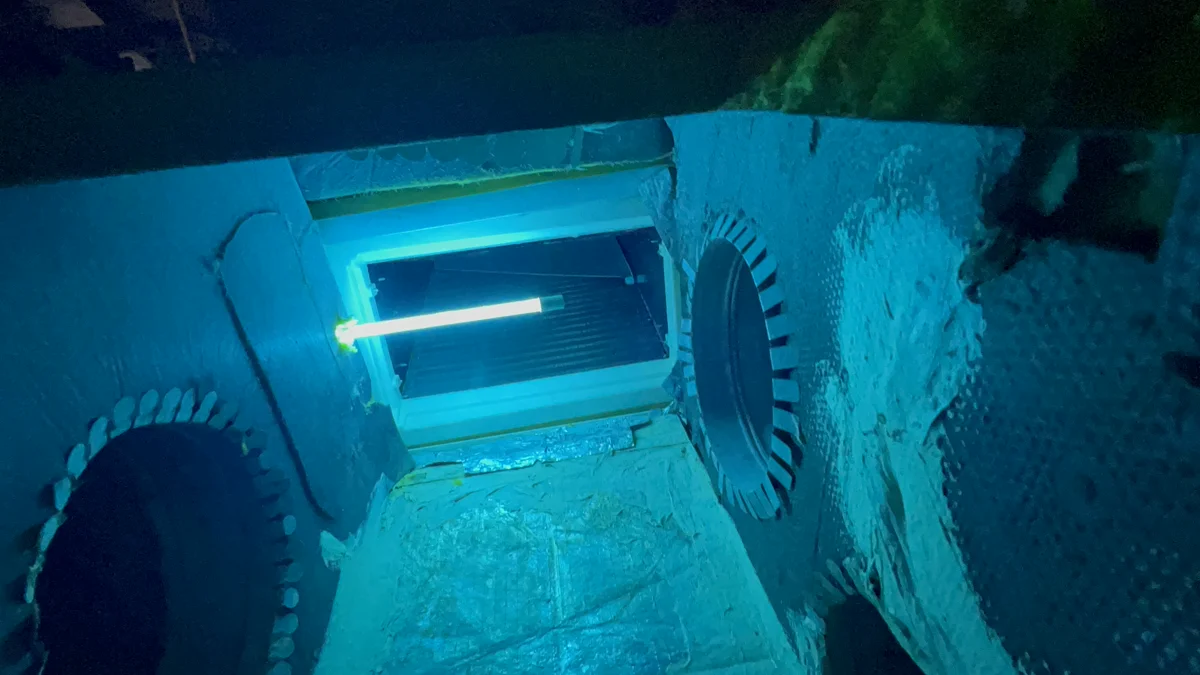
Step 4: Install a UV light in the air handler to continuously sterilize biological contaminants. This is especially effective in Austin's humid climate where the evaporator coil stays wet during cooling season and becomes a breeding ground for biological growth that causes musty odors and respiratory irritation.
Step 5: If symptoms persist after addressing ventilation, duct cleanliness, humidity, and filtration, consider a professional indoor air quality test. These tests measure specific pollutant levels including VOCs, particulate matter, CO2, and biological allergens. The results tell you exactly what you are breathing and point to the remaining source.
Concerned About Your Home's Air?
We provide professional air quality assessments for Austin homes. See what is in your ducts before deciding.
Call (512) 601-4451Rate your home's indoor air quality in 2 minutes
When to Take Action
Do not wait for symptoms to become severe. If you notice recurring headaches, fatigue, or respiratory irritation that follows the pattern described above, start with the basics: check your HVAC filter (replace if dirty), run exhaust fans more aggressively, and schedule a duct inspection. An HD camera inspection of your ductwork takes 30 minutes and shows you exactly what is inside your ducts. In many cases, the camera footage alone makes the problem obvious.
For new homes in Austin, proactive steps prevent sick building syndrome entirely. Get ducts cleaned before move-in to remove construction debris, run the HVAC with windows cracked for the first few weeks to flush VOCs from new materials, and install a MERV 11 filter from day one. These simple steps cost very little and prevent months of discomfort.
Related Services
Learn more about our professional services related to this topic:
- Air Duct Cleaning - Remove dust, allergens, and debris from your entire HVAC system for cleaner indoor air.
- Air Duct Inspection - Diagnose leaks, blockages, and efficiency issues with HD camera inspection.
- UV Lighting System - Eliminate bacteria and allergens inside your HVAC with UV-C light technology.
Want the full picture?
Read our complete guide: Indoor Air Quality in Austin: The Complete Guide (2026) →Have questions about indoor air quality? Our team is available 7 days a week. Call us at (512) 601-4451 or visit our contact page.