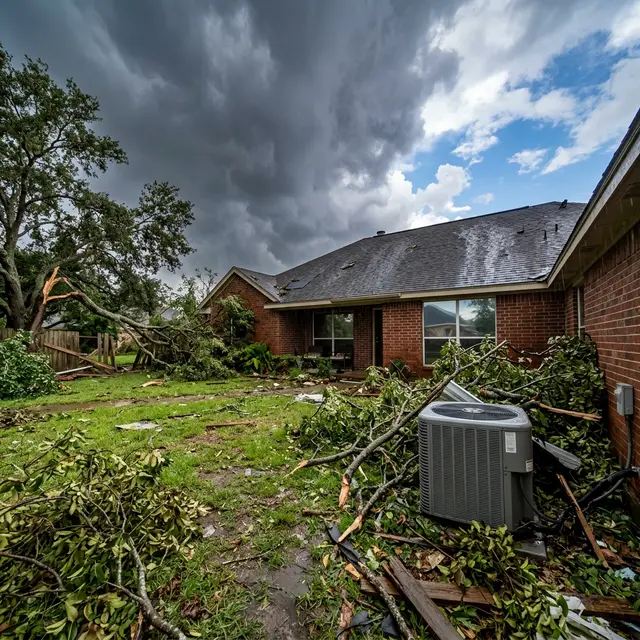
After severe weather, check your outdoor AC unit for debris and damage, inspect attic ductwork for disconnections, test the system before relying on it, and check your roof for damage that could let water into the attic and HVAC system.
Austin Severe Weather Types and HVAC Risks
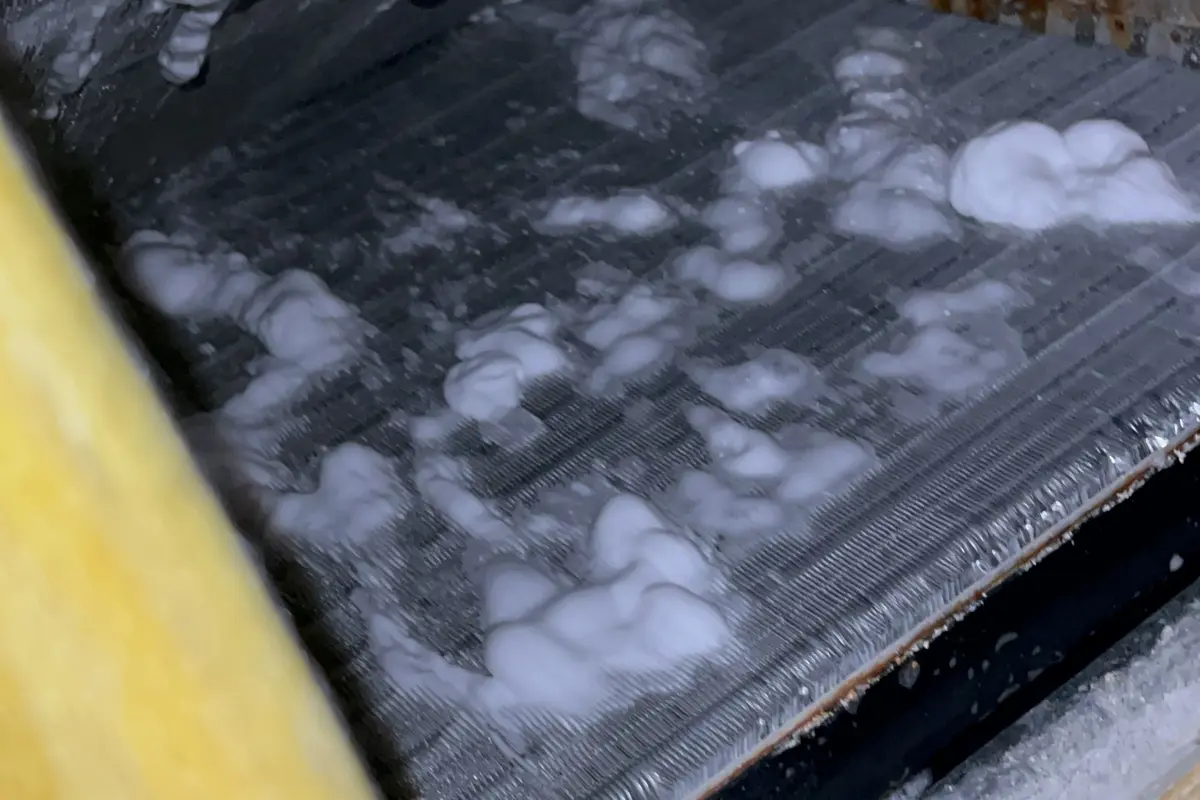
Austin gets hit by several types of severe weather, each posing different risks to your HVAC system. Hailstorms damage condenser fins and can dent the outdoor unit housing. Straight-line winds from thunderstorms knock branches onto condenser units and can shift them off their pads. Tornadoes (rare but not unheard of in Central Texas) can cause catastrophic damage to outdoor equipment and roof-mounted components. Ice storms, like Winter Storm Uri, can freeze condenser coils and damage refrigerant lines. Flash flooding, common in low-lying areas near creeks and along the Balcones Escarpment, can submerge outdoor units in water and mud.
Each weather event requires different inspection priorities. After hail, focus on condenser fin damage and roof integrity above the attic ductwork. After wind events, check for shifted units, fallen debris, and disconnected ductwork. After flooding, inspect for water damage to electrical components and contamination inside the duct system.
Immediate Post-Storm Checks
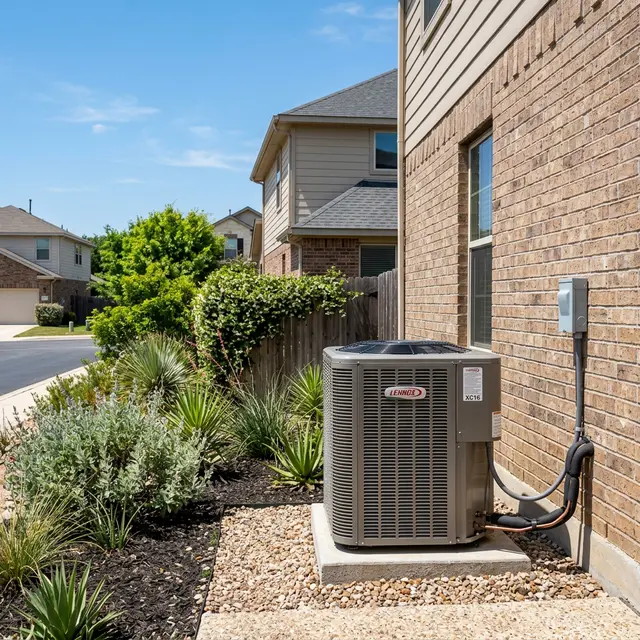
1. Do NOT turn on the HVAC until you inspect the outdoor unit. Look for: fallen branches or debris on or around the condenser, bent or crushed condenser fins, shifted or tilted unit (may indicate pad damage), standing water around the unit. Clear debris carefully and check that the unit is level before powering on. If the unit has shifted more than an inch off the concrete pad, do not run it until a technician verifies the refrigerant lines are intact.
2. Check your electrical panel for tripped breakers related to the HVAC system. Reset once if tripped, but if it trips again, call a technician - this indicates electrical damage. A power surge during a lightning storm can damage the capacitor, contactor, or control board in your outdoor unit even if no visible damage exists. 3. Walk through your home and check all vents for water intrusion, unusual odors, or debris. Pay special attention to rooms directly below the attic - ceiling stains or damp spots near vents indicate water entered the duct system through a roof breach.
Specific Damage to Check For
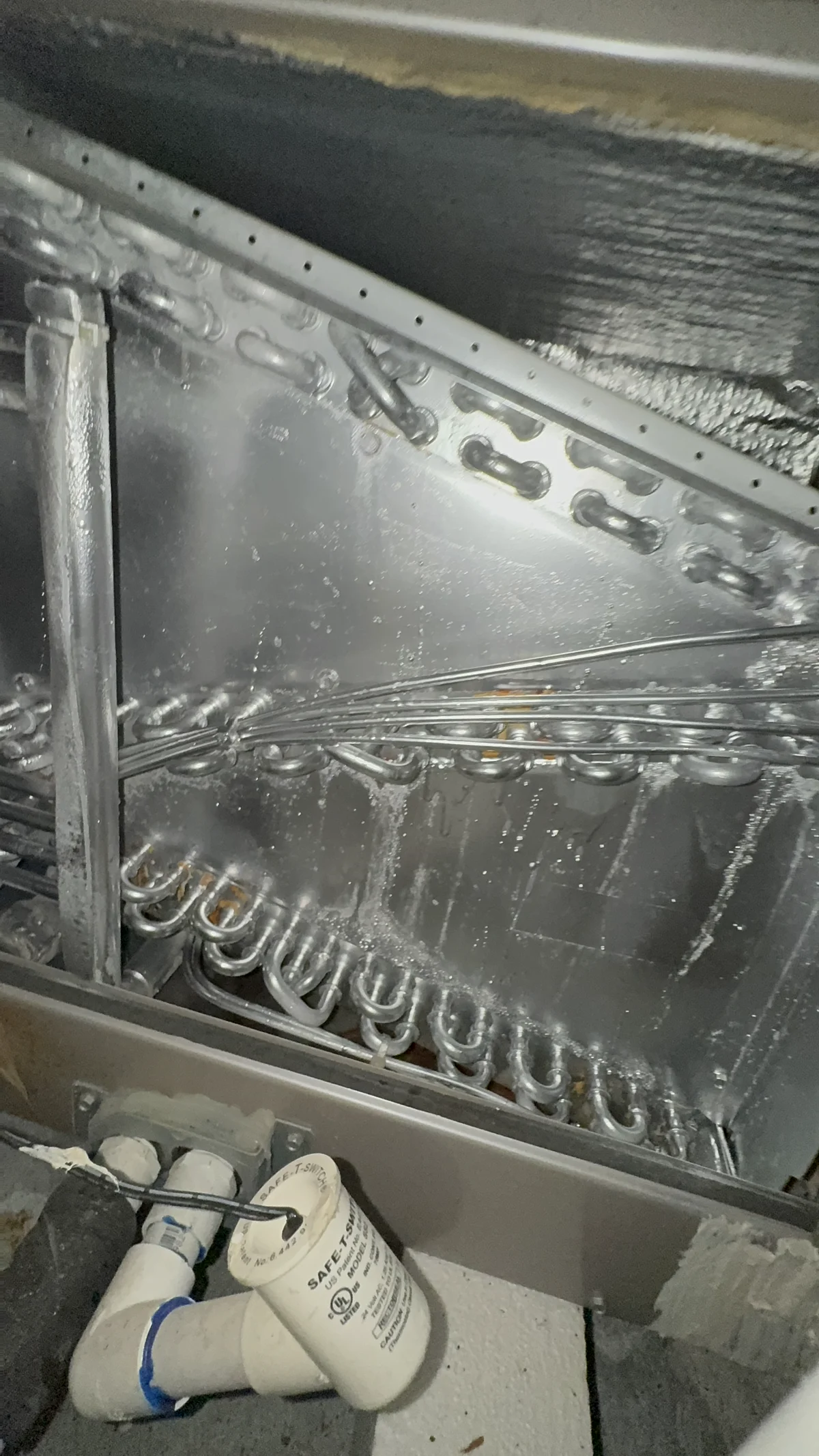
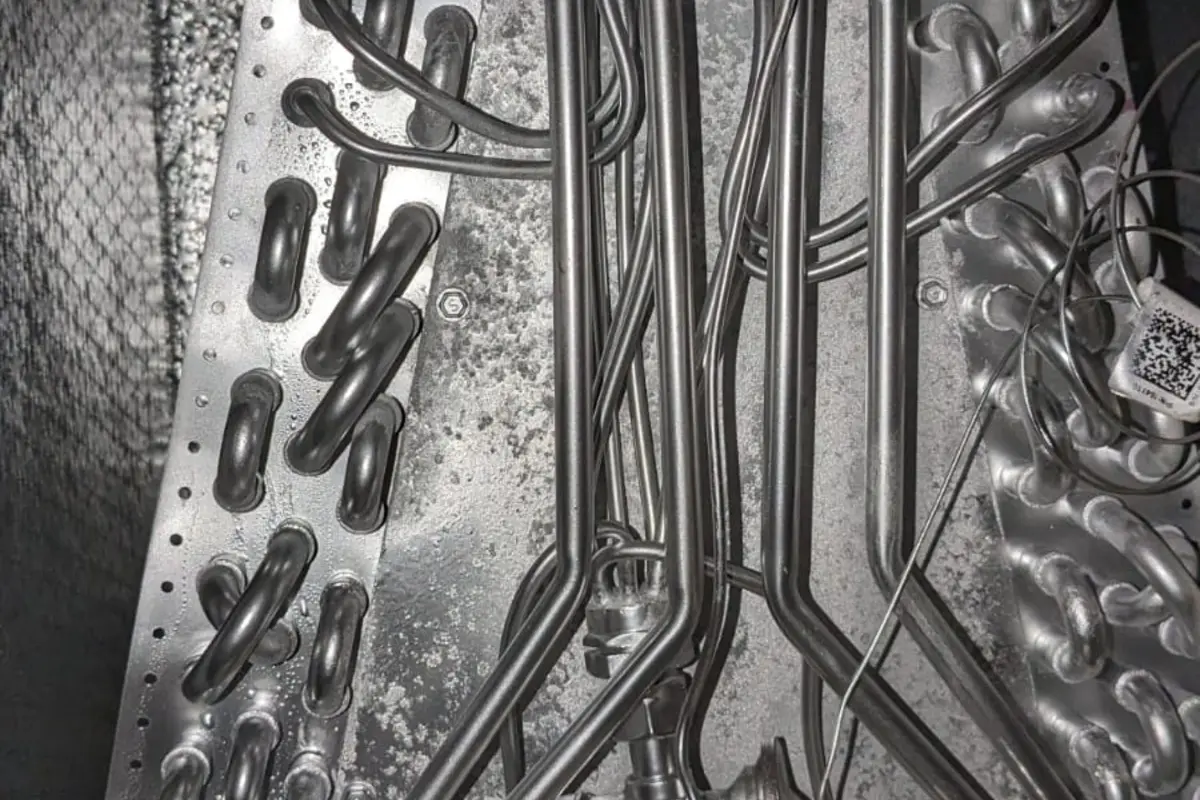
Condenser fins: These thin aluminum fins on the outdoor unit are easily bent by hail or debris impact. Bent fins restrict airflow and reduce efficiency. Minor bending can be straightened with a fin comb ($10-$15 from a hardware store). If more than 30% of fins are severely bent, a technician should assess whether the coil needs replacement.
Refrigerant lines: The copper lines running from the outdoor unit to the indoor unit pass through the wall or foundation. Storm debris can dent or crack these lines, causing a slow refrigerant leak. Check for oil stains around the lines (refrigerant oil leaks out with the refrigerant) and listen for a hissing sound near connections. A refrigerant leak requires professional repair.
Electrical components: Lightning strikes and power surges can damage the capacitor, contactor, and circuit board in the outdoor unit without any visible external damage. If the system will not start after a storm, or if it starts and immediately shuts off, suspect electrical component damage. A surge protector for the HVAC system ($75-$200 installed) prevents most surge-related damage and is a worthwhile investment for Austin's thunderstorm season.
Attic and Ductwork Inspection
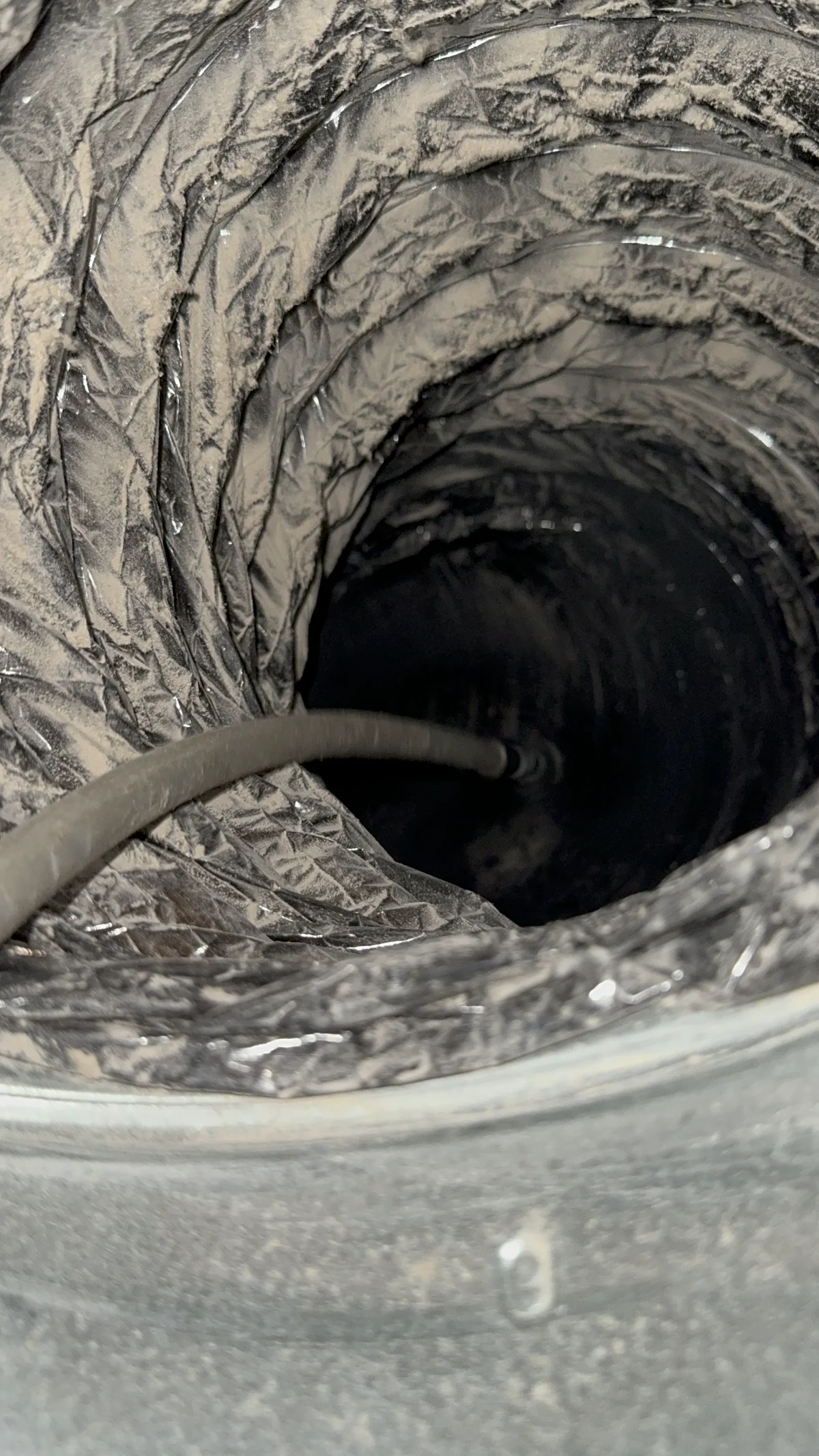
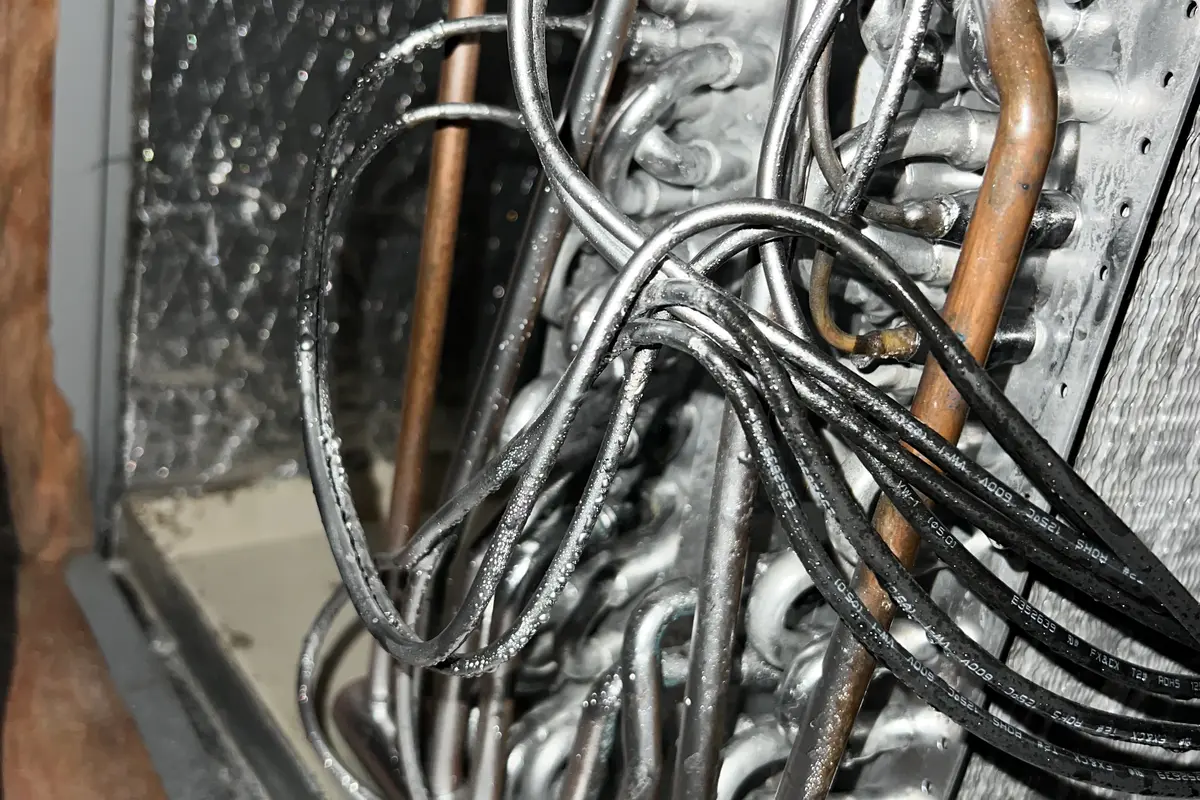
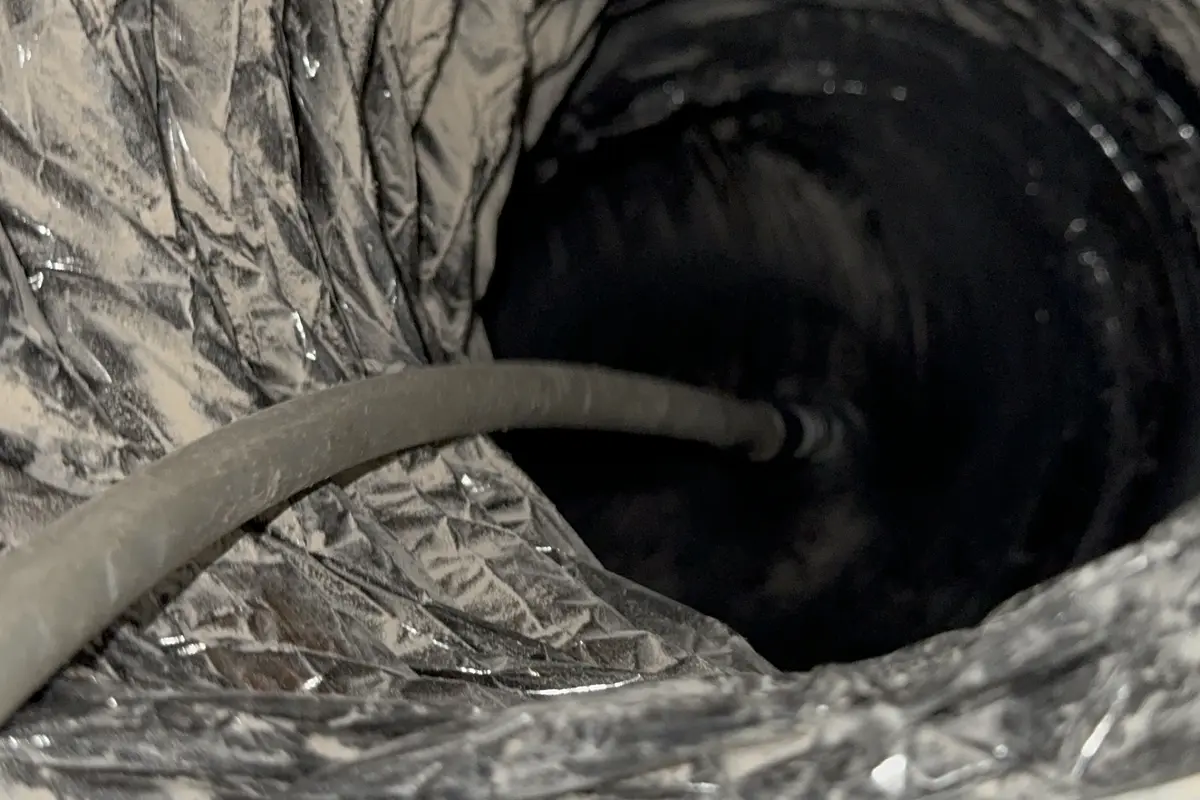
After any storm with high winds or hail: carefully access the attic with a flashlight. Look for: disconnected duct runs (flex duct is especially vulnerable to wind vibration and pressure changes during storms), water entry from roof damage, shifted or damaged insulation, daylight visible through the roof (indicating damage). Do not walk on wet insulation or near standing water.
Hail damage to the roof is particularly concerning for your HVAC system because it often creates small leaks that drip directly onto ductwork and insulation. Over time, this moisture damages duct connections, soaks insulation (reducing its R-value), and promotes biological growth in the duct system. A small roof leak from a March hailstorm can lead to a significant air quality problem by summer if not caught early. Check above your air handler and along the main trunk line for any signs of water staining on the ductwork or ceiling.
Ready to Get Your System Checked?
Seasonal tune-ups catch small problems before they become expensive emergencies. Same-day service available.
Call (512) 601-4451Estimate how much you could save on energy bills
When to Call a Professional
Call immediately if: the outdoor unit is physically damaged or shifted, you smell gas near the furnace, water entered the air handler or ductwork, the system makes unusual noises when restarted, or any breaker trips repeatedly. Post-storm HVAC issues can be covered by homeowner's insurance - document damage with photos before making repairs.
Insurance Tips for Storm-Related HVAC Damage
Document everything before you touch anything. Take photos and video of the outdoor unit, roof, attic, and any visible damage from multiple angles. Note the date, time, and type of storm. Keep all receipts from emergency repairs. File your claim promptly - most policies require notification within a reasonable timeframe after the event.
Most homeowner's insurance policies cover sudden storm damage to HVAC equipment but do not cover gradual wear, maintenance failures, or damage that results from deferred maintenance. If your condenser was already in poor condition before the storm, the adjuster may reduce the claim. Having records of regular maintenance strengthens your claim significantly. A $100-$150 annual tune-up receipt proves you maintained the system, which makes the insurance company more likely to approve full replacement cost if the storm destroys it.
Related Services
Learn more about our professional services related to this topic:
- Air Duct Cleaning - Remove dust, allergens, and debris from your entire HVAC system for cleaner indoor air.
- Dryer Vent Cleaning - Clear lint buildup to prevent fires and cut drying time in half.
- Chimney Sweep & Repair - Professional cleaning and 21-point safety inspection for your fireplace.
- Attic Insulation - Premium blown-in insulation to cut energy costs and improve year-round comfort.
Want the full picture?
Read our complete guide: Austin HVAC Seasonal Maintenance: Month-by-Month Guide →Have questions about seasonal guides? Our team is available 7 days a week. Call us at (512) 601-4451 or visit our contact page.