ASHRAE Standard 62.1 sets minimum ventilation rates for commercial buildings, and Austin's construction boom sends fine particulate into office HVAC systems that standard filters miss. Tenant IAQ complaints can trigger lease disputes and liability exposure. Property managers should schedule duct cleaning every 3-5 years and maintain MERV 13 filtration at minimum.
Tenant Complaints About Air Quality Are Increasing - and Costing Building Owners
Property managers across Austin are fielding more indoor air quality complaints than at any point in the past decade. The combination of new construction sending fine particulate into commercial HVAC intakes, aging duct systems in buildings built during the 2000s boom, and post-pandemic awareness of airborne health risks has elevated IAQ from a maintenance afterthought to a tenant retention issue.
A 2023 survey by the Building Owners and Managers Association (BOMA) found that 68% of commercial tenants now consider air quality when evaluating lease renewals. Losing a tenant due to IAQ complaints costs far more than addressing the underlying problem. Vacancy costs, leasing commissions, and tenant improvement allowances for replacement tenants dwarf the cost of professional duct cleaning and filtration upgrades.
The EPA estimates that poor indoor air quality costs American businesses $60 billion annually in lost productivity from sick building syndrome, absenteeism, and reduced cognitive function. For a 50-person office, that translates to thousands of dollars in productivity losses per year.
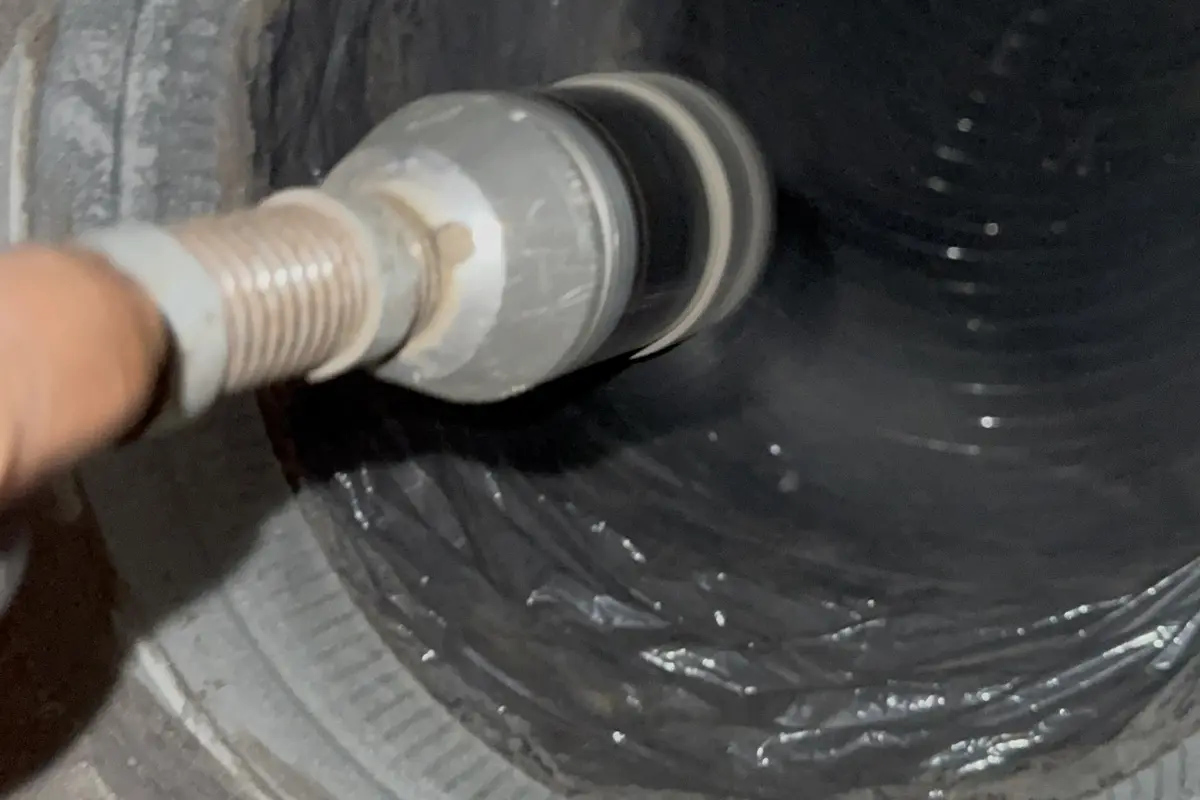
What ASHRAE 62.1 Requires for Austin Office Buildings
ASHRAE Standard 62.1 (Ventilation for Acceptable Indoor Air Quality) is the governing standard for commercial building ventilation in Austin. The standard specifies minimum outdoor air ventilation rates based on occupancy type and density. For standard office spaces, the requirement is 17 CFM (cubic feet per minute) of outdoor air per person.
The standard also addresses filtration. ASHRAE 62.1 requires minimum MERV 8 filtration for outdoor air intakes, but recommends MERV 13 for improved particle removal. For Austin buildings near I-35, major construction sites, or in high-pollen areas, MERV 13 or higher filtration is effectively necessary to meet acceptable IAQ levels.
Compliance is not just about meeting minimum airflow numbers. The standard requires that outdoor air intakes be located away from contamination sources (loading docks, cooling towers, exhaust vents), that filtration be maintained and replaced on schedule, and that the ventilation system deliver fresh air to occupied spaces - not recirculate contaminated indoor air.
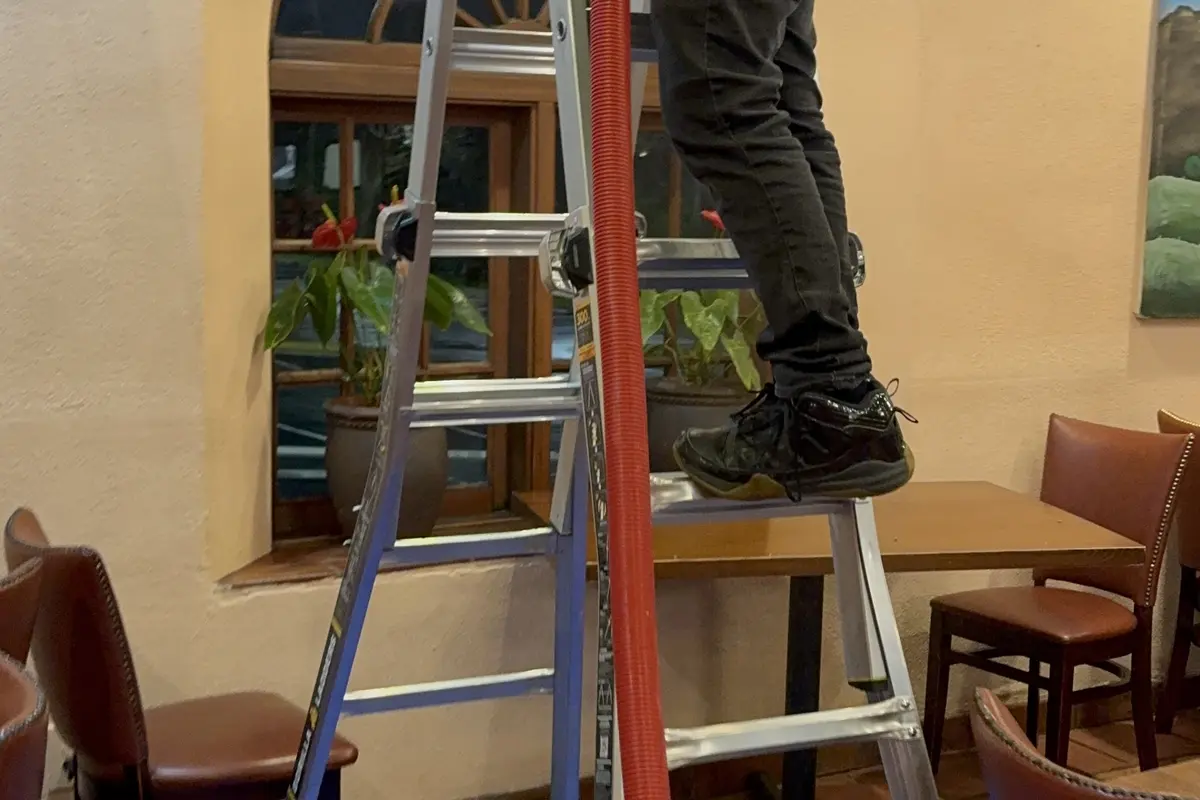
Sick Building Syndrome Is Real - and Measurable
The World Health Organization (WHO) defines sick building syndrome as a condition where building occupants experience acute health effects linked to time spent in a specific building, without a specific illness or cause being identified. Symptoms include headaches, fatigue, difficulty concentrating, eye and throat irritation, and respiratory discomfort.
A landmark study by Harvard's T.H. Chan School of Public Health found that cognitive function scores were 61% higher in green buildings with enhanced ventilation compared to conventional buildings. The study measured decision-making, strategic thinking, and information usage - core workplace performance metrics.
For Austin property managers, the liability exposure is tangible. Texas law allows tenants to pursue claims for uninhabitable conditions, and persistent IAQ complaints documented over time create a record that supports those claims. Proactive IAQ management - documented duct cleaning, filter maintenance, and ventilation verification - is both a health measure and a legal risk reduction strategy.
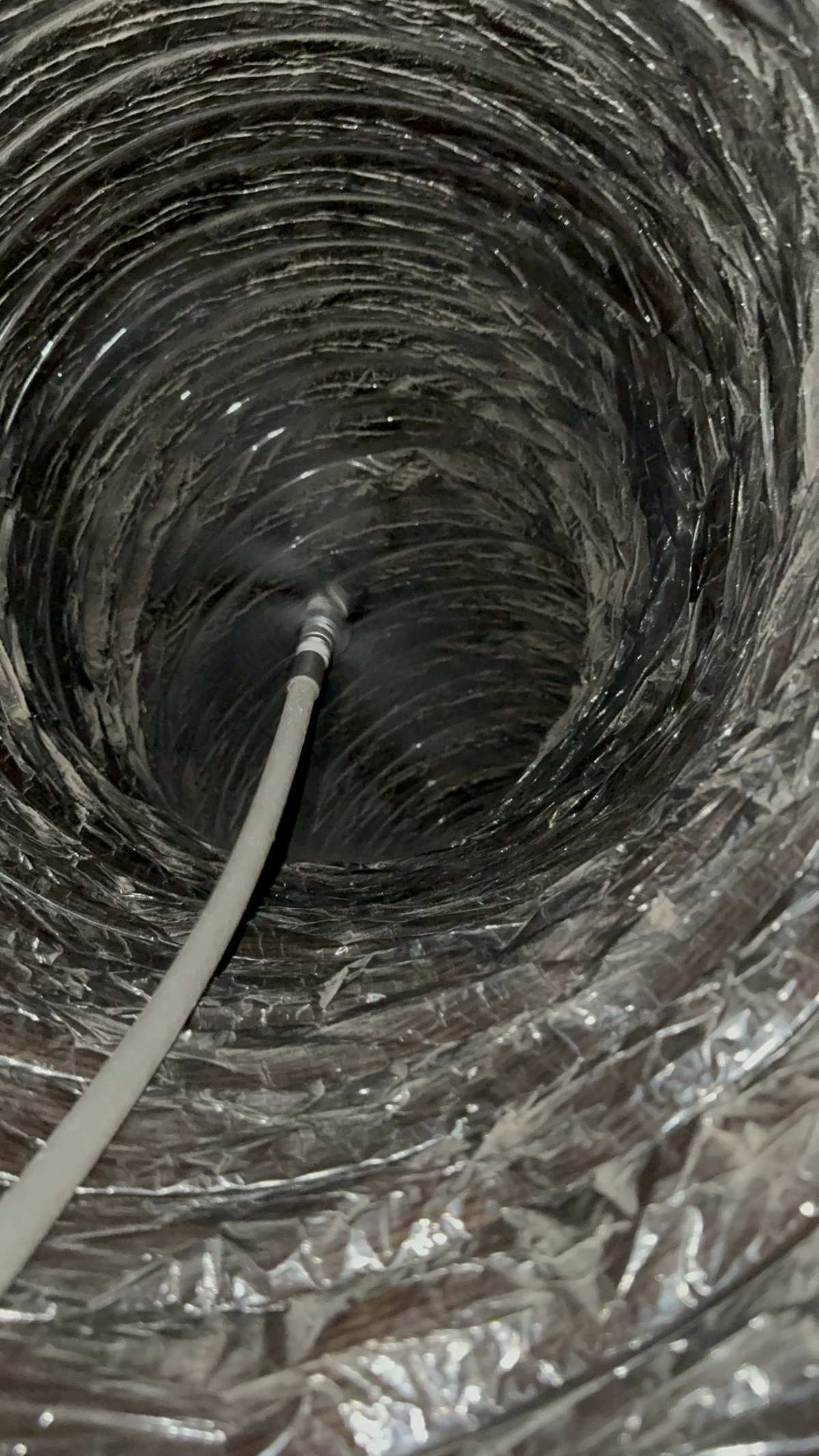
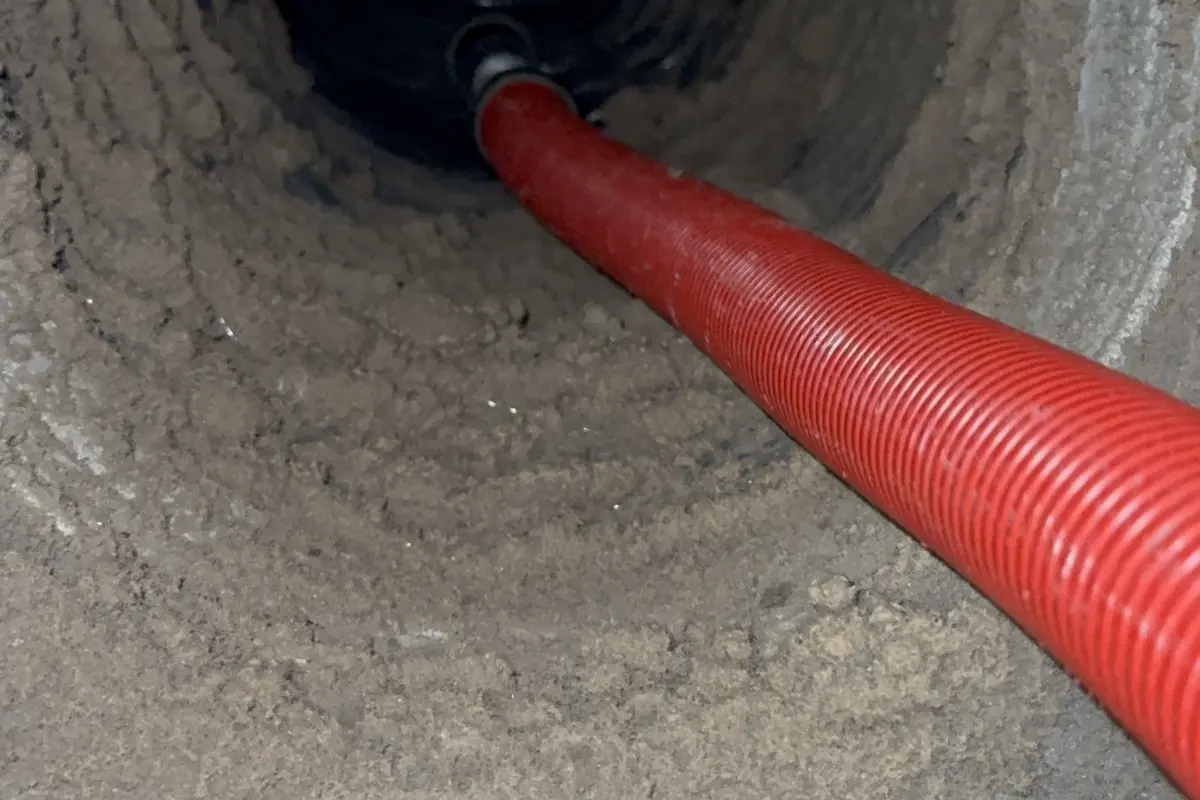
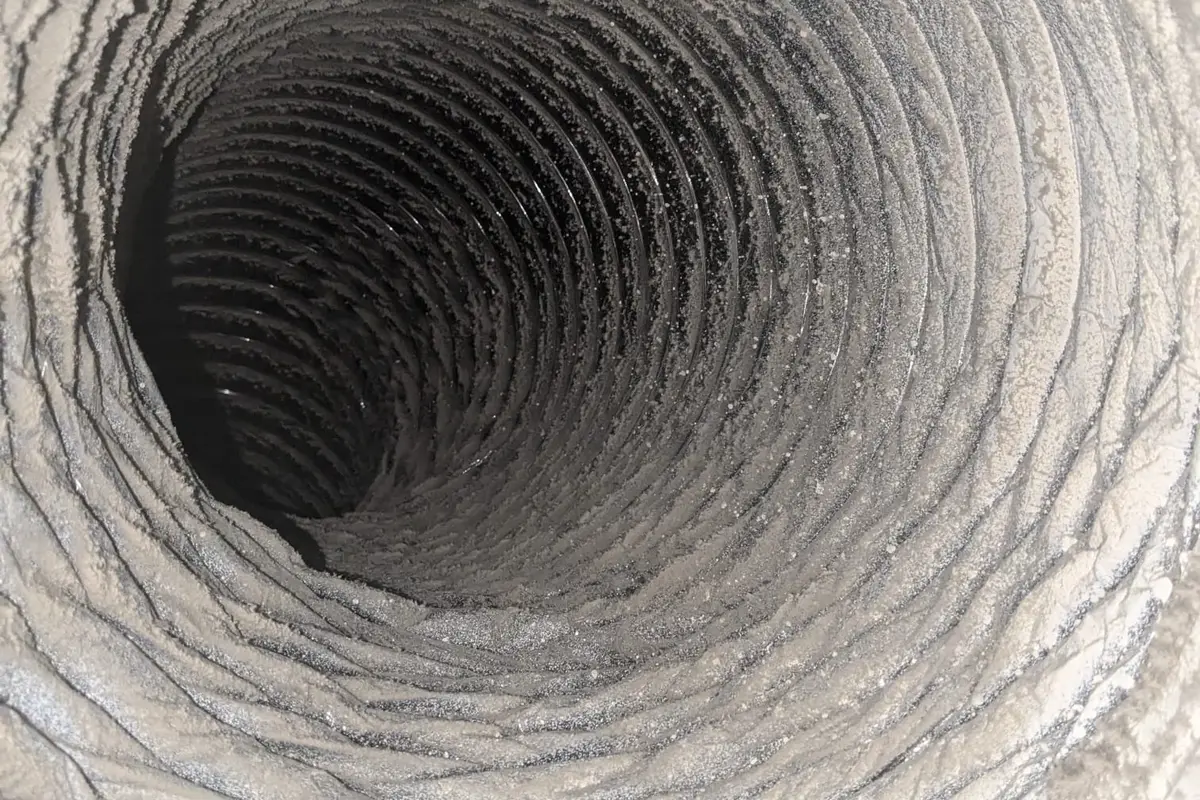
"We have cleaned duct systems in office buildings along MoPac and in the Arboretum district where the filters had not been changed in over a year," says Nessi Ziv, owner of Air Central. "The ductwork was coated with construction dust from the building next door. Every person in that office was breathing that dust 8 hours a day."
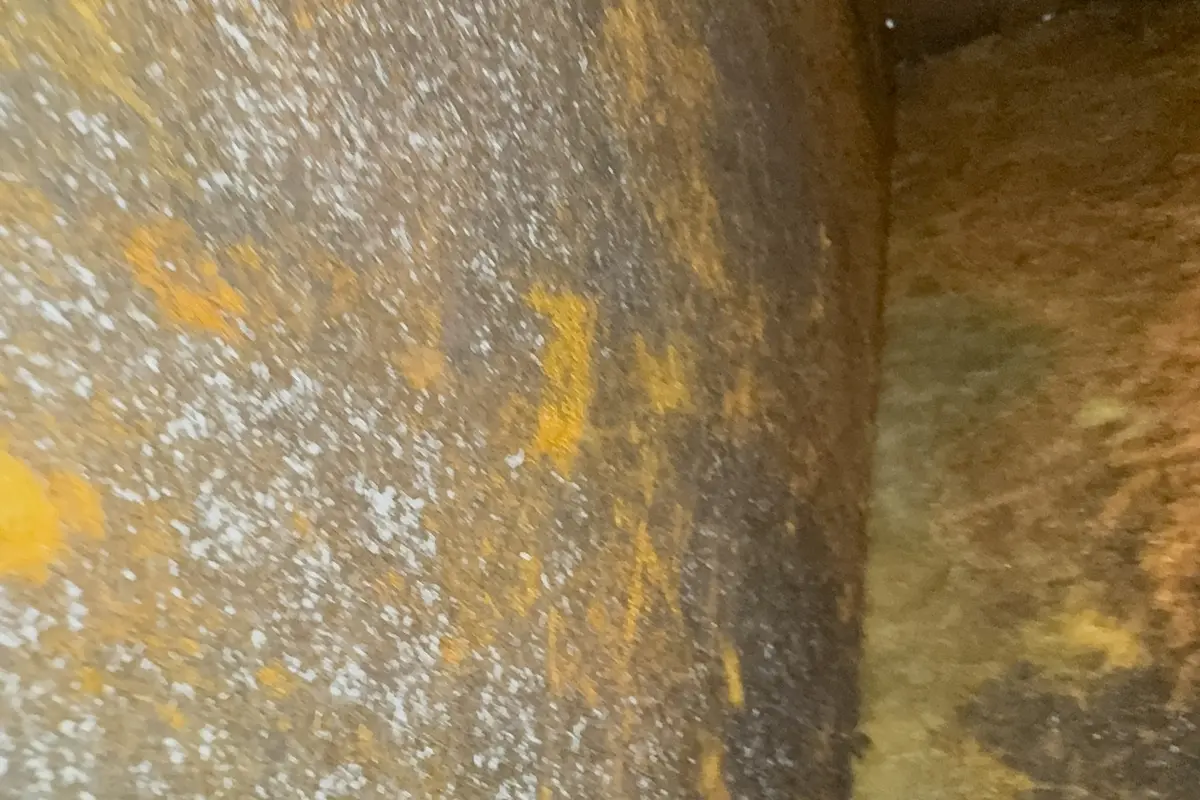
Construction Dust: Austin's Unique Office Air Quality Threat
Austin has been one of the fastest-growing cities in the U.S. for over a decade. Cranes, earthmoving equipment, and concrete work operate within blocks of occupied office buildings across North Austin, The Domain, downtown, and East Riverside. The fine particulate generated by construction (PM2.5 and PM10) enters commercial HVAC systems through outdoor air intakes.
Standard MERV 8 filters capture about 20% of PM2.5 particles. That means 80% of construction-generated fine particulate passes through the filter and deposits inside the ductwork, on coils, and in the air stream delivered to tenant spaces. Over months and years, this accumulation degrades air quality noticeably.
Buildings within a quarter mile of active construction should increase filter change frequency to monthly during active demolition and earthwork phases, and consider upgrading to MERV 13 or MERV 14 filtration for the duration of nearby construction activity.
Concerned About Your Home's Air?
We provide professional air quality assessments for Austin homes. See what is in your ducts before deciding.
Call (512) 601-4451Rate your home's indoor air quality in 2 minutes
A Practical IAQ Maintenance Plan for Property Managers
Filter replacement: monthly during construction season or heavy pollen periods, quarterly otherwise. Always MERV 13 minimum for occupied commercial spaces. Document every change with date, filter type, and location.
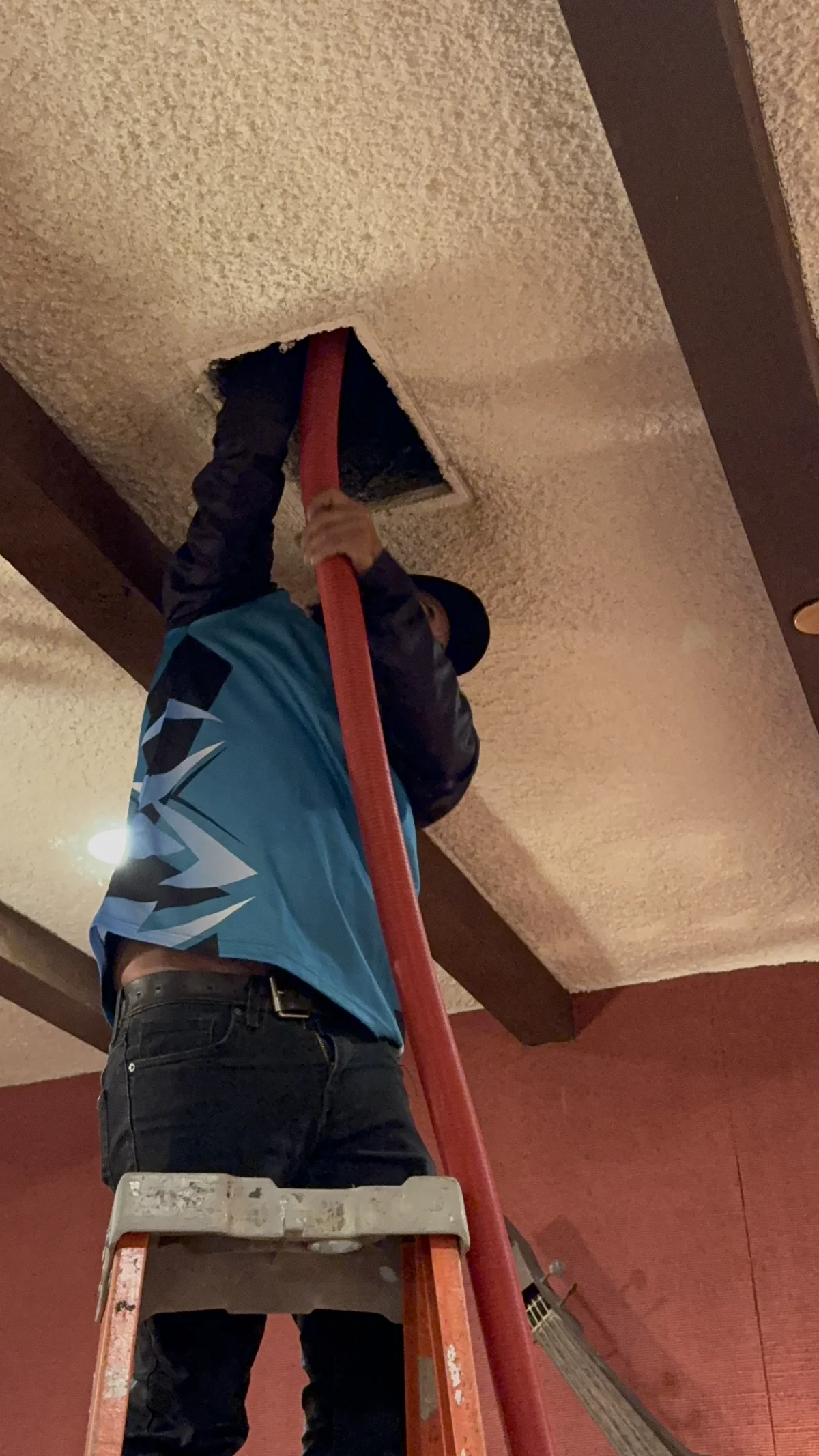
Duct cleaning: every 3-5 years for standard office buildings, every 2-3 years for buildings near construction or with high occupant density. NADCA recommends inspection every 2 years with cleaning based on conditions found.
Coil cleaning: annually at minimum. Dirty evaporator coils restrict airflow and create moisture conditions that support microbial growth. A clean coil maintains design airflow and prevents the musty odors that generate tenant complaints.
Ventilation verification: annual testing of outdoor air delivery rates against ASHRAE 62.1 minimums. Economizer dampers, outdoor air sensors, and VAV box calibration should be checked during seasonal maintenance.
Protect Your Tenants and Your Asset Value
Building air quality directly impacts tenant retention, lease rates, and property value. Documented IAQ maintenance creates a competitive advantage in Austin's commercial real estate market and reduces liability exposure from tenant health complaints.
Air Central provides commercial duct cleaning, coil cleaning, and IAQ assessment services for Austin office buildings, medical offices, and multi-tenant properties. We serve properties in The Domain, North Austin, Round Rock, Cedar Park, and across the metro. Call (512) 601-4451 to schedule a building IAQ assessment or set up a commercial maintenance plan.
Related Services
Learn more about our professional services related to this topic:
- Air Duct Cleaning - Remove dust, allergens, and debris from your entire HVAC system for cleaner indoor air.
- Air Duct Inspection - Diagnose leaks, blockages, and efficiency issues with HD camera inspection.
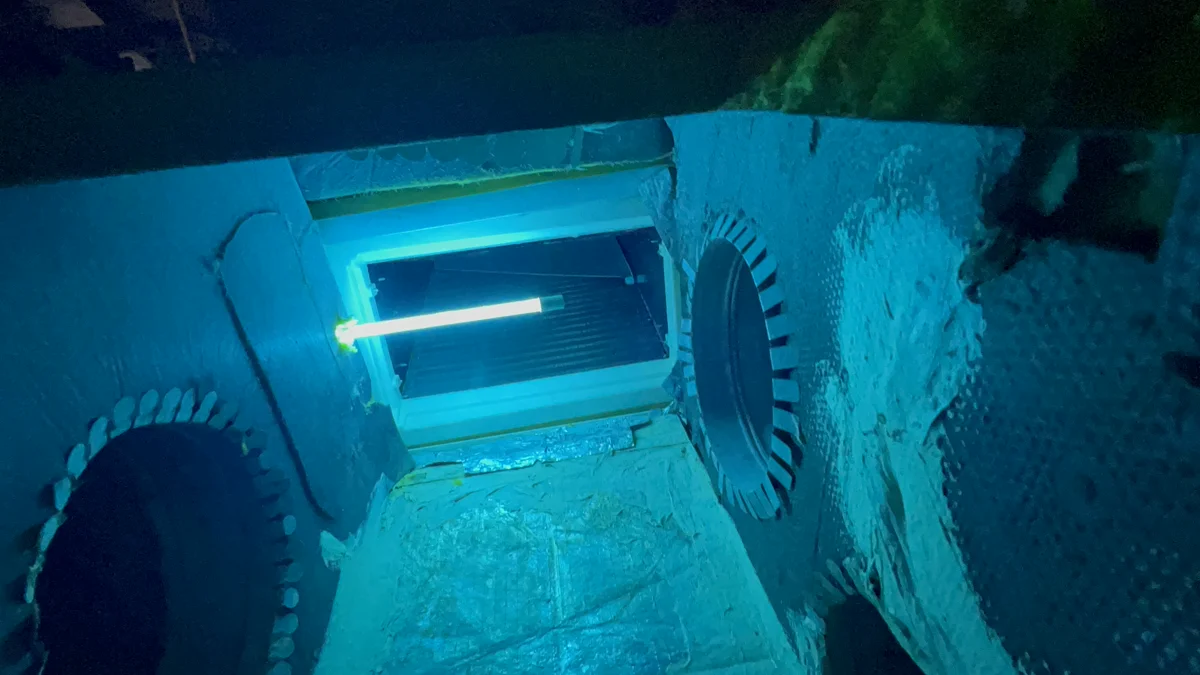
- UV Lighting System - Eliminate bacteria and allergens inside your HVAC with UV-C light technology.
Want the full picture?
Read our complete guide: Indoor Air Quality in Austin: The Complete Guide (2026) →Have questions about indoor air quality? Our team is available 7 days a week. Call us at (512) 601-4451 or visit our contact page.