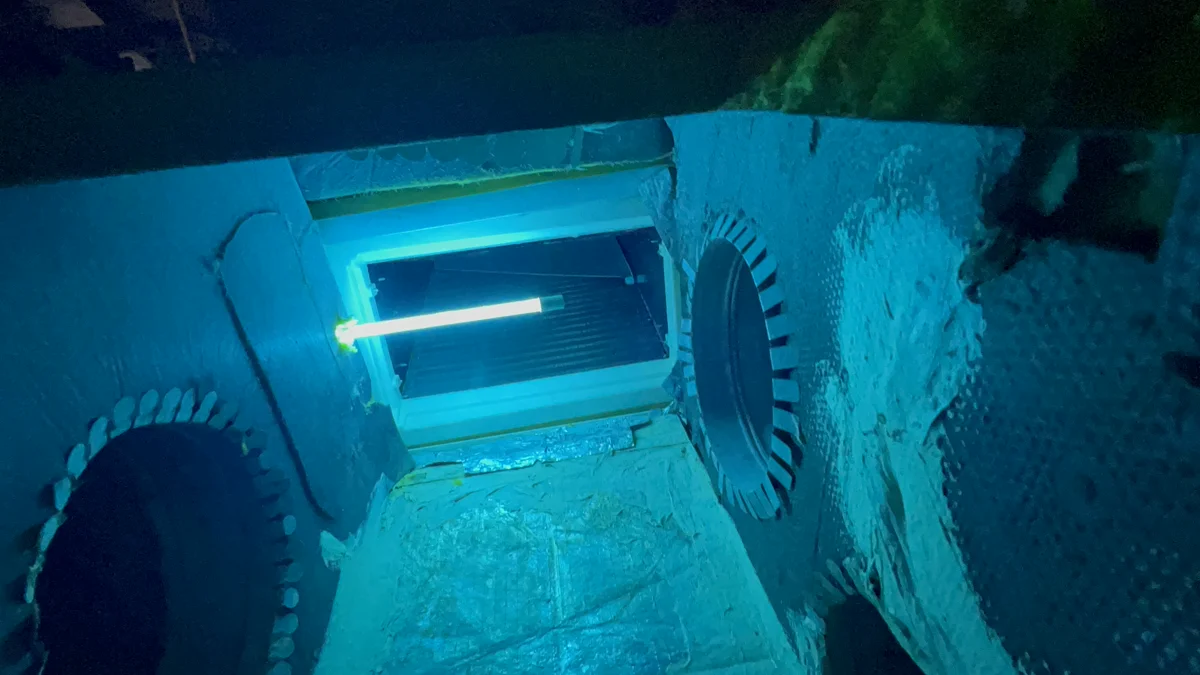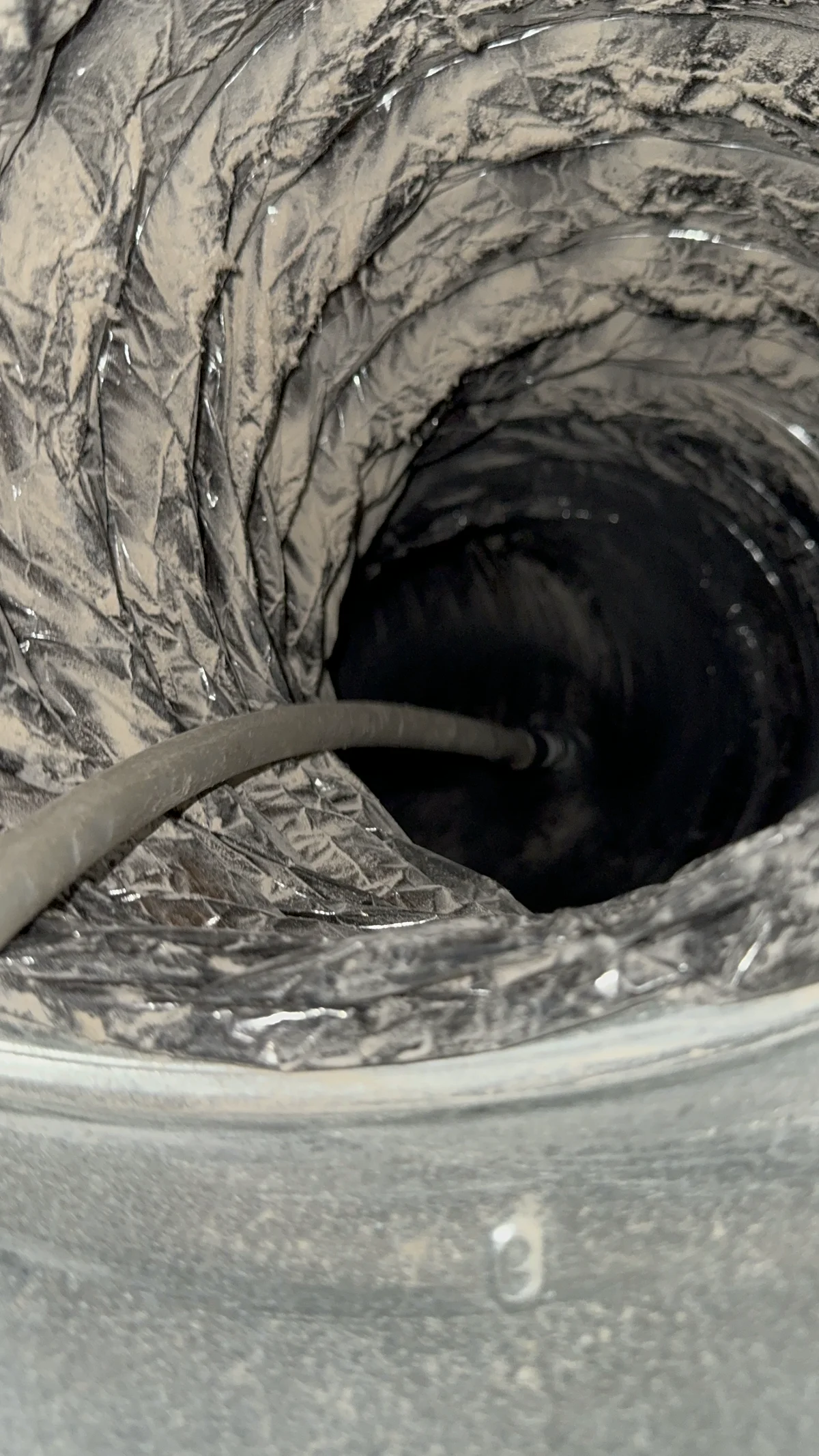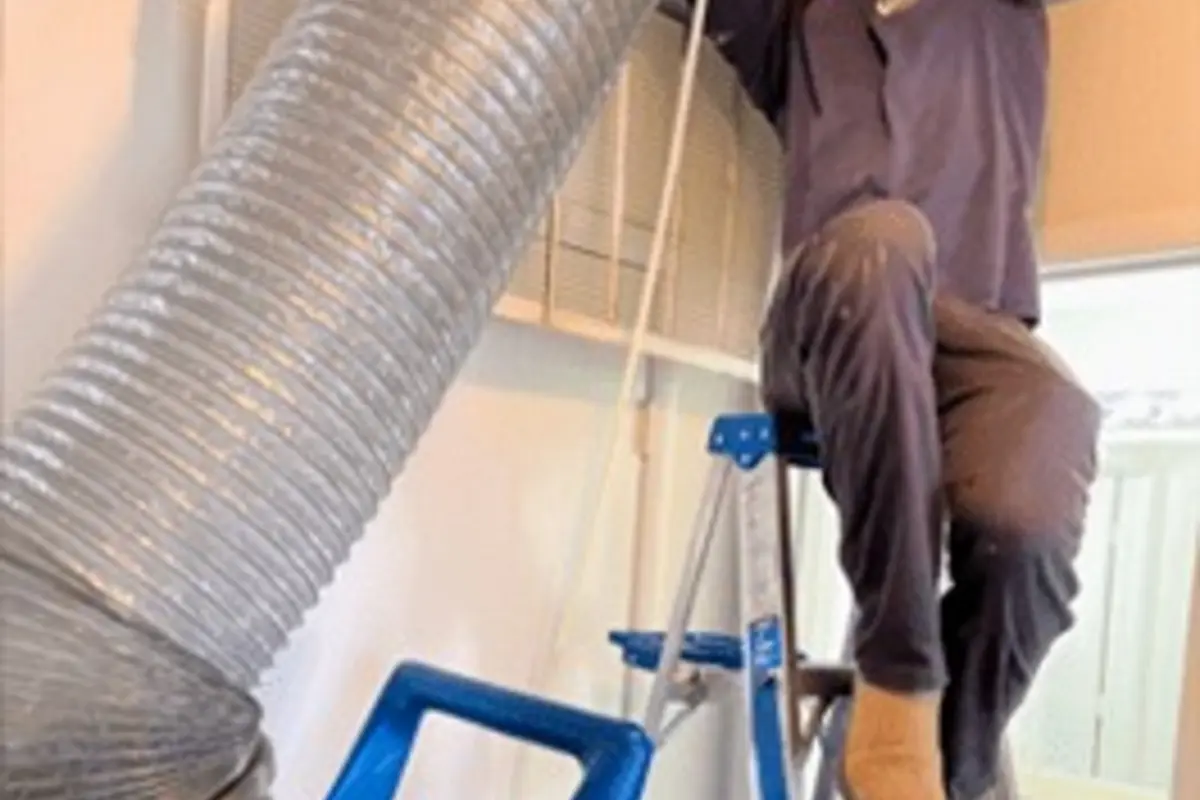
The 10 warning signs of mold in your air ducts are: musty smell when the HVAC runs, dark spots around vent registers, allergies that worsen indoors, persistent nasal congestion, recurring headaches at home, visible growth on vent covers, increased asthma attacks, frequent respiratory infections, unexplained fatigue, and skin rashes or irritation. Austin's average humidity of 67% - exceeding 80% on summer mornings - creates ideal conditions for mold colonization inside ductwork. If you notice two or more of these symptoms, schedule an HD camera inspection.
How to Use This Checklist
Mold in air ducts rarely announces itself with obvious visible growth. Instead, it produces a pattern of symptoms - some you smell, some you feel physically, and some you see if you know where to look. Most Austin homeowners experience these symptoms for months before connecting them to their HVAC system.
Go through each of the 8 signs below. If you identify two or more, there is a strong probability that mold or microbial contamination exists in your ductwork. A single symptom may have other explanations, but multiple symptoms from this list point consistently to the duct system as the source.
Sign 1: Musty Smell When the HVAC Runs
What it is: a damp, earthy, or stale odor that appears when your heating or cooling system starts running and fades when it cycles off. The smell may be strongest from specific vents or noticeable throughout the house.
How to confirm: turn off your HVAC system for 2-3 hours, then turn it back on. Stand near a supply vent and breathe in as the air starts flowing. If you detect a musty or damp odor in the first 30 seconds, the contamination is likely inside the duct system. If the smell is strongest from one or two specific vents, mold may be concentrated in those duct runs.
What it means: mold colonies produce microbial volatile organic compounds (MVOCs) as metabolic byproducts. These are the chemicals you smell as that characteristic musty odor. The smell travels through the duct system along with spores every time the blower runs. This is the most common and earliest warning sign Austin homeowners notice.
Sign 2: Dark Spots Around Vent Registers
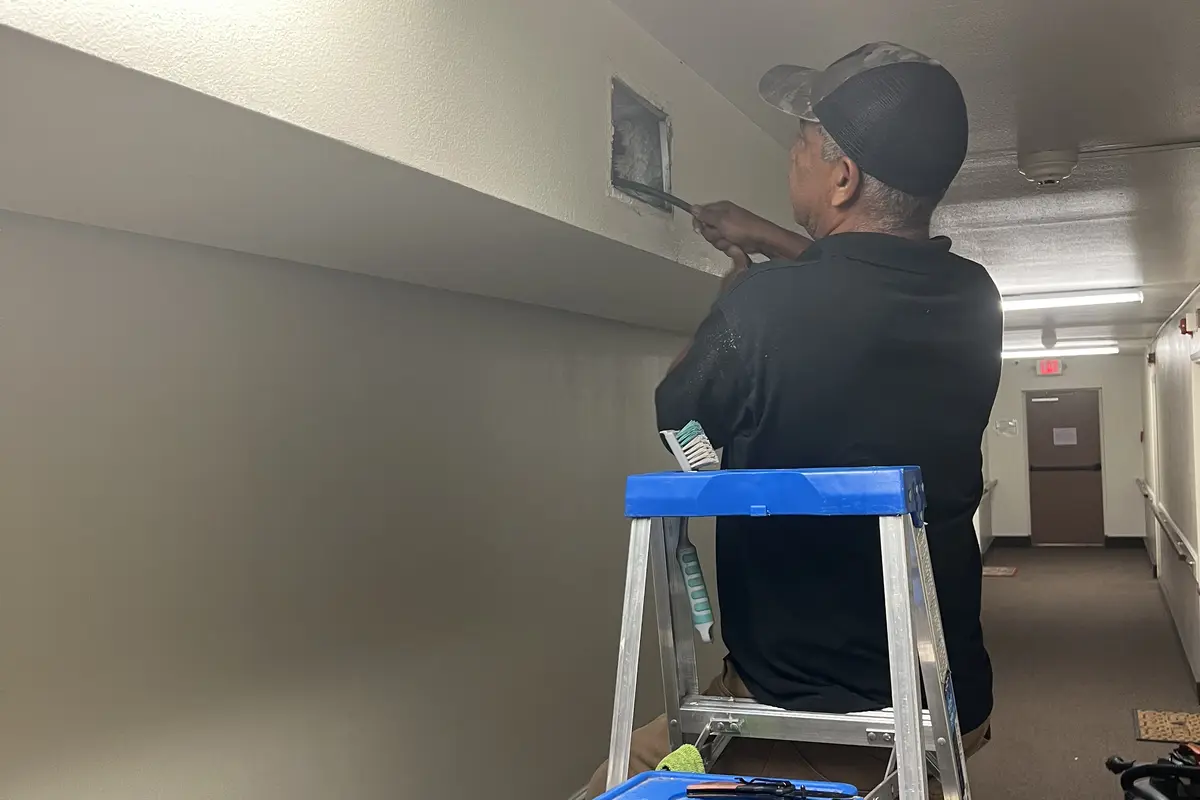
What it is: dark discoloration on the ceiling or wall immediately surrounding your supply registers. The pattern typically appears as a shadow or stain extending 1-4 inches outward from the vent edges.
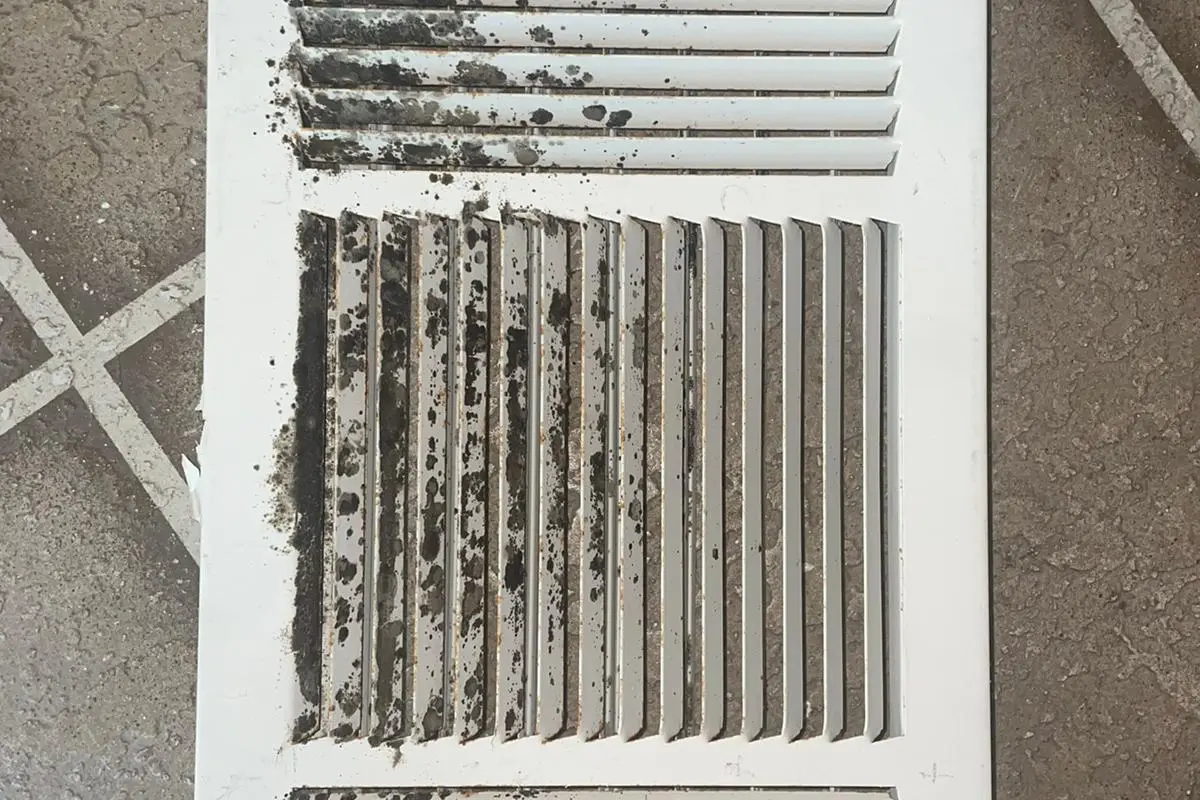
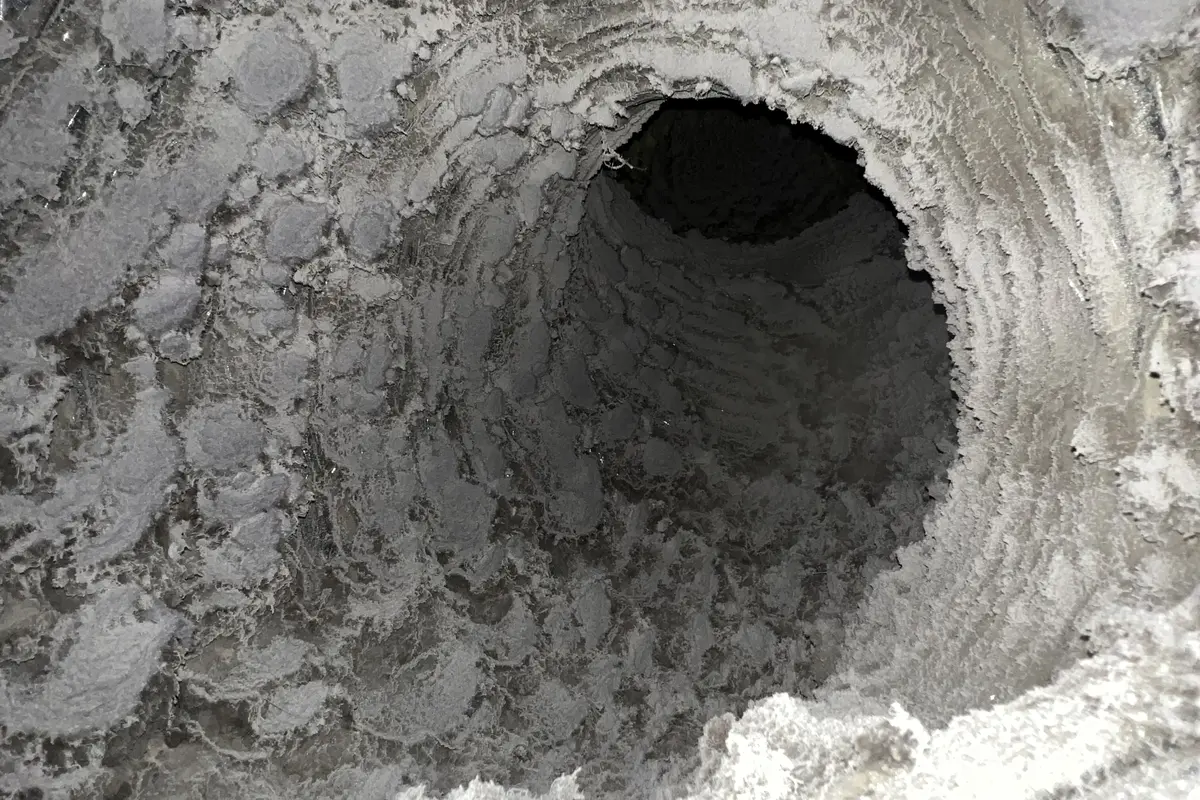
How to confirm: remove the vent cover and look at the back side. If you see dark spots, fuzzy growth, or discoloration on the metal or plastic, that is direct evidence of mold on the register itself. Shine a flashlight into the duct opening and look for dark patches on the duct walls as far as you can see (usually 2-3 feet).
What it means: the dark spots around the vent are caused by mold spores and debris being deposited as air passes through the register. The concentration of discoloration directly around the vent (rather than spread across the ceiling) indicates the contamination source is inside the duct. This is different from general dust patterns, which create a lighter, more uniform gray shadow.
Sign 3: Allergies That Worsen Indoors
What it is: allergy symptoms (sneezing, itchy eyes, runny nose, throat irritation) that are worse inside your home than outside, or that improve noticeably when you leave the house for several hours.
How to confirm: track your symptoms for one week. Note whether symptoms are worse in the morning (after sleeping with the HVAC running all night), better after being away from home for 4+ hours, and whether they return within 1-2 hours of coming back inside. If this pattern holds, the allergen source is indoor and your HVAC system is the most likely distribution mechanism.
What it means: mold spores are a major indoor allergen. When mold colonizes your ductwork, every HVAC cycle blows spores into your living space. Unlike outdoor allergens that you can escape by going inside, duct-borne mold creates the opposite pattern - your symptoms are worse indoors. Austin residents with cedar allergies sometimes attribute year-round symptoms to cedar or oak pollen when the actual source is mold growing inside ducts on accumulated pollen deposits.
Sign 4: Persistent Nasal Congestion and Sign 5: Recurring Headaches
Persistent congestion: a stuffy or blocked nose that does not respond to decongestants and persists for weeks or months without a cold or sinus infection diagnosis. The congestion is often worse in the morning and improves when you spend time outdoors.
Recurring headaches: headaches that occur primarily at home, often described as a dull pressure or sinus-type pain. They may develop after being home for several hours and reduce after leaving. These are not migraines - they are a consistent, low-grade pressure headache pattern.
What they mean together: chronic exposure to mold spores triggers inflammatory responses in the nasal passages and sinuses. The immune system treats mold proteins as threats, causing tissue swelling (congestion) and sinus pressure (headaches). Many Austin residents visit their doctor multiple times for these symptoms before anyone considers the HVAC system as the source.
How to confirm: spend 2-3 nights somewhere else (a hotel or relative's home) and note whether symptoms improve. If congestion clears and headaches stop after 48 hours away from home, the cause is almost certainly something in your home environment. Schedule a duct inspection to identify or rule out duct contamination.
Sign 6: Visible Growth on Vent Covers
What it is: fuzzy, spotted, or discolored growth on the surface of your vent covers, particularly on the side facing into the duct. Colors range from black and dark green to white or gray, depending on the mold species.
How to confirm: remove the vent cover and inspect both sides. Surface condensation on metal registers is normal in humid climates, but fuzzy growth or dark spotting is not. Clean the cover with diluted vinegar and reinstall. If growth returns within 1-2 weeks, the source is inside the duct system - the vent cover is being re-contaminated by mold spores from the ductwork.
What it means: mold on vent covers is the most visible and definitive sign. However, it also means contamination has progressed to the point where spore concentrations in the duct air are high enough to colonize surfaces at the vent opening. The ductwork upstream of this vent almost certainly has more extensive growth. This sign alone warrants a professional inspection.
Sign 7: Increased Asthma Attacks and Sign 8: Respiratory Infections
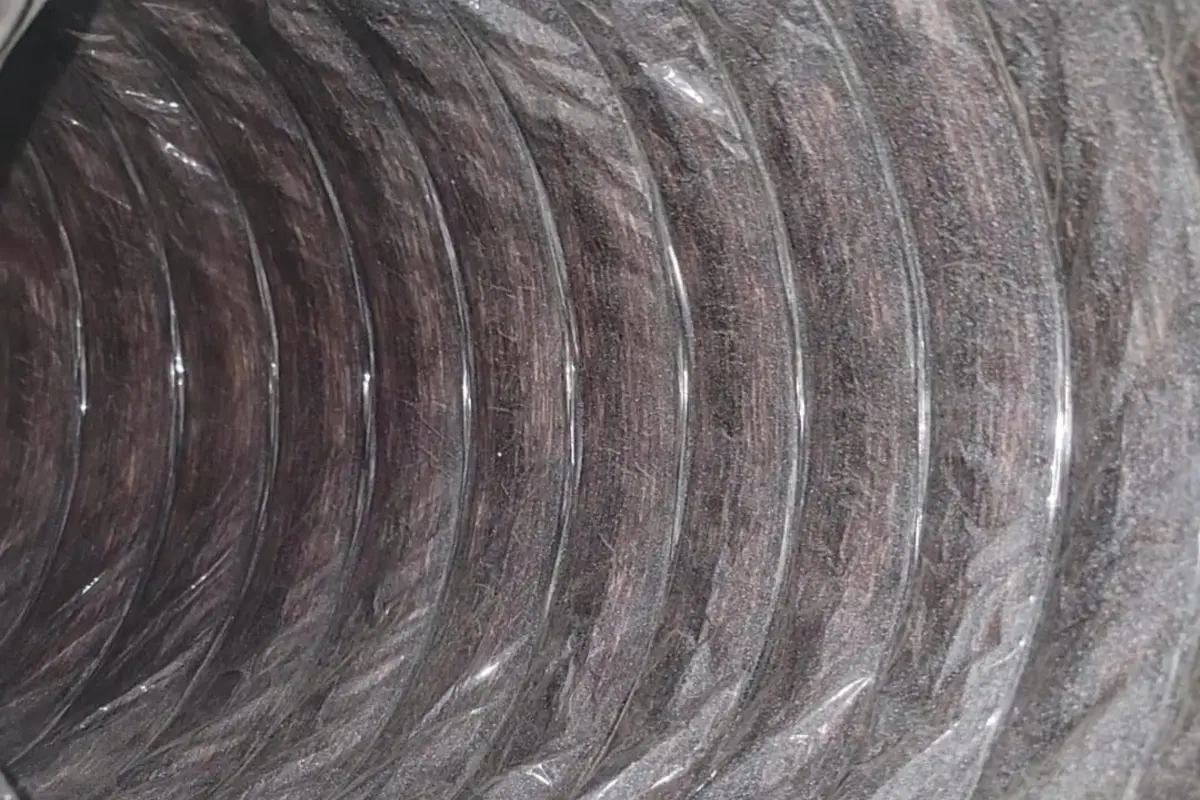
Increased asthma attacks: asthma episodes that increase in frequency or severity indoors, particularly when the HVAC system is running. Attacks may occur more at night (when the system runs continuously to maintain sleep temperature) or immediately after the system kicks on.
Frequent respiratory infections: recurrent bronchitis, sinus infections, or upper respiratory infections that occur more than 2-3 times per year. Family members with existing respiratory conditions are affected first and most severely, but even healthy individuals can develop respiratory irritation from chronic mold exposure.
What these mean: mold spore exposure is a well-documented trigger for asthma attacks. The Asthma and Allergy Foundation of America identifies mold as one of the primary indoor asthma triggers. Chronic exposure to elevated spore counts also suppresses the local immune response in the respiratory tract, making infections more likely and slower to resolve.
If anyone in your household has experienced an increase in asthma attacks or respiratory infections that correlate with time spent at home, the HVAC system should be inspected. This is especially urgent for children, whose developing respiratory systems are more vulnerable to chronic mold exposure.
Concerned About Your Home's Air?
We provide professional air quality assessments for Austin homes. See what is in your ducts before deciding.
Call (512) 601-4451Rate your home's indoor air quality in 2 minutes
What to Do If You Recognize These Signs
Do not attempt to clean mold inside the ductwork yourself. Disturbing mold releases spores into the air and can worsen exposure. Do not turn off the HVAC system for extended periods in Austin's climate - the resulting temperature and humidity spike can actually accelerate mold growth.
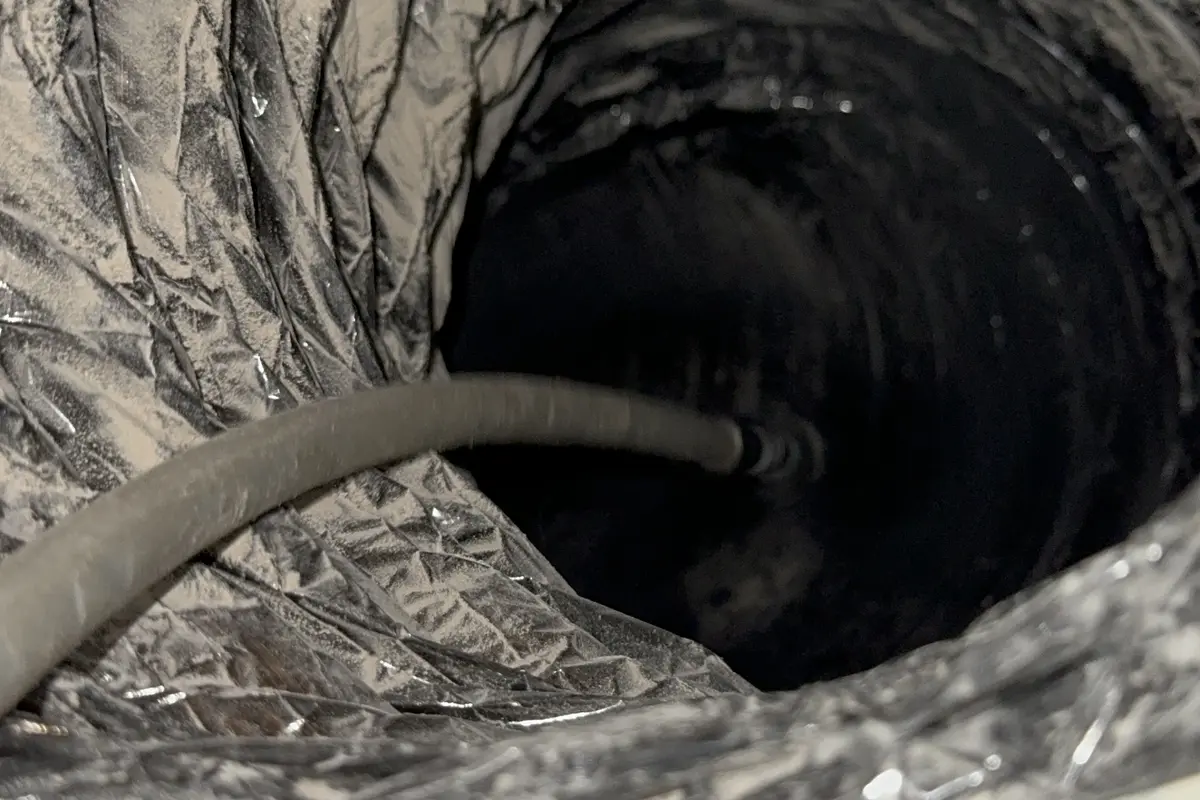
The right first step is a professional HD camera inspection. A technician inserts a camera into your ductwork and shows you exactly what is inside - on screen, in real time. If mold is present, you see it. If the ducts are clean, you see that too and can rule out the duct system as the cause of your symptoms.
Air Central performs HD camera inspections of Austin homes' ductwork and provides a clear assessment of what we find. If cleaning is needed, we use HEPA-filtered negative-pressure equipment that removes contamination without releasing spores into your home. Call (512) 601-4451 to schedule your inspection.
How Serious Is Mold in Air Ducts?
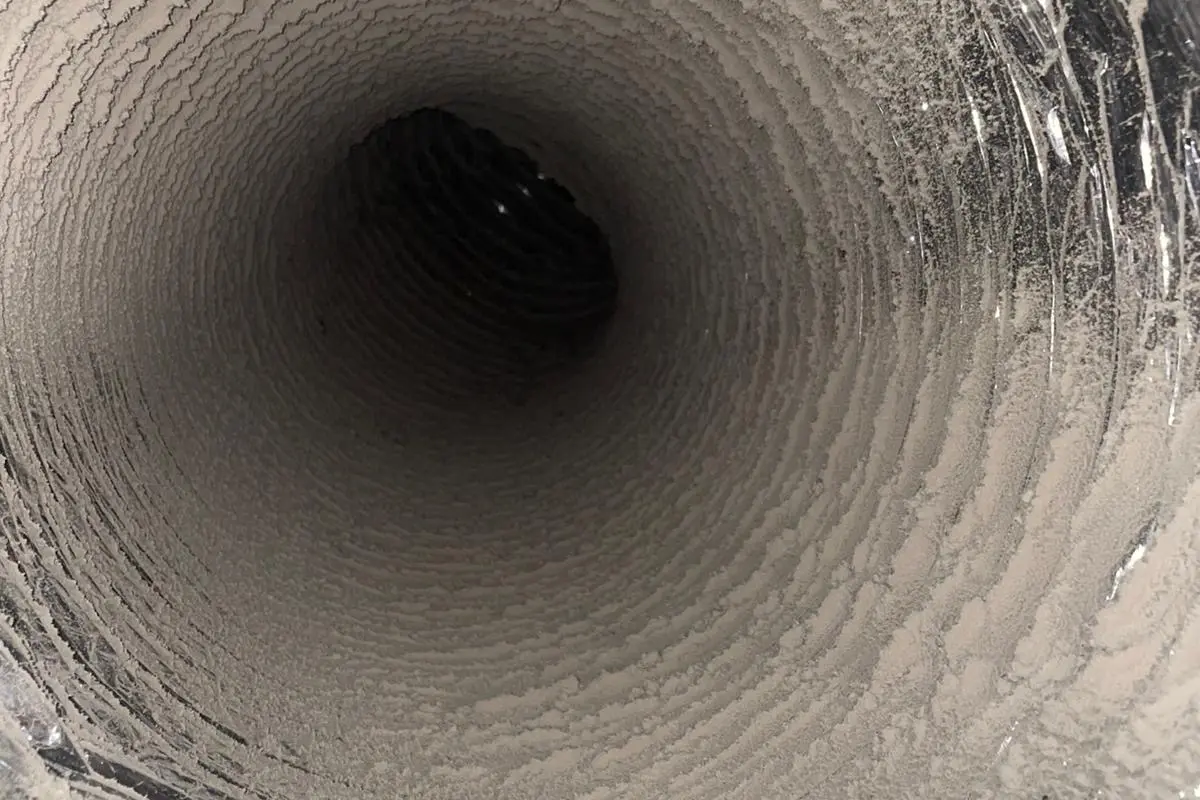
Mold in air ducts is a serious health concern because your HVAC system distributes spores to every room in the house with every cycle. Unlike mold on a bathroom wall that stays localized, duct mold becomes airborne and gets inhaled by everyone in the household - including children, the elderly, and anyone with respiratory conditions. The EPA states that mold exposure can cause allergic reactions, asthma attacks, and respiratory infections, and the CDC identifies immunocompromised individuals as being at risk for serious fungal infections from sustained exposure.
The severity depends on three factors: the mold species present, the extent of contamination, and the health status of the people breathing the air. Common species like Cladosporium and Penicillium cause allergy symptoms and respiratory irritation in most people. More concerning species like Aspergillus can cause aspergillosis (a lung infection) in immunocompromised individuals. Stachybotrys chartarum (toxic black mold) produces mycotoxins linked to severe neurological and respiratory illness, though it requires sustained water intrusion and is less common in typical ductwork.
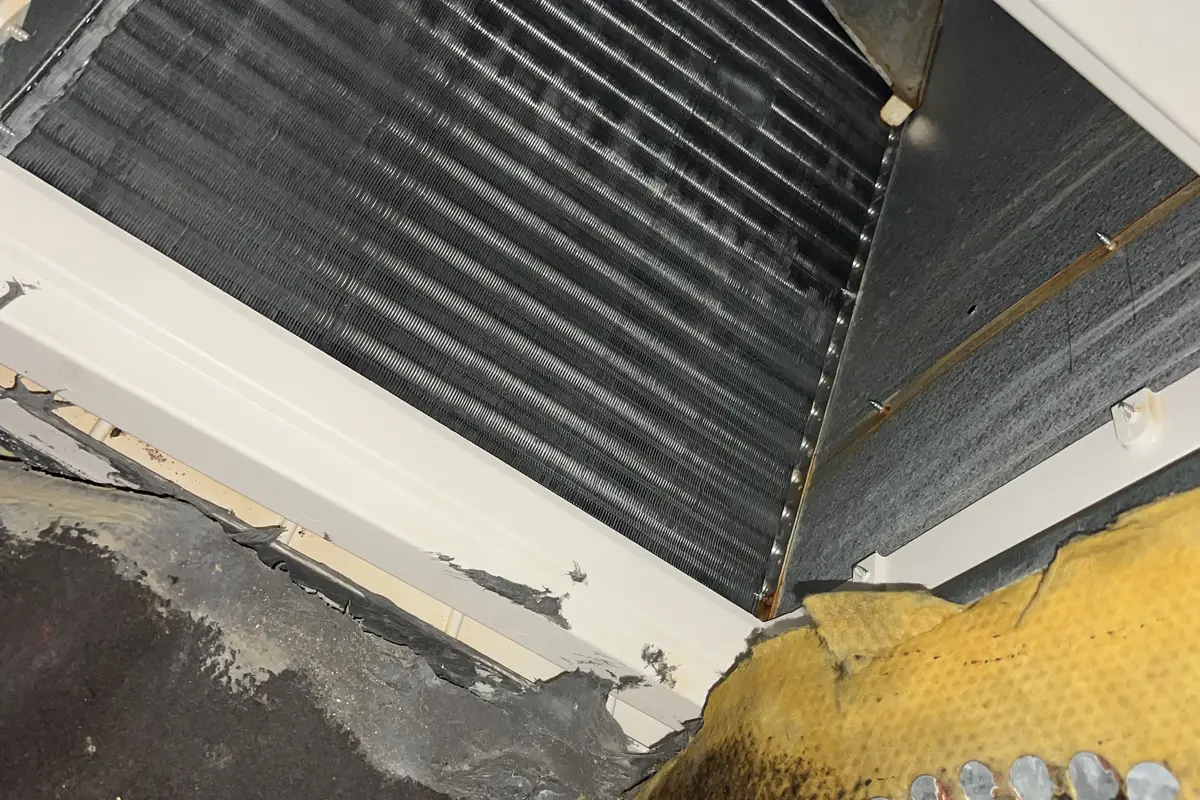
In Austin, mold in ductwork is more common and progresses faster than in drier climates. The city averages 67% relative humidity year-round, and morning humidity regularly exceeds 80% from April through October. Mold begins growing at 60% relative humidity and thrives above 70%, which means Austin's natural outdoor humidity exceeds the mold growth threshold for 8-9 months of the year. Inside your ductwork, where condensation from the evaporator coil adds additional moisture and dust provides organic food, conditions are even more favorable for mold colonization.
Sign 9: Unexplained Fatigue and Brain Fog
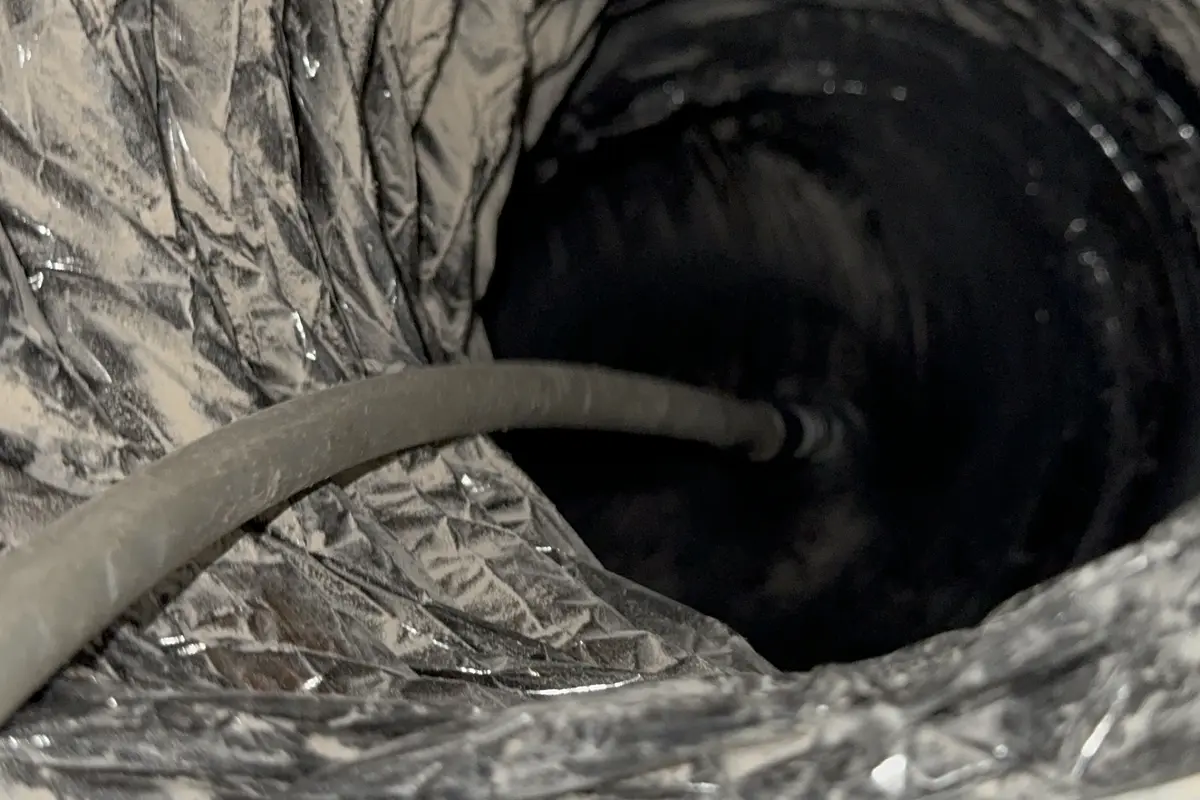
Chronic exposure to mold spores circulating through your HVAC system can cause persistent fatigue that does not improve with adequate sleep. The mechanism is twofold: mold-triggered nasal congestion forces mouth breathing during sleep, which reduces oxygen saturation and fragments sleep architecture. Additionally, the immune system expends continuous energy fighting the inflammatory response to inhaled mold antigens, leaving less energy for daily function.
Brain fog - difficulty concentrating, memory lapses, and a general sense of mental sluggishness - accompanies the fatigue in many cases. Research published in the journal Environmental Health Perspectives has linked indoor mold exposure to cognitive impairment. If you notice that your mental clarity improves noticeably when you spend time away from home (at work, on vacation, or at a friend's house), the air quality in your home environment warrants investigation.
Sign 10: Skin Rashes or Irritation
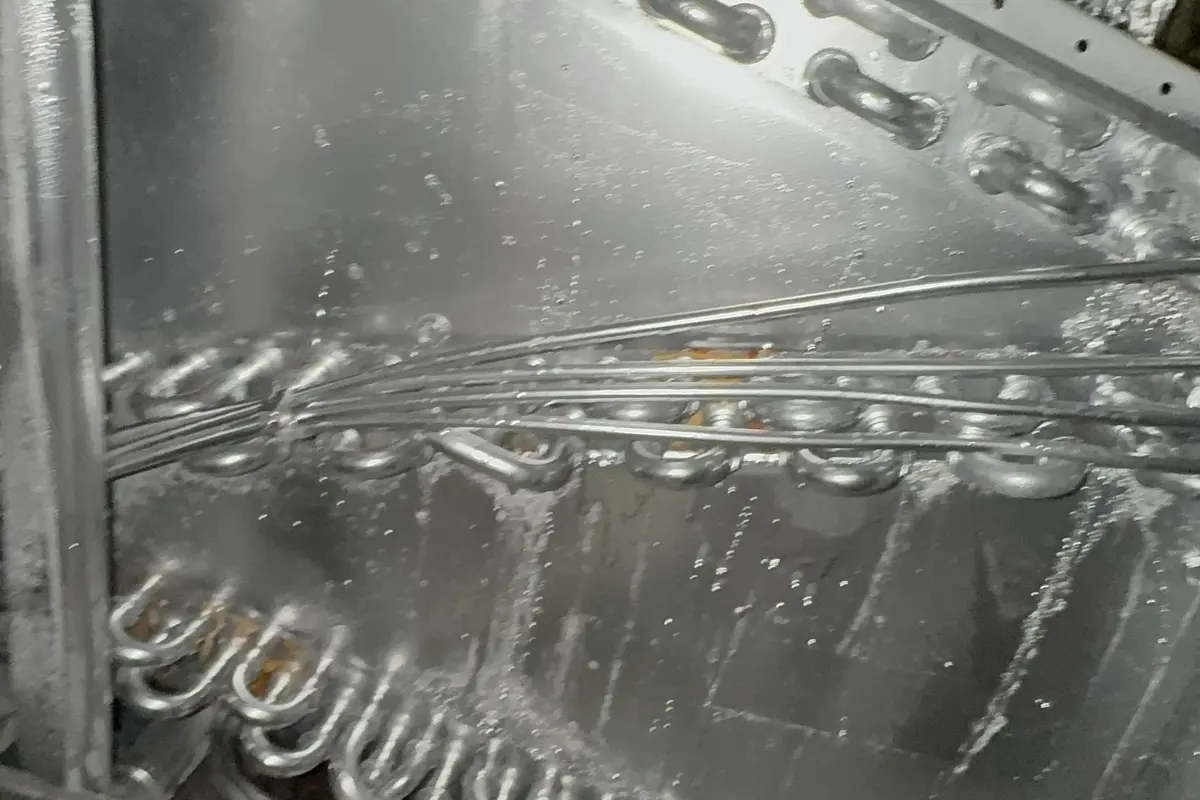
Mold spores are a known skin irritant, and prolonged exposure from contaminated ductwork can cause unexplained rashes, hives, or itchy skin - particularly on exposed areas like the face, neck, and arms. The reaction is an allergic dermatitis triggered by mold proteins contacting the skin or being absorbed through respiratory tissue. This symptom is less common than respiratory effects but significant when it appears alongside other signs from this checklist.
The rashes tend to worsen in rooms with supply vents directly overhead or near the bed, where concentrated spore delivery meets prolonged skin exposure. If you have developed skin irritation that does not respond to typical dermatological treatments and correlates with time spent at home, especially in rooms with active HVAC vents, mold in the duct system should be considered. A dermatologist can test for mold sensitivity, and an HD camera inspection of your ductwork confirms or rules out the source.
Austin Humidity and Mold Risk: The Local Data
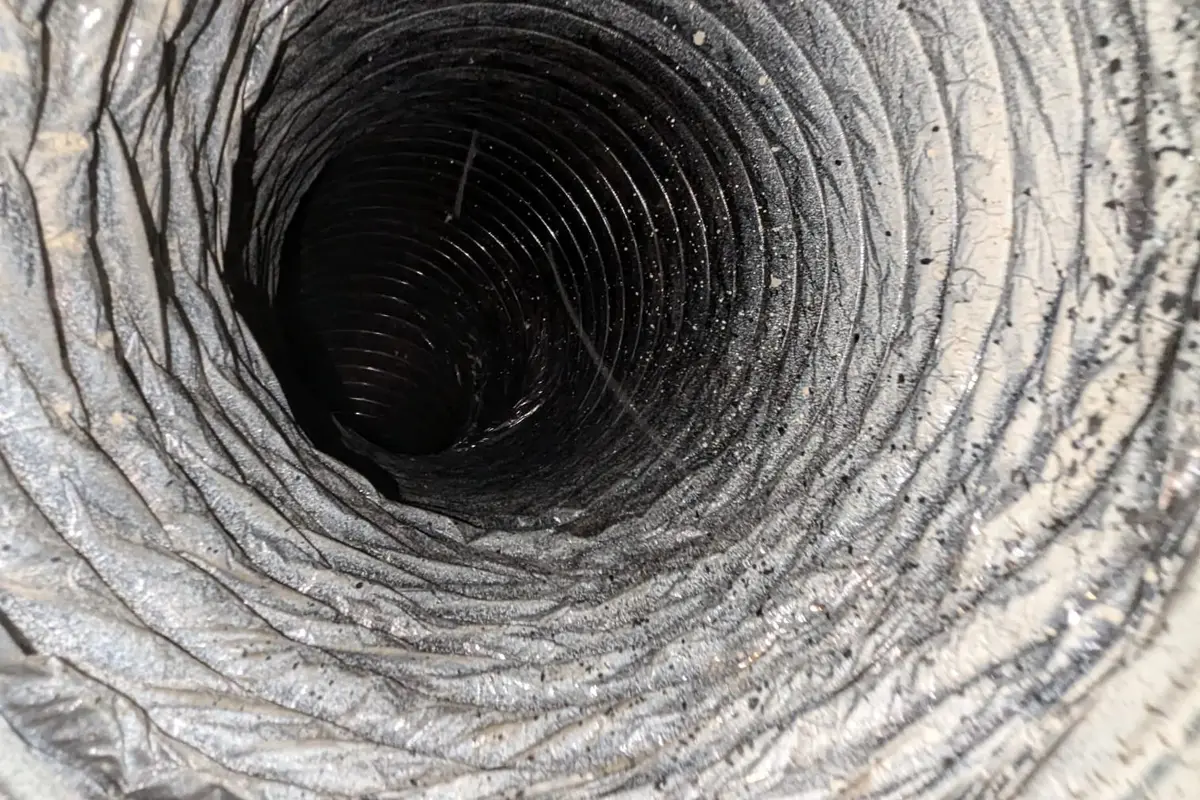
Austin's humidity creates a mold-friendly environment that most homeowners underestimate. The city's average annual relative humidity is 67%, with morning readings consistently above 80% from May through October. The dew point averages 60-70 degrees F during these months, meaning the air holds substantial moisture that condenses on cooler surfaces - including the interior walls of your ductwork and the evaporator coil.
Neighborhoods near water features and heavy tree canopy experience elevated local humidity. Homes along Barton Creek, near Lake Travis, in the Zilker and Barton Hills areas, and in Bee Cave and Lakeway sit in microclimates where humidity stays above 75% for extended periods. Pier-and-beam foundation homes in older neighborhoods like Hyde Park, Travis Heights, and Bouldin Creek absorb ground moisture that adds to indoor humidity levels. In these areas, HVAC systems work harder to dehumidify, and the evaporator coil produces more condensation - creating wetter conditions inside the ductwork that accelerate mold colonization.
The combination of Austin's year-round HVAC usage (10-11 months), persistent humidity, and heavy pollen loads (which provide organic food for mold) means Austin homes face a higher baseline mold risk than homes in drier climates like Phoenix, Denver, or even Dallas. Proactive maintenance - annual coil cleaning, quarterly condensate drain flushing, and duct inspection every 2-3 years - is the most effective defense against mold establishing in your HVAC system.
Do You Need Mold Remediation or Duct Cleaning?
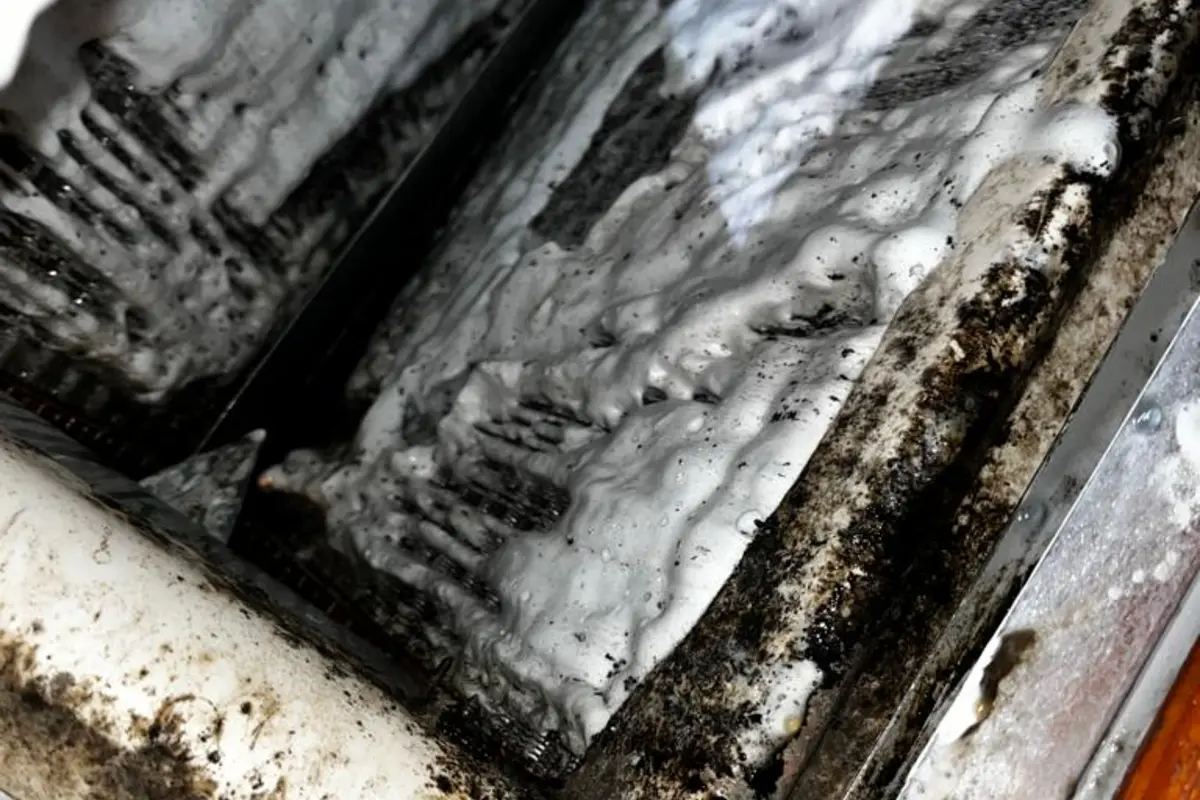
Many Austin homeowners who recognize these symptoms immediately search for mold remediation and removal services. Understanding the scope of what you need prevents both overpaying for services you do not require and under-treating a problem that needs more than duct cleaning. If the mold is confined to your HVAC ductwork, evaporator coil, and drain pan, professional duct cleaning is the appropriate response - it physically removes the contamination and leaves your air system clean. That is what Air Central does.
If the mold has penetrated structural components - wall cavities around duct penetrations, attic framing near the air handler, subfloor materials near condensate leaks - you need certified mold remediation specialists who perform full mold abatement. Mold mitigation companies certified by the IICRC handle structural contamination using containment barriers, commercial air scrubbers, and proper disposal protocols that go beyond what duct cleaning accomplishes. In cases involving significant water damage or black mold (Stachybotrys), mold remediation companies near me is the right search.
The most thorough approach combines both: a mold remediation specialist addresses any structural mold damage, then Air Central professionally cleans the HVAC duct system before it returns to service. Running a contaminated HVAC system through a freshly remediated space re-seeds the building with spores from inside the ducts. Get both sides addressed together. Air Central regularly coordinates with Austin-area mold remediation specialists to ensure the duct system is clean when structural work is complete.
Related Services
Learn more about our professional services related to this topic:
- Air Duct Cleaning - Remove dust, allergens, and debris from your entire HVAC system for cleaner indoor air.
- Air Duct Inspection - Diagnose leaks, blockages, and efficiency issues with HD camera inspection.
- UV Lighting System - Eliminate bacteria and allergens inside your HVAC with UV-C light technology.
Want the full picture?
Read our complete guide: Indoor Air Quality in Austin: The Complete Guide (2026) →Have questions about indoor air quality? Our team is available 7 days a week. Call us at (512) 601-4451 or visit our contact page.