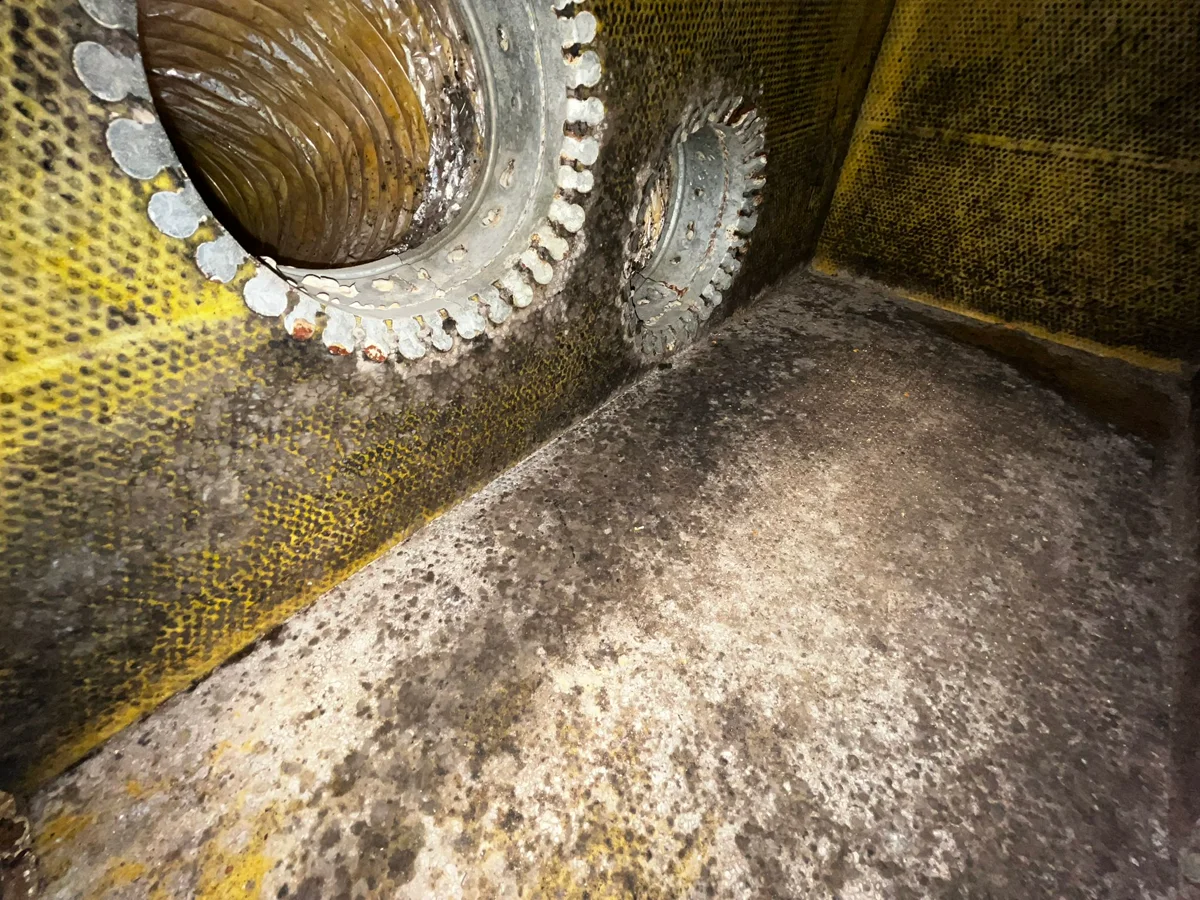
Mold grows in air ducts when three conditions align: moisture (Austin averages 67% humidity), organic material (dust and debris in ductwork), and darkness. Prevention centers on humidity control below 60%, regular duct cleaning, UV-C light installation, and proper AC maintenance. If you see or smell mold, call (512) 601-4451 for an HD camera inspection before it spreads.
How Mold Grows Inside Your Ductwork
Mold needs three things to colonize your air ducts: moisture, a food source, and a dark environment. Your HVAC ductwork provides all three. The evaporator coil generates condensation every time it cools air. If that moisture does not drain properly, or if humidity inside the ducts stays above 60%, mold spores that enter through your return vents find ideal growing conditions on the dust, skin cells, and organic debris coating the duct walls.
In Austin specifically, the ambient humidity averages 67% year-round and exceeds 80% on many summer mornings. Your AC system dehumidifies indoor air as part of the cooling process, but if the system is undersized, the coil is dirty, or the condensate drain is clogged, excess moisture stays in the duct system. Mold can begin colonizing within 24-48 hours of sustained moisture exposure.
"Austin's humidity makes mold prevention a year-round concern, not just a summer issue," says Nessi Ziv, owner of Air Central. "About 1 in 5 duct inspections we do reveals some level of biological growth. The homes near creeks and greenbelts - Barton Hills, Zilker, Shoal Creek - are the worst because the local humidity is even higher than the city average."
The most common locations for mold growth in a residential HVAC system are: the evaporator coil and drain pan, the plenum (the large box connecting your AC to the duct trunk), supply ducts closest to the air handler, and any section of ductwork with a past or present condensation problem. Flexible duct runs in unconditioned attic spaces are particularly vulnerable because the temperature differential between the cold air inside and the hot attic outside creates condensation on the duct exterior that can migrate inward through micro-tears.
Why Austin Homes Are Especially Vulnerable
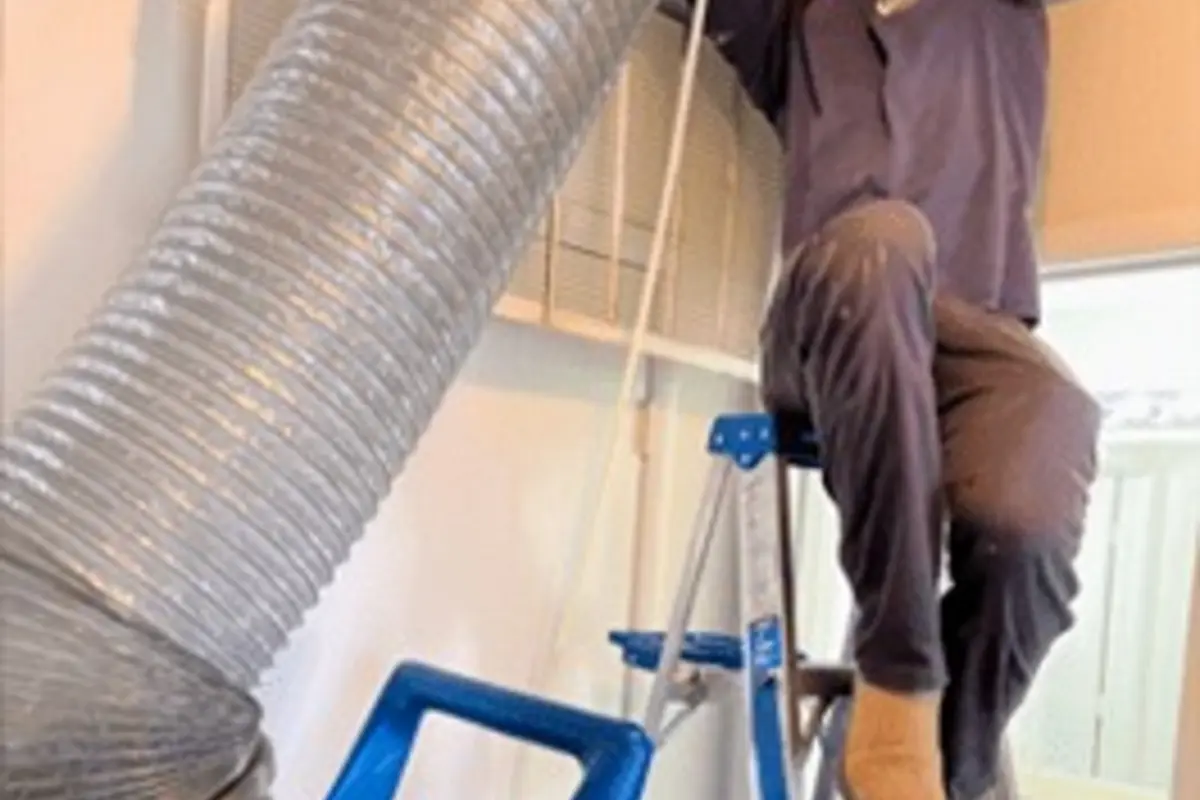
Austin sits in a subtropical humid climate zone with average dew points of 60-70 degrees F from April through October. This means outdoor air carries substantial moisture that enters your home every time a door opens, through building envelope gaps, and through the HVAC fresh air intake. Unlike dry-climate cities like Phoenix or Denver, Austin homes fight a constant battle against indoor humidity even with the AC running.
The city's long cooling season compounds the problem. Austin AC systems typically run 8-10 months per year, creating near-continuous condensation on evaporator coils. A coil that runs 12 hours per day for 250 days generates thousands of gallons of condensate annually. All that moisture passes through or near your ductwork. If maintenance lapses - a dirty coil that drains slowly, a partially clogged condensate line, or a cracked drain pan - the excess moisture feeds mold growth.
Cedar pollen season adds organic material. From December through March, microscopic cedar pollen particles enter the HVAC system and coat duct surfaces. This organic material, combined with the moisture from the AC system, creates a nutrient-rich environment for mold and fungi. Homes near greenbelt areas, Barton Creek, Lake Austin, and the heavily wooded neighborhoods of West Austin and Westlake see the highest organic loading in their duct systems.
Warning Signs of Mold in Your HVAC System
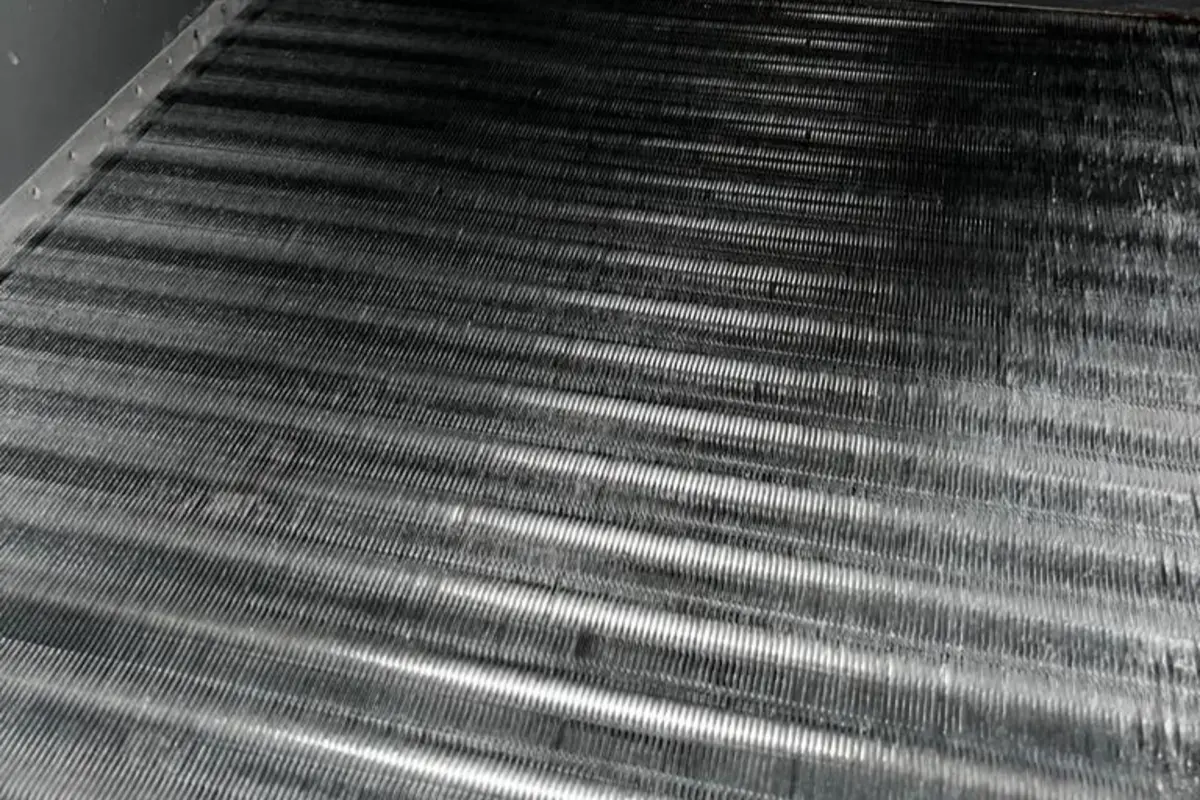
Musty or earthy smell when the HVAC system runs. This is the most common early warning sign. The smell may be faint at first and stronger near certain vents. If the odor appears only when the system runs and disappears when it shuts off, the source is almost certainly inside the ductwork or air handler, not in the living space.
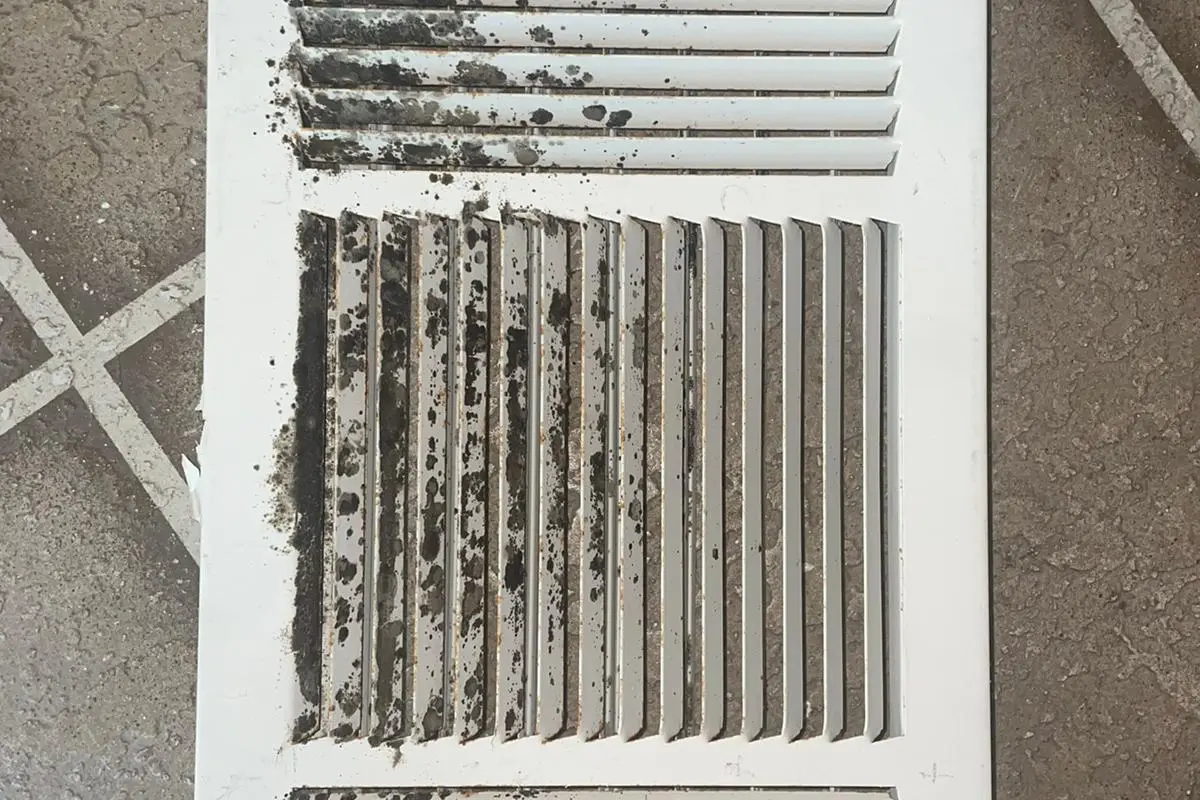
Visible dark spots around vent registers. Check the area immediately around your supply vents - if you see dark discoloration on the ceiling or wall near the vent opening, or dark spots on the vent grille itself, mold may be growing just inside the duct opening where conditioned air meets warmer room air and creates a condensation zone.
Unexplained allergy or respiratory symptoms that worsen indoors. If household members develop persistent congestion, sneezing, eye irritation, or coughing that improves when they leave the house and returns when they come home, airborne mold spores from the HVAC system are a likely cause. This pattern is especially telling if symptoms worsen when the HVAC system is actively running.
Condensation visible on duct surfaces or around the air handler. Any visible moisture on the outside of ducts, dripping from the air handler cabinet, or pooling in the drain pan is a red flag. Moisture means mold growth is either happening or imminent.
Health Risks of Mold in Ductwork
When mold colonizes your ductwork, every time the HVAC system runs it distributes mold spores throughout your entire home. The EPA identifies mold exposure as a trigger for allergic reactions (sneezing, runny nose, red eyes, skin rash), asthma attacks, and respiratory infections in sensitive individuals. The CDC notes that exposure to damp and moldy environments may cause upper respiratory tract symptoms, cough, and wheeze in otherwise healthy people.
Certain populations face elevated risk: children whose lungs are still developing, elderly adults with reduced immune function, people with existing asthma or allergies, and immunocompromised individuals. For these groups, mold exposure from contaminated ductwork can cause symptoms ranging from chronic sinus infections to serious respiratory illness. The World Health Organization guidelines on indoor air quality specifically identify damp and mold as significant indoor health hazards.
The species of mold matters. Most common duct molds (Cladosporium, Aspergillus, Penicillium) cause allergic reactions but are not typically dangerous to healthy adults. Stachybotrys chartarum (black mold) is less common in ductwork but produces mycotoxins that can cause more serious symptoms. Only laboratory testing can definitively identify mold species - visual inspection alone cannot determine whether mold is a common allergenic species or a toxigenic one.
Prevention: How to Keep Mold Out of Your Ducts
Control humidity. Keep indoor relative humidity below 60% (ideally 30-50%). In Austin, this means your AC system must be properly sized and maintained. An undersized system runs constantly but cannot dehumidify effectively. A properly sized system cycles on and off, with each cycle removing moisture. Consider a whole-home dehumidifier if your AC alone cannot maintain target humidity during Austin's humid months.
Maintain your AC system. Change filters every 30-60 days during heavy use. Have the evaporator coil cleaned annually - a dirty coil traps moisture and provides a food source for mold. Ensure the condensate drain line is clear (pour a cup of vinegar through it quarterly). Inspect the drain pan for cracks or standing water. These maintenance steps remove the moisture conditions mold needs to grow.
Schedule regular duct cleaning. Professional duct cleaning removes the accumulated dust and organic debris that serves as mold's food source. Without this organic material, even if moisture is present, mold cannot establish colonies easily. The NADCA recommends cleaning as needed based on inspection, or every 3-5 years as a general guideline.
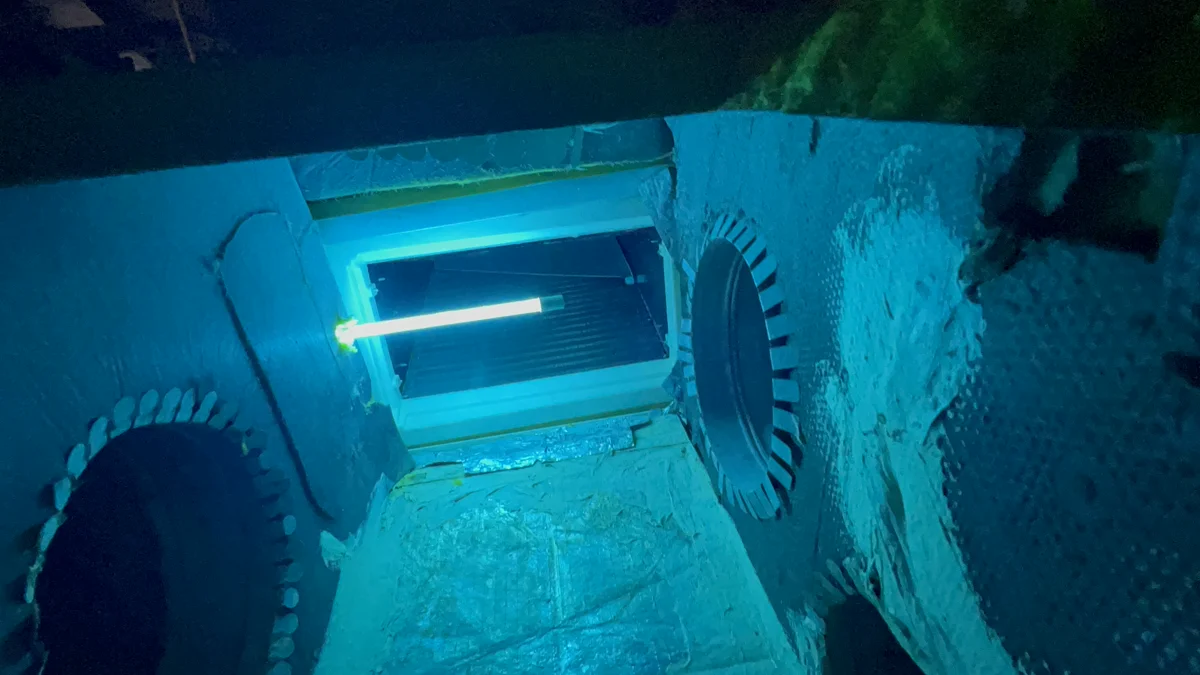
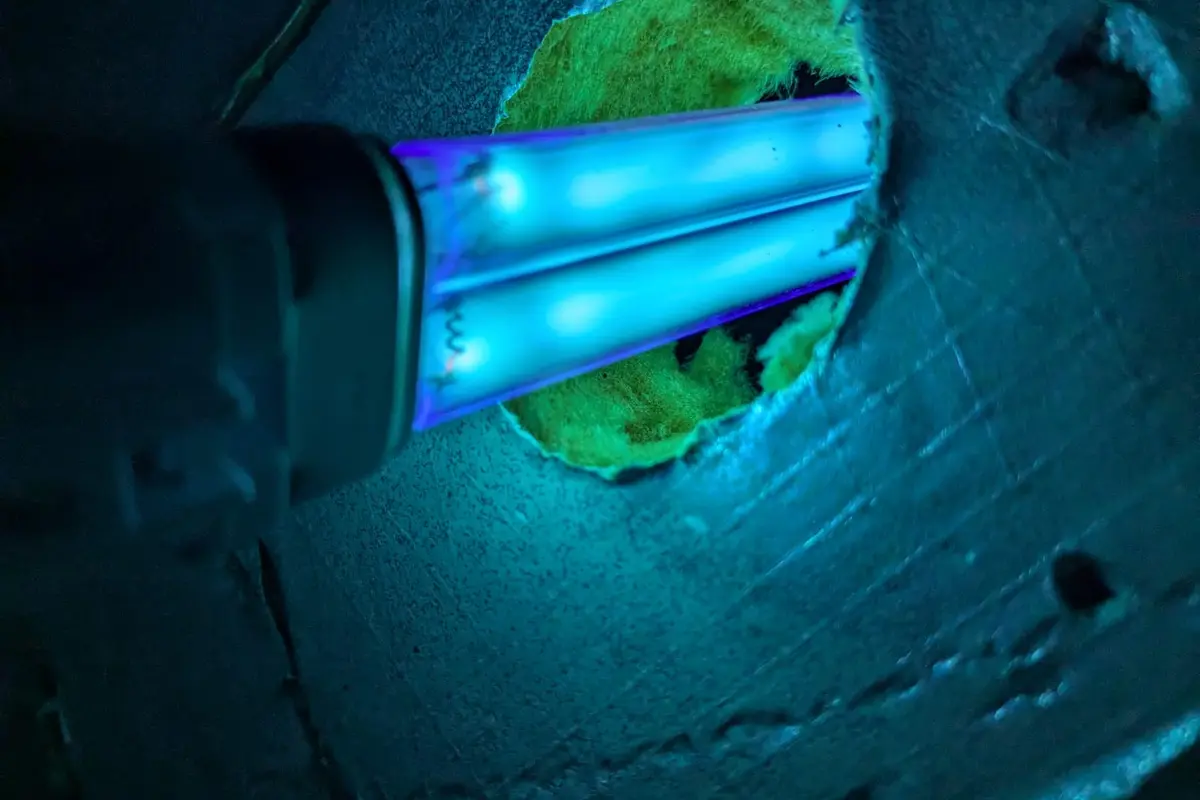
Consider UV-C light installation. A UV-C germicidal light installed in the air handler near the evaporator coil continuously kills mold spores, bacteria, and other biological contaminants as air passes through. UV-C lights are the most effective ongoing prevention tool because they work 24/7 without chemicals or filters. Air Central installs UV-C systems as part of our indoor air quality services.
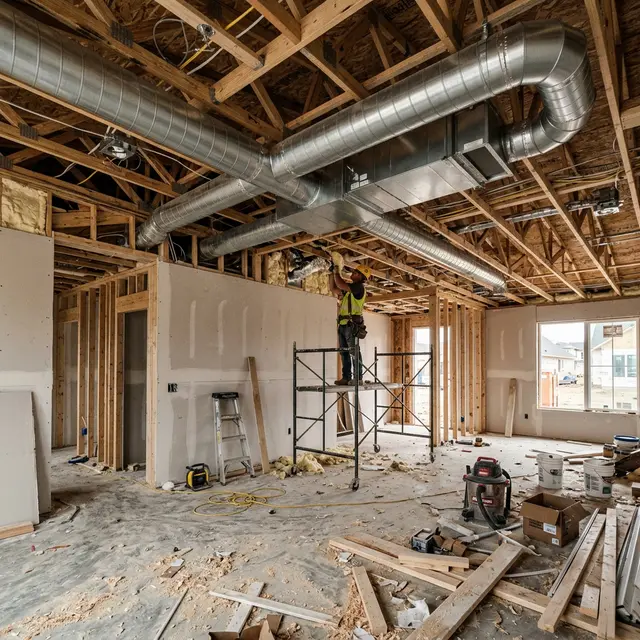
Seal and insulate ductwork. In Austin attics, uninsulated or poorly sealed ducts develop condensation from the temperature differential. This condensation feeds mold on both the duct exterior and interior. Proper duct insulation (R-6 minimum for attic runs) and mastic sealing at all joints prevents condensation-driven mold growth.
Concerned About Your Home's Air?
We provide professional air quality assessments for Austin homes. See what is in your ducts before deciding.
Call (512) 601-4451Rate your home's indoor air quality in 2 minutes
Can You Spray to Kill Mold in Air Ducts?
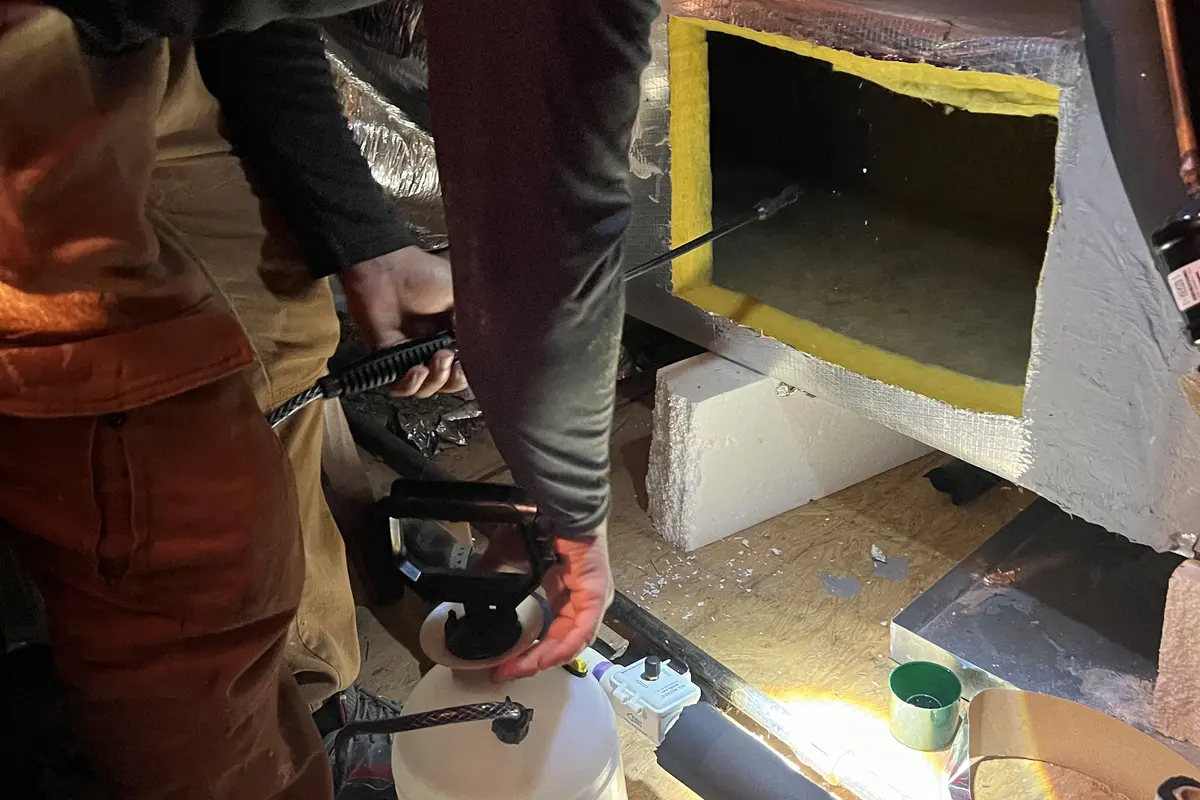
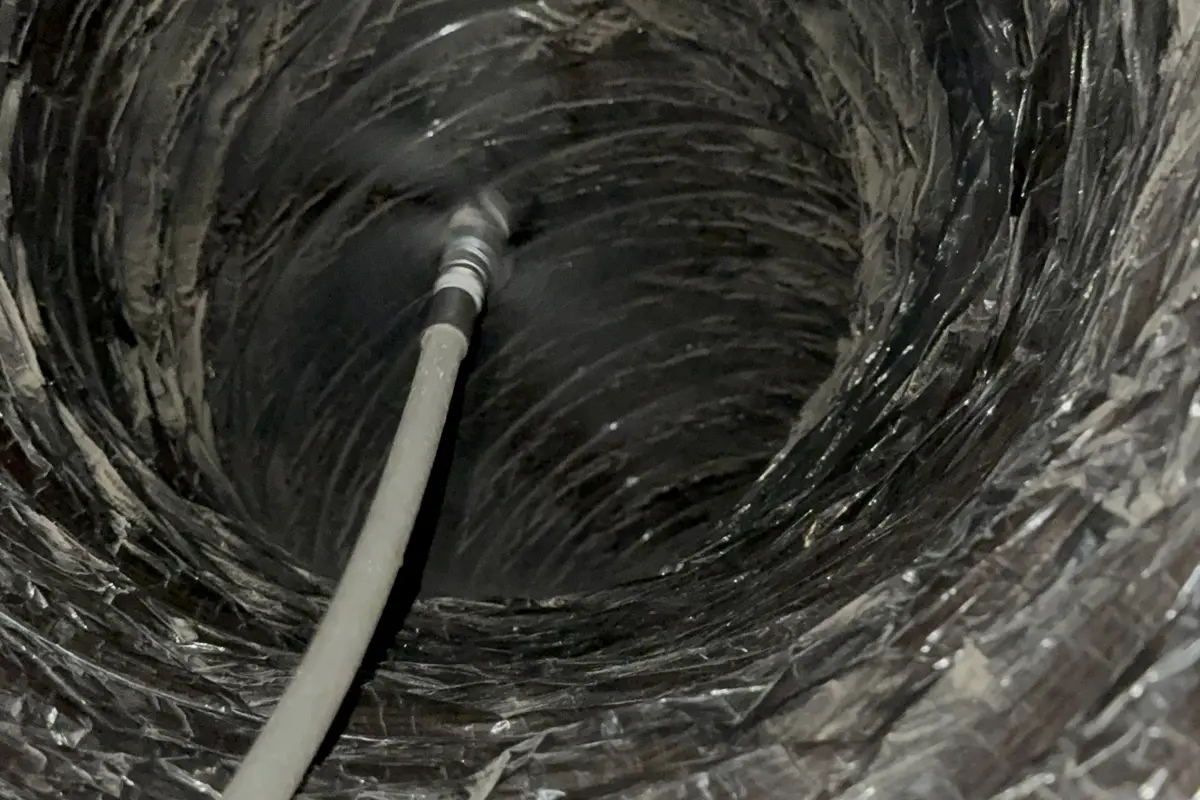
No - spraying alone does not solve mold in air ducts. Chemical foggers, antimicrobial sprays, and DIY mold-killing products are marketed aggressively online and in hardware stores, but they only address surface growth. They cannot reach the root cause, which is moisture combined with the organic debris coating your duct walls. Spraying a chemical into a duct that still has the same moisture problem and the same layer of dust and debris is like painting over a water stain without fixing the leak. The mold comes back within weeks.
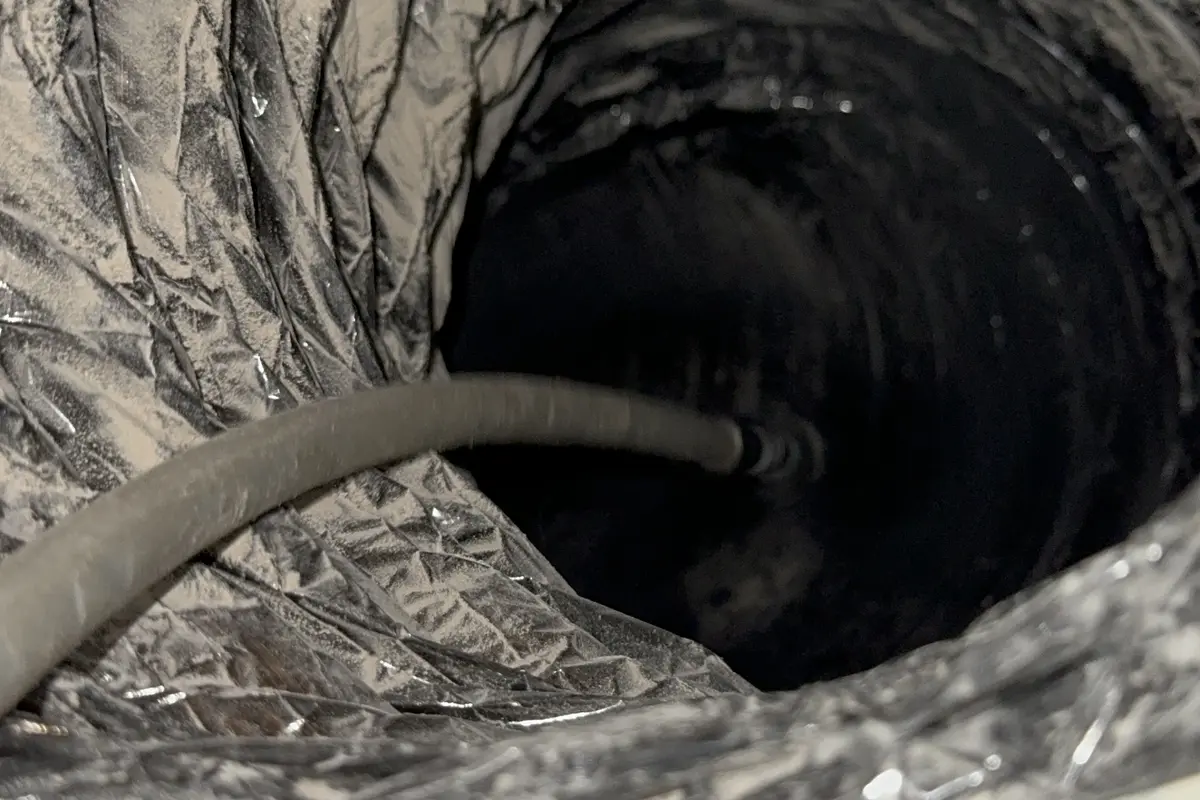
Some duct cleaning companies upsell $300 or more in chemical fog treatments that are unnecessary when proper cleaning is done. The physics are straightforward: mold grows on the layer of accumulated dust, skin cells, pollen, and organic material inside your ducts. Physical removal of that layer with commercial HEPA vacuum equipment eliminates both the visible mold and the food source it needs to regrow. Air Central's approach is mechanical removal first - rotary brushes and negative-pressure HEPA equipment that physically strip the contaminated layer from duct surfaces. No amount of spraying can replicate what mechanical cleaning achieves.
There is one legitimate use for antimicrobial products in ductwork: an EPA-registered antimicrobial coating applied after thorough cleaning as a preventive measure. Applied to clean surfaces, it creates a hostile environment for future colonization. But this is a finishing step after professional cleaning - never a substitute for it. If a company shows up and proposes to fog your ducts without first doing a full mechanical cleaning, they are selling you a shortcut that will not last. The mold is a symptom. The moisture source and the organic debris are the disease.
Indoor Air Quality Testing for Mold: When You Need It
You need professional mold testing if any of these situations apply: visible growth in or around vent registers, a musty smell that persists even after cleaning surfaces, household members experiencing unexplained respiratory symptoms that improve when they leave the house, your home suffered water damage and drying took longer than 48 hours, or you are buying or selling a home and want documentation of indoor air quality. In each case, testing provides objective data rather than guesswork about what you are dealing with.
Testing options range from basic to comprehensive. Air sampling ($200-$500 for 3-5 samples taken from different rooms plus an outdoor baseline) identifies the types and concentrations of airborne mold spores. Surface swab testing ($100-$300) determines the specific species growing on a visible colony. Bulk material testing analyzes a physical sample of contaminated material to assess how deeply growth has penetrated. Most testing companies in the Austin area offer combination packages that include air sampling plus surface testing for a more complete picture.
In Austin, the most common indoor mold species are Cladosporium, Aspergillus, and Penicillium. These are allergenic molds that trigger respiratory symptoms in sensitive individuals but are not typically dangerous to healthy adults. Stachybotrys chartarum - commonly called black mold - is less common but shows up in homes with chronic moisture problems, especially after flooding or long-term plumbing leaks in neighborhoods like Barton Hills, Zilker, and East Riverside near waterways. Only laboratory testing can confirm the species. Air Central identifies visible mold during our HD camera inspections of ductwork and recommends professional testing when the situation warrants species identification or when contamination appears extensive enough to require remediation beyond standard duct cleaning.
When You Need Professional Help
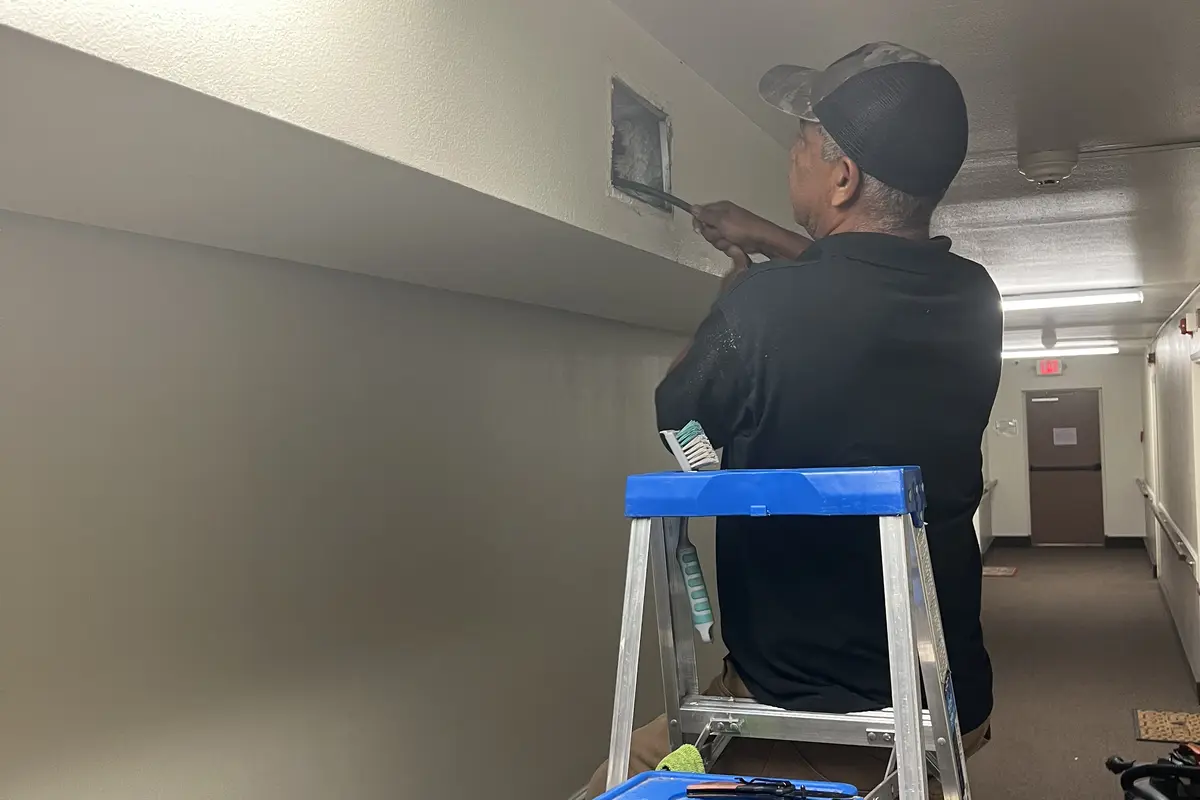
If you suspect mold in your ductwork, the first step is a professional inspection. Air Central uses HD camera systems to visually inspect the interior of your entire duct system, including the plenum, trunk lines, and branch runs. This inspection shows you exactly what is happening inside your ducts without destructive testing.
For minor surface contamination (light mold on duct surfaces without structural penetration), professional duct cleaning with HEPA filtration equipment removes the mold and its food source. Combined with UV-C light installation and humidity control, this approach prevents recurrence for most homes.
For extensive mold growth - visible colonies covering large areas of ductwork, mold that has penetrated porous duct insulation, or mold associated with significant water damage - you may need a certified mold remediation specialist in addition to duct cleaning. Air Central will tell you honestly whether the situation is within our scope or whether you need a remediation company. We coordinate with local remediation professionals and can clean the ductwork after remediation is complete.
Mold doubles its colony size every 24-48 hours under favorable conditions, so this is one situation where waiting until next month costs real money. If you smell something musty when the AC kicks on, see dark discoloration around vent registers, or notice respiratory symptoms that disappear when you leave the house, do not Google it for another week - call (512) 601-4451 now. Our HD camera inspection shows you what is growing inside your ducts in real time, and we will be straight with you about whether it is something we can handle with a cleaning or whether you need a remediation specialist.
Related Services
Learn more about our professional services related to this topic:
- Air Duct Cleaning - Remove dust, allergens, and debris from your entire HVAC system for cleaner indoor air.
- Air Duct Inspection - Diagnose leaks, blockages, and efficiency issues with HD camera inspection.
- UV Lighting System - Eliminate bacteria and allergens inside your HVAC with UV-C light technology.
Want the full picture?
Read our complete guide: Indoor Air Quality in Austin: The Complete Guide (2026) →Have questions about indoor air quality? Our team is available 7 days a week. Call us at (512) 601-4451 or visit our contact page.