For most Austin homes, MERV 11 is the sweet spot - it captures 85%+ of pollen, dust mites, and pet dander without restricting airflow on standard HVAC systems. MERV 13+ may require system modifications.
MERV Ratings Explained
MERV (Minimum Efficiency Reporting Value) rates filters on a scale of 1-20 based on particle capture efficiency. Higher is not always better - overly restrictive filters reduce airflow, strain your blower motor, and can cause your evaporator coil to freeze. The right filter balances filtration with airflow for your specific system.
The MERV scale was developed by ASHRAE (American Society of Heating, Refrigerating and Air-Conditioning Engineers) and measures how effectively a filter captures particles across three size ranges: 0.3-1.0 microns, 1.0-3.0 microns, and 3.0-10.0 microns. Each MERV level requires minimum capture percentages across these ranges. For reference, cedar pollen particles are 20-30 microns (caught by nearly any filter), but the allergenic fragments that break off are 2-5 microns (only caught by MERV 8 and above).
Rating Breakdown
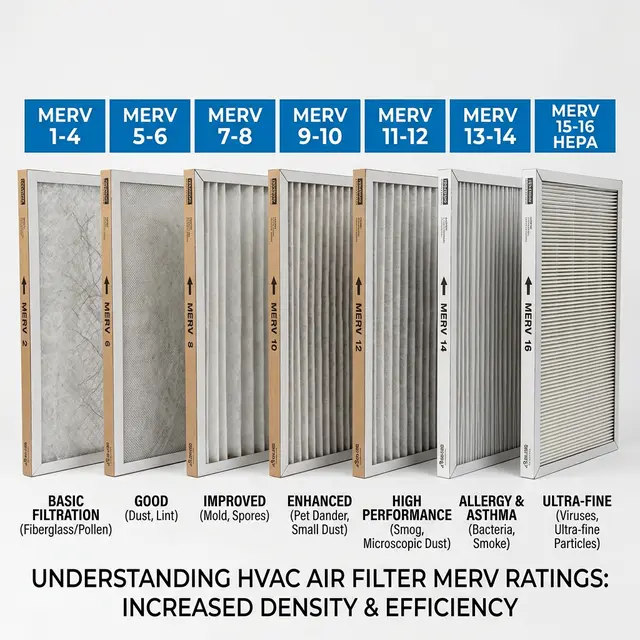
MERV 1-4: basic fiberglass filters, captures less than 20% of particles. These are the flat, blue or white filters that cost $1-$3 at hardware stores. They exist solely to protect the HVAC equipment from large debris like lint and carpet fibers. They do nothing for your air quality and will not catch pollen, pet dander, or dust mite allergens. If you are using one of these in Austin, you are breathing everything your HVAC system blows through the ducts.
MERV 5-8: captures pollen, dust mites, and textile fibers. Adequate for homes without allergies or pets. Most builder-grade filters are MERV 8. A MERV 8 will catch larger pollen grains and some pet dander, but it misses fine particles in the 1-3 micron range where most allergenic material lives. For Austin homes during cedar season, MERV 8 is the bare minimum - it will catch whole pollen grains but miss the smaller fragments that trigger the worst symptoms.
MERV 9-12: captures fine dust, legionella, lead dust, and humidifier dust. MERV 11 is the recommended level for most Austin homes - it captures 85%+ of particles between 1.0-3.0 microns, which includes the majority of pollen fragments, pet dander, and dust mite waste. A quality MERV 11 pleated filter costs $10-$20 and fits standard 1-inch filter slots. This is the sweet spot where filtration is excellent and airflow restriction is still manageable for residential systems.
MERV 13-16: hospital-grade filtration, captures bacteria and tobacco smoke. A MERV 13 filter captures 90%+ of particles down to 0.3 microns. Outstanding for allergy and asthma sufferers. However, these filters create significantly more airflow resistance. On older systems or single-speed blower motors, a MERV 13 can reduce airflow enough to freeze the evaporator coil or cause the blower motor to overheat. Always have an HVAC technician confirm your system can handle this level before installing one.
MERV 17-20: HEPA-level, used in clean rooms and hospitals. Not designed for residential HVAC systems. These filters are so restrictive that they require dedicated blower systems designed specifically to push air through them. Forcing a HEPA filter into a standard residential system will destroy the blower motor and likely cause the coil to freeze. If you want HEPA-level filtration at home, standalone room air purifiers are the right approach.
System Compatibility
Your HVAC system was designed to handle a certain amount of airflow resistance (called static pressure). Every filter creates resistance - higher MERV means more resistance. The question is whether your system has enough static pressure capacity to handle the upgrade.
Most systems built after 2010 with variable-speed or multi-speed blower motors handle MERV 11 without any issues and can often handle MERV 13. Older single-speed systems and systems with undersized return ductwork may struggle with anything above MERV 8. Signs that your filter is too restrictive: the system runs longer than usual, rooms feel stuffy despite the AC running, ice forms on the refrigerant lines near the indoor unit, or the blower motor is noticeably louder.
If you want better filtration but your system cannot handle a higher MERV rating, consider a 4-inch media filter cabinet. These replace the standard 1-inch filter slot with a deeper housing that holds a filter with 4 times the surface area. A 4-inch MERV 11 creates less airflow resistance than a 1-inch MERV 11 because the air pressure is distributed across more filter material. Installation is a permanent upgrade to your system.
Concerned About Your Home's Air?
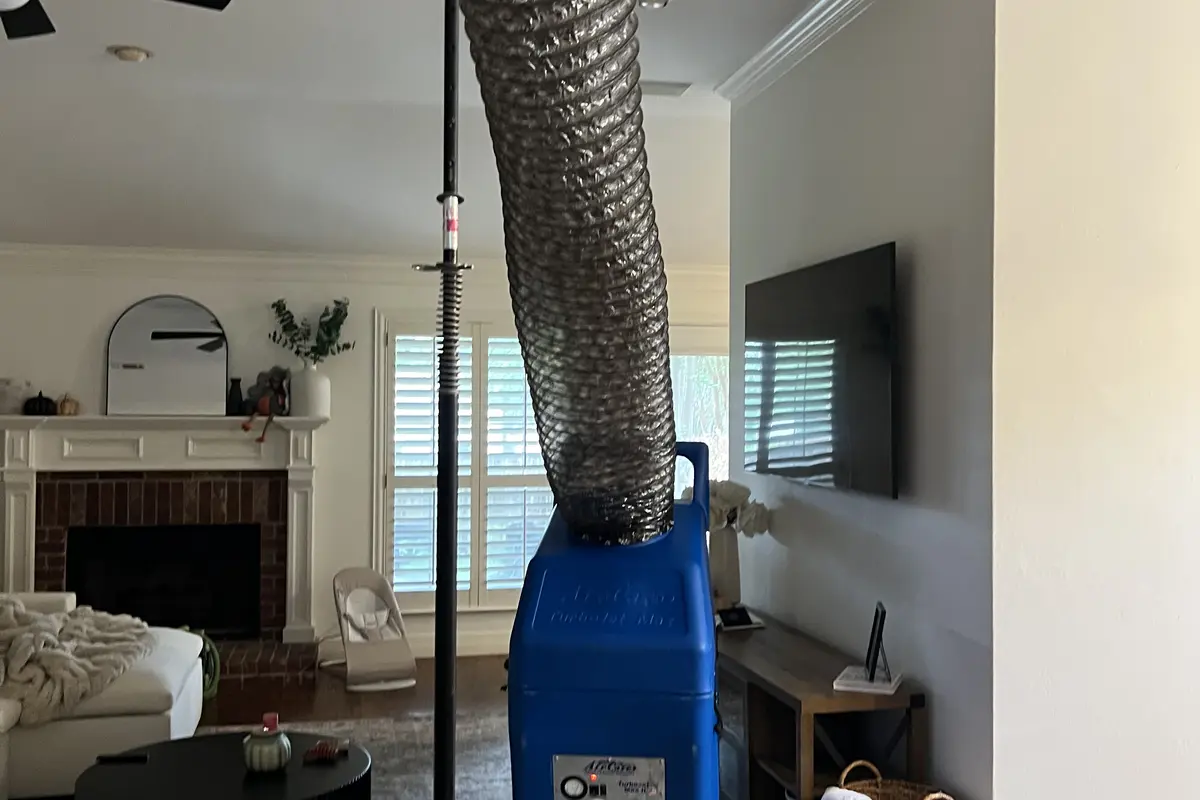
We provide professional air quality assessments for Austin homes. See what is in your ducts before deciding.
Call (512) 601-4451Rate your home's indoor air quality in 2 minutes
Austin-Specific Recommendations
Cedar pollen season (December-March): upgrade to MERV 11 minimum. This is when Austin's air quality drops dramatically and pollen counts regularly exceed 10,000 grains per cubic meter. If allergies are severe, consider a MERV 13 but have a technician verify your system can handle the restriction. Change filters monthly during peak pollen season instead of quarterly - a MERV 11 filter in January will be visibly coated with yellow-green pollen within 3-4 weeks.
Spring and fall allergy seasons (March-May and September-November): maintain MERV 11 with monthly checks. Oak pollen in spring and ragweed in fall keep allergen levels elevated. Summer months (June-August) are the lightest pollen period, but high humidity means your filter also catches moisture-related particles. You can typically stretch to 60-day changes during summer.
Year-round for pet owners: MERV 11 minimum, changed every 30 days. Pet hair and dander clog filters faster than any other household contaminant. If you have multiple pets or heavy-shedding breeds, inspect the filter every two weeks. A clogged filter is worse than a low-MERV filter because it restricts airflow completely while providing zero filtration once the media is saturated.
For homes near construction: MERV 11 changed every 30 days until construction is complete. Fine construction dust loads filters rapidly. If you are not sure which MERV rating your system can handle, or if you have been running a basic fiberglass filter and want to upgrade, call (512) 601-4451. We can tell you exactly what your air handler supports and recommend the filter that gives you the best filtration without choking your system's airflow.
Related Services
Learn more about our professional services related to this topic:
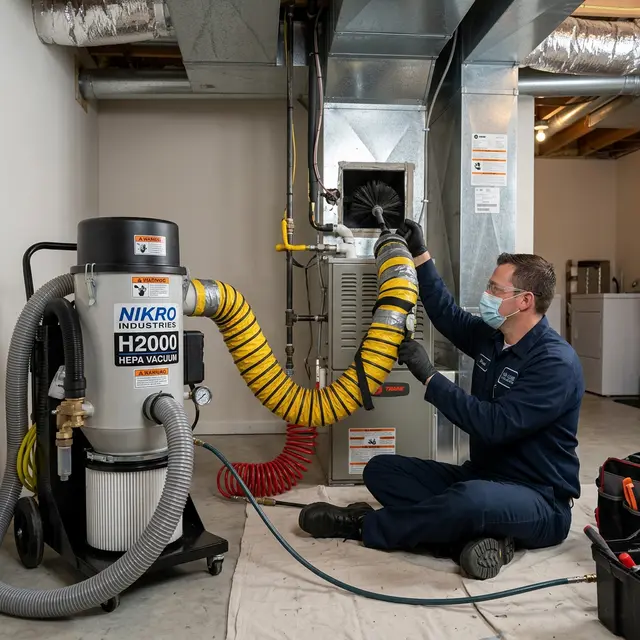
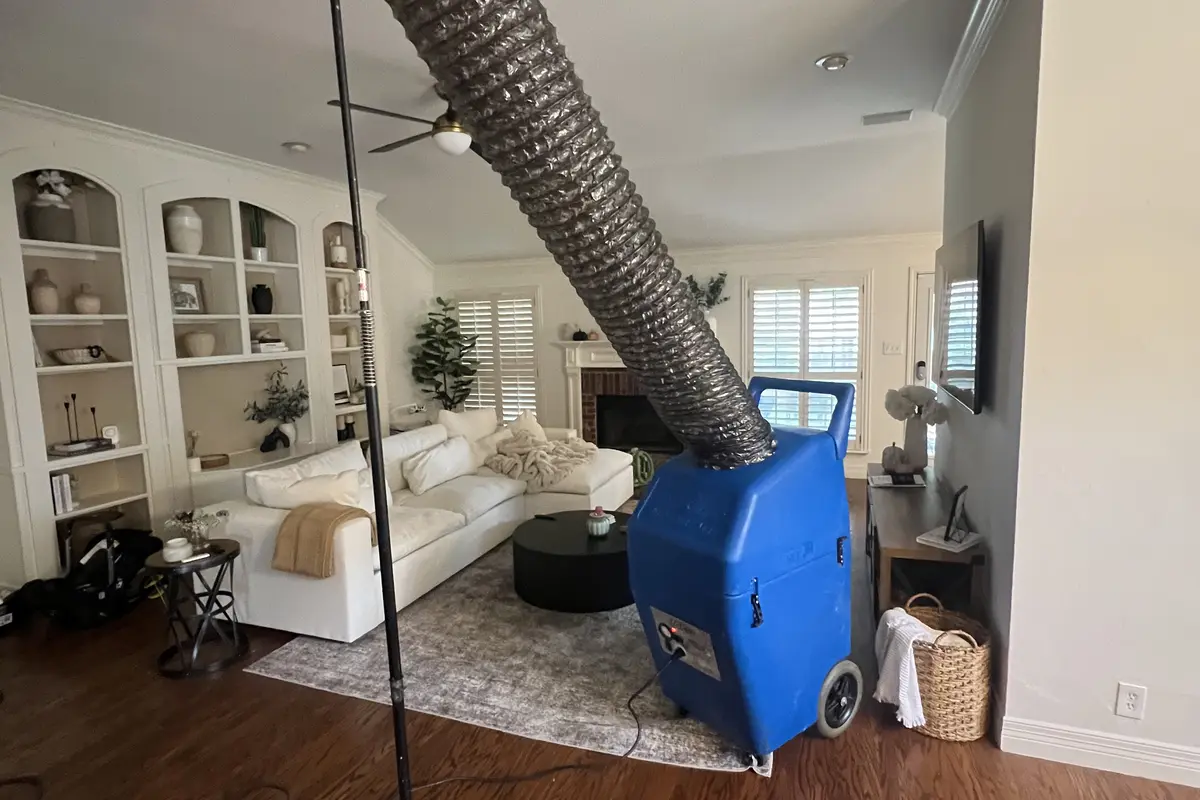
- Air Duct Cleaning - Remove dust, allergens, and debris from your entire HVAC system for cleaner indoor air.
- Air Duct Inspection - Diagnose leaks, blockages, and efficiency issues with HD camera inspection.
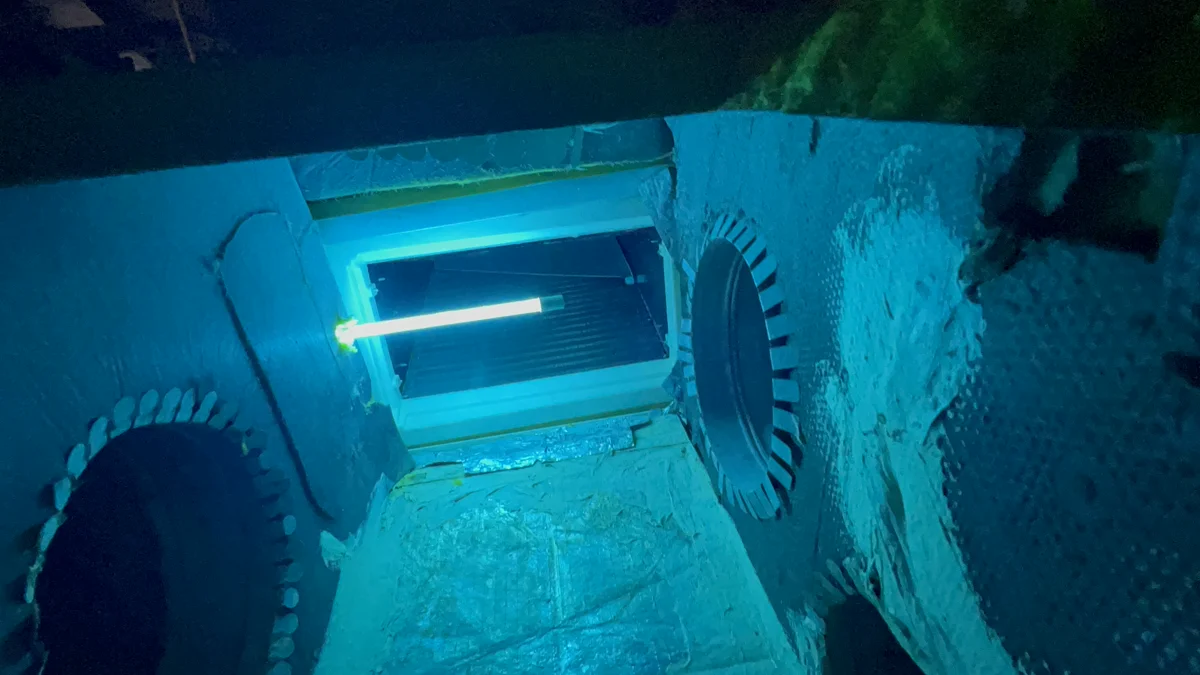
- UV Lighting System - Eliminate bacteria and allergens inside your HVAC with UV-C light technology.
Want the full picture?
Read our complete guide: Indoor Air Quality in Austin: The Complete Guide (2026) →Have questions about indoor air quality? Our team is available 7 days a week. Call us at (512) 601-4451 or visit our contact page.