Yes, mold in your HVAC system can be dangerous - particularly for children, elderly adults, people with asthma, and anyone with a weakened immune system. Common household mold species like Cladosporium and Penicillium cause allergy symptoms and respiratory irritation, while toxic species like Stachybotrys (black mold) produce mycotoxins linked to serious illness. If you suspect mold in your HVAC, call (512) 601-4451 for a professional HD camera inspection.
The Direct Answer: Yes, but the Risk Depends on the Type and Your Health
Mold in your HVAC system is dangerous because the system distributes spores to every room in your home every time it runs. Unlike mold on a bathroom wall that stays in one location, HVAC mold becomes airborne and gets inhaled by everyone in the household. The EPA identifies mold exposure as a known trigger for allergic reactions, asthma attacks, and respiratory infections.
The danger level depends on two factors: the mold species present and the health of the people breathing the air. For a healthy adult with no respiratory conditions, exposure to common mold species may cause mild symptoms like sneezing and nasal congestion. For vulnerable populations - children under 5, adults over 65, asthma sufferers, and immunocompromised individuals - the same exposure can cause severe reactions including chronic respiratory infections, bronchitis, and hypersensitivity pneumonitis.
Austin's climate creates ideal conditions for mold growth inside HVAC systems. The city averages 67% relative humidity, the evaporator coil generates condensation on every cooling cycle, and systems run nearly year-round. This means Austin homeowners face higher mold risk than those in drier climates.
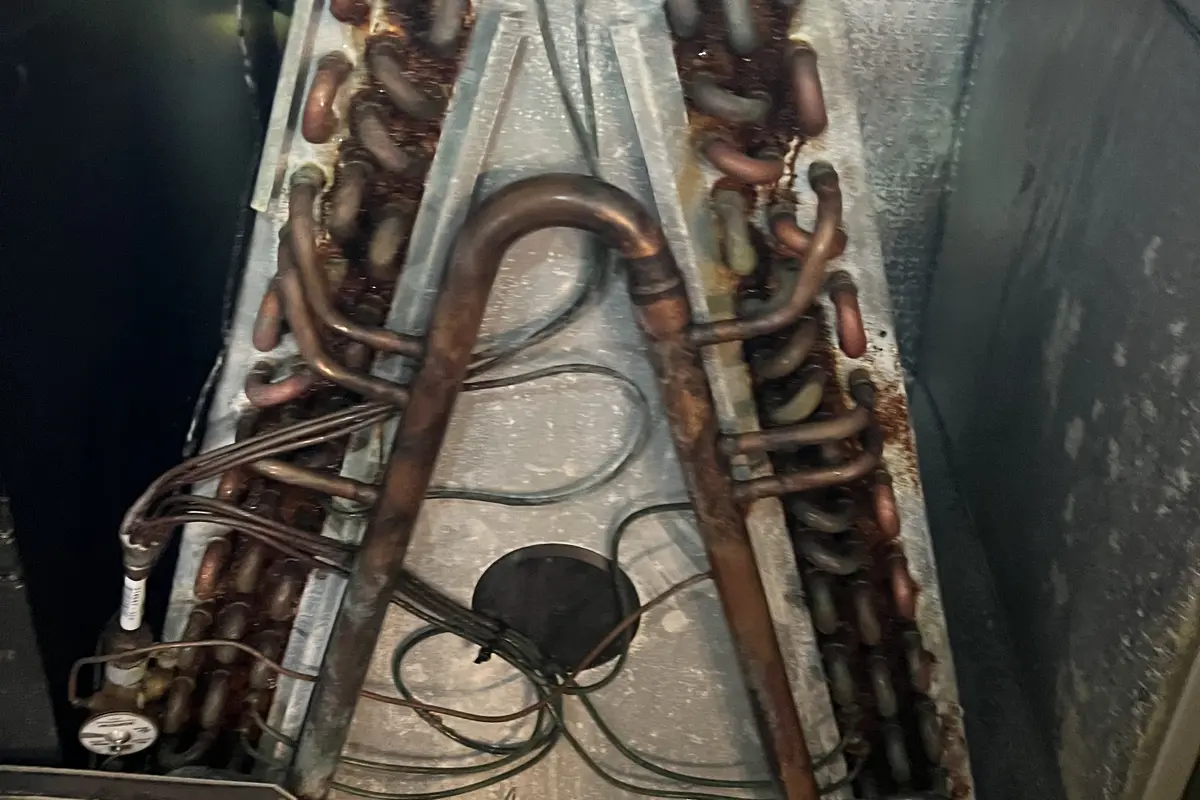
Common vs Toxic Mold Species Found in HVAC Systems
Cladosporium is the most common mold found in air ducts. It appears as dark green or brown patches and thrives on cool, damp surfaces like evaporator coils and drain pans. It causes allergy symptoms - sneezing, runny nose, itchy eyes - and can trigger asthma attacks in sensitized individuals. While not considered toxic, chronic exposure worsens respiratory conditions over time.
Aspergillus is another frequent HVAC colonizer that grows on dust and organic debris inside ductwork. Most Aspergillus species are relatively harmless to healthy people, but Aspergillus fumigatus can cause aspergillosis - a serious lung infection - in people with weakened immune systems. This is particularly concerning for cancer patients, organ transplant recipients, and people on immunosuppressive medications.
Penicillium grows rapidly in high-humidity environments and is commonly found on damp insulation inside duct systems. It produces a characteristic musty odor and releases large quantities of spores. Chronic exposure is associated with allergic rhinitis, sinusitis, and hypersensitivity pneumonitis.
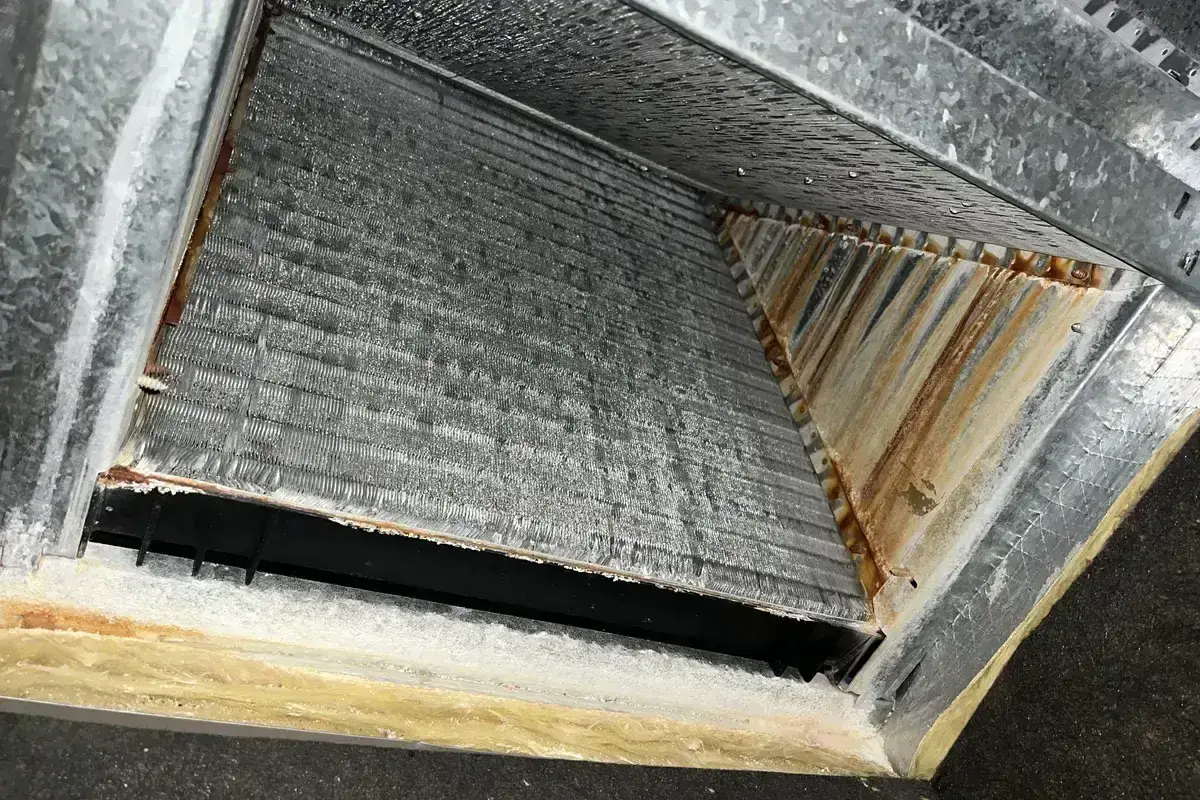
Stachybotrys chartarum, commonly called black mold, is the most concerning species. It produces mycotoxins - toxic compounds that cause neurological symptoms, chronic fatigue, and severe respiratory illness with prolonged exposure. Stachybotrys requires very wet conditions to grow and is less common in ductwork than Cladosporium or Aspergillus, but when it does appear, usually following water damage or a condensate leak, it demands immediate professional attention.
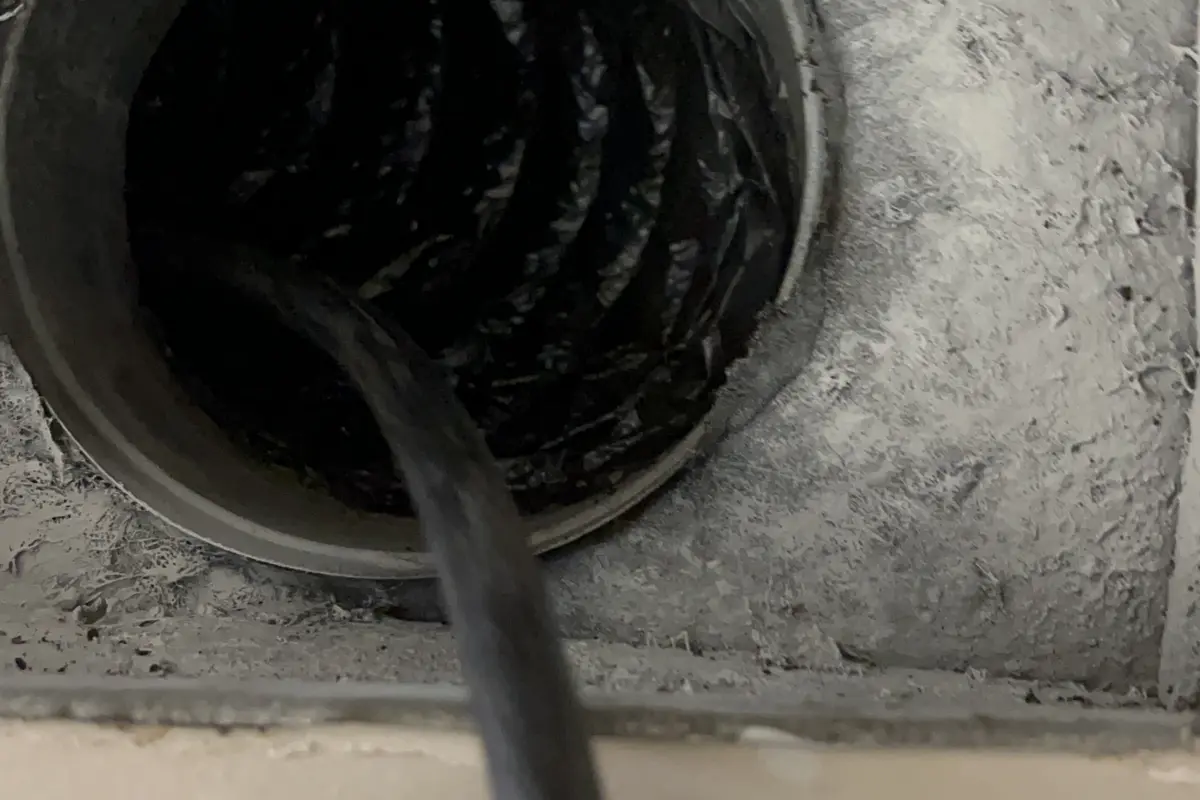
Who Is Most at Risk from HVAC Mold Exposure
Children under 5 are especially vulnerable because their lungs are still developing and they breathe more air per pound of body weight than adults. Studies published in the Journal of Allergy and Clinical Immunology have linked early childhood mold exposure to increased rates of asthma development. If your young child has persistent coughing, wheezing, or frequent respiratory infections, mold in your HVAC system should be investigated.
Adults over 65 face elevated risk because age-related immune system changes reduce the body's ability to clear inhaled spores. Elderly residents in Austin who keep windows closed during cedar season (December-March) and summer heat (June-September) rely entirely on their HVAC system for air circulation, which means any mold in the ducts is delivered directly to their breathing space.
People with asthma experience the most immediate and obvious effects. Mold spores are a recognized asthma trigger by the CDC. When distributed through the HVAC system, spores reach concentrations that can provoke attacks in sensitized individuals. If asthma symptoms worsen when the system runs and improve when you leave the house, mold in the ductwork is a likely cause.
Immunocompromised individuals - including people undergoing chemotherapy, organ transplant recipients, HIV patients, and those on long-term corticosteroids - face the most severe health consequences. For these individuals, Aspergillus exposure can cause invasive aspergillosis, a life-threatening lung infection. If anyone in your household is immunocompromised, HVAC mold should be treated as urgent.
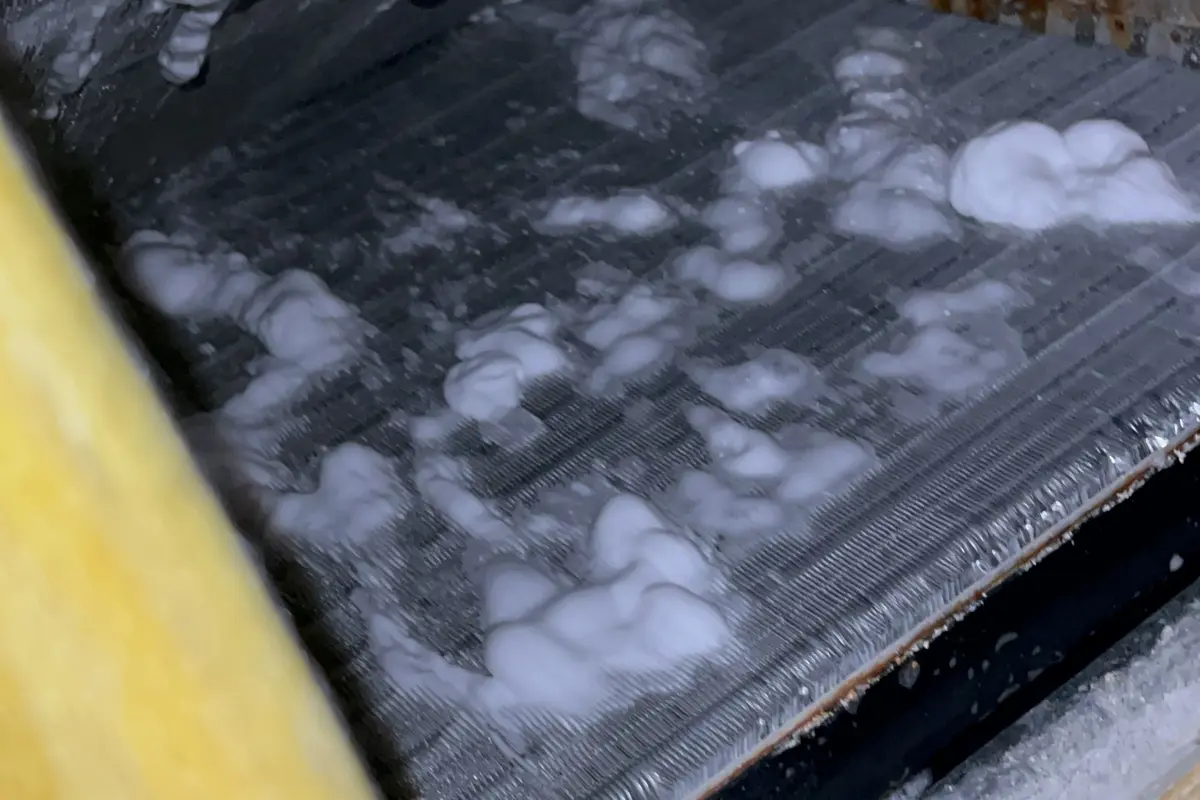
What the EPA and CDC Say About HVAC Mold
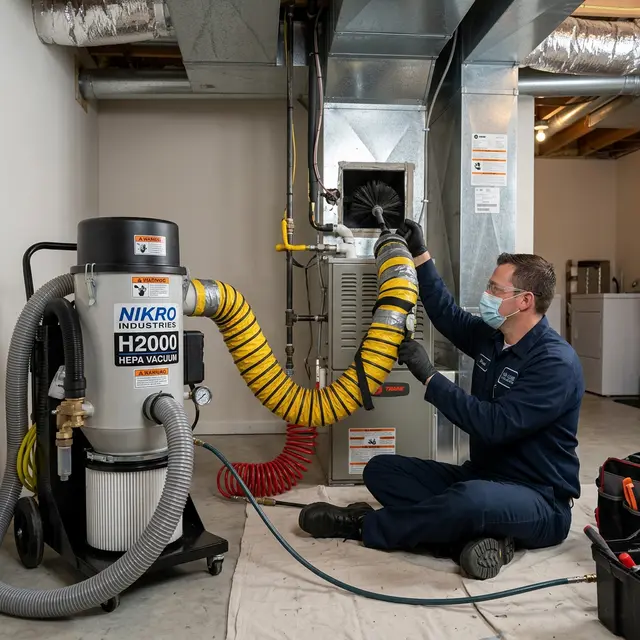
The EPA states: 'You should consider having the air ducts in your home cleaned if there is substantial visible mold growth inside ducts or on other components of your heating and cooling system.' They emphasize that mold growing inside ductwork should be addressed by professionals using proper containment and HEPA filtration to prevent spreading spores during the cleaning process.
The CDC identifies indoor mold exposure as a cause of upper respiratory symptoms, coughing, and wheezing in otherwise healthy people, and as a serious health risk for people with chronic lung disease or immune suppression. They recommend addressing moisture sources to prevent mold growth and removing existing mold by qualified professionals.
Both agencies agree on one critical point: you cannot determine whether mold is dangerous by looking at it. Visual identification cannot distinguish between harmless and toxic species. Only laboratory testing can confirm the species present. However, both agencies also agree that all mold in an HVAC system should be professionally removed regardless of species, because any mold distributed through the air system increases health risk.
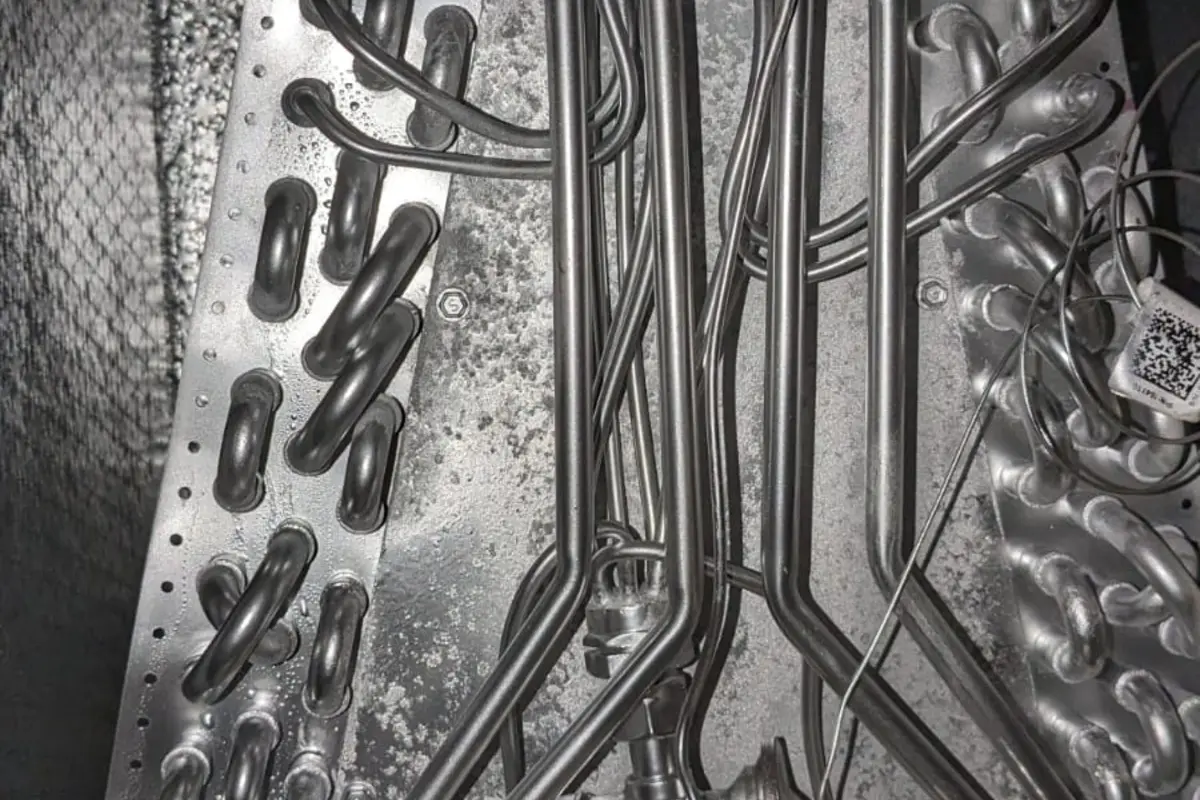
Concerned About Your Home's Air?
We provide professional air quality assessments for Austin homes. See what is in your ducts before deciding.
Call (512) 601-4451Rate your home's indoor air quality in 2 minutes
When It Is Urgent vs When It Can Wait
Act immediately if anyone in your household is immunocompromised, if a child or elderly person is experiencing worsening respiratory symptoms, if you see heavy mold growth on the evaporator coil or inside the plenum, or if there is a strong musty odor every time the system runs. In these situations, limit HVAC use and schedule professional inspection as soon as possible.
Schedule an inspection soon (within 1-2 weeks) if you see dark discoloration around vent registers, notice a mild musty smell when the system kicks on, or find mold on the backside of a vent cover. These are signs of early-stage mold that has not yet become a severe contamination. Early intervention is simpler and more affordable than addressing advanced growth.
Monitor and plan if you have not inspected your ducts in 3+ years, especially if your home is in a high-humidity area of Austin (east side, near creeks, or in low-lying areas). Preventive HD camera inspection identifies mold before it becomes a health issue.
What to Do If You Suspect Mold in Your HVAC
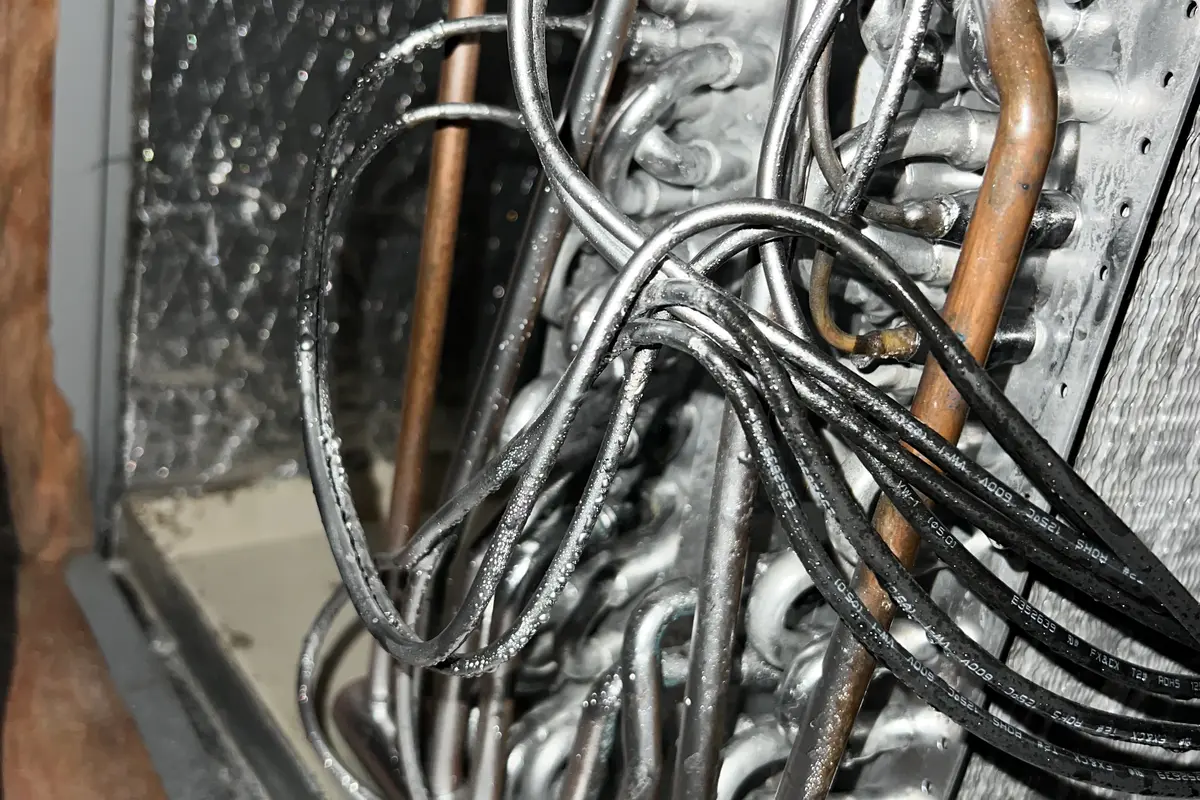
Do not attempt to clean mold inside your HVAC system yourself. Disturbing mold releases massive quantities of spores into the air, and without proper containment and HEPA filtration, you will spread the contamination throughout your home. Do not spray bleach or chemical treatments into the ductwork - these can damage duct materials and create additional air quality problems.
Do not ignore it. Mold does not resolve itself. In Austin's humid climate, mold colonies grow larger over time, producing more spores and increasing exposure for everyone in the household. The longer you wait, the more extensive (and expensive) the cleaning becomes.
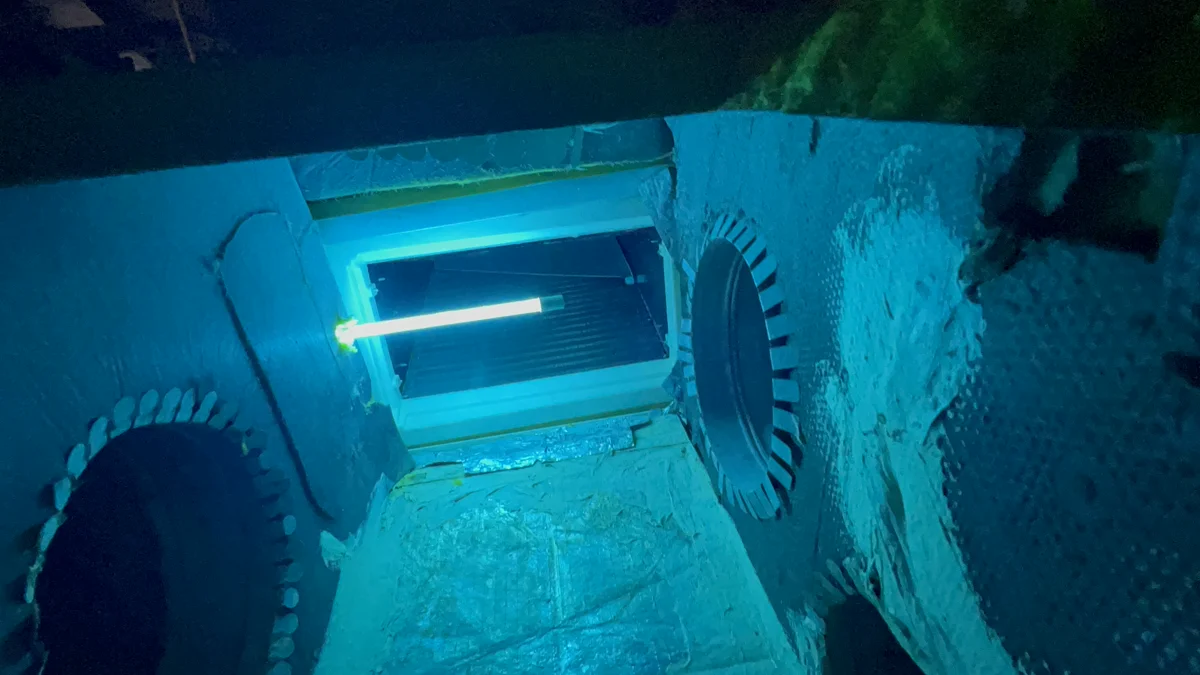
Call (512) 601-4451 for a professional HD camera inspection. Our technicians insert a camera into your ductwork and show you exactly what is growing, where it is, and how extensive it is. Based on the inspection findings, we recommend the appropriate course of action - whether that is professional HEPA-filtered cleaning, UV-C light installation to prevent regrowth, or referral to a certified remediation specialist for severe cases. Air Central serves Austin and 27 surrounding Central Texas communities.
For homeowners searching for mold abatement services, mold mitigation companies, or mold damage service in the Austin area: Air Central addresses the HVAC component of a mold problem - cleaning contaminated ductwork and installing UV-C lights to prevent recurrence. For structural mold that has penetrated walls, ceilings, or building materials, you will need a certified mold remediation specialist. We routinely collaborate with mold remediation companies near me and can refer you to vetted partners in the Austin area. Treating the air ducts without addressing structural mold - or addressing structural mold without cleaning the HVAC - leaves part of the problem in place.
Mold Remediation and Removal vs Mold Prevention Through Duct Cleaning
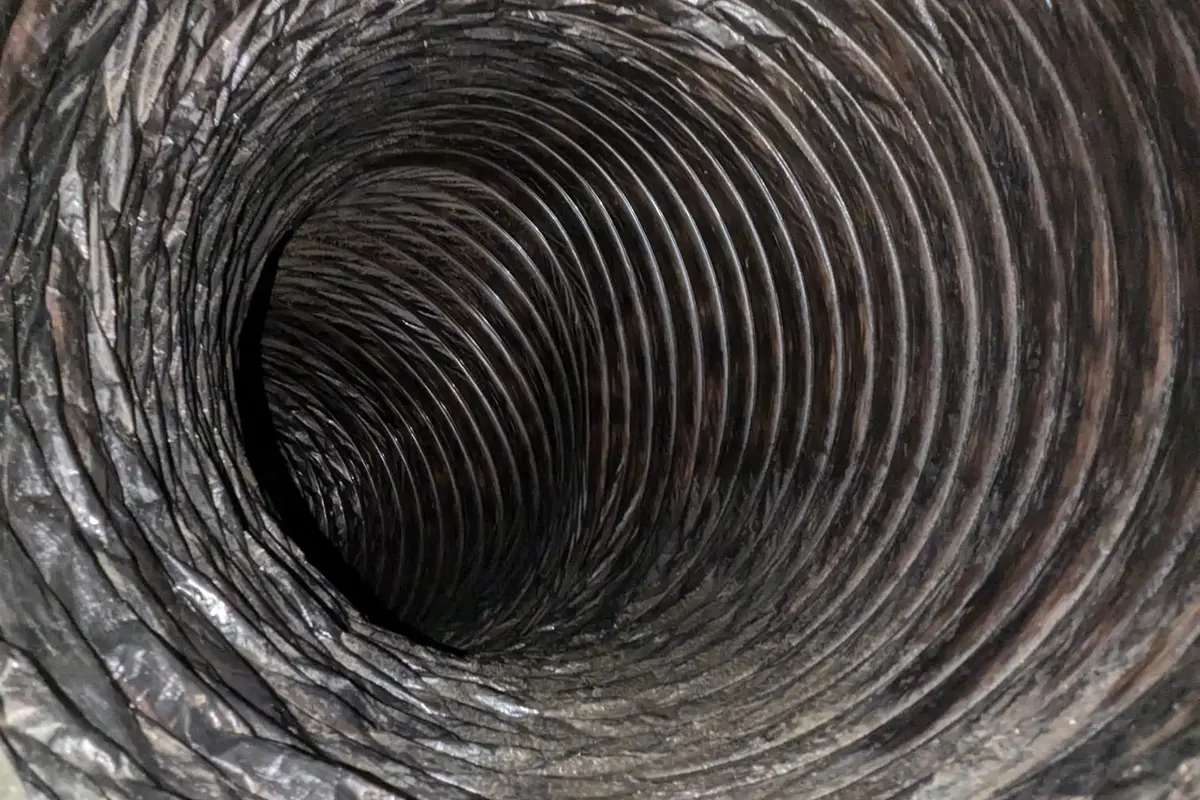
Mold remediation and removal is the process of eliminating mold contamination from a building. When that contamination is inside your HVAC ductwork, professional duct cleaning with HEPA-filtered equipment is the correct remediation method - physically removing mold colonies, spores, and contaminated organic material from the duct system. Air Central provides this service for Austin homeowners whose mold danger lies specifically within their air distribution system.
Mold remediation and removal involving walls, ceilings, insulation, or structural framing is a separate specialty requiring certified mold remediation specialists. IICRC-certified mold abatement companies follow S520 protocols that include containment barriers, negative air pressure, and detailed documentation - procedures designed for building materials rather than ductwork. If the mold in your HVAC has spread to adjacent structural components, a mold abatement company handles those materials while Air Central handles the duct system.
Mold mitigation - preventing future growth after remediation - depends on eliminating moisture sources and organic food. For the duct system, mold mitigation means UV-C light installation near the evaporator coil (continuous germicidal protection), regular condensate drain maintenance, and filter upgrades that reduce organic material accumulation inside the ductwork. For structural areas, mold mitigation companies focus on vapor barriers, waterproofing, and ventilation improvements. "We always tell homeowners that cleaning the ducts is step one in mold prevention - the UV light is step two," says Nessi Ziv, owner of Air Central. "Step one removes what is there. Step two makes sure it does not come back."
Related Services
Learn more about our professional services related to this topic:
- Air Duct Cleaning - Remove dust, allergens, and debris from your entire HVAC system for cleaner indoor air.
- Air Duct Inspection - Diagnose leaks, blockages, and efficiency issues with HD camera inspection.
- UV Lighting System - Eliminate bacteria and allergens inside your HVAC with UV-C light technology.
Want the full picture?
Read our complete guide: Indoor Air Quality in Austin: The Complete Guide (2026) →Have questions about indoor air quality? Our team is available 7 days a week. Call us at (512) 601-4451 or visit our contact page.