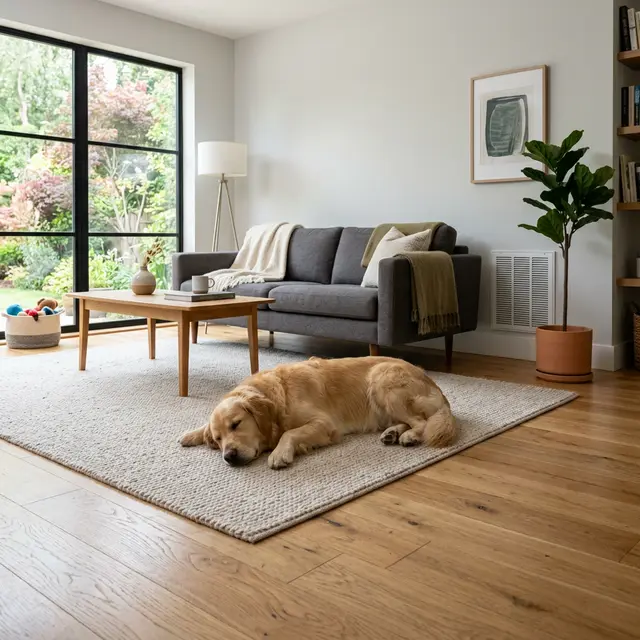
Pet owners should change HVAC filters monthly (not quarterly), clean air ducts every 2-3 years instead of 3-5, vacuum with a HEPA filter twice weekly, and groom pets regularly to keep indoor air quality manageable.
How Pets Affect Indoor Air Quality
Pet dander (microscopic skin flakes) is the primary concern - it is 5-10 microns in size and stays airborne for hours. Dogs and cats also bring in outdoor allergens on their fur, and pet hair clogs filters faster than anything else. Homes with pets have 2-3 times the particulate matter of pet-free homes. In Austin's heat, where homes stay sealed for months, these particles accumulate rapidly.
The protein in pet dander, saliva, and urine is what triggers allergic reactions. Cat allergen (Fel d 1) is particularly sticky and persistent - it can remain in a home for six months or more after the cat is removed. Dog allergen (Can f 1) is less persistent but produced in greater volume, especially by breeds that shed heavily. Both allergens are small enough to pass through standard HVAC filters and accumulate in your ductwork over time.
In Austin, the problem is amplified because pets that go outdoors bring back cedar pollen, grass pollen, and ragweed on their coats. A dog that spends 20 minutes outside during cedar season carries thousands of pollen grains back inside, where they mix with dander in the HVAC system. Cats that sit in window sills collect pollen that drifts through screens. Your pets become a secondary delivery system for outdoor allergens.
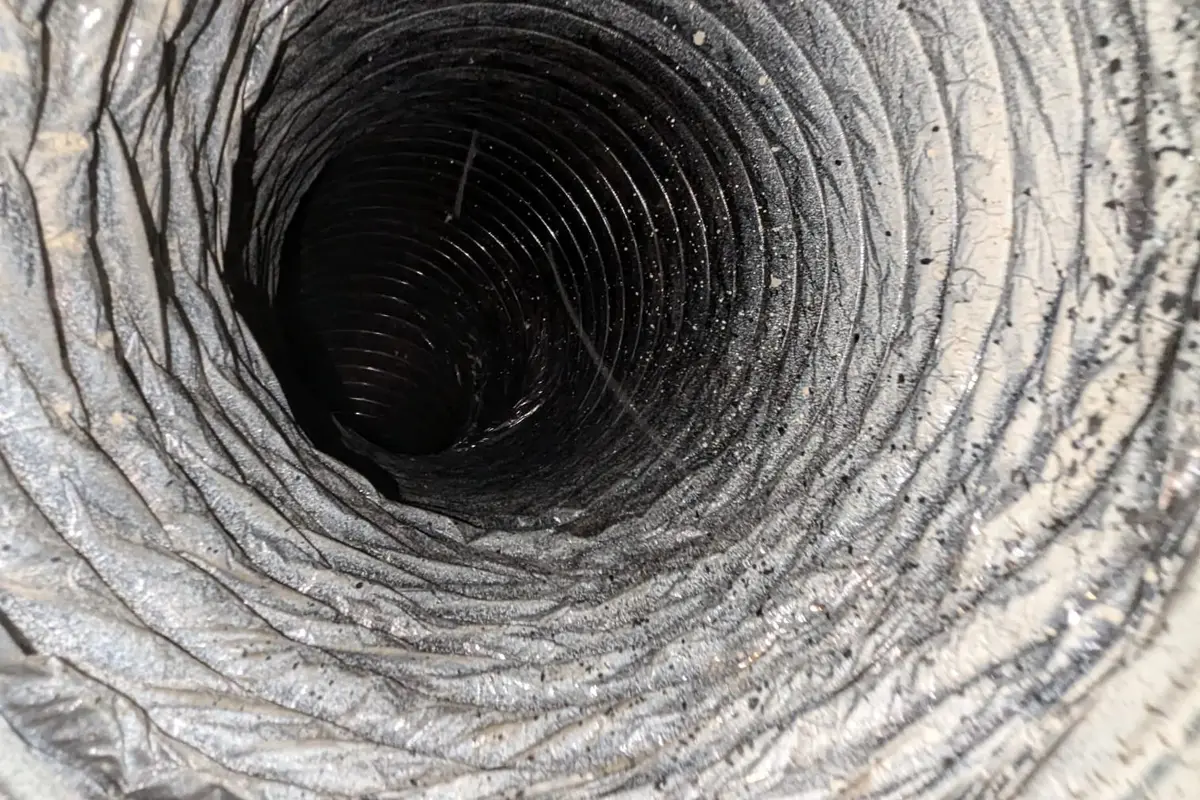
"Pet homes are our most frequent repeat customers, and for good reason," says Nessi Ziv, owner of Air Central. "We pull noticeably more debris from homes with dogs than homes without - the pet hair alone can fill a gallon bag per system. Two-dog households in Austin need cleaning every 2 years, not 3-5. The camera footage always tells the story."
Breed Considerations for Indoor Air Quality
High-shedding dog breeds like Labrador Retrievers, German Shepherds, Golden Retrievers, and Huskies produce significantly more airborne hair and dander than low-shedding breeds. Austin is a dog-heavy city - Labs and German Shepherds are among the most popular breeds here. If you have one of these breeds, plan on changing your HVAC filter every 30 days and cleaning ducts every 2 years.
So-called hypoallergenic breeds like Poodles, Bichon Frises, and Portuguese Water Dogs produce less dander, but no dog breed is truly allergen-free. These breeds still require the same HVAC maintenance schedule as any pet household - just slightly less aggressively. Cats, regardless of breed, produce potent allergens. Long-haired cats do not necessarily produce more allergens than short-haired cats, but they shed more hair that carries allergens throughout the home.
Multiple pets multiply the problem. A household with two dogs and a cat produces roughly three times the dander load of a single-pet home. If you have multiple animals, monthly filter changes and duct cleaning every 18-24 months is the right schedule to keep air quality manageable.
The Pet Owner's Air Quality Checklist
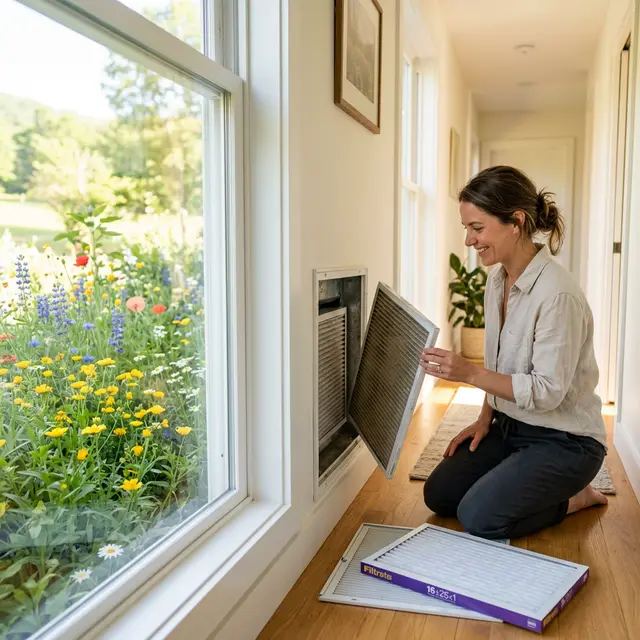
Change your HVAC filter every 30-45 days instead of 90. Use a MERV 11 or higher filter - MERV 8 does not catch fine dander particles. A MERV 11 filter captures 85%+ of particles in the 1-3 micron range, which includes most pet dander. Check the filter every two weeks during heavy shedding season (spring and fall for most breeds) - if it looks gray or clogged, swap it out early.
Vacuum all carpets and upholstered furniture twice weekly with a HEPA-filter vacuum. Standard vacuums blow dander particles right back into the air. Focus on areas where pets sleep and spend the most time, and vacuum under furniture where hair and dander settle. Groom pets regularly and bathe dogs monthly. Brush dogs and cats outside when possible to keep loose hair out of the home.
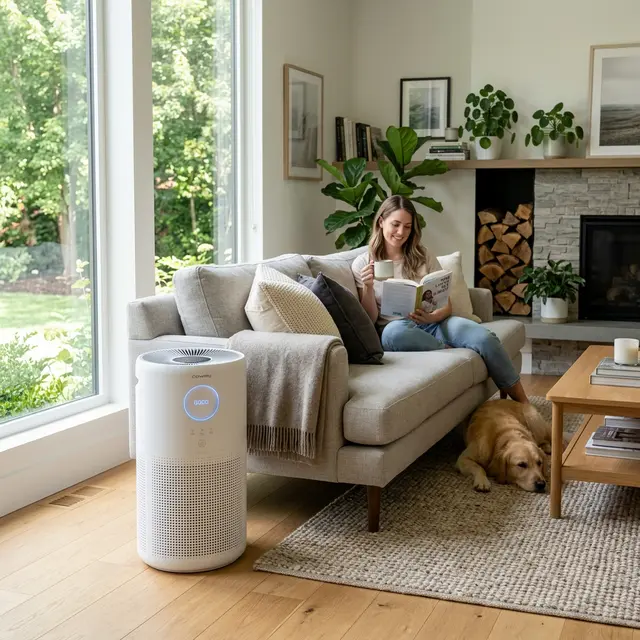
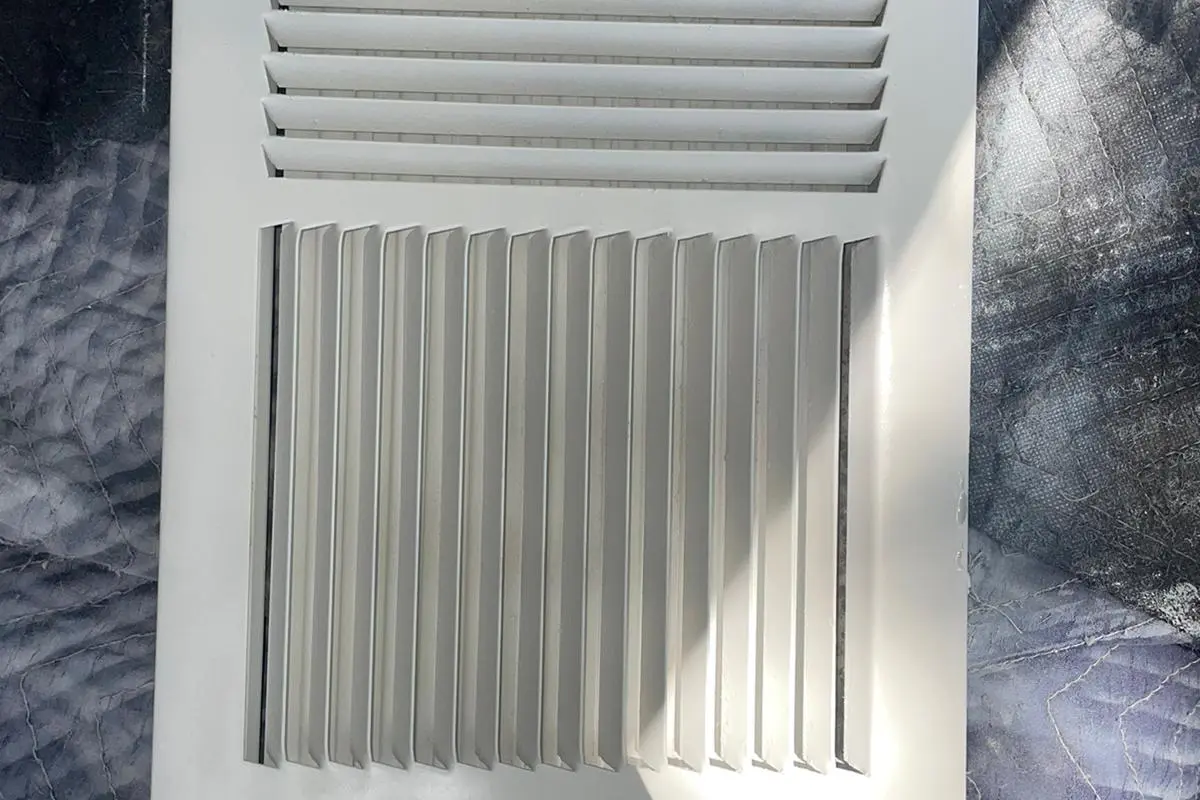
Clean air ducts every 2-3 years - pet hair and dander accumulate faster in ductwork. We regularly pull clumps of pet hair from duct systems during cleanings, especially near return vents where the system draws in room air. Wipe down return vent grilles monthly - these are dander magnets. Consider an air purifier with a true HEPA filter in rooms where pets spend the most time. Keep litter boxes in well-ventilated areas, ideally near an exhaust fan, and clean them daily.
Wash pet bedding weekly in hot water (130F minimum to kill dust mites that feed on dander). Keep pets off furniture and out of bedrooms if anyone in the household has allergies. Use washable covers on pet-favorite furniture to make regular cleaning easier.
Concerned About Your Home's Air?
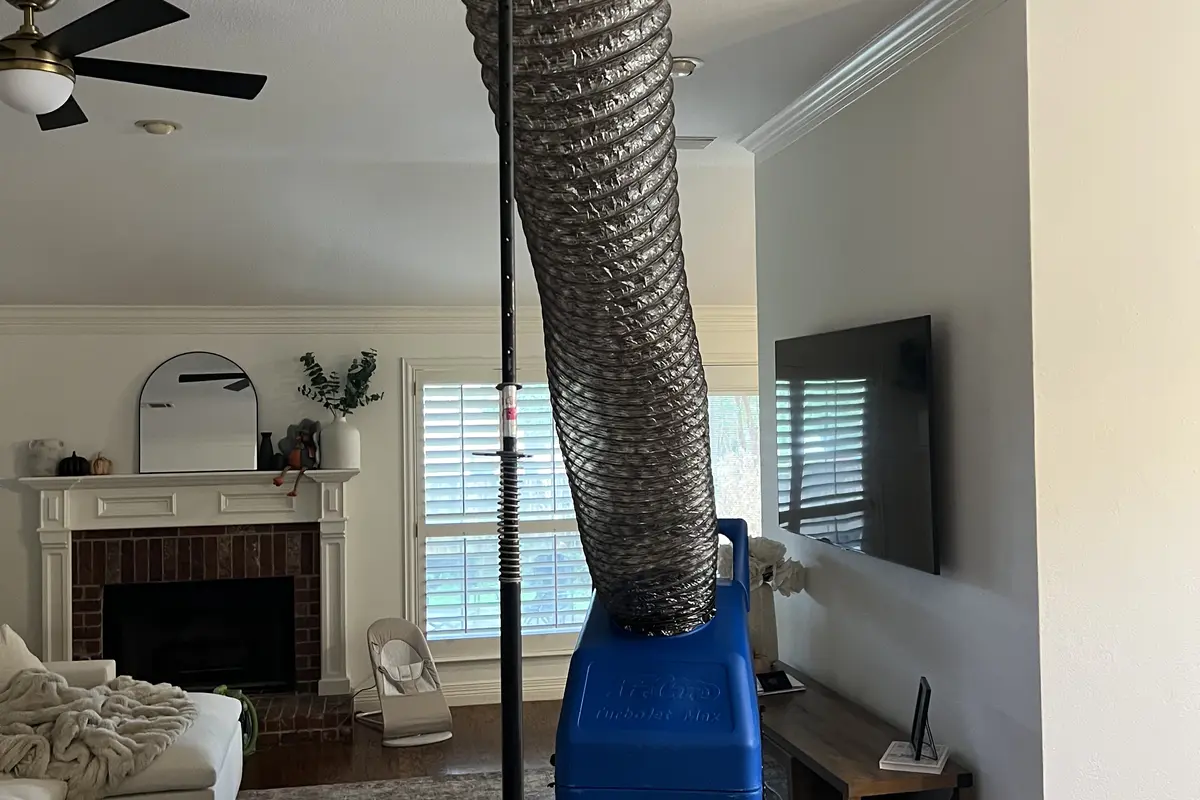
We provide professional air quality assessments for Austin homes. See what is in your ducts before deciding.
Call (512) 601-4451Rate your home's indoor air quality in 2 minutes
Best HVAC Upgrades for Pet Owners
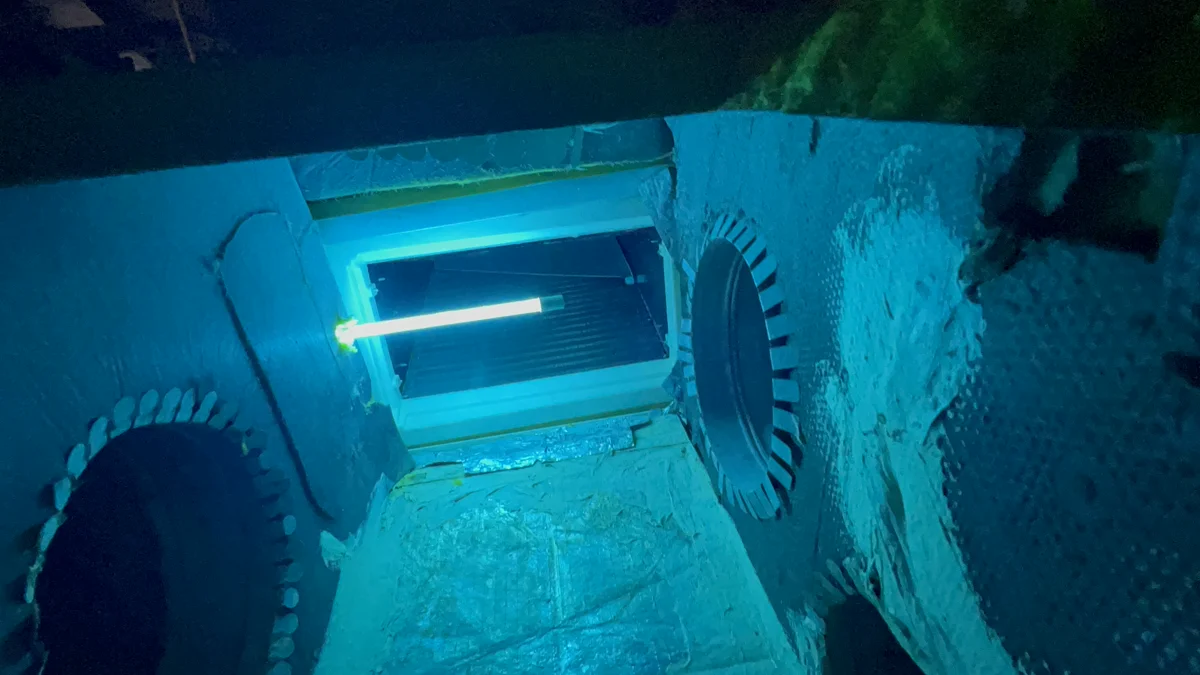
UV light system in the air handler - kills airborne bacteria and prevents biological growth on the coil that pet dander feeds. The evaporator coil is a magnet for pet hair and dander, and in Austin's humid climate, that organic material becomes a breeding ground for biological growth. UV-C light keeps the coil clean and prevents the musty odor that many pet owners notice from their vents.
Whole-home air purification system - provides hospital-grade filtration throughout the entire house. These systems install directly in your HVAC system and treat all the air as it passes through. For households where a family member is allergic to pets but the family wants to keep their animals, a whole-home purifier combined with regular duct cleaning can make the difference between manageable symptoms and constant misery.
A 4-inch media filter cabinet replaces your standard 1-inch filter slot with a deeper unit that holds more surface area and lasts longer between changes. These filters capture more dander without restricting airflow as much as high-MERV 1-inch filters. For pet owners, a 4-inch MERV 11 filter changed every 90 days often outperforms a 1-inch MERV 13 that clogs in 30 days.
Related Services
Learn more about our professional services related to this topic:
- Air Duct Cleaning - Remove dust, allergens, and debris from your entire HVAC system for cleaner indoor air.
- Air Duct Inspection - Diagnose leaks, blockages, and efficiency issues with HD camera inspection.
- UV Lighting System - Eliminate bacteria and allergens inside your HVAC with UV-C light technology.
Want the full picture?
Read our complete guide: Indoor Air Quality in Austin: The Complete Guide (2026) →Have questions about indoor air quality? Our team is available 7 days a week. Call us at (512) 601-4451 or visit our contact page.