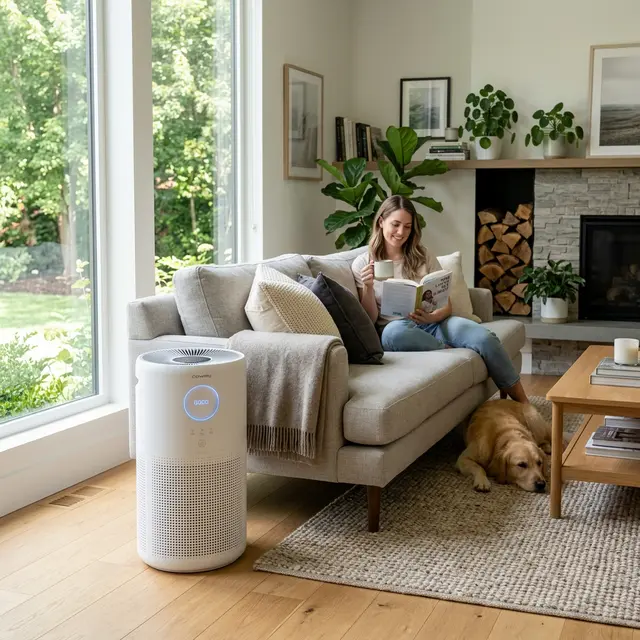
Indoor air quality monitors measure PM2.5 (fine particles), CO2 (ventilation adequacy), VOCs (chemical off-gassing), humidity, and temperature. For Austin homes, the most important readings are PM2.5 during pollen and smoke events and humidity during our 8-month warm season. When PM2.5 stays above 35 or humidity stays above 60% indoors, it is time to call a professional. Call (512) 601-4451 for a duct inspection if your monitor shows persistently poor readings.
What IAQ Monitors Measure and Why It Matters
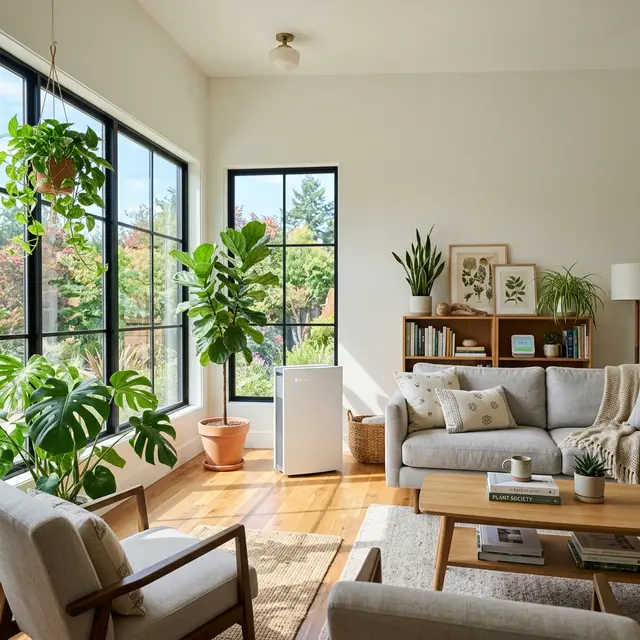
Indoor air quality monitors track several key pollutants and environmental factors in real time. The most common measurements are PM2.5 (fine particulate matter smaller than 2.5 microns), CO2 (carbon dioxide, an indicator of ventilation), VOCs (volatile organic compounds from household chemicals and materials), humidity, and temperature. Each measurement tells you something different about your indoor environment, and understanding what the numbers mean is more valuable than the monitor itself.
PM2.5 is the most health-relevant measurement for most Austin homes. These fine particles include pollen fragments, dust mite waste, pet dander, cooking particles, and wildfire smoke. The EPA considers PM2.5 below 12 micrograms per cubic meter good for long-term exposure and below 35 acceptable for short-term exposure. Austin homes during cedar season regularly see indoor PM2.5 spike to 30-50 without adequate filtration - well above the long-term health guideline.
CO2 levels indicate how well your space is ventilated. Outdoor air contains about 420 ppm CO2. Indoor levels below 1,000 ppm indicate adequate ventilation. Above 1,000 ppm, occupants may experience drowsiness and reduced concentration. Above 2,000 ppm, headaches and fatigue become common. A home with 4 people, closed windows, and a sealed building envelope can reach 1,500 ppm within a few hours. This is not dangerous, but it indicates the space needs more fresh air circulation.
Best IAQ Monitors for Austin Homes in 2026
The market for consumer IAQ monitors has expanded significantly. Devices range from $30 single-sensor units to $300+ multi-sensor monitors with app connectivity and historical tracking. For Austin homeowners, the priority sensors are PM2.5 (for pollen and smoke), humidity (for our subtropical climate), and VOCs (for newer homes with off-gassing materials).
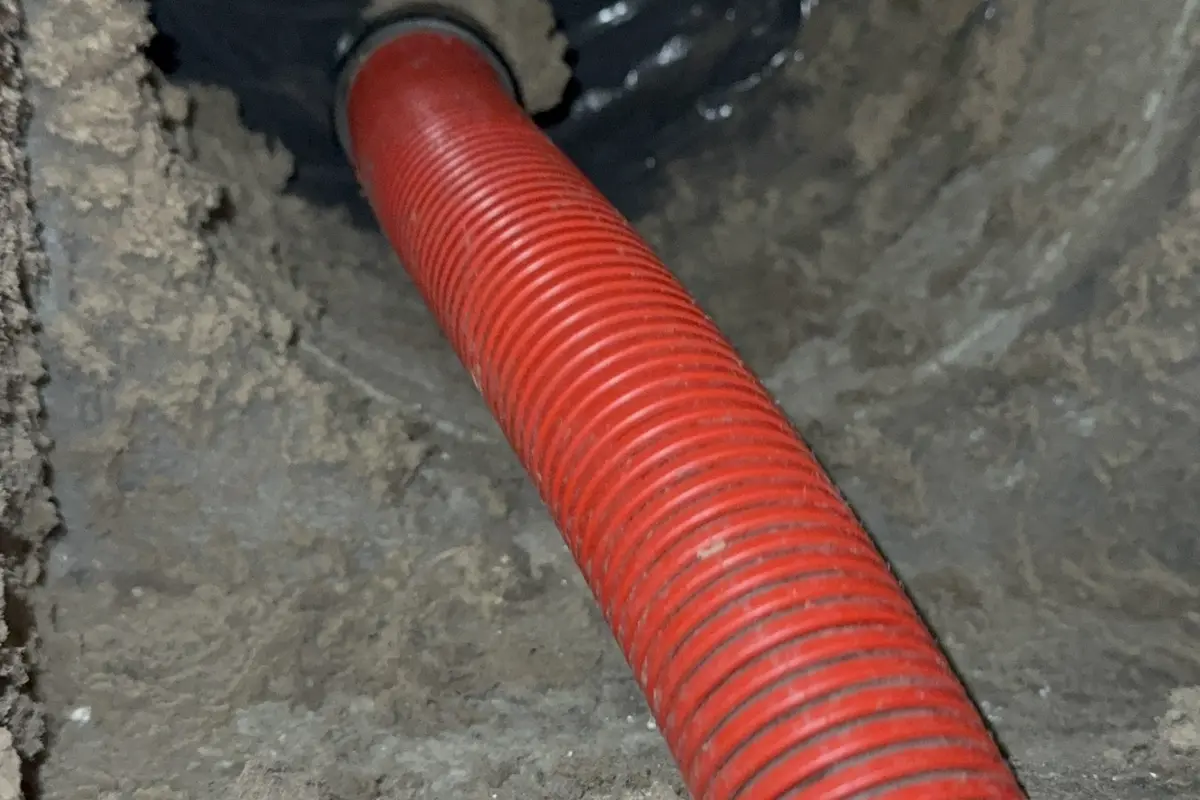
Budget tier ($30-$80): Basic monitors in this range typically measure PM2.5, temperature, and humidity. They provide a snapshot of current conditions but may lack historical data logging and app connectivity. These work well for a quick check of your indoor environment but do not provide the trending data that reveals patterns - like whether your PM2.5 spikes every time the HVAC kicks on (indicating dirty ducts) or climbs gradually overnight (indicating poor filtration).
Mid-range ($80-$200): Monitors in this range typically add CO2 and VOC sensors, app connectivity with historical graphs, and alerts when readings exceed thresholds. These are the sweet spot for Austin homeowners who want actionable data. The historical trending is particularly useful - you can see how indoor PM2.5 correlates with outdoor pollen counts, whether your air quality improves after filter changes, and whether specific rooms have worse air than others.
Premium tier ($200-$400): High-end monitors add lab-grade sensor accuracy, multiple room monitoring capabilities, integration with smart home systems, and detailed analytics. These are worth the investment for households with asthma, severe allergies, or immunocompromised members who need reliable, accurate readings for health management. Some models integrate with smart thermostats to automatically adjust HVAC settings based on IAQ readings.
What Your Readings Mean for Austin Homes
PM2.5 below 12: Good. Your filtration and duct system are working well. Continue regular filter changes and routine duct cleaning every 3-5 years. This is the target range for a well-maintained Austin home.
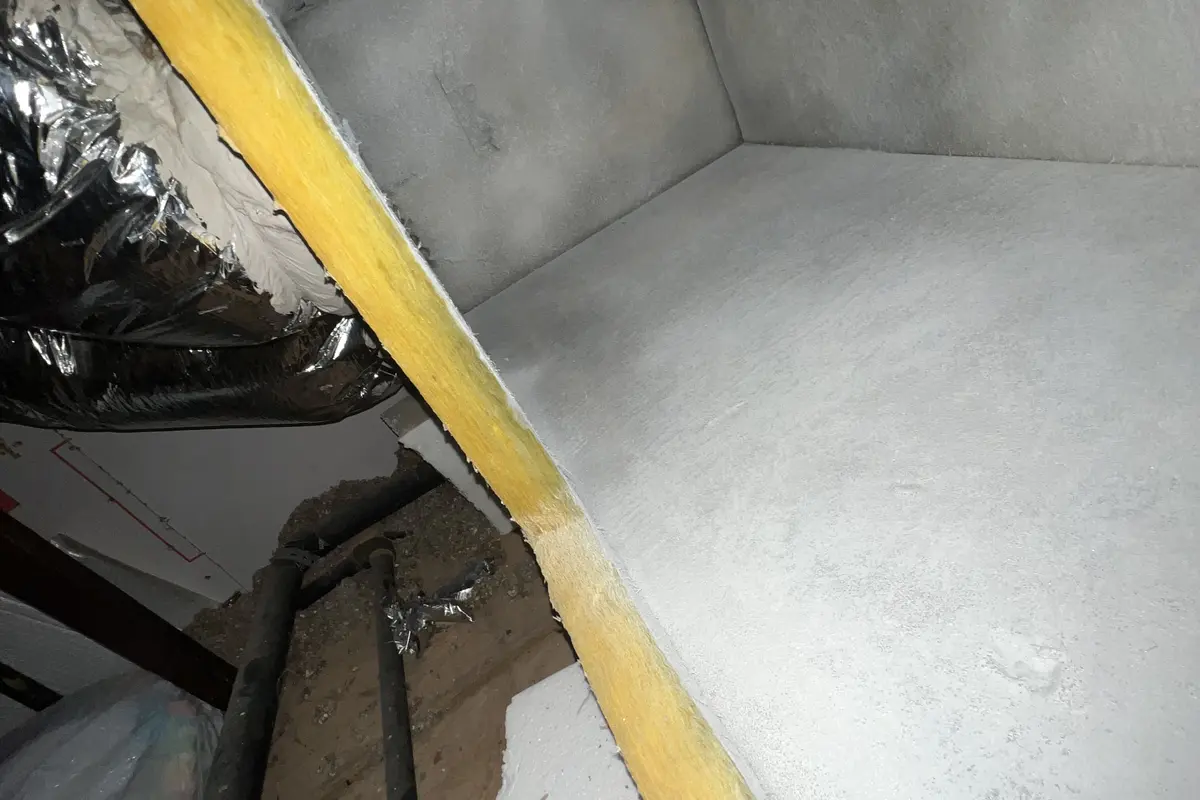
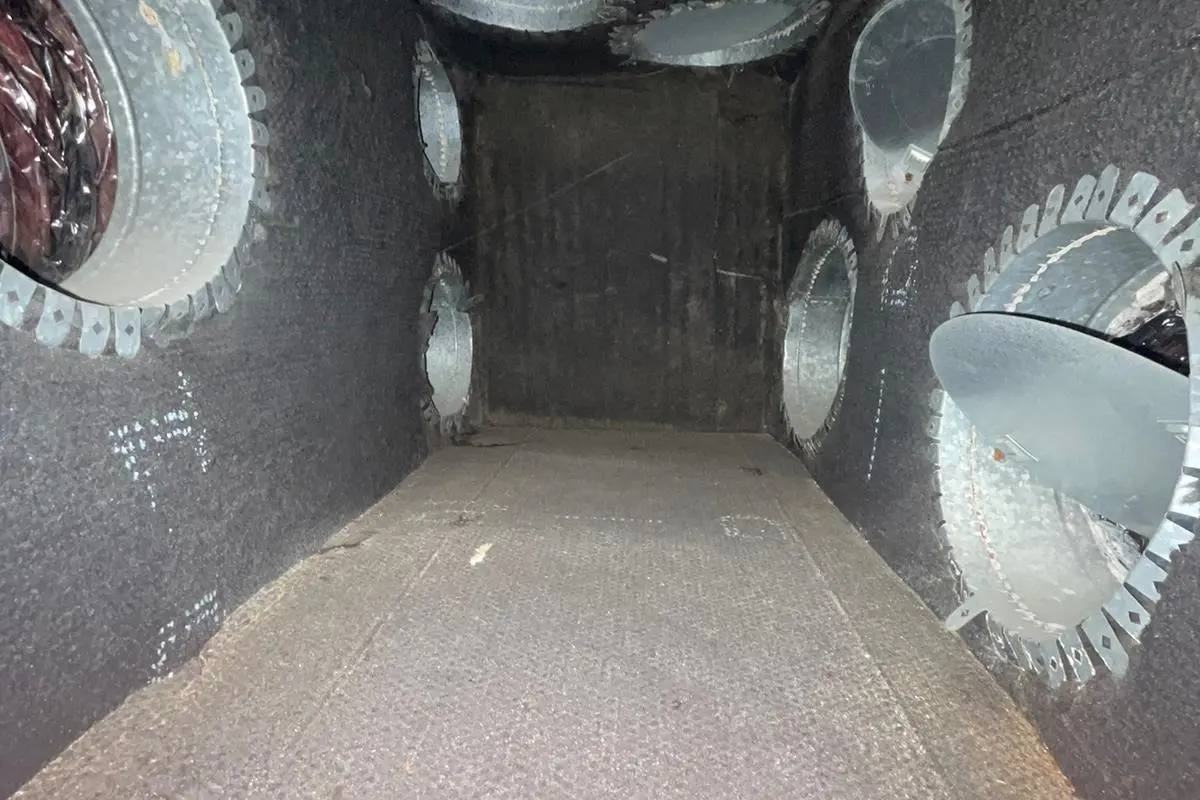
PM2.5 between 12-35: Moderate. This range is common in Austin homes during cedar season (December-March), high pollen days in spring and fall, and near active construction. Check your filter - it may be loaded and restricting airflow, causing the system to bypass particles. If readings persist at this level with a fresh filter, your ducts may need professional cleaning to remove accumulated particulate from the air distribution system.
PM2.5 above 35: Unhealthy. If indoor PM2.5 stays above 35 consistently, something is actively introducing particulate into your home. Common causes: dirty ductwork releasing accumulated debris with every HVAC cycle, a filter that is the wrong size and has gaps allowing unfiltered air to bypass, construction activity near the home, or a duct leak in the attic pulling in unfiltered air. At this level, schedule a professional duct inspection.
Humidity above 60%: Too high for Austin. While outdoor humidity in Austin regularly exceeds 70%, indoor humidity should stay between 30-50%. Above 60% promotes dust mite reproduction, biological growth, and musty odors. If your AC runs regularly but indoor humidity stays high, the system may be oversized (a common problem in Austin new construction), the evaporator coil may be dirty, or the condensate drain may be partially clogged. All of these are addressable with professional maintenance.
CO2 above 1,000 ppm: Ventilation needed. Open windows briefly when outdoor air quality allows (check AQI at airnow.gov first). If CO2 stays high in a home with normal occupancy, the HVAC system may not have adequate return air paths or the fresh air intake may be blocked. This is more common in tightly sealed newer homes in Austin's suburban developments.
Concerned About Your Home's Air?
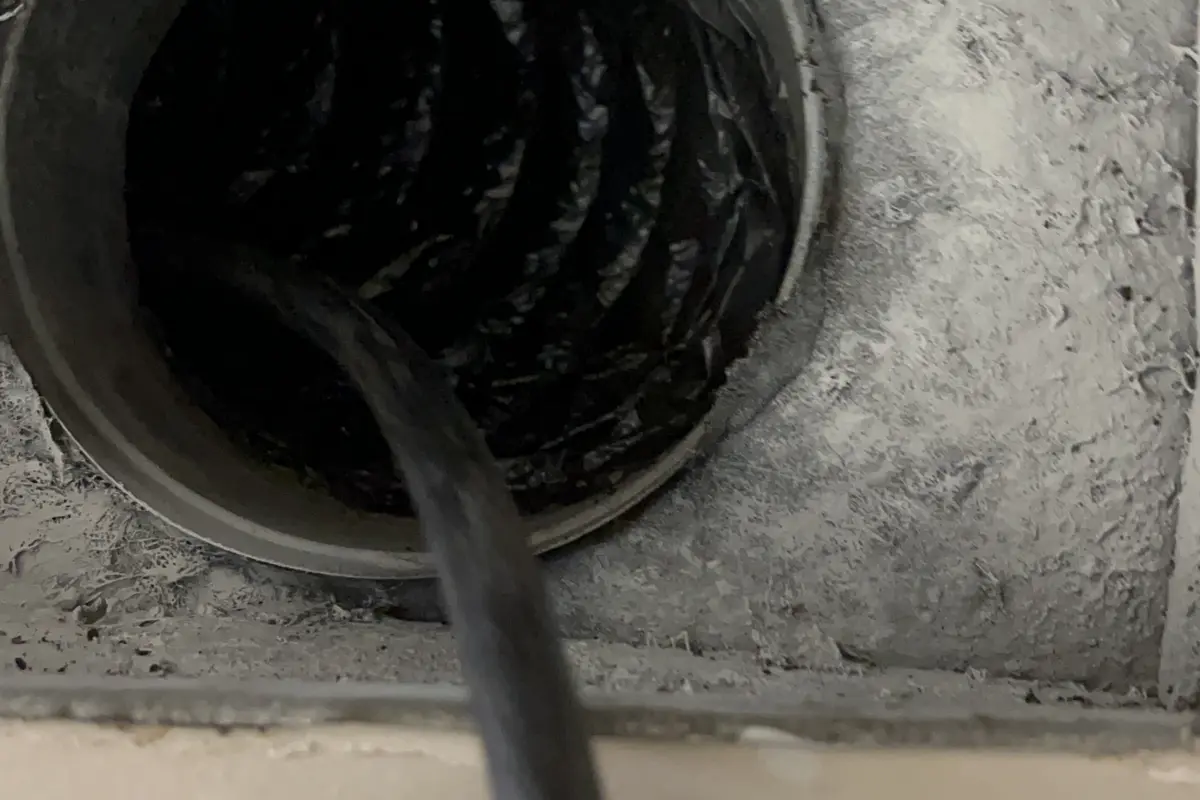
We provide professional air quality assessments for Austin homes. See what is in your ducts before deciding.
Call (512) 601-4451Rate your home's indoor air quality in 2 minutes
How Monitors Work With Duct Cleaning and UV-C
An IAQ monitor becomes significantly more useful when combined with professional HVAC services because it lets you measure the before-and-after impact. Install the monitor in a central location (like a hallway near the main return vent) at least one week before scheduled duct cleaning. Record the baseline PM2.5, humidity, and VOC readings. After cleaning, the same monitor shows you the measurable improvement - most homes see a 30-50% reduction in PM2.5 levels after thorough duct cleaning.
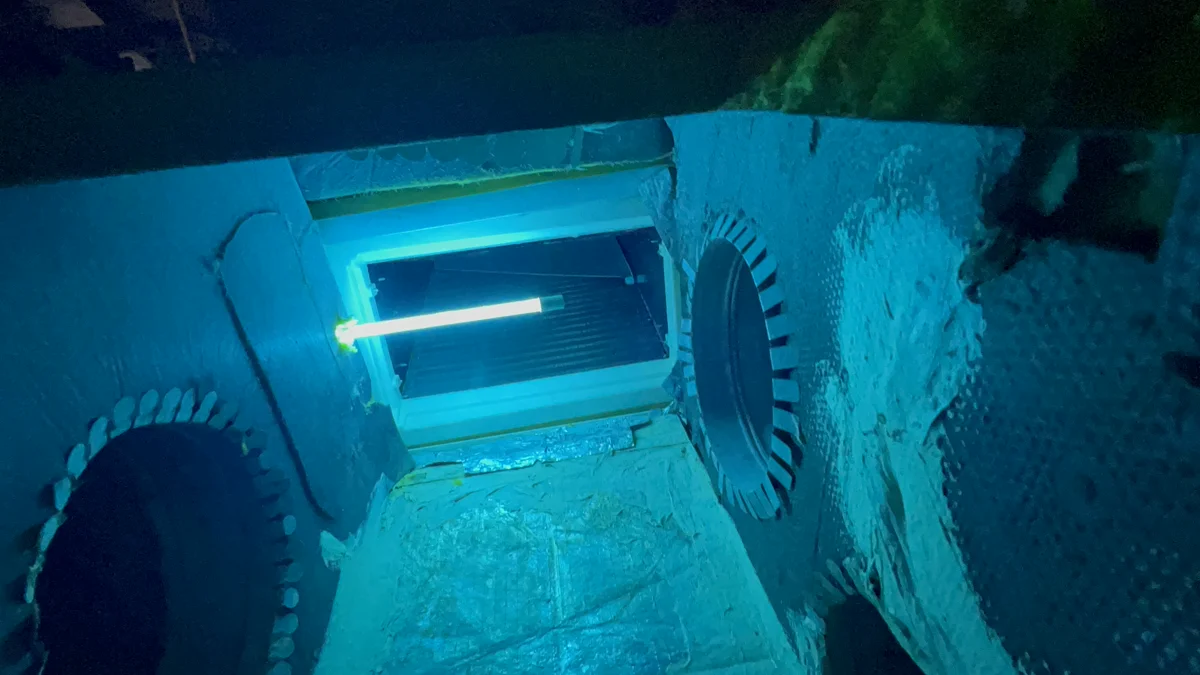
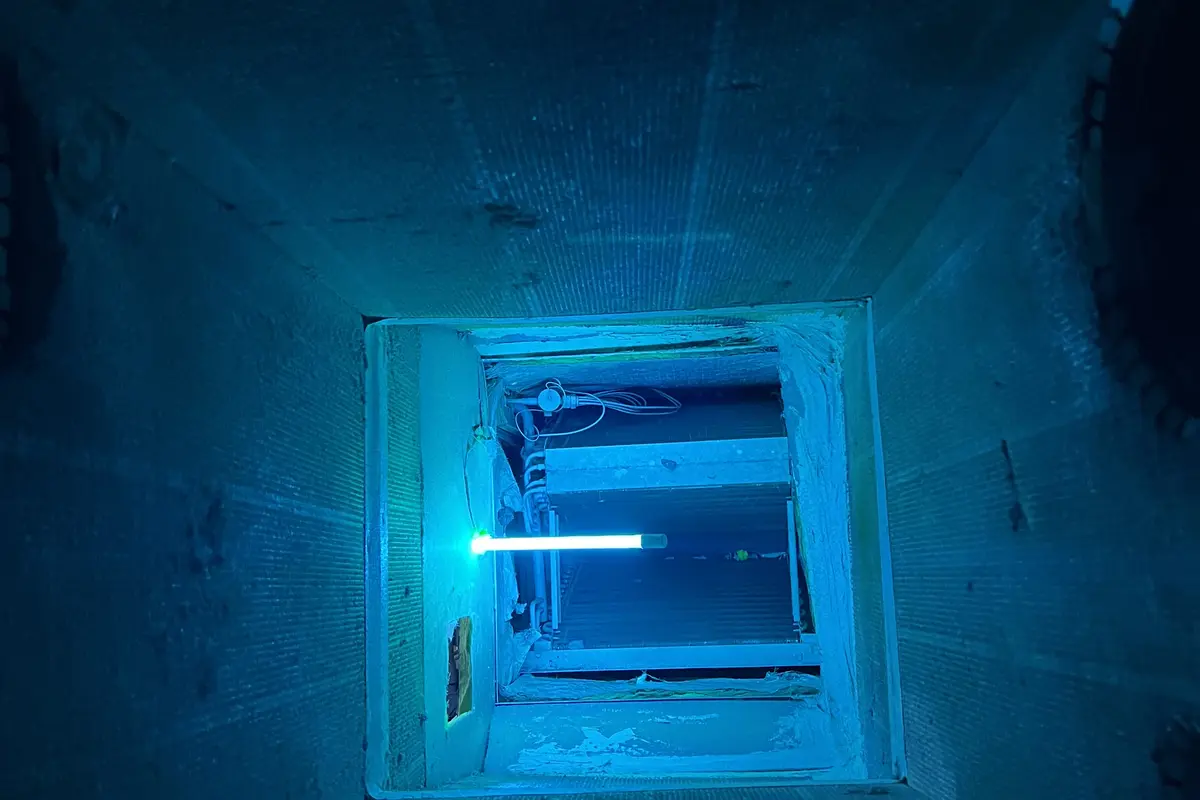
UV-C germicidal lights installed in the HVAC air handler show their value on VOC and biological readings over time. UV-C breaks down volatile organic compounds and prevents biological growth on the evaporator coil. A monitor tracking VOCs will typically show a gradual decline in the weeks after UV-C installation as the light degrades existing compounds. The humidity reading may also stabilize as a clean, UV-treated coil drains condensate more efficiently.
For Austin homeowners with allergies, placing monitors in the bedroom and comparing readings to outdoor pollen data (available at kvue.com/allergy or from the Austin Pollen Count Twitter account) reveals how well your home's air envelope and HVAC filtration are performing. If indoor PM2.5 spikes every time outdoor pollen peaks, your home has infiltration points or filter gaps that need attention.
When Your Monitor Says Call a Professional
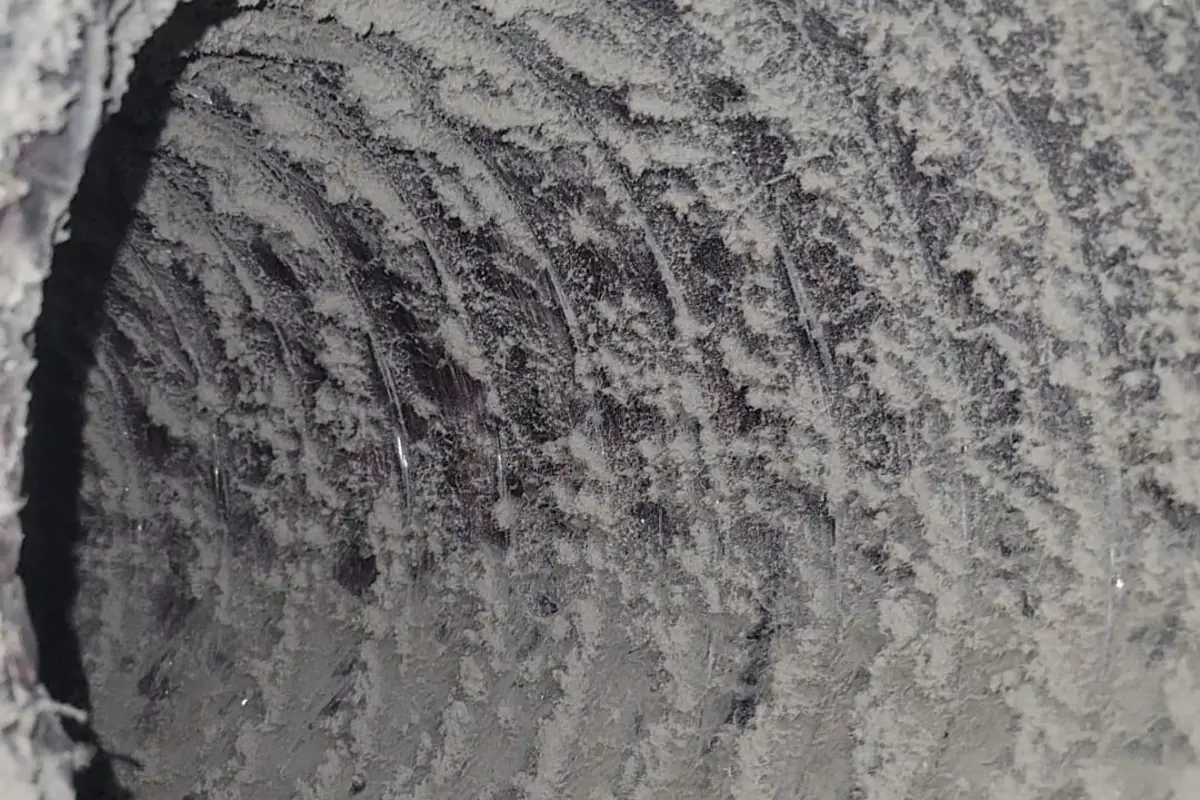
Certain monitor patterns indicate issues that require professional assessment. Persistent PM2.5 above 25 indoors despite a clean MERV 11+ filter suggests ductwork contamination, duct leaks pulling in unfiltered attic air, or a filter that is not seated properly in the rack. Indoor humidity consistently above 55% despite regular AC operation points to an oversized system, dirty coil, or drainage issue. VOC readings that spike when the HVAC system starts may indicate contamination in the air handler or ductwork off-gassing.
A sudden change in baseline readings also warrants investigation. If your PM2.5 has been consistently under 15 and suddenly jumps to 30+ without any obvious cause (no construction, no pollen spike, filter is clean), something has changed in your HVAC system. A disconnected duct in the attic, a cracked heat exchanger, or a new duct leak can all cause sudden air quality changes that a monitor catches before you notice symptoms.
Air Central provides professional duct inspection with HD cameras, duct cleaning, duct sealing, and UV-C light installation - all the services that address the root causes an IAQ monitor reveals. If your monitor shows readings that concern you, call (512) 601-4451 for a professional assessment. We can correlate your monitor data with what our cameras find inside the ductwork.
Related Services
Learn more about our professional services related to this topic:
- Air Duct Cleaning - Remove dust, allergens, and debris from your entire HVAC system for cleaner indoor air.
- Air Duct Inspection - Diagnose leaks, blockages, and efficiency issues with HD camera inspection.
- UV Lighting System - Eliminate bacteria and allergens inside your HVAC with UV-C light technology.
Want the full picture?
Read our complete guide: Indoor Air Quality in Austin: The Complete Guide (2026) →Have questions about indoor air quality? Our team is available 7 days a week. Call us at (512) 601-4451 or visit our contact page.