Babies breathe 40-60 times per minute compared to 12-20 for adults, and their developing lungs are significantly more vulnerable to airborne pollutants. Creating a clean air nursery in Austin means addressing duct cleanliness, filter quality, VOC sources, and Austin's aggressive allergen seasons - especially cedar pollen from December through February.
Why Babies Are More Vulnerable to Air Quality
Infants breathe at nearly three times the rate of adults relative to their body weight. That higher breathing rate means they inhale proportionally more of whatever is in the air - dust, allergens, chemical vapors, and fine particulate. Their lungs are still developing for the first several years of life, and exposure to poor air quality during this critical window can affect respiratory health long-term.
Babies also spend more time at floor level and in enclosed rooms, where pollutant concentrations are often highest. Dust settles downward, off-gassing from furniture and flooring is concentrated near the ground, and nurseries are often smaller rooms with limited airflow. Understanding these factors helps Austin parents make targeted improvements where they matter most.
Duct Cleaning Before Baby Arrives
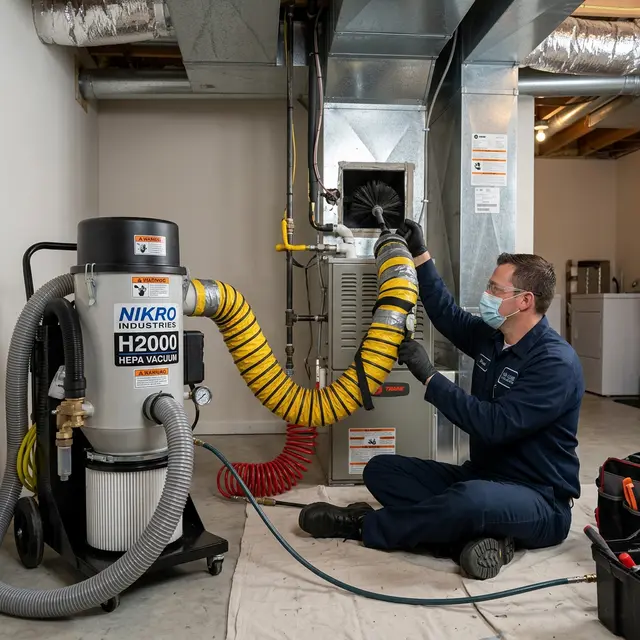
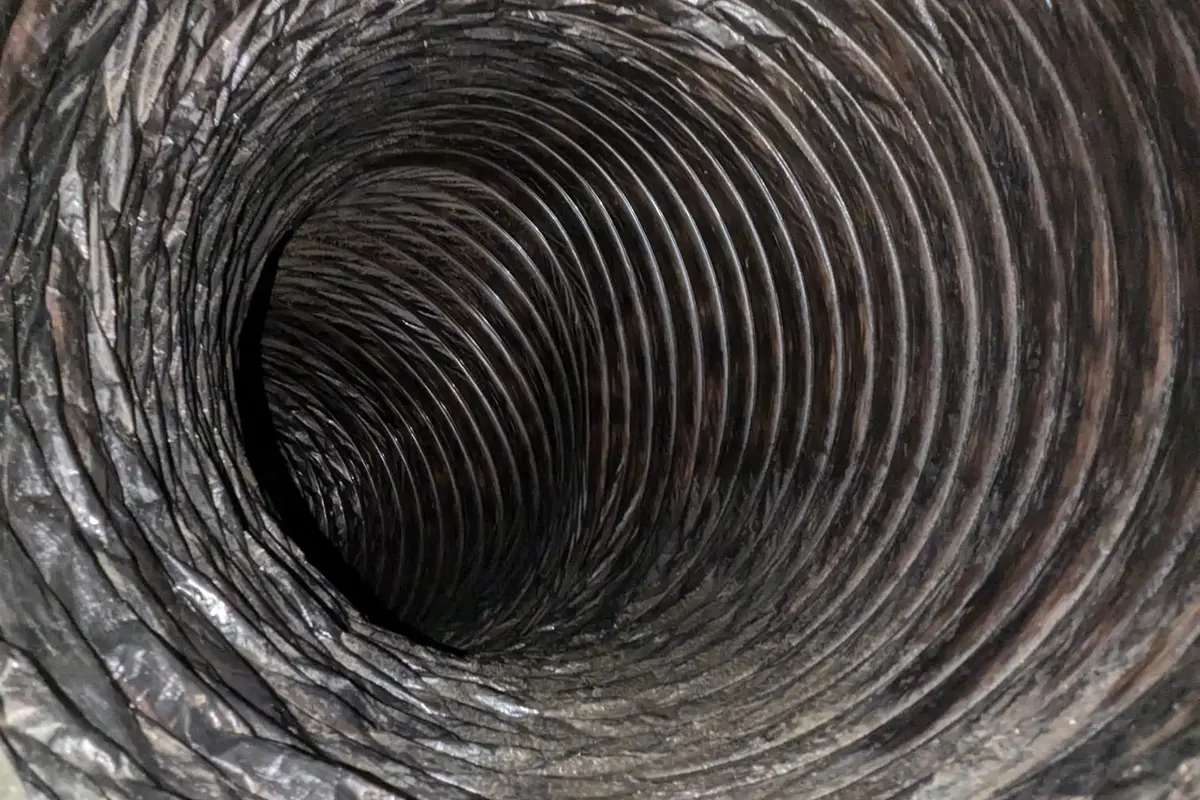
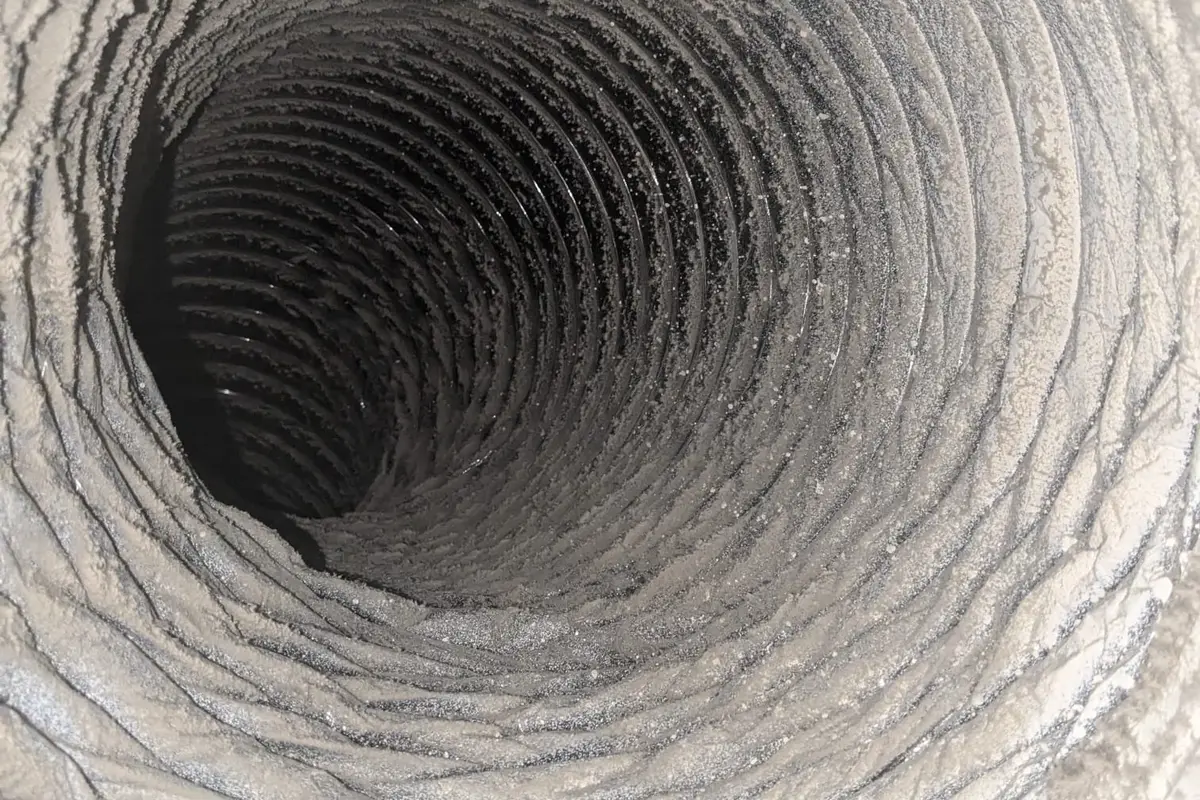
If you are expecting, schedule a duct cleaning before your due date. Your HVAC system distributes air to every room in your home, including the nursery. If your ducts contain years of accumulated dust, pet dander, cedar pollen, and construction debris, that contamination gets blown directly into the space where your baby sleeps and breathes.
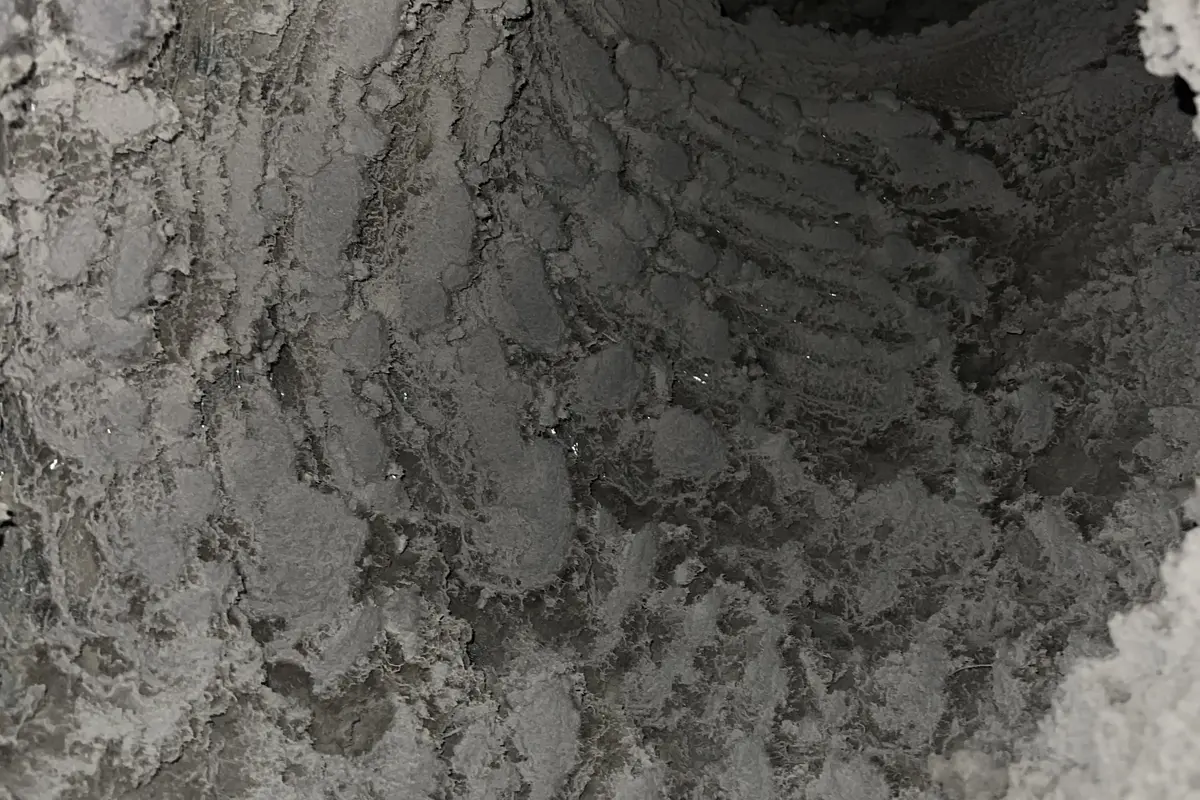
This is especially important if you renovated the nursery. Painting, installing flooring, assembling furniture, and any construction work generates fine particulate that your HVAC system pulls into the ductwork. Even if you cleaned the room thoroughly afterward, the ductwork still contains what it captured during the process. A camera inspection before and after cleaning shows you exactly what was inside the system.
Filter Strategy for Nurseries
Upgrade to a MERV 11 or MERV 13 filter for your HVAC system. MERV 13 captures 85%+ of particles between 1-3 microns, which includes most allergens, fine dust, and bacteria. Do not go above MERV 13 without checking that your system can handle the increased airflow resistance - too restrictive a filter can strain your blower motor and reduce airflow.
Change the filter more frequently than the manufacturer recommends during Austin's worst pollen seasons. Cedar season (December-February) and oak season (March-April) generate heavy pollen loads that saturate filters faster than normal. During these periods, check your filter every 3-4 weeks and replace it when visibly dirty. A saturated filter stops filtering and actually becomes a source of problems as trapped particles break loose.
Reducing VOCs in the Nursery
Volatile organic compounds (VOCs) come from paint, new furniture, carpet, mattresses, cleaning products, and air fresheners. Babies are more sensitive to these chemical vapors than adults. If you painted the nursery, use zero-VOC or low-VOC paint and allow at least two weeks of ventilation before baby sleeps in the room.
New furniture and mattresses off-gas for weeks to months after purchase. Unwrap and air out crib mattresses, changing tables, and dressers in a well-ventilated space for several days before placing them in the nursery. Avoid plug-in air fresheners, scented candles, and aerosol sprays in or near the nursery - they add VOCs and fine particulate to the air your baby breathes.
Clean with fragrance-free, non-aerosol products. Wet-dust surfaces rather than dry-dusting, which just moves particles into the air. Vacuum with a HEPA-filtered vacuum to trap fine particles rather than blowing them back out the exhaust.
Concerned About Your Home's Air?
We provide professional air quality assessments for Austin homes. See what is in your ducts before deciding.
Call (512) 601-4451Rate your home's indoor air quality in 2 minutes
Managing Austin Allergens for Infants
Austin consistently ranks among the worst allergy cities in the United States, and infants are not immune to allergen exposure. Cedar pollen season hits hardest from December through February - right when many families are keeping windows closed and running heaters that recirculate dust and allergens through the duct system.
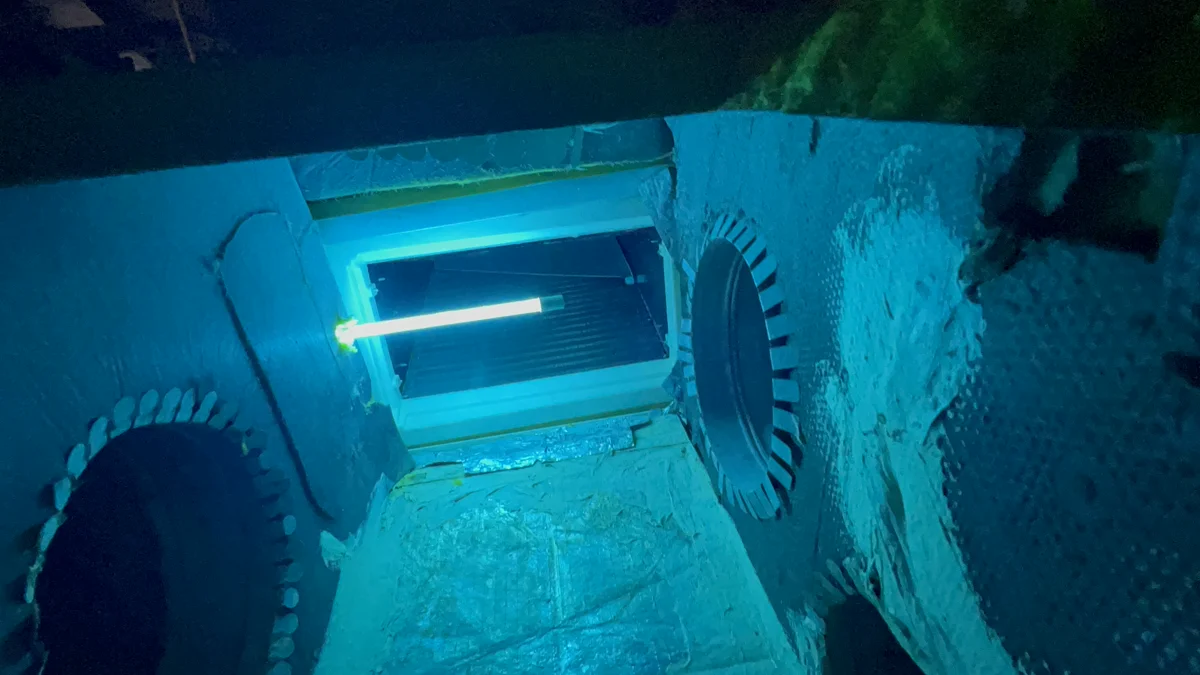
Keep nursery windows closed during high-pollen days. Run the HVAC fan to circulate air through the filter, but switch to 'auto' mode during humid months to avoid adding moisture back to the air. If anyone in your household has allergies, consider a UV lighting system for your HVAC - it neutralizes biological allergens at the source and keeps the evaporator coil clean, reducing what gets distributed through the ducts.
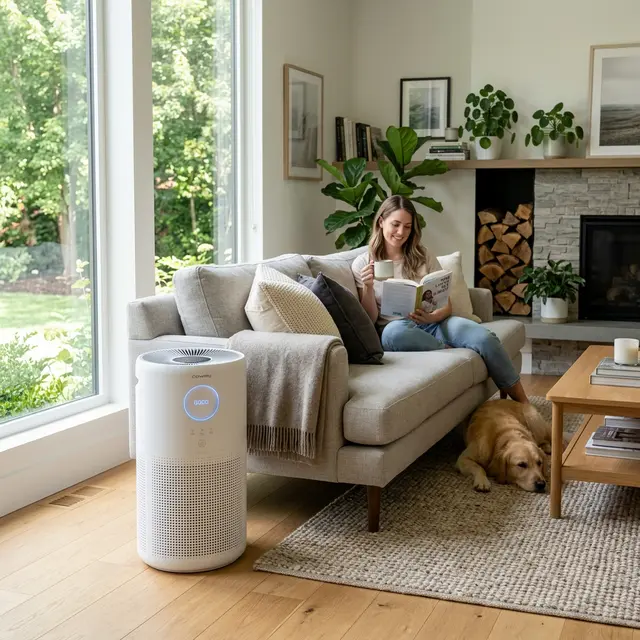
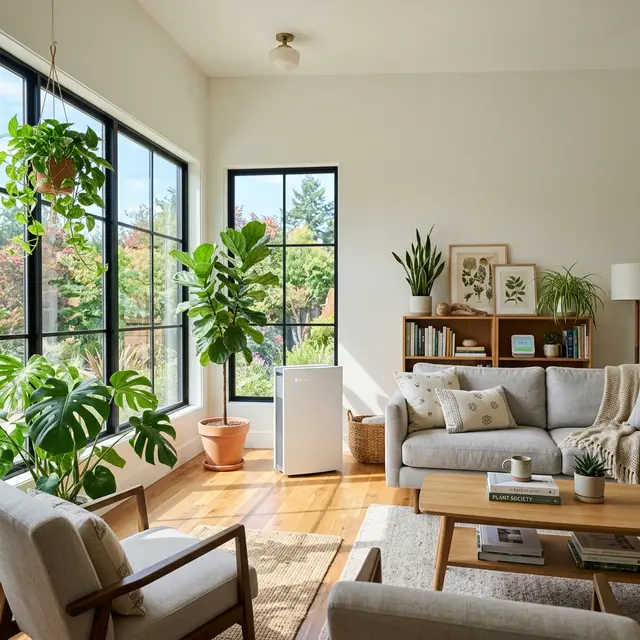
A standalone HEPA air purifier in the nursery provides an additional layer of filtration specific to that room. Look for units sized appropriately for the nursery square footage and run them continuously. Combined with clean ductwork, a good HVAC filter, and a UV system, a room purifier gives your baby the cleanest possible air environment.
Creating a Nursery Air Quality Checklist
Before baby arrives: schedule duct cleaning, install a MERV 11-13 filter, air out all new furniture, and paint with zero-VOC paint at least two weeks before the due date. After baby arrives: check filters monthly during pollen seasons, run HVAC in auto mode, keep the nursery clean with fragrance-free products, and consider a HEPA room purifier for added protection.
If you are not sure where to start, Air Central offers professional air quality assessments for Austin families. We inspect your ductwork with HD cameras, check your filter setup, and recommend practical improvements based on your specific system and home. Call to schedule before your due date - most families feel better knowing exactly what is in their air system before bringing a newborn home.
Related Services
Learn more about our professional services related to this topic:
- Air Duct Cleaning - Remove dust, allergens, and debris from your entire HVAC system for cleaner indoor air.
- Air Duct Inspection - Diagnose leaks, blockages, and efficiency issues with HD camera inspection.
- UV Lighting System - Eliminate bacteria and allergens inside your HVAC with UV-C light technology.
Want the full picture?
Read our complete guide: Indoor Air Quality in Austin: The Complete Guide (2026) →Have questions about indoor air quality? Our team is available 7 days a week. Call us at (512) 601-4451 or visit our contact page.