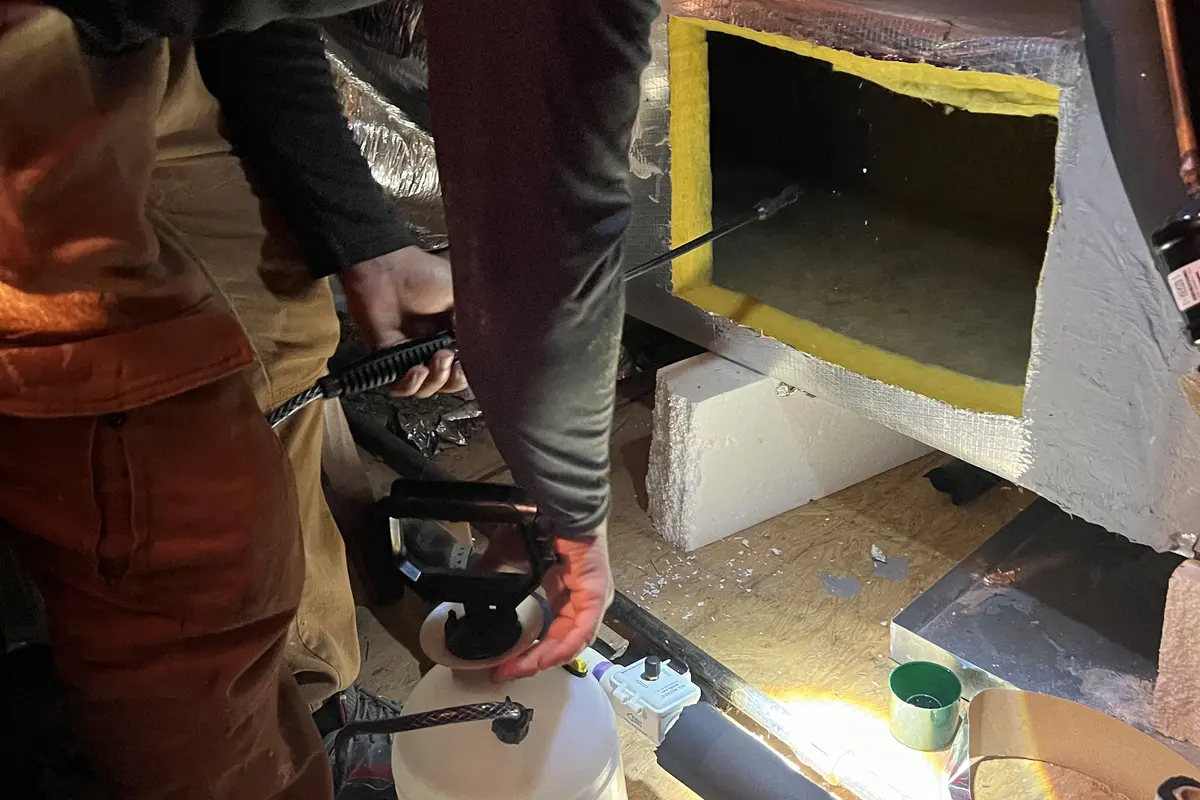
You can check for mold in your HVAC system in about 15 minutes using a flashlight and screwdriver. Remove vent covers and look for dark patches, check the drain pan for slime, smell for musty odors near the return vent, and inspect the area behind the return grille. If you find anything suspicious, call (512) 601-4451 for a professional HD camera inspection that sees deep inside the ductwork where DIY checks cannot reach.
Step 1: Inspect Your Supply Vent Registers
Start with the supply vents - the rectangular or round vents that blow conditioned air into each room. Turn off your HVAC system first. Using a screwdriver, remove the vent cover and set it aside. Shine a flashlight into the duct opening and look at the first 12-18 inches of visible duct surface.
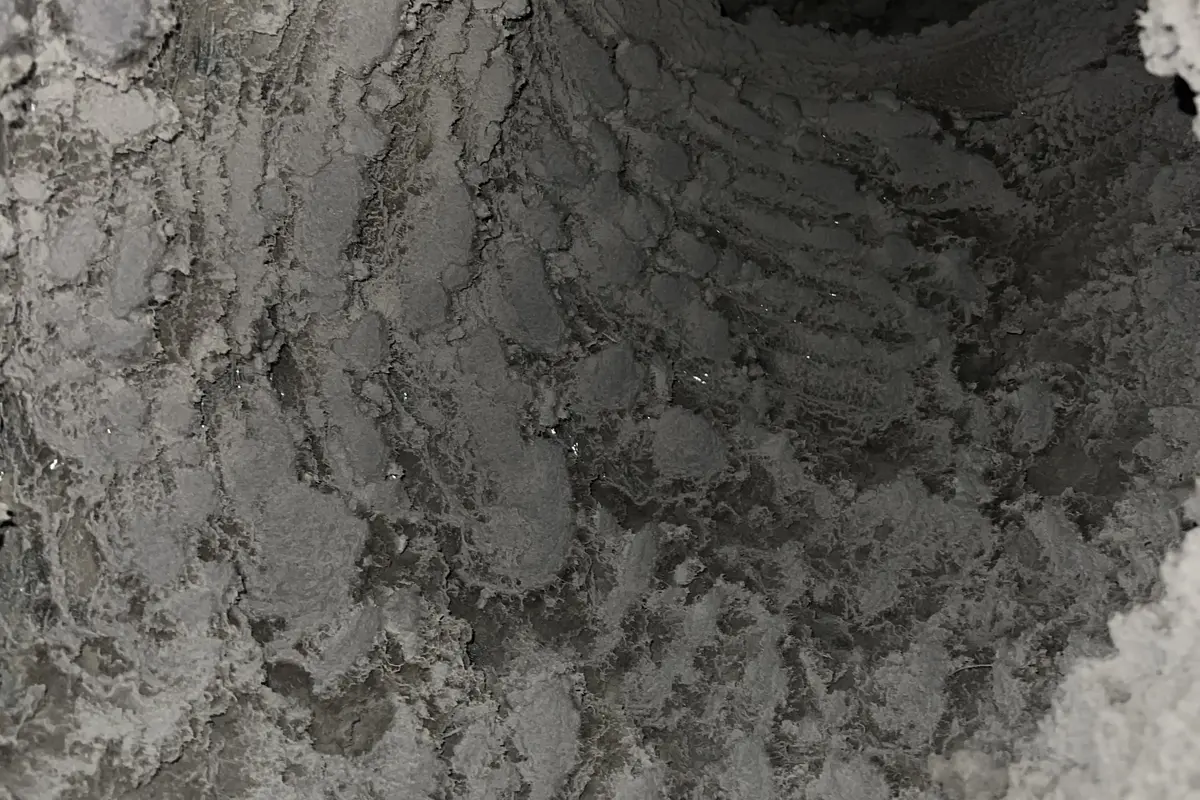
What you are looking for: dark spots or patches on the metal duct surface (black, dark green, or brown), fuzzy or textured growth that is not just dust, and any discoloration on the ceiling or wall immediately surrounding the vent. Dust appears as a uniform gray layer and wipes off easily. Mold appears as irregular patches with defined edges and does not wipe off cleanly with a dry cloth.
Check the vent cover itself. Flip it over and examine the backside. Mold often grows on the back of vent covers where condensation forms as cold supply air meets warm room air. Dark spots on the back of the cover are one of the earliest visible signs of mold in the system.
Repeat this check on at least 3-4 vents throughout your home. If only one vent shows signs, the issue may be localized. If multiple vents show similar discoloration, the contamination is likely deeper in the system - in the trunk lines or the air handler itself.
Step 2: Check the Drain Pan and Condensate Line
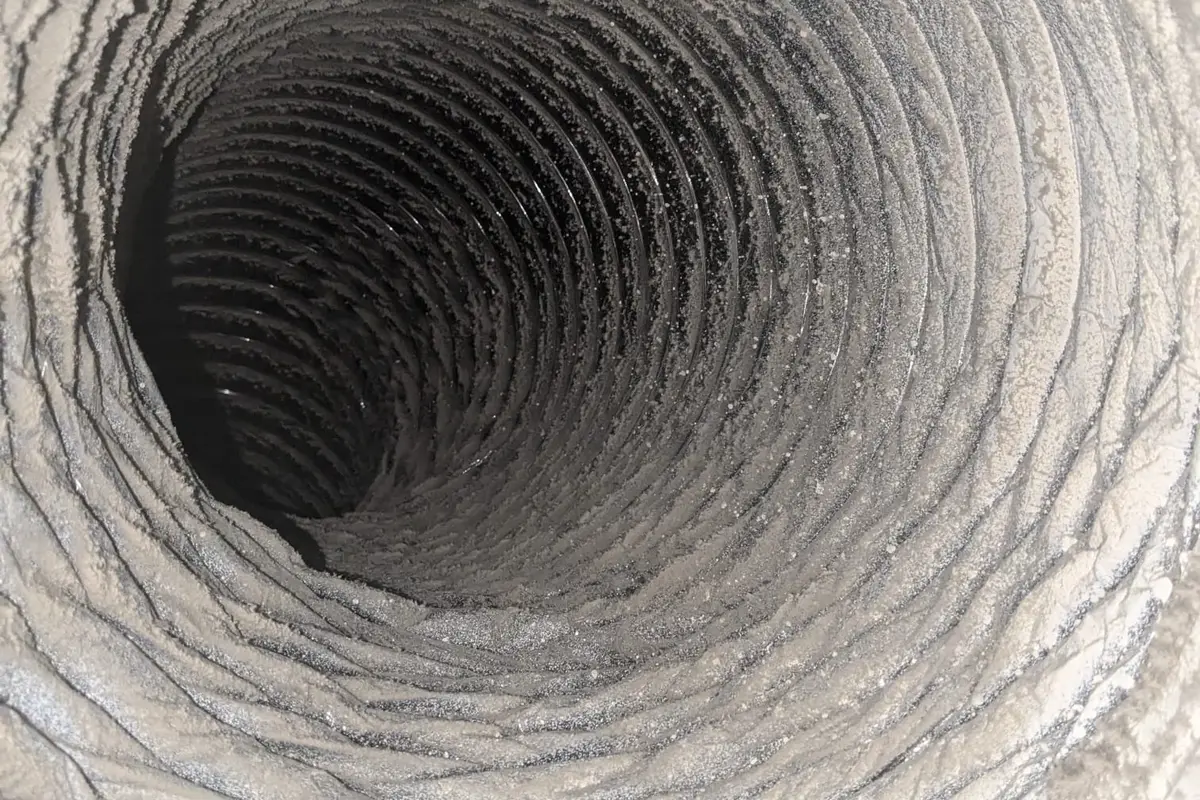
Your HVAC system's evaporator coil produces condensation every time it runs. This water collects in the drain pan beneath the coil and flows out through a condensate line. If the drain pan is not draining properly, standing water becomes a breeding ground for mold within 24-48 hours.
Locate your air handler (usually in a closet, attic, or garage). If accessible, open the access panel and look at the drain pan. A clean drain pan is dry or has a thin film of water actively draining. A problematic drain pan has standing water, slimy buildup (often orange, pink, or dark), or visible mold growth around the edges.
Check where the condensate line exits your home (usually a PVC pipe that drips near the foundation or into a drain). If no water is dripping during operation, the line may be clogged, which causes the drain pan to overflow and creates moisture conditions that promote mold growth throughout the air handler.
In Austin, drain pan and condensate line issues are extremely common due to the high humidity and heavy cooling load. The evaporator coil in an Austin home produces significantly more condensation during summer than homes in drier climates. Regular drain line flushing (every 6 months) prevents the standing water conditions that lead to mold.
Step 3: The Smell Test at the Return Vent
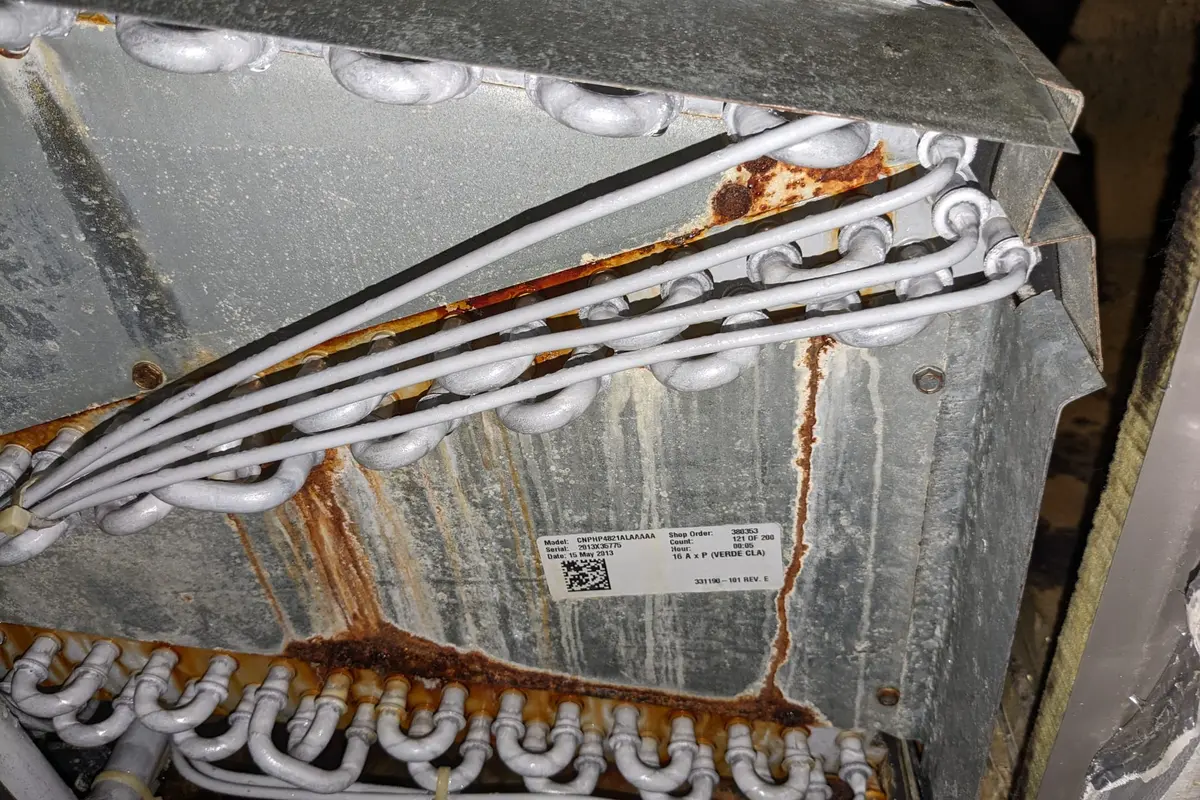
Your return vent is the large grille (usually one or two in the home) where the HVAC system pulls air back for reconditioning. This is the most direct connection between your living space and the inside of the duct system. Stand close to the return vent while the system is running and breathe normally.
Mold produces a characteristic musty, earthy odor - often described as smelling like a damp basement or old books. If you detect this smell specifically when the system runs and it fades when the system shuts off, mold inside the ductwork is the most likely source. The smell comes and goes with the system because the blower pushes air past the mold colonies, carrying spores and volatile organic compounds into your living space.
A variation of this test: turn the system off for several hours, then turn it on and immediately stand near the return vent. The first burst of air after a long off-cycle often carries the strongest musty odor because spores have accumulated on duct surfaces during the idle period.
Note that not all mold produces a detectable odor, especially in early stages. The absence of a musty smell does not guarantee the absence of mold. But a persistent musty odor that correlates with HVAC operation is one of the most reliable indicators.
Step 4: Look Behind the Return Vent Grille
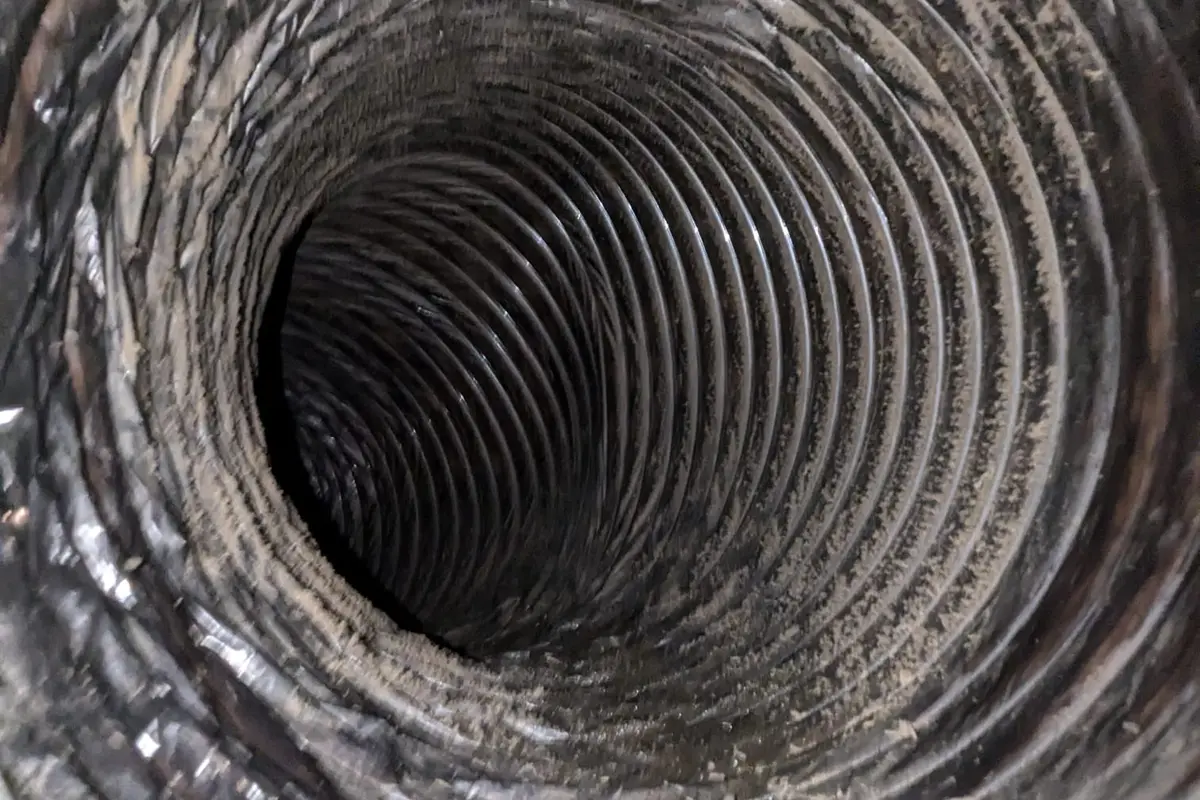
Remove the return vent grille (usually held by screws or clips) and shine a flashlight into the return duct opening. The return side of your duct system often shows mold contamination before the supply side because it pulls in household air containing moisture, skin cells, pet dander, and other organic material that feeds mold growth.
Look at the filter first. A dirty filter with dark spots that do not match the uniform gray of normal dust accumulation may indicate mold growing on the filter media. If the filter has been in place for months in Austin's humid climate, mold can colonize the damp filter surface.
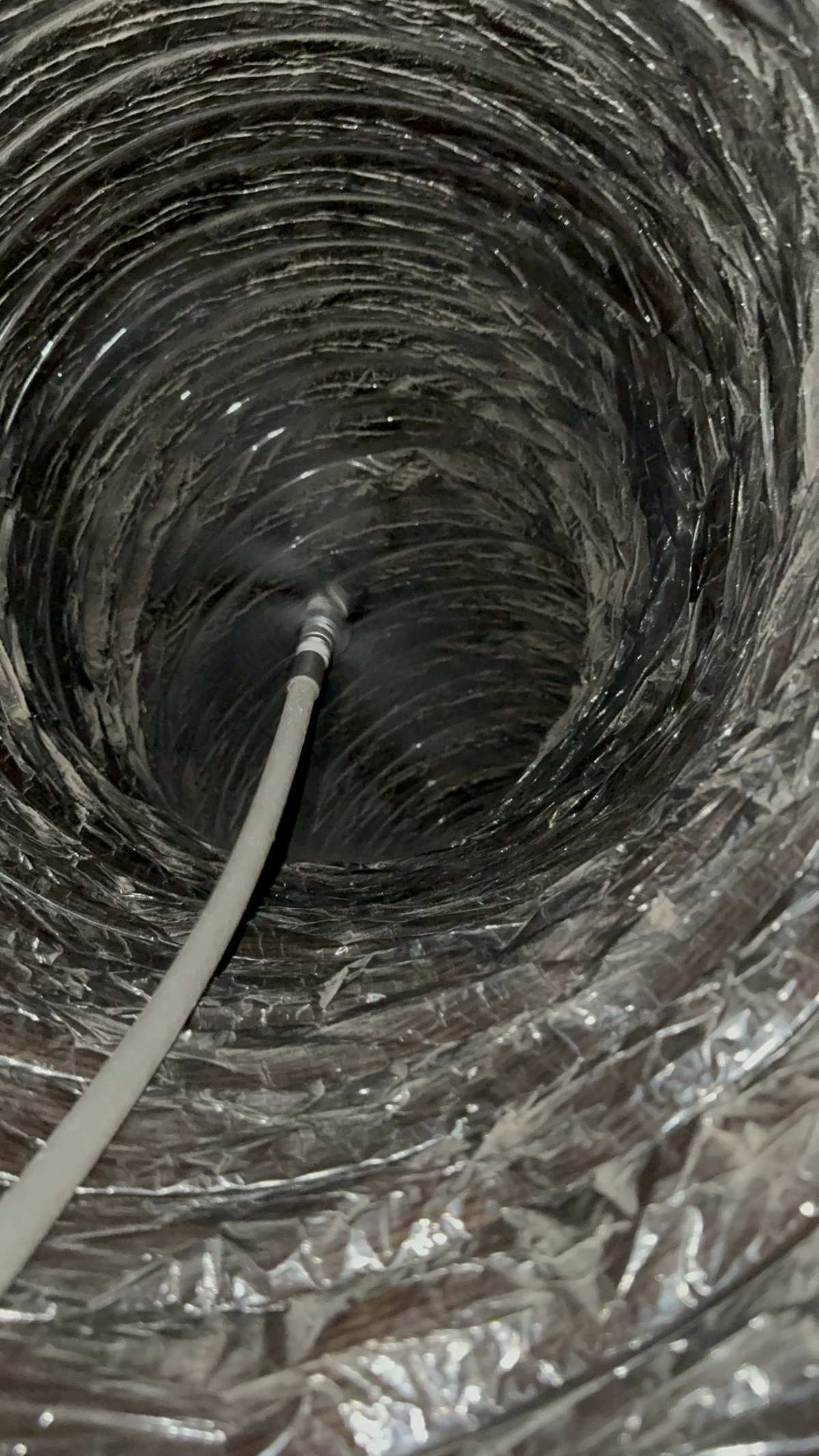
Look past the filter into the return duct cavity. Dark patches on the interior walls, especially in corners where dust accumulates, suggest mold growth. In homes with flexible ductwork, mold tends to grow in the ridges of the flex duct where moisture and debris collect.
If your return duct is in a hallway ceiling, you may be able to see the air handler or evaporator coil housing from this vantage point. Shine the flashlight toward the coil area. Visible mold on or near the coil indicates a systemic problem that requires professional cleaning.
Concerned About Your Home's Air?
We provide professional air quality assessments for Austin homes. See what is in your ducts before deciding.
Call (512) 601-4451Rate your home's indoor air quality in 2 minutes
What Each Finding Means
Mold on vent covers only (back side): This is surface contamination from condensation. Clean the cover with diluted white vinegar (50/50 with water), dry completely, and reinstall. Monitor for 1-2 weeks. If it returns, the source is inside the duct system and professional inspection is needed.
Dark patches visible inside vent openings: Mold has colonized duct surfaces. DIY cleaning cannot reach these areas effectively, and disturbing the growth without proper containment spreads spores throughout your home. Professional cleaning with HEPA filtration is recommended.
Slimy or discolored drain pan: The moisture source feeding mold growth is active. Flush the condensate line, clean the drain pan with vinegar solution, and check again in a week. If the problem recurs, a professional should inspect the coil and drain system.
Musty smell when HVAC runs: Mold is present somewhere in the system, possibly in areas you cannot see with a flashlight. The smell means spores are being distributed through your home. Professional HD camera inspection is needed to locate and assess the contamination.
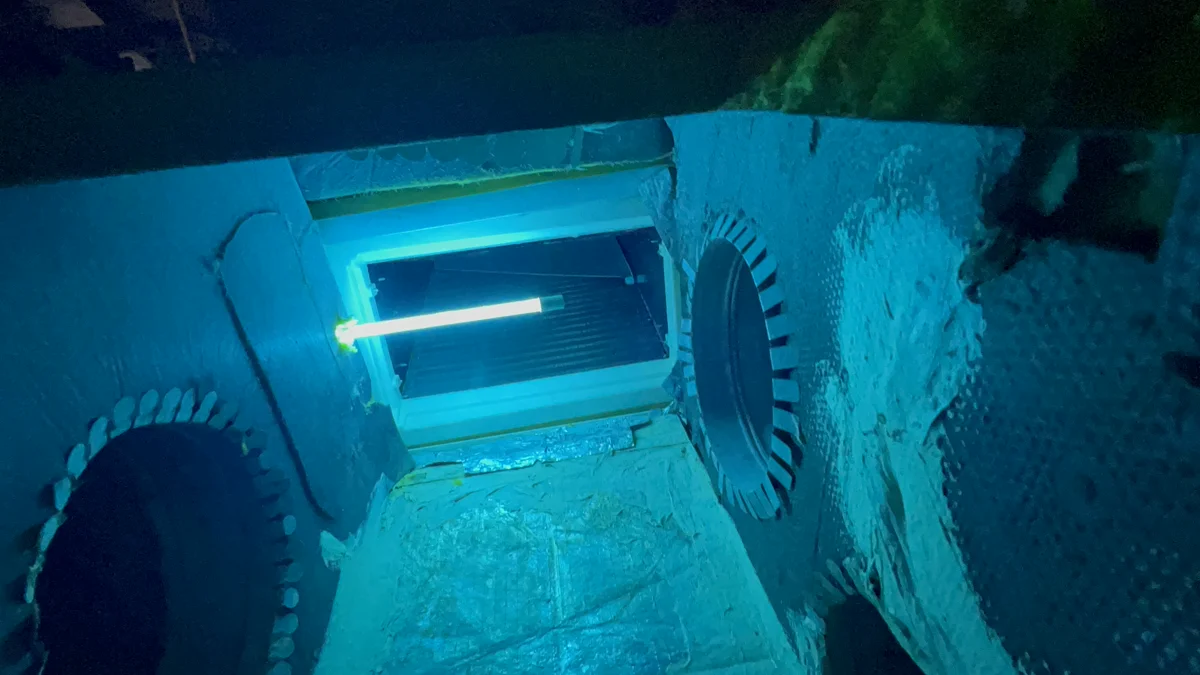
Heavy growth visible on coil or inside air handler: This is systemic contamination. Every room in your home receives mold spores when the system operates. Professional cleaning with HEPA filtration, coil cleaning, and UV-C light installation to prevent regrowth is the recommended approach.
When You Need Professional HD Camera Inspection
DIY checks can only see the first 12-18 inches of ductwork from each vent opening. The average Austin home has 150-300 feet of total ductwork, including trunk lines, branch lines, and the air handler interior. A flashlight at the vent cover shows you less than 5% of the total system.
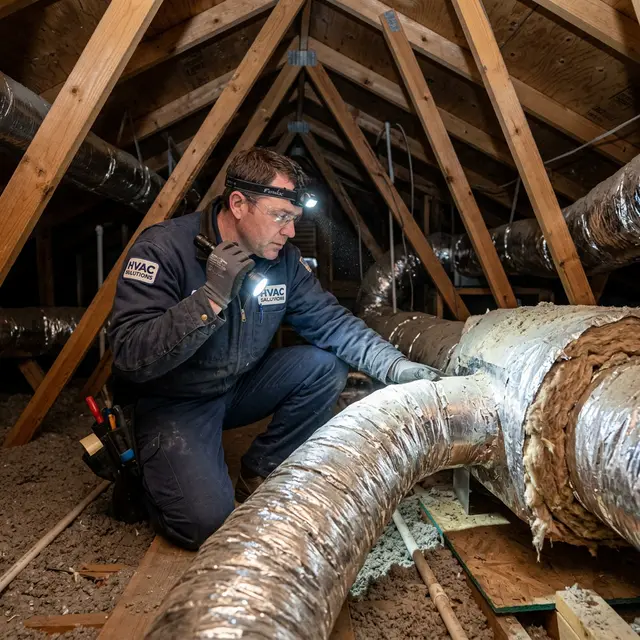
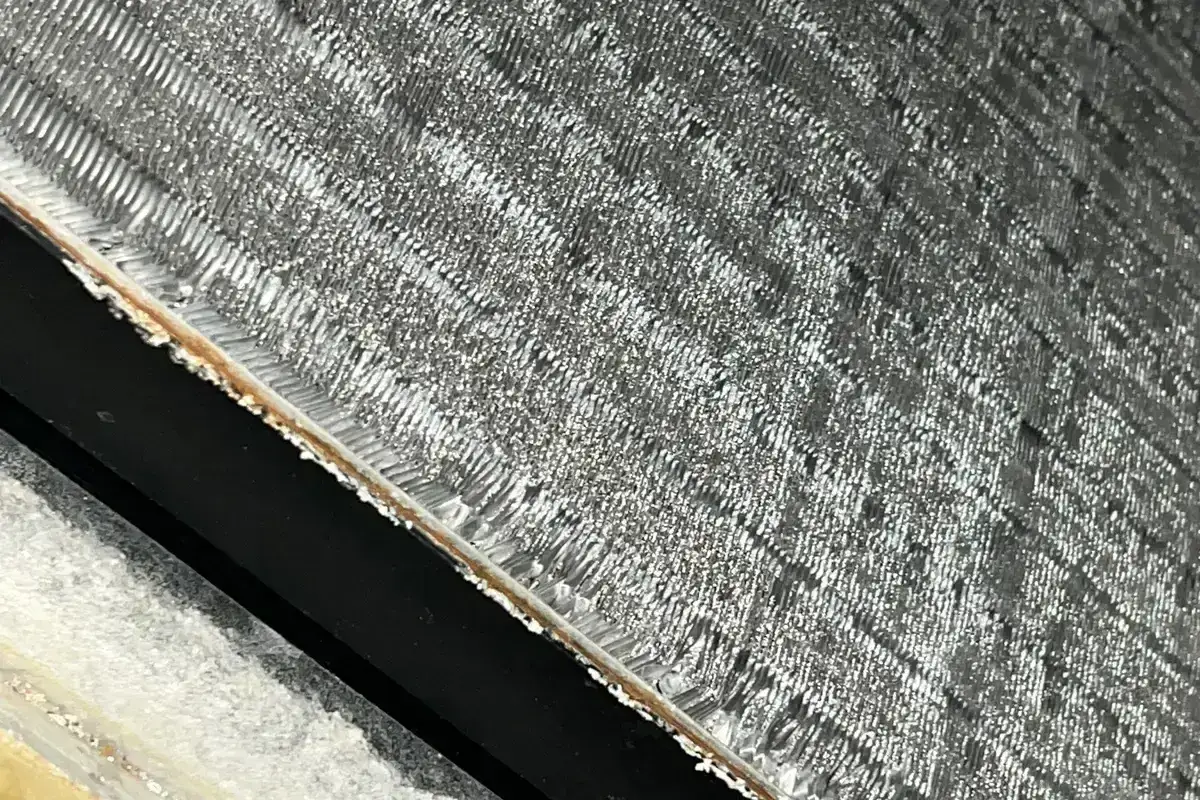
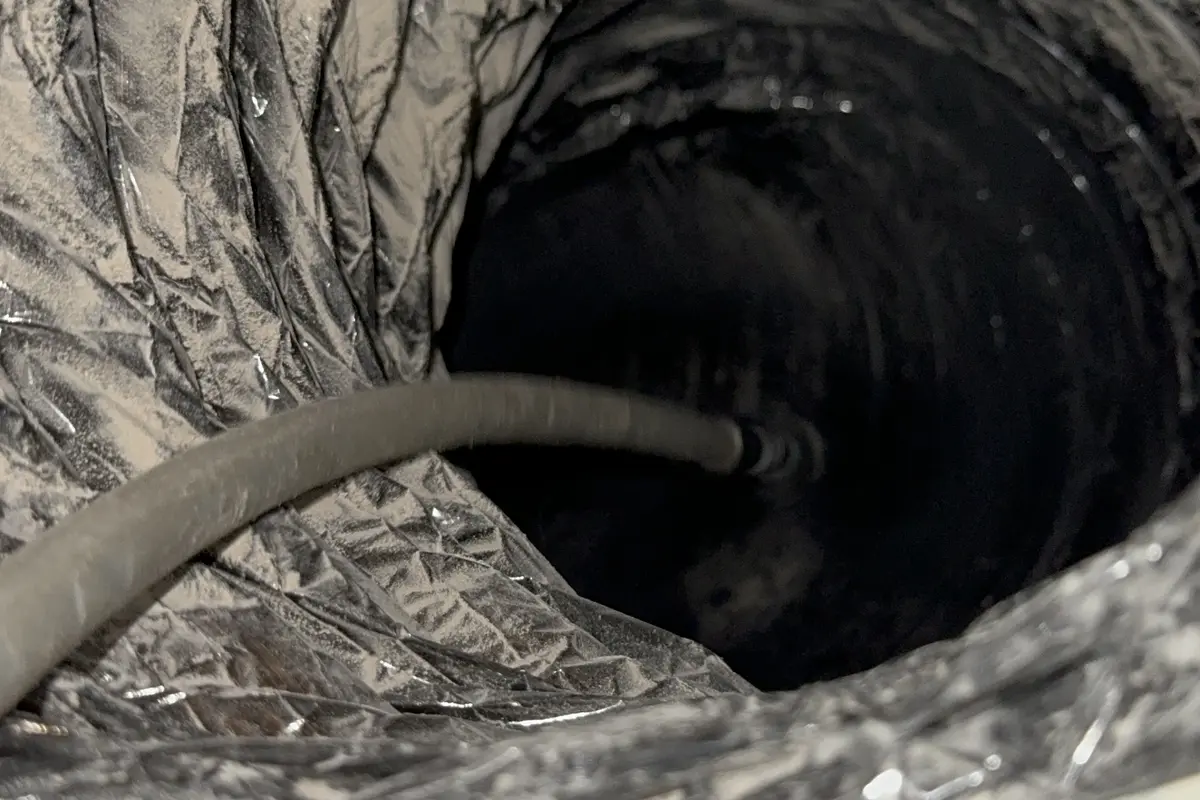
Professional HD camera inspection uses a flexible camera that travels deep into the ductwork, capturing high-resolution footage of trunk lines, connections, the plenum box, and areas around the evaporator coil. This is the only way to confirm or rule out mold in the 95% of the system that DIY checks cannot reach.
You should schedule professional inspection if any of your DIY checks revealed suspicious findings, if you have unexplained allergy symptoms that worsen indoors, if your home has a persistent musty odor you cannot locate, if your system has not been inspected in 3+ years, or if you have had any water damage or plumbing leaks near ductwork.
Call (512) 601-4451 to schedule an HD camera inspection. Our technicians show you real-time footage of your duct interior on screen, explain what you are seeing, and recommend the appropriate course of action based on actual conditions - not guesswork. Air Central serves Austin and 27 surrounding Central Texas communities.
Next Steps After Finding Mold: Duct Cleaning vs Mold Remediation
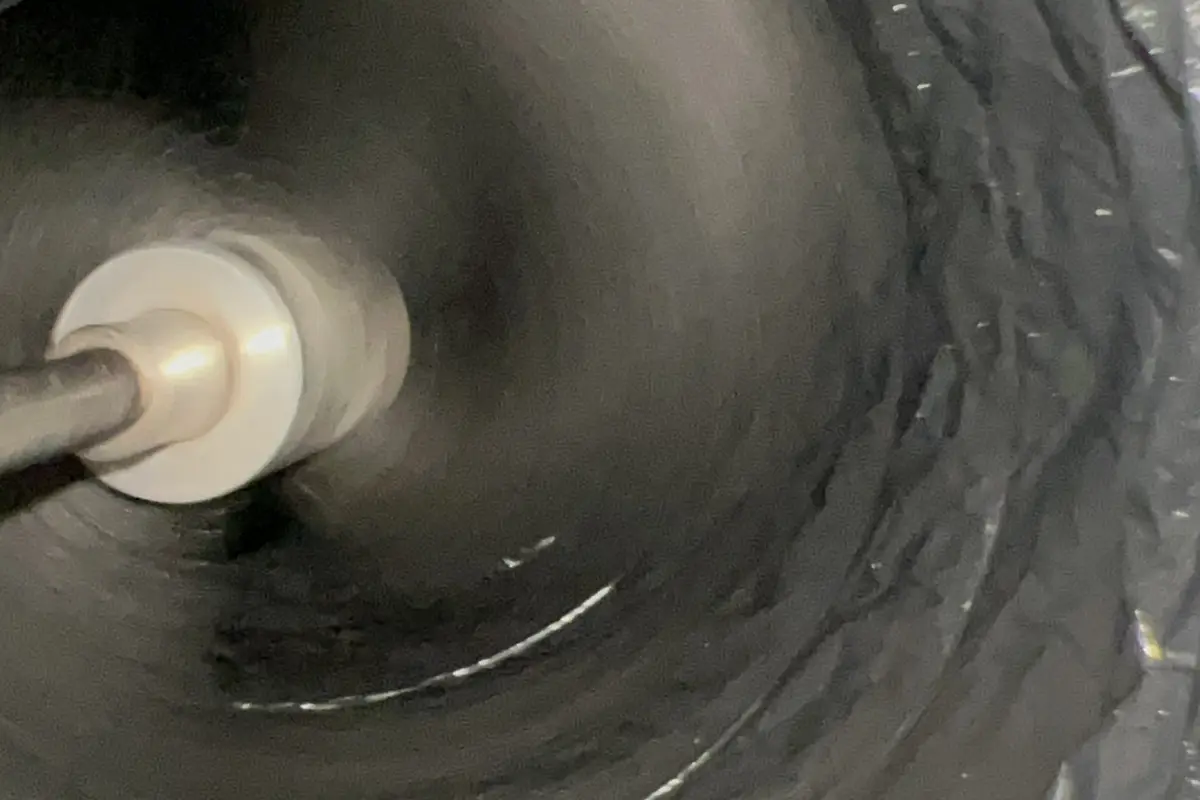
Once your check confirms mold inside the ductwork, the next question is what kind of professional you need. If the mold is limited to duct surfaces, the evaporator coil, drain pan, or the first few inches of duct material visible from the air handler, professional duct cleaning by Air Central is the right response. We use HEPA-filtered negative-pressure equipment to physically remove the contamination - this is the EPA-recommended approach for mold in ductwork and follows NADCA guidelines.
If your check reveals mold beyond the HVAC system - on the drywall around duct boots, on attic framing near the air handler, or in wall cavities through which ducts run - you need certified mold remediation specialists in addition to duct cleaning. Mold abatement services for structural contamination require IICRC-certified professionals who use containment procedures, commercial air scrubbers, and proper disposal protocols that go beyond what duct cleaning covers. Searching for mold damage service near me or mold remediation companies near me will connect you with these specialists.
Air Central addresses the HVAC duct system side. For cases where your checks reveal mold in both the ducts and surrounding building materials, we recommend completing the structural mold remediation first, then scheduling duct cleaning before the HVAC system is turned back on. This sequence prevents the ducts from recontaminating the freshly treated areas. We are happy to coordinate directly with your chosen mold remediation specialist to schedule the duct work at the right stage of the project.
Related Services
Learn more about our professional services related to this topic:
- Air Duct Cleaning - Remove dust, allergens, and debris from your entire HVAC system for cleaner indoor air.
- Air Duct Inspection - Diagnose leaks, blockages, and efficiency issues with HD camera inspection.
- UV Lighting System - Eliminate bacteria and allergens inside your HVAC with UV-C light technology.
Want the full picture?
Read our complete guide: Indoor Air Quality in Austin: The Complete Guide (2026) →Have questions about indoor air quality? Our team is available 7 days a week. Call us at (512) 601-4451 or visit our contact page.