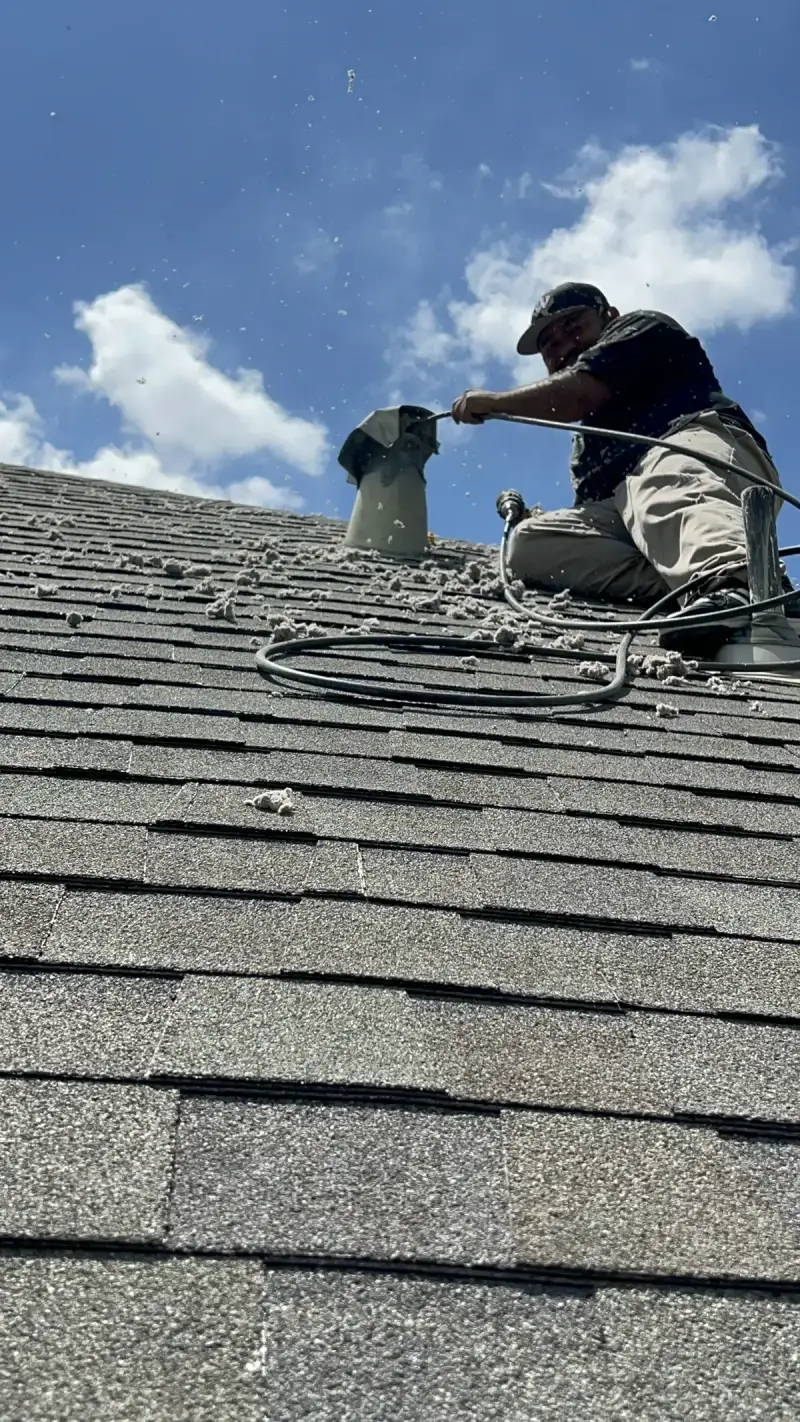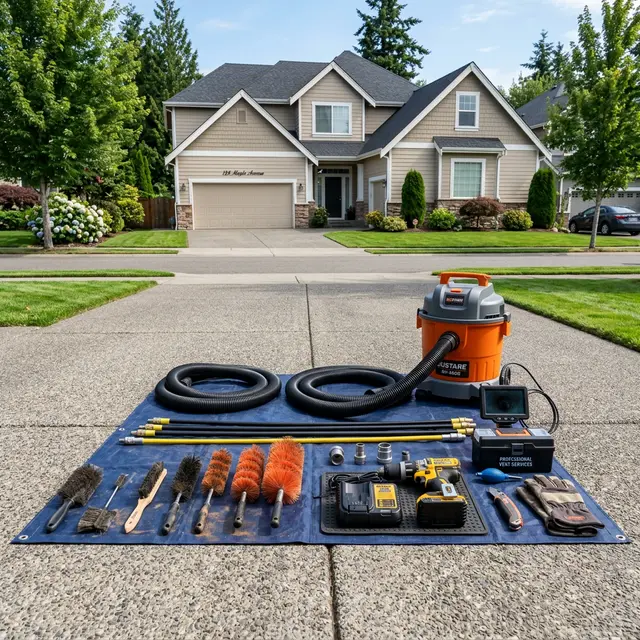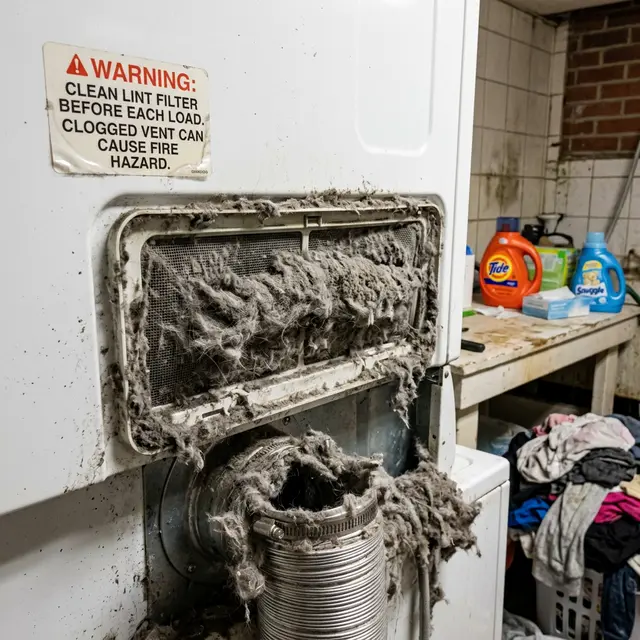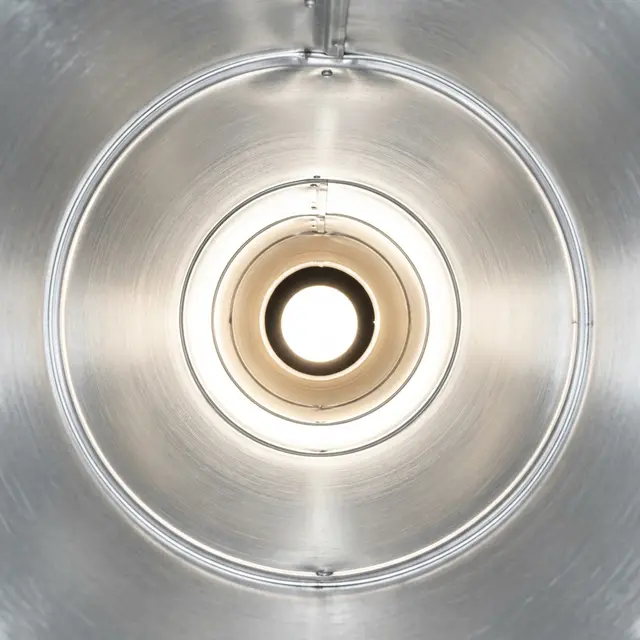
Clean your dryer vent at least once per year. Households with heavy laundry usage (5+ loads per week), long vent runs (over 20 feet), or multiple 90-degree turns should clean every 6 months.
General Guidelines
Once per year is the minimum for any household. The US Fire Administration recommends annual professional dryer vent cleaning regardless of how much laundry you do. Lint accumulates even with faithful lint trap cleaning because the trap only catches 75% of lint - the rest enters the vent system.
Think of it like an oil change for your car - you do not wait until the engine seizes to change the oil. Annual dryer vent cleaning prevents the gradual buildup that leads to longer drying times, higher energy bills, and eventually fire risk. Most Austin homeowners find that scheduling vent cleaning at the same time each year - many choose fall when they are already scheduling HVAC maintenance - keeps it from being forgotten.
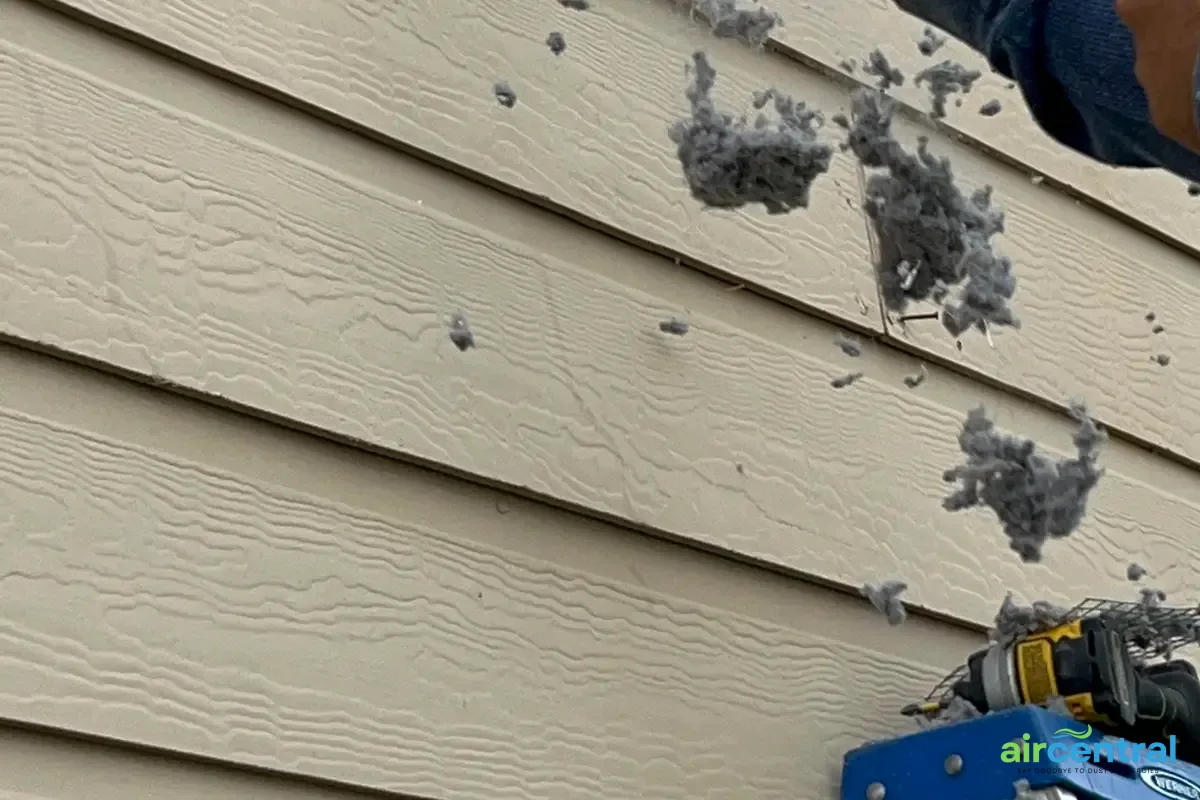
"Our data from thousands of Austin dryer vent cleanings shows the sweet spot is exactly 12 months for most households," says Nessi Ziv, owner of Air Central. "At the one-year mark, we typically pull a moderate amount of lint that has not yet become a blockage. Wait 18-24 months and we start finding compressed plugs that have restricted airflow by 50% or more."
For the average Austin household doing 4-5 loads per week with a standard vent run (15-20 feet, wall exit), annual cleaning is sufficient. The cost pays for itself through energy savings and extended dryer life within the first year.
Clean More Often If
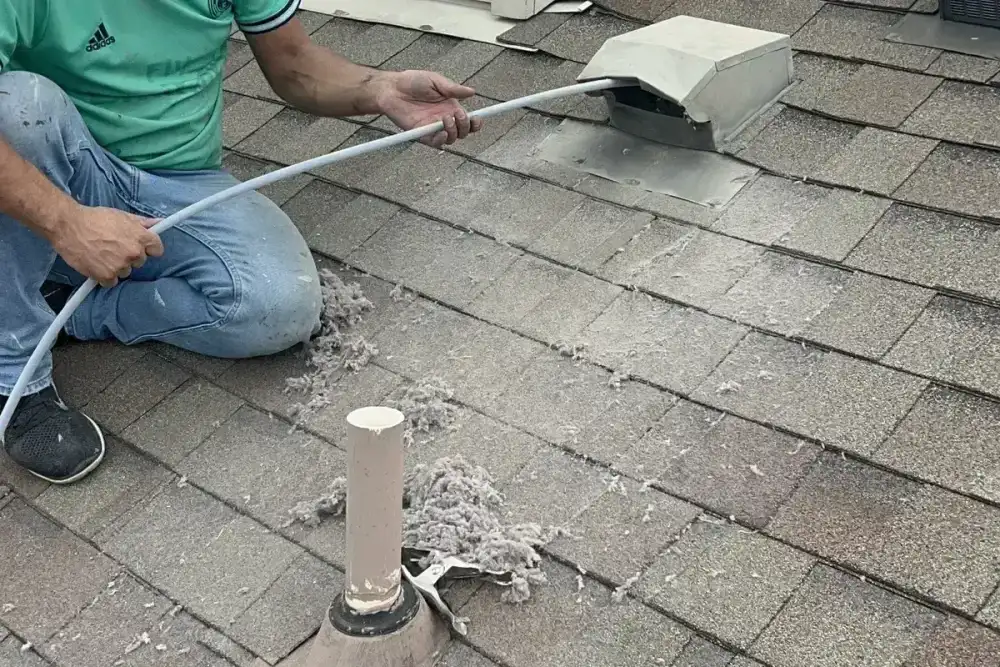
Your household runs 5+ loads per week. Large families, households with young children, and anyone doing heavy laundry volume produces significantly more lint. A family of five doing 8-10 loads per week should clean the vent every 6 months. The math is simple - twice the laundry means twice the lint entering the vent system.
Your vent run is over 20 feet or has more than two 90-degree turns. Lint accumulates faster in long, winding vents because it settles at every turn and along the longer run of duct. Many Austin homes built after 2000 have interior laundry rooms with vent runs that travel 25-35 feet through walls and up into the attic before exiting through the roof. These configurations need cleaning every 6 months.
You have pets - pet hair dramatically increases lint production. Dog and cat hair sheds onto clothing and bedding, then breaks down into fine fibers in the dryer. These fibers pass through the lint trap more easily than cotton or synthetic lint. Homes with heavy-shedding breeds like Labs, Golden Retrievers, or German Shepherds should plan on twice-yearly vent cleaning.
You use dryer sheets - the waxy residue from dryer sheets coats the lint trap mesh over time, reducing its effectiveness. Hold the lint screen under running water - if water pools on the surface instead of flowing through, residue has clogged the mesh. Scrub it with a brush and dish soap quarterly. Even with regular mesh cleaning, dryer sheet users should clean the vent more frequently because more lint bypasses the compromised trap.
Your dryer is older than 8-10 years - worn door seals, degraded drum felts, and loose lint trap housings all allow more lint to bypass the trap and enter the vent. If your dryer is getting older and you have not replaced it yet, increase vent cleaning frequency to compensate. Your vent exits through the roof - vertical runs collect lint faster than horizontal ones because gravity works against the airflow.
Austin Climate Considerations
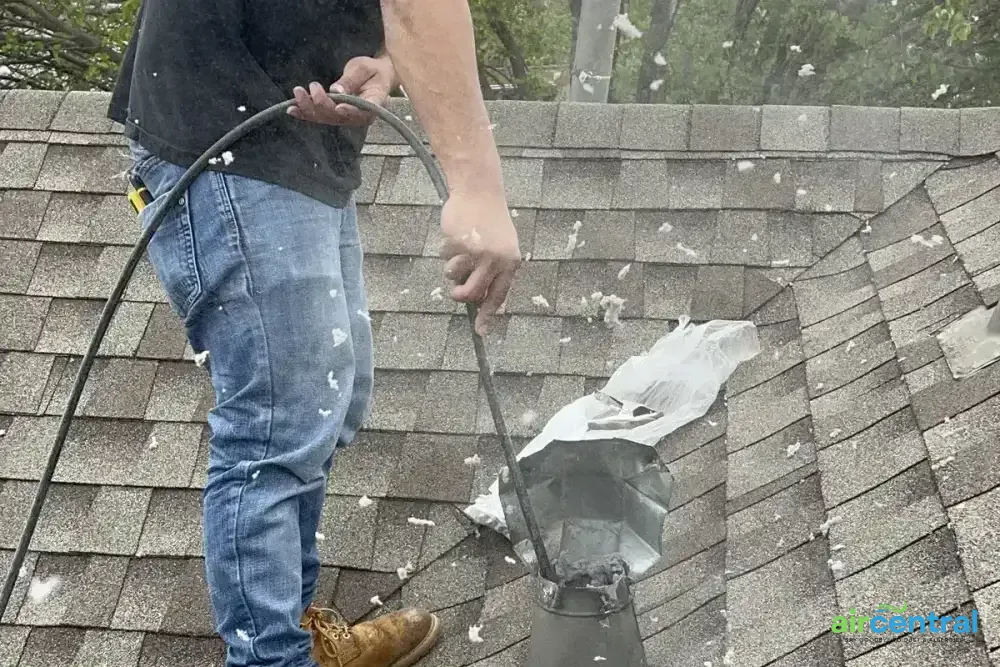
Austin's humid climate adds a wrinkle to dryer vent maintenance. When outdoor humidity is high (65-75% from April through October), the air inside the vent retains more moisture. Damp lint sticks to vent walls more aggressively than dry lint, accelerating buildup. During summer months, the difference between the hot, dry exhaust air inside the vent and the humid outdoor air at the exit point can cause condensation at the termination, which further traps lint.
Austin's warm winters also mean that dryers run year-round. In northern states, lighter summer clothing dries faster and produces less lint, giving the vent a partial break during warm months. In Central Texas, heavy towels, gym clothes, and pet bedding go through the dryer 12 months a year with no seasonal reduction in lint production.
When Was Your Dryer Vent Last Cleaned?
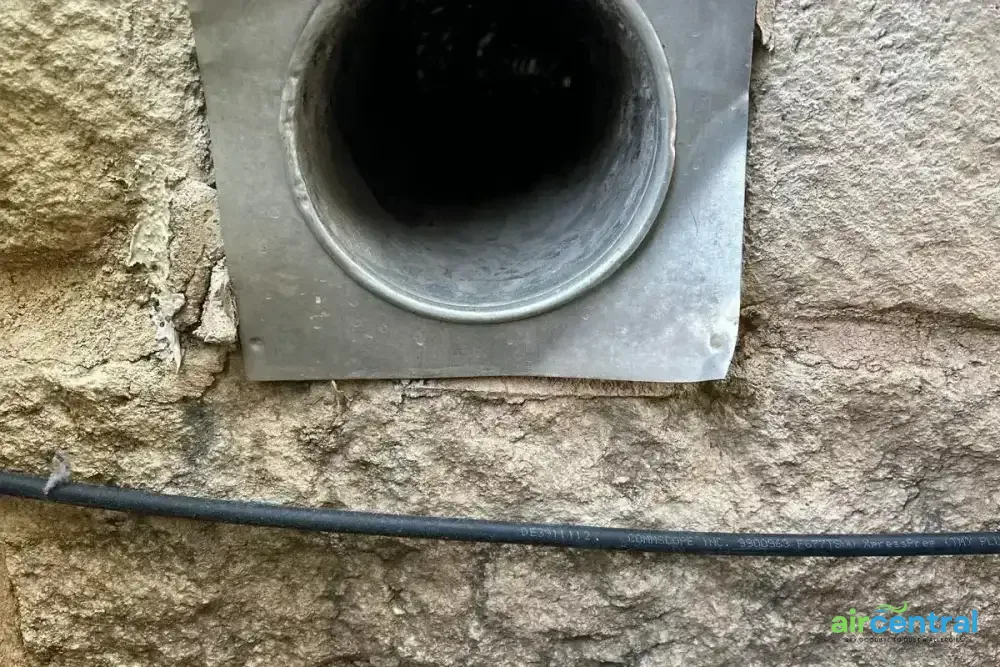
Most Austin homeowners go too long between cleanings. A quick inspection takes minutes and could prevent a fire.
Call (512) 601-4451Rate your home's indoor air quality in 2 minutes
Signs You Are Overdue
Drying time has increased noticeably - this is the earliest and most reliable indicator. If loads that used to finish in 40-45 minutes now take 60-75 minutes, the vent is restricting airflow. The dryer exterior is hot to the touch. Lint is visible around the door seal or on clothing after the cycle. The laundry room is humid or warm during dryer operation. The exterior vent flap barely opens or stays closed.
Any of these signs mean clean the vent now, regardless of when the last cleaning was. Do not wait for the next scheduled appointment. A partially clogged vent creates a fire hazard that worsens with every load. Call a professional and schedule cleaning within the next few days. In the meantime, avoid running the dryer if you smell burning or see excessive lint around the door seal.
Related Services
Learn more about our professional services related to this topic:
- Dryer Vent Cleaning - Clear lint buildup to prevent fires and cut drying time in half.
Want the full picture?
Read our complete guide: Dryer Vent Cleaning Austin: Complete Safety Guide (2026) →Have questions about dryer vent safety? Our team is available 7 days a week. Call us at (512) 601-4451 or visit our contact page.