The NFPA reports 2,900 dryer fires annually in the U.S., and multi-unit buildings face elevated risk from longer shared vent runs and deferred maintenance. Texas fire code requires accessible, maintained dryer vents, and HOAs carry liability for common-element vent maintenance. Annual cleaning of shared vent systems is the industry recommendation.
A Condo Dryer Fire Does Not Just Affect One Unit
When a dryer fire starts in a single-family home, the damage is typically contained to one structure. In a condo building or townhome complex, a dryer fire in one unit threatens every adjacent unit, common areas, and the building structure. Shared walls, shared attic spaces, and interconnected utility chases create fire spread pathways that do not exist in detached homes.
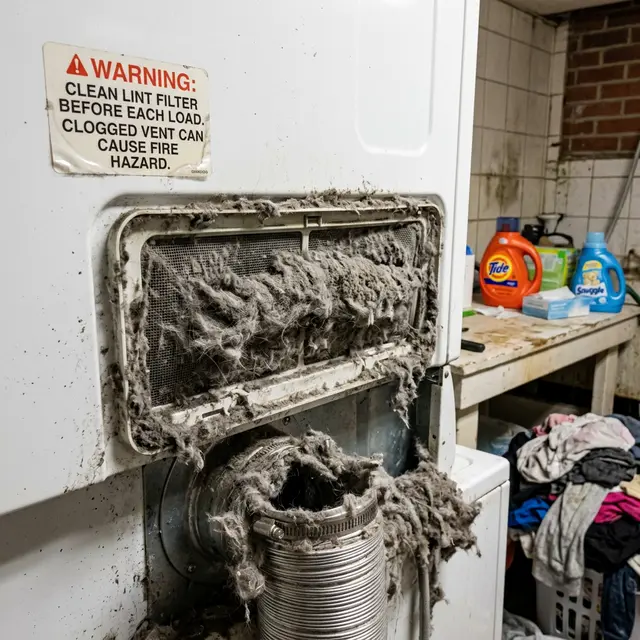
The NFPA reports that dryer fires cause an average of 2,900 residential fires, 5 deaths, 100 injuries, and $35 million in property damage annually in the United States. Multi-unit buildings represent a disproportionate share of severe dryer fire outcomes because of delayed detection, longer evacuation times, and structural fire spread.
Austin's condo and townhome inventory has grown significantly. Complexes in Mueller, East Riverside, The Domain, and South Congress corridor house thousands of units with shared dryer vent infrastructure. Many of these buildings are 10-15 years old and have never had their dryer vent systems professionally cleaned.
Who Is Responsible: The HOA or the Unit Owner?
Texas Property Code and most HOA governing documents (CC&Rs) assign maintenance responsibility based on whether a component is a common element or a unit element. Dryer vents typically fall into a gray area that creates disputes.
The dryer itself and the short connector hose from the dryer to the wall are almost always the unit owner's responsibility. The vent ductwork from the wall penetration through shared building spaces to the exterior termination is typically a common element maintained by the HOA or condo association.
In practice, many HOAs have not clearly addressed dryer vent maintenance in their governing documents. When no specific provision exists, Texas courts generally assign maintenance of building-system components (ductwork, shared exhaust runs, exterior terminations) to the association. Unit owners remain responsible for their appliances and connections.
"I have worked with HOA boards in Kyle, Buda, and Round Rock who had no idea they were liable for dryer vent maintenance in common areas," says Nessi Ziv, owner of Air Central. "One board found out after a lint fire in a shared vent run that damaged two units. Their insurance covered the claim but increased premiums by 30% the next year."
Texas Fire Code and Dryer Vent Requirements
The International Fire Code (IFC), adopted by Texas and enforced locally in Austin, requires that dryer exhaust systems be maintained free of lint and combustible debris. Section 607.3 specifically addresses clothes dryer exhaust and requires that systems be cleaned at intervals sufficient to prevent lint accumulation that creates a fire hazard.
The IFC also limits dryer vent length based on duct diameter and the number of elbows. Standard 4-inch diameter vent ductwork has a maximum developed length of 35 feet, reduced by 5 feet for each 90-degree elbow and 2.5 feet for each 45-degree elbow. Multi-unit buildings frequently exceed these limits because the path from interior units to the building exterior requires longer runs and more turns.
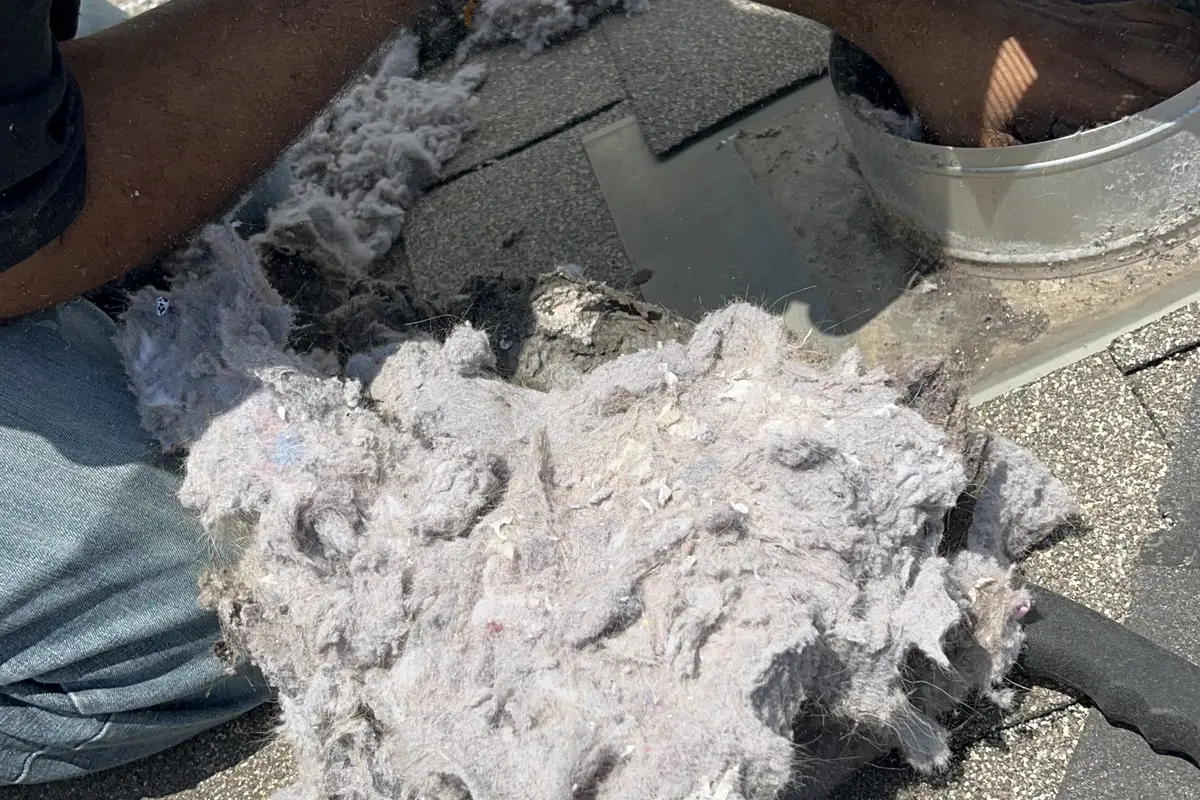
Excessive vent length increases drying time, reduces dryer efficiency, and accelerates lint accumulation. A 30-foot vent run accumulates lint 3-4 times faster than a 10-foot run because the reduced airflow velocity allows lint to settle and adhere to duct walls instead of exhausting to the exterior.
Multi-Unit Dryer Vent Risks That Do Not Exist in Single-Family Homes
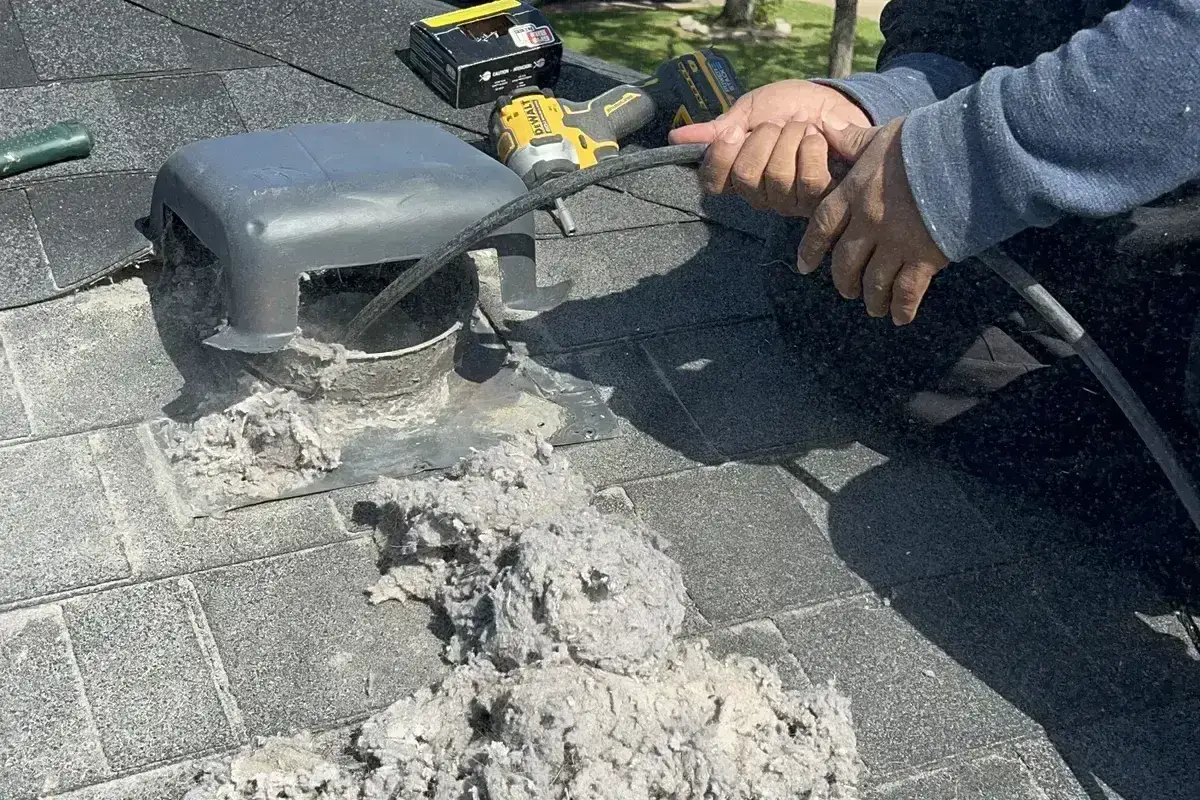
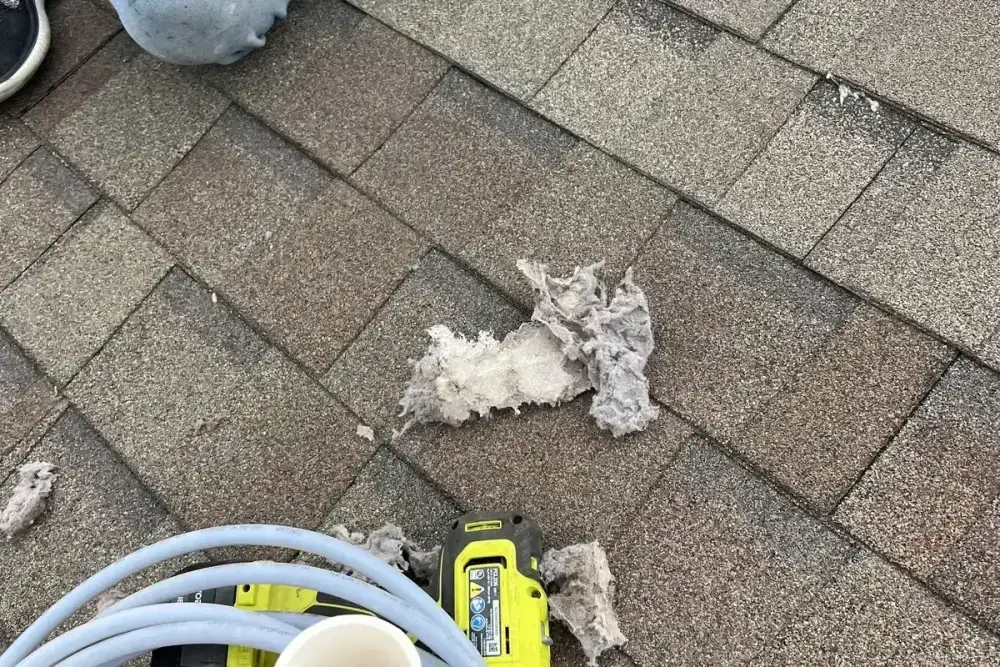
Shared vent runs in multi-unit buildings carry unique risks. When multiple dryers exhaust through a shared vertical or horizontal chase, lint from one unit can accumulate at joints, transitions, and exhaust fans that serve the entire run. A blockage affects every unit on the system.
Booster fans required for long runs add maintenance complexity. If the booster fan fails, lint accumulates rapidly in the section between the dryer and the fan. Many booster fans in Austin condos have never been serviced since initial installation.
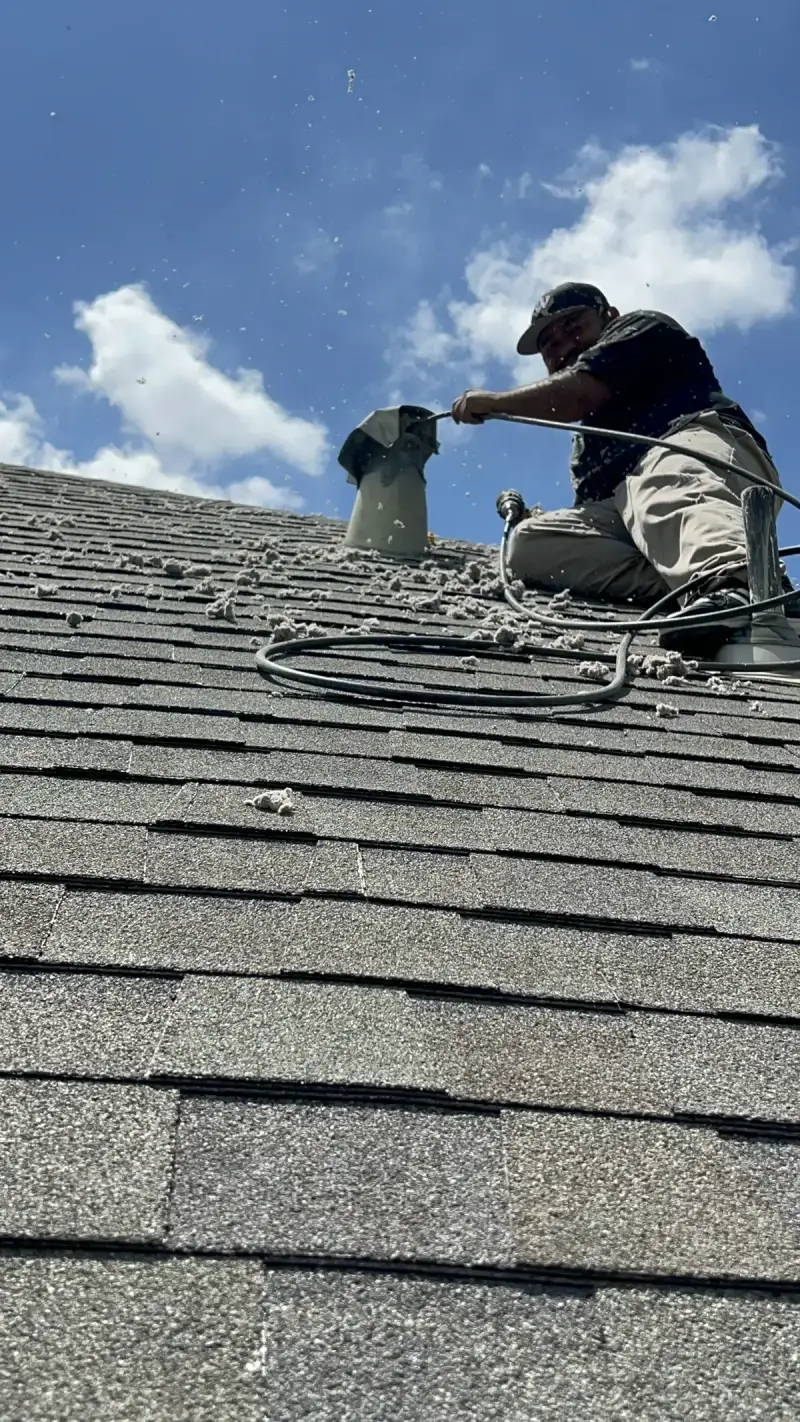
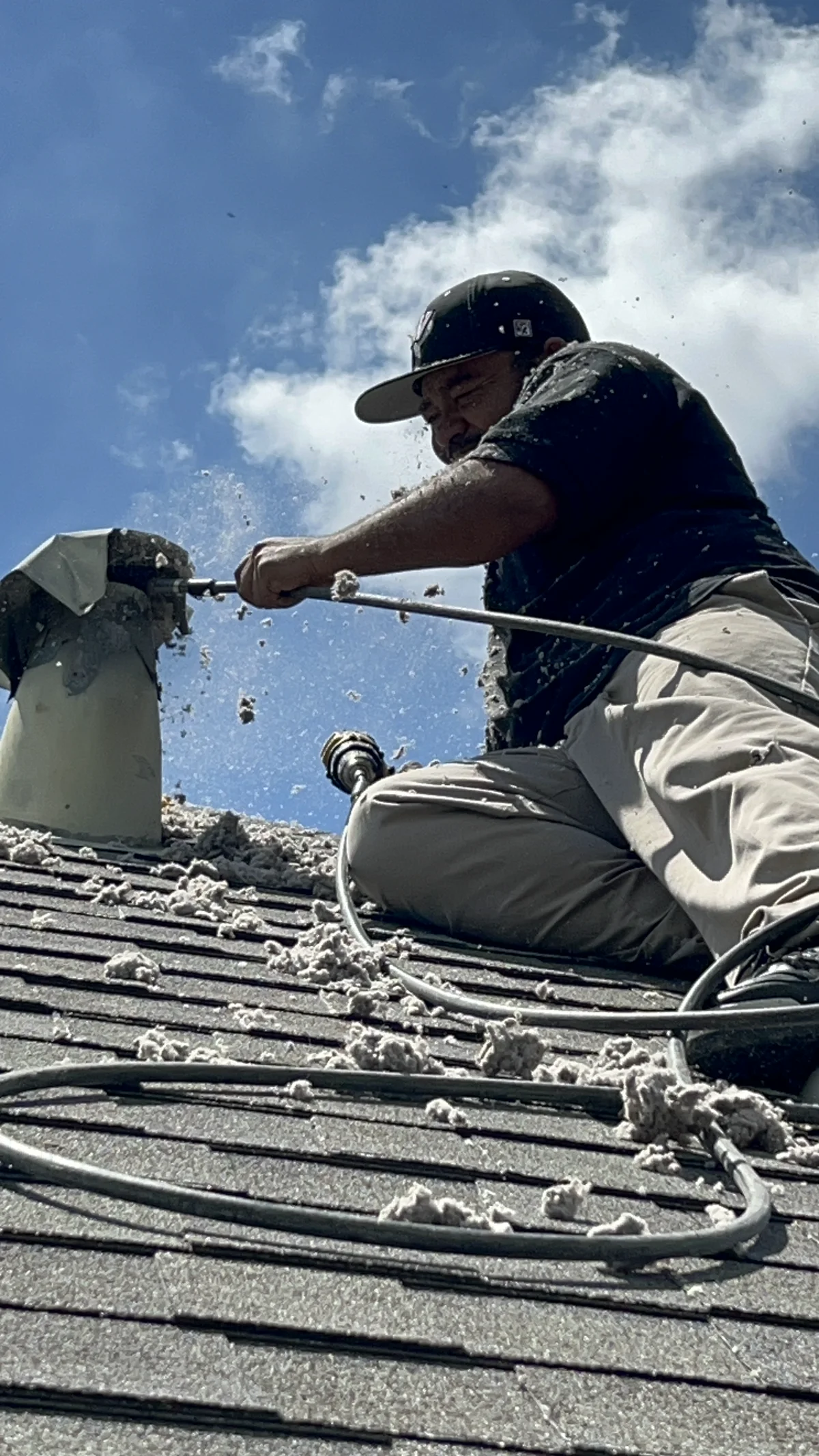
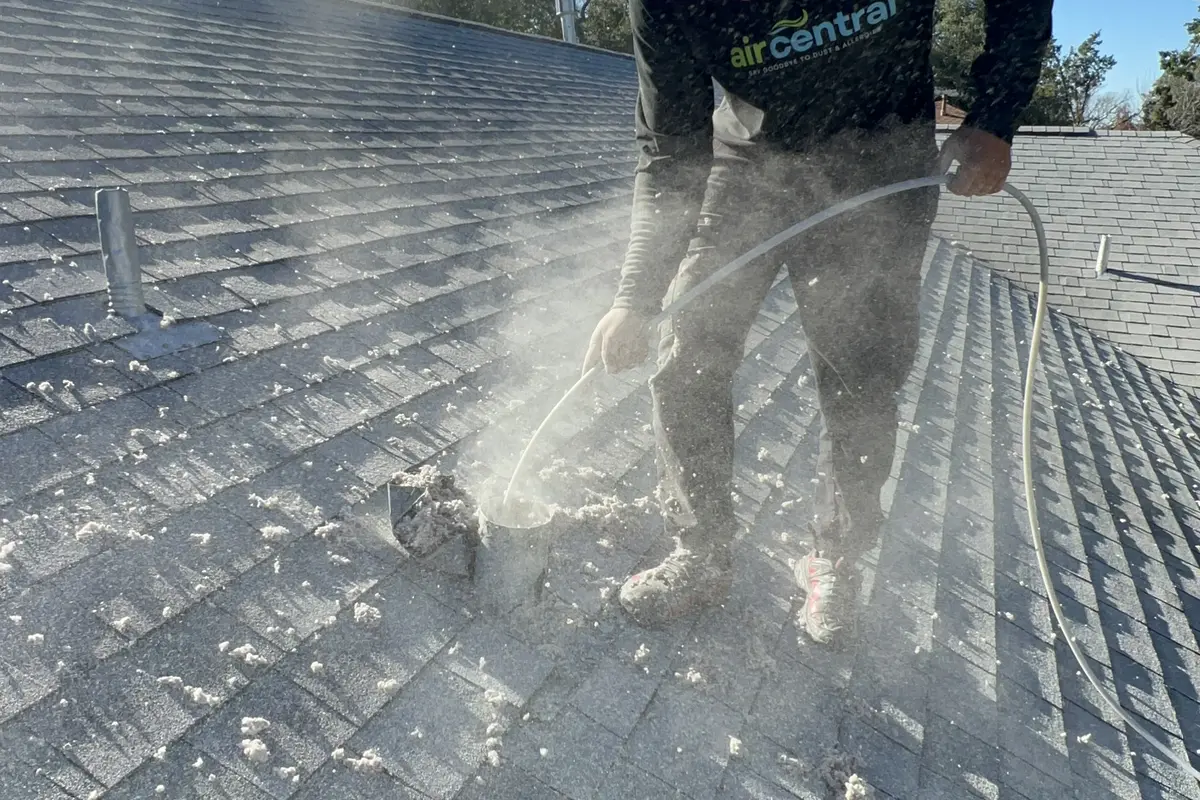
Exterior terminations on multi-unit buildings are often mounted at heights that are not accessible without lift equipment. This deferred access leads to deferred maintenance - flapper dampers corrode shut, bird screens clog with lint, and termination points become blocked while individual units notice only that their dryer takes longer to dry clothes.
When Was Your Dryer Vent Last Cleaned?
Most Austin homeowners go too long between cleanings. A quick inspection takes minutes and could prevent a fire.
Call (512) 601-4451Rate your home's indoor air quality in 2 minutes
Bulk Service Options for HOA Boards
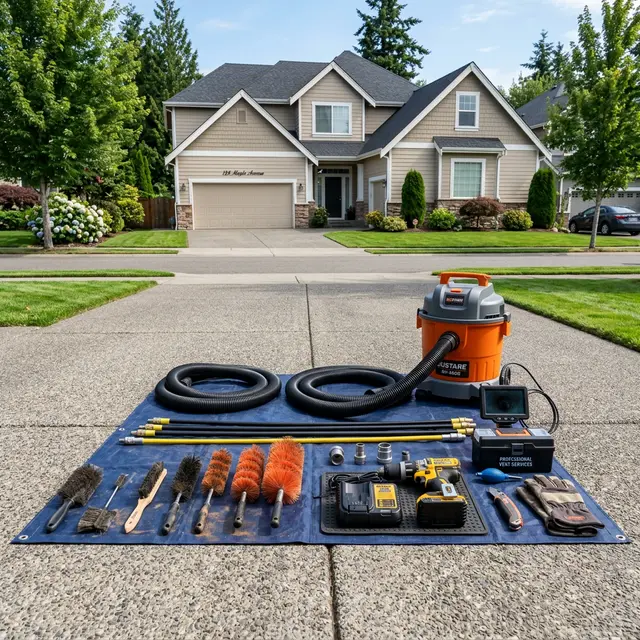
Scheduling building-wide dryer vent cleaning as a single service call reduces per-unit cost significantly compared to individual service calls. HOA boards can coordinate access, provide master key access for common areas, and schedule the work during low-occupancy periods.
Annual cleaning is the recommended frequency for multi-unit dryer vent systems. The NFPA recommends annual inspection at minimum, with cleaning based on conditions found. For buildings with 20+ units sharing vent infrastructure, annual cleaning is a reasonable default that prevents the deferred maintenance that causes problems.
Documentation matters. HOA boards should maintain records of dryer vent cleaning that include dates, unit numbers, conditions found, and any recommended repairs. These records demonstrate compliance in the event of a fire and support insurance claims.
Get a Building-Wide Dryer Vent Assessment
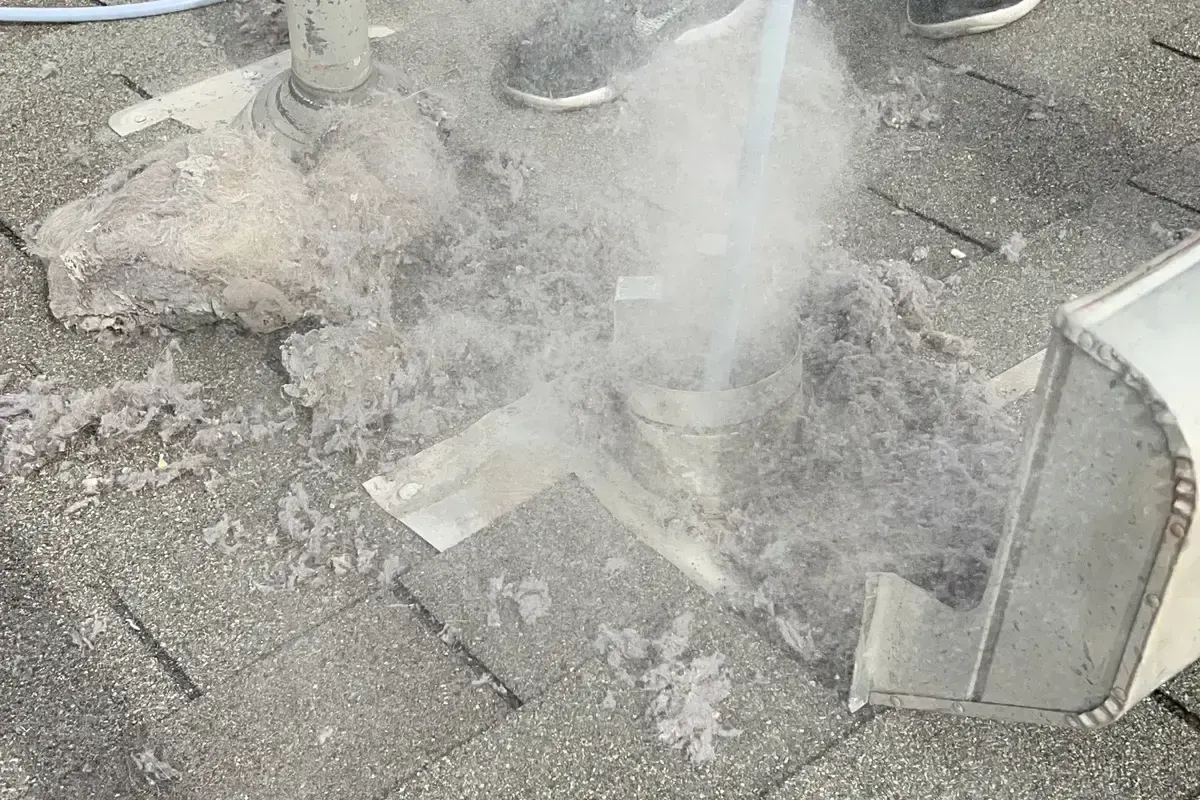
If your HOA has not addressed dryer vent maintenance, the first step is a building assessment to document current conditions, identify high-risk units, and establish a maintenance schedule. Proactive maintenance is dramatically cheaper than post-fire remediation and liability.
Air Central provides multi-unit dryer vent cleaning and assessment services for HOAs, condo associations, and property management companies across Austin, Pflugerville, Cedar Park, Georgetown, and the surrounding metro. We offer bulk pricing for building-wide service and provide the documentation your board needs for compliance and insurance purposes. Call (512) 601-4451 to schedule a building assessment.
Related Services
Learn more about our professional services related to this topic:
- Dryer Vent Cleaning - Clear lint buildup to prevent fires and cut drying time in half.
Want the full picture?
Read our complete guide: Dryer Vent Cleaning Austin: Complete Safety Guide (2026) →Have questions about dryer vent safety? Our team is available 7 days a week. Call us at (512) 601-4451 or visit our contact page.