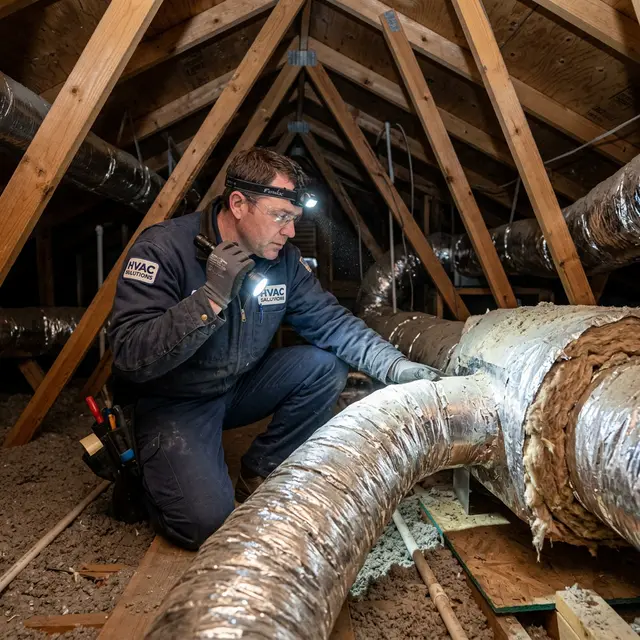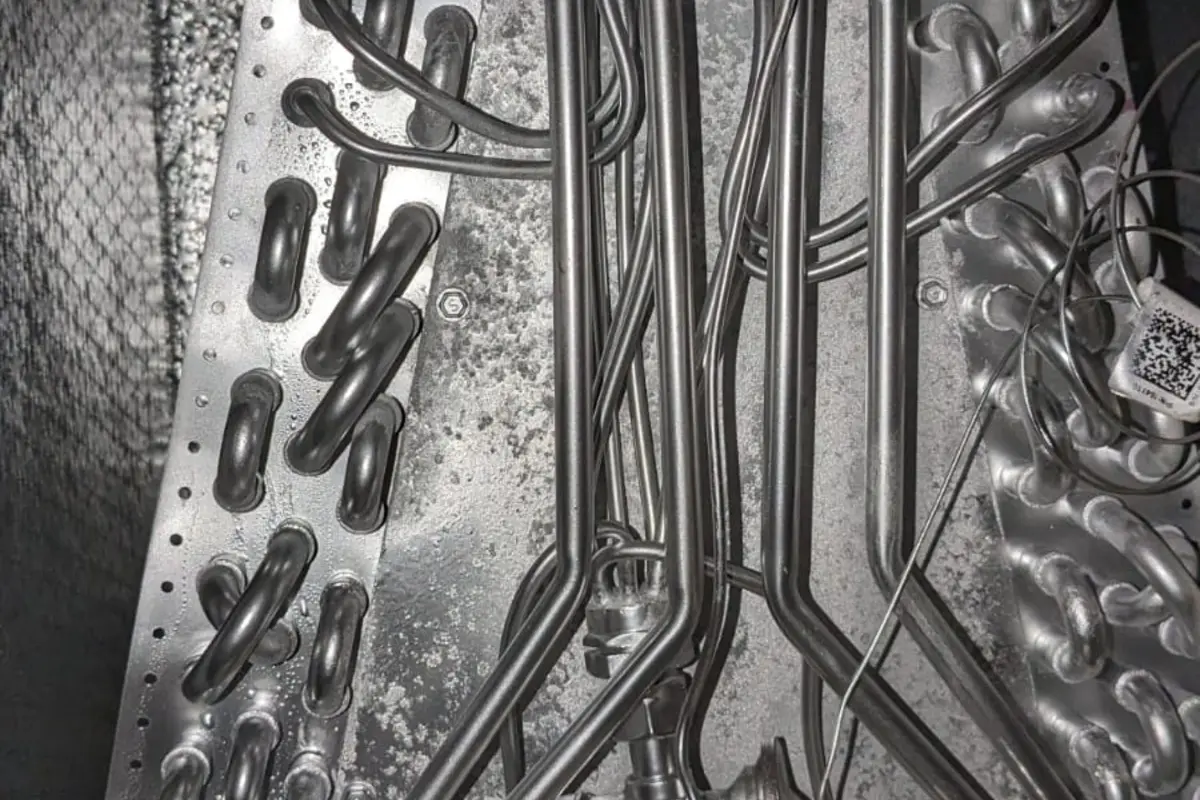
Your AC system is a perfect fungal habitat: dark, damp, and full of organic nutrients from accumulated dust. The evaporator coil, drain pan, and interior ductwork are the most common colonization sites. Prevention requires humidity control below 60%, regular maintenance, and UV-C light installation for continuous protection.
Why Your AC Is a Fungal Paradise
Fungi need four conditions to grow: moisture, an organic food source, darkness, and a temperature range of 40-100 degrees F. Your air conditioning system provides all four simultaneously. The evaporator coil generates condensation continuously during cooling. The dust and debris coating duct surfaces provide organic nutrients. The system interior is completely dark. And the temperature inside your ductwork is consistently in the optimal fungal growth range.
The condensate drain system is designed to remove moisture, but it cannot remove humidity from the air inside the ducts themselves. After the AC cycles off, residual moisture in the air handler and nearby ductwork takes 15-45 minutes to evaporate. In Austin, where the AC cycles frequently during summer, the system often restarts before the interior fully dries - maintaining a perpetually damp environment.
Common Fungal Species Found in AC Systems
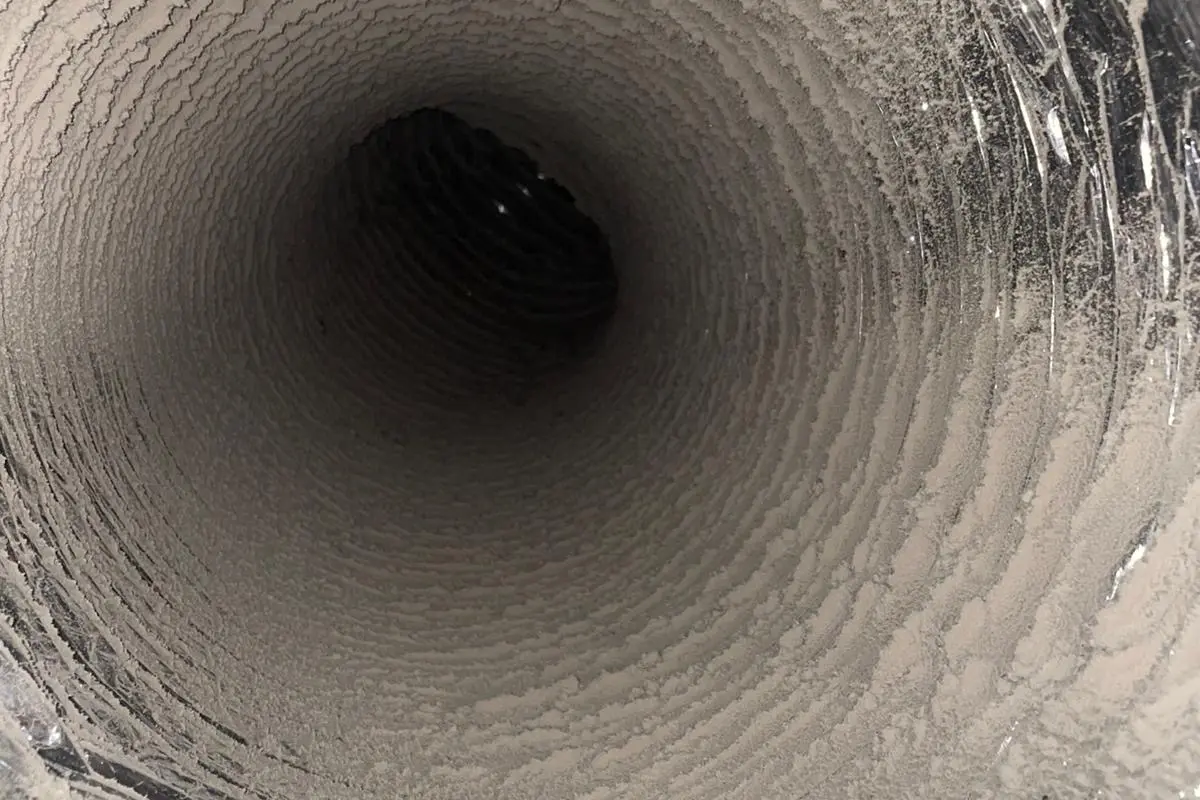
The most frequently identified fungi in residential HVAC systems are Cladosporium (the most common airborne mold worldwide - typically appears olive-green to brown), Aspergillus (hundreds of species, commonly yellow-green - some species produce mycotoxins), Penicillium (blue-green, the same genus that produces the antibiotic - common in water-damaged systems), and Alternaria (dark brown/black, a major allergen that thrives in damp conditions).
Less common but more concerning: Stachybotrys chartarum (toxic black mold) can grow in HVAC systems with chronic water intrusion but requires more sustained moisture than typical AC condensation provides. Fusarium and Trichoderma species are occasionally found in systems with active water leaks.
Identification requires laboratory culture or PCR testing. Visual inspection can suggest mold presence but cannot determine species or toxicity. If health symptoms are present, Air Central recommends professional inspection first, with lab testing if warranted by the findings.
Health Impact of Fungal Exposure from Your AC
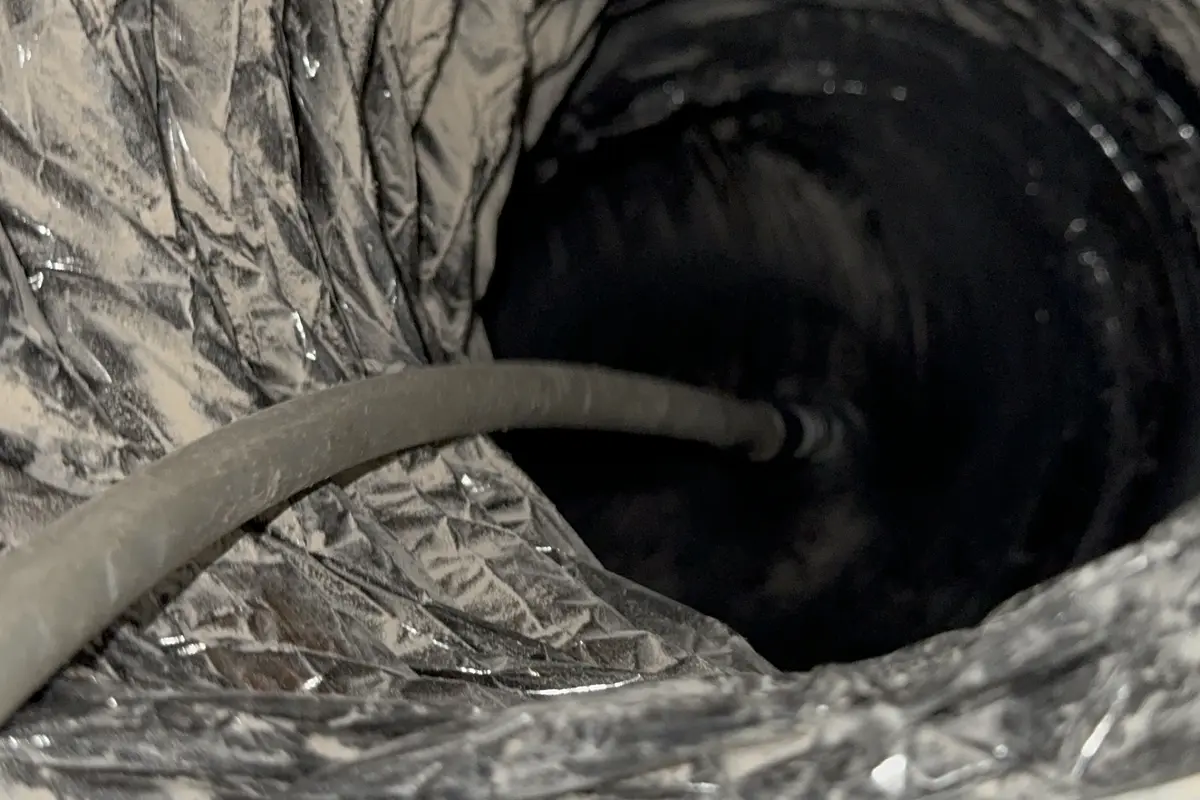
Every time your contaminated AC system runs, it distributes fungal spores throughout your home. Inhaling these spores triggers immune responses ranging from mild allergic reactions (sneezing, runny nose, itchy eyes) to more serious conditions like hypersensitivity pneumonitis (an inflammatory lung disease from repeated mold exposure) and fungal sinusitis.
The CDC reports that people with allergies may be more sensitive to molds, and people with immune suppression or underlying lung disease are at increased risk of fungal infections. In Austin, where cedar fever already taxes the respiratory system for 3-4 months per year, additional fungal allergen load from a contaminated AC system compounds respiratory stress.
Concerned About Your Home's Air?
We provide professional air quality assessments for Austin homes. See what is in your ducts before deciding.
Call (512) 601-4451Rate your home's indoor air quality in 2 minutes
How to Prevent Fungal Growth in Your AC
Change your air filter every 30-60 days during heavy use (monthly in Austin summer). A clean filter reduces the organic debris entering the system that serves as fungal food. Use a minimum MERV 11 filter, which captures most mold spores before they deposit in ductwork.
Keep the condensate drain clear. Pour one cup of distilled white vinegar through the drain access point quarterly. If the drain line runs through a humid space (like an attic or crawlspace), consider installing a condensate drain pan treatment tablet that releases biocide slowly over 30-60 days.
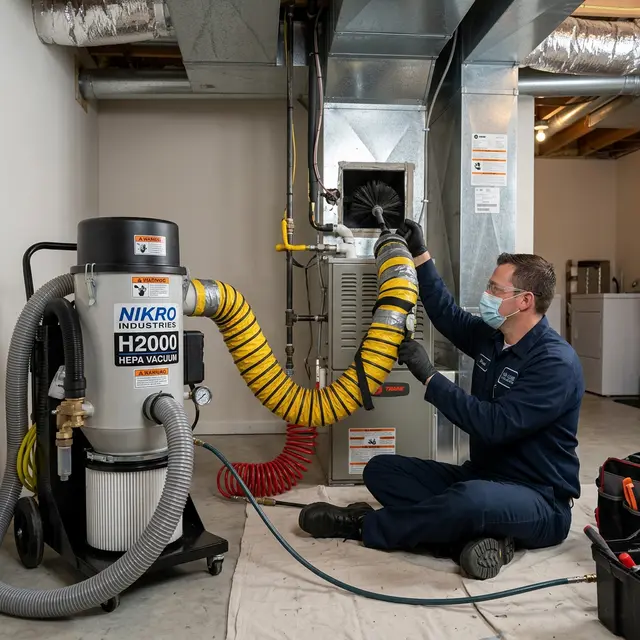
Have the evaporator coil professionally cleaned annually. The coil is the primary moisture source and the most common site for fungal colonization. A clean coil drains efficiently and dries between cycles, denying fungi the sustained moisture they need.
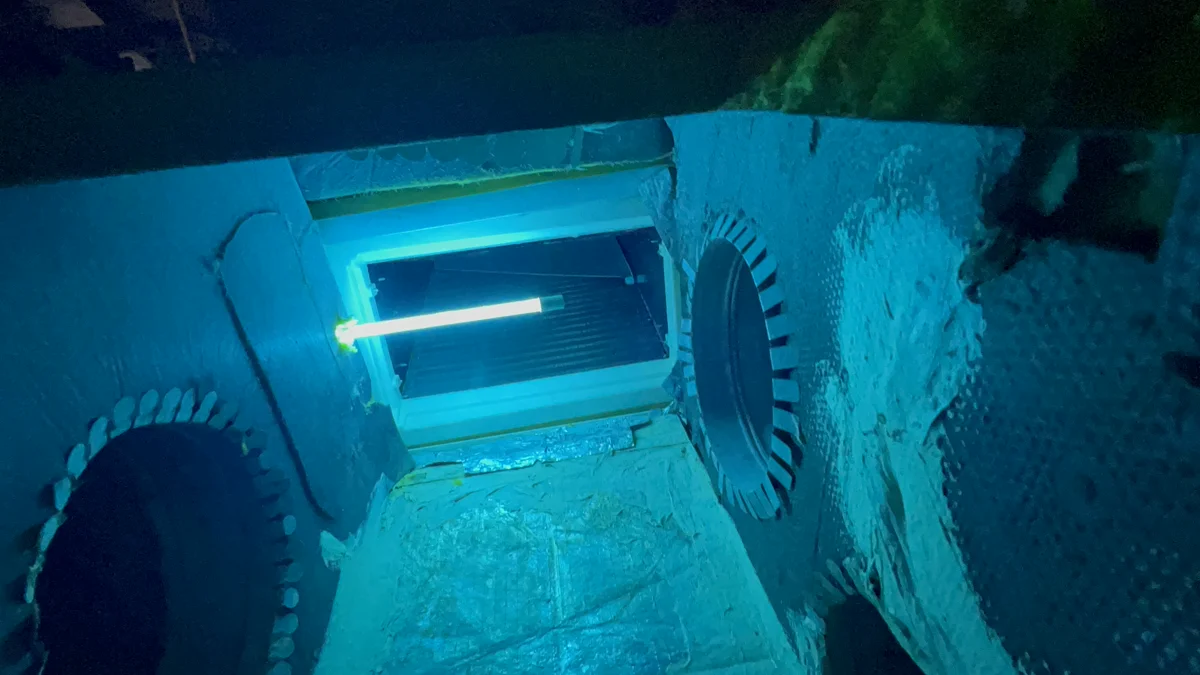
Install a UV-C germicidal light near the evaporator coil. UV-C light at 254nm wavelength denatures fungal DNA, killing spores and preventing colony formation on the coil and in the air stream. This is the single most effective ongoing prevention measure - it works 24/7 without chemicals. Air Central installs and services UV-C systems. Call (512) 601-4451 to learn more.
Related Services
Learn more about our professional services related to this topic:
- Air Duct Cleaning - Remove dust, allergens, and debris from your entire HVAC system for cleaner indoor air.
- Air Duct Inspection - Diagnose leaks, blockages, and efficiency issues with HD camera inspection.
- UV Lighting System - Eliminate bacteria and allergens inside your HVAC with UV-C light technology.
Want the full picture?
Read our complete guide: Indoor Air Quality in Austin: The Complete Guide (2026) →Have questions about indoor air quality? Our team is available 7 days a week. Call us at (512) 601-4451 or visit our contact page.