Just got the keys to your Austin home? In your first 30 days: replace the air filter (day 1), photograph your system's model numbers, find the emergency shutoffs, clear the condensate drain, and schedule a professional duct inspection. These five steps prevent the most common HVAC disasters new Austin homeowners face. Call (512) 601-4451 to schedule your first duct inspection.
Day 1: The Immediate Essentials
Replace the air filter before you unpack a single box. Moving kicks up an enormous amount of dust, and the previous owner's filter may not have been changed in months. Buy a MERV 11 filter (check the size printed on the existing filter's frame) and swap it out immediately. This single step protects your HVAC system during the dustiest week your home will experience.
Find and photograph two things: your electrical panel (locate the HVAC breakers - there are usually two, one for the indoor air handler and one for the outdoor unit) and the disconnect switch near the outdoor condenser. In an emergency - a water leak, burning smell, or strange noise - you need to kill power to the system in seconds, not minutes spent searching.
Run every faucet, flush every toilet, and check under every sink. Plumbing leaks near HVAC equipment or in walls adjacent to ductwork are the number one cause of mold in recently purchased Austin homes. Sellers sometimes know about slow leaks and do not disclose them. Catching them in week one prevents months of hidden damage.
Days 2-7: Walk Every Room Like a Technician
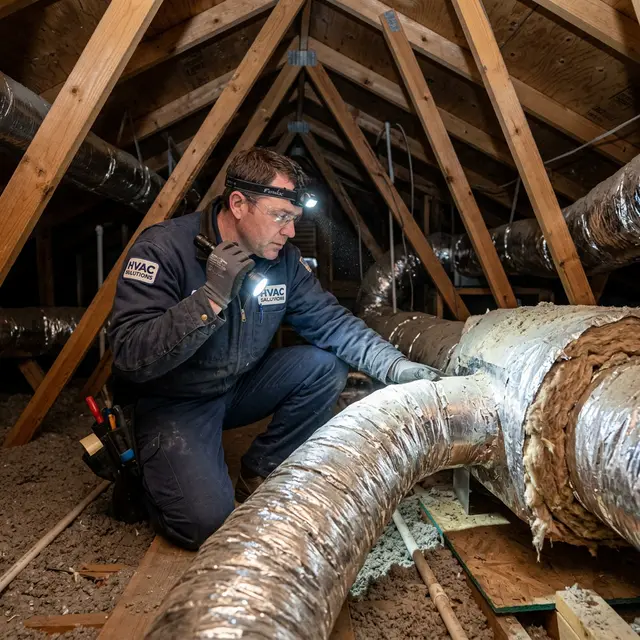
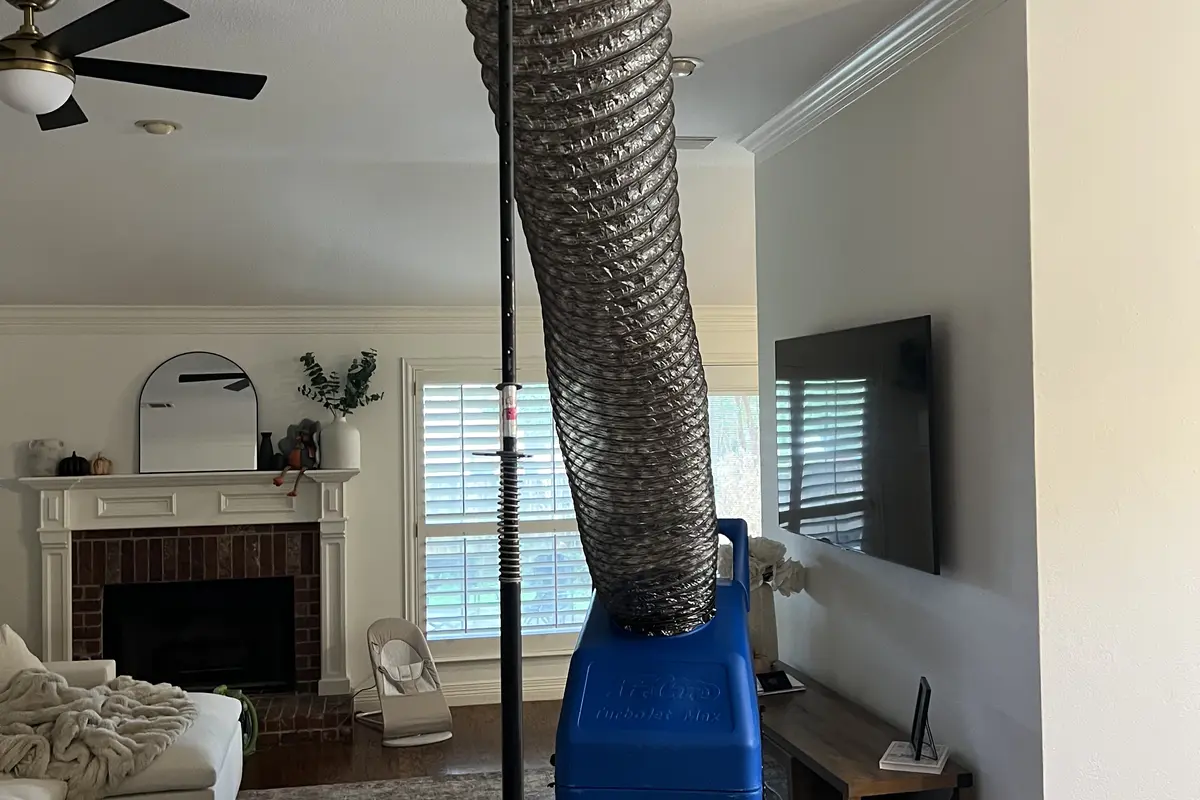
Open every supply vent and return vent cover in the house. Check that air flows from each supply vent when the system runs. If any room has weak or no airflow, the duct run to that room may be disconnected, crushed, or blocked - especially in attic spaces where flexible ducts can collapse from heat or pest damage. Mark any problem rooms so you can report them during your duct inspection.
Find the condensate drain line. It is a white PVC pipe that exits the indoor air handler and drains either to the outside of the house or into a utility drain. Pour a cup of white vinegar through the access point (usually a T-fitting near the air handler) and verify water flows out the other end. In Austin's humidity, a clogged condensate drain can cause water damage within days of heavy AC use. This takes 2 minutes and prevents thousands in damage.
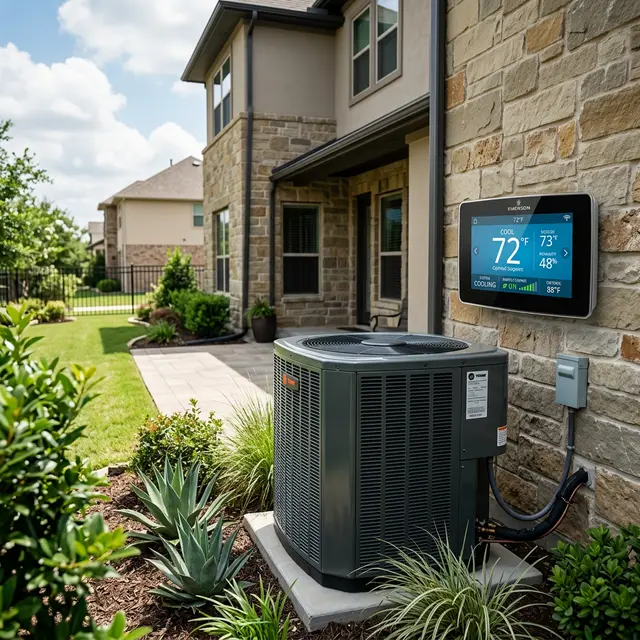
Check the outdoor condenser unit. Clear vegetation, leaves, and mulch at least 2 feet on all sides. Look at the aluminum fins - if they are heavily bent or clogged with cottonwood fluff (extremely common in Austin's late spring), gently hose them from the inside out. A dirty condenser reduces cooling efficiency by 10-20% and runs up your first Austin Energy bill.
Days 7-14: Understand What You Actually Bought
Your home inspector confirmed the HVAC turns on and produces air. That is the extent of their check. They did not look inside the ducts, assess duct connections in the attic, check refrigerant levels, or evaluate whether the system is properly sized for your home. Many Austin homes built during the 2015-2022 construction boom have HVAC systems that were installed quickly and never inspected beyond the initial permit sign-off.
Photograph the model number, serial number, and manufacturing date on both the indoor and outdoor units. Store these in your phone. The serial number tells you the exact manufacture date (each brand encodes it differently - your HVAC technician can decode it). This tells you how much life your system likely has left and whether it is still under the manufacturer's warranty. Many homeowners discover their system is older or newer than the seller disclosed.
Check your attic insulation depth. Open the attic hatch and measure. Austin homes need R-38 to R-49 (approximately 10-14 inches of blown-in cellulose or fiberglass). If your insulation is less than 8 inches, your energy bills will be significantly higher than they should be, and your HVAC system works harder to compensate. This is one of the most common issues in Austin homes built before 2010.
Just Moved In? Start Here.
We help new Austin homeowners understand their HVAC system with honest assessments and straightforward recommendations.
Call (512) 601-4451Rate your home's indoor air quality in 2 minutes
Days 14-30: Schedule Your Professional Baseline
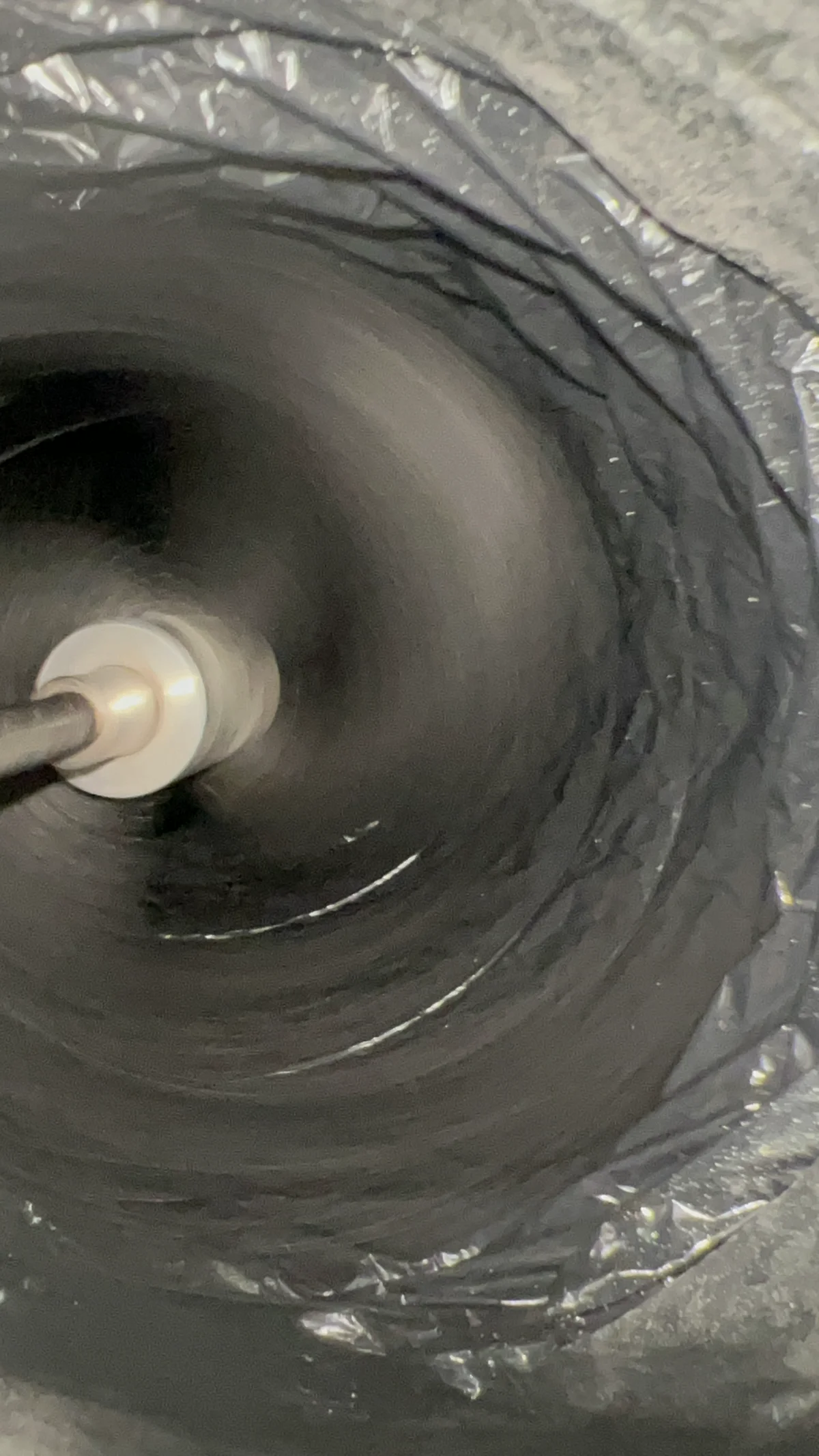
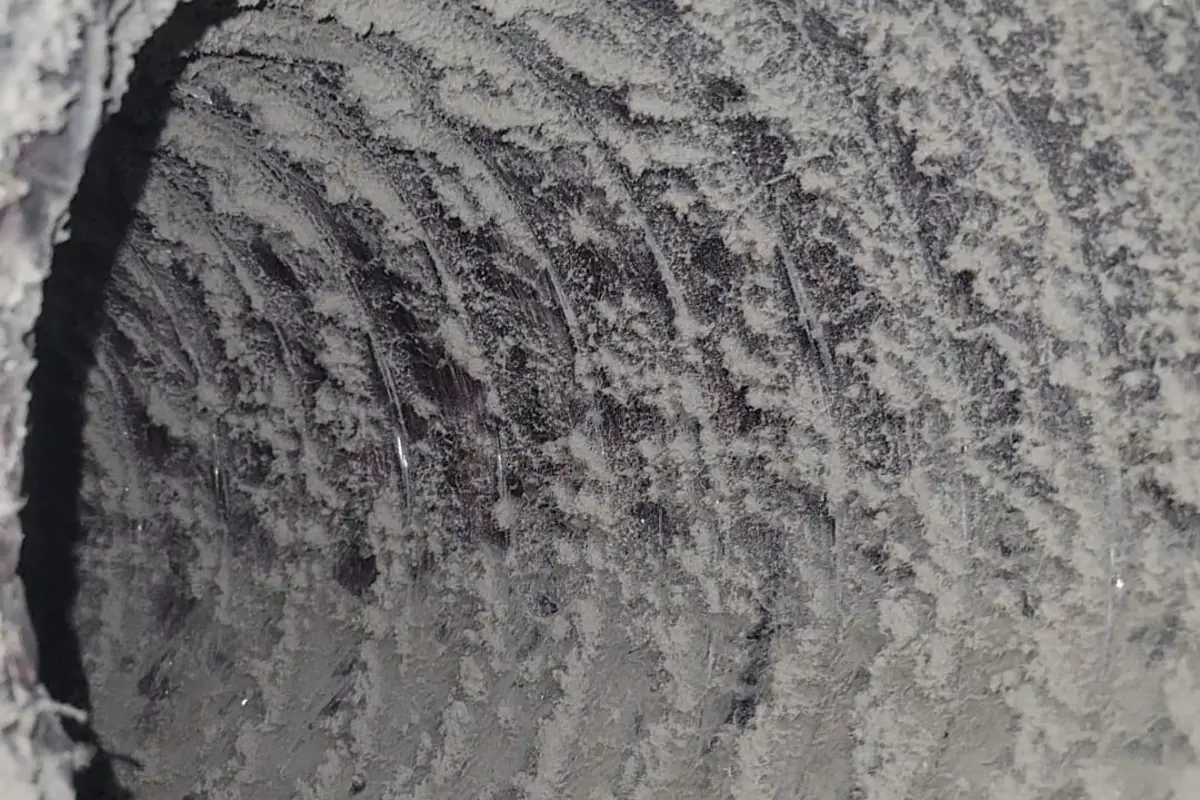
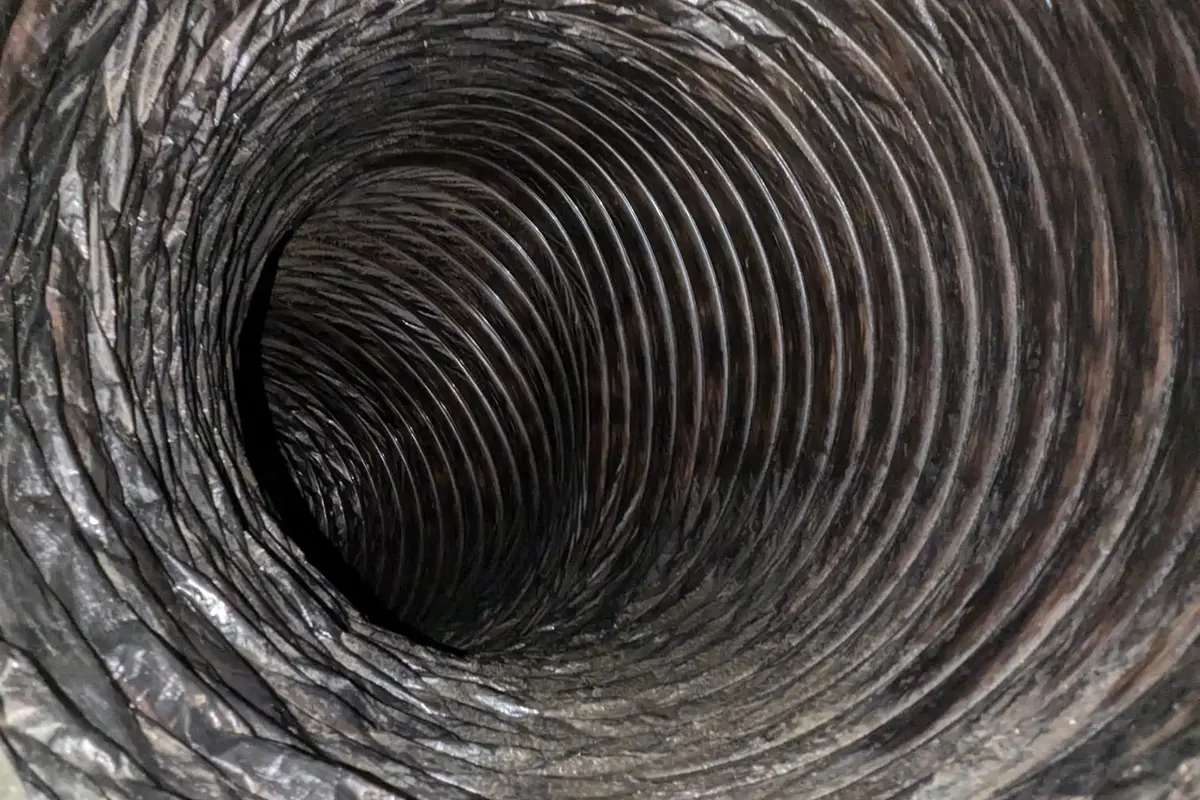
Schedule a professional duct inspection. An HD camera inspection shows you exactly what the previous owners left behind - construction dust, pet dander, pest evidence, or years of accumulated debris. This establishes your baseline and tells you whether cleaning is needed now or can wait. For homes that have never been cleaned (common even in newer construction), the results often motivate immediate action.
We inspected a 2019 home in Pflugerville last month where the new owners assumed clean ducts because the house was only 5 years old. Our camera found over an inch of drywall dust from the original construction still coating the main trunk line. That dust had been recirculating through their home for 5 years. No home inspector would have caught this.
Your first 30 days set the foundation for years of HVAC health. Air Central provides duct inspections that show you exactly what is inside your system, with honest recommendations on whether cleaning is needed now or later. We serve new homeowners across Austin, Round Rock, Cedar Park, Georgetown, and 24 other Central Texas cities. Call (512) 601-4451 to schedule your first inspection.
Related Services
Learn more about our professional services related to this topic:
- Air Duct Cleaning - Remove dust, allergens, and debris from your entire HVAC system for cleaner indoor air.
- Air Duct Inspection - Diagnose leaks, blockages, and efficiency issues with HD camera inspection.
- Dryer Vent Cleaning - Clear lint buildup to prevent fires and cut drying time in half.
- Chimney Sweep & Repair - Professional cleaning and 21-point safety inspection for your fireplace.
- Solar Fan Installation - Solar-powered attic ventilation that cuts cooling costs naturally.
Want the full picture?
Read our complete guide: First-Time Homeowner's Complete HVAC Guide for Austin (2026) →Have questions about homeowner education? Our team is available 7 days a week. Call us at (512) 601-4451 or visit our contact page.