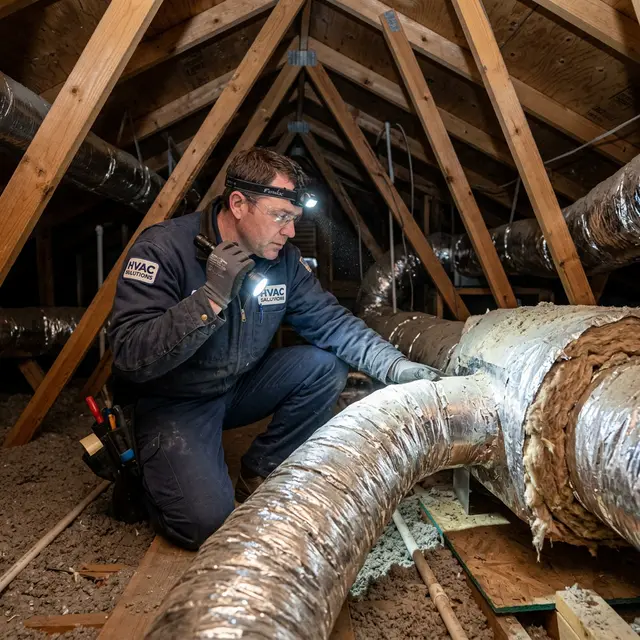
New Austin homeowners should schedule a professional HVAC inspection and duct cleaning within the first 90 days of ownership. Essential first steps: locate your air filter and change it, learn your thermostat, clean around the outdoor unit, flush the condensate drain, and document your system's model numbers and age. Budget for an initial duct cleaning and a professional system evaluation - call ${company.phone.display} for current pricing.
Your First 30 Days: The HVAC Survival Checklist
Congratulations on your new home. Before you unpack every box and hang every picture, there are a handful of HVAC tasks that will save you money, prevent emergencies, and set you up for years of comfortable living in Austin's demanding climate.
First, find your air filter and check it. The filter is typically behind a return air grille on the wall or ceiling, or inside the air handler unit itself. If it looks gray, fuzzy, or you cannot see light through it, replace it immediately. Buy a MERV 11 pleated filter in the correct size (the dimensions are printed on the filter frame). Homes sit vacant during the selling process, and the existing filter may not have been changed in months.
Second, locate your thermostat and learn how it works. If it is a programmable or smart thermostat, review the schedule settings. The previous owner's comfort preferences and work schedule are probably different from yours. Set it to 78 degrees for summer cooling and 68 degrees for winter heating as starting points.
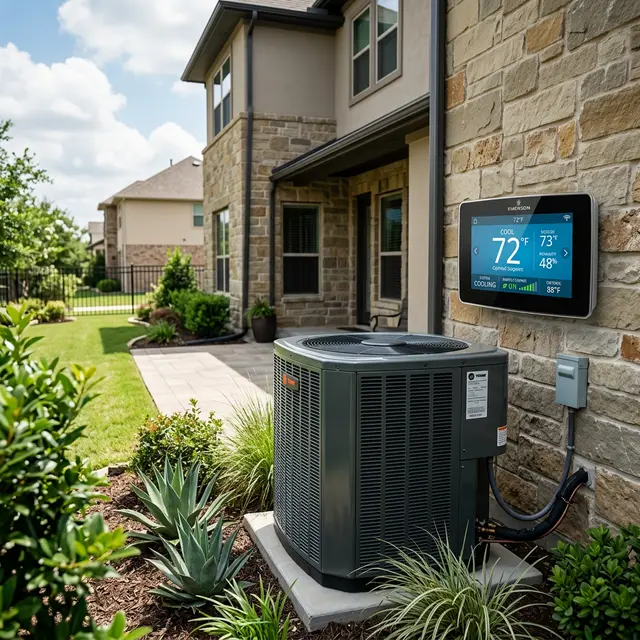
Third, walk outside and find your condenser unit - the large metal box, usually on the side or back of the house. Clear any vegetation, debris, or stored items away from it. Ensure at least 2 feet of clearance on all sides. This unit needs unrestricted airflow to operate efficiently.
Fourth, flush the condensate drain line. Find the PVC pipe near your indoor air handler - it typically exits through an exterior wall near the outdoor unit. Pour a cup of white vinegar into the access point (a small T-fitting or cap on the pipe). This prevents clogs that cause system shutdowns and water damage.
Finally, record your HVAC system's make, model number, serial number, and approximate age. This information is on labels attached to both the indoor and outdoor units. Take photos with your phone. You will need this information for warranty claims, replacement parts, and when getting service quotes.
Should You Get the Ducts Cleaned After Buying a Home
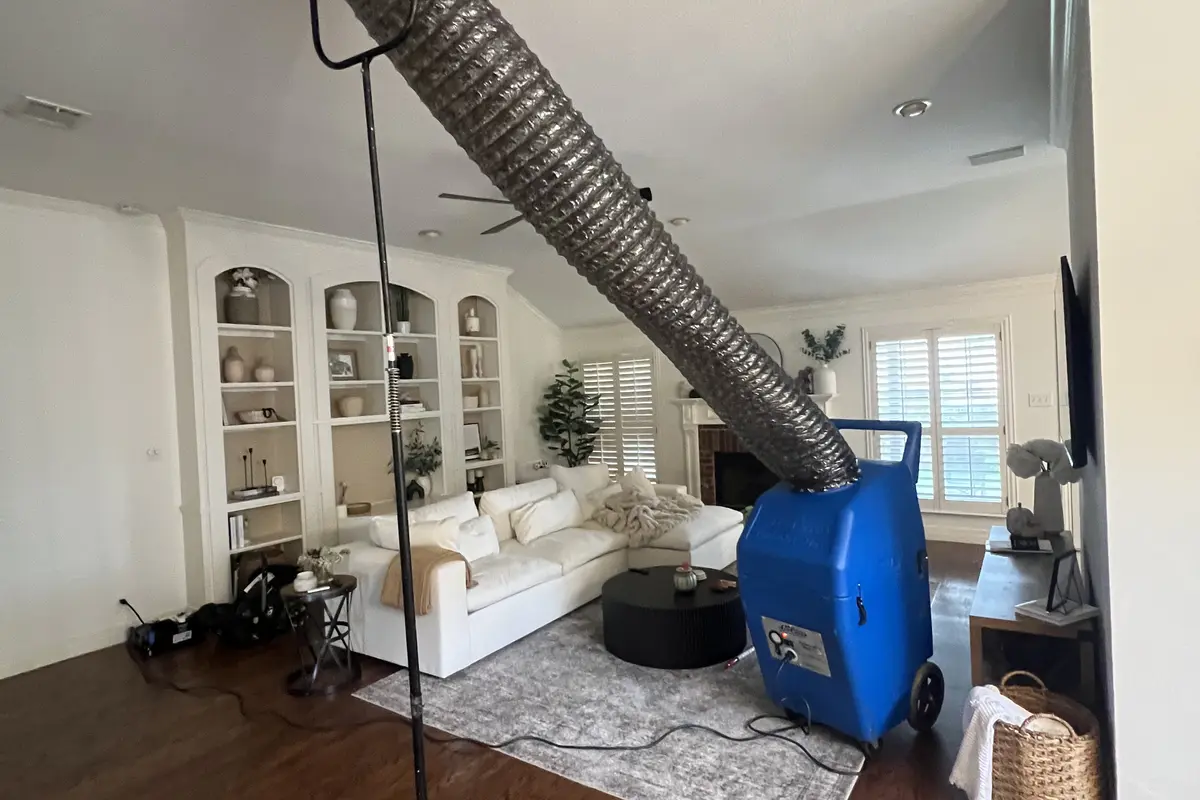
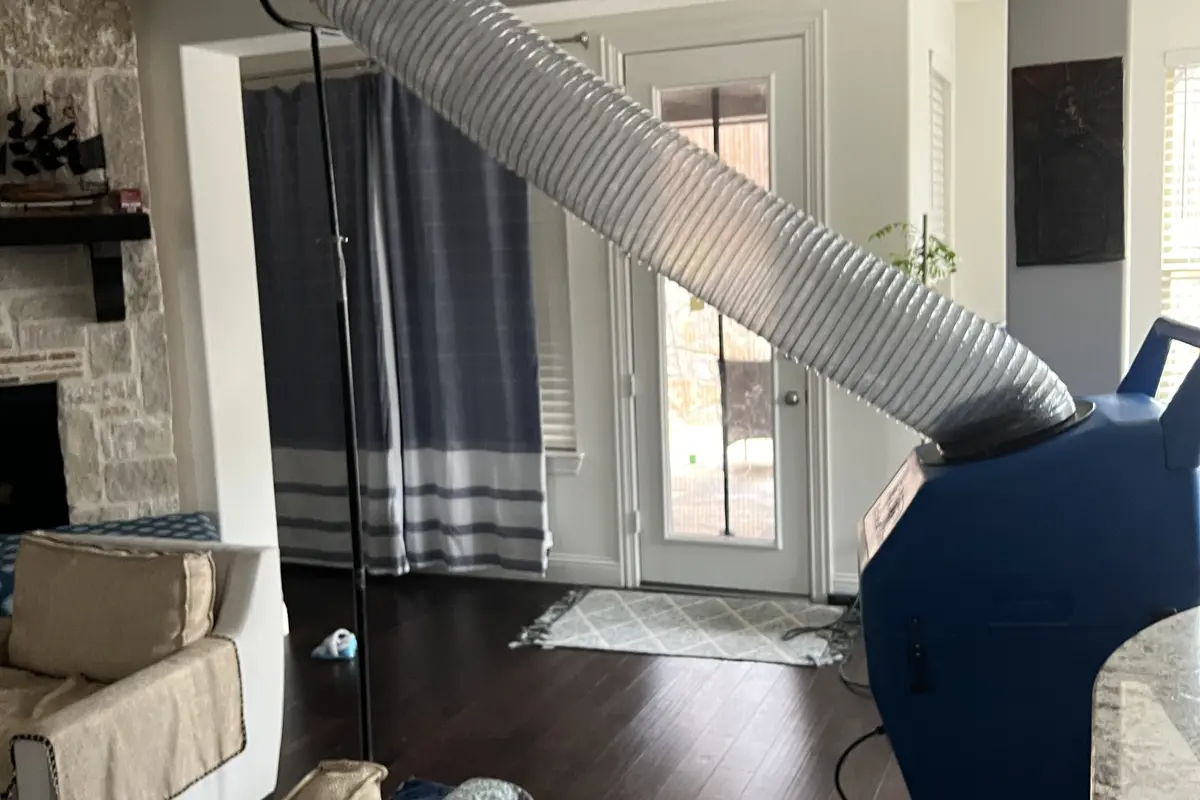
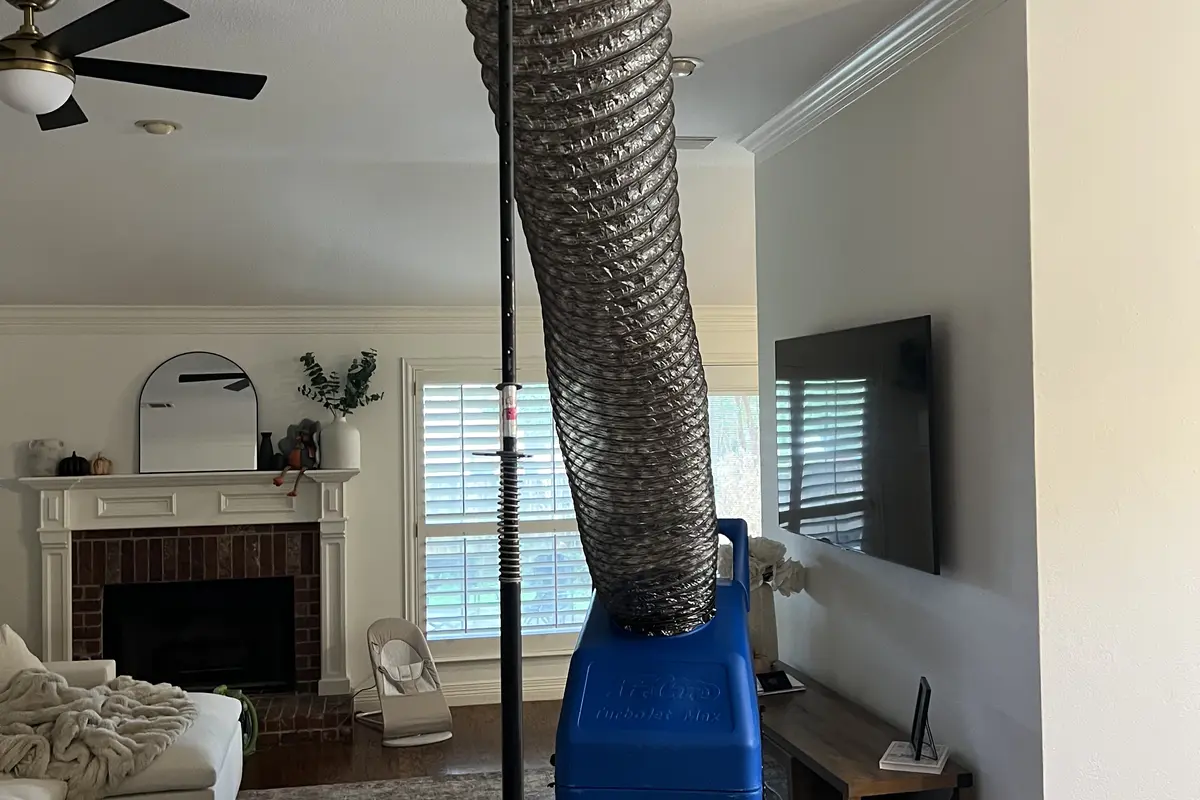
Yes. This is my unequivocal recommendation for every home purchase in Austin. You do not know the maintenance history of the previous owners, how long the home sat vacant, or what is inside those ducts. Construction dust from renovations, pet dander from previous pets, pollen accumulation from years of Austin allergen seasons - it is all in there.
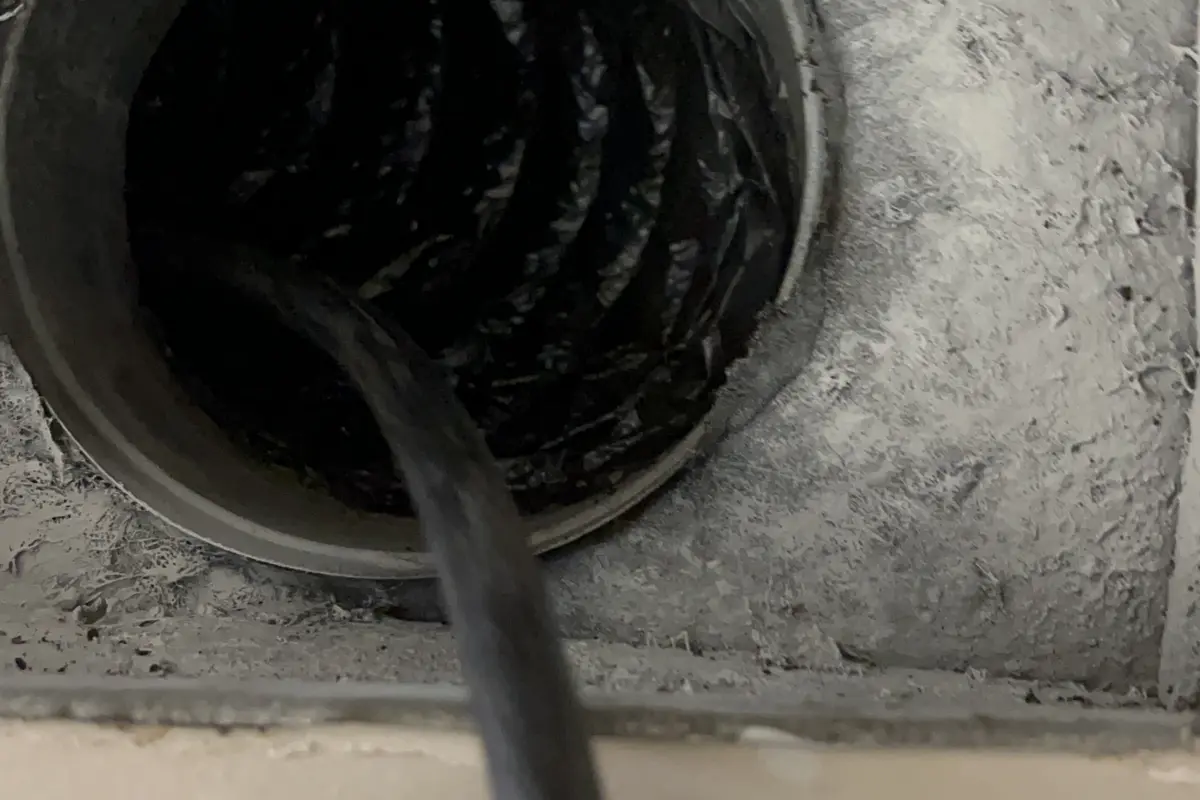
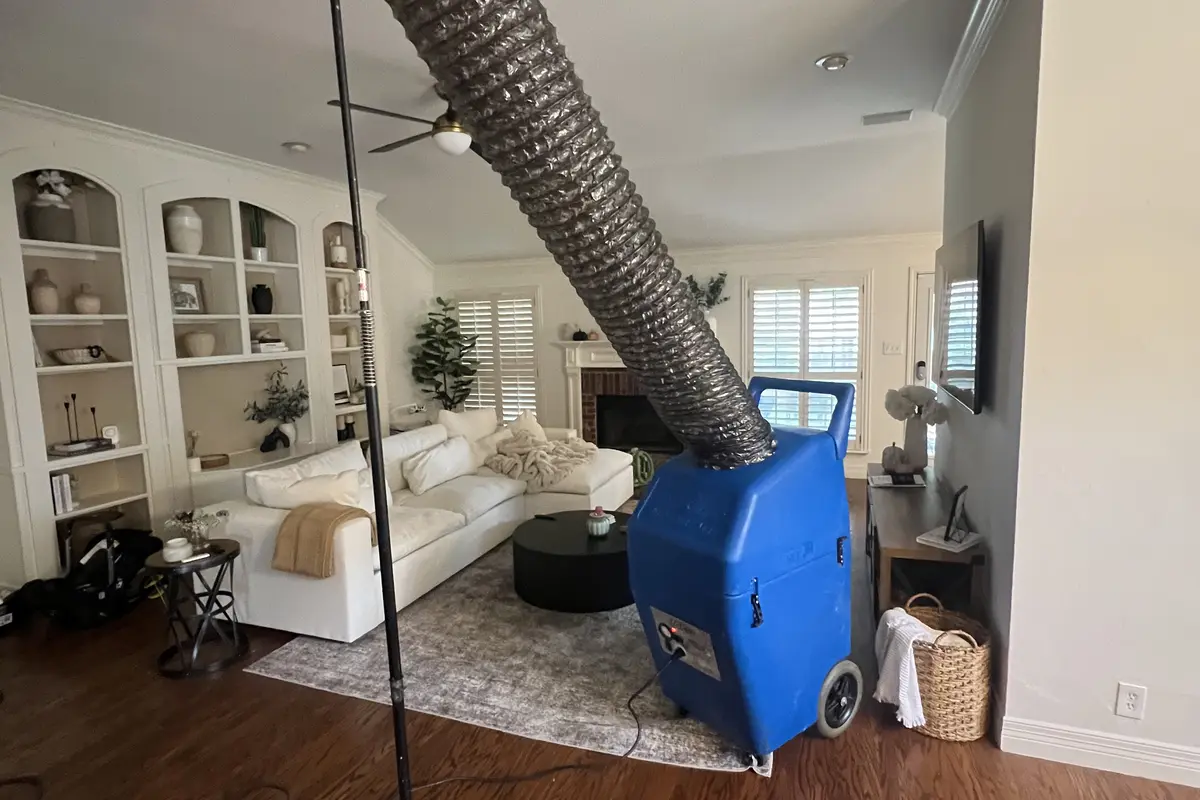
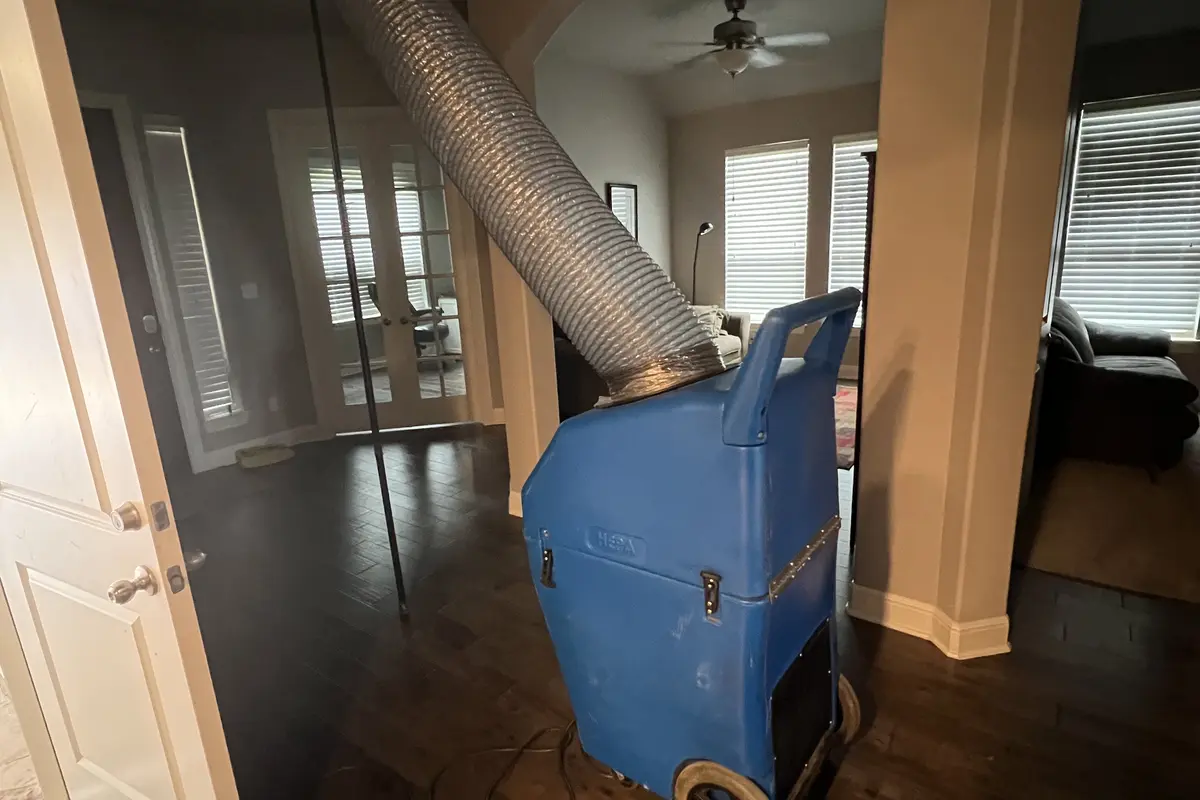
We clean ducts in newly purchased homes every week. The most common findings: significant dust and debris buildup, pet hair from previous owners' animals (even if you do not have pets, you are breathing the previous owner's pet dander), construction debris from pre-sale repairs and renovations, and occasionally items that fell into registers - toys, coins, food, and once a cell phone.
For new construction homes, duct cleaning is even more important. Your ducts were open during the entire construction process. Drywall dust, sawdust, insulation fibers, paint chips, and general construction debris accumulated in the ductwork while the home was being built. The builder's final cleaning does not include professional duct cleaning. The first time you run the system, all of that construction debris blows into your brand-new home.
Schedule duct cleaning within your first 90 days. This gives you time to settle in, confirm the HVAC system works properly, and address any immediate issues. The cost is a small fraction of your home investment and provides a clean starting point for your HVAC system.
"Every week we clean ducts in newly purchased Austin homes, and the previous owner's history is always a surprise," says Nessi Ziv, owner of Air Central. "Last month we pulled construction debris from a 2-year-old home in Leander that the builder never cleaned. The buyer assumed new home meant clean ducts - it did not."
Understanding Your HVAC System: The Basics
Your central HVAC system has four main components that you should be familiar with as a homeowner.
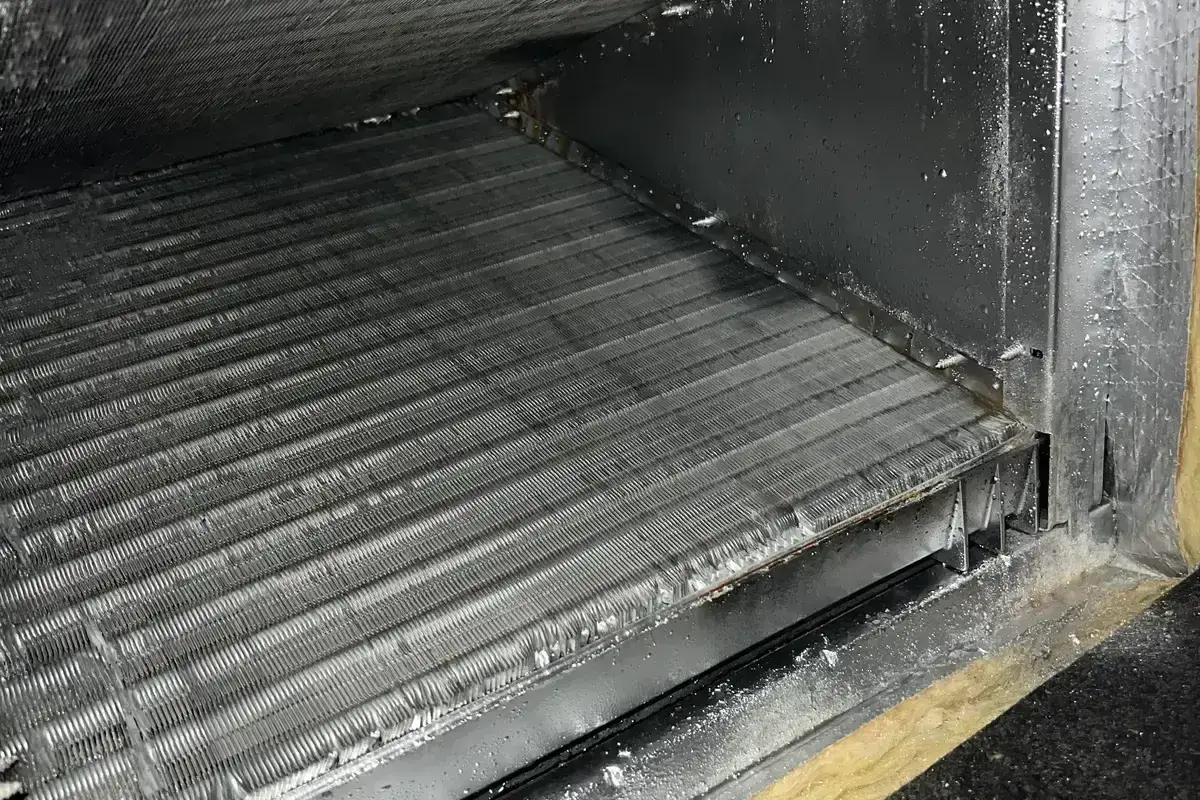
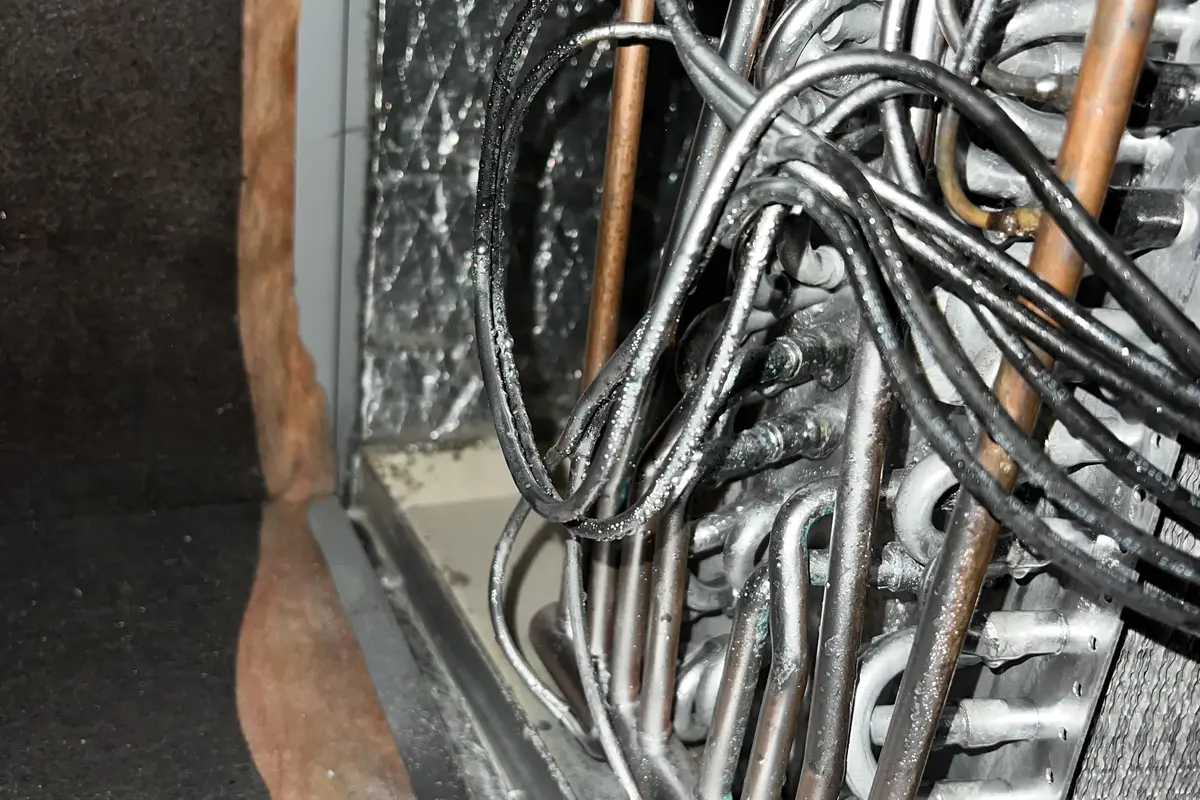
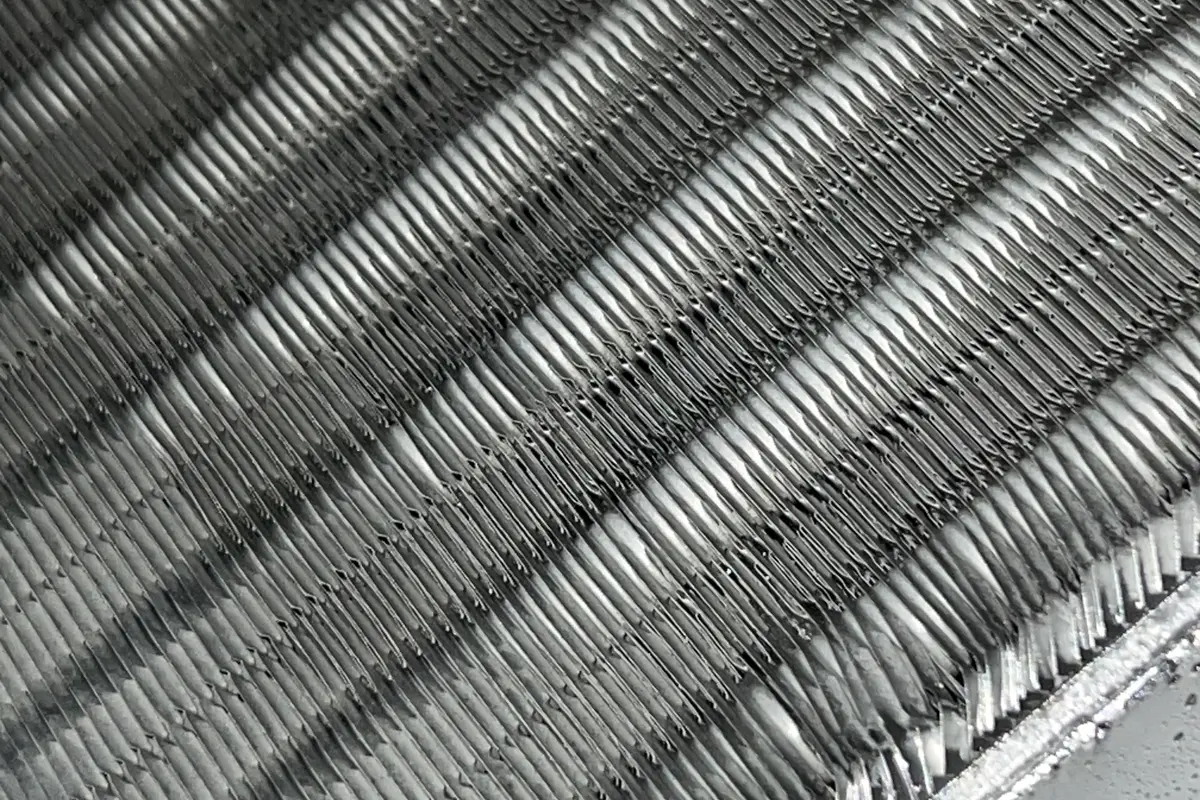
The air handler (indoor unit) contains the blower fan, evaporator coil, and air filter. It is typically in a closet, garage, attic, or utility room. The blower pulls air from your home through the return ducts, pushes it through the filter and across the evaporator coil, and distributes the conditioned air through the supply ducts to every room. When the system is cooling, the evaporator coil absorbs heat from the air. When heating, heat strips or a furnace burner warm the air.
The condenser (outdoor unit) is the large metal box outside your home. It releases the heat absorbed from inside your home to the outdoor air (during cooling) or absorbs heat from outdoor air (if you have a heat pump). The compressor inside this unit pressurizes refrigerant that carries heat between the indoor and outdoor units through copper refrigerant lines.
The ductwork is the network of metal or flexible tubes running through your walls, floors, and attic that distributes conditioned air to every room. Supply ducts carry conditioned air from the air handler to supply registers in each room. Return ducts carry air from your living space back to the air handler. Most Austin homes have 8-20 supply registers and 1-4 return grilles.
The thermostat is your system's brain. It reads indoor temperature, compares it to your desired setpoint, and signals the air handler and condenser to run as needed. Modern smart thermostats also learn your patterns, sense occupancy, and optimize operation for energy savings.
One component many new homeowners overlook is the condensate drain system. When your AC cools air, it also removes humidity. That moisture collects on the evaporator coil, drips into a drain pan, and flows through a PVC drain line to the outside of your home. In Austin's humid climate, this drain handles a surprising amount of water - sometimes several gallons per day during peak summer. If the drain line clogs with algae or debris, water backs up into the drain pan and eventually triggers a safety float switch that shuts your system down. This is the single most common AC emergency call we get in Austin during summer, and it is entirely preventable with quarterly vinegar flushes.
How to Hire an HVAC Contractor in Austin
At some point, you will need professional HVAC service. Knowing how to evaluate contractors prevents overpaying, getting scammed, or receiving subpar work. Here is what to look for.
Check Google reviews - not just the rating, but the volume and content. A company with 400+ reviews at 4.8-5.0 stars over several years is demonstrably consistent. Read recent reviews for specifics about the customer experience. Look for mentions of technician professionalism, pricing transparency, and quality of work.
Verify licensing and insurance. Texas requires HVAC contractors to hold a TDLR (Texas Department of Licensing and Regulation) license. Ask for the license number and verify it on the TDLR website. Also verify they carry general liability insurance and workers compensation. This protects you if something goes wrong during service.
Get written estimates before work begins. Any reputable contractor provides a clear, itemized estimate that specifies what work will be performed and the total cost. Verbal quotes that change after the technician arrives are a red flag. At Air Central, we provide written estimates before any work starts - no surprises, no upsells.
Ask about warranties. Professional service should include a workmanship warranty. Understand what is covered and for how long. Equipment manufacturers' warranties are separate from the contractor's workmanship warranty - make sure you have both.
Be skeptical of unsolicited contact. Legitimate HVAC companies do not cold-call homeowners or go door-to-door offering emergency inspections. If someone knocks on your door claiming your HVAC system needs immediate attention, politely decline and call a contractor you have researched yourself.
Get multiple quotes for major work (system replacement, duct replacement, or large repairs). For routine maintenance and cleaning, find a company you trust and stick with them. Consistency in service providers means they learn your system and can spot developing problems.
Home Warranties and HVAC Coverage
Many new Austin homeowners receive a home warranty as part of their purchase. Understanding what these warranties cover - and what they do not - prevents surprises when you need HVAC service.
Most home warranties cover mechanical failure of HVAC components: compressor, blower motor, thermostat, capacitors, contactors, and similar parts. They typically do not cover ductwork cleaning, ductwork repair, refrigerant recharge (some do, many do not), pre-existing conditions identified during the home inspection, or damage from lack of maintenance.
The maintenance exclusion is critical. Warranty companies can deny claims if they determine that the failure resulted from inadequate maintenance. Keep records of filter changes, professional maintenance visits, and any repairs. These records support warranty claims and prove you maintained the system properly.
Home warranty service typically involves a service call fee ($75-$125 per visit) and the warranty company dispatching their contracted technician. You usually cannot choose your own contractor for warranty-covered repairs. The quality of warranty-dispatched contractors varies significantly.
Builder warranties on new construction homes typically cover HVAC equipment for 1-2 years (labor and parts) and may extend to 5-10 years for major components like the compressor. Read your builder warranty carefully and note all deadlines for reporting issues.
Regardless of warranty coverage, preventive maintenance is your responsibility. Warranties cover failures, not maintenance. Budget for filter replacements, duct cleaning (prorated across 3-5 years), dryer vent cleaning, and any professional maintenance visits not covered by your warranty.
What Home Inspectors Miss About HVAC
Home inspectors provide a general assessment of your HVAC system, but their evaluation is limited by scope, time, and often expertise. Understanding these limitations helps you know what to verify independently.
Most home inspections test only basic operation: the system turns on, produces hot or cold air, and operates without obvious problems. The inspector typically does not measure airflow at individual registers, check refrigerant levels, evaluate duct condition or leakage, inspect inside the ductwork, or assess insulation adequacy beyond a visual estimate.
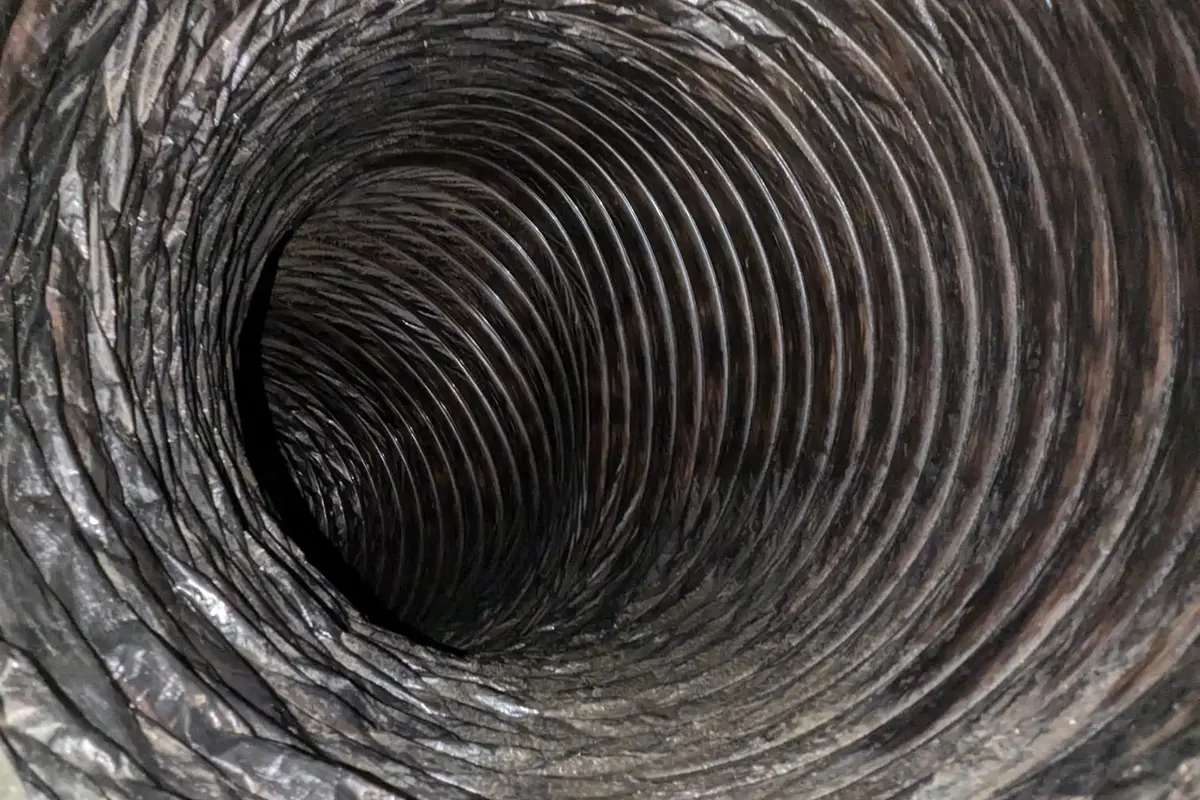
Ductwork condition is a major blind spot. Inspectors can see accessible duct sections but cannot evaluate what is inside the ducts or inspect sections hidden in walls and ceilings. Significant contamination, duct leaks at concealed joints, and deteriorated flex duct in the attic are often missed entirely.
Insulation assessment is usually visual only. The inspector may note 'appears adequate' or measure depth at the attic access, but a single measurement does not capture the full picture. Insulation may be thick at the access point but thin or missing at the eaves, over bathrooms, or around HVAC equipment.
System age and remaining life are estimates. An inspector may note that the system is 12 years old and suggest budgeting for replacement, but they cannot predict when a specific system will fail. Well-maintained systems can last 15-20 years while neglected systems may fail at 8-10 years.
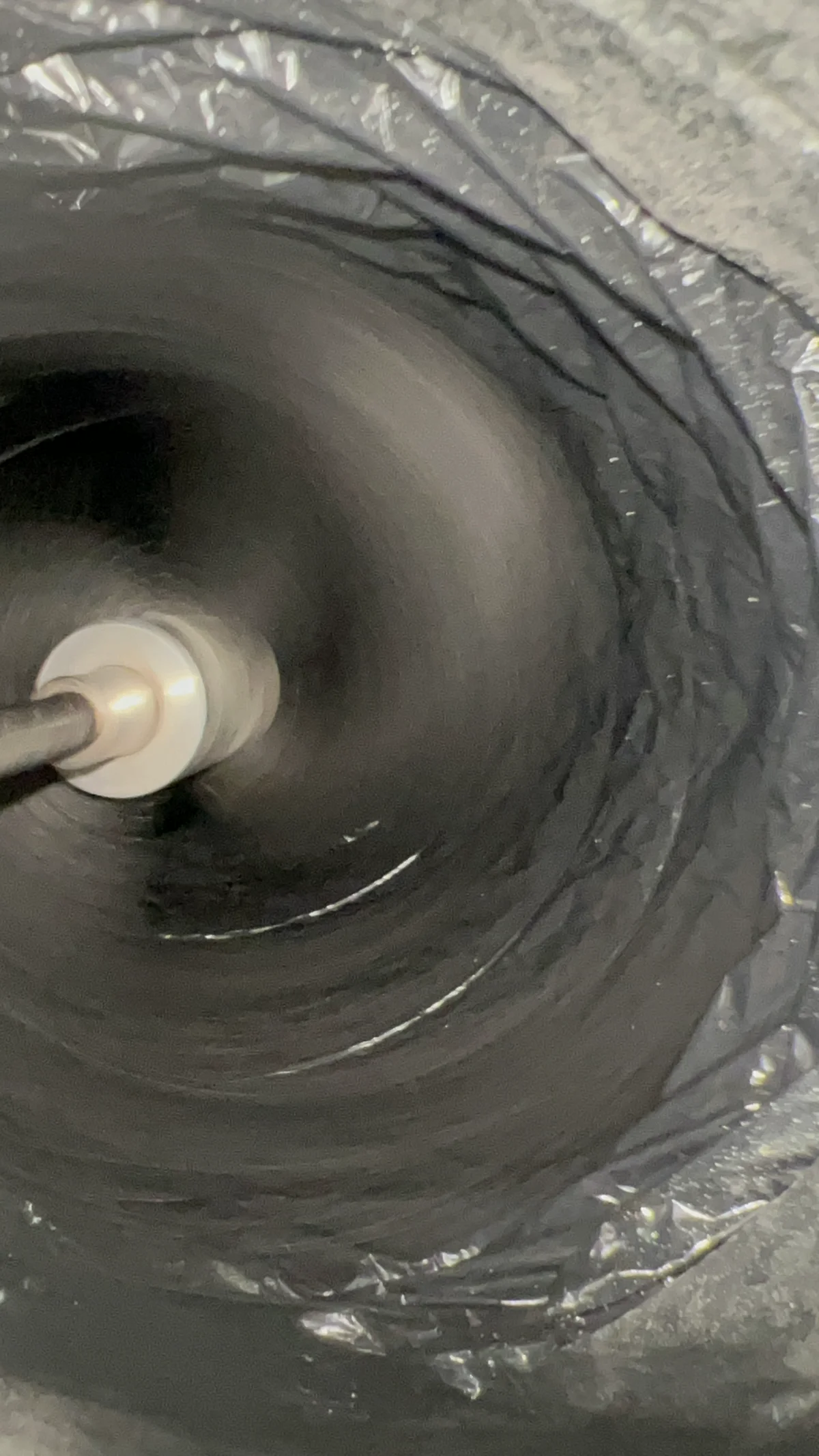
My recommendation for every new Austin homeowner: within your first 90 days, hire an HVAC-specific contractor (separate from your home inspector) for a thorough system evaluation. This should include a duct inspection with HD camera, insulation assessment, system performance evaluation, and identification of any maintenance needs. The cost is small insurance against inheriting hidden problems.
Just Moved In? Start Here.
We help new Austin homeowners understand their HVAC system with honest assessments and straightforward recommendations.
Call (512) 601-4451Rate your home's indoor air quality in 2 minutes
Common HVAC Mistakes New Homeowners Make
After 10+ years of serving Austin homeowners, I see the same mistakes repeatedly. Avoiding these saves money, prevents damage, and extends your system's life.
Using the wrong filter. Either too restrictive (MERV 16+) which strains the blower motor, or too permissive (MERV 1-4 fiberglass) which filters almost nothing. MERV 11 is the sweet spot for most Austin homes. Never run the system without a filter, even temporarily.
Setting the thermostat too low in summer. Your AC can cool approximately 20-25 degrees below outdoor temperature. Setting it to 68 when it is 105 outside forces continuous operation without reaching setpoint, wastes energy, and accelerates equipment wear. Set it to 76-78 and use ceiling fans.
Ignoring strange noises. Rattling, buzzing, squealing, grinding, or clicking noises from your HVAC system are early warnings of mechanical problems. Addressing a $150 capacitor replacement prevents a $2,000 compressor failure. Do not wait for the noise to go away - it will not.
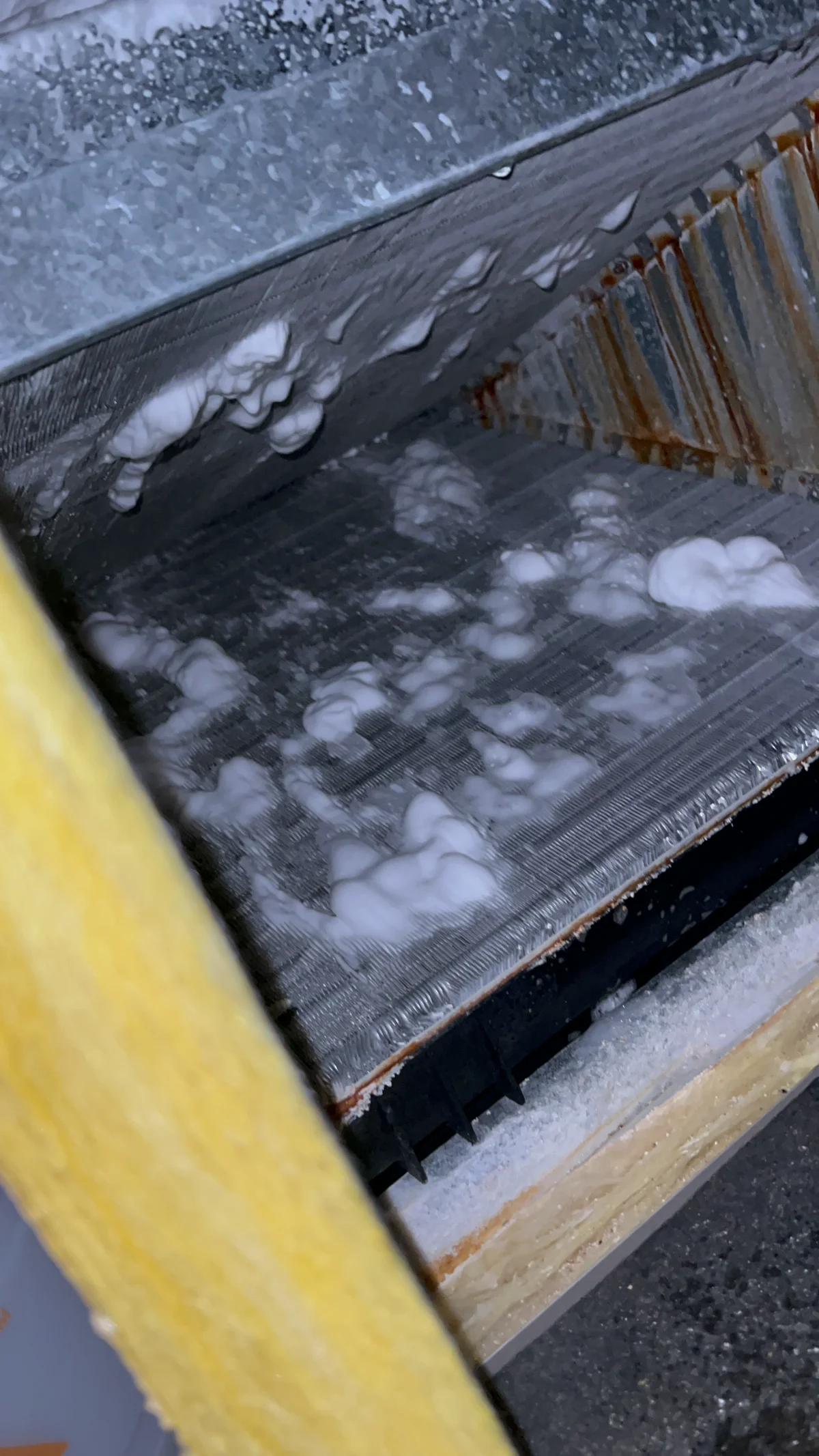
Closing vents in unused rooms. This seems logical but actually increases pressure in the duct system, forces air through leaks, and can cause the evaporator coil to freeze. Your system is designed for a specific airflow volume. Keep all vents open.
Skipping maintenance because the system seems fine. HVAC efficiency degrades gradually. You will not notice a 5% efficiency decline, but your electricity bill does. By the time you notice a problem, the system has been operating below capacity for months or years. Preventive maintenance catches gradual decline before it becomes a breakdown.
Not knowing where the emergency shutoffs are. Know how to turn off your HVAC system at both the thermostat and the circuit breaker. In an emergency - gas smell, electrical burning smell, water leak from the air handler - you need to shut the system down immediately.
Trying DIY refrigerant recharge. Refrigerant is a sealed system. If your system is low on refrigerant, it has a leak. Adding refrigerant without fixing the leak wastes money (it will leak out again) and can damage the compressor. Refrigerant work requires a licensed technician.
Understanding Your HVAC Warranty
Your HVAC system came with a manufacturer warranty, but most homeowners never read it until something breaks. Here is what you need to know before that happens. Most residential HVAC manufacturers offer a standard parts warranty of 5-10 years from the date of installation. This covers major components like the compressor, evaporator coil, condenser coil, and heat exchanger if they fail due to manufacturing defects. Labor is typically covered for the first year only, sometimes two years. After the labor warranty expires, you pay the technician's time to diagnose and install the replacement part, even if the part itself is still covered.
Registration is where many homeowners lose coverage without realizing it. Most manufacturers require you to register the equipment within 60-90 days of installation to receive the full warranty period. If you do not register, the warranty often drops from 10 years to 5 years on parts. Check your paperwork from the installer or look up the serial number on the manufacturer's website to verify registration status. If your home is newly purchased, the previous owner may or may not have registered. It is worth checking and registering if it was missed, even if you are past the deadline - some manufacturers will still honor late registrations.
Common warranty exclusions catch homeowners off guard. Damage from power surges, improper installation, unauthorized modifications, and lack of maintenance are almost always excluded. That last one is the big one - if the warranty company determines the failure was caused by a dirty filter, clogged condensate drain, or neglected maintenance, they can deny the claim. Keep your maintenance receipts and filter change records. Take dated photos of new filters when you install them. This documentation protects your warranty claim if a component fails. Also know that the warranty follows the equipment, not the homeowner, so coverage transfers when you sell or buy a home.
Building Your HVAC Maintenance Calendar
A simple annual schedule takes the guesswork out of HVAC maintenance and makes sure nothing gets missed. Here is what I recommend for Austin homeowners, broken down by frequency. Monthly: check your air filter on the first of every month. In heavy-use months (June through September, and January through March during cedar season), plan on replacing it every 30 days. During milder months, you can stretch to 60-90 days if the filter still looks clean. Set a phone reminder so you do not forget. Also check your thermostat once a month to make sure the schedule and settings match your current routine.
Quarterly: flush your condensate drain line with a cup of white vinegar to prevent clogs. Walk around the outdoor condenser unit and clear any debris, leaves, or vegetation that has grown within the 2-foot clearance zone. Vacuum your supply and return vent covers to remove dust buildup. Check for any unusual sounds or smells when the system runs - catching problems early saves money. Twice a year, in spring and fall, replace your thermostat batteries even if they seem fine. Dying batteries cause erratic behavior that mimics expensive HVAC problems.
Annually: schedule professional duct cleaning every 3-5 years (or every 2-3 years with pets or allergies), dryer vent cleaning once per year, and chimney inspection if you have a fireplace. The best time to schedule these services is September through November, when HVAC companies are less booked and you can often get better scheduling flexibility. Before each major season transition - spring before cooling season, fall before heating season - test the system in the mode you are about to use. Run the AC on a warm March day and the heat on a cool October evening. Finding a problem before you need the system daily gives you time to get it fixed without an emergency service call.
Building Your HVAC Maintenance Budget
As a new homeowner, HVAC maintenance is a recurring expense you should plan for. Here is what to budget annually for an Austin home.
Air filters: $60-$120 per year (MERV 11 pleated filters, changed every 60-90 days, or 4-6 filters per year at $15-$20 each).
Professional duct cleaning every 3-5 years. More frequently if you have pets or allergies.
Dryer vent cleaning annually. Essential fire prevention.
Chimney inspection and sweep annually if you have a fireplace.
Thermostat batteries and miscellaneous supplies.
The total annual HVAC maintenance budget for a typical Austin home is a modest investment that prevents costly emergency repairs and extends your system's life by years.
Keep a maintenance log with dates, services performed, costs, and any notes from technicians. This record proves maintenance history for warranty claims, helps troubleshoot recurring issues, and adds value when you eventually sell the home.
You just made the biggest purchase of your life - do not let a $15 air filter or a clogged condensate drain turn it into a $5,000 headache. The first 90 days set the tone for everything that follows. Call (512) 601-4451 and book your first duct inspection. We will run the camera through the system, show you what the previous owners left behind, and give you an honest assessment of what needs attention now versus what can wait. Hundreds of first-time Austin homeowners have started exactly this way since 2014.
Related Services
Learn more about our professional services related to this topic:
- Air Duct Cleaning - Remove dust, allergens, and debris from your entire HVAC system for cleaner indoor air.
- Air Duct Inspection - Diagnose leaks, blockages, and efficiency issues with HD camera inspection.
- Dryer Vent Cleaning - Clear lint buildup to prevent fires and cut drying time in half.
- Chimney Sweep & Repair - Professional cleaning and 21-point safety inspection for your fireplace.
- Solar Fan Installation - Solar-powered attic ventilation that cuts cooling costs naturally.
All Articles in This Series
- First Month in Your New Austin Home: The HVAC Survival Guide
- 10 Questions to Ask Before Hiring a Duct Cleaning Company
- What Home Inspectors Check (and Miss) About Your HVAC
- What Is NADCA Certification? Why It Matters
- Does Your Home Warranty Cover HVAC & Duct Cleaning?
- How Long Does an HVAC System Last? Austin Homeowner's Guide
- AC Not Cooling? 8 Things to Check Before Calling a Tech
- Is Your Home's Air Making Your Kids Sick? A Parent's Guide
- Musty Smell From AC? 7 Odors to Never Ignore
- Flex Duct vs Metal Duct: What Austin Homeowners Need to Know
- Duct Cleaning for Renters: Your Rights in Texas
- Why Is My Second Floor So Hot? HVAC Fixes for Austin Homes
- Duct Condensation and Sweating Vents: Causes and Fixes
- How to Clean Air Vent Covers and Registers Like a Pro
- Are HVAC Service Plans Worth It? What to Know
- Supply Vents vs Return Vents: What Homeowners Should Know
- What Is a Plenum Box? The Hidden Key to Your HVAC System
- What Is an Air Handler? HVAC Basics You Should Know
- HVAC Filter Sizes: How to Find the Right Size
- Carbon Monoxide and Your HVAC: What Homeowners Must Know
- Restaurant Kitchen Exhaust Cleaning: Fire Code Guide
Have questions about homeowner education? Our team is available 7 days a week. Call us at (512) 601-4451 or visit our contact page.