Dust mites are microscopic arachnids that thrive in warm, humid ductwork. Their waste particles are one of the most common indoor allergy triggers. A single dust mite produces 20 waste pellets per day, and your ductwork can harbor millions. Professional duct cleaning physically removes dust mite colonies and their waste, while humidity control below 50% prevents re-establishment.
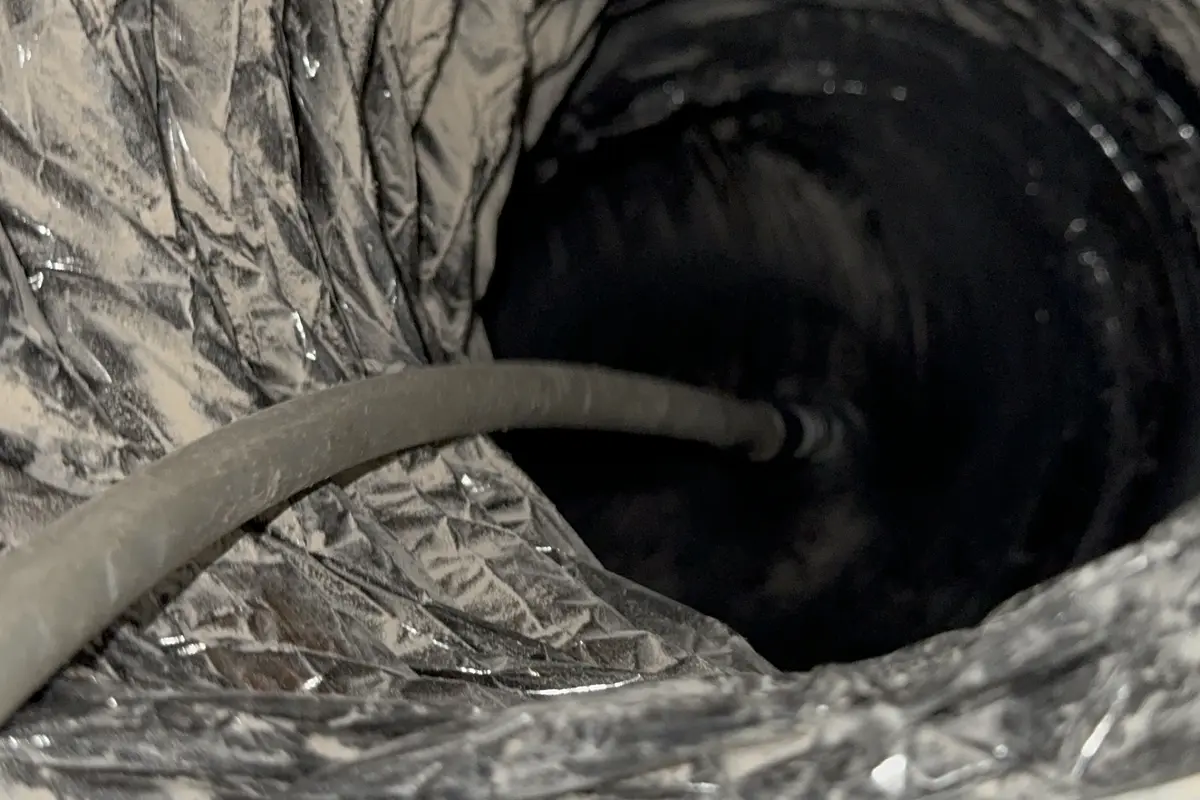
Why Dust Mites Love Your Ductwork
Dust mites need three things: warmth (68-77 degrees F), humidity (above 50% relative humidity), and food (dead skin cells, pet dander, organic dust). Your ductwork provides all three. The interior temperature of ducts during HVAC operation falls within the ideal range. Austin's humidity means duct interiors often exceed 50% RH, especially near the evaporator coil. And the accumulated dust inside ducts is largely composed of exactly the organic particles mites feed on.
Dust mites are not visible to the naked eye (0.2-0.3mm). They do not bite and they do not burrow into skin. The health problem is not the mites themselves but their waste: fecal pellets and shed exoskeleton fragments that are small enough (10-35 microns) to become airborne and be inhaled. A single mite produces approximately 20 fecal pellets per day. In a heavily infested duct system with millions of mites, the daily waste output is substantial.
The Allergic Response to Dust Mite Waste
Dust mite waste contains proteins (primarily Der p 1 and Der f 1) that are potent allergens. When inhaled, these proteins trigger IgE-mediated immune responses: histamine release, nasal inflammation, bronchial constriction, and mucus production. For sensitized individuals, this means chronic runny nose, sneezing, itchy and watery eyes, nasal congestion, postnasal drip, cough, and in asthmatic individuals, airway constriction and wheezing.
The AAFA reports that dust mite allergies affect approximately 20 million Americans. In Austin, where indoor humidity supports year-round dust mite populations, exposure is persistent rather than seasonal. Unlike pollen allergies that follow outdoor seasons, dust mite allergies in Austin homes with contaminated ductwork are a 12-month condition.
How to Reduce Dust Mite Exposure from Ducts
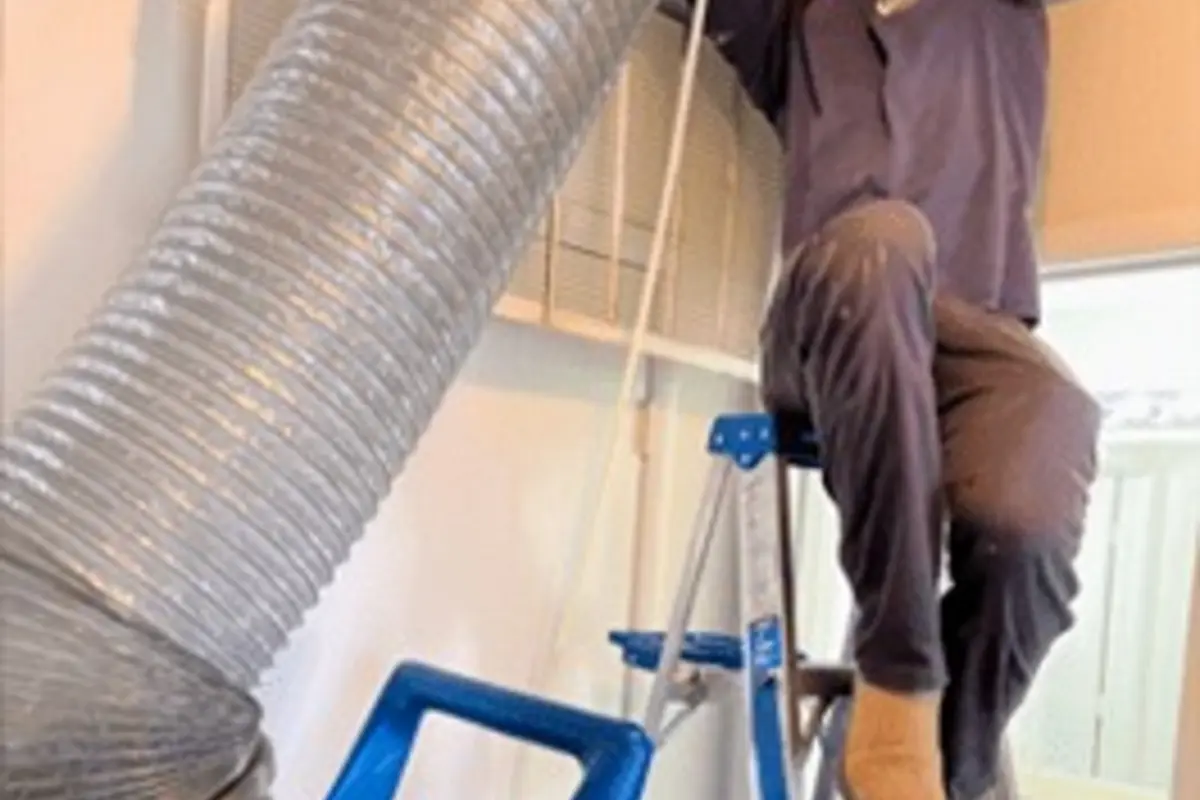
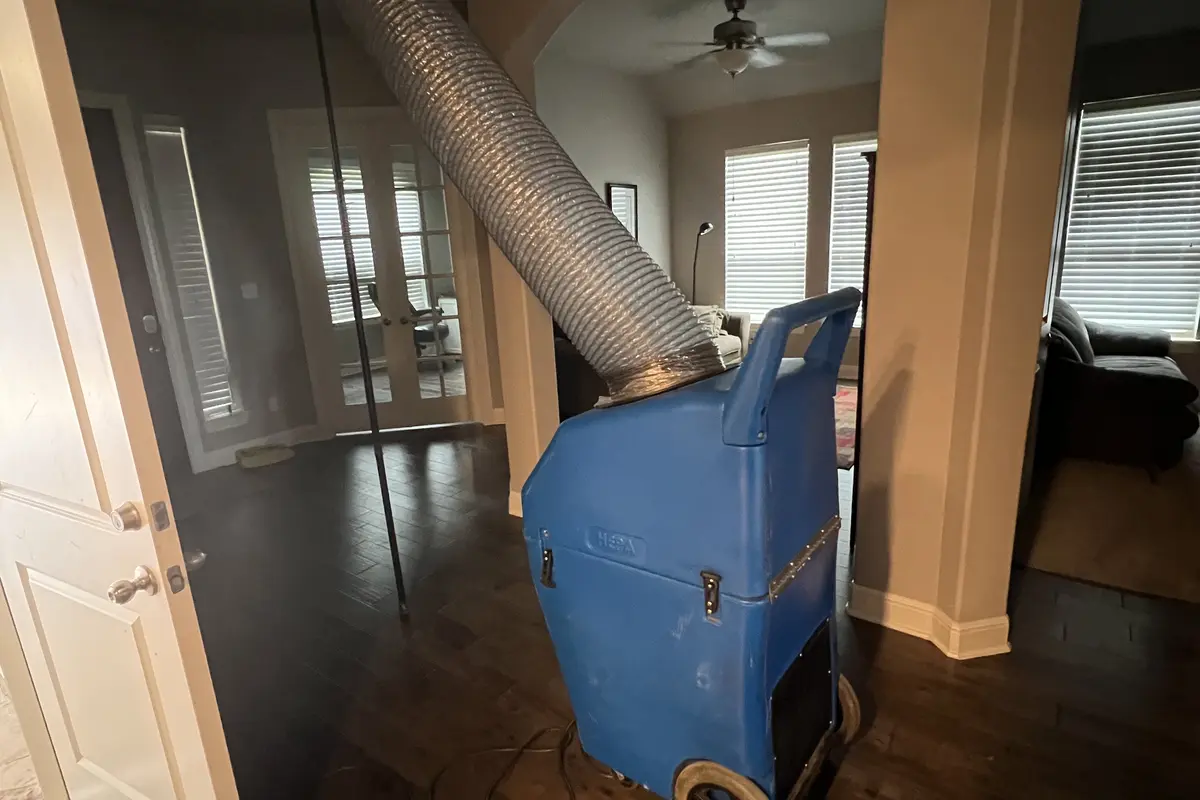
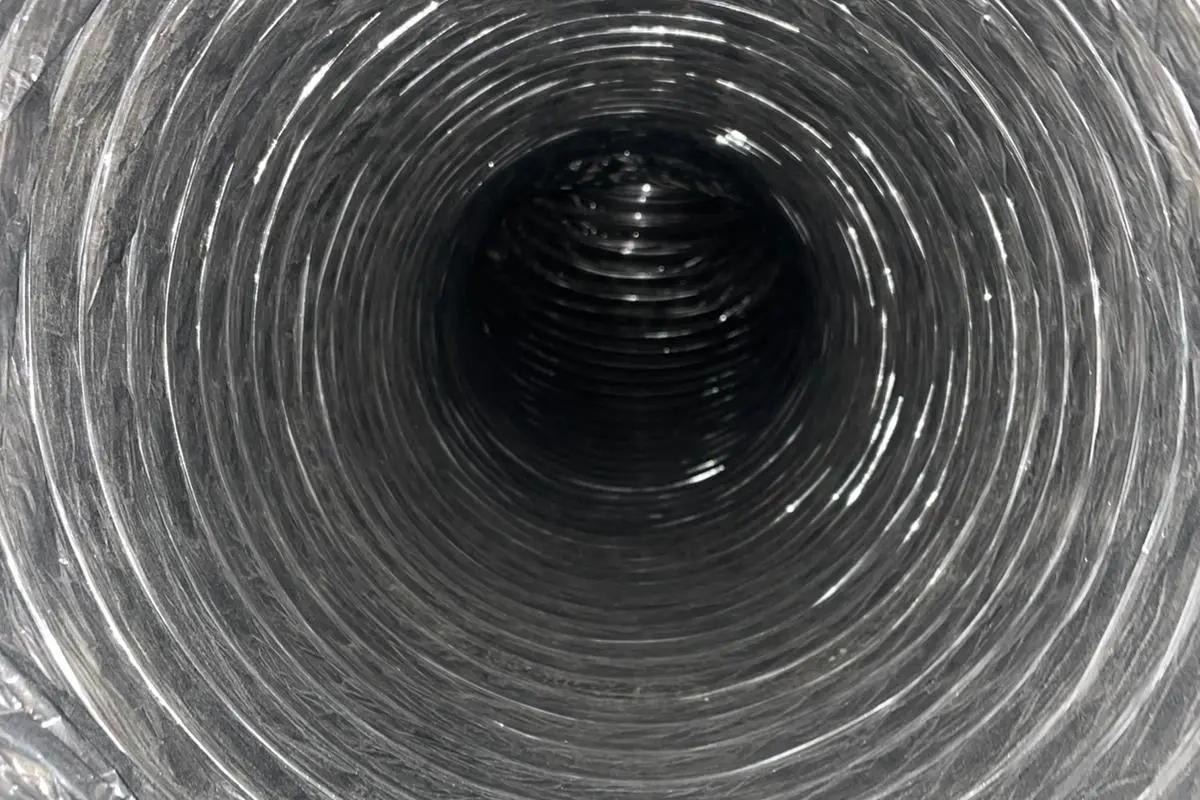
Professional duct cleaning physically removes the dust mite colonies and accumulated waste from inside your ductwork. HEPA-filtered negative-pressure equipment ensures that the disturbed particles are captured rather than redistributed. This is the most direct intervention for duct-based dust mite exposure.
After cleaning, control humidity below 50% to prevent re-establishment. Dust mites cannot survive below 50% relative humidity - they dehydrate and die. In Austin, this means your AC must be properly maintained to dehumidify effectively. A whole-home dehumidifier may be needed during the most humid months.
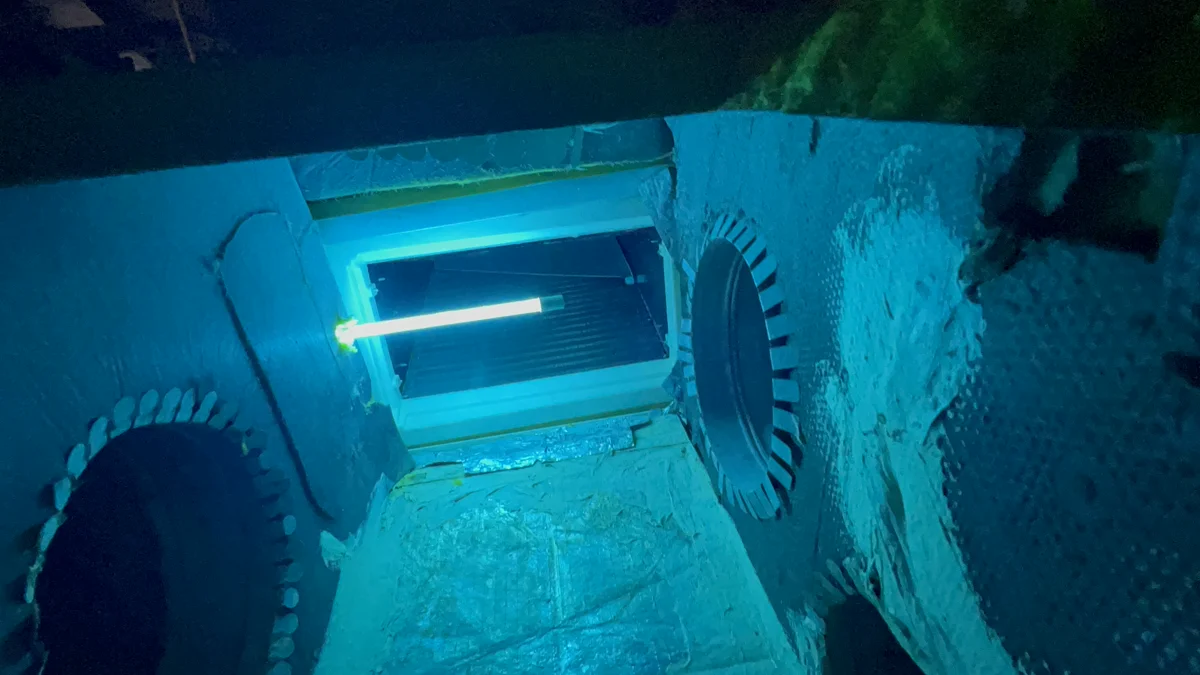
Use MERV 11-13 filters to capture mite waste particles before they re-deposit in cleaned ducts. Change filters every 30-45 days. Consider UV-C light installation to kill mites and disrupt reproduction in the air stream near the air handler. Call (512) 601-4451 for duct inspection and cleaning to address dust mite contamination.
Concerned About Your Home's Air?
We provide professional air quality assessments for Austin homes. See what is in your ducts before deciding.
Call (512) 601-4451Rate your home's indoor air quality in 2 minutes
The Scale of the Problem: How Many Dust Mites Are in Your Ducts
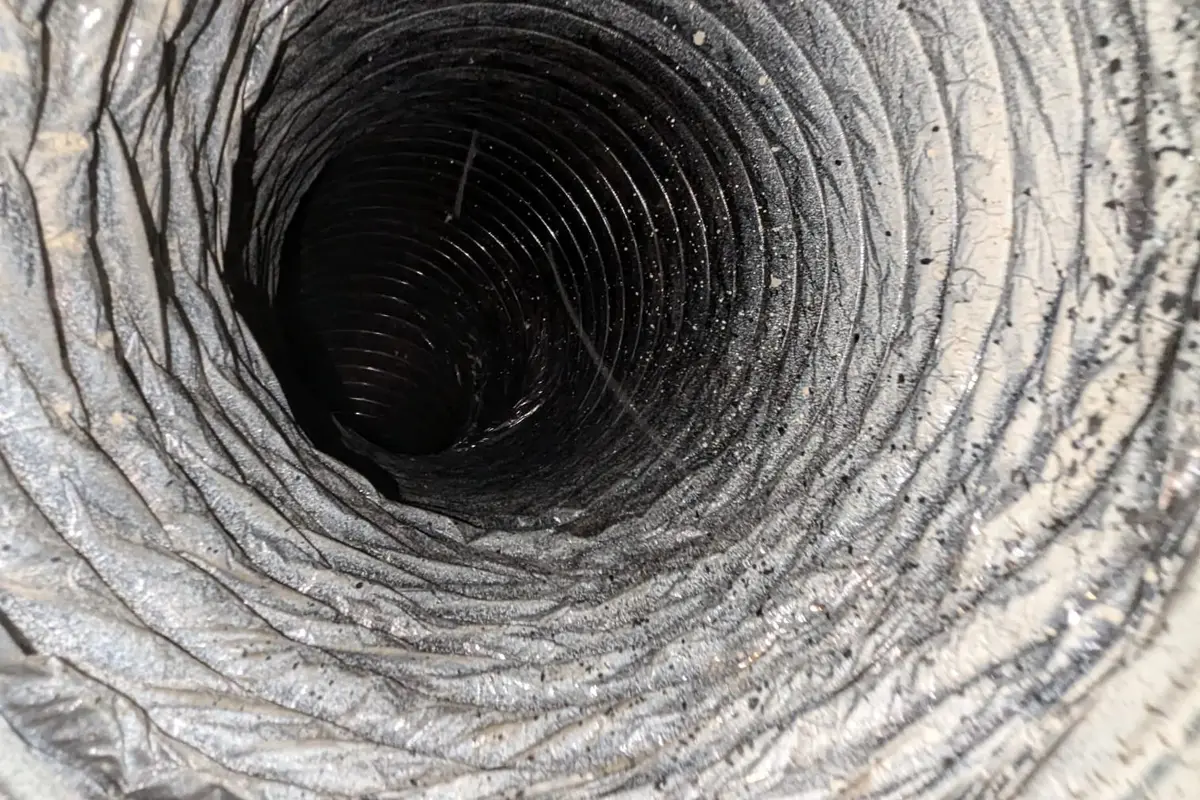
The numbers are staggering when you consider the scale of dust mite populations in a typical home. A single gram of house dust can contain 100 to 500 dust mites. Your ductwork accumulates pounds of dust over time - a home that has gone 5 or more years without duct cleaning can have 10-20 pounds of accumulated debris in the duct system. Even if only a fraction of that dust supports mite colonies, the population can easily reach millions.
Each of those mites produces approximately 20 fecal pellets per day. A colony of one million mites generates 20 million allergen-loaded particles daily - and every time your HVAC system cycles on, airflow distributes a portion of those particles throughout your home. The AAFA reports that dust mite allergen levels of 2 micrograms per gram of dust are sufficient to trigger allergic reactions, and levels above 10 micrograms per gram can provoke asthma attacks in sensitized individuals.
Austin's climate makes the problem worse than in drier regions. Dust mites thrive at humidity levels above 50% and temperatures between 68-77 degrees F. Austin's average outdoor humidity of 67% and the typical indoor thermostat setting of 72-76 degrees create ideal conditions year-round. In cities like Phoenix or Denver, where indoor humidity naturally stays below 30-40%, dust mite populations are self-limiting. In Austin, they are not - active intervention is required to keep populations in check.
The dust mite lifecycle compounds the issue. A female dust mite lives approximately 60-80 days and lays 60-100 eggs during her lifetime. In favorable conditions (exactly what Austin ductwork provides), populations can double every 2-3 weeks. What starts as a minor presence after duct cleaning can become a significant colony within a few months if humidity is not controlled.
Long-Term Prevention Strategy
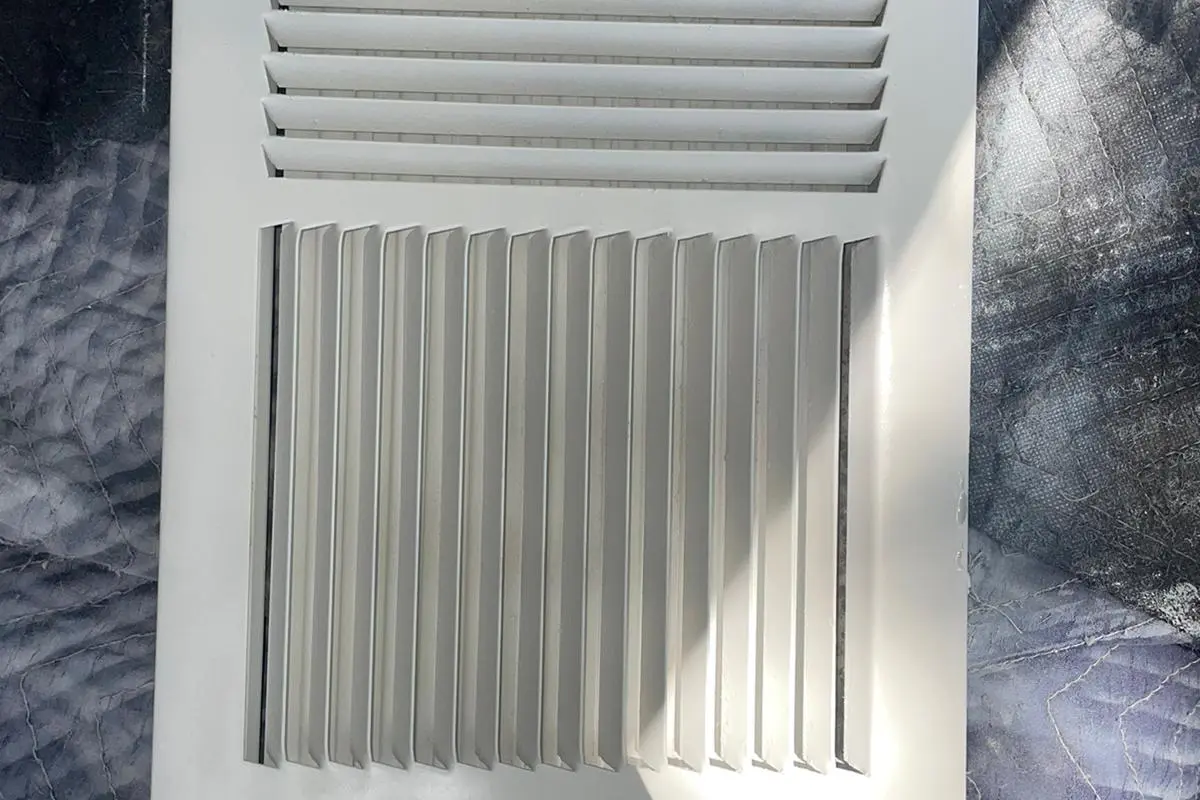
Eliminating dust mites from ductwork is a two-phase process: removal followed by environment modification that prevents re-establishment. Professional duct cleaning handles the removal phase by physically extracting the mite colonies, their waste, and the dust layer they feed on. But without the second phase - environment modification - re-colonization begins within weeks.
Humidity control is the single most effective long-term prevention measure. Dust mites cannot survive below 50% relative humidity. In Austin, maintaining sub-50% indoor humidity requires a properly functioning AC system with clean evaporator coils, clear condensate drains, and the thermostat fan set to AUTO. If your home consistently exceeds 50% humidity while the AC is running, the system needs maintenance or supplemental dehumidification.
Filtration prevents new dust from entering the duct system and providing food for future mite populations. MERV 11-13 filters capture the skin flakes, pet dander, and organic particles that mites feed on. Changing the filter every 30-45 days during heavy HVAC use prevents a thick dust layer from accumulating in the ductwork between professional cleanings.
UV-C germicidal light installed near the evaporator coil disrupts mite reproduction in the air stream and kills mites that pass through the air handler. While UV-C does not reach deep into duct branches, it reduces the population in the highest-humidity zone of the system where mites are most concentrated.
Schedule duct cleaning every 2-3 years rather than the standard 3-5 year interval if dust mite allergies are a concern in your household. In Austin's humidity, mite populations rebuild faster than in drier climates. A 2-3 year cleaning cycle prevents populations from reaching the levels that trigger significant allergic responses.
Related Services
Learn more about our professional services related to this topic:
- Air Duct Cleaning - Remove dust, allergens, and debris from your entire HVAC system for cleaner indoor air.
- Air Duct Inspection - Diagnose leaks, blockages, and efficiency issues with HD camera inspection.
- UV Lighting System - Eliminate bacteria and allergens inside your HVAC with UV-C light technology.
Want the full picture?
Read our complete guide: Indoor Air Quality in Austin: The Complete Guide (2026) →Have questions about indoor air quality? Our team is available 7 days a week. Call us at (512) 601-4451 or visit our contact page.