The EPA confirms indoor air is 2-5 times more polluted than outdoor air, and contaminated ductwork is a significant contributor. Duct cleaning reduces airborne allergens, dust mite debris, mold spores, and bacterial contamination that trigger respiratory symptoms. The science supports targeted cleaning for contaminated systems, not routine cleaning for every home regardless of conditions.
Your Family Breathes 15,000 Liters of Indoor Air Every Day
The average person takes 20,000 breaths per day and inhales approximately 15,000 liters of air. Americans spend roughly 90% of their time indoors, according to EPA estimates. That means the air inside your home is the air your body processes for the vast majority of every 24-hour cycle.
The EPA ranks indoor air pollution among the top five environmental risks to public health. Their research consistently shows indoor air concentrations of many pollutants are 2-5 times higher than outdoor levels, regardless of whether the home is in an urban or rural area. In some cases, indoor pollutant levels are 100 times higher than outdoor concentrations.
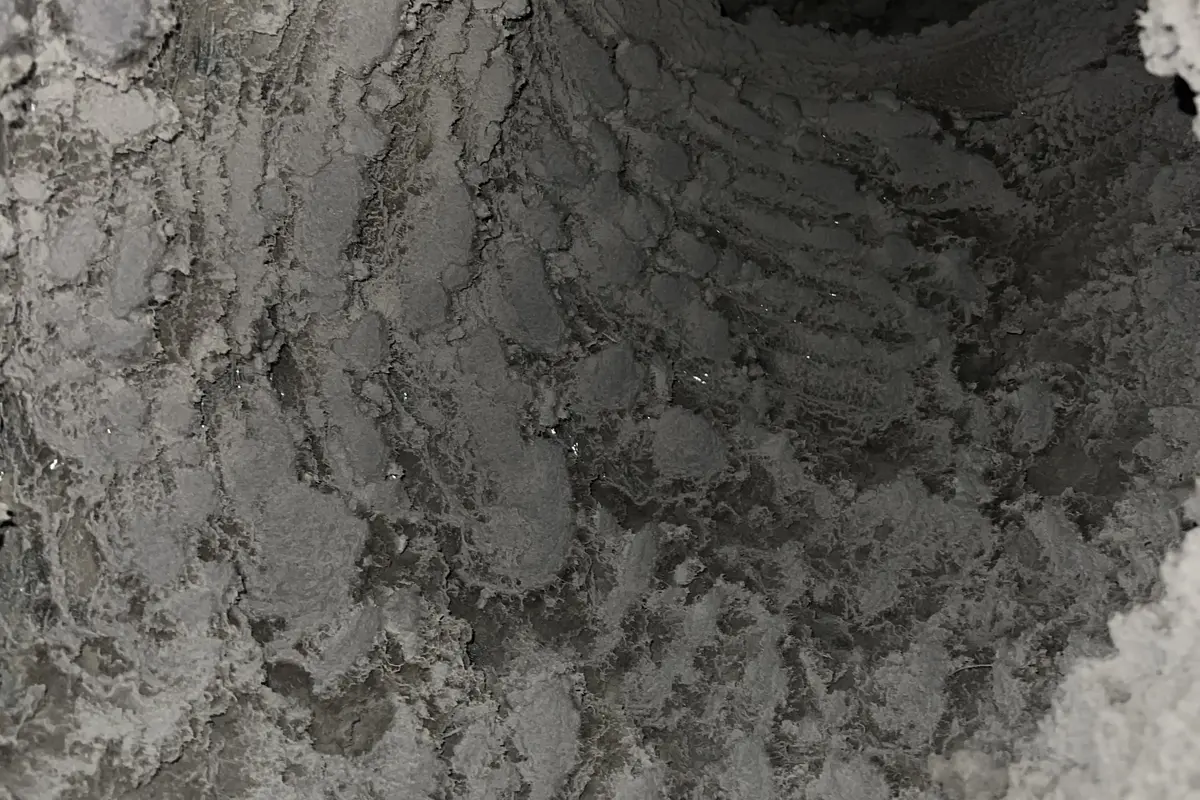
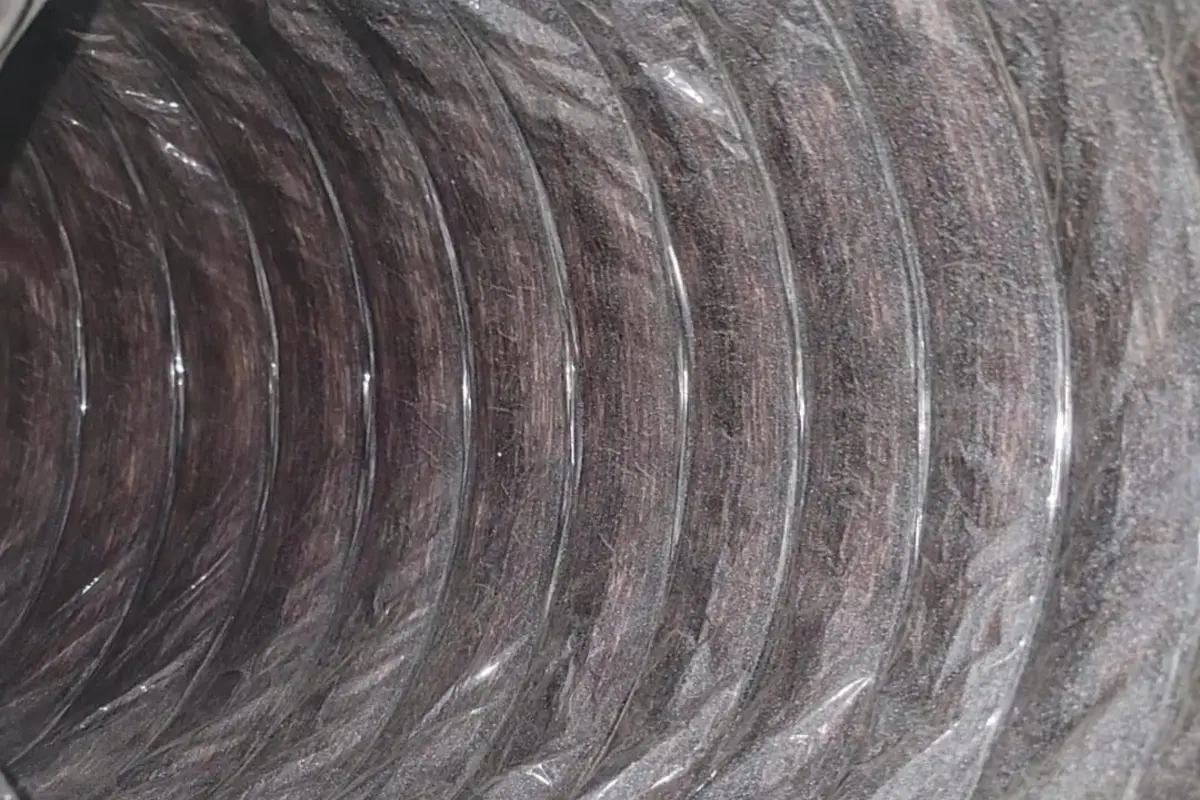
Your HVAC system processes all of that indoor air. Every particle, every allergen, every microbial contaminant passes through your ductwork and across your coils 5-7 times per day. What accumulates in your ducts over months and years becomes a reservoir that continuously reintroduces contaminants into your living space.
What Does the Research Actually Show?
A 2018 study published in the International Journal of Environmental Research and Public Health found that professional duct cleaning reduced airborne particulate concentrations by 30-50% in treated homes. The reduction was most significant for particles in the 1-10 micron range - the size range that includes mold spores, bacteria, dust mite fragments, and pet dander.
Research from the National Institutes of Health (NIH) has established clear links between indoor particulate exposure and respiratory symptoms. Dust mite allergens trigger asthma attacks in sensitized individuals. Mold spore exposure is associated with upper respiratory symptoms, coughing, and wheezing in otherwise healthy people. Bacterial endotoxins in household dust correlate with airway inflammation.
The CDC reports that asthma affects 25 million Americans, and indoor allergens are among the most common triggers. Dust mites, mold, pet dander, and cockroach allergens - all of which accumulate in HVAC systems - are identified triggers. Reducing exposure to these allergens reduces symptom frequency, which is why the Asthma and Allergy Foundation of America recommends regular HVAC maintenance as part of an allergen reduction strategy.
Where the Science Gets Nuanced
Honesty matters here. The EPA states that duct cleaning "has never been shown to actually prevent health problems" in controlled studies. That wording is precise - it does not say duct cleaning does not help, only that no large-scale controlled study has definitively proven a direct causal link between duct cleaning and illness prevention.
The challenge is study design. You cannot ethically expose a control group to contaminated ducts while cleaning the treatment group's ducts and compare health outcomes over years. Most evidence is observational or based on surrogate measures (particle counts, allergen concentrations) rather than disease incidence.
What the evidence does support: homes with contaminated ductwork have higher indoor particulate levels. Higher particulate levels correlate with increased respiratory symptoms. Professional cleaning reduces those levels by 30-50%. The logical chain is strong even if no single study connects all three links in a randomized trial.
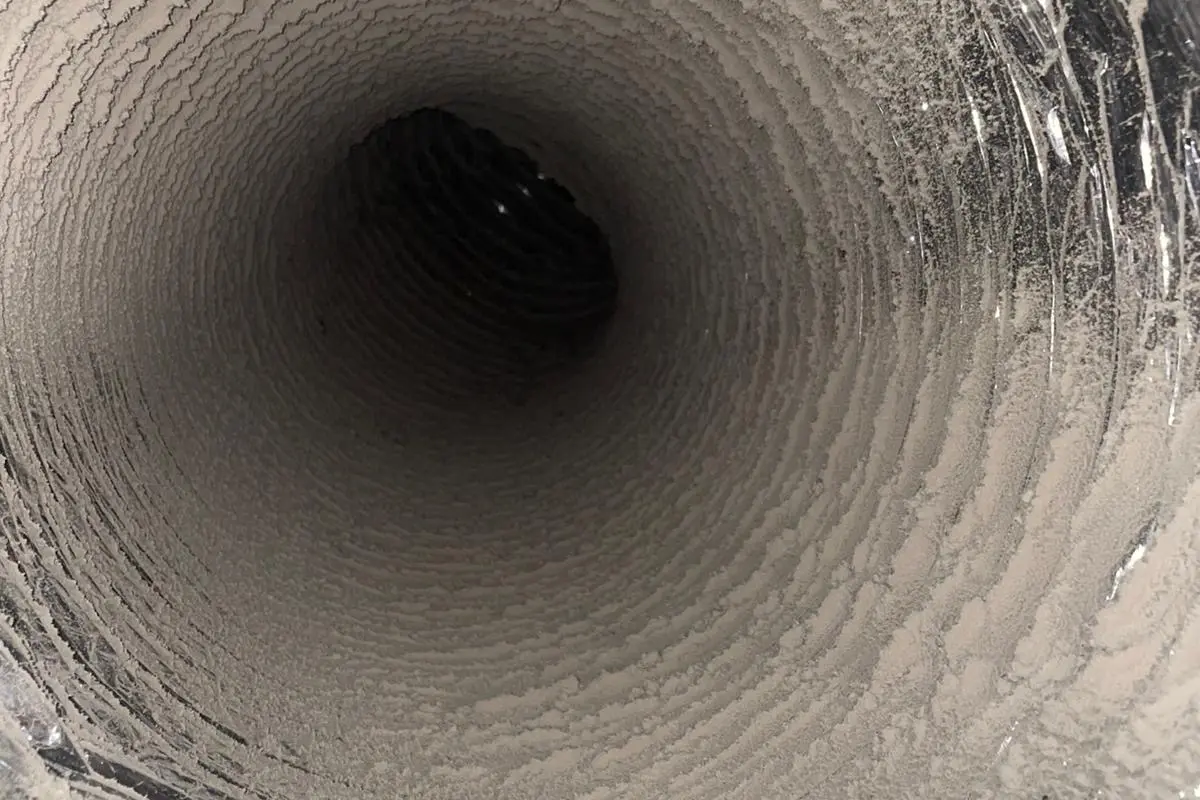
"I never tell people duct cleaning cures asthma or prevents pneumonia - that would be dishonest," says Nessi Ziv, owner of Air Central. "What I can show you on camera is what has been circulating through your home for years. When we remove that, people breathe easier. The cause and effect is obvious when you see the before and after."
Austin's Climate Makes Indoor Air Quality Worse
Austin's allergy profile intensifies the connection between duct contamination and health. The AAFA (Asthma and Allergy Foundation of America) consistently ranks Austin among the worst allergy cities in America. Cedar pollen counts reach 10,000-20,000 grains per cubic meter during peak season from December through March.
With HVAC systems running 10-11 months per year - far more than the national average - Austin ducts accumulate contaminants faster. The system that circulated cedar pollen all winter then switches to cooling mode and circulates mold spores and humidity-related allergens all summer. There is no seasonal break where the ductwork sits idle and contamination stops.
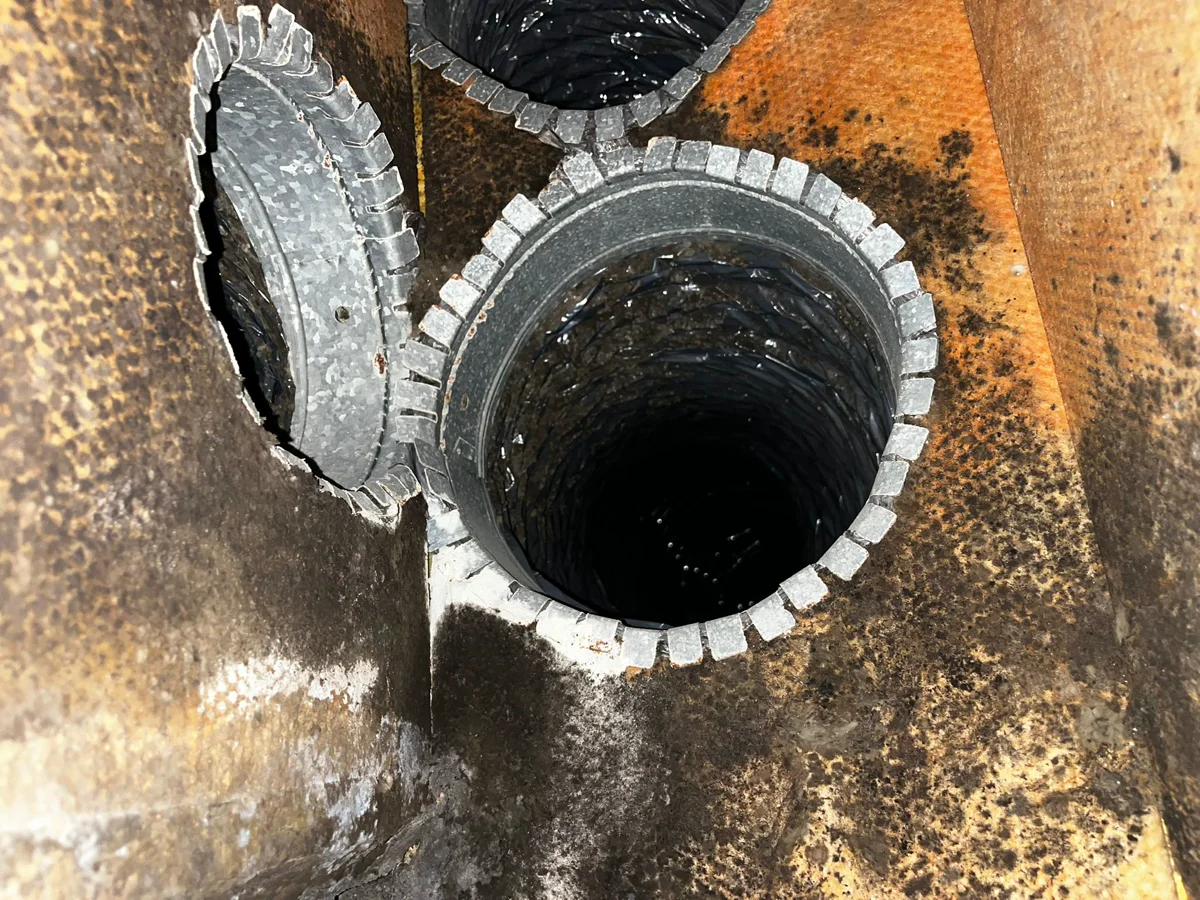
High humidity (67% average) pushes Austin homes above the mold growth threshold for 8-9 months of the year. Condensation on cooling coils and in ductwork creates conditions where mold colonizes duct surfaces. Once established, mold releases spores continuously into the airstream. This is one of the EPA's three explicit triggers for recommended duct cleaning.
Concerned About Your Home's Air?
We provide professional air quality assessments for Austin homes. See what is in your ducts before deciding.
Call (512) 601-4451Rate your home's indoor air quality in 2 minutes
Who Benefits Most from Duct Cleaning?
Allergy and asthma sufferers see the most noticeable improvement. Removing the reservoir of allergens in ductwork reduces the daily exposure load. Multiple studies show that reducing indoor allergen concentrations below specific thresholds significantly decreases symptom frequency in sensitized individuals.
Households with infants and young children benefit from reduced exposure to fine particulate and biological contaminants. Children's respiratory systems are still developing, and their breathing rate per body weight is approximately 50% higher than adults. They receive a proportionally larger dose of any airborne contaminant.
Immunocompromised individuals, elderly residents, and people with chronic respiratory conditions (COPD, emphysema, chronic bronchitis) have reduced capacity to handle airborne irritants. For these groups, every reduction in exposure matters. The American Lung Association recommends maintaining clean HVAC systems as part of indoor air quality management.
Healthy adults in homes with recently cleaned ducts and no contamination triggers may not notice a difference - and that is fine. Not every home needs cleaning on a fixed schedule. The goal is informed decision-making based on actual conditions, not fear-based sales tactics.
See What Your Family Has Been Breathing
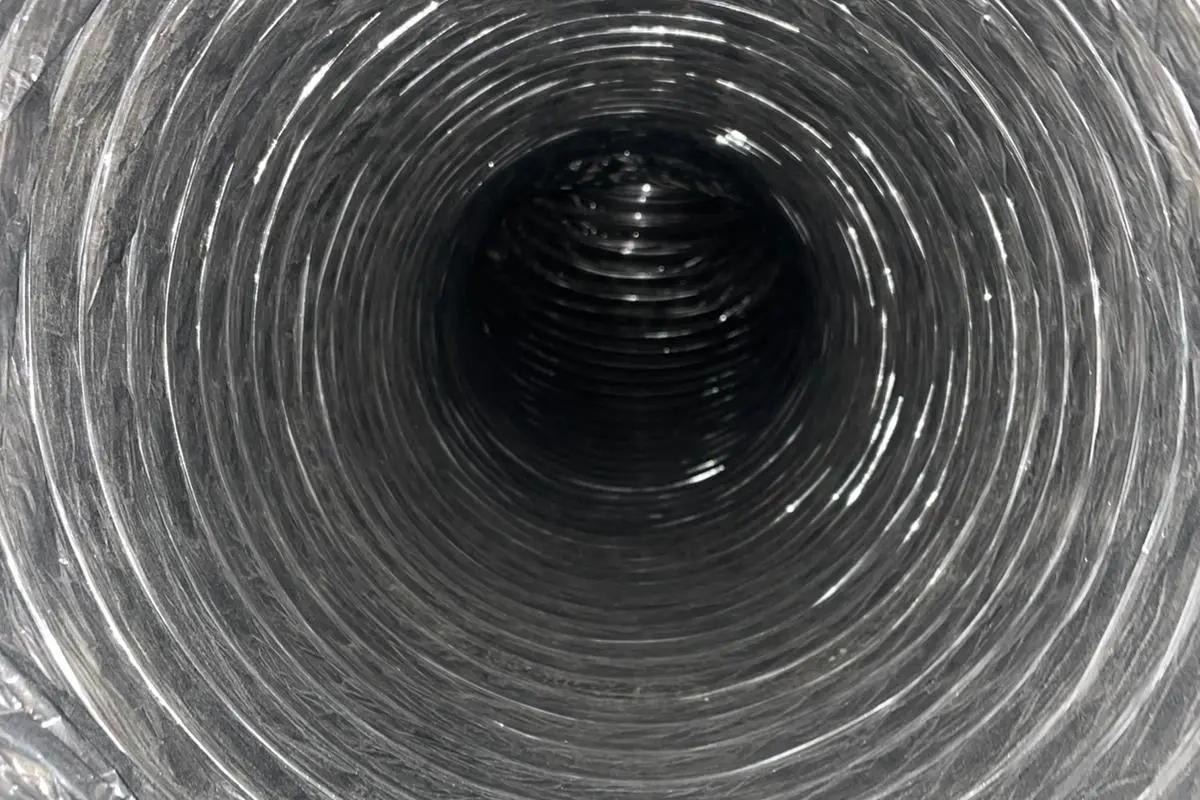
The most compelling evidence is not a study citation - it is the HD camera footage from inside your own ducts. We inspect before we recommend, and we show you the footage on screen. You can decide for yourself whether what is living in your ductwork should keep circulating through your home.
Air Central has inspected and cleaned over 10,000 duct systems across Allandale, Barton Hills, Kyle, Buda, Manor, and every Austin neighborhood. If your ducts are clean, we will tell you. If they need attention, you will see why - on camera, in real time. Call (512) 601-4451 to schedule your duct inspection.
Related Services
Learn more about our professional services related to this topic:
- Air Duct Cleaning - Remove dust, allergens, and debris from your entire HVAC system for cleaner indoor air.
- Air Duct Inspection - Diagnose leaks, blockages, and efficiency issues with HD camera inspection.
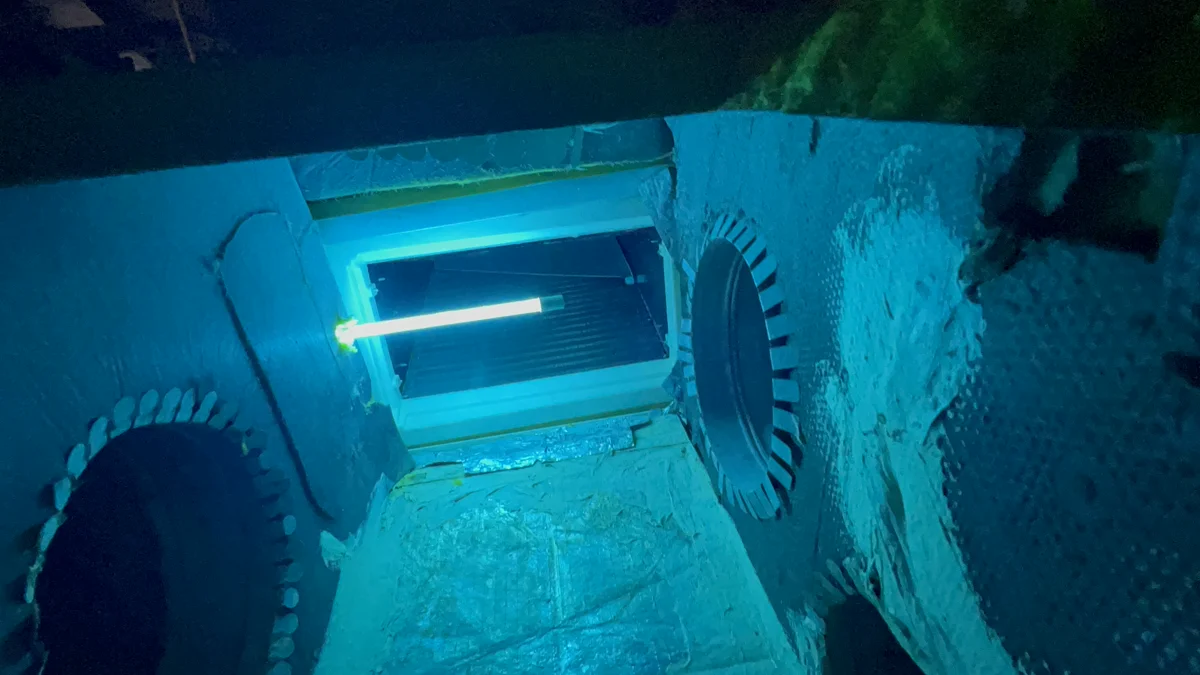
- UV Lighting System - Eliminate bacteria and allergens inside your HVAC with UV-C light technology.
Want the full picture?
Read our complete guide: Indoor Air Quality in Austin: The Complete Guide (2026) →Have questions about indoor air quality? Our team is available 7 days a week. Call us at (512) 601-4451 or visit our contact page.