In most Texas apartments, the landlord is responsible for dryer vent cleaning because the vent duct is part of the building structure. However, many leases are silent on the topic. Tenants should request cleaning in writing if they notice warning signs like long dry times or excess heat, and document the request for legal protection.
Who Pays for Dryer Vent Cleaning in an Apartment?
Your dryer is taking two cycles to dry a single load, the laundry room feels like a sauna, and lint is piling up behind the machine. You know the dryer vent needs cleaning, but who is supposed to handle it - you or your landlord? In Texas, the answer usually falls on the landlord, but the details depend on your lease and local code.
Texas Property Code Section 92.052 requires landlords to make a diligent effort to repair or remedy conditions that materially affect the health or safety of tenants. A clogged dryer vent is a documented fire hazard. The NFPA reports that failure to clean dryer vents is the leading cause of dryer fires, contributing to approximately 2,900 residential fires per year nationwide.
The dryer vent duct runs through walls, ceilings, or the building exterior - all of which are structural components the tenant cannot access or modify. Because the vent path is part of the building infrastructure (not the appliance itself), maintenance responsibility defaults to the property owner in most situations.
According to Air Central owner Nessi Ziv, 'We clean dryer vents in apartment complexes across Austin every week. Nine times out of ten, the tenant reported the problem and the property manager called us. The tenants who put their request in writing get results fastest - landlords take documented fire hazard complaints seriously.'
What Does Your Lease Actually Say?
Check your lease for language about appliance maintenance, dryer vents specifically, and general property maintenance obligations. Many Austin apartment leases are surprisingly silent on dryer vent cleaning, which typically means it falls under the landlord's general maintenance duty.
Some leases explicitly assign dryer vent cleaning to the tenant. This is more common in single-family rental homes where the tenant has direct access to the exterior vent. In apartment buildings, especially multi-story complexes common in downtown Austin and the East Riverside corridor, tenants usually cannot access the full vent path and the responsibility stays with the landlord.
If your lease says nothing about dryer vents, Texas law's default position applies: the landlord must maintain the property in a condition that does not endanger the tenant's health or safety. A lint-clogged dryer vent that poses a fire risk falls squarely under that standard.
How to Request Dryer Vent Cleaning From Your Landlord
Put your request in writing. Texas Property Code requires written notice to the landlord before certain remedies become available to the tenant. Send an email or written letter describing the problem: long dry times, excessive heat in the laundry area, lint accumulation, or visible lint at the exterior vent opening.
Reference the fire safety concern directly. Mention that the NFPA identifies lint buildup as the leading cause of dryer fires and that you are requesting maintenance to address a safety hazard. This language matters if the issue escalates - it establishes that you notified the landlord of a known safety risk.
Give the landlord a reasonable time to respond. Texas law generally considers 7 days reasonable for non-emergency repairs after written notice (unless the condition involves flooding, sewage, or broken locks, which have shorter timelines). Follow up in writing if you do not receive a response.
Keep copies of all communication. If the landlord fails to address the issue and a fire or property damage occurs, your written record demonstrates that you notified them of the hazard. This documentation protects you legally.
Warning Signs Your Apartment Dryer Vent Is Clogged
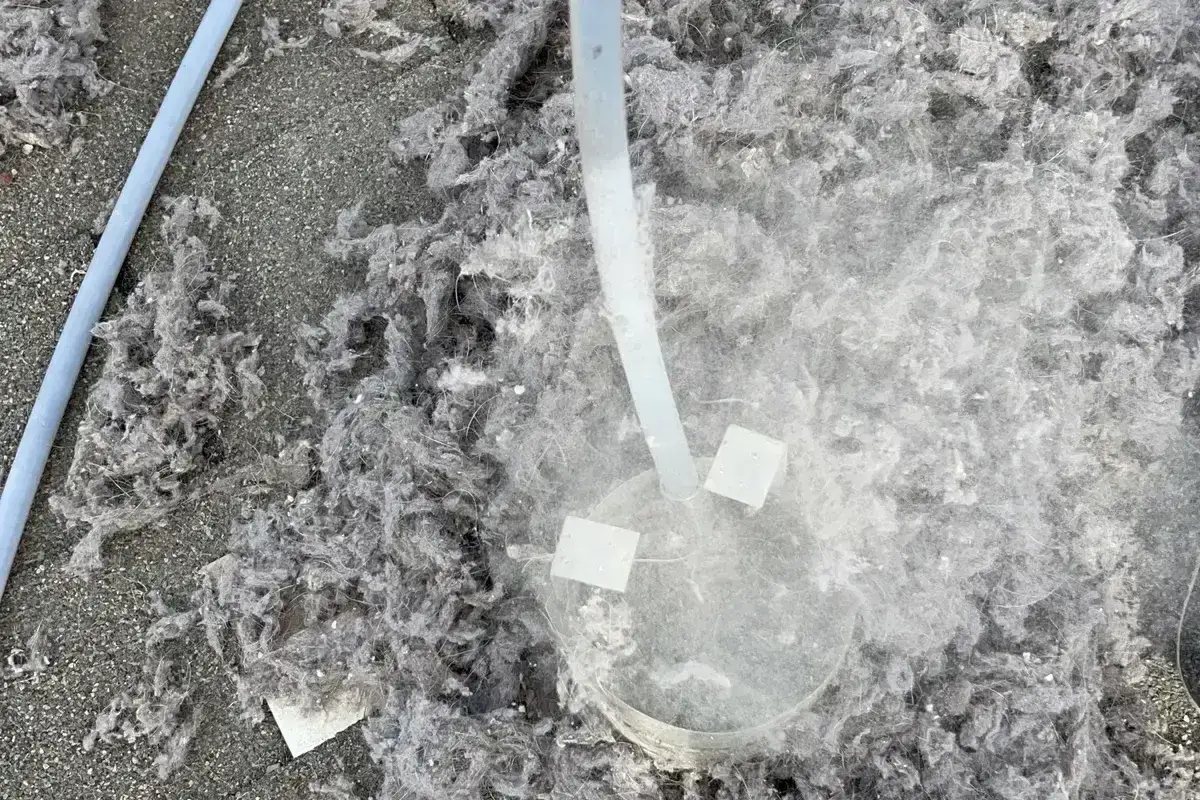
Clothes take more than one cycle to dry completely. This is the most common early sign. A clean dryer vent allows moisture-laden air to exit efficiently. A clogged vent traps humid air inside the drum, extending dry times by 50-100%.
The dryer or laundry room feels unusually hot during operation. When the vent is restricted, heat that should be exhausting outside builds up around the dryer. If you can feel significant warmth radiating from the dryer or the room temperature rises noticeably during a cycle, airflow is restricted.
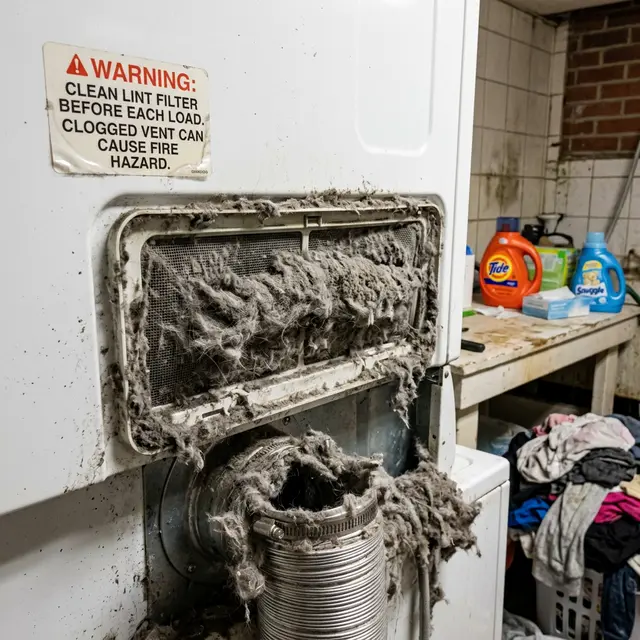
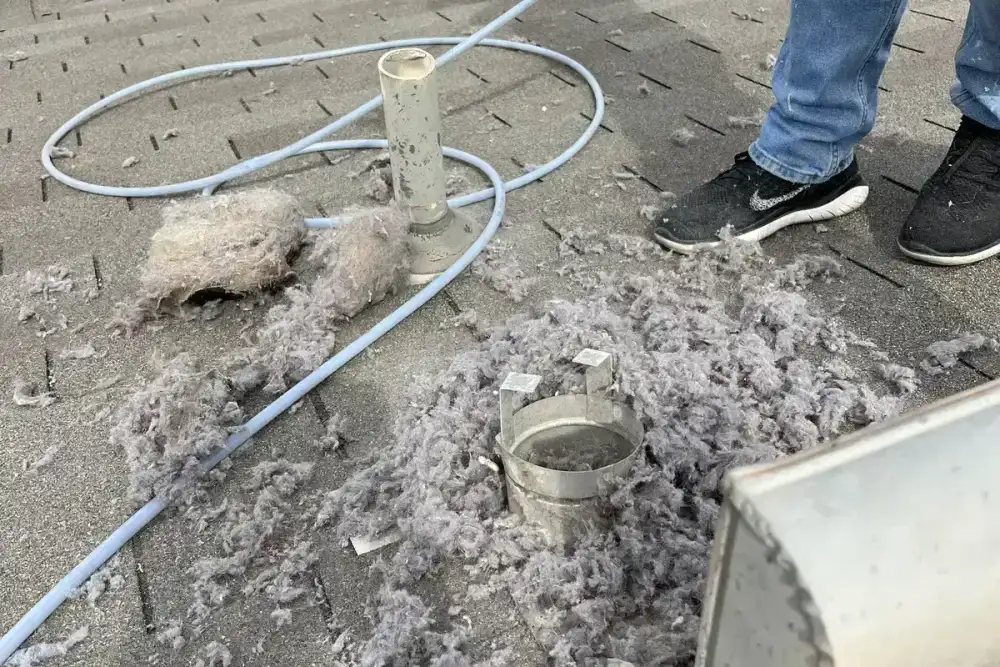
Lint accumulates around the dryer, on the floor behind the machine, or on the lint screen at an unusual rate. You may also notice a burning smell during operation - this is lint inside the vent duct overheating. A burning smell is an immediate safety concern: stop the dryer and do not use it until the vent is inspected.
The exterior vent flap does not open when the dryer is running. Walk outside and check the vent termination point while the dryer is on. If the flap is not being pushed open by exhaust air, the vent path is blocked somewhere between the dryer and the exterior wall.
Fire Risk Statistics Every Apartment Renter Should Know
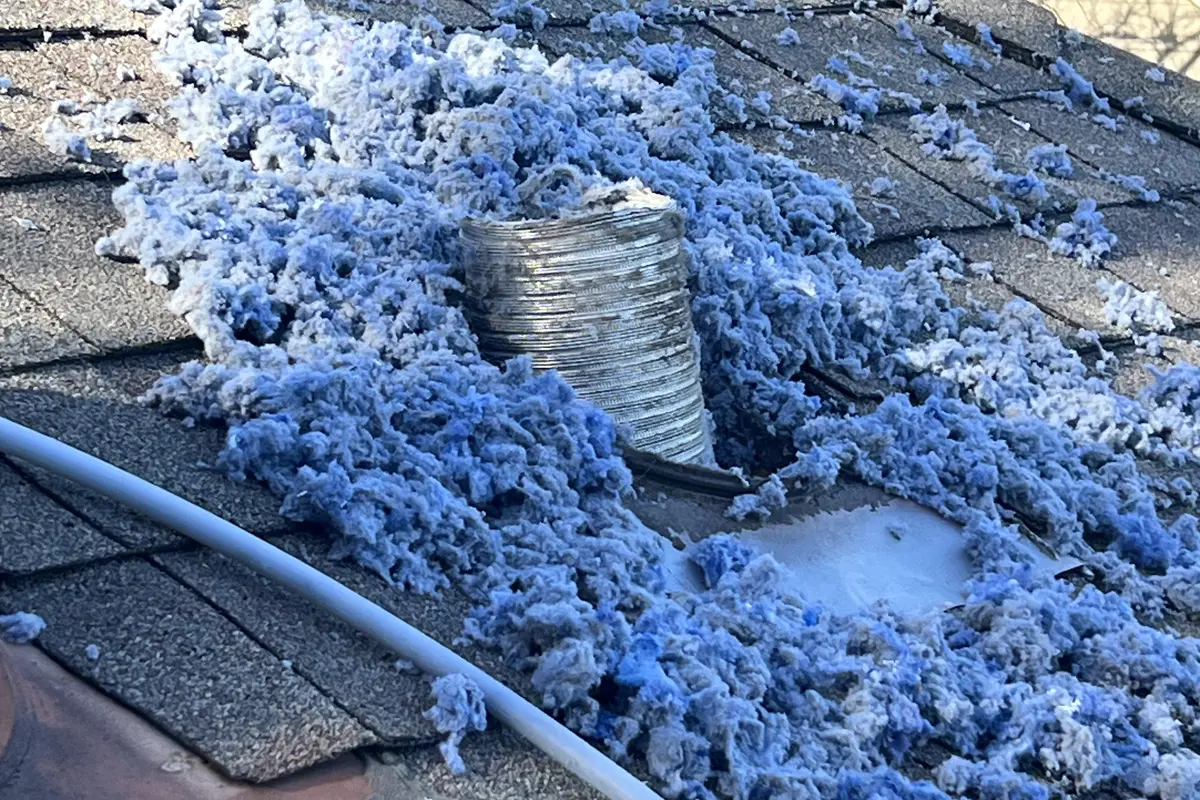
The U.S. Fire Administration reports that dryer fires cause an estimated $236 million in property damage annually. Apartments face compounding risk because a fire in one unit can spread to adjacent units through shared walls, ceilings, and vent chases.
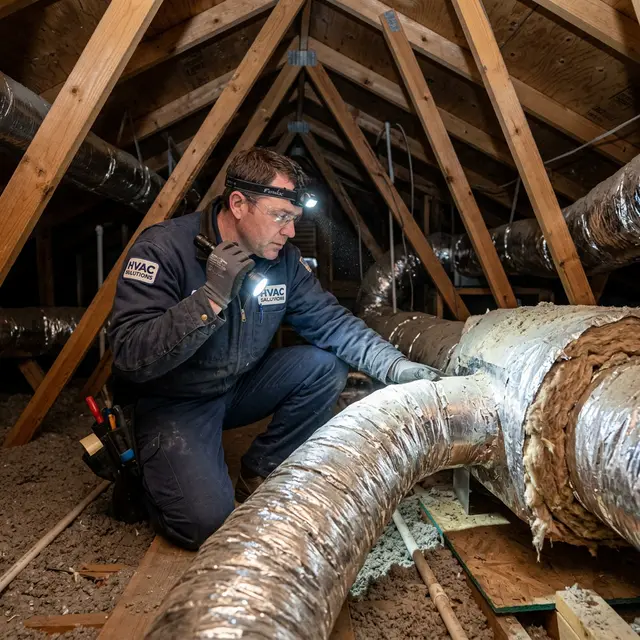
Multi-story apartment buildings in Austin often route dryer vents vertically through multiple floors before reaching the roof. These long, vertical runs accumulate lint faster than short horizontal runs in single-story homes. A dryer vent running 25 feet vertically through an apartment building needs cleaning more frequently than a 6-foot run through an exterior wall.
The NFPA's research shows that 34% of dryer fires are caused by failure to clean. This is the single largest contributing factor - ahead of mechanical failure, electrical problems, or misuse. Regular cleaning is the most effective prevention.
When Was Your Dryer Vent Last Cleaned?
Most Austin homeowners go too long between cleanings. A quick inspection takes minutes and could prevent a fire.
Call (512) 601-4451Rate your home's indoor air quality in 2 minutes
Can You Clean the Dryer Vent Yourself in an Apartment?
You can and should clean the lint trap after every load and clean around the dryer connection point periodically. Pull the dryer away from the wall (carefully, to avoid damaging the flex connector), disconnect the transition hose, and vacuum out any lint from both the dryer exhaust port and the wall vent opening.
However, you typically cannot clean the full vent path in an apartment. The ductwork runs through walls, floors, or ceilings that you do not have access to and should not modify. Attempting to clean building ductwork yourself risks damaging the vent, creating gaps that leak exhaust into wall cavities, or violating your lease terms.
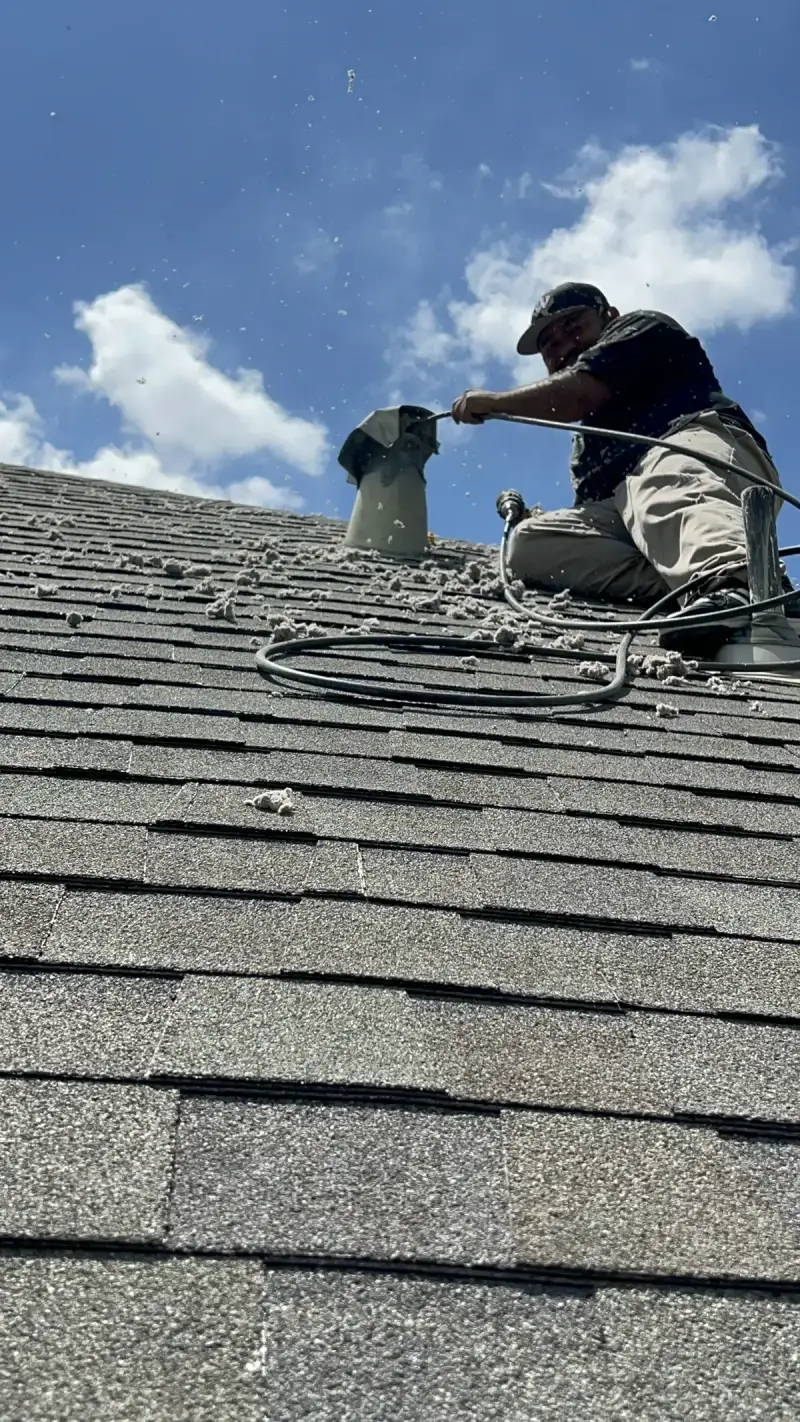
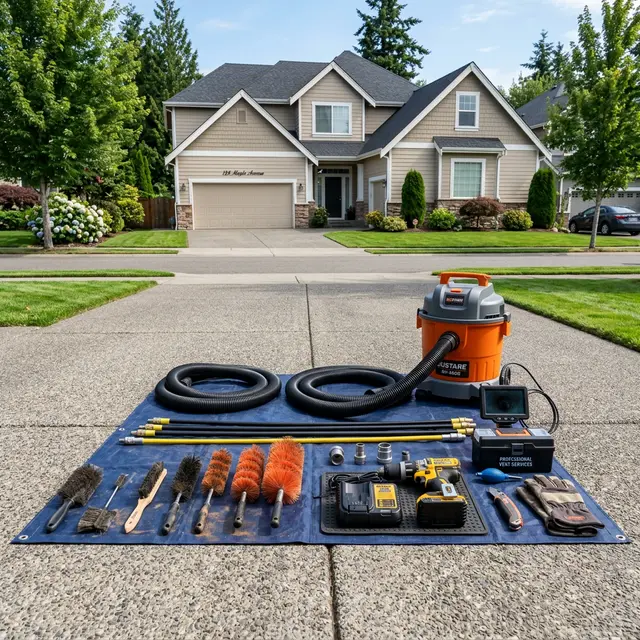
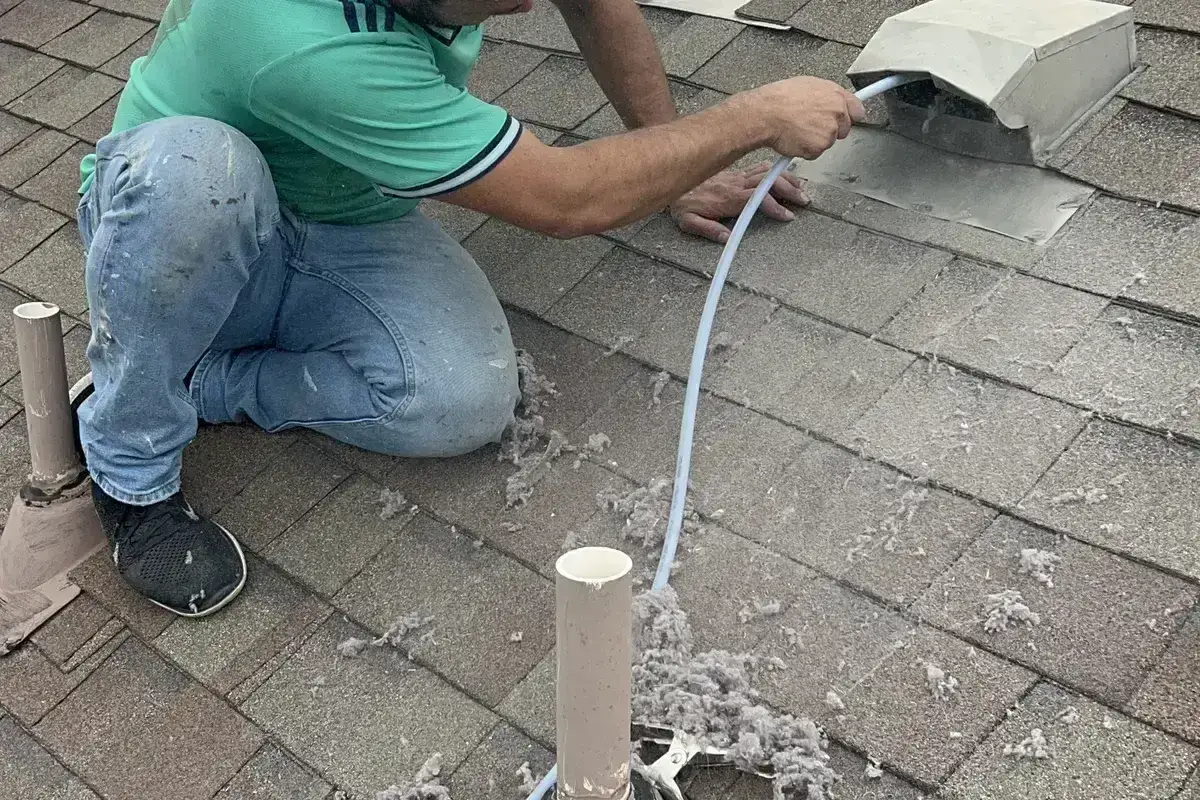
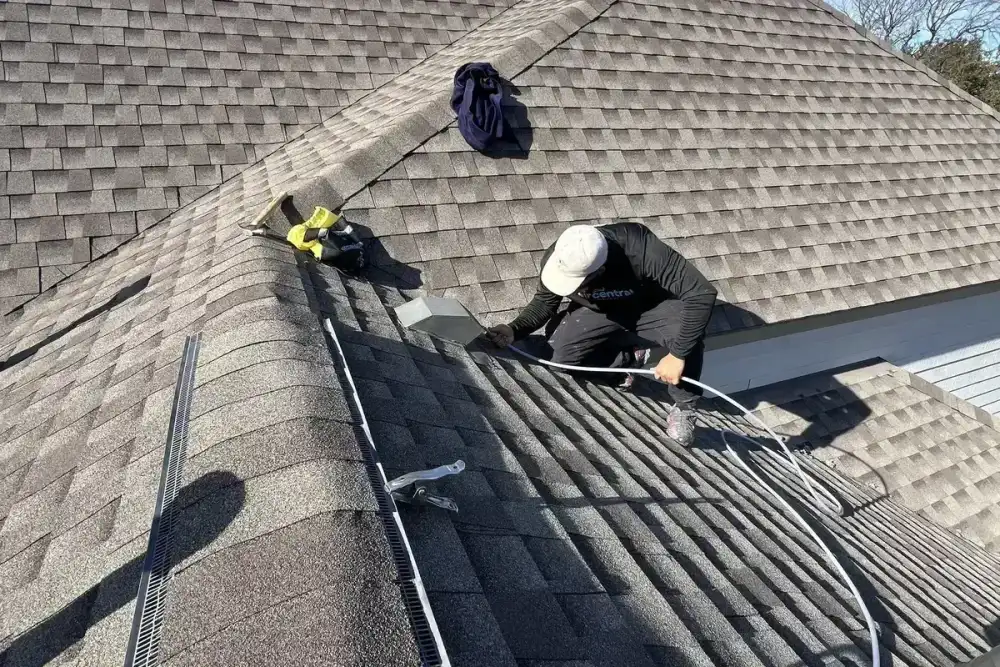
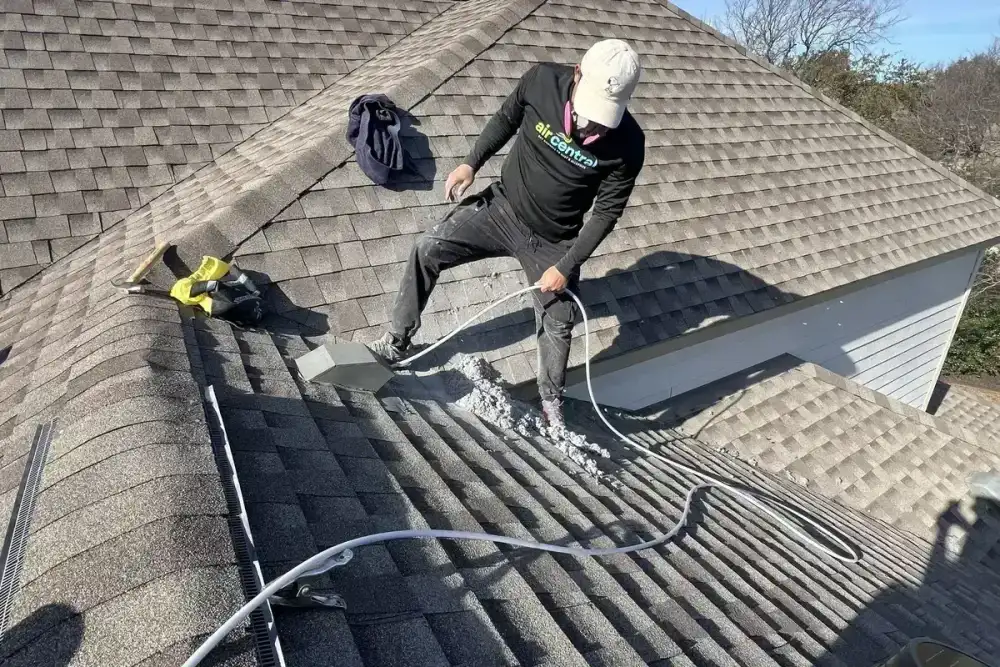
Professional dryer vent cleaning uses specialized tools - rotating brushes and commercial air compressors - designed to clean the entire path from dryer to exterior termination. The service typically costs $89-$300 depending on vent length and accessibility. For apartment buildings with long or complex vent runs, the cost tends toward the higher end.
Thousands of New Units, Same Lint Problem
Austin has added tens of thousands of apartment units in recent years, with major developments concentrated in downtown, East Austin, the Domain area, and along the MoPac and I-35 corridors. Many of these newer buildings use in-unit washer-dryer hookups with vent paths routed through the building structure.
Older apartment complexes - particularly those built in the 1980s and 1990s in areas like North Lamar, Rundberg, and South Congress - may have original dryer vent ductwork that has never been professionally cleaned. Decades of lint accumulation in these buildings creates serious fire risk.
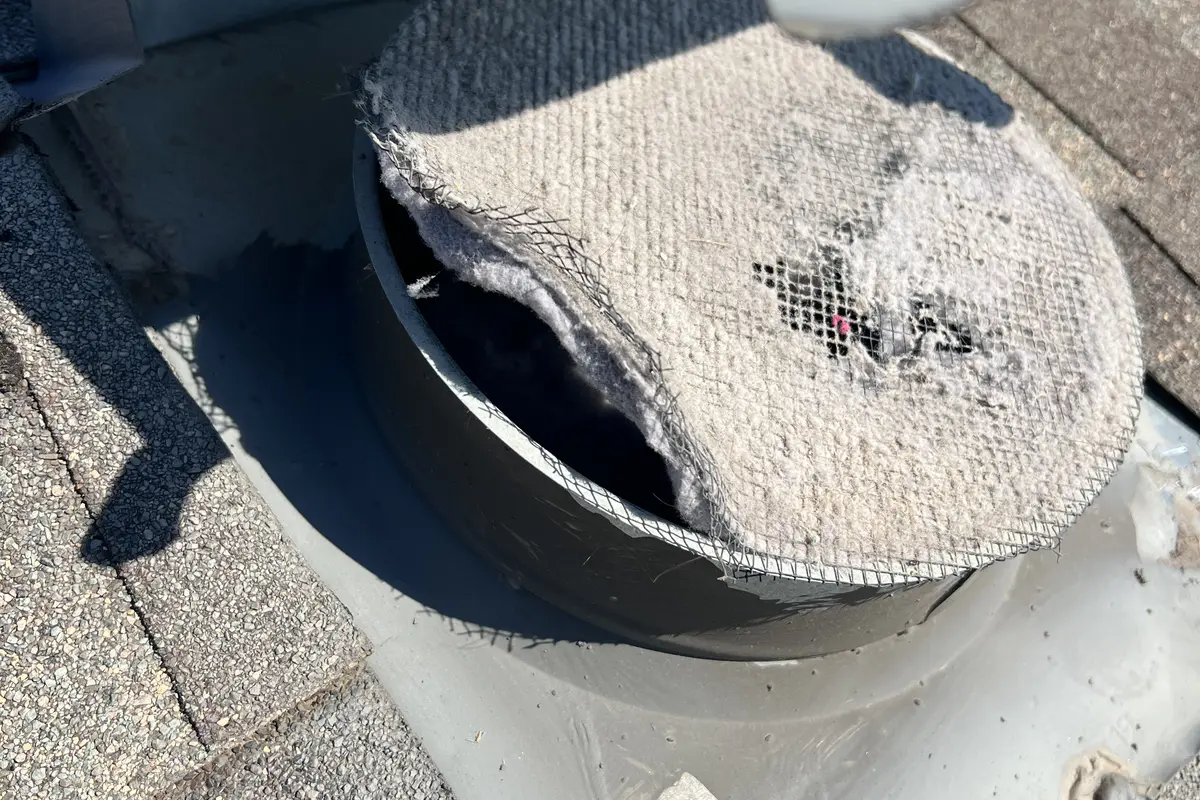
Whether your apartment is brand-new or decades old, the physics are the same: lint accumulates in the vent with every dryer cycle, and only professional cleaning removes it from sections you cannot reach. Your responsibility as a tenant is to recognize the warning signs and notify your landlord in writing.
Schedule a Dryer Vent Inspection
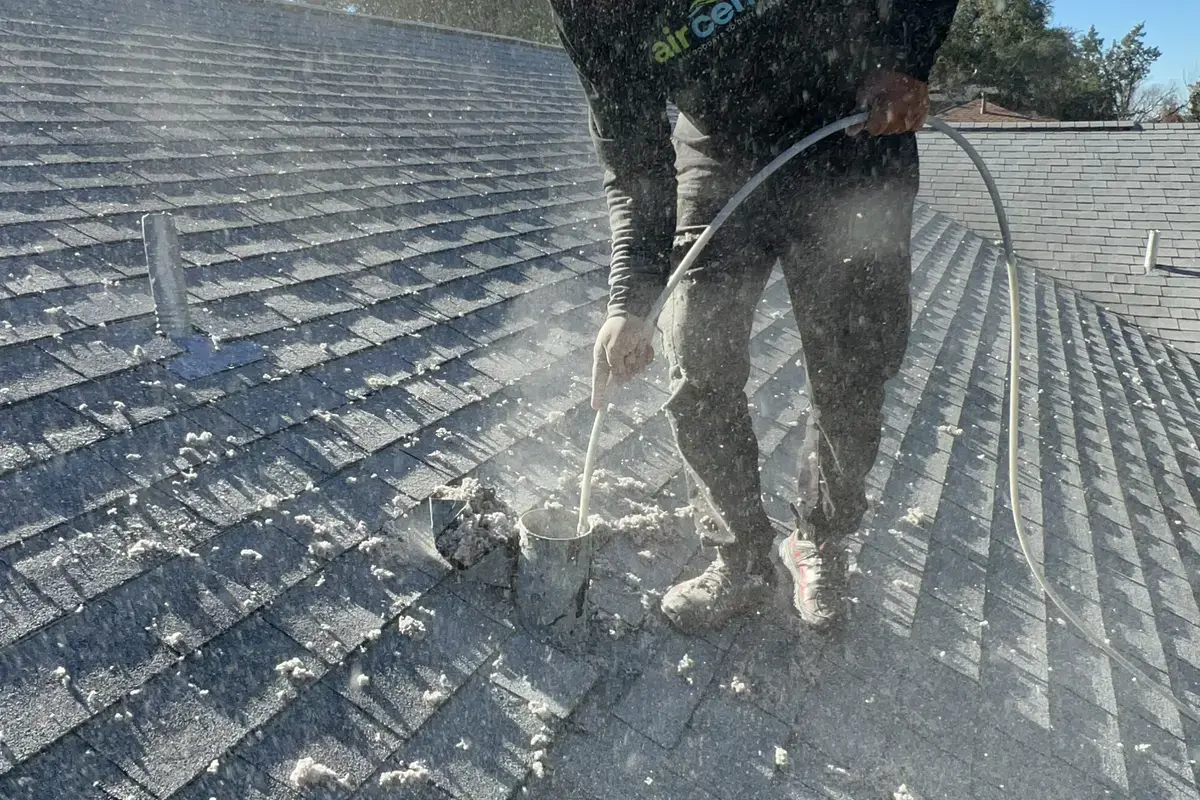
If your clothes are taking two cycles, your laundry room feels like a sauna, or your landlord wants a professional assessment before authorizing the work, we can help. Air Central cleans dryer vents in individual apartments and full multi-unit buildings across the Austin metro - and we provide the documentation property managers need to authorize the job. Call (512) 601-4451 to get your vent inspected before lint buildup becomes a fire risk.
Related Services
Learn more about our professional services related to this topic:
- Dryer Vent Cleaning - Clear lint buildup to prevent fires and cut drying time in half.
Want the full picture?
Read our complete guide: Dryer Vent Cleaning Austin: Complete Safety Guide (2026) →Have questions about dryer vent safety? Our team is available 7 days a week. Call us at (512) 601-4451 or visit our contact page.