Texas DFPS licensing requires adequate ventilation for childcare facilities, and children breathe approximately 50% more air per body weight than adults - making them more vulnerable to indoor pollutants. The EPA's Tools for Schools program provides a framework for IAQ management, and ASHRAE 62.1 sets ventilation standards for educational facilities.
Children Are Not Small Adults When It Comes to Air Quality
A four-year-old breathes approximately 50% more air per pound of body weight than an adult. Their lungs are still developing, their immune systems are still maturing, and their smaller airways are more susceptible to irritation from airborne particles. What might cause mild discomfort in an adult can trigger significant respiratory distress in a young child.
The EPA estimates that children spend 80-90% of their time indoors, with significant hours in daycare facilities and schools. Indoor air quality in these environments directly impacts not just respiratory health but cognitive development and behavior. A 2020 study in the journal Environmental Health Perspectives found that improved classroom ventilation was associated with reduced absenteeism and improved test scores.
Austin's combination of year-round pollen, high humidity, and extensive construction activity creates indoor air quality challenges that affect childcare facilities across the metro. From daycares in Round Rock to preschools in Bee Cave, every facility that circulates air through an HVAC system needs to consider what is in that air.
What Does Texas Licensing Actually Require?
The Texas Department of Family and Protective Services (DFPS) sets minimum standards for licensed childcare operations. Chapter 746 (Child Care Centers) and Chapter 747 (Group Day Care Homes) include ventilation requirements as part of facility licensing standards.
DFPS requires that childcare facilities maintain adequate ventilation to prevent accumulation of odors and pollutants. Indoor temperatures must be maintained between 65-82 degrees Fahrenheit. While the DFPS standards do not specify MERV ratings or duct cleaning schedules, they establish a baseline expectation that the indoor environment is safe and healthy for children.
Local building codes (Austin Energy Green Building program and Travis County requirements) apply additional standards for commercial spaces occupied by children. These typically reference ASHRAE 62.1 for ventilation rates and may require enhanced filtration in areas with known air quality concerns.
The practical implication: if a licensing inspector observes visible dust from vents, musty odors, or receives parent complaints about children's respiratory symptoms, the facility can face corrective action even without a specific MERV or duct cleaning standard being cited.
The EPA Tools for Schools Program
The EPA's Indoor Air Quality Tools for Schools (IAQ TfS) program provides a free framework for managing air quality in educational facilities. The program is not regulatory - it is voluntary guidance - but it represents the most comprehensive IAQ management approach available for schools and childcare centers.
The program includes checklists for HVAC maintenance (filter changes, coil cleaning, drain pan maintenance), ventilation verification (confirming outdoor air delivery to occupied spaces), moisture and mold prevention, and IAQ complaint investigation procedures.
Over 80,000 schools nationwide have adopted the IAQ TfS framework. Austin ISD has implemented elements of the program across its facilities. Private daycares and charter schools can adopt the same framework at no cost - the EPA provides all materials, checklists, and guidance documents at no charge.
"Parents ask me what questions to ask when touring daycares," says Nessi Ziv, owner of Air Central. "I tell them to look at the vents. If you see visible dust on supply registers, ask when the HVAC system was last serviced. If the facility cannot answer that question, that tells you something about their maintenance priorities."
ASHRAE Standards for Educational Facilities
ASHRAE Standard 62.1 specifies a minimum ventilation rate of 10 CFM of outdoor air per person for daycare facilities and 10-15 CFM per person for school classrooms, depending on age group and activity level. These rates are higher per person than standard office ventilation requirements, reflecting the higher breathing rates and vulnerability of children.
ASHRAE also addresses filtration in its Standard 52.2. For spaces occupied by children, a minimum of MERV 13 filtration is recommended for the recirculated air stream. This captures 85%+ of particles in the 1-3 micron range, including mold spores, bacteria, and fine dust that standard MERV 8 filters miss.
Temperature and humidity control matters as much as filtration. ASHRAE recommends maintaining relative humidity between 30-60% for occupied spaces. In Austin, where outdoor humidity averages 67%, active dehumidification through the HVAC system is necessary during 8-9 months of the year to keep indoor humidity in the recommended range and prevent mold growth conditions.
Concerned About Your Home's Air?
We provide professional air quality assessments for Austin homes. See what is in your ducts before deciding.
Call (512) 601-4451Rate your home's indoor air quality in 2 minutes
Common IAQ Problems in Austin Childcare Facilities
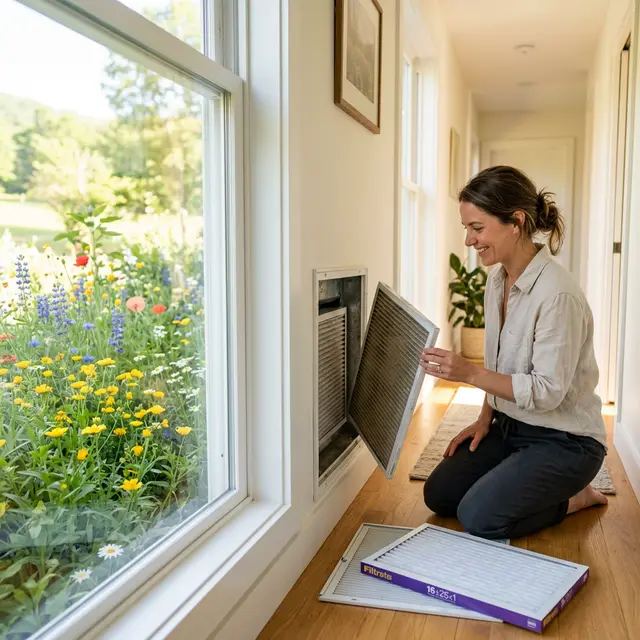
Inadequate filter maintenance is the most frequent issue. Daycare operators on tight budgets extend filter change intervals beyond manufacturer recommendations. During cedar season, a MERV 13 filter in a childcare facility can load up in 3-4 weeks. Running a loaded filter restricts airflow, reduces outdoor air delivery, and allows fine particles to bypass the filter around the edges.
Art supplies, cleaning chemicals, and cooking activities in daycare facilities introduce volatile organic compounds (VOCs) that accumulate in poorly ventilated spaces. Proper exhaust ventilation in craft areas and kitchens, combined with adequate outdoor air supply, dilutes these contaminants to safe levels.
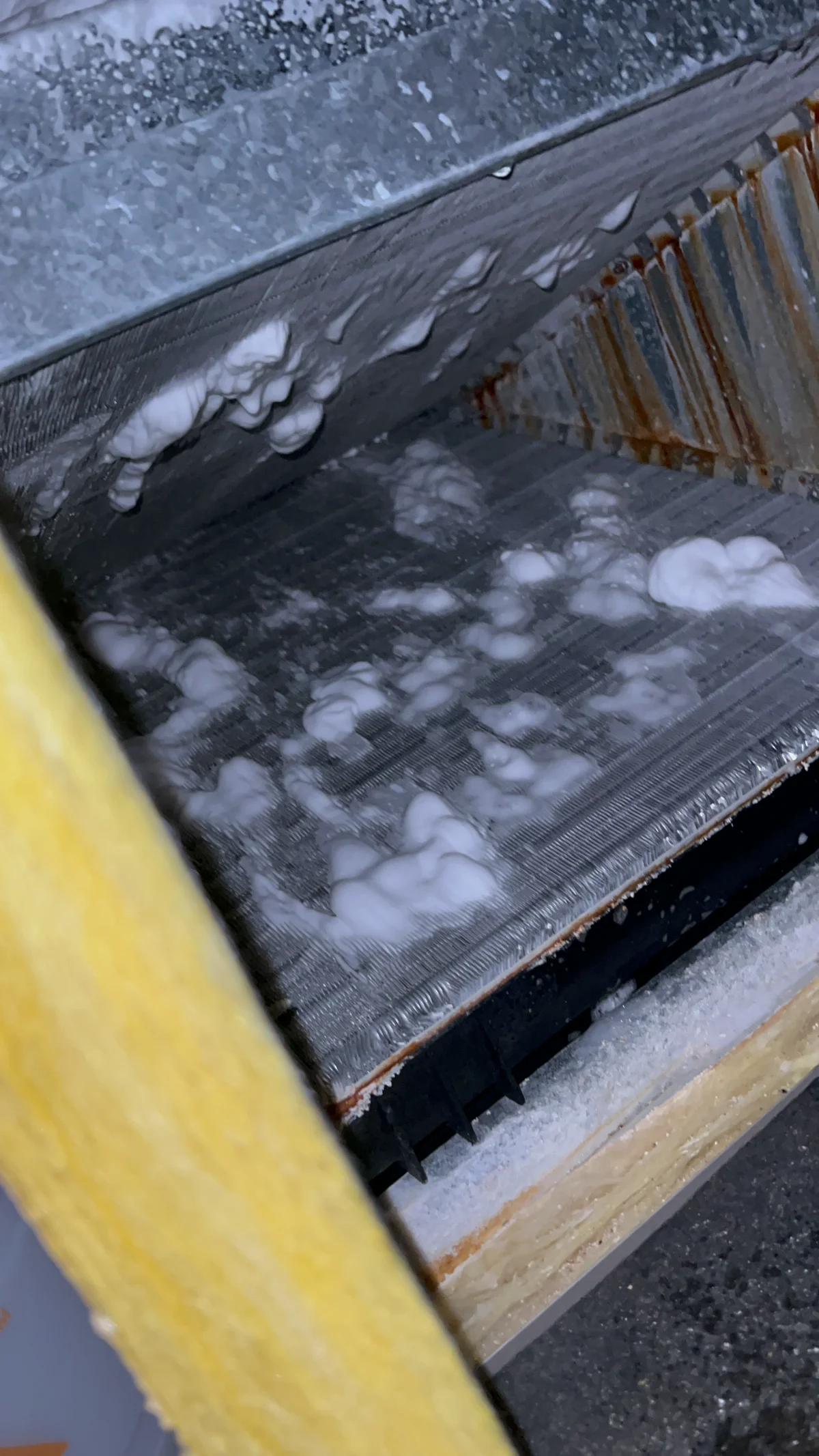
Aging HVAC systems in facilities that have not been updated since initial build-out circulate years of accumulated dust, biological growth, and deteriorating duct insulation particles. A facility in a building originally designed as retail or office space may have ductwork that was never cleaned before conversion to childcare use.
What Parents and Administrators Should Ask For
Parents evaluating childcare facilities should ask about HVAC maintenance schedules (filter changes, professional duct cleaning, coil cleaning), current filter type and MERV rating, when ductwork was last inspected or cleaned, and whether the facility follows any IAQ management framework.
Administrators should establish a documented HVAC maintenance schedule that includes quarterly filter changes (monthly during cedar season), annual coil cleaning, duct inspection every 2 years, and professional duct cleaning every 3-5 years or based on inspection findings.
Air Central provides duct cleaning, coil cleaning, and IAQ assessments for childcare facilities, schools, and educational centers across Austin, Cedar Park, Leander, Georgetown, and the surrounding area. We understand the unique air quality needs of spaces occupied by children and provide documentation for licensing compliance. Call (512) 601-4451 to schedule a facility IAQ assessment.
Related Services
Learn more about our professional services related to this topic:
- Air Duct Cleaning - Remove dust, allergens, and debris from your entire HVAC system for cleaner indoor air.
- Air Duct Inspection - Diagnose leaks, blockages, and efficiency issues with HD camera inspection.
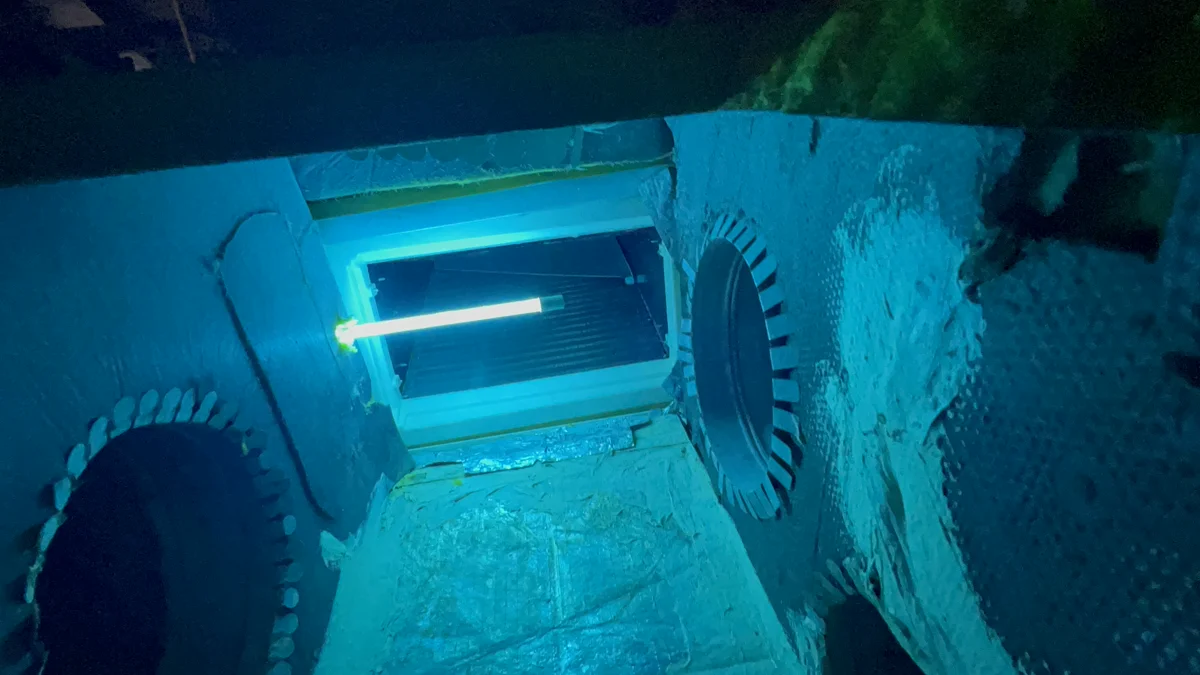
- UV Lighting System - Eliminate bacteria and allergens inside your HVAC with UV-C light technology.
Want the full picture?
Read our complete guide: Indoor Air Quality in Austin: The Complete Guide (2026) →Have questions about indoor air quality? Our team is available 7 days a week. Call us at (512) 601-4451 or visit our contact page.