Cooking is the number one source of PM2.5 (fine particulate matter) inside your home, according to the EPA. Gas stoves also emit nitrogen dioxide at levels that can exceed outdoor safety limits. A properly ducted range hood that vents to the outside is the single most effective solution. Recirculating hoods filter grease but do not remove combustion gases or fine particles. Over time, cooking grease and particles coat your ductwork and reduce HVAC efficiency. Call (512) 601-4451 for duct cleaning if your home has an open floor plan and your vents smell like cooking residue.
Cooking Is Your Home's Biggest Air Polluter
Most Austin homeowners think outdoor air pollution is worse than indoor. The EPA says the opposite is true: indoor air is typically 2-5 times more polluted than outdoor air. And the single largest contributor to indoor particulate pollution in most homes is cooking. This hits hard in neighborhoods like The Domain, Mueller, and East Riverside where open-concept apartments and condos share a single HVAC zone between the kitchen and every living space - meaning cooking particles reach every room in minutes.
Every cooking method generates fine particles. Frying, sauteing, and grilling produce the most PM2.5 - particles smaller than 2.5 microns that penetrate deep into your lungs. A single stir-fry session can spike PM2.5 levels in your kitchen to 10-20 times the EPA's outdoor safety threshold. Baking and boiling produce less particulate but still generate measurable amounts, along with moisture that raises indoor humidity.
Gas stoves add another layer. Burning natural gas produces nitrogen dioxide (NO2), carbon monoxide (CO), and formaldehyde. A 2022 Stanford study found that gas stoves in homes without range hoods produce NO2 levels that would violate EPA outdoor air quality standards. A 2023 study in the International Journal of Environmental Research and Public Health estimated that gas stoves contribute to roughly 12.7% of childhood asthma cases in the US. These are combustion byproducts that have nothing to do with what you are cooking - they are produced by the burner itself.
Range Hood: Ducted vs Recirculating
A ducted range hood that vents to the outside is the single most effective tool for managing cooking-related air quality. It physically removes particles, combustion gases, moisture, and odors from the kitchen before they disperse through the house. The key is that it must vent outside - through the wall or roof - not just recirculate air through a filter.
Recirculating range hoods pass air through a charcoal or mesh filter and blow it back into the kitchen. They capture some grease and reduce odors, but they do not remove NO2, CO, fine particles, or moisture. If your hood recirculates, it is providing minimal air quality benefit. Unfortunately, recirculating hoods are extremely common in Austin homes, particularly in newer construction with island cooktops where running ductwork to an exterior wall is architecturally inconvenient.
If you have a ducted range hood, use it. Turn it on before you start cooking and leave it running for 15 minutes after you finish. Run it on the highest speed during heavy cooking (frying, grilling). The fan should move at least 100 CFM for standard cooking and 300+ CFM for heavy cooking. Many homeowners have perfectly good ducted hoods but never turn them on because of the noise. The noise is worth it.
If converting from recirculating to ducted is not feasible, opening a window near the stove during cooking provides some dilution ventilation. Running the HVAC fan in 'on' mode (continuous rather than 'auto') during and after cooking also helps by pulling cooking particles through the filter rather than letting them settle on surfaces.
How Cooking Grease Coats Your Ductwork
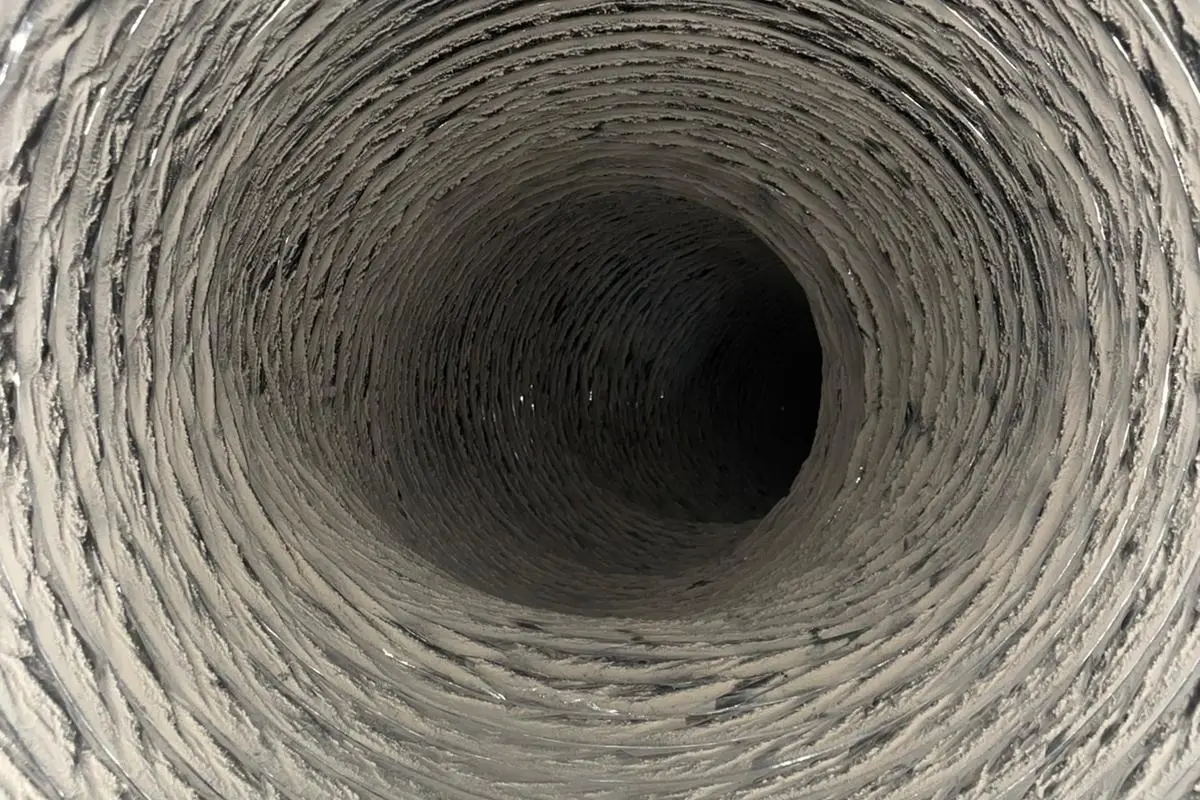
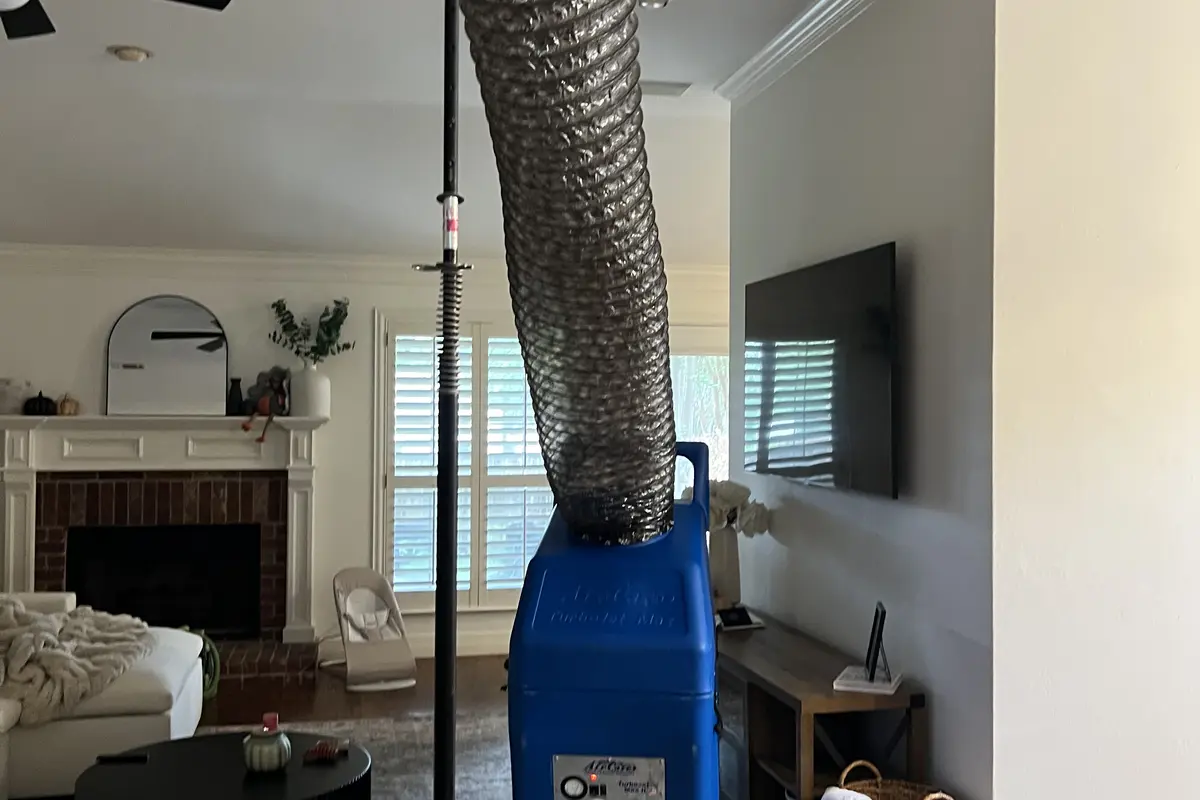
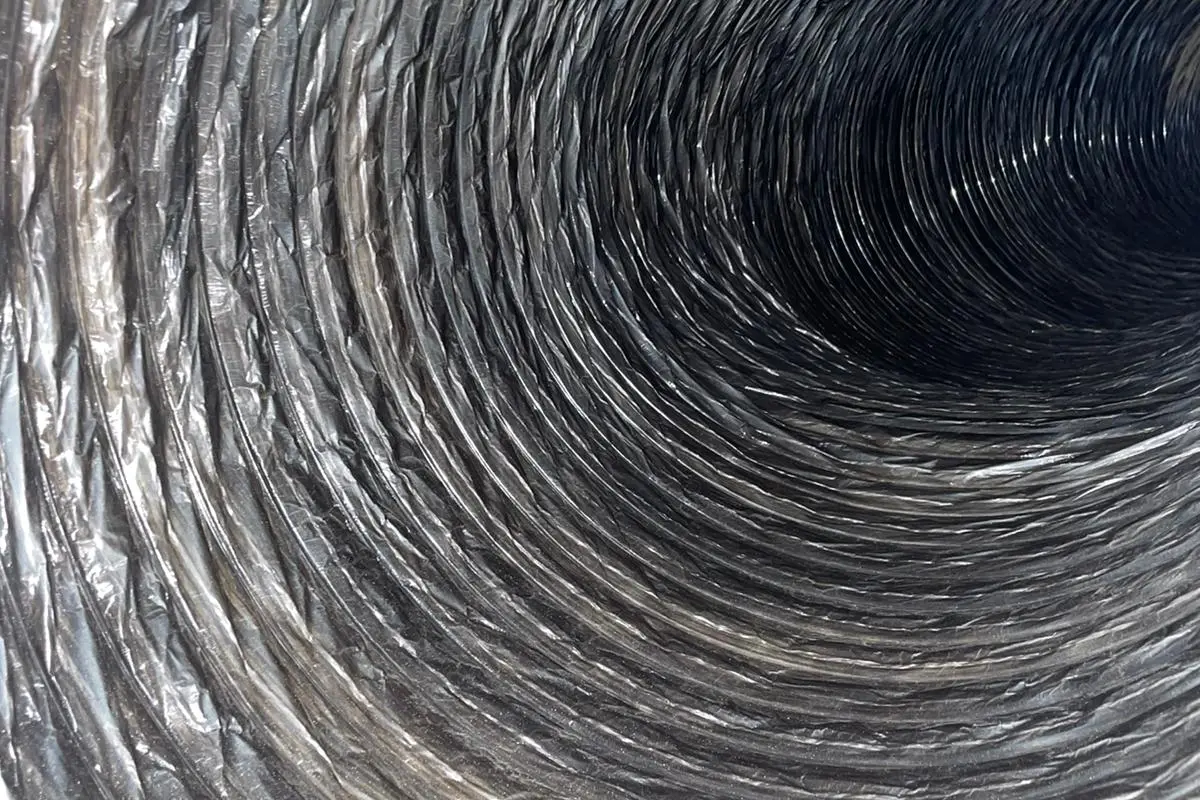
Cooking produces aerosolized grease particles that are too small to see but large enough to coat surfaces over time. These particles travel with the airstream throughout your home, carried by the HVAC system from the kitchen to every room. Over months and years, a thin layer of grease film accumulates on duct walls, vent covers, evaporator coils, and filter media.
Grease buildup in ductwork creates several problems. It traps other particles - dust, pollen, and pet dander stick to the greasy film rather than passing through to the filter, creating a compounding layer of contamination. It provides a food source for bacteria and biological growth. And it produces the characteristic stale cooking smell that some homeowners notice from their vents.
In Austin's open floor plan homes - which are the norm in construction from 2000 onward - the kitchen shares airspace with the living room, dining room, and often the entry hall. There is no wall to contain cooking particles. The HVAC return vent, which is typically in the main living area, pulls cooking particles directly into the system. We regularly find cooking grease residue in ductwork during cleaning, even in homes where owners think their hood ventilation is adequate.
Concerned About Your Home's Air?
We provide professional air quality assessments for Austin homes. See what is in your ducts before deciding.
Call (512) 601-4451Rate your home's indoor air quality in 2 minutes
MERV Filters and Cooking Particles
Your HVAC filter is the second line of defense after range hood ventilation. The question is whether your filter is rated to catch cooking particles. PM2.5 particles are 2.5 microns and smaller. Grease aerosols range from 0.5 to 10 microns. Standard MERV 8 filters capture only about 20% of particles in the 1-3 micron range - meaning 80% of cooking fine particles pass right through.
A MERV 11 filter captures about 85% of particles in the 1-3 micron range. A MERV 13 captures 90%+ down to 0.3 microns. For homes where cooking is a daily activity - and where the range hood is recirculating or not used - upgrading to MERV 11 or 13 significantly reduces the cooking particles that recirculate through your ductwork.
Change your filter more frequently if your household cooks daily. The standard 60-90 day filter life assumes average conditions. Daily cooking, especially frying or grilling, loads the filter faster with grease and particulate. Check the filter monthly and replace it when it shows visible discoloration or grease buildup, even if it has not reached the recommended replacement interval.
Ventilation Strategies for Austin Homes
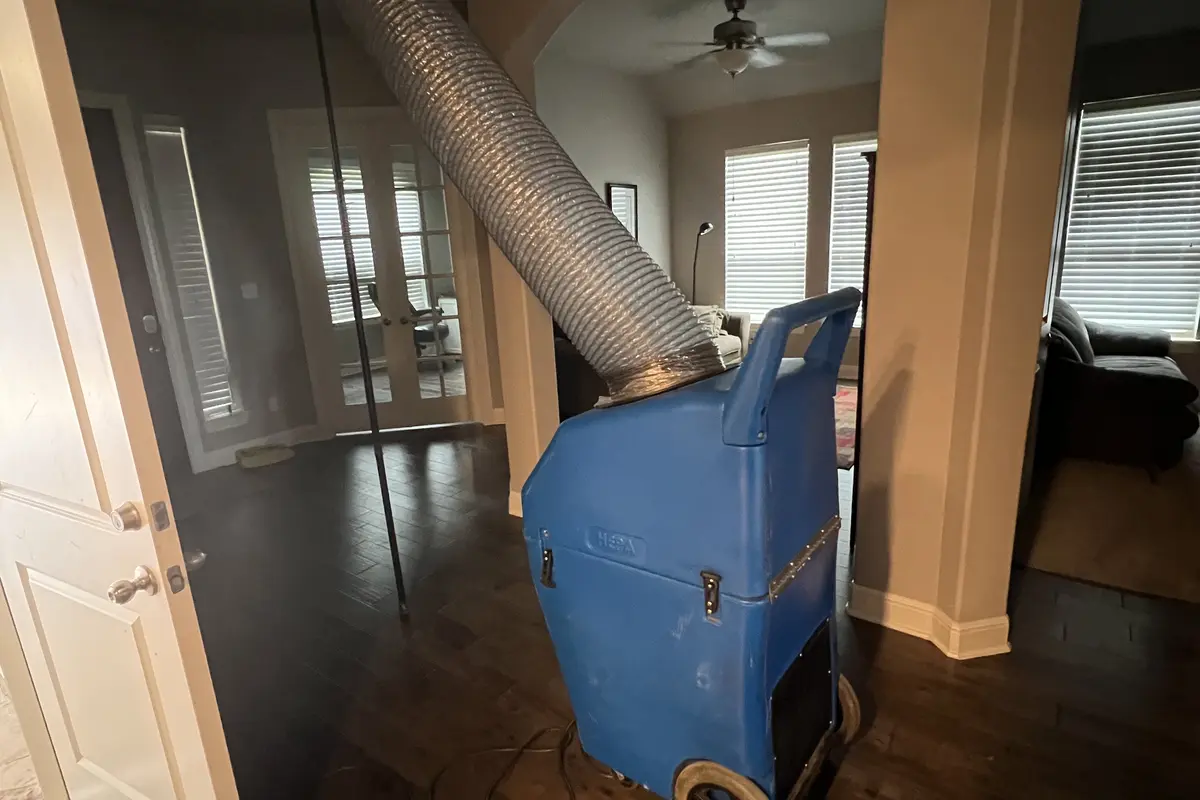
The best approach combines three strategies: source capture (ducted range hood), filtration (MERV 11+ filter), and dilution ventilation (fresh air introduction). Source capture is the most effective because it removes pollutants before they disperse. Filtration catches what the hood misses. Dilution ventilation reduces the concentration of combustion gases that filters cannot capture.
For homes with gas stoves and recirculating hoods, consider these practical steps: open a window within 10 feet of the stove during cooking, run the bathroom exhaust fan nearest to the kitchen for additional air exchange, and keep the HVAC fan on during and for 30 minutes after cooking to circulate air through the filter.
For households where cooking is a centerpiece - multiple daily meals, heavy use of oil and spices, wok cooking - upgrading to a ducted range hood should be a priority. The installation cost is typically $500-$1,500 depending on the ductwork route to an exterior wall, and the air quality improvement is immediate and measurable.
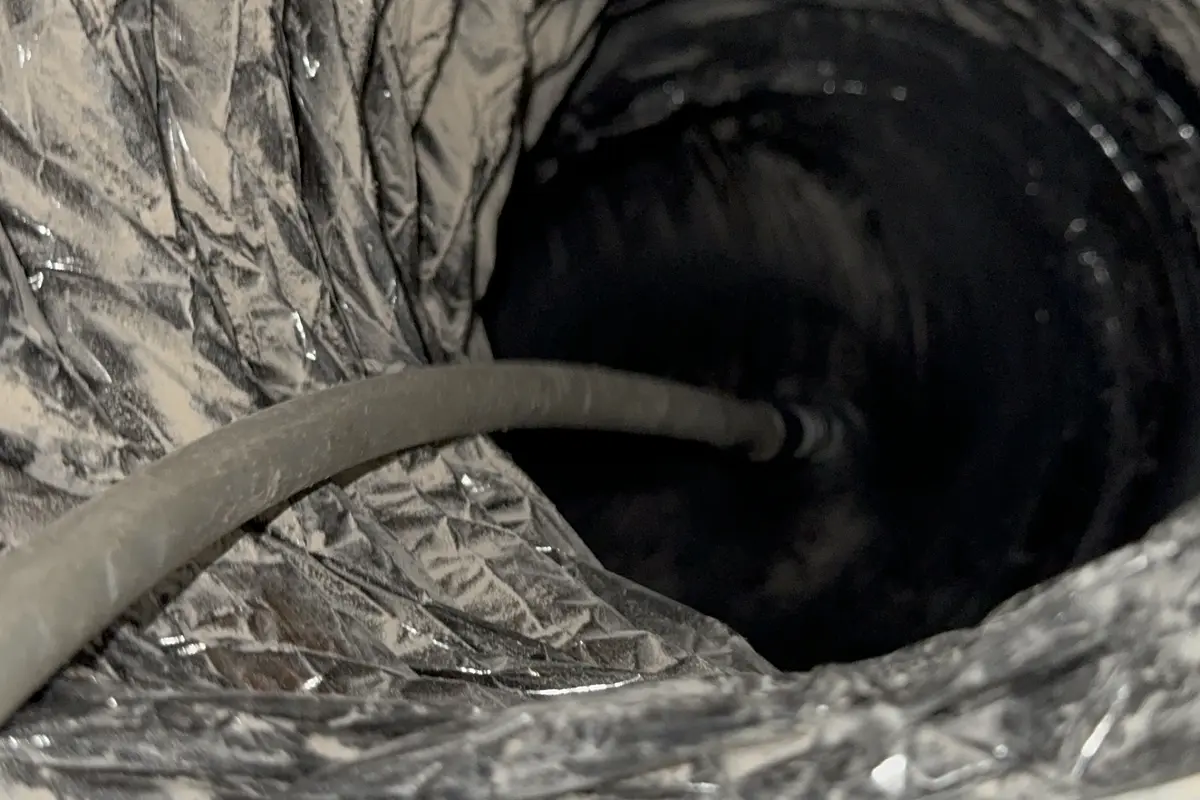
If your home has an open floor plan and you notice cooking odors from vents in other rooms, your ductwork has likely accumulated a grease film that basic filter changes will not address. Professional duct cleaning removes the residue and restores clean airflow. Call (512) 601-4451 to schedule a duct inspection and cleaning.
Related Services
Learn more about our professional services related to this topic:
- Air Duct Cleaning - Remove dust, allergens, and debris from your entire HVAC system for cleaner indoor air.
- Air Duct Inspection - Diagnose leaks, blockages, and efficiency issues with HD camera inspection.
- UV Lighting System - Eliminate bacteria and allergens inside your HVAC with UV-C light technology.
Want the full picture?
Read our complete guide: Indoor Air Quality in Austin: The Complete Guide (2026) →Have questions about indoor air quality? Our team is available 7 days a week. Call us at (512) 601-4451 or visit our contact page.